
Sip smarter, sparkle brighter, and savor every moment with the chicest low-proof drinks around.
- 25 Bachelorette Party Cocktails Every Bride-To-Be Needs Before Saying I Do Updated 10/2026
- 15 Sparkling Water Cocktails Guaranteed To Elevate Your Weekend Celebrations Updated 10/2026
- 18 Fun Christmas Cocktails That Will Dazzle Every Guest This Holiday Season Updated 10/2026
- 21 Keto Cocktails That Will Supercharge Your Weekend Without The Carbs Updated 10/2026
- 18 February Cocktails That Will Absolutely Transform Your Cozy Winter Nights Updated 10/2026
Introduction
There is something undeniably liberating about holding a beautiful, complex, thoughtfully crafted cocktail and knowing that tomorrow morning, you will wake up feeling just as radiant as you did the night before. That is the quiet magic of low ABV cocktails, and if you have not yet discovered this world, consider this your most stylish invitation.
You Are Watching: 15 Low ABV Cocktails Irresistibly Gorgeous for Your Most Radiant Evenings Updated 10/2026
Low ABV cocktails, short for low alcohol by volume, are drinks crafted primarily around ingredients that clock in below 20% ABV, such as vermouth, aperitifs, sparkling wine, sherry, sake, and beer. The result is a glass that is every bit as sophisticated, layered, and visually stunning as a classic spirit-forward cocktail, but gentler on your body and your morning-after self. These are drinks designed to be lingered over, to accompany conversation that stretches well past golden hour, and to make you feel like the most intentional person in the room.
The timing of this trend could not be more perfect. According to industry data, 41% of Americans were actively trying to drink less in 2024, a 7% increase from the previous year, and the no- and low-alcohol category saw a 9% rise in total volumes. What started as a seasonal “Dry January” experiment has evolved into what experts now call “Damp Living,” a lifestyle philosophy centered on conscious enjoyment rather than abstinence. The sober-curious movement has officially grown up, and it brought extraordinary cocktails with it.
Whether you are hosting a Sunday brunch, winding down after a long week, or simply craving something beautiful in a glass, these 15 low ABV cocktails are about to become your new obsession. Each one is designed to deliver maximum flavor, elegance, and occasion-worthy flair, with minimum regret.
The World of Low ABV Cocktails: Flavor, History, and the Culture of Mindful Sipping
To truly appreciate a low ABV cocktail, it helps to understand the ingredients that power them. Unlike the high-proof spirits that anchor a classic Old Fashioned or Martini, low ABV cocktails lean on a dazzling cast of supporting characters that have, in this genre, finally stepped into the spotlight. Vermouth, fortified wines, aperitifs, amaro, sake, and beer are not fillers here. They are the stars.
The history of low-alcohol drinking is richer than most people realize. The spritz, now synonymous with Aperol and Prosecco, was actually born in the 19th century when the Veneto region of northern Italy was under Austro-Hungarian rule. Austrian soldiers, accustomed to lighter Central European wines, found Italian wines far too potent. Their solution was delightfully simple: they began adding a splash, or “Spritz” in German (from the verb spritzen, meaning to spray), of water to their glasses. That small, practical act of dilution eventually evolved into one of the most beloved cocktail categories on earth.
The Aperol that defines the modern spritz has its own fascinating backstory. Aperol was originally created in 1919 by Luigi and Silvio Barbieri after seven years of experimentation, unveiled at the Padua International Fair with all the pomp of a great Italian debut. It features a complex flavor profile that combines zesty orange with herbal notes and a subtle touch of vanilla, resulting in a bittersweet flavor that’s both sophisticated and approachable. With an ABV of just 11%, it was always destined to anchor light, convivial drinking. The Aperol Spritz as we know it today emerged in the 1950s and quickly became a staple in Italian aperitivo culture. It was not until Gruppo Campari acquired the brand in 2003 and launched a global campaign that the rest of the world caught on.
Beyond the spritz, the low ABV cocktail world stretches beautifully in every direction. Sherry, a fortified wine from the Jerez region of southern Spain with a history spanning over five centuries, brings extraordinary depth to cocktails without the alcohol punch. Japanese sake adds a clean, delicate rice-wine sweetness that pairs brilliantly with citrus and botanicals. Elderflower liqueur, born from the fragrant blossoms of the European elder plant, lends a floral, almost ethereal quality. And vermouth, the aromatized, herb-laced wine that has existed in European bars since the 18th century, is perhaps the most criminally underestimated ingredient in any modern cocktail bar.
The cultural shift toward these ingredients is not just a wellness trend. By 2026, low-ABV and alcohol-free cocktails are not a token afterthought; they’re an integral part of bar programs, with bartenders crafting creations that emphasize nuance and refreshment over potency. The mantra echoing through the world’s best cocktail bars is “drink better, not more,” and it has never sounded so chic. According to the World Health Organization, 57% of the global population abstains from alcohol, with Western countries seeing around one-third of the population embracing low- or no-alcohol lifestyles, a number that continues to grow.
In terms of flavor, low ABV cocktails tend to be brighter, fruitier, and more floral than their high-proof counterparts, with a lighter mouthfeel and a natural effervescence that makes them inherently refreshing. The bittersweet profiles of aperitifs like Aperol and Campari, the nutty richness of a fino sherry, the grassy brightness of sake, and the yeasty sparkle of craft beer all contribute to a flavor landscape that is layered, complex, and deeply satisfying without ever feeling heavy.
This is drinking as a form of self-expression. This is your glass, glowing beautifully on the table, telling the world exactly who you are.
Essential Tools for Making Low ABV Cocktails at Home
- Cocktail shaker (cobbler or Boston style)
- Bar spoon (long-handled, twisted)
- Jigger (double-sided, 1 oz / 2 oz)
- Hawthorne strainer
- Fine mesh strainer (for double-straining)
- Citrus juicer or reamer
- Y-peeler (for citrus twists and garnishes)
- Wine key / bottle opener (for sparkling wine)
- Large format ice cube molds
- Cocktail mixing glass
The Cocktail List: 15 Irresistible Low ABV Recipes to Try Right Now
The Classic Aperol Spritz

There is a reason this drink has conquered every café terrace, rooftop bar, and Instagram feed on the planet. It is the gold standard of low ABV cocktails, and it earns that crown every single time.
Read More : 18 Summer Batch Cocktails Stunning Enough to Steal the Show This Season Updated 10/2026
Ingredients:
- 3 oz Prosecco (chilled)
- 2 oz Aperol
- 1 oz sparkling water (chilled)
- 1 large orange slice, for garnish
- Ice
Read More : 15 Orgeat Cocktails That Will Make You the Most Glamorous Host This Season Updated 10/2026
Instructions:
- Fill a large balloon wine glass or stemmed goblet generously with ice.
- Pour in the Prosecco first to preserve the bubbles.
- Add the Aperol and gently pour the sparkling water over the top.
- Give it one slow, gentle stir with a bar spoon.
- Garnish with a thick orange slice resting on the rim.
The Experience: Imagine the color of a late-summer sunset, amber and coral swirling together in a glass that catches the light. The Aperol Spritz is bittersweet and citrusy, lightly herbal, and endlessly effervescent. It is the drink you sip while deciding where to go for dinner, while watching the city glow, while laughing just a little too loudly. It is a mood, bottled.
Hugo Spritz

The Hugo is the Aperol Spritz’s dreamier, more floral younger sibling, and once you try it, you will wonder why you waited so long. Born in South Tyrol in the Italian Alps, this drink has a fairy-tale quality that makes it perfect for garden parties and golden afternoons.
Read More : 18 Summer Batch Cocktails Stunning Enough to Steal the Show This Season Updated 10/2026
Ingredients:
- 3 oz Prosecco (chilled)
- 1 oz elderflower liqueur (such as St-Germain)
- 1 oz sparkling water
- 4-5 fresh mint leaves
- 2 lime wedges
- Ice
Read More : 15 Orgeat Cocktails That Will Make You the Most Glamorous Host This Season Updated 10/2026
Instructions:
- Fill a large wine glass with ice.
- Add the mint leaves and lime wedges and gently press with a bar spoon (do not muddle aggressively; you just want to coax out the oils).
- Pour in the elderflower liqueur, followed by the Prosecco.
- Top with sparkling water and stir gently once.
- Garnish with a fresh sprig of mint and an additional lime wedge.
The Experience: Pale gold and almost luminous in the glass, with tiny bubbles rising through the mint like something out of a perfume advertisement. The Hugo Spritz tastes of elderflower, which is to say it tastes of warmth and sun-drenched meadows, with a bright limey edge that keeps it crisp and elegant. This is the cocktail for a slow Sunday brunch, a bouquet of peonies on the table, and nowhere to be.
Sherry Cobbler
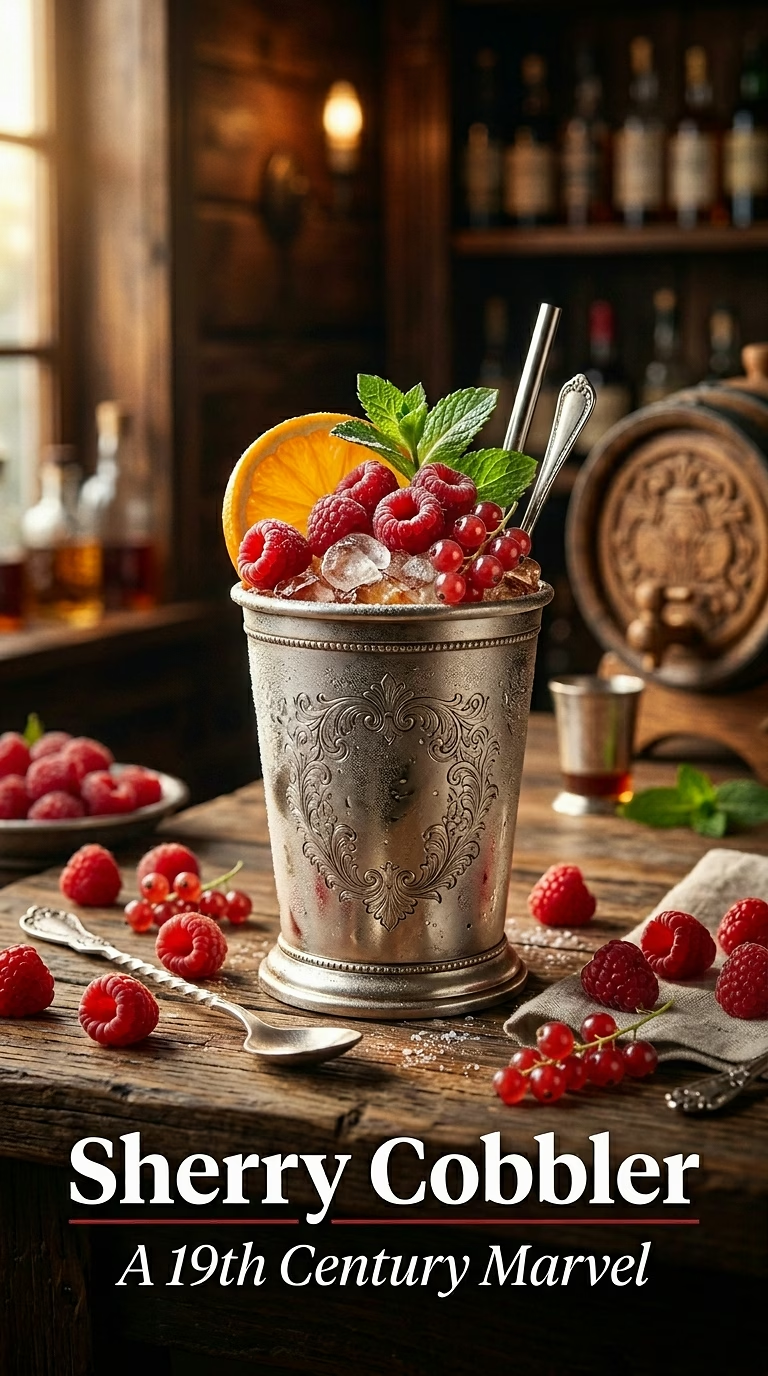
This is one of the oldest and most underrated low ABV cocktails in existence, and it deserves an immediate revival in your glass. The Sherry Cobbler was one of the most popular drinks in 19th-century America, and its time has absolutely come back around.
Read More : 18 Summer Batch Cocktails Stunning Enough to Steal the Show This Season Updated 10/2026
Ingredients:
- 4 oz dry amontillado sherry
- 0.75 oz simple syrup
- 3 orange slices
- Seasonal berries and citrus for garnish
- Crushed ice
Read More : 15 Orgeat Cocktails That Will Make You the Most Glamorous Host This Season Updated 10/2026
Instructions:
- In a cocktail shaker, add the orange slices and simple syrup.
- Muddle gently to release the juices.
- Add the sherry and fill the shaker with ice.
- Shake vigorously for 10-12 seconds.
- Double strain over a tall glass packed with crushed ice.
- Garnish lavishly with seasonal berries, citrus slices, and a fresh mint sprig.
- Serve with a reusable metal straw.
The Experience: Russet and burnished in the glass, with the nutty, caramel-tinged depths of aged sherry shining through citrus brightness. The Sherry Cobbler is sophisticated without being fussy, complex without being intimidating. It is the cocktail equivalent of a well-traveled woman who has interesting opinions and always knows the best table in the room.
Lillet Rose Fizz

Lillet Blanc has long been a secret weapon of the low ABV world, but the Rose expression adds a blush-pink beauty that makes this drink almost too pretty to drink. Almost.
Read More : 18 Summer Batch Cocktails Stunning Enough to Steal the Show This Season Updated 10/2026
Ingredients:
- 2 oz Lillet Rose
- 0.5 oz fresh lemon juice
- 0.5 oz honey syrup (1:1 honey to warm water)
- 3 oz chilled sparkling water or Champagne
- Fresh raspberries and a lemon twist, for garnish
- Ice
Read More : 15 Orgeat Cocktails That Will Make You the Most Glamorous Host This Season Updated 10/2026
Instructions:
- Combine Lillet Rose, lemon juice, and honey syrup in a cocktail shaker with ice.
- Shake well for 12 seconds until thoroughly chilled.
- Strain into a chilled coupe or champagne flute over a single large ice cube (or no ice if using a flute).
- Top gently with sparkling water or Champagne.
- Express a lemon peel over the top and drop it in.
- Drop two fresh raspberries into the glass for color.
The Experience: Blush pink and shimmering, with tiny bubbles catching the light like a glass of liquid rose quartz. The Lillet Rose Fizz is floral, gently honeyed, and kissed with a lemon brightness that makes the whole thing sing. This is your gallery opening cocktail, your first-date drink, your “I bought myself flowers” Friday evening in a glass.
Campari Soda

Campari Soda is the ultimate two-ingredient low ABV cocktail, and its audacious simplicity is a lesson in restraint. Born in Italy in the 1930s, this drink even had its own pre-mixed bottled version that became iconic for its modernist packaging designed by Fortunato Depero.
Read More : 18 Summer Batch Cocktails Stunning Enough to Steal the Show This Season Updated 10/2026
Ingredients:
- 2 oz Campari
- 4 oz chilled sparkling water (or soda water)
- 1 orange wedge, for garnish
- Ice
Read More : 15 Orgeat Cocktails That Will Make You the Most Glamorous Host This Season Updated 10/2026
Instructions:
- Fill a highball glass generously with ice.
- Pour the Campari directly over the ice.
- Top with cold sparkling water and stir once gently.
- Squeeze an orange wedge over the top and drop it into the glass.
The Experience: Vivid crimson, almost jewel-like, with a bitter herbal intensity that blooms over ice and slowly softens into something wonderfully refreshing. The Campari Soda is bold and unapologetically bitter, the drink of a woman who knows exactly what she likes. It belongs in a hand gesturing during an animated story, with sunlight streaming through tall windows nearby.
Sake Cucumber Cooler

Sake, Japan’s beloved rice wine, hovers gently around 14-16% ABV before being diluted in cocktails, making it a wonderfully elegant low-proof base. This recipe pairs it with cucumber for a drink that feels like the picture of cool.
Read More : 18 Summer Batch Cocktails Stunning Enough to Steal the Show This Season Updated 10/2026
Ingredients:
- 3 oz junmai sake (or daiginjo for a more fragrant style)
- 1 oz fresh lime juice
- 0.75 oz elderflower liqueur
- 4 thin cucumber slices (plus more for garnish)
- 0.5 oz simple syrup
- 2 oz chilled sparkling water
- Ice
Read More : 15 Orgeat Cocktails That Will Make You the Most Glamorous Host This Season Updated 10/2026
Instructions:
- Muddle the cucumber slices in the base of a shaker until well broken down.
- Add sake, lime juice, elderflower liqueur, and simple syrup.
- Fill with ice and shake vigorously for 12-15 seconds.
- Double strain into a tall glass filled with ice.
- Top with sparkling water and stir gently.
- Garnish with a ribbon of cucumber peeled with a vegetable peeler and draped elegantly over the rim.
The Experience: Pale jade green and pristinely clear, with cool cucumber ribbons reflecting the light. The Sake Cucumber Cooler is clean, delicate, and deeply refreshing, with a floral undertone from the elderflower and a gentle tartness from the lime. It is the drink you make when you want to feel effortlessly put-together, which is to say, it is ideal for anytime.
Beer Shandy with Citrus and Honey

The shandy, a simple mixture of beer and lemonade or citrus, is a centuries-old British tradition that is absolutely ready for a luxe modern upgrade. This version uses a quality wheat beer and fresh-squeezed citrus to create something genuinely stunning.
Read More : 18 Summer Batch Cocktails Stunning Enough to Steal the Show This Season Updated 10/2026
Ingredients:
- 6 oz chilled wheat beer (such as Hefeweizen or Blue Moon)
- 3 oz fresh lemonade (ideally homemade with real lemon juice)
- 0.5 oz honey syrup
- Lemon wheel and fresh thyme sprig, for garnish
- Ice
Read More : 15 Orgeat Cocktails That Will Make You the Most Glamorous Host This Season Updated 10/2026
Instructions:
- Add honey syrup to a chilled pint glass or large wine glass.
- Fill the glass halfway with ice.
- Pour the lemonade over the ice and stir briefly to combine with the honey syrup.
- Tilt the glass slightly and pour the chilled wheat beer slowly down the side to preserve carbonation.
- Stir once, very gently.
- Garnish with a lemon wheel and a fresh thyme sprig pressed between your fingers first to release the oils.
The Experience: Hazy golden with a soft, pillowy foam and the bright scent of citrus and fresh herbs rising from the glass. The Beer Shandy is light, sunshine-y, and effortlessly easy to drink. It is the cocktail of outdoor concerts, picnic blankets, and the very best version of a summer afternoon.
Negroni Sbagliato

The Negroni Sbagliato, Italian for “mistaken Negroni,” was reportedly born in 1972 when a bartender at Bar Basso in Milan accidentally grabbed a bottle of Prosecco instead of gin. The “mistake” turned out to be genius. This version swaps the usual gin for sparkling wine, creating something lighter, more playful, and deeply beautiful.
Read More : 18 Summer Batch Cocktails Stunning Enough to Steal the Show This Season Updated 10/2026
Ingredients:
- 1.5 oz sweet vermouth
- 1.5 oz Campari
- 2 oz Prosecco (chilled)
- Orange half-wheel or peel, for garnish
- Ice
Read More : 15 Orgeat Cocktails That Will Make You the Most Glamorous Host This Season Updated 10/2026
Instructions:
- Fill a rocks glass with a large ice cube or ice cubes.
- Pour in the Campari, then the sweet vermouth.
- Stir briefly with a bar spoon, just 3-4 stirs.
- Top gently with chilled Prosecco, pouring down the side of the glass.
- Garnish with an orange half-wheel or express an orange peel over the top and rest it on the rim.
The Experience: Deep ruby red at the bottom softening to a lighter crimson blush where the Prosecco mingles in, the Negroni Sbagliato is drama in a glass. It is bittersweet, lightly herbal, and gently effervescent in a way that feels entirely unexpected for something that looks so bold. This is the cocktail that makes people at the next table lean over and ask what you are having.
Elderflower Collins

The Tom Collins is a classic for a reason, but this floral, low-proof riff on the format takes the concept somewhere truly lovely. Using elderflower liqueur as the primary spirit keeps the ABV beautifully light while delivering incredible aromatic depth.
Read More : 18 Summer Batch Cocktails Stunning Enough to Steal the Show This Season Updated 10/2026
Ingredients:
- 2 oz elderflower liqueur (St-Germain)
- 1 oz fresh lemon juice
- 0.5 oz simple syrup
- 3 oz chilled club soda
- Lemon wheel, fresh edible flowers, and a mint sprig for garnish
- Ice
Read More : 15 Orgeat Cocktails That Will Make You the Most Glamorous Host This Season Updated 10/2026
Instructions:
- Combine elderflower liqueur, lemon juice, and simple syrup in a cocktail shaker with ice.
- Shake well for 12 seconds.
- Strain into a tall Collins glass filled with ice.
- Top with club soda and stir once gently.
- Garnish with a lemon wheel, a sprig of mint, and edible flowers if you have them.
The Experience: Crystal clear with a faint golden blush, topped with a gentle fizz and flowers floating at the rim. The Elderflower Collins is romantic, aromatic, and almost impossibly elegant. It tastes of sun-warmed gardens and the very beginning of summer, when everything still feels possible.
Kombucha Mule
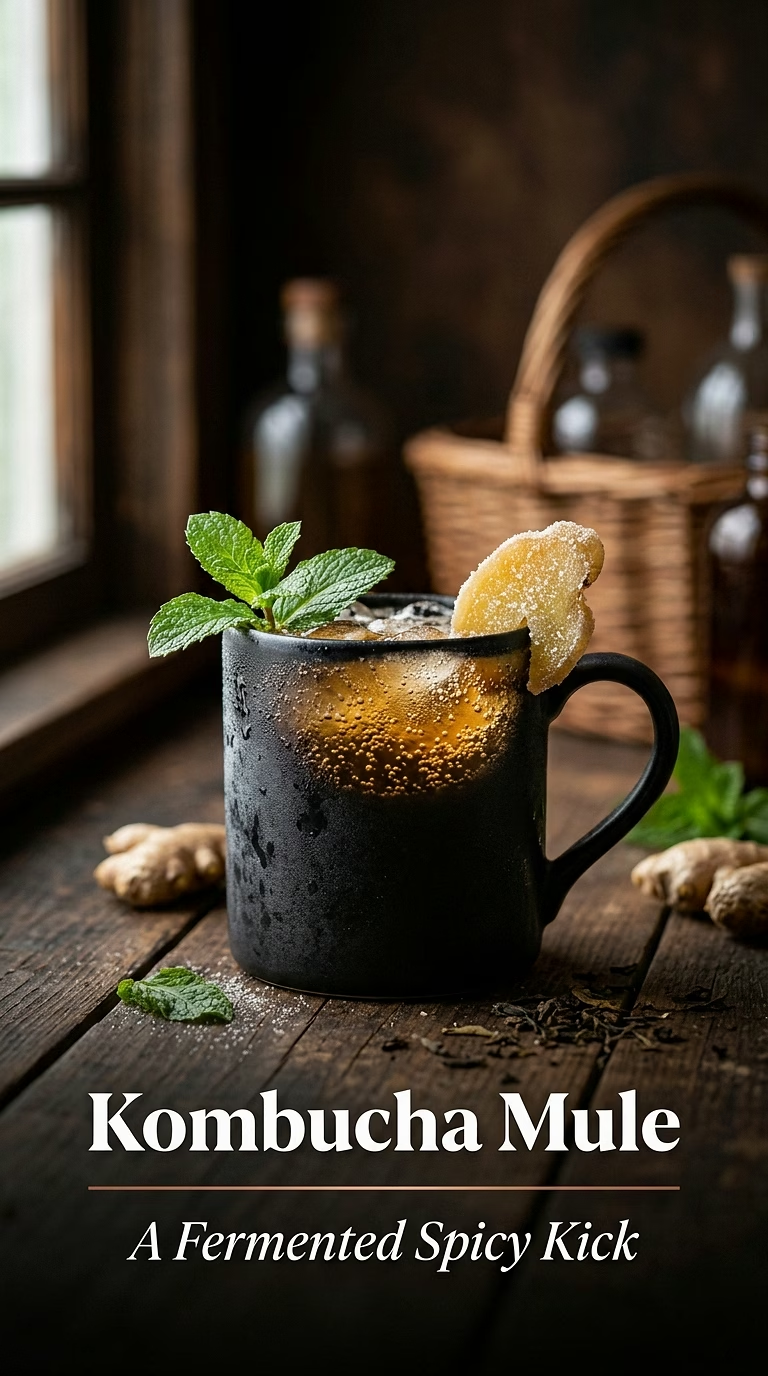
The Moscow Mule format, ginger beer over ice in a copper mug, gets a probiotic-powered glow-up in this recipe. Kombucha brings its natural tartness, gentle effervescence, and wellness credentials to make a mule that is as good for you as it is gorgeous.
Read More : 18 Summer Batch Cocktails Stunning Enough to Steal the Show This Season Updated 10/2026
Ingredients:
- 4 oz ginger-flavored kombucha (chilled)
- 2 oz ginger beer
- 1 oz fresh lime juice
- 0.5 oz honey or agave syrup
- Lime wheel and crystallized ginger, for garnish
- Crushed ice
Read More : 15 Orgeat Cocktails That Will Make You the Most Glamorous Host This Season Updated 10/2026
Instructions:
- Fill a copper mug or large rocks glass with crushed ice.
- Add the honey or agave syrup and lime juice, stirring briefly at the bottom.
- Pour the kombucha over the ice slowly.
- Top with ginger beer.
- Stir once gently with a bar spoon.
- Garnish with a lime wheel and a piece of crystallized ginger on a cocktail pick.
The Experience: Hazy amber with tiny bubbles and a mist of citrus rising from the glass, this cocktail has serious energy. The Kombucha Mule is tart, spicy with real ginger heat, and brightly limey. It wakes up your palate and makes your whole body feel alive. This is your post-workout reward, your midday garden party drink, your “I am thriving and I want everyone to know” cocktail.
Peach Bellini

The Bellini was created in 1948 at Harry’s Bar in Venice by founder Giuseppe Cipriani, who named the cocktail after the 15th-century Venetian painter Giovanni Bellini because the drink’s rosy hue reminded him of the saint’s toga in a famous painting. It is one of the most romantic origin stories in cocktail history, and the drink lives up to every word of it.
Read More : 18 Summer Batch Cocktails Stunning Enough to Steal the Show This Season Updated 10/2026
Ingredients:
- 2 oz white peach puree (fresh or high-quality jarred)
- 4 oz Prosecco (chilled)
- A few drops of lemon juice (optional, to brighten)
- Fresh peach slice, for garnish
Read More : 15 Orgeat Cocktails That Will Make You the Most Glamorous Host This Season Updated 10/2026
Instructions:
- Add the peach puree to the bottom of a chilled Champagne flute.
- Add a few drops of lemon juice if using.
- Slowly pour the chilled Prosecco over a bar spoon held just above the puree, allowing the wine to cascade gently in and integrate naturally.
- Do not stir; let the puree bloom up through the Prosecco as it rises.
- Garnish with a thin fresh peach slice draped on the rim.
The Experience: Pale coral and glowing with fine bubbles, the Bellini is arguably the most beautiful drink ever poured into a flute. It is lusciously peachy and sweet, with the dry crispness of Prosecco cutting through like a perfectly timed conversation. This is brunch in a glass, summer in Italy, a Tuesday morning made extraordinary.
White Wine Sangria Spritz

Sangria has a rich tradition in Spanish culture, dating back centuries, with the Spanish word stemming from sangre, meaning blood, originally referring to the deep red color of the wine-based punch. This lighter white wine spritz version offers all the fruity, festive spirit of the original in a format perfectly suited to warm evenings and large groups.
Read More : 18 Summer Batch Cocktails Stunning Enough to Steal the Show This Season Updated 10/2026
Ingredients:
- 8 oz dry white wine (such as Sauvignon Blanc or Albariño)
- 2 oz peach schnapps or elderflower liqueur
- 4 oz sparkling water
- 1 oz fresh orange juice
- Sliced fresh fruit: peaches, oranges, strawberries, and green grapes
- Fresh mint
- Ice
Read More : 15 Orgeat Cocktails That Will Make You the Most Glamorous Host This Season Updated 10/2026
Instructions:
- In a large pitcher, combine the white wine, peach schnapps or elderflower liqueur, and orange juice.
- Add the sliced fresh fruit and mint and stir well.
- Refrigerate for at least 1 hour (or up to overnight) to allow the fruit to infuse.
- When ready to serve, pour over large ice-filled wine glasses.
- Top each glass with sparkling water and stir gently.
- Garnish with additional fruit and a mint sprig in each glass.
The Experience: A sunshine-gold pitcher filled with drifting fruit and mint, poured into glasses that glow like stained glass windows. The White Wine Sangria Spritz is fruity, floral, gently effervescent, and endlessly hospitable. It is the cocktail of backyard gatherings, rooftop dinners, and tables full of people you genuinely want to be around.
Vermouth and Tonic

The vermouth and tonic is the drink the most sophisticated woman in the room is holding, and it is shockingly simple to make. With craft vermouths now widely available in their dry, bianco, and rosso styles, the range of flavor profiles you can explore here is genuinely exciting.
Read More : 18 Summer Batch Cocktails Stunning Enough to Steal the Show This Season Updated 10/2026
Ingredients:
- 2 oz dry or bianco vermouth (Dolin, Noilly Prat, or Mancino recommended)
- 4 oz high-quality tonic water (Fever-Tree or Q Tonic recommended)
- Orange or lemon peel, for garnish
- Fresh herb sprig (rosemary or thyme), for garnish
- Ice
Read More : 15 Orgeat Cocktails That Will Make You the Most Glamorous Host This Season Updated 10/2026
Instructions:
- Fill a stemmed wine glass or copa glass generously with large ice cubes.
- Pour the vermouth over the ice.
- Top with tonic water, pouring gently over the back of a spoon to preserve carbonation.
- Express the citrus peel over the glass by holding the peel skin-side down over the drink and pinching sharply to release the oils.
- Drop the peel into the glass and add the herb sprig.
- Stir once, gently.
The Experience: Crystal clear with a pale golden tint and a jewel-like citrus peel spiraling through the ice, this drink is understated elegance personified. The Vermouth and Tonic is dry, herbal, faintly bitter, and absolutely refreshing. It is the cocktail equivalent of a crisp white linen shirt: effortless, always appropriate, and more interesting than it first appears.
Yuzu and Ginger Beer Highball

Yuzu, the Japanese citrus fruit that tastes somewhere between grapefruit, mandarin, and lemon, is one of the most exciting ingredients to enter the modern cocktail conversation. Combined with the spicy kick of ginger beer in a tall, elegant highball, this drink is a revelation.
Read More : 18 Summer Batch Cocktails Stunning Enough to Steal the Show This Season Updated 10/2026
Ingredients:
- 1 oz yuzu juice (fresh or bottled, available at Asian grocery stores)
- 0.5 oz honey syrup
- 5 oz premium ginger beer (chilled)
- A few dashes of aromatic bitters (optional)
- Yuzu zest or lemon twist, for garnish
- Ice
Read More : 15 Orgeat Cocktails That Will Make You the Most Glamorous Host This Season Updated 10/2026
Instructions:
- In a tall highball glass, combine yuzu juice and honey syrup.
- Stir briefly at the bottom of the glass to combine.
- Fill the glass with ice.
- Pour the chilled ginger beer slowly over the ice.
- Add a few dashes of aromatic bitters if using, allowing them to bloom on the surface.
- Garnish with a long, elegant curl of yuzu zest or lemon peel.
The Experience: Pale gold and fizzing beautifully in a tall glass, with a citrus perfume that floats up to meet you before the first sip. The Yuzu Ginger Beer Highball is zesty, spicy, honey-warm, and utterly refreshing. It is the drink you reach for when you want something that feels sophisticated and new, a little adventurous, and completely effortless.
Lavender Lemon Shandy

Where the classic shandy meets a delicate Provençal floral note, this cocktail is a dream for anyone who loves drinks that are as pretty as they are delicious. The lavender simple syrup is made in minutes and keeps in your refrigerator for weeks.
Read More : 18 Summer Batch Cocktails Stunning Enough to Steal the Show This Season Updated 10/2026
Ingredients:
- 6 oz light lager or wheat beer (chilled)
- 2 oz fresh lemon juice
- 1 oz lavender simple syrup (combine 1 cup water, 1 cup sugar, and 2 tbsp dried culinary lavender; heat until dissolved, steep 20 minutes, strain)
- 1 oz sparkling water
- Lavender sprig and lemon wheel, for garnish
- Ice
Read More : 15 Orgeat Cocktails That Will Make You the Most Glamorous Host This Season Updated 10/2026
Instructions:
- In a large wine glass or pint glass, combine lemon juice and lavender syrup over ice and stir to mix.
- Tilt the glass and slowly pour the chilled beer down the side.
- Add the sparkling water.
- Stir once, very gently.
- Garnish with a fresh lavender sprig (or dried if fresh is unavailable) and a lemon wheel.
The Experience: Hazy golden with a purple-hued lavender sprig standing tall and a delicate floral fragrance that greets you like a warm room. The Lavender Lemon Shandy is tart, floral, gently sweet, and breathtakingly refreshing. This is the drink for a spring afternoon when the flowers are just beginning to bloom and everything feels quietly, perfectly on the verge of something wonderful.
Tips for Mastering Low ABV Cocktails at Home
Becoming fluent in the language of low ABV cocktails at home is less about expertise and more about stocking the right ingredients and allowing yourself to experiment freely. Start by building a small collection of the essentials: a dry vermouth, a bottle of Aperol or Campari, a quality sparkling wine, a sherry, and an elderflower liqueur. These five bottles alone will unlock dozens of different drinking experiences.
Pay close attention to temperature. Low ABV cocktails, because they tend to be lighter in body and lower in alcohol, are extremely sensitive to dilution and warmth. Always chill your glassware in the freezer for a few minutes before serving, use the largest ice cubes you can find or make, and serve your drinks promptly after preparing them.
Invest in quality tonic water and sparkling water. Premium mixer brands make a genuinely measurable difference in these drinks, where there is no high-proof spirit to mask the flavor of a flat or chemical-tasting soda. Your low ABV cocktails deserve the same attention to ingredient quality as any other drink in your rotation.
Finally, embrace the garnish. In the world of low ABV cocktails, the garnish is not decorative afterthought; it is an aromatic essential that adds layers of fragrance and complexity to every sip. Citrus peels, fresh herbs, edible flowers, and seasonal fruit are your best friends here. They make your drinks look extraordinary and taste even better.
Final Thoughts
Low ABV cocktails are not a compromise. They are not the consolation prize you pour when you are trying to cut back or designated to drive home. They are a deliberate, sophisticated, deeply pleasurable choice, and some of the most beautiful, complex, and delicious drinks in the world happen to fall within their category.
The ingredients that power these drinks, vermouth, sherry, aperitifs, sake, elderflower, craft beer, sparkling wine, have centuries of history, culture, and artisanship behind them. They deserve to be sipped slowly, in gorgeous glasses, with people you love, in moments you want to remember clearly in the morning.
So pour yourself a Hugo Spritz, twist a lemon peel over a Vermouth and Tonic, stack a Sherry Cobbler high with summer fruit, and settle in. The most radiant evenings, it turns out, are the ones you actually remember.
Did you try one of these recipes? Share your creations and tag us, because a gorgeous low ABV cocktail was absolutely made to be photographed.
Sources: https://chesbrewco.com
Category: Cocktails
