You’re cracking open a cold one, reaching into a bag of Doritos, and it hits you: who actually makes this stuff? If you’ve ever glanced at the back of a Cheetos bag between sips of an IPA or wondered why Pepsi and Lay’s always seem to share the same end-cap display at the gas station, you’re not alone. The connection between Pepsi and Frito-Lay is one of the most consequential business marriages in American food history, and it has shaped nearly everything you snack on during game day, happy hour, and backyard barbecues.
So yes, PepsiCo does own Frito-Lay. But the full story goes far deeper than a simple yes-or-no, and for anyone who loves good drinks and great snacks, understanding how and why this corporate relationship exists makes grabbing that bag of Ruffles feel a little more interesting.
You Are Watching: Does Pepsi Own Frito Lay? The Corporate Story Behind Your Favorite Party Snacks Updated 10/2026
How It All Started: Two Chip Companies Before There Was One
To understand why Pepsi and Frito-Lay ended up together, you need to go back to the 1930s, when America’s snack food industry was still finding its footing.
The Frito Company was born in 1932 in San Antonio, Texas, founded by Charles Elmer Doolin. Doolin purchased a recipe for fried corn chips for a mere $100 and began manufacturing Fritos out of his mother’s kitchen. Meanwhile, in Nashville, Tennessee, a man named Herman W. Lay was building a potato chip distribution empire. By the 1950s, H.W. Lay and Company had become the largest manufacturer of potato chips and snack foods in the entire United States, with more than 1,000 employees, plants in eight cities, and branches or warehouses in thirteen others.
The two companies had an existing relationship: in 1945, The Frito Company had granted H.W. Lay and Company an exclusive franchise to manufacture and distribute Fritos throughout the Southeast. They were already entangled in each other’s success, and the natural conclusion was inevitable.
In September 1961, The Frito Company and H.W. Lay and Company officially merged to become Frito-Lay, Inc., combining headquarters in Dallas, Texas. At the time of the merger, the combined company’s annual revenues totaled $127 million, largely driven by four flagship brands: Fritos, Lay’s, Cheetos, and Ruffles.
The Big Merger: When Pepsi Met Frito-Lay
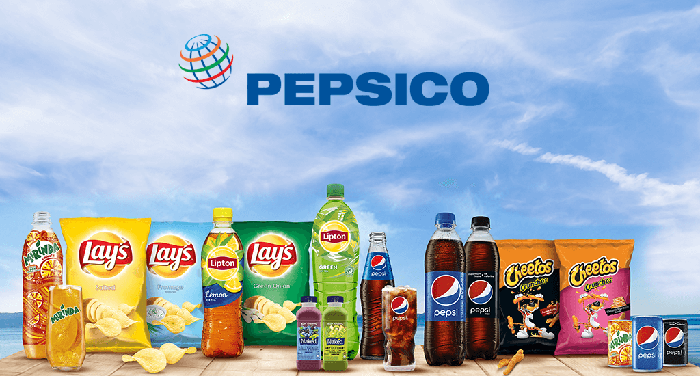
Four years after Frito-Lay formed, something even bigger happened. On June 8, 1965, the Pepsi-Cola Company merged with Frito-Lay, Inc. to create a new corporate giant: PepsiCo, Inc.
This wasn’t just a corporate consolidation. It was a strategic vision. Shortly after the merger, PepsiCo CEO Donald Kendall gave one of the most quotable lines in corporate food history when he told Forbes in 1968: “Potato chips make you thirsty; Pepsi satisfies thirst.”
The idea was elegant in its simplicity. Salty snacks drive beverage consumption. Beverages drive snack purchases. Together, they form a self-reinforcing loop that lives on your kitchen counter, in your cooler, and on every party table in America. For beer drinkers especially, this logic resonates viscerally: everyone knows that a bag of Fritos or Cheetos makes a cold drink taste even better.
The newly formed PepsiCo went public on the New York Stock Exchange shortly after the merger, and Frito-Lay has operated as a wholly owned subsidiary of PepsiCo ever since.
What “Wholly Owned Subsidiary” Actually Means
There’s sometimes confusion around whether Pepsi “owns” Frito-Lay or whether they simply have a partnership. Let’s clear that up.
A wholly owned subsidiary means PepsiCo owns 100% of Frito-Lay. Frito-Lay is not a separate publicly traded company. It doesn’t have its own shareholders to answer to outside of PepsiCo. It operates under the PepsiCo corporate umbrella with its own management structure, but ultimate authority rests with PepsiCo’s board and executive leadership.
Frito-Lay North America is headquartered in Plano, Texas, and functions as one of PepsiCo’s primary operating divisions. Up until the mid-1990s, Frito-Lay was represented in PepsiCo’s organizational structure as a single division. In 1996, PepsiCo restructured this into two sub-divisions: Frito-Lay North America and Frito-Lay International. By 2003, the international operations were folded into a broader PepsiCo International division, while Frito-Lay North America continued as its own distinct division covering the United States and Canada.
The Staggering Size of the Frito-Lay Empire
If you think Frito-Lay is just chips, you’re wildly underestimating what’s on the shelf at your local convenience store.
<details> <summary>Click to expand brand breakdown</summary> </details>
Here’s a snapshot of just how dominant Frito-Lay’s brand portfolio is:
| Brand | Category | Notable Fact |
|---|---|---|
| Lay’s | Potato Chips | #1 potato chip brand in the U.S., $4.2B in 2024 sales |
| Doritos | Tortilla Chips | Nacho Cheese variant alone generates ~$1.73B in revenue |
| Cheetos | Cheese Snacks | One of America’s most recognized snack brands |
| Fritos | Corn Chips | The original Frito-Lay product, born 1932 |
| Tostitos | Tortilla Chips | Dominant party chip brand |
| Ruffles | Potato Chips | #2 potato chip brand in the U.S. |
| Rold Gold | Pretzels | Classic American pretzel brand |
| SunChips | Multi-Grain Chips | Launched 1991, positioned as healthier option |
| Smartfood | Popcorn | Wildly popular white cheddar popcorn |
| PopCorners | Popped Corn Chips | Fast-growing better-for-you snack |
| Funyuns | Onion Rings Snack | First launched in 1969 |
| Munchos | Potato Crisps | Launched 1971 |
| Cracker Jack | Caramel Corn | Acquired by Frito-Lay in 1997 |
Frito-Lay currently operates more than 30 manufacturing plants across North America and employs approximately 55,000 to 60,000 people. In 2024, Frito-Lay North America generated roughly $24 billion in annual net revenue. For context, the entire PepsiCo enterprise generated approximately $91 billion in net revenue in 2024, making Frito-Lay responsible for a substantial slice of the parent company’s total income.
The numbers get even more striking when you look at market dominance. Frito-Lay currently maintains a 40% to 60% share of the U.S. savory snack market, depending on the specific product category. In 2024 alone, Lay’s sold 1.4 billion units in U.S. retail channels. Ruffles was the next best-selling chip brand at 559 million units.
PepsiCo’s Full Brand Universe: Beyond the Snacks
While Frito-Lay is the snack arm of the operation, PepsiCo’s portfolio extends into nearly every corner of the food and beverage landscape that matters to people who enjoy a good drink.
Beverages under PepsiCo include:
- Pepsi-Cola, Diet Pepsi, Pepsi Zero Sugar
- Mountain Dew (including the breakout success of Mountain Dew Baja Blast, which surpassed $1 billion in annual sales in 2024)
- Gatorade (acquired through the Quaker Oats deal in 2001)
- Tropicana (acquired 1998, later spun off into a joint venture)
- Lipton (in partnership with Unilever)
- Aquafina
Read More : What Fast Food Has Powerade New Research Updated 10/2026
Food brands include:
- Quaker Oats (acquired 2001, including the Quaker oatmeal and snack bar lines)
- Siete Foods (acquired for $1.2 billion, announced late 2024), a Mexican-American meal and snack brand
This is an empire that touches nearly every moment of the American eating and drinking day, from your morning oats to your afternoon snack to the chips you’re reaching for while watching the game with a cold drink in hand.
Did Pepsi Also Own Pizza Hut, Taco Bell, and KFC?
This one surprises people. Yes, it did, and the story matters if you like knowing who’s behind your favorite food brands.
From the late 1970s through the mid-1990s, PepsiCo owned a restaurant division that included Pizza Hut, Taco Bell, and KFC alongside its beverage and snack businesses. At the time, Coca-Cola used PepsiCo’s restaurant ownership as a competitive weapon, telling restaurant operators: “Why are you doing business with a company that owns your competitor?”
The strategy created conflicts for PepsiCo as well. Other restaurant chains were reluctant to serve Pepsi products because doing so meant putting money in the pockets of their direct competition. In 1997, PepsiCo spun off its entire restaurant division into a separate public company called Tricon Global Restaurants, which was later renamed Yum! Brands in 2002. Today, Yum! Brands operates Pizza Hut, Taco Bell, KFC, and others as a completely independent company.
PepsiCo retained Frito-Lay and its beverage businesses, which turned out to be the right call. Frito-Lay has become significantly more profitable as a pure snack food division than the restaurant business ever was.
Why This Corporate Relationship Matters at Happy Hour
Here’s where things get practical for those of you who care more about what’s in your hand and on the table than in a corporate balance sheet.
The Pepsi-Frito-Lay relationship wasn’t designed around business textbooks. It was designed around human behavior, specifically the behavior of people who drink.
When you open a beer, a glass of wine, or mix a cocktail, your palate is primed for salty, crunchy, savory accompaniments. Salt enhances the carbonation in beer, amplifies the fruit notes in wine, and provides the contrast that makes a cocktail’s sweetness sing. This is the exact relationship Donald Kendall understood back in 1968, and it’s precisely why the same company that makes your soda also makes your chips.
For beer drinkers, the salt-thirst cycle is well documented. Salty snacks draw moisture from your body and trigger the desire to drink more. From a business perspective, the connection between thirst and snacking is essentially a license to print money. From a consumer perspective, it means the snacks and the drinks were always meant to go together.
The Best Frito-Lay Snacks to Pair With Your Drinks
Since we’re talking about American adults who enjoy a good drink, let’s get into the part that actually matters at your next gathering.
Pairing With Beer
Doritos Nacho Cheese are arguably the quintessential American beer snack. The bold, savory, slightly acidic flavor of nacho cheese cuts through the bitterness of an IPA or a lager, creating a satisfying back-and-forth on the palate. Pair them with a medium-bodied pale ale for maximum synergy.
Rold Gold Pretzels are the classic beer hall companion for a reason. The chewy texture and gentle salinity work beautifully with the malty sweetness of an amber ale or a märzen-style lager. The salt in pretzels stimulates saliva production, which actually enhances your perception of the beer’s flavor complexity.
Lay’s Classic Potato Chips are the everyman’s beer snack. The light, crispy texture and clean salt finish don’t compete with the beer, they simply support it. A cold pilsner or a light lager alongside a handful of Lay’s is one of the most reliable flavor combinations in casual American drinking culture.
Cheetos Crunchy paired with a stout or porter creates a surprisingly excellent contrast. The rich, cheesy fat content is cut nicely by the roasted, slightly bitter notes of a dark beer. It’s the kind of pairing that sounds counterintuitive until you try it.
Fritos with a cold Mexican-style lager (think Modelo or Tecate) is an underrated pairing, particularly if you’re dipping them into salsa or queso. The corn-forward flavor of Fritos harmonizes with the light, slightly sweet grain notes of a Mexican lager.
Pairing With Cocktails
Tostitos with salsa or guacamole alongside a classic margarita is practically American institutional food culture. The bright acidity of a good margarita (lime, tequila, orange liqueur) mirrors the acidity in salsa and cuts through the richness of guacamole. If you add a bit of heat with Tostitos Hint of Lime chips, the match becomes even more dynamic.
SunChips with a Moscow Mule is an underappreciated combination. The multi-grain, slightly nutty, subtly sweet flavor of SunChips (particularly the Harvest Cheddar variety) plays well against the sharp ginger and citrus notes of a Moscow Mule. It’s the kind of pairing you’d find at a thoughtful cocktail bar if they bothered to think about it.
Smartfood White Cheddar Popcorn alongside a Whiskey Sour works because the buttery, umami richness of the white cheddar coating meets the balanced sweet-sour structure of the cocktail without overwhelming it. This is a legitimately sophisticated pairing for people who want to class up game day.
Pairing With Wine
Ruffles with a bold red wine like a Zinfandel or a Malbec is more elegant than it sounds. The ridged texture of Ruffles provides a firm crunch that holds up to dipping, and the moderate salinity actually softens the tannins in a full-bodied red, making the fruit notes more pronounced.
Lay’s Sour Cream and Onion alongside a crisp Sauvignon Blanc is a reliable crowd-pleaser at any casual gathering. The tangy dairy notes in the chip echo the herbaceous, citrus-forward character of the wine, and the salt amplifies the aromatics.
PopCorners (particularly the White Cheddar or Sea Salt varieties) are an increasingly popular snack for wine drinkers who want something lighter. They pair particularly well with a light-bodied Pinot Noir or a rosé: minimal fat, clean crunch, and enough salinity to make the wine taste brighter.
The Numbers That Tell the Full Story
To appreciate the true scale of what PepsiCo built when it merged with Frito-Lay, consider these data points:
| Metric | Figure |
|---|---|
| PepsiCo Total Net Revenue (2024) | ~$91 billion |
| Frito-Lay North America Annual Revenue (2024) | ~$24 billion |
| Frito-Lay U.S. Savory Snack Market Share | 40%–60% |
| Lay’s U.S. Unit Sales (2024) | 1.4 billion units |
| Frito-Lay Employees (North America) | ~55,000–60,000 |
| Frito-Lay Manufacturing Plants (N. America) | 30+ |
| Countries PepsiCo Products Are Sold | 200+ |
| Year Frito-Lay Merged With Pepsi-Cola | 1965 |
| Frito-Lay Revenue at Time of 1965 Merger | $127 million (combined) |
| Brands With $1B+ in Annual Sales (as of 2009) | Multiple (Lay’s, Doritos, Cheetos, Fritos, Tostitos, Ruffles, Rold Gold) |
The “Thirst Economy” Pepsi Invented
Read More : Does Starbucks Have A Frozen Hot Chocolate Updated 10/2026
There’s a concept worth naming here that doesn’t get enough credit in pop culture discussions of corporate food history. When PepsiCo was formed in 1965, the company essentially invented what could be called the thirst economy: a vertically integrated loop where your snack creates your thirst, and the same company that made your snack is also selling you the drink.
Frito-Lay’s original CEO Herman Lay was reportedly skeptical of the merger at first, concerned that joining with a beverage company would distract from snack food operations. What ultimately convinced the leadership on both sides was the distribution synergy. At the time of the merger, Pepsi-Cola already had distribution presence in 108 countries. Frito-Lay could leverage that global infrastructure to expand into international markets far faster than it ever could independently.
The gamble paid off dramatically. Lay’s became the first potato chip brand to be sold nationwide, in all 50 U.S. states, in 1965, the same year the merger was completed. And the international expansion that followed made PepsiCo, through its Frito-Lay division, the largest globally distributed snack food company in the world, holding top provider status in more than 30 countries and dominating nine of the world’s 15 largest snack chip markets.
Recent Developments: Where Frito-Lay Stands Today
No empire coasts forever, and Frito-Lay has faced its share of headwinds in recent years.
Following several years of price increases driven by pandemic-era inflation and supply chain disruptions, American consumers began pulling back on discretionary spending, including snacks. Frito-Lay North America’s volume fell 3% in 2024, part of a broader pattern of North American volume softness that PepsiCo CEO Ramon Laguarta acknowledged in early 2025 earnings calls. The company noted that “the salty and savory snack categories underperformed broader packaged food” in 2024, “following multiple years in which these categories had outperformed.”
To counter this, PepsiCo announced plans for “surgical” investments in value-focused promotions across Frito-Lay’s lineup, targeting price-conscious consumers who had been trading down or reducing purchase frequency. Some bright spots emerged within the portfolio: brands like PopCorners, Smartfood, SunChips, Bare, and Off the Eaten Path outperformed the broader division, signaling that consumers haven’t abandoned snacking broadly, they’re simply becoming more selective.
On the sustainability front, Frito-Lay has committed to a greener operational footprint. As part of PepsiCo’s broader sustainability initiative (branded as “PepsiCo Positive”), the company announced plans to deploy more than 700 electric vehicles across the U.S. for delivery operations, with projections that the measure would reduce greenhouse gas emissions by 7,000 metric tons. Frito-Lay has also ordered 100 Tesla Semi trucks, with 30 already in service as of recent reports.
The company also acquired Siete Foods for $1.2 billion (announced in late 2024), a Mexican-American heritage snack and meal brand with 30% to 40% year-over-year sales growth, targeting the rapidly expanding Hispanic consumer market in the U.S.
The Worker Side of the Story
No article about Frito-Lay would be complete without acknowledging the people who keep the bags on the shelves.
In July 2021, Frito-Lay workers at its Topeka, Kansas plant went on strike for 19 days over what workers described as grueling work conditions, including mandatory overtime policies that employees labeled “suicide shifts,” where workers were required to work seven consecutive days. The strike drew significant national media attention and sparked broader conversations about labor conditions in the food manufacturing industry.
The workers ultimately ratified a new contract ending the strike, with the agreement including wage increases and limits on mandatory overtime. The episode highlighted a tension inherent in running an operation at the scale Frito-Lay does: the brands are beloved, the profit margins are enormous, but the physical work of making billions of bags of chips is demanding labor that deserves fair treatment.
The Origin Stories Behind the Iconic Brands
Some of the brands under the Frito-Lay umbrella have genuinely fascinating origin stories that deserve a moment of appreciation.
Doritos didn’t exist until 1966, a year after the Pepsi-Frito-Lay merger. When they first launched, they were perceived as too bland. The company re-launched with Taco and then Nacho Cheese flavors, and the rest is American snack history. Today, the Doritos Nacho Cheese variant alone generates approximately $1.73 billion in annual revenue.
Funyuns were launched in 1969 by Frito-Lay food scientist George Bigner, who wanted to create an onion-flavored snack that could be eaten by people who loved onions but found the texture or the social aftermath of eating actual raw onions unpleasant. The result is one of the most distinctive-smelling snacks in America and a cult favorite among late-night snackers.
Cracker Jack, the caramel-coated popcorn brand synonymous with baseball and the famous “Buy me some peanuts and Cracker Jack” lyric, was acquired by Frito-Lay in 1997. It’s been a Frito-Lay (and therefore PepsiCo) product for nearly three decades.
SunChips launched in 1991 as part of a deliberate strategy to appeal to health-conscious adults, one of the first times a major snack company directly targeted adult consumers who were moving away from purely indulgent snacking. They represent Frito-Lay’s early recognition that the snack market was diversifying beyond the core chip-and-dip demographic.
A Corporate Family Tree Worth Knowing
For context, here’s a simplified breakdown of how the major entities connect:
PepsiCo (Parent Company)
- Frito-Lay North America (chips, pretzels, popcorn)
- PepsiCo Beverages North America (Pepsi, Mountain Dew, Gatorade, Aquafina)
- Quaker Foods North America (oatmeal, granola bars, rice cakes)
- International divisions covering Latin America, Europe, Africa, Middle East, Asia-Pacific
Brands PepsiCo no longer owns:
- Pizza Hut, Taco Bell, KFC (spun off in 1997, now part of Yum! Brands)
- Tropicana (majority stake sold in 2021 to PAI Partners in a joint venture structure)
The Snack and Drink Pairing That Was Always the Plan
There’s something almost poetic about the fact that the company that makes your favorite chips also makes one of the country’s most recognized beverages. Whether you’re a devoted Pepsi drinker or you reach for something else from the cooler, the snacks in the bowl at your next party almost certainly came from Frito-Lay, and therefore from PepsiCo.
The 1965 merger between Pepsi-Cola and Frito-Lay was fundamentally a bet on the American way of socializing: gather around something, whether it’s a game, a grill, a concert, or just a good conversation, and you’re going to want something cold to drink and something salty to eat. Sixty years later, that bet has paid off to the tune of nearly $100 billion in annual revenue.
The next time you’re setting up for a backyard gathering, a tailgate, or a Friday night in with a case of your favorite beer and a few bags of Doritos, you’re participating in the single most successful food and beverage business marriage in American history. Whether that makes the chips taste better or worse is entirely up to you.
Conclusion
Here’s the truth that no corporate timeline can fully capture: the real reason the Pepsi-Frito-Lay merger worked isn’t found in a balance sheet or an SEC filing. It’s found at 9 p.m. on a Saturday, when someone cracks open the last beer, tears into a bag of chips, and doesn’t give a single thought to who manufactured either one. That frictionless moment of pleasure is the whole point. Sixty years of billion-dollar strategy, labor negotiations, international expansion, and flavor innovation all collapse into the simple satisfaction of salty and cold. The empire endures not because of shareholders, but because the combination of a good drink and a great snack is, and has always been, genuinely hard to improve upon.
Sources: https://chesbrewco.com
Category: Food