If you’ve ever cracked open a bottle of Hennessy and wondered why it hits differently than your usual beer or glass of wine, you’re not alone. Millions of Americans ask the same question every year. Whether you’re sipping it neat at a dinner party, mixing it into a cocktail at the club, or pouring a glass after a long week, Hennessy has a reputation for making people feel something unique, and that reputation didn’t build itself on marketing alone.
- Best Cheap Vodka: 12 Budget Bottles Under $20 Updated 10/2026
- Rum And Whiskey Cocktail Updated 10/2026
- What Is A Distillery Updated 10/2026
- What Is Lillet? The French Aperitif Every Serious Drinker Should Know Updated 10/2026
- Habu Sake: The Snake-Infused Japanese Spirit That’s Braver Than Your Favorite Whiskey Updated 10/2026
This article breaks down the real, science-backed, and culturally rich answer to the question: how does Hennessy actually make you feel?
You Are Watching: How Does Hennessy Make You Feel? The Full Physical, Emotional, and Cultural Experience Updated 10/2026
What Exactly Is Hennessy, and Why Does It Matter?
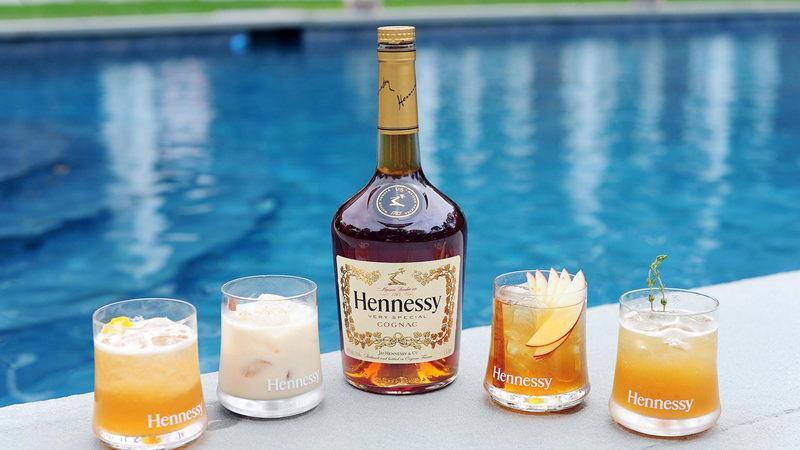
Before diving into the feelings, it helps to understand what’s actually in your glass. Hennessy is not just a fancy name slapped on a bottle of liquor. It is a French cognac producer, founded in 1765 by Richard Hennessy, and its headquarters remain in Cognac, France to this day.
Hennessy uses Ugni White grapes that are harvested once a year, then pressed, fermented, and double distilled to make eau-de-vie. It takes roughly 12 kilograms of Ugni White grapes to produce just one liter of eau-de-vie, which is distilled between October and late March. After distillation, it spends years aging in oak barrels, which is where much of the flavor (and ultimately, the feeling) comes from.
Hennessy sells approximately 102 million bottles of its cognacs per year, making it the world’s largest cognac producer, and in 2017 its sales represented around 60% of the US cognac market.
In 2023, around seven million 9-liter cases of Hennessy cognac were sold across the globe, and based on sales volume, Hennessy has been the leading brand of cognac for the last decade.
These aren’t just impressive numbers. They point to something real: tens of millions of people are choosing this drink specifically. And a big part of why comes down to how it makes them feel.
The First Sip: What Happens to Your Body Immediately
The Warm Rush You Can’t Ignore
Ask anyone who has tried Hennessy for the first time, and they’ll likely describe the same thing: a wave of warmth spreading from the chest outward. This is not accidental, and it’s not a placebo. Hennessy is a strong liquor, with an alcohol content of around 40%. That concentration means the ethanol reaches your bloodstream relatively quickly.
When you take a sip of Hennessy, the smooth and warm sensation that spreads throughout your body can help ease tension and soothe nerves. The complex flavors of Hennessy also contribute to its relaxing properties. The hints of vanilla, spice, and fruit in each bottle create a rich sensory experience that can be enjoyed slowly over time.
The effects of drinking Hennessy generally begin to take effect within 20 minutes, and usually last for several hours. However, factors like whether you’ve eaten, your body weight, and your personal metabolism all play a role in exactly how quickly that warmth arrives.
Timing Is Everything: Empty Stomach vs. Full Stomach
On average, it may take approximately 30 minutes to 2 hours for Hennessy to start affecting the body. Factors like alcohol content, the quantity consumed, and individual tolerance contribute to the variability in onset time.
One of the biggest mistakes first-time Hennessy drinkers make is sipping on an empty stomach. Because cognac has a higher ABV than wine or beer, it absorbs into the bloodstream faster when there’s no food to slow it down. The warmth becomes heat, the relaxation becomes dizziness, and the pleasant buzz tips into something less enjoyable.
How Hennessy Makes You Feel Emotionally
Confidence and Sociability: The “Henny Effect”
There’s a reason people crack open a bottle of Hennessy before a night out. Hennessy Cognac is known for its ability to enhance sociability and mood. Many drinkers report feeling more relaxed and outgoing after drinking Hennessy, making it a popular choice at social gatherings or when trying to unwind after a long day.
This isn’t just anecdotal. A large-scale study published in BMJ Open surveyed roughly 30,000 individuals aged 18 to 34 from around the world and catalogued how different types of alcohol affected their emotional states. Over 58 percent of subjects reported feeling energized after a drink of spirits, 59 percent reported confidence, and 42 percent felt sexy.
Spirits, including cognac, consistently outperformed beer and wine when it came to feelings of energy, confidence, and sociability. If you’ve ever noticed that a glass of Hennessy gives you a lift that a beer simply doesn’t, that’s backed up by data.
Relaxation Without the Drowsiness
Unlike red wine, which contains high levels of melatonin and makes 60 percent of respondents feel lethargic, spirits like Hennessy tend to produce a more alert form of relaxation. You feel calm, but not sleepy. Loosened up, but still present in the conversation.
Enjoying a glass of cognac in moderation can provide a sense of relaxation and stress relief. The act of savoring cognac, with its complex flavors and aromas, can be a mindful experience that promotes relaxation and helps unwind after a long day.
This is partly why cognac has a long history as an after-dinner drink. The Cognac is not actually helping your food to be digested, but the relaxation in your stomach is what gives you that satisfied feeling. You lean back, the conversation flows, and everything feels a little more comfortable. That is a specific kind of feeling that Hennessy has perfected over 260 years.
The Science Behind the Feeling
What Alcohol Actually Does to Your Brain
Understanding why Hennessy makes you feel the way it does requires a quick look at brain chemistry. Alcohol primarily affects two key players: GABA (gamma-aminobutyric acid) and glutamate. GABA is your brain’s main inhibitory neurotransmitter, helping you relax and unwind.
When alcohol hits your system, it enhances GABA’s calming effects and suppresses glutamate, which is the neurotransmitter responsible for stimulation and excitability. The result is that slowing down of internal noise, that ease of tension, and that sense of “finally” being able to breathe that so many people associate with the first glass of Hennessy after a hard day.
This is the pharmacological explanation for why you feel more talkative, less self-conscious, and more open to the world around you after a drink or two. Your brain’s “chill pill” gets a boost.
Does the Type of Alcohol Really Change How You Feel?
Read More : What Is Disaronno?You’ve Been Drinking Amaretto Wrong Updated 10/2026
One persistent debate in drinking culture is whether different spirits create fundamentally different feelings. The scientific answer, according to researchers at Neurolaunch, is nuanced: all alcoholic beverages affect your brain chemistry in essentially the same way. Whether you’re drinking beer, wine, or spirits, the active ingredient is ethanol. This molecule doesn’t discriminate based on brand names or price tags.
However, the context in which you drink, your expectations going in, and the setting around you all dramatically influence how you feel. Hennessy carries a cultural weight, a brand identity, and a sensory richness that shape the experience from the first pour to the last sip.
Congeners: Why Hennessy Feels Different from Vodka
Cognac like Hennessy contains higher levels of congeners than clear spirits like vodka or gin. Congeners are chemical compounds produced during fermentation that give the drink its distinctive aromas, flavors, and complexity. They are part of why Hennessy delivers that layered, oak-forward, slightly spicy experience rather than a clean, neutral burn.
Dark spirits like whiskey, rum, and cognac tend to have higher levels of congeners compared to clear spirits like vodka or gin. While congeners can contribute to more severe hangovers, there’s no scientific evidence to suggest that they influence immediate behavior or emotional responses.
What they do influence is your sensory enjoyment. The complexity of Hennessy’s flavor profile, a result of those congeners and years of oak aging, creates a drinking experience that demands slow sipping rather than fast shots, and that slower pace itself changes how the alcohol affects you.
Hennessy Across Different Expressions: Does the Bottle Change the Feeling?
Not all Hennessy is created equal, and the type you choose genuinely changes the drinking experience. Here’s a breakdown:
| Expression | Aging | ABV | Flavor Notes | Best Served |
|---|---|---|---|---|
| Hennessy VS | At least 2 years | 40% | Fresh fruit, grape, citrus, vanilla | In cocktails or over ice |
| Hennessy VSOP | At least 4 years | 40% | Smooth, rounded, light oak | Neat or in classic cocktails |
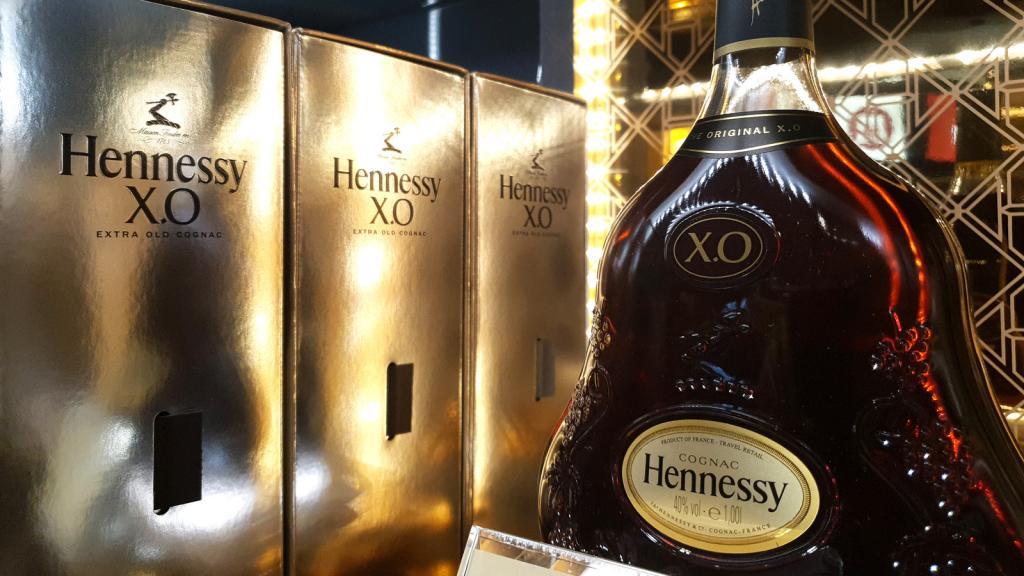
| Hennessy XO | At least 10 years | 40% | Rich, toasty, cinnamon, robust | Neat in a tulip glass |
| Hennessy Paradis | Master blend, rare | 40% | Floral, silky, extraordinarily complex | Neat, special occasions |
The most popular style of Hennessy is the Hennessy VS, which, according to the brand, is “the world’s most popular Cognac.” It consists of fresh fruit notes like grape and citrus, vanilla, toasted almonds, and creme brulée.
Heading into the $100 and up category, the XO Cognac is rich and robust, delivering a myriad of toasty, cinnamony notes. Its blend contains over 100 eaux-de-vie, giving it a beautiful, amber hue.
The older and more complex the expression, the slower you naturally drink it, and the more meditative and refined the feeling becomes. A VS over ice at a house party feels like a different universe from an XO sipped alone after midnight from a tulip glass. Both are Hennessy, but they produce meaningfully different experiences.
How You Drink It Changes How It Makes You Feel
Neat, on the Rocks, or in a Cocktail
The method of consumption is not just about personal preference; it genuinely alters the sensory and physical experience.
Drinking neat allows the full aromatic profile to reach you. When your glass is at room temperature and you’re holding it in your hand, your drink begins to heat up from the warmth of your palm. In effect, this action releases very delicate notes from the Cognac that would otherwise be unnoticeable. After about eight to ten minutes, you’ll notice the taste and aromas begin to build. The alcohol also hits your bloodstream slightly faster when undiluted.
On the rocks slows down the aromatic release but softens the burn, making for a more approachable experience. The gradual dilution as the ice melts actually changes the flavor profile throughout the drink, which many people find pleasurable.
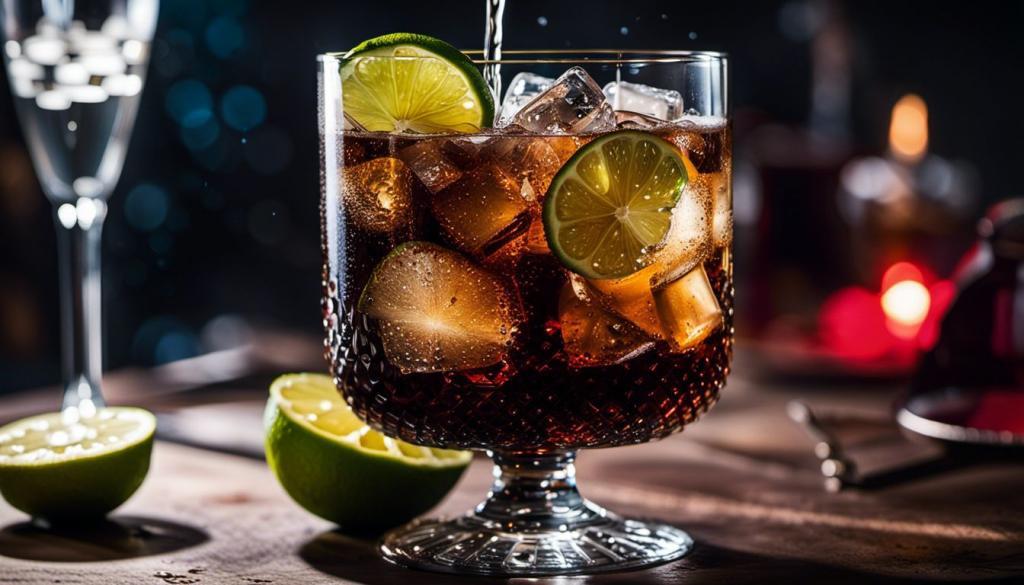
In a cocktail (think Hennessy and Coke, a Sidecar, or a French 75 variation) introduces sugars and mixers that slow absorption and layer additional flavors over the spirit. Hennessy and Coca-Cola is the most popular way to enjoy the Cognac in a mixed drink. Many believe the natural oak, vanilla, and caramel flavors of Hennessy truly complement the profile of the soda.
The Negative Side: When the Feeling Turns
When Hennessy Makes You Feel Worse
It would be dishonest to talk about how Hennessy makes you feel without acknowledging the other side of the coin. While over half of respondents associated drinking spirits with emotions of energy and confidence, one third of people said that drinking spirits made them feel angry, or susceptible to aggressive urges. Men were more likely to feel aggressive after drinking than women, particularly men that drank heavily.
The quantity you drink matters enormously. The pleasant confidence and social ease that come from one or two glasses can tip into emotional volatility, impaired judgment, and poor decision-making when the pours keep coming.
Excessive consumption of alcohol can lead to negative effects on both physical and mental health. It can cause mood swings, substance abuse issues, and even exacerbate existing mental health conditions like bipolar disorder.
Understanding “Heavy Drinking” in Real Terms
Heavy drinking is considered to be 15 or more drinks per week, or 4 or more drinks in a day. Moderate drinking is generally defined as up to one drink per day for women and two for men.
For men, this means no more than two drinks per day, while women should not exceed one drink per day. Additionally, it is always wise to eat before or during drinking, as food can help slow down the absorption of alcohol into your bloodstream and can reduce its effects on your body.
This isn’t just responsible boilerplate. Eating before you drink Hennessy is one of the most effective things you can do to ensure the feeling stays in the “warm and sociable” zone rather than crossing into territory you’ll regret in the morning.
Hennessy and Culture: Why the Feeling Has a Social Dimension
Hip Hop, Black Culture, and the Identity of Henny
Part of how Hennessy makes you feel is inseparable from what it means to drink it. For decades, Hennessy has been woven into the fabric of American culture in a way that no marketing campaign alone could engineer.
Hennessy is the most commonly mentioned drink in rap music, with over 140 different major mainstream songs referencing it. Hip hop culture has a strong association with Hennessy, with it representing both luxury and success while also being enjoyed by Black consumers on their own terms.
Artists from Nas and Jay-Z to Kanye West and Cardi B have name-dropped Hennessy in their music. When a drink appears in the soundtrack of success, struggle, celebration, and late nights, it becomes more than alcohol. It becomes a symbol. And symbols change how things feel.
The cultural significance of Hennessy stems from its deep-rooted association with Black culture and historical prominence. Its luxurious image and distinct flavor profile have made it more than just a symbol of prosperity; it represents a lasting relationship built on shared values and experiences.
Read More : Discover the Best Tequilas for Shots Updated 10/2026
This is why the same $35 bottle of Hennessy VS can feel like an everyday indulgence in one context and a statement drink in another. The feeling is partly pharmacological, but it is also partly social and cultural.
The “Faux-Affluence” Factor and Why It’s Real
There is something to the psychological experience of drinking a premium product. Holding a glass of Hennessy in a nice setting, knowing it came out of a bottle that costs significantly more than a six-pack, does something to your posture and your confidence that is more than just the ethanol. Psychologists call this the expectancy effect: what you believe a drink will do to you influences how it actually makes you feel.
Expectations about different types of alcohol might be influencing your behavior. The brown liquid in your glass doesn’t care about its label, but your brain might think it does.
Whether you want to call that a placebo, a status cue, or just the pleasure of treating yourself well, the experience is real and it matters.
Potential Health Considerations for Moderate Drinkers
Cognac’s Antioxidant Properties
Cognac’s grape-based origins mean it shares some characteristics with wine. Cognac is rich in antioxidants, which help keep free radicals from damaging your cells. Damaged cells can lead to clogged arteries, heart disease, cancer, and blindness. An evening nightcap of cognac with a cube of ice can help reduce these free radicals.
Cognac comes out as a surprising heart supporter. In addition to reducing free radicals, cognac lowers risk of blood clots and the strain that pumping has on your heart, which in turn lowers risk for heart disease. The most beneficial cognac is said to be XO cognac, which is aged in oak barrels for a long time. Even the oak is beneficial, as ellagic acid, a potent antioxidant, is found in the wood.
These benefits, it should be noted, apply only to moderate consumption. The research does not suggest that drinking more Hennessy leads to more health benefits.
As a Digestif
Cognac is the King of Digestifs. The theory behind drinking a digestif is that it stimulates various organs to increase their production of secretions that aid digestion, including the enzyme Pepsin in the stomach. Whether or not it truly aids digestion is debated by scientists, but what is consistent is that the relaxation it provides after a big meal feels like your body is settling in and calming down.
Practical Tips: Getting the Best Feeling from Hennessy
Getting the most out of your Hennessy experience is as much about how you approach it as what you pour. Here are evidence-based tips:
Choose the right glass. Cognac expert Gwendoline Poirier suggests drinking Hennessy XO in a curved tulip-shaped glass, which allows you to really enjoy the color and lets the aroma reach your nose. A tumbler works for cocktails and ice; a tulip works for neat sipping.
Give it time. Don’t rush. Hold the glass in the palm of your hand and after about eight to ten minutes, you’ll notice the taste and aromas begin to build.
Drink water alongside it. This slows absorption, keeps you hydrated, and helps you avoid the rough next morning.
Eat first. This is consistently the single most effective way to keep the feeling pleasant and manageable.
Match the expression to the moment. VS is social and cocktail-friendly. VSOP is for winding down. XO is for moments that deserve full attention.
Hennessy vs. Other Spirits: How the Feeling Compares
| Spirit | Typical ABV | Common Emotional Effect | Typical Setting |
|---|---|---|---|
| Hennessy (Cognac) | 40% | Warm, confident, sociable | Social gatherings, nightlife, post-dinner |
| Bourbon/Whiskey | 40-50% | Bold, introspective, warming | Casual sipping, bars |
| Wine (Red) | 12-15% | Relaxed, slightly sleepy | Dinner, evenings at home |
| Beer | 4-6% | Casual, relaxed, low-key | Sports events, casual social |
| Vodka | 40% | Clean buzz, variable mood | Cocktail-heavy environments |
| Tequila | 38-40% | Energetic, sometimes unpredictable | Parties, celebratory shots |
While beer and red wine made subjects sleepy and red wine made 17 percent of drinkers feel teary, wine and beer otherwise got low scores for negative emotional drawbacks. Spirits, by contrast, showed strong results for energy and confidence but also carried a higher risk of aggression, restlessness, and illness when consumed in excess.
Hennessy sits in a distinct lane within the spirits world: it delivers the upside of spirits (confidence, energy, sociability) with a flavor complexity and cultural gravitas that encourages slower, more intentional drinking. That pacing is part of what keeps the feeling in pleasant territory.
The Morning After: What Hennessy Hangovers Feel Like
No honest article about how Hennessy makes you feel would skip the morning-after reality. Because Hennessy is a dark spirit with higher levels of congeners, hangovers can be more intense compared to clear spirits like vodka, especially if you drank on an empty stomach or mixed it with sugary sodas.
The classic Hennessy hangover involves dehydration, a dull headache, and sometimes a low-grade irritability. The remedy is predictable: water, food, rest. Drinking slowly and moderately across the evening is the most reliable way to avoid it entirely.
The amount of time it takes for someone to get drunk off Hennessy will vary greatly depending on a number of factors, including the individual’s weight, size, gender, food intake, hydration levels, and individual tolerance. The same variables that influence intoxication influence recovery.
Conclusion: Hennessy Is a Feeling You Curate
Here’s the thing about Hennessy that most articles won’t tell you: the feeling doesn’t happen to you. You participate in it. You choose the glass, the occasion, the pace, the company, and the expression. Hennessy, in this sense, is less like a product and more like a ritual dressed up in amber glass.
The warmth is real. The confidence is chemically supported. The sociability is documented. But the full feeling, the one that makes people feel like they’ve elevated their evening or arrived somewhere worth being, is built by everything surrounding the drink, not just what’s inside the bottle.
That’s the part no science paper captures and no marketing campaign can manufacture. It’s the reason Hennessy has been in the room for celebrations, late-night conversations, and milestone moments for more than two and a half centuries. Not because it’s the strongest or the cheapest or even always the smoothest, but because it shows up for the moments that deserve more than ordinary.
Drink slowly. Taste deliberately. Choose your moments well.
Sources: https://chesbrewco.com
Category: Wine