If you’ve spent any time at a bar in America, you’ve heard of Stoli. It’s the name that rolls off the tongue of bartenders with authority, the bottle sitting confidently at mid-shelf between the well spirits and the top-shelf prestige labels. But what is it, really? Is it worth your money, your loyalty, and the complicated emotional baggage that now comes with its name? This in-depth Stoli Vodka review covers the taste, the history, the drama, the flavors, the cocktails, and the honest comparisons you actually need before your next bottle.
The Story Behind the Bottle: A History as Complex as the Flavor
You can’t talk about Stoli without talking about its past, because the history of this vodka is genuinely one of the most layered stories in the spirits industry.
Stolichnaya (the brand’s original full name) traces its official origins to the Soviet Union, with a trademark registration dated 1938 and the earliest confirmed production date around 1948. The name itself is Russian for “capital city,” and the iconic label features the Hotel Moskva, a landmark in Moscow where Stalin reportedly once stayed. For decades, the brand was synonymous with Soviet prestige and became the vodka that Western consumers associated with Russia at its most authentic.
In 1973, Pepsi-Cola brokered a now-famous deal to distribute Stolichnaya in the United States, the very same deal that brought Pepsi products to the Soviet Union in return. It was one of the Cold War era’s strangest acts of commerce, and it planted Stoli firmly in the American consciousness.
After the collapse of the Soviet Union, things got messy. With the dissolution of the Soviet Union, ownership of Stolichnaya became disputed between the Russian state-owned company FKP Soyuzplodoimport and SPI Group, a private company chartered in Luxembourg. The SPI Group was founded by Yuri Shefler, a Russian-born billionaire who purchased the brand’s trademarks in 1999 and was subsequently exiled from Russia in 2000 for his opposition to President Vladimir Putin.
What makes this even more unusual is that there are technically two versions of Stolichnaya vodka in the world today: the version sold in Russia is made inside Russia by the state-owned FKP Soyuzplodoimport, while the version sold everywhere else (including in every American liquor store) is produced in Latvia at the Latvijas Balzams distillery in Riga.
The Rebrand from Stolichnaya to Stoli
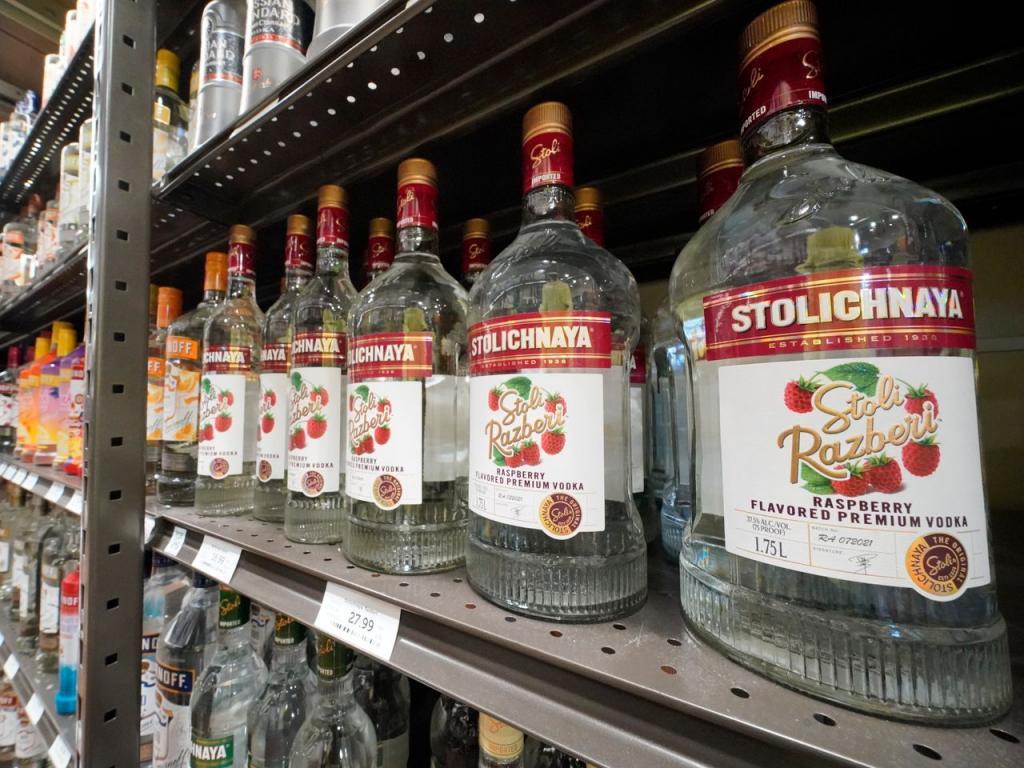
In March 2022, following Russia’s invasion of Ukraine, SPI Group made the public and politically significant decision to drop the full name Stolichnaya and rebrand entirely to “Stoli.” In response to the Russian invasion of Ukraine in 2022, SPI announced that they would begin sourcing all of their alcohol from Slovakia instead of Russia. The rebrand was more than cosmetic. It was a statement, and it came at a real operational cost as the company pivoted away from Russian distillate after decades of relying on it.
Bankruptcy in 2024 and 2026
The vodka category has not been kind to legacy brands recently, and Stoli is a case study in that upheaval. Stoli Group USA filed for bankruptcy as it struggled to contend with slowing demand for spirits, a major cyberattack that had snarled its operations, and several years of fighting Russia in court.
According to court documents cited by Reuters, the Russian government had previously labeled Stoli Group as “extremists” due to the company’s opposition to Russia’s invasion of Ukraine. The company’s distillery assets in Russia were subsequently confiscated by the Russian government.
On January 15, 2026, Stoli Group USA converted their Chapter 11 case to a Chapter 7 bankruptcy liquidation after their bankruptcy plan was rejected by a bankruptcy judge. For now, bottles remain on shelves and global operations continue outside the U.S., but the brand’s American chapter is in a period of genuine uncertainty.
This is important context for anyone buying Stoli today. You’re not just buying a vodka. You’re buying a bottle with a geopolitical story attached to it.
How Stoli Is Made: The Craft Behind the Pour
Despite its turbulent business history, the actual production of Stoli is something the brand has never compromised on, and understanding how it’s made explains a lot about what ends up in your glass.
Ingredients and Grain
Stoli Vodka is made using a mix of wheat and rye (which is classified as Alpha Grade in Russia), with a longer fermentation of 60 hours, is distilled three times, and then filtered four times through fine Quartz sand and Russian Birch wood charcoal, finally diluting it to drinking proof using artesian spring water from the Balzams well.
The 60-hour fermentation is notably longer than most commercial vodkas, which typically ferment for 24 to 48 hours. This extended fermentation is one of the key reasons Stoli has a more complex grain profile than its competitors at the same price point. The combination of wheat for sweetness and rye for spice gives Stoli a distinctive dual-grain character that you simply can’t find in single-grain vodkas.
The Distillation Process
The spirit begins its journey at the Talvis distillery in Tambov, Russia (or now Slovakia, per the 2022 sourcing changes), where it’s distilled three times to produce what the brand calls a “certified alpha grade spirit.” It then travels to the Latvijas Balzams facility in Riga, Latvia, where it undergoes the four-stage filtration process and is blended with Latvian artesian water before bottling.
This dual-country production is what fuels the “is Stoli Russian or Latvian?” debate, but in practical terms, from what most experts understand, this is still pretty much a Russian vodka, just with a bit of Latvian natural spring water added.
ABV and Proof
All Stoli standard expressions are bottled at 40% ABV (80 proof), which is the industry standard. The Stoli 100 expression bumps that up to 50% ABV (100 proof), which is popular with bartenders who want a stronger backbone in cocktails without switching to a different brand.
Stoli Vodka Taste Review: What Does It Actually Taste Like?
Here’s the honest, straight-to-the-point breakdown of what you can expect when you pour a glass of Stoli.
Appearance
Crystal clear with a slight viscosity when poured neat. Stolichnaya has discernible viscosity when poured neat, it’s almost oily. This is a sign of quality: good vodka should have some weight and body to it, rather than the watery thinness of cheap spirits.
Aroma
The nose is one of Stoli’s strongest suits. It’s got a rich and sweet vanillic and white floral scent with some good depth to it, a little bit of charcoal and limestone minerality, it’s clean but not ethanolic. There’s a pleasant grain sweetness upfront, with subtle notes of bread crust and a clean, almost mineral quality that comes from the artesian water filtration.
Palate
This is where the wheat-rye combination really shows its character. The midpalate shows the rye more prominently but it isn’t quite overshadowing the wheat sweetness so much as engaging in a careful duet.
On first contact, you get a mild sweetness, almost creamy, that transitions quickly into a peppery rye spice in the mid-palate. The texture is smooth with that characteristic slight oiliness that makes Stoli feel more substantial than many vodkas in its price range.
Finish
Read More : Triple Sec Vs Curacao Updated 10/2026
The finish is akin to having the spicy rye hit its high notes while the sweet, crisp wheat provides background vocals, with the bold rye complementing the mild alcohol kick rather nicely.
There is a mild warmth on the finish, not a burn, but a gentle heat that spreads through the chest. It does a great job at leaving that nice warm feeling in the stomach, and there is an aroma that hints at caramel in the aftertaste.
Overall Rating
Stoli earns its place as a genuine mid-shelf performer. It’s not the smoothest vodka money can buy, but for the price, the complexity of its grain character is difficult to beat. Unlike other vodkas where you feel like you have to tease out their inner flavors and spirit, Stolichnaya felt more extroverted and ready to be understood by the senses.
The Stoli Lineup: Every Expression Worth Knowing
One of Stoli’s enduring legacies is that it was, by most accounts, the first vodka brand to introduce the concept of flavored vodka to the American market. Today, the lineup spans from classic to premium to a wide array of fruit-forward options.
Stoli Premium (Original)
The flagship expression. Made from wheat and rye, triple-distilled, quad-filtered. The go-to for cocktails and for anyone wanting to understand what the brand is all about. Priced around $18 to $22 per 750ml in most U.S. markets.
Stoli Gold
A step up from the original with a slightly smoother, more refined character. Stoli’s original vodka is slightly peppery with a zing that makes it a great choice to pair with food. Stoli Gold is recommended for sipping neat or on the rocks, and is considered the sweet spot between the original and the ultra-premium Elit.
Stoli 100 (100 Proof)
Bottled at 50% ABV, this one is popular with serious home bartenders who want extra spirit presence in cocktails without over-pouring. It mixes beautifully in a Bloody Mary where the extra proof stands up to thick tomato juice and bold spices.
Stoli Elit
The ultra-premium expression, using a unique freeze filtration process that removes impurities at sub-zero temperatures. Stoli Elit takes all the good characteristics of Stoli and refines away all the bad. Priced around $100 per 750ml, it’s a vodka designed to be consumed neat or chilled straight from the freezer, not mixed. Think of it as the special-occasion bottle you bring out when you want to make an impression.
The Flavored Range
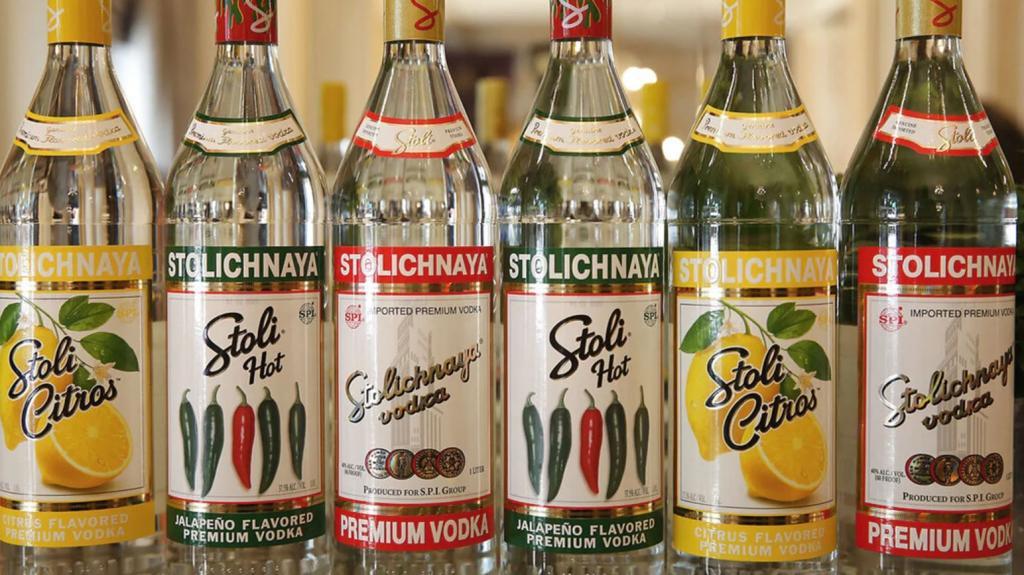
Stoli’s flavored vodkas are genuinely among the best in the business, made with zero artificial flavors or colorings, which sets them apart from many competitors. The most celebrated include:
- Stoli Blueberi: Consistently praised as one of the best blueberry vodkas available.
- Stoli Razberi: A raspberry expression beloved by female drinkers for its balance of tartness and sweetness.
- Stoli Ohranj: Orange-forward and excellent in spritz cocktails.
- Stoli Vanil: Smooth vanilla character, fantastic in espresso martinis and dessert cocktails.
- Stoli Citros: Lemon-lime brightness, a superb upgrade in any Moscow Mule.
- Stoli Wild Cherri: Bold cherry character; complex straight from the freezer, becomes fruit-forward when mixed.
- Stoli Crushed Pineapple: A tropical treat packed with the natural sweetness and tang of freshly crushed pineapples.
Stoli vs. The Competition: How Does It Stack Up?
The vodka shelf is crowded, and choosing a bottle involves trade-offs between price, taste, smoothness, and origin story. Here’s how Stoli compares to its most common competitors in the American market.
| Vodka | Origin | Base | Price (750ml) | Best For |
|---|---|---|---|---|
| Stoli | Latvia (grain from Russia/Slovakia) | Wheat & Rye | ~$18–22 | Sipping neat, cocktails |
| Absolut | Sweden | Winter Wheat | ~$20 | Cocktails, flavored range |
| Grey Goose | France | Soft Winter Wheat | ~$35–40 | Martinis, sipping |
| Ketel One | Netherlands | Wheat | ~$25 | On the rocks, martinis |
| Belvedere | Poland | Rye | ~$30–35 | Sipping, premium cocktails |
| Tito’s | USA (Texas) | Corn | ~$20–24 | Cocktails, mixer |
| Smirnoff | USA | Grain | ~$12–16 | Budget mixer |
| Stoli Elit | Latvia | Wheat & Rye | ~$95–110 | Sipping neat, straight |
If you want taste neutrality, overall smoothness, and mixability, go with Tito’s. Stolichnaya has discernible viscosity when poured neat. Flavor-wise, Stoli supersedes several brands. It mixes better with OJ than Absolut.
Where Stoli consistently wins against competitors in its price tier is on flavor complexity. Tito’s is smooth but relatively neutral. Absolut is reliable but lacks depth. Stoli’s wheat-rye blend gives it a character that keeps experienced drinkers coming back.
Stoli makes its vodka with exacting standards and an impressive attention to detail for such a large company. Its portfolio includes a classic line, a premium version called Stoli Gold, and flavored varieties that are made with zero artificial flavors or ingredients.
Where it falls short against Ketel One or Belvedere is in smoothness. Those vodkas, particularly Ketel One, have a creamier, gentler texture that makes them easier to sip neat. Stoli’s rye character gives it personality but also a slight edge that some drinkers find less immediately inviting.
How to Drink Stoli: The Best Ways to Enjoy Every Pour
Neat or Chilled
The traditional Eastern European way to enjoy Stoli is chilled from the freezer, drunk neat in a small shot glass, ideally alongside food. It’s recommended to drink it at room temperature, with a bit of bread or some pickles. This pairing, beloved in Russian and Eastern European culture, cuts through the grain spice and reveals the vodka’s more delicate notes.
If you’re sipping solo without food, chill the bottle in the freezer for at least an hour. The cold temperature softens the rye bite and brings the vanilla and caramel notes to the forefront.
On the Rocks
Pour two ounces of Stoli over a large ice cube in a rocks glass. As the ice melts slowly, the spirit opens up and reveals layers of grain sweetness and pepper that you’d miss in a fast shot.
In Cocktails
Stoli’s personality actually benefits cocktails more than ultra-neutral vodkas do. The slight peppery finish adds dimension to simple mixed drinks. Stoli is a great vodka to take to parties. Not only is it a known brand, it’s a great vodka for the dollar. It’s smooth, tastes good, and mixes well.
Classic Stoli Cocktails You Should Make at Home
The Stoli Moscow Mule
The Moscow Mule was born in America in the 1940s when a vodka distributor and a ginger beer producer pooled their inventories into one inspired creation. Stoli Citros is the ideal vodka for an elevated version of this classic.
Ingredients:
- 2 oz Stoli Citros (or Stoli Original)
- 4 oz premium ginger beer (Fever Tree or Reed’s recommended)
- 0.75 oz fresh lime juice
- Ice
- Lime wedge and fresh mint to garnish
Method: Fill a copper mug with ice. Pour the vodka and lime juice over the ice, top with ginger beer, stir once gently, garnish with a lime wedge and mint sprig.
Why Stoli works here: The rye spice in Stoli Original complements the fiery heat of ginger beer beautifully. If using Stoli Citros, the added citrus notes create an extra-bright, refreshing twist that feels custom-built for the cocktail.
The Stoli Bloody Mary
If there’s one cocktail that demands a vodka with actual character, it’s the Bloody Mary. The bold tomato-and-spice base needs a spirit that can hold its own without getting lost.
Ingredients:
- 2 oz Stoli 100 (or Stoli Original)
- 4 oz tomato juice (or spicy V8)
- 0.5 oz fresh lemon juice
- 1 tsp Worcestershire sauce
- A few dashes of hot sauce (Tabasco or Crystal)
- Pinch of celery salt and black pepper
- Horseradish (optional but encouraged)
- Ice
- Celery stalk, lemon wedge, and pickled vegetables for garnish
Method: Combine all ingredients in a shaker with ice. Roll gently (don’t shake hard, or it becomes frothy) and pour into a tall glass over ice. Garnish abundantly.
Read More : What Is Sherry Updated 10/2026
Why Stoli 100 works here: The extra proof means the vodka asserts itself through the thick, savory tomato juice without disappearing. The rye spice adds a secondary layer of heat that amplifies the hot sauce.
The Stoli Espresso Martini
The espresso martini is having a massive American comeback, and Stoli Vanil is a natural fit.
Ingredients:
- 1.5 oz Stoli Vanil
- 1 oz fresh espresso (cooled)
- 0.75 oz Kahlúa or coffee liqueur
- 0.25 oz simple syrup (optional)
- Ice
- 3 coffee beans to garnish
Method: Combine all ingredients in a cocktail shaker with ice. Shake vigorously for 15 seconds (the hard shake is what creates the frothy top). Double-strain into a chilled coupe glass. Garnish with three coffee beans.
Why Stoli Vanil works here: The vanilla-infused base bridges the gap between the coffee bitterness of the espresso and the sweetness of the liqueur, creating a more rounded, dessert-quality cocktail.
The Stoli Sea Breeze
Simple, refreshing, and completely underrated as a beach or summer backyard drink.
Ingredients:
- 1.5 oz Stoli Original
- 3 oz cranberry juice
- 1.5 oz fresh grapefruit juice
- Ice
- Grapefruit slice to garnish
Method: Fill a highball glass with ice. Pour in the vodka, then the cranberry juice, then the grapefruit juice. Stir gently and garnish with a grapefruit slice.
Who Drinks Stoli, and Why It Became a Cultural Icon
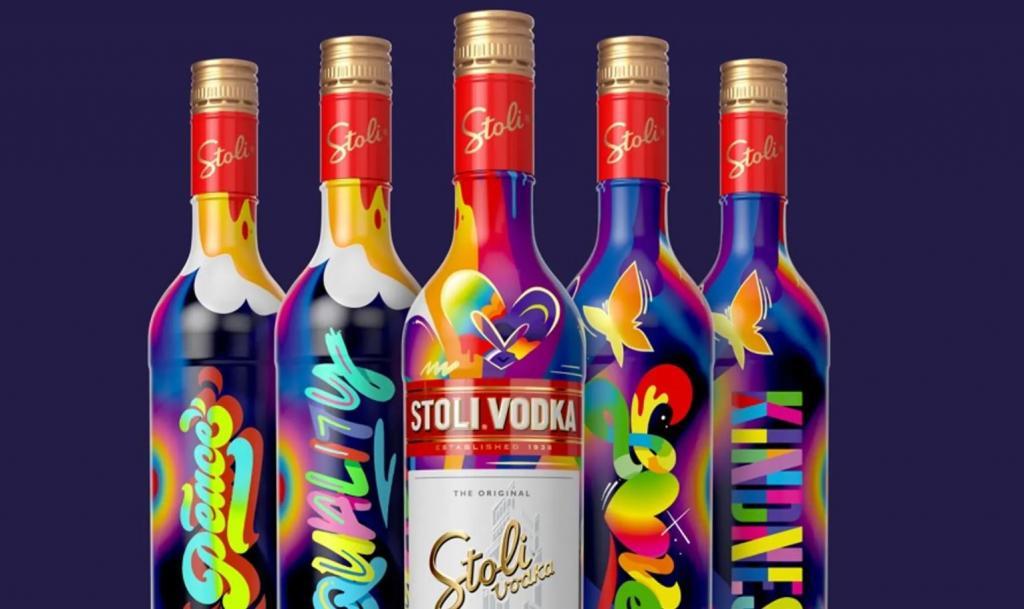
Stoli spent decades as the vodka of choice for anyone who wanted to signal that they drank seriously without spending Grey Goose money. It appeared in the hands of characters in Mad Men, became the house vodka for countless gay bars throughout the 1980s and 1990s (where it developed an especially passionate following), and was the bottle that populated the home bars of anyone who took spirits even slightly seriously.
Not the best in the world at 80 proof, but when you need a new bottle in the freezer, you can always count on Stoli. It sets the bar against which all others will be measured, and many fall short.
That sentiment captures Stoli’s enduring appeal perfectly. It’s the reference point vodka. Other brands measure themselves against it. It was, after all, the brand that invented the concept of premium vodka in the American market. Stolichnaya was the first in the field to be marketed as a premium vodka.
The LGBTQ community’s relationship with Stoli deepened and then complicated when, in 2013, the Russian government passed laws restricting LGBTQ expression. Despite Stoli Group clarifying that its vodka was made in Latvia, not Russia, boycotts against the brand spread quickly across American cities. The episode both damaged and humanized the brand, forcing the company into conversations about corporate values and political responsibility that no vodka brand had faced before.
Is Stoli Gluten-Free?
One of the most common questions about Stoli is whether the wheat-and-rye production makes it unsafe for people with gluten sensitivities. Stoli is made from fermenting wheat and rye and diluted with artesian water. Despite using wheat, it remains gluten-free.
This is consistent with how distilled spirits work: the distillation process removes gluten proteins, meaning the finished spirit tests at below-detectable gluten levels. However, anyone with celiac disease rather than a general gluten sensitivity should consult with their doctor, as individual responses vary.
The Value Proposition: Is Stoli Worth the Money?
At roughly $18 to $22 per 750ml, Stoli occupies a sweet spot in the American vodka market. It costs more than budget bottles like Smirnoff or New Amsterdam, but considerably less than Grey Goose, Belvedere, or Ketel One. It sells for about double the price for the cheapest of vodkas, but something like half the cost of the big three ultra-premium brands, Ciroc, Grey Goose, and Belvedere.
For the price, the complexity you get from the dual-grain recipe is genuinely exceptional. You’d pay $10 to $15 more per bottle for a similar level of flavor interest from Ketel One or Belvedere.
The Stoli Elit, at around $100, is a different conversation. It’s a legitimate top-shelf vodka with the freeze-filtration process delivering exceptional smoothness. Stoli Elit is much smoother than Stoli, but that’s about the only difference. Whether that smoothness justifies the $80 premium over the regular Stoli depends entirely on how seriously you take your neat pours.
For everyday drinking, home bartending, and cocktail making, the standard Stoli is an outstanding value and arguably the best-priced mid-range vodka in its tier.
The State of Stoli Today: What Buyers Should Know
Given the bankruptcy developments and the conversion to Chapter 7 liquidation in January 2026, American consumers naturally have questions about Stoli’s future on shelves.
As Stoli brands have adequate inventory despite the bankruptcy-related developments, customers in the U.S. market can continue to purchase their favorite spirits. In addition, the production facilities and distribution networks of the global business of Stoli Group are also sure to operate normally both inside and outside the U.S.
The Chapter 7 proceedings affect only Stoli Group USA and Kentucky Owl as American subsidiaries. The broader SPI Group, which operates across 176 markets with 200 distributors worldwide, continues normal operations globally.
Spirit sales were down nearly 4% year over year in the 12 months through August 2024, and Stoli’s situation reflects a broader industry shakeup rather than a unique brand failure. The post-pandemic hangover for the spirits industry hit mid-range brands like Stoli especially hard, as consumers either traded up to ultra-premium or traded out of spirits entirely in favor of ready-to-drink beverages.
Final Thoughts: The Vodka That Carries Its History in Every Pour
Somewhere between your first sip of Stoli neat and the second pull of a well-made Stoli Moscow Mule, you realize something interesting: this vodka has earned its reputation not through marketing or celebrity endorsements, but through eighty-plus years of consistent, grain-forward character. It tastes like it was made by people who cared about what wheat and rye could do in a glass. That’s rarer than it sounds.
Whatever happens in the American bankruptcy courts, whatever political battles continue between Yuri Shefler and the Kremlin, and however the American spirits market reshapes itself over the coming decade, there will always be drinkers who understand that the mid-shelf is where the real discoveries live. Stoli has always known that. And in that ice-cold, slightly oily, peppery-sweet pour, it still proves it every time.
Sources: https://chesbrewco.com
Category: Wine