If you’ve spent any time browsing the liquor aisle, you’ve seen that sleek, elongated bottle with the bold blue label staring back at you from the mid-shelf. Svedka Vodka has been a fixture in American bars, kitchens, and tailgates for over two decades, and for good reason: it punches well above its price class. But is it actually good, or is it just cheap enough to forgive? This review breaks down everything, from the brand’s origins and production process to how it stacks up against Tito’s, Absolut, and Grey Goose, what the flavored lineup is really like, and whether Svedka deserves a permanent spot in your home bar.
You Are Watching: Svedka Vodka Review: Is This Swedish Spirit Still Worth Your Money Updated 10/2026
The Story Behind the Brand: From a Small Swedish Town to American Shelves
Svedka is not a made-up word designed to sound Scandinavian. The name is a portmanteau of Svenska (meaning “Swedish”) and vodka, and the spirit genuinely started in Sweden. The brand was launched in the United States in 1998, founded by entrepreneur Guillaume Cuvelier and positioned as a premium imported Swedish vodka produced in Lidköping, Sweden. Lidköping is a modest town in the Västra Götaland region, situated along Lake Vänern, Sweden’s largest lake. It is not a flashy origin story. There are no ancient monastery distillers or royal patents. What Cuvelier built was a straightforward value proposition: a well-made Swedish vodka priced for regular drinkers, not just people trying to impress someone at a bar.
Sweden has been making vodka for hundreds of years, since as early as the 15th century, though Swedish distillers didn’t really perfect the process until the 17th and 18th centuries as drinking spirits became more popular. That long tradition of grain-based distilling is baked into Svedka’s DNA, even if the brand itself is relatively young.
By 2006, approximately 1.1 million cases of Svedka were sold in the United States alone, a 60 percent increase over 2005 sales volumes, making it the fastest-growing major imported premium vodka in the country. That kind of momentum caught the attention of the big players in the alcohol industry.
In February 2007, Constellation Brands announced its acquisition of Svedka and Spirits Marque One LLC from Cuvelier and Belgian investor Alcofinance SA for $384 million. That is a serious amount of money for a vodka brand that had only been around for nine years. Constellation, the same company behind Corona and Modelo beers, saw Svedka as a launchpad into the premium spirits category. Cuvelier went on to found another spirits venture called Davos and later TYKU sake.
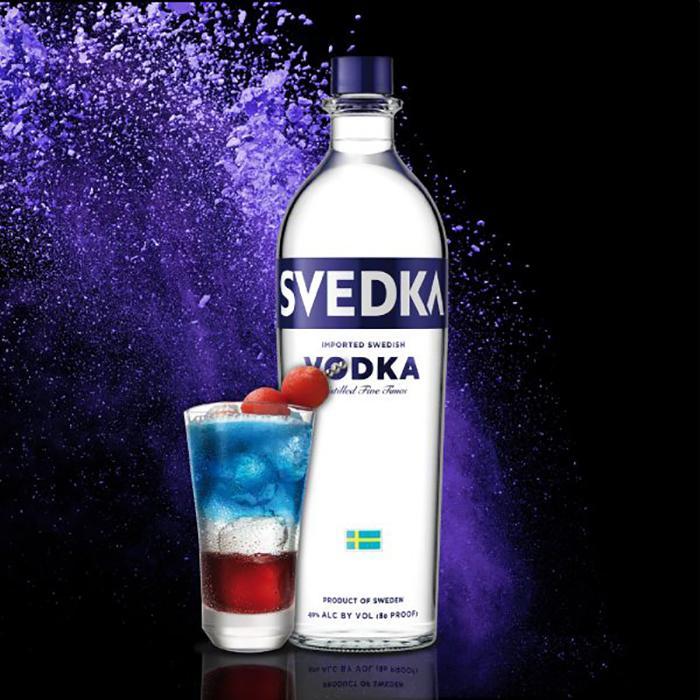
Under Constellation, the brand expanded aggressively into flavored vodkas starting around 2012 and grew into one of the top-selling imported spirits in the country. In 2015 alone, Svedka registered an increase of 2.9 percent in sales volume, reaching approximately 4.2 million cases sold.
The latest chapter came in late 2024. Sazerac Company, Inc. completed the acquisition of the Svedka brand from Constellation Brands for $409.2 million on January 6, 2025. Sazerac is the New Orleans-based spirits giant behind Buffalo Trace Bourbon, Fireball Cinnamon Whisky, Southern Comfort, and hundreds of other labels. Jake Wenz, CEO of Sazerac, said: “We are very excited to bring Svedka to Sazerac. Known for its high-quality vodka-making traditions, premium liquid standards, and flavor innovation, it is a complementary addition to our award-winning spirits portfolio.” For consumers, the ownership change is unlikely to alter what ends up in the bottle any time soon, but it does signal that a company with serious spirits credentials now has a stake in keeping Svedka competitive.
How Svedka Is Made: The Process Behind the Price
Understanding how a vodka is distilled tells you a lot about what to expect in the glass. Vodka, by definition, is a neutral grain spirit distilled to high purity, and the variables that distinguish one brand from another come down to the base ingredient, water source, number of distillations, and any post-distillation filtration.
Base ingredient: Svedka Vodka, in its original Swedish production form, was made from winter wheat sourced from farms surrounding Lidköping. Winter wheat is sown in autumn and harvested the following summer, and its higher starch content makes it particularly well suited for vodka production. This is the same type of wheat used by Absolut, which is also a Swedish product. Wheat-based vodkas tend to produce a slightly sweeter, softer spirit compared to rye-based vodkas like Belvedere, which skew drier and more assertive.
Distillation: Svedka uses a continuous distillation process, which means the wheat, water, and yeast are kept moving through the stills rather than pooling in a batch. The vodka is then run through five separate purification columns to remove impurities. The brand has historically claimed that it takes over three pounds of high-quality Swedish wheat and more than 40 hours of continuous distillation to produce a single bottle.
An important caveat: Production shifted to the United States without public announcement, reportedly around 2020, resulting in the use of American corn as the primary ingredient and a reduction to four distillations in some variants. This shift prompted the removal of the Swedish flag from newer bottle labels and the omission of “distilled five times” language on updated packaging. In 2020, the Swedish National Food Agency claimed that Svedka may not be distributed as Swedish vodka under European Union rules, which protect the “Swedish vodka” designation and require certain production standards to be met on Swedish soil.
This is worth knowing before you buy. If you purchase an older 1.75L handle, you may still get the Swedish-distilled product. Newer 750ml bottles may reflect the domestic production run. The practical difference in the glass is debated, but the transparency issue has understandably frustrated long-time fans of the brand.
Water source: The original Swedish production used water from underground springs near Lidköping. Clean, soft Scandinavian water is a legitimate quality advantage, as mineral content in water directly affects the final flavor profile.
ABV and proof: Svedka Original is bottled at 40% ABV (80 proof), which is the standard for American market vodkas. The flavored lineup comes in at 35% ABV (70 proof).
Tasting Notes: What Does Svedka Actually Taste Like?
Let’s be direct: Svedka is not a sipping vodka in the way that Belvedere or Grey Goose can be. It is a workhorse, a versatile mid-shelf spirit built for cocktails, shots, and mixed drinks. That said, it holds up surprisingly well for its price when you evaluate it seriously.
Appearance: Crystal clear, no cloudiness, good viscosity on the pour.
Nose: The aroma is relatively clean with a faint grainy sweetness. At room temperature, there is a mild alcohol heat, but it is not aggressive. Chilled, the spirit opens up with a subtle vanilla note that rounds off the ethanol edge.
Palate: Svedka delivers an initial sweet note followed by a peppery bite, with hints of vanilla and mint detectable in the mid-palate. The texture is medium-bodied rather than silky, which is exactly what you’d expect from a column-distilled wheat or corn vodka in this price range. The overall flavor is lightly grainy, crisp, and surprisingly smooth for the price, with a tiny bite on the finish that disappears completely when mixed into a cocktail.
Read More : What Are Whiskey Stones Updated 10/2026
Finish: The finish is just a bit dry with a faint fruitiness. Repeated sips can reveal a dry maltiness rather than the softer, fruity, or nutty character often associated with winter wheat. Some reviewers note a slight bitterness in the aftertaste when drinking it neat and warm, which is less noticeable when the spirit is chilled or mixed.
Straight vs. mixed: Straight out of the freezer, Svedka performs better than its price suggests. Drinkers report it is almost tasteless and goes down smooth, with little burn and no harsh aftertaste when properly chilled. Mixed into cocktails, it essentially disappears into the drink, which is both a strength and a criticism depending on what you’re after. If you want your vodka to contribute nothing but alcohol and a clean base, Svedka delivers. If you want textural complexity or a distinct flavor character to complement your mixer, you may want to look higher up the shelf.
Verdict on taste: For the money, Svedka earns a solid 7 out of 10. It is not going to win blind taste tests against premium vodkas, but it will not embarrass you in a cocktail, and it will not leave you regretting your purchase the next morning.
The Flavor Lineup: What Is Worth Buying?
One area where Svedka truly differentiates itself from direct competitors is its flavored vodka range. The lineup is extensive, leaning heavily into fruit-forward profiles that work well in punches, lemonade mixers, and casual summer drinks.
Svedka prioritizes fruity and sweet flavors in its vodka lineup. Most of the varieties convey a cohesive taste message without bombarding the palate with sweetness or artificial tastes. Here is a breakdown of the key expressions worth trying:
Svedka Raspberry: The standout of the whole flavored lineup. It offers expert layering of raspberry flavors with a jammy, full-fruit character, excellent crispness, and a warm finish that never tastes artificial or overwhelming. This is the one to reach for in a vodka lemonade or a fruity martini.
Svedka Cucumber Lime: A surprisingly sophisticated expression. Drinking it neat reveals bright lime at the beginning that fades seamlessly into cooling cucumber, with a clean and pleasant finish and a slight note of lime to round out the sip. Excellent for summer cocktails and a natural fit with soda water.
Svedka Blue Raspberry: A bolder, more candy-forward take on the classic raspberry. It carries a slightly jammy flavor with notes of bubblegum and a lemony citrus blast near the finish. The flavors complement each other rather than competing, and it works particularly well with tonic water or seltzer in a highball glass over plenty of ice.
Svedka Mango Pineapple: One of the newer and more popular RTD-friendly options. The tropical sweetness pairs well with coconut water, soda, or pineapple juice for a no-fuss vacation drink at home.
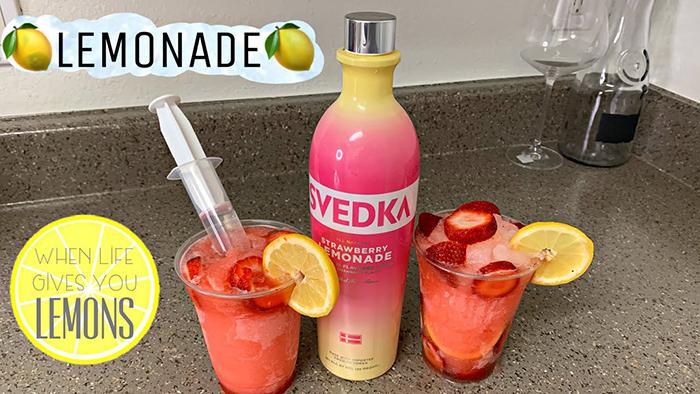
Svedka Strawberry Lemonade: Leans sweeter than the raspberry but carries a convincing fruit character that mixes well with actual lemonade or sparkling water.
Svedka Peach: The saccharine peach flavor is fine for fruity drinks like Fuzzy Navels but has a somewhat limited range, lacking the puckery punch of the lemon vodka or the versatility of the original unflavored expression. It is best enjoyed mixed rather than sipped.
Svedka Grapefruit Jalapeño: For those who want something with more edge. Even when stepping into spicier territory, Svedka still hits the mark, making this a solid choice for spicy margarita riffs or a Bloody Mary variation.
Beyond the flavored vodkas, Svedka also offers a Pure Infusions zero-sugar flavored range and a ready-to-drink Vodka Soda line in cans, including Mango Pineapple, Black Cherry Lime, and Strawberry Lemonade. For guys who want a grab-and-go option for a tailgate or fishing trip without the hassle of mixing, these RTDs are a genuinely practical choice.
Svedka Price Guide: How Much Should You Pay?
One of Svedka’s biggest selling points is its price-to-quality ratio. It occupies the sweet spot between genuinely cheap vodkas (Burnett’s, Fleischmann’s) and the mid-shelf crowd (Absolut, Ketel One, Tito’s).
Svedka carries an affordable price range of approximately $8 to $22 depending on bottle size and retailer. Here is a general breakdown based on current market pricing:
| Bottle Size | Approximate Price |
|---|---|
| 375ml (half pint) | $8 – $10 |
| 750ml (fifth) | $13 – $17 |
| 1 Liter | $18 – $22 |
| 1.75L (handle) | $20 – $26 |
Flavored varieties typically run within the same range, with the 750ml flavored bottles sitting around $13 to $16 at most major retailers including Total Wine, BevMo, and Walmart.
Unflavored 80-proof Svedka contains 97 calories per 1.5oz serving. For anyone tracking calories while still enjoying a cocktail, that is on the lower end for spirits and significantly fewer calories than a beer or a glass of wine.
Svedka vs. The Competition: How Does It Stack Up?
This is the question that actually matters when you’re standing in the liquor aisle trying to decide where to spend your money. Here is a direct comparison of Svedka against the vodkas most likely competing for your dollars:
| Brand | Origin | Base | Price (750ml) | Proof | Distillations | Best For |
|---|---|---|---|---|---|---|
| Svedka | Sweden/US | Wheat/Corn | ~$15 | 80 | 4–5x | Cocktails, parties, value |
| Tito’s Handmade | Texas, USA | Corn | ~$21 | 80 | 6x (pot still) | Sipping, cocktails |
| Absolut | Sweden | Wheat | ~$22 | 80 | Continuous | Martinis, mixed drinks |
| Ketel One | Netherlands | Wheat | ~$23 | 80 | Pot + column | Martinis, sipping |
| Smirnoff | USA | Corn | ~$15 | 80 | 3x | Budget mixing |
| New Amsterdam | California | Corn | ~$11 | 80 | 5x | Budget, flavored |
| Grey Goose | France | Wheat | ~$35 | 80 | 1x (column) | Sipping, prestige |
| Belvedere | Poland | Rye | ~$40 | 80 | 4x | Sipping, craft cocktails |
Where does Svedka land? It beats Smirnoff and New Amsterdam on smoothness and heritage. It sits roughly even with Absolut on quality but generally undercuts it by $5 to $8. Against Tito’s, the comparison is genuinely close: Tito’s carries more marketing weight and a craft image, but in a blind mixed drink, most casual drinkers cannot tell the difference. Svedka’s five-column distillation process using high-quality winter wheat results in a smooth and pure spirit, and it excels in quality while also offering flavored varieties without a significant increase in cost.
Against Grey Goose and Belvedere, Svedka loses, but that is not a fair fight. You are not paying twice the price for twice the quality; you are paying for a measurably better straight-sipping experience and, in some cases, brand prestige. If you are building cocktails with more than two or three ingredients, the premium is largely wasted.
The Controversy: Is Svedka Still Actually Swedish?
Read More : What Is St Germain? The French Liqueur Every Serious Drinker Needs to Know Updated 10/2026
This is something serious vodka drinkers have been debating since approximately 2022. Svedka’s production shift to the United States was carried out without public announcement, reportedly around 2020, resulting in American corn replacing Swedish winter wheat as the primary ingredient. Consumers began noticing changes to the bottle’s packaging in early 2022, including the removal of the Swedish flag and the disappearance of “distilled five times” language.
In 2020, the Swedish National Food Agency stated that Svedka may not be distributed as Swedish vodka under European Union protected designation rules, which require certain production requirements to be met.
Does this matter? From a marketing standpoint, absolutely. Svedka built its identity on Swedish heritage, and quietly pivoting to domestic corn production without telling consumers is a legitimate grievance. From a practical standpoint in the glass, the impact is less clear. American corn is a neutral, clean-fermenting base, and column distillation at scale can produce a high-purity spirit regardless of the grain source. Dedicated fans of the original wheat recipe may notice a slightly different texture and a reduced sweetness, but the difference is subtle enough that it does not fundamentally change what Svedka is: a smooth, affordable, mixer-ready vodka.
The best advice: buy the 1.75L handle if authenticity matters to you, as those larger format bottles were still carrying “made in Sweden” claims for longer than the 750ml line. Going forward under Sazerac’s ownership, it will be worth watching whether the brand recommits to its Swedish identity.
Best Cocktails to Make with Svedka
Because Svedka is a neutral, clean spirit at a price that does not make you wince when you pour liberally, it is genuinely ideal for home bartending. Here are the drinks where it performs best:
Vodka Soda: The simplest test of any vodka’s quality. Fill a highball glass with ice, pour 2oz of Svedka Original, top with quality sparkling water, add a squeeze of lime. Clean, crisp, minimal effort.
Moscow Mule: 2oz Svedka Original, 4oz ginger beer, squeeze of half a lime, served in a copper mug over ice. The peppery finish in Svedka actually complements the ginger beer well.
Vodka Cranberry (Cape Codder): 2oz Svedka, 4oz cranberry juice, squeeze of lime. Mixed 50/50 with cranberry juice, the alcohol becomes nearly imperceptible, making this an easy-drinking but potent combination.
Raspberry Lemonade Cocktail: 2oz Svedka Raspberry, 3oz fresh lemonade, splash of soda water. This is one of the best applications of the raspberry flavor and makes an excellent warm-weather drink.
Dirty Martini: 2.5oz Svedka Original (chilled), 0.5oz dry vermouth, 0.5oz olive brine, garnished with three olives. Svedka holds up reasonably well in a martini when extra-cold, though Ketel One or Absolut will outperform it in this application.
Bloody Mary: 2oz Svedka, 4oz tomato juice, hot sauce, Worcestershire, horseradish, salt, pepper, celery salt, lemon. The neutral base is ideal here because the mix carries all the flavor.
Cucumber Lime Collins: 2oz Svedka Cucumber Lime, 1oz fresh lime juice, 0.5oz simple syrup, topped with club soda. This is a crisp, refreshing cocktail that highlights one of the brand’s better-flavored expressions.
Pros and Cons: The Honest Assessment
What Svedka does well:
Affordability is the obvious one. At $13 to $17 for a 750ml bottle, you are getting a serviceable vodka at a price that makes buying a handle for a party completely painless. The flavor variety is also a genuine strength. No other vodka in this price range offers as many well-executed fruit expressions. For anyone who hosts regularly or bartends at home, having a few Svedka flavors on hand covers a huge range of cocktail requests. The wide availability across grocery stores, gas stations, and liquor shops means you can find it anywhere in the country. And the calorie count of 97 per serving makes it one of the more diet-friendly spirits on the market.
Where Svedka falls short:
Some reviewers note a bitter aftertaste, particularly when drinking it neat and at room temperature. This is less of an issue when the vodka is chilled or mixed, but it is worth knowing. The production transparency issue is a legitimate concern for brand loyalists who bought Svedka specifically because of its Swedish heritage. The quiet shift to American corn production felt like a breach of trust to many long-time consumers. Svedka’s dollar sales and volume declined by approximately 6.2% and 5.9% respectively in the 52 weeks ending November 2024, suggesting that some consumers have been drifting toward competitors. Finally, Svedka is simply not a great straight-sipping vodka. Neat and warm, it is unremarkable. If your goal is to sip vodka appreciatively, spend the extra ten dollars on Ketel One.
Who Should Buy Svedka?
Buy Svedka if: You’re stocking up for a house party or group event. You want a reliable cocktail-building vodka at home without breaking the bank. You’re interested in experimenting with flavored vodkas. You mix most of your drinks with juice, soda, or other ingredients and do not regularly drink vodka neat.
Look elsewhere if: You primarily drink vodka straight or on the rocks and want a premium experience. You are strict about sourcing and want total confidence that your vodka is what the label claims. You are already comfortable spending $22 or more, in which case Tito’s or Absolut represent better-defined products at a modest premium.
Final Verdict: A Reliable Workhorse That Deserves More Respect
Svedka Vodka is not trying to be the best vodka in the world, and it does not pretend otherwise. What it does is deliver consistent, clean, mixer-friendly quality at a price that makes it one of the most practical bottles you can stock in a home bar. The flavored lineup is genuinely impressive for the price tier, and the base Original expression holds up far better in cocktails than most of its direct competitors at the same price point.
The ownership transition to Sazerac in January 2025 adds an interesting wrinkle. Sazerac has the distribution muscle, the spirits expertise, and the track record to stabilize and potentially reinvest in Svedka’s identity. Whether that means recommitting to Swedish production, expanding the RTD line, or doubling down on the flavored range remains to be seen.
For now, Svedka sits comfortably in the tier of vodkas that serious drinkers keep around not because it is their favorite, but because it is dependable, affordable, and always gets the job done. In a world full of overpriced vodkas riding prestige branding to a $45 price tag, that is not a small thing. Put a handle in your freezer. You will use it, and you will not regret it.
Sources: https://chesbrewco.com
Category: Wine