If you reach for a beer at the end of a long workday, pour yourself a glass of wine over dinner, or shake up a cocktail on the weekend, you probably don’t spend much time thinking about apple juice. But here’s the thing: apple juice shows up everywhere in the drinking world, from brunch mimosa alternatives to cocktail mixers, hard cider bases, and even as a palate cleanser between sips of whiskey. Understanding its chemistry, specifically its pH level, tells you a surprising amount about why it tastes the way it does, what it does to your body, and how it stacks up against the drinks you already love.
This is not a basic overview. This is everything worth knowing about the pH of apple juice, explained in plain terms for adults who like to drink well and live smarter.
You Are Watching: What You Should Know About The Ph Of Apple Juice Updated 10/2026
What pH Actually Means
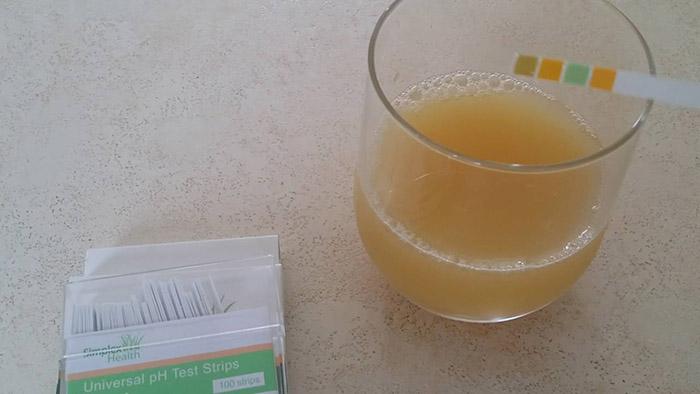
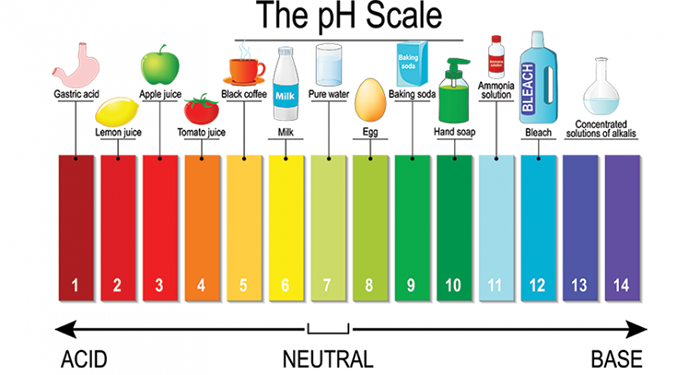
Before diving into apple juice specifically, a quick refresher on pH is worth your time. The pH scale runs from 0 to 14. A reading of 7 is perfectly neutral, like pure water. Anything below 7 is acidic, and anything above 7 is alkaline (also called basic). The lower the number, the more acidic the substance. Battery acid sits at a pH of around 1. Stomach acid is about 1.5. Lemonade can drop as low as 2. Most beers, by contrast, land somewhere between 4.0 and 5.0.
Here is the part that surprises most people: the pH scale is logarithmic, meaning that a pH of 3 is ten times more acidic than a pH of 4, and a hundred times more acidic than a pH of 5. That seemingly small difference in numbers represents a massive difference in acid concentration. This matters for your teeth, your gut, and the flavor balance of anything you’re mixing.
The pH of Apple Juice: The Actual Numbers
Most apple juices have a pH between 3.0 for the more acidic juices and up to about 4.5 for juices that contain very little acidity. The average sits closer to the lower end of that range in commercial products.
Because apple juice is acidic, typically with a pH of 3.4, it can be pasteurized for less time or at lower temperatures than many other juices. That is not just a food science footnote. It means the FDA specifically accounts for apple juice’s acidity when setting processing guidelines, confirming how consistently acidic it is across commercial production.
Published research from a major clinical study offers even more precision. The pH of apple juice was measured at 3.57 and 3.66 in that study, figures consistent with other investigators’ published data. A separate dataset puts Tropicana 100% Apple Juice at pH 3.50, Minute Maid Apple Juice at 3.66, Welch’s Apple Juice at 3.57, and Juicy Juice Apple at 3.64, making clear that major American brands cluster tightly in the 3.5 to 3.7 range.
Different apple varieties do shift the numbers. pH values ranged from 3.04 in more tart cultivars to 3.69 in varieties like Fuji, which is one of the sweeter apples on the market. So if you have ever noticed that one brand of apple juice tastes markedly sharper or more mellow than another, the apple variety used is the primary reason.
Apple Juice pH at a Glance: Major Brands
| Brand | pH Level | Erosiveness Category |
|---|---|---|
| Tropicana 100% Apple Juice | 3.50 | Erosive |
| Welch’s Apple Juice | 3.57 | Erosive |
| Juicy Juice Apple | 3.64 | Erosive |
| Minute Maid Apple Juice | 3.66 | Erosive |
| Mott’s Apple Juice | 3.75 | Erosive |
| Granny Smith variety (typical) | 3.04–3.20 | Erosive |
| Fuji variety (typical) | 3.60–3.69 | Erosive |
Source: Research published in the Journal of the American Dental Association, 2016; additional cultivar data from PMC peer-reviewed research.
How Apple Juice Compares to Beer, Wine, and Cocktails
This is where it gets genuinely interesting for the drinker in you. When you reach for a cold IPA or swirl a glass of Chardonnay, you are consuming something acidic too. But how acidic, exactly?
Beer typically has a pH range of about 4.0 to 4.5, though some sour beers can have a much lower pH, around 3.0 or lower. Red wine generally has a pH between 3.0 and 4.0, while white wine tends to be more acidic, with a pH range of about 3.0 to 3.5. Vodka is neutral in terms of pH, usually around 7, similar to water. Whiskey tends to be slightly acidic, with a pH around 6.5 to 7. Cocktails vary widely depending on the ingredients, with a Margarita being more acidic at around pH 2.0 to 3.0.
What this means practically: standard apple juice (pH 3.5–3.7) is more acidic than most beers but roughly comparable to white wine. Your average lager or pale ale is noticeably less acidic than a glass of apple juice. A sour beer, however, can match or even beat apple juice for tartness. And if you are building a cocktail with citrus juice like lime or lemon, you are working with something far more corrosive than apple juice.
Apple cider, once fermented, typically has a pH between 3.2 and 3.8, making it slightly more acidic than fresh apple juice, because fermentation produces additional acids including malic and acetic acid. So if you enjoy hard cider, know that you are drinking something a touch sharper than the unfermented juice it came from.
Beverage pH Comparison Chart
| Beverage | pH Range | Notes |
|---|---|---|
| Lemonade | 2.0–2.6 | Extremely erosive |
| Margarita | 2.0–3.0 | Citrus-heavy cocktails |
| Wine (White) | 3.0–3.5 | Comparable to apple juice |
| Apple Juice | 3.0–4.5 (avg. ~3.5–3.7) | Erosive range |
| Apple Cider (hard) | 3.2–3.8 | Slightly more acidic than juice |
| Wine (Red) | 3.0–4.0 | Varies by varietal |
| Sour Beer | 3.0–3.5 | Much more acidic than standard beer |
| Coca-Cola | 2.37–2.53 | Extremely erosive |
| Beer (standard) | 4.0–5.0 | Less acidic than apple juice |
| Whiskey / Vodka | 6.5–7.0 | Near neutral |
| Water | 7.0 | Neutral |
Sources: PMC clinical research, American Association of Orthodontists pH data, ChemIDP beverage acidity guide.
What Makes Apple Juice Acidic: The Chemistry Behind the Flavor
Apple juice does not get its tartness from citric acid, which is what most people assume. Malic acid occurs naturally in apples, pears, and cherries and is added to many non-carbonated beverages such as fruit drinks, fortified juices, sports drinks, and iced teas because it enhances intrinsic flavor.
Malic acid is the dominant acid in all apple products, from fresh-pressed juice to commercial concentrates. It is a diprotic acid, meaning it has two hydrogen ions available to release, which gives it a slightly different acidic character than citric acid. The flavor profile it creates tends to be clean and crisp rather than sharp and intense, which is part of why apple juice reads as “sweet” even though it is chemically quite acidic.
In the production of wine, beer, and cider, malic acid is used to regulate pH and total acidity. It is the most common choice for cider making because of its apple origins and its sour green apple taste. Brewers and winemakers actually add malic acid as a tool, which explains why it shows up in craft beverages well beyond apple cider. Next time you taste a particularly crisp Sauvignon Blanc or a bright hoppy IPA, there is a real chance malic acid played a role in achieving that freshness.
An important distinction also exists between pH and titratable acidity (TA). On the TA scale, the acidity of apple juice is often expressed as grams per litre of malic acid, with values ranging from 1 g/L for the least acidic juices to about 15 g/L for the most acidic. A juice can have a moderately low pH but very high titratable acidity, meaning your mouth encounters a sustained acid load as you drink it, not just a quick burst. This is significant for both flavor and health.
The Dental Reality: What Apple Juice Does to Your Teeth
Read More : Whats The History Of Grapette Soda Updated 10/2026
If you enjoy a cold beer or glass of wine, you already know that alcohol is not great for your enamel. But you might not realize that apple juice, on a purely chemical basis, is often more damaging to tooth enamel than your average beer.
Beverages with a pH of less than 4 are considered potentially erosive, according to research in the Journal of the American Dental Association, and apple juice falls below that threshold in virtually all commercial forms. Enamel begins its chemical dissolution at a pH of 5.5, well above the 3.5 typical of apple juice.
As the oral cavity pH drops below 4.0, the tooth surface erodes, and with each unit of decrease in pH there is a ten-fold increase in enamel solubility, resulting in a 100-fold increase in enamel demineralization as the pH approaches 2.0 from 4.0. This is not a theoretical concern. A growing body of peer-reviewed evidence documents real-world enamel loss from regular juice consumption.
Fruit juices and smoothies with pH levels of approximately 3 to 4 often exceeded carbonated soft drinks in erosive potential in a 2025 systematic review spanning over a decade of research. That is a finding that regularly surprises people who think they are making a “healthier” choice by reaching for juice over soda.
Sprite, apple juice, and orange juice are about five times more erosive than Coca-Cola light in certain in vitro erosion studies, based on actual measurement of enamel substance loss. The sweet flavor of apple juice masks just how much acid your teeth are absorbing.
Practical strategies to protect your enamel when drinking acidic beverages, including apple juice:
- Use a straw. Drinking through a straw helps bypass your teeth, minimizing direct contact with the enamel.
- Rinse with water immediately. Swishing plain water after an acidic drink helps restore the pH in your mouth.
- Do not brush right away. Give your saliva at least 30 to 60 minutes to naturally remineralize your teeth before brushing, since enamel is temporarily softened after acid exposure.
- Drink with meals, not solo. Pairing acidic drinks with food stimulates saliva, which buffers acid naturally.
- Chew sugar-free gum afterward. This stimulates saliva production and helps neutralize residual acid.
These tips apply equally whether you are finishing a glass of hard cider, a cocktail with a citrus mixer, or a cold juice. The mechanism is the same.
Digestion, GERD, and Acid Sensitivity: What You Should Know
People who deal with acid reflux or GERD already know to monitor what they drink. If you have acid reflux or GERD, acidic drinks can trigger symptoms, and the main acids in apples are malic acid along with small amounts of citric acid and other natural organic acids.
Research has shown that apple juice can significantly influence gastroesophageal reflux in children, with apple juice feedings leading to frequent reflux episodes for up to 2 hours post-consumption. While much of this research focuses on pediatric populations, adults with GERD face the same basic chemistry: an acidic liquid entering a compromised lower esophageal sphincter is a recipe for discomfort.
That said, apple juice is not the worst option for acid-sensitive individuals. A 2024 article published in the Journal of Functional Foods states that low-acid diets may reduce reflux episodes in patients with GERD by 40 percent, and apple juice, while acidic, is significantly milder than orange juice, lemonade, or grapefruit juice. Apples are low in acid relative to citrus, and they contain pectin that facilitates digestion, making unfiltered apple juice a gentler choice for GERD patients compared to citrus juices.
Apples contain compounds like calcium and magnesium that can create a less acidic environment in the stomach, potentially relieving acid reflux for some people, likely because both calcium and magnesium are common active ingredients in over-the-counter antacids. There is an interesting paradox here: apple juice is externally acidic by pH measurement, yet its metabolic effect can sometimes lean alkaline in a well-functioning digestive system.
If you routinely combine alcohol with apple juice (as many cocktails do), the combined burden on your esophagus increases. Harvard Medical School notes that alcohol is among the foods known to cause heartburn, largely because alcohol relaxes the lower esophageal sphincter. Combining alcohol with acidic juice can amplify reflux risk for susceptible people.
The Health Benefits Hidden Inside That Acidity
Here is where the story pivots in a more positive direction. The same compounds that make apple juice acidic are also responsible for some genuinely useful health properties.
Malic Acid and Metabolism: The malic acid in fresh apple juice can support cellular energy production, enhancing metabolic rate, and the natural sugars in apple juice offer a quick energy boost. Malic acid plays a role in the Krebs cycle, the fundamental process by which your cells convert food into energy. This is why malic acid supplements are marketed to endurance athletes.
Polyphenols and Antioxidants: Apple juice is particularly rich in polyphenols, including flavonoids like quercetin, epicatechin, and procyanidins, as well as organic acids such as malic acid. These compounds are linked to reduced oxidative stress, lower LDL cholesterol oxidation, improved cardiovascular function, and anti-inflammatory effects throughout the body.
Cloudy apple juice, which does not use the enzyme that strips juice of natural antioxidants during processing, typically has a significantly greater antioxidant punch than clear, filtered juice. If you are choosing between the two at the grocery store or squeezing your own, cloudy wins on nutrition by a noticeable margin.
Heart Health: The antioxidants in apple juice, especially quercetin and other polyphenols, are beneficial for cardiovascular health, helping reduce the oxidation of LDL cholesterol, a key factor in the development of atherosclerosis, while the potassium content helps regulate blood pressure.
Liver Support: Apple juice’s malic acid content supports liver function, helping break down toxins and fats efficiently and stimulating bile production for fat digestion. For people who drink alcohol regularly, even moderate consumption, supporting liver function through dietary choices is a reasonable and practical goal.
Potential Cancer Protection: Regular consumption of apple polyphenols, found in unfiltered apple juice, shows promise in protecting against pancreatic and colon cancers, with the phenolic acids and malic acid in fresh apple juice potentially preventing cellular damage in the pancreas. The research is still developing, but the direction is encouraging.
Clear vs. Cloudy Apple Juice: Does the pH Differ?
Most Americans reach for the clear, filtered variety on grocery shelves, but the two versions of apple juice are not the same product.
Clear (filtered) apple juice goes through an enzymatic clarification process that removes pectin, starch, and polyphenol-bearing particles. The result is a product with a longer shelf life, a consistent golden appearance, and a slightly milder flavor profile. The pH tends to fall in the same general range (3.5 to 3.7), though the absence of certain organic complexes can marginally affect measured acidity.
Read More : Does Red Robin Serve Alcohol Updated 10/2026
Cloudy (unfiltered) apple juice retains the apple solids, fiber, and a far greater concentration of polyphenols and antioxidants. Cloudy juice typically has more of an antioxidant punch because it does not use the enzyme that strips the juice of its natural antioxidants during processing. The pH is similar between the two, but the titratable acidity may be slightly higher in cloudy juice due to the retained organic acids bound up in the solids.
For the health-conscious drinker, cloudy (or “natural”) apple juice is the smarter pick. Look for labels that say “not from concentrate” and “unfiltered” if maximizing nutritional value is a priority alongside the flavor experience.
Apple Juice as a Cocktail Mixer: pH Matters More Than You Think
If you mix drinks, you already know that acid balance is one of the most important dimensions of a well-made cocktail. Bartenders obsess over citrus ratios precisely because pH directly shapes flavor perception. Apple juice, with its moderate acidity and soft malic character, behaves quite differently in a cocktail than lemon juice or lime juice.
Apple juice is generally more acidic than orange juice, despite what its sweet flavor suggests, which makes it a useful but sometimes underestimated ingredient when balancing a cocktail’s flavor profile. In an apple-based cocktail alongside bourbon or rye whiskey (both near-neutral at pH 6.5 to 7.0), apple juice brings the overall pH down while adding fruit character without the aggressive sharpness of citrus.
Some practical mixing notes for home bartenders and curious drinkers:
- Apple juice and bourbon create a balanced low-acid cocktail, since whiskey’s near-neutral pH offsets apple juice’s acidity. The result is approachable for acid-sensitive drinkers.
- Apple juice and sparkling wine combine two moderately acidic ingredients. White wine has a lower pH and is more acidic than red wine, so pairing it with apple juice requires attention to the overall tartness of the finished drink.
- Apple juice and vodka bring the spirit’s neutral pH (around 7.0) into direct contrast with apple juice’s 3.5. The outcome is a relatively balanced, soft cocktail with no added acidity from the spirit.
- Hard cider starts its life as apple juice. Understanding that fermentation lowers the pH further explains why dry hard ciders taste so much sharper than fresh-pressed juice.
How Storage and Processing Affect Apple Juice pH
A bottle of apple juice sitting on a shelf is not a static object. Temperature, light exposure, time, and the presence of oxygen all affect the chemical composition of the juice, including its acidity.
The ideal storage temperature for apple juice is between 0°C (32°F) and 4°C (39°F). Once the juice package is opened, it must be resealed tightly and refrigerated to avoid contamination from microorganisms such as bacteria.
Extended shelf storage can gradually degrade ascorbic acid (vitamin C) in apple juice. Interestingly, higher pH levels actually accelerate this degradation. This matters nutritionally but does not dramatically alter the juice’s overall pH during normal home storage timelines.
Pasteurization, the heat treatment applied to commercially sold juice, does not significantly alter the pH of the final product. The acidity that comes out of the bottle is essentially the acidity that was measured at processing. What pasteurization does affect is microbial safety: from 2000 to 2010, there were over 1,700 cases in North America of illnesses related to drinking unpasteurized juice and ciders, with pathogens including E. coli, Salmonella, Cryptosporidium, and hepatitis A. For that reason alone, choosing pasteurized juice is the responsible default.
Is Apple Juice Acidic or Alkaline After Digestion?
This is one of the more persistent pieces of nutritional folklore: the idea that certain acidic foods become “alkalizing” once metabolized. Apple juice comes up in this conversation regularly.
The honest answer is that the science does not support the alkalizing claim in any meaningful way. Despite a common misconception that cider (and by extension apple juice) can alkalize the body, scientific evidence does not support this claim. The body tightly regulates pH levels through various mechanisms, and dietary intake has minimal impact on systemic acidity.
Your blood maintains a pH of 7.35 to 7.45 regardless of what you drink, regulated by your kidneys and lungs with remarkable precision. Drinking apple juice does not change your blood pH. It does, however, temporarily lower the pH in your mouth and can contribute to stomach acid stimulation, particularly for people with sensitive digestive systems.
What is true is that certain minerals in apple juice, calcium and magnesium among them, can have localized buffering effects in the stomach, which is why some people report that apple juice feels gentler on their gut than orange juice despite comparable acidity. But that is a mineral buffering effect, not “alkalization.”
Practical Tips for the Beer, Wine, and Cocktail Drinker
You already consume acidic beverages regularly. Adding apple juice or hard cider to your rotation does not dramatically change your overall acid exposure, but a few smart habits make a real difference over the long term.
Rotate your acids. If you are drinking wine (pH 3.0 to 4.0), beer (pH 4.0 to 5.0), and apple juice (pH 3.5 to 3.7) across a week, your teeth and digestive system are navigating a range of acid loads. Being intentional about timing, not sipping acidic drinks constantly throughout the day, is more important than eliminating any one category.
Water is your friend. Whether you are rinsing between cocktails, diluting apple juice in a morning drink, or just staying hydrated between glasses of wine, water’s neutral pH of 7.0 actively helps your mouth recover from acid exposure.
Choose unfiltered apple juice when it matters. If you are using apple juice in a recipe, a cocktail, or drinking it for its nutritional properties, the cloudy, unfiltered version gives you more polyphenols and antioxidants per glass at roughly the same pH. Clear juice costs you nutrition without meaningfully reducing acidity.
Be especially mindful if you have GERD or acid reflux. The combination of alcohol (which relaxes esophageal muscles) and acidic mixers (which add direct acid) is double trouble for the esophageal lining. If you love cocktails but deal with reflux, choosing near-neutral spirits and minimizing citrus and apple juice in your mixers will make a noticeable difference.
Do not brush within 30 to 60 minutes of drinking acidic beverages. This applies to your post-dinner wine or the apple juice in your morning smoothie equally. Enamel softened by acid needs time to reharden via your saliva before you introduce the mechanical friction of a toothbrush.
Final Thoughts
Apple juice occupies an interesting middle ground in the world of beverages: acidic enough to matter for your teeth and digestion, mild enough to work with a wide range of flavors and spirits, and nutritionally complex enough to offer real benefits when consumed thoughtfully. Its pH of roughly 3.5 to 3.7 places it in the same tier as white wine, noticeably more acidic than your average beer, and far gentler than lemon juice, lemonade, or most cola-style sodas.
The acidity comes primarily from malic acid, a compound that contributes not only to the juice’s flavor but also to energy metabolism, liver function, and the crisp character of many fermented beverages including cider, beer, and wine. Understanding this gives you a new lens on why apple-forward cocktails taste the way they do and why hard cider occupies such a natural space between apple juice and wine.
Drink wisely, rinse your mouth, choose the cloudy version when you can, and know that the apple in your glass is doing more chemically than its sweet flavor suggests.
Sources: https://chesbrewco.com
Category: Drink