You’ve probably mixed a Red Bull with vodka at a bar, grabbed one before a late-night beer run, or tossed it behind a cocktail to keep the evening going. Red Bull is everywhere, and for most American men who drink, it’s become as normal a presence on the counter as a six-pack. But here’s the question that actually matters: is there a legal age to buy Red Bull in the United States, and should there be one?
The answer is more layered than a quick Google search suggests. It touches on federal law gaps, state-level skirmishes, serious medical research, and the particular risks that come with mixing energy drinks with the alcohol you already love. This guide covers everything, from the exact legal landscape to what really happens inside your body when Red Bull and bourbon share the same glass.
You Are Watching: Red Bull Age Limit: The Expert Guide Every American Drinker Needs to Read Updated 10/2026
What the Law Actually Says About Red Bull and Age in the United States
Here’s the short answer that surprises most people: there is no federal age limit for purchasing Red Bull or any other energy drink in the United States. Most states do not restrict sales by age, though a few localities or individual retailers may set their own minimums, commonly 16 to 18, or ask for ID.
That’s it. No federal law. No national minimum age. A ten-year-old can legally walk into a 7-Eleven and buy a Red Bull the same way he buys a Sprite.
This stands in sharp contrast to alcohol, which is federally regulated at 21, and tobacco, which was bumped to 21 federally in 2019. In many jurisdictions there is no national age-of-sale law for energy drinks; instead, governments rely on caffeine warning labels and voluntary retail policies. Public health bodies in several countries advise that high-caffeine drinks are not recommended for children.
The regulatory vacuum in the U.S. has frustrated pediatricians and public health experts for years. Several states and cities have tried to change that.
State and Local Battles That Never Quite Won
The legislative history of energy drink restrictions in America reads like a series of near-misses:
- Kentucky lawmakers proposed capping caffeine at 71 mg per 12 oz, targeting Red Bull and similar drinks. The measure did not pass.
- Suffolk County, New York attempted to ban sales to anyone under 19 for beverages containing more than 80 mg of caffeine per serving. That measure also failed.
- Chicago in 2012 proposed restricting energy drink purchases to anyone over 21, targeting Monster and Rockstar specifically. It did not become law.
- Los Angeles in 2014 considered a three-pronged approach involving age requirements, but it stalled.
- Connecticut in 2024 introduced a bill that would prohibit energy drink sales to anyone under 16, starting January 1, 2025, with mandatory ID verification and penalty fines for dealers. This bill mandated age verification using valid identification and required dealers to display notices indicating the age restriction, with penalties for non-compliance including warnings and fines up to two hundred dollars for a second offense.
In 2014, the American Beverage Association voluntarily agreed not to sell or market energy drink products in K-12 schools. Those efforts aside, the industry has mostly dodged U.S. regulations limiting the sale of energy drinks to minors.
The result is a patchwork landscape where the rules depend entirely on where you happen to be standing.
Who Red Bull Says Should Not Drink It
Even without a legal age mandate, Red Bull’s own stance and recommendations from major health organizations draw clear lines. Red Bull states there is no legal age limit for purchasing Red Bull Energy Drink, but energy drinks are not recommended for children. For this reason, Red Bull Energy Drink is not marketed to children.
The company’s own materials, alongside FDA and major health institutions, identify specific groups who should avoid Red Bull entirely:
- Children and adolescents
- Pregnant or breastfeeding individuals
- People with heart conditions, arrhythmias, or high blood pressure
- Those sensitive to caffeine
The FDA agrees that up to 400 mg of caffeine per day is safe for healthy adults. A single 8.4 fl oz can of Red Bull contains 80 mg, so a healthy adult is well within range for one or even two cans. The issue isn’t the can itself; it’s what you mix it with and how your body handles the specific combination of stimulants.
What’s Actually Inside a Red Bull Can
Before getting into the health debate, it’s worth knowing exactly what you’re drinking. Each 8.4 fl oz can of Red Bull Energy Drink contains 80 mg of caffeine, which helps to improve concentration and increase alertness. The 80 mg of caffeine is about the same amount as in a cup of home-brewed coffee.
Beyond caffeine, Red Bull contains taurine, B vitamins (B2, B3, B5, B6, and B12), glucuronolactone, and simple sugars (sucrose and glucose) in a buffer solution of carbonated water, sodium bicarbonate, and magnesium carbonate.
Here’s the full ingredient breakdown for a standard Red Bull:
| Ingredient | Amount per 8.4 fl oz Can | Function |
|---|---|---|
| Caffeine | 80 mg | Stimulant, improves alertness and concentration |
| Taurine | 1,000 mg | Amino acid, regulates cellular water and electrolyte balance |
| Sugar (sucrose + glucose) | 27 g | Fast energy source |
| Niacin (B3) | 22 mg | Energy metabolism |
| Pantothenic Acid (B5) | 5.05 mg | Reduces tiredness and fatigue |
| Vitamin B6 | 5 mg | Protein and carbohydrate metabolism |
| Vitamin B12 | 5.1 mcg | Nervous system support |
| Glucuronolactone | 600 mg | Mild stimulant, supports concentration |
| Calories | 110 kcal | Total energy per can |
A standard can of Red Bull contains around 27 grams of sugar, equivalent to about 6 to 7 teaspoons. Sugar-free versions use artificial sweeteners like aspartame and acesulfame K.
One thing worth noting: the human body (154 lb) contains 70 times more taurine than one 8.4 fl oz can of Red Bull. The “dangerous taurine” fear that circulated in the early 2000s was largely overblown.
The Real Question: How Does Age Affect Your Body’s Response to Red Bull?
For healthy adults over 18 to 21, Red Bull presents a manageable risk profile when consumed in moderation. The danger gradient increases sharply for younger users, which is why pediatric organizations push so hard for legal restrictions even when legislatures won’t act.
For Adults (21 and Up)
Read More : Gatorade Riptide Rush Discontinued Updated 10/2026
Research showed that Red Bull Energy Drink significantly improved aerobic endurance and anaerobic performance, as well as mental performance including choice reaction time, concentration, and memory, reflecting increased subjective alertness.
For adults who drink coffee regularly, one Red Bull is essentially equivalent in caffeine load. The short-term benefits, focus, reduced fatigue, and improved reaction time, are real and backed by peer-reviewed research.
While moderate consumption of Red Bull is generally not harmful for most healthy adults, excessive intake or use by vulnerable individuals can pose significant health risks due to its high caffeine and sugar content, affecting cardiovascular, neurological, and metabolic health.
For Adolescents and Teens (Under 18)
The risks scale up dramatically for younger consumers. The CDC reports that drinkers aged 15 to 23 who mix energy drinks with alcohol are four times more likely to binge drink at high intensity (consuming six or more drinks per binge episode) than drinkers who do not mix energy drinks with alcohol.
Children and adolescents’ developing bodies are more sensitive to caffeine and sugar. Energy drinks are generally not recommended for this age group due to risks of heart problems, anxiety, and sleep disturbances.
Age-Based Red Bull Consumption Recommendation Guide
| Age Group | Legal Status (US) | Medical Recommendation | Notes |
|---|---|---|---|
| Under 12 | No restriction (federal) | Strongly avoid | Developing cardiovascular system, caffeine hypersensitivity |
| 12 to 15 | No restriction (federal) | Avoid | AAP advises zero caffeine from energy drinks |
| 16 to 17 | Some local restrictions | Avoid or limit | High risk of heart arrhythmia, sleep disruption |
| 18 to 20 | No restriction (federal) | 1 can max per day | Avoid with alcohol, monitor heart rate |
| 21 and over | No restriction | Moderate use OK | No more than 400 mg caffeine total per day |
| Pregnant (any age) | No restriction | Avoid entirely | Caffeine linked to adverse birth outcomes |
| Heart condition (any age) | No restriction | Avoid entirely | Arrhythmia risk is serious |
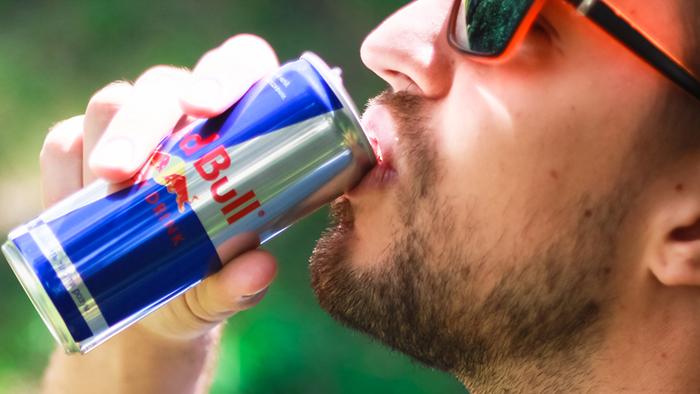
The Alcohol and Red Bull Combination: What You Need to Know as a Drinker
If you enjoy craft beer, cocktails, or wine, this section matters most to you. The Vodka Red Bull is one of the most ordered cocktails in American bars. It’s practically a rite of passage at concerts, clubs, and tailgates. And the science around it is genuinely complex, not simply “it’ll kill you” or “you’re totally fine.”
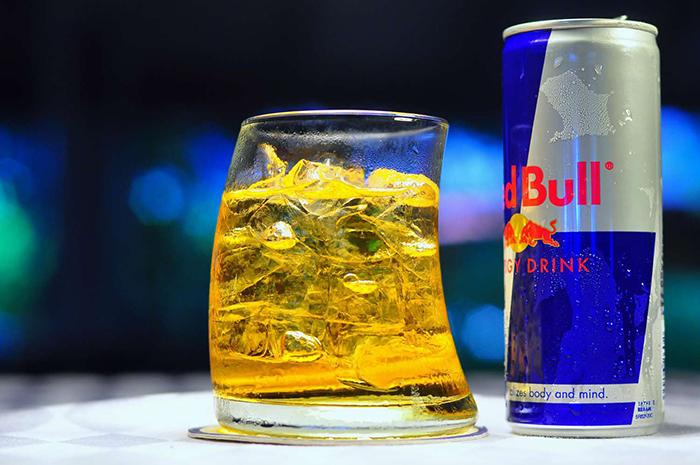
Vodka Red Bull is a caffeinated alcoholic drink consisting of the energy drink Red Bull and varying amounts of vodka. Red Bull has been used as a general mixer in alcoholic beverages in Europe since the 1980s. The ratio of Red Bull to vodka varies but is usually three-quarters Red Bull and one-quarter vodka.
The Core Problem: Stimulant Meets Depressant
Alcohol is a central nervous system depressant. Caffeine is a stimulant. When you combine them, the stimulant partially masks the sedating effects of alcohol, which creates a phenomenon researchers call wide-awake drunk.
More than one-third of young adults between the ages of 19 and 28 reported consuming alcohol with energy drinks in 2015, and 13 percent of eighth-, tenth-, and twelfth-graders had consumed alcohol and energy drinks together.
Canadian researchers surveyed 35 years of articles on the subject and found that a heavy dose of caffeine mixed with liquor led to a noticeably higher chance of injury when compared to drinking alcohol alone. The stimulant effects of caffeine mask the result that most people get when they drink.
Heart Palpitations: The Statistic Most Bartenders Don’t Know
Researchers found that people who mix energy drinks with alcohol are about six times more likely to suffer heart palpitations compared to those who drank their alcohol straight or with a normal soft drink. People who mix energy drinks with alcohol are also four times more likely to have trouble sleeping and more likely to suffer tremors, irritability, and sudden energy crashes.
That statistic deserves a second look. Six times. Not slightly more likely, not a marginal increase. If you have any family history of cardiac arrhythmia, or you’re already a few drinks in and considering a Red Bull chaser, that number is worth keeping in mind.
The Binge Drinking Amplifier Effect
Australian researchers found that people had a greater urge to keep drinking after downing a beverage containing both alcohol and an energy drink, compared to alcohol alone. It’s possible that caffeine may be amplifying the high that comes with alcohol, increasing the risk of drinking to intoxication.
This is the core risk for the beer-and-cocktail crowd. You’re not just making one drink more intense; you’re raising the baseline desire to keep going. A night that might have naturally wound down at four beers can stretch further because your body doesn’t receive its usual “slow down” signal.
A study published in the Journal of Psychiatric Research suggests that mixing energy drinks and alcohol compounds the effects of heavy drinking and increases the “risk of fighting, violence, and participation in risky behaviors.”
What the Science Actually Agrees On
To be fair, not all research points in the same direction. A 2012 scientific review paper on energy drinks mixed with alcohol concluded that no clinically relevant cardiovascular or other adverse effects have been reported for healthy subjects combining energy drinks with alcohol, and there is no direct evidence that co-administration of energy drinks increases alcohol consumption or initiates drug and alcohol dependence or abuse.
The honest picture is this: for a healthy adult male in his 20s or 30s, one Vodka Red Bull at a bar is unlikely to send you to the ER. The risks compound with volume, frequency, and individual health factors. The danger zone is the guy who has three Vodka Red Bulls on a Saturday night, feels sharper than he is, drives home, and genuinely cannot gauge how drunk he is.
Global Age Restrictions: How the World Handles Red Bull
For context, here’s how age regulations on energy drinks compare internationally. The U.S. federal approach is among the most permissive in the developed world.
| Country / Region | Legal Minimum Age | Notes |
|---|---|---|
| United States | None (federal) | Some local ordinances; no national law |
| United Kingdom | 16 (voluntary) | Retailers voluntarily restrict; Scotland has stronger guidelines |
| Lithuania | 18 | One of the stricter EU members |
| Latvia | 18 | Bans sales to minors by law |
| Turkey | 18 | National law since 2013 |
| Germany | None | Labeling required for high caffeine content |
| Australia | None (federal) | Warning labels required; some retailers restrict |
| Canada | None (federal) | Provincial guidance varies |
| New Zealand | None | No legal age limit; energy drinks not marketed to children by Red Bull |
| EU (general) | None | Beverages containing more than 150 mg/L of caffeine must carry the warning: “High caffeine content. Not recommended for children or pregnant or breastfeeding women.” |
The European model, based on mandatory warning labels paired with voluntary retailer policies, is increasingly cited as a template the U.S. should consider. Whether that ever translates to federal action remains uncertain.
Red Bull’s Market Power: Why Age Regulation Is So Hard to Pass
Understanding why the U.S. has no federal age limit requires understanding how dominant Red Bull’s commercial position actually is.
Read More : Does Pepsi Use Real Sugar Updated 10/2026
Red Bull holds approximately 43% of the global energy drink market share and 39% in the United States as of mid-2025. Red Bull sold 12.7 billion cans worldwide in 2024, marking a 4.4% increase from the previous year, contributing to €11.2 billion in net sales.
In the United States, Red Bull generated nearly eight billion U.S. dollars in sales in 2024, far outpacing competitors like Monster and Celsius. The brand holds a 92% awareness rate among energy drink consumers in the U.S.
That kind of market presence translates directly into lobbying capacity. A 2014 Senate report entitled “Buzz Kill” surveyed the 14 largest energy drink brands in the U.S. and found that four companies, including Red Bull, Monster Energy, Rockstar, and Dr Pepper Snapple, together representing approximately 90 percent of energy drink sales, refused to commit to not marketing to youth under age 18.
Red Bull’s marketing machine is not subtle about its appeal to young men. Red Bull’s website is filled with images of top-performing athletes. Cans are labeled with slogans proclaiming the drink “vitalizes body and mind.” Partnering with fast food restaurants means young consumers can buy Red Bull Slushies at Sonic Drive-Ins and Red Bull-infused cocktails at Jack in the Box.
Side Effects Adults Should Actually Watch For
Even for men well over the legal drinking age, Red Bull carries real side effect risks that are worth understanding. Excessive consumption may induce mild to moderate euphoria caused by the stimulant properties of caffeine, and may also cause agitation, anxiety, irritability, and insomnia.
Beyond caffeine, here are the effects adult drinkers in particular should monitor:
Cardiovascular impact. The combination of caffeine and other stimulants can temporarily elevate heart rate and blood pressure, which can be particularly concerning for individuals with pre-existing heart conditions. In rare cases, especially with high consumption, energy drinks have been linked to heart rhythm disturbances.
The sugar crash. A standard Red Bull packs 27 grams of sugar. That’s a significant spike, followed by a notable drop. When you’re also metabolizing alcohol, that crash can hit differently and faster than you expect.
Sleep disruption. Caffeine has a half-life of roughly five to six hours in the average adult. A Red Bull at 10 PM still has 40 mg of active caffeine in your system at 3 AM, long after the buzz from your cocktail has faded.
Caffeine stacking. If you’ve had two cups of coffee during the day, a Red Bull at happy hour is putting you at 240 mg of caffeine. Add a second can later and you’re at 320 mg, still under the 400 mg daily limit, but approaching territory where anxiety, tremors, and racing heart become more likely.
Smarter Ways to Drink Red Bull (If You’re Going to Drink It)
Given that you’re going to drink it anyway, here are evidence-backed ways to reduce the risk while keeping the upside.
Don’t mix it with alcohol if you have any heart concerns. This isn’t just cautious advice; it’s grounded in the cardiac research. If your family has a history of arrhythmia, or you’ve noticed palpitations after energy drinks before, this combination is genuinely risky for you personally.
Keep the count to one can per session. Most of the negative outcomes in research involve multiple energy drinks, or energy drinks stacked on top of other caffeine consumed during the day. One can with a single drink is a fundamentally different proposition than three cans over a four-hour night out.
Eat before or while drinking. Food slows the absorption of both caffeine and alcohol. The “wide-awake drunk” effect is more pronounced on an empty stomach.
Track total caffeine, not just Red Bull. Pre-workout, coffee, tea, and even some sodas all count. The 400 mg daily limit applies to the total, not per source.
Consider Sugar-Free Red Bull if you drink regularly. For individuals with diabetes or metabolic syndrome, opting for sugar-free versions reduces the blood sugar risks. For men watching weight or blood sugar, it’s a straightforward swap with no meaningful change in the caffeine or taurine content.
Know your local rules. If you’re buying for someone else, particularly a younger person, check what your city or county mandates. Some jurisdictions do have restrictions, and the trend toward tighter regulation is only going to continue.
The Bottom Line on Red Bull Age Limits
The situation in the United States comes down to this: Red Bull has no federal age limit, but that does not mean it is appropriate for all ages. The gap between what the law permits and what medicine recommends is substantial.
For American men who drink beer, cocktails, and wine, the practical takeaway is not “avoid Red Bull at all costs.” It’s a drink with real benefits (focus, alertness, improved physical performance) and real risks that scale with age, health condition, and what you mix it with. For a healthy 30-year-old having a Vodka Red Bull at a bar on a Friday night, the risk profile is manageable. For a teenager doing the same thing, or a man with undiagnosed hypertension doing it repeatedly, the calculus changes.
The broader push toward age restrictions, whether voluntary or legislated, reflects a growing consensus in public health: the energy drink industry has operated in a regulatory gray zone for too long, and the absence of a federal minimum age is an anomaly compared to most of the developed world. Whether Congress eventually acts on that is a different question. What you do with that information, right now, is yours to decide.
This article is for informational purposes only and does not constitute medical advice. If you have any cardiovascular conditions or concerns about caffeine consumption, consult a qualified healthcare provider.
Sources: https://chesbrewco.com
Category: Drink