If you’ve ever walked into a liquor store and heard someone ask for “a fifth of Jack” or “a fifth of Tito’s,” you already know the term is deeply embedded in American drinking culture. But if you’ve ever paused to wonder, exactly how much is a fifth, what does it cost, how many drinks can you pour from one, and why do we still call it that — this guide has every answer you need.
Whether you’re stocking a home bar, planning a party, mixing cocktails, or simply want to understand what you’re buying the next time you browse the spirits aisle, read on. This is the complete breakdown.
You Are Watching: How Much Is A Fifth? Everything American Drinkers Need to Know Updated 10/2026
What Is a Fifth of Alcohol, Exactly?
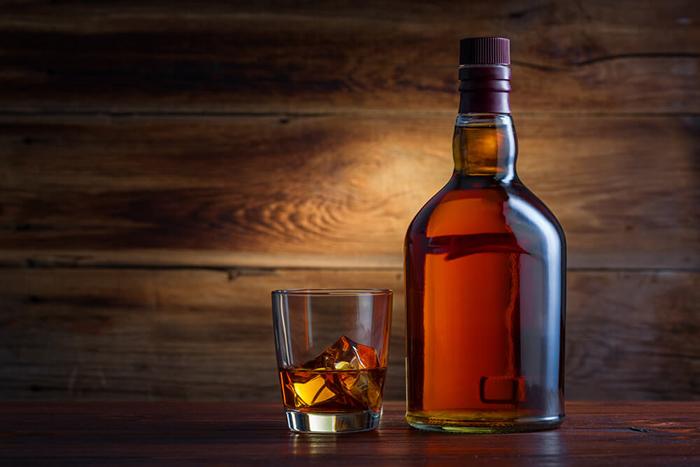
A fifth of alcohol is the informal name for what is now a standard 750ml bottle of spirits, holding approximately 25.4 fluid ounces of liquid. The term “fifth” comes from the original measurement: the bottle held one-fifth of a US gallon, which is roughly 4/5 of a quart.
Today, even though the United States switched its liquor bottling system to metric measurements back in 1980, the nickname “fifth” has stuck around with remarkable loyalty, particularly among whiskey, vodka, rum, gin, and tequila drinkers.
Technically, a true historical fifth equaled 25.6 fluid ounces (757 milliliters), one-fifth of a US liquid gallon. The modern metric equivalent, 750ml, is approximately 1% smaller, but the two figures are close enough that the name transferred over without confusion.
So in short: when someone says “a fifth,” they mean a 750ml bottle of distilled spirits. It’s the same volume as a standard wine bottle and the most common bottle size sold in American liquor stores today.
The History Behind the Name
Understanding why Americans call it a fifth requires a short trip back through history, and it’s a surprisingly interesting one.
In the late 19th century, liquor in the US was commonly sold in bottles that appeared to hold a full quart (32 fluid ounces), but actually contained less than a quart. These bottles were nicknamed “fifths,” “short quarts,” or “commercial quarts.” Crucially, one-fifth of a gallon was a legal threshold at the time: it marked the dividing line between selling alcohol by the drink (a saloon or barroom) and selling it by the bottle (a dry-goods store).
This legal distinction made the fifth a commercially significant measurement, not just a convenient one. Distillers, retailers, and regulators all operated around it.
Before the metric conversion of the late 1970s, liquor in the US came in as many as 40 different bottle sizes, measured in fractions of pints, quarts, and gallons. As you can imagine, this was a nightmare for consumers, retailers, and regulators alike. Starting in the 1960s, efforts began to simplify the system. By the late 1970s, the Bureau of Alcohol, Tobacco and Firearms, working alongside the Distilled Spirits Council, proposed converting to metric-standard bottle sizes, effective January 1979.
The new rules eliminated most of the old sizes and established the modern lineup: the 750ml “fifth”, a 1.75-liter bottle (now called a “handle”), one liter, 500ml (phased out by 1989), 200ml, 100ml, and 50ml minis. After the switch, the fifth shrank from 757ml to 750ml, shaving off just 7 milliliters. Meanwhile, a quart became a liter (gaining ~53.5ml), and a half-gallon became 1.75 liters (losing ~143ml).
Consumers didn’t really notice the small changes, and the industry moved on, keeping the beloved American nickname while quietly pocketing (and paying out) slightly different volumes.
How Many Ounces, Milliliters, and Liters Are in a Fifth?
Here’s the essential conversion data, laid out clearly:
| Measurement | Value |
|---|---|
| Milliliters | 750 ml |
| Fluid ounces | ~25.4 fl oz |
| Liters | 0.75 L |
| Fraction of a US gallon | ~1/5 (0.198 gallons) |
| Fraction of a liter | 3/4 |
| Pints (US) | ~1.59 pints |
A fifth is not a liter. A liter contains 1,000 milliliters, while a fifth contains 750 milliliters, making a fifth exactly three-quarters of a liter. This is a common point of confusion at liquor stores and home bars alike.
All Standard Liquor Bottle Sizes Compared
The fifth is just one of several bottle sizes you’ll find on American liquor store shelves. Knowing the full lineup helps you make smarter buying decisions, whether you’re purchasing for a single night out or stocking for a party.
| Bottle Name | Metric Volume | Fluid Ounces | Standard Shots (1.5 oz) |
|---|---|---|---|
| Miniature / Nip | 50 ml | 1.7 oz | ~1 shot |
| Half Pint | 200 ml | 6.8 oz | ~4 shots |
| Pint | 375 ml | 12.7 oz | ~8 shots |
| Fifth (standard) | 750 ml | 25.4 oz | ~17 shots |
| Liter | 1,000 ml | 33.8 oz | ~22 shots |
| Handle | 1,750 ml | 59.2 oz | ~39 shots |
The fifth (750ml) is the global standard for most spirits, including whiskey, vodka, gin, and rum, and it’s the top choice for retail. The handle (1.75L) is the large-format option favored for parties, bar use, or commercial settings, named for its built-in handle that makes it easier to carry and pour.
The 375ml “pint” (technically a half pint in the classic sense) is a useful middle ground. It’s great for sampling premium or high-end spirits before committing to a full fifth, or for a quiet evening with one other person.
How Many Drinks Are in a Fifth?
This is where things get practical and a little eye-opening. The number of drinks you get from a fifth depends heavily on how you’re pouring: shots, cocktails, neat pours, or rocks pours all have different standard measurements.
Shots (1.5 oz)
Read More : Can Mountain Dew Cause Kidney Stones Updated 10/2026
A standard shot in the United States is generally 1.5 ounces. Dividing 25.4 ounces by 1.5 ounces gives you approximately 17 shots per fifth. This is the most widely cited number for good reason: it’s the federal government’s own standard serving size for 80-proof distilled spirits.
Neat or On the Rocks (2 oz)
A neat whiskey pour, or a spirit served on the rocks, is typically 2 ounces in the US. At that pour size, a fifth yields about 12 to 13 servings, ideal for a quiet evening of sipping.
Cocktails (1 to 2 oz per drink)
Most single-spirit cocktails, like an Old Fashioned, a Margarita, a Gin & Tonic, or a Moscow Mule, use between 1 and 2 ounces of base spirit. That means a fifth gets you anywhere from 12 to 25 cocktails, depending on the recipe. Drinks with multiple spirits (think Long Island Iced Tea, which packs roughly four shots) will eat through a fifth considerably faster.
The Standard Drink Equivalency
The US Dietary Guidelines define one standard drink as 12 oz of regular beer (5% ABV), 5 oz of wine, or 1.5 oz of 80-proof distilled spirits, all containing the same 0.6 fluid ounces of pure alcohol. This means a standard serving of beer, wine, or spirits are equivalent in alcohol impact, not the same in volume.
So a fifth of 80-proof spirits is nutritionally and physiologically equivalent to approximately 17 regular beers or 17 glasses of wine (five-ounce pours from about three and a half standard wine bottles).
| Pour Type | Size (oz) | Drinks Per Fifth |
|---|---|---|
| Standard shot | 1.5 oz | ~17 |
| Neat / On the rocks | 2 oz | ~12–13 |
| Single cocktail | 1–2 oz | ~12–25 |
| Double cocktail | 2–3 oz | ~8–12 |
| Long Island Iced Tea | ~4 oz of spirits | ~6 |
How Much Does a Fifth Cost?
Price is one of the most common questions around the term “a fifth,” and the answer varies considerably depending on the spirit type, brand tier, and your location. Here’s a realistic pricing breakdown for 2025:
Budget / Value Tier ($10–$20)
Budget-friendly fifths are entry-level options, often fine for mixing cocktails but not particularly suited to sipping neat. Examples in this range include well vodkas, basic rum, and house-label whiskeys. You’re getting solid cocktail-making value without impressive craftsmanship.
Mid-Range / Everyday Tier ($20–$45)
This is where most American drinkers live. Tito’s Handmade Vodka is a strong example: a 750ml bottle typically runs $16 to $22, offering quality comparable to premium vodkas. Buffalo Trace Bourbon holds steady around $29.99, while Old Grand Dad, another solid Kentucky bourbon, can be found for as low as $19.99.
Popular mid-range references for each major spirit category:
| Spirit | Brand Example | Typical Fifth Price |
|---|---|---|
| Vodka | Tito’s Handmade | $16–$22 |
| Bourbon | Buffalo Trace | $28–$35 |
| Tennessee Whiskey | Jack Daniel’s Black | $25–$35 |
| Blended Scotch | Johnnie Walker Black | $30–$40 |
| Rum | Bacardi Superior | $12–$18 |
| Tequila | Espolòn Blanco | $20–$28 |
| Gin | Tanqueray | $22–$28 |
Premium / Craft Tier ($45–$100+)
As you move into aged whiskeys, 100% agave tequilas, and craft gins, prices climb quickly. A fifth of Bulleit Bourbon runs around $30–$35. Eagle Rare 10 Year, a highly regarded bourbon from Buffalo Trace, retails around $35–$45 (when you can find it). Patron Silver tequila typically lands around $40–$48. Knob Creek Single Barrel runs $60–$75.
Ultra-Premium and Collector Tier ($100–$500+)
At the top end, a fifth stops being just a drink and starts being an experience or even an investment. Limited-release single-barrel bourbons, aged Scotch expressions, and rare tequilas regularly command prices well above $100 per 750ml bottle.
Why Prices Vary by State
Liquor pricing in the US is far from uniform. A fifth of Jack Daniel’s Black, for example, can range from around $16 in states with competitive private retail markets to $35 in states like Alaska where distribution costs and regulatory overhead drive prices up. State alcohol tax rates, distribution laws, and the presence (or absence) of state-controlled monopoly liquor systems all play a role.
States like New Hampshire, which runs a state-owned liquor system that sells at competitive prices with no sales tax on spirits, are famous for attracting buyers from neighboring states. Control states like Utah or Pennsylvania impose different structures that often result in higher prices.
A Fifth of Specific Spirits: What You Need to Know
A Fifth of Whiskey (Bourbon, Rye, Scotch, Tennessee)
Whiskey is arguably the spirit most associated with the term “a fifth” in American culture. A standard fifth of 80-proof bourbon or Tennessee whiskey (40% ABV) contains approximately 10.15 fluid ounces of pure ethanol. Popular sipping whiskies like Maker’s Mark, Bulleit, and Woodford Reserve are commonly available as fifths for $25–$50.
A Fifth of Vodka
Vodka is the best-selling spirit in the United States by volume, and the fifth is its dominant format. Because vodka is a neutral spirit, the quality difference between a $14 budget fifth and a $35 premium fifth often comes down to smoothness and distillation process rather than flavor complexity. Tito’s Handmade Vodka, distilled six times over in Austin, Texas, consistently punches above its price class.
A Fifth of Tequila
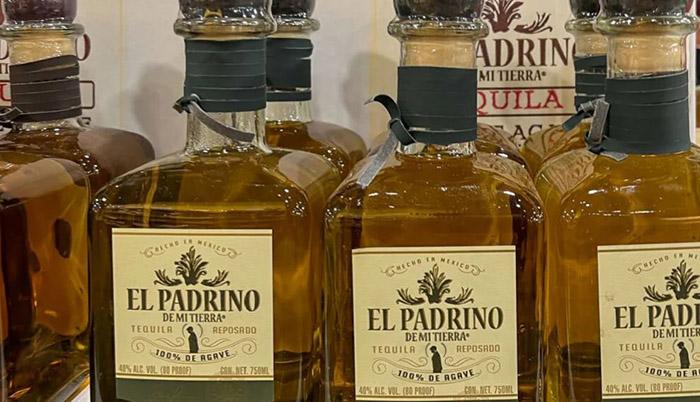
A fifth of tequila is the same 750ml (25.4 oz) as any other spirit, but prices vary dramatically depending on whether you’re buying mixto tequila (which contains non-agave sugars) or 100% Blue Agave tequila. Blancos typically start around $18–$30, reposados run $25–$50, and añejos can reach well above $60 per fifth. Celebrity-backed tequila brands (think Casamigos, Aviation Gin, and similar) have pushed premium pricing even higher.
A Fifth of Rum
White rum like Bacardi or Captain Morgan is among the most affordable spirits: a fifth typically costs $12–$18. Aged rums, particularly Caribbean expressions from Barbados, Jamaica, or the Dominican Republic, command higher prices in the $25–$60 range. Premium aged sipping rums can rival fine whiskey in price.
A Fifth of Gin
Gin ranges widely. A fifth of Gordon’s or Seagram’s starts around $12–$15. London dry standards like Tanqueray or Beefeater run $22–$28. Premium craft gins and contemporary-style bottles (like Hendrick’s or The Botanist) land in the $35–$50 range.
How a Fifth Compares to Beer and Wine
One of the most enlightening facts for drinkers is how dramatically different the volumes of beer, wine, and spirits can look while delivering the exact same amount of alcohol.
According to the National Highway Traffic Safety Administration, alcohol is alcohol: one 12-oz beer has as much alcohol as a 1.5-oz shot of whiskey or a 5-oz glass of wine.
| Drink | Serving Size | ABV | Pure Alcohol |
|---|---|---|---|
| Regular beer | 12 oz | ~5% | 0.6 oz |
| Wine | 5 oz | ~12% | 0.6 oz |
| Distilled spirits | 1.5 oz | ~40% | 0.6 oz |
Read More : Why Does Almond Milk Give Me Diarrhea Updated 10/2026
A standard 750ml bottle of wine (at roughly 12% ABV) contains approximately five standard drinks, which is equivalent to five 12-oz beers or five shots of 80-proof spirits.
A full fifth of 80-proof spirits, in contrast, contains approximately 17 standard drinks, making it the equivalent of a case of beer minus one can (17 beers), or more than three full bottles of wine. This is important context for planning events, understanding your consumption, and drinking responsibly.
Planning a Party: How Many Fifths Do You Need?
One of the most practical uses of knowing what a fifth contains is event planning. Here’s a simple guide:
Assuming moderate consumption (2–3 drinks per person, 2-hour event):
| Guests | Drinks Expected | Fifths of Spirits Needed |
|---|---|---|
| 10 | 20–30 | 1–2 |
| 20 | 40–60 | 3–4 |
| 30 | 60–90 | 4–5 |
| 50 | 100–150 | 6–9 |
Keep in mind that not every guest will drink spirits. Budget for roughly 60% preferring mixed drinks or shots, with the rest splitting between wine and beer. If you’re serving signature cocktails that use 2 ounces of spirits per drink, adjust accordingly — you’ll go through a fifth roughly twice as fast as if you’re serving single-shot mixed drinks.
The bartender’s rule of thumb: plan for one fifth of spirits per 10 guests for a standard 3-hour party. Adjust up for heavier drinkers, down for beer and wine crowds.
Buying Smart: Fifth vs. Handle vs. Pint
Not every bottle size is right for every situation. Here’s when each one makes the most sense:
Buy a fifth (750ml) when:
- You’re trying a new spirit or brand for the first time
- You want a standard amount for cocktail mixing at home
- You’re buying a premium or aged spirit you’ll sip slowly
- You’re gifting a bottle
Buy a handle (1.75L) when:
- You’ve already found a brand you love and use frequently
- You’re stocking a bar for a party or large gathering
- You’re buying a workhorse spirit (well vodka, mixing rum, house bourbon)
- The per-ounce savings matter, and the spirit is for cocktails, not sipping
Buy a pint (375ml) when:
- You want to sample an expensive or unfamiliar spirit before committing
- You only need a small amount for one recipe or occasion
- You’re traveling and want a smaller format
For gifting, a premium 750ml bottle with custom packaging is the gold standard. Avoid giving handles as gifts: consumers associate large-format bottles with economy spirits, not premium quality.
The Fifth in American Culture
The term “a fifth” carries cultural weight well beyond its technical definition. It appears in hip-hop lyrics, country songs, classic film dialogue, and everyday conversation. It’s shorthand not just for a specific quantity of alcohol but for a particular kind of American drinking ritual: the solo bottle, the shared night, the celebratory pour.
Asking for “a fifth of Jack” at a package store is understood coast to coast without any elaboration needed. No one pulls out a measuring tape. The phrase communicates volume, intent, and familiarity all at once. It’s one of those rare slang terms that somehow outlasted metrication, kept its meaning through decades of regulatory change, and still rolls off the tongue with the same ease it had in 1955.
That persistence is a testament to how deeply drinking culture in the United States has built its vocabulary around ritual and familiarity, not scientific precision. The metric system may have changed the bottle, but it never touched the name.
Responsible Drinking: Putting a Fifth in Perspective
Knowing how much a fifth contains also means being honest about what consuming one looks like.
On average, it takes around 4 to 5 shots for a person to begin feeling significant effects of alcohol. Individual tolerance varies based on body weight, metabolism, food intake, and other factors. Drinking responsibly means knowing your limits, spacing your drinks over time, staying hydrated, and never getting behind the wheel after drinking.
The US Dietary Guidelines define moderate drinking as up to 1 drink per day for women and up to 2 drinks per day for men. At that rate, a single fifth of spirits would last a solo drinker roughly 8 to 17 days. Consuming a full fifth in a single sitting represents a dangerous amount of alcohol for virtually anyone, regardless of tolerance.
A fifth is a social bottle: it’s best shared across an evening with friends, stretched across cocktails and conversation, not a solo sprint to the bottom.
Quick Reference: Fifth of Alcohol at a Glance
| Fact | Answer |
|---|---|
| Volume | 750 ml |
| Fluid ounces | ~25.4 oz |
| Fraction of a gallon | ~1/5 |
| Standard shots (1.5 oz) | ~17 |
| Neat pours (2 oz) | ~12–13 |
| Cocktail servings (1–2 oz) | 12–25 |
| Wine bottle equivalents | ~1 (identical volume) |
| Beer equivalents (alcohol) | ~17 standard beers |
| Typical price range | $12–$60+ depending on spirit and brand |
| Year metric conversion happened | 1980 |
| Old true fifth | 757 ml (1/5 US gallon) |
Final Word
A fifth is more than a measurement. It’s a piece of American drinking history: a number that survived metrication, legislative reform, and decades of changing tastes to remain the defining unit of how spirits are bought and sold in this country.
Whether you’re grabbing a fifth of Tito’s for a cocktail party, a fifth of Blanton’s for a bourbon-sipping night, or a fifth of Don Julio for Margarita Sunday, you now know exactly what you’re getting: 750ml, about 25.4 ounces, roughly 17 shots, and a whole lot of American tradition in a glass bottle.
Drink it well, drink it slow, and always share the good stuff.
Sources: https://chesbrewco.com
Category: Drink