Whether you just picked up your first bottle of Cabernet Sauvignon, cracked open a handle of bourbon for game night, or you’re hosting a cocktail party and have absolutely no idea how many bottles to buy, one question quietly follows you around: how many drinks are actually in that 750 ml bottle?
The answer is not as simple as it sounds. It changes depending on what you’re drinking, how strong it is, and whether you’re pouring at home (where pours tend to run generous) or sitting at a well-measured bar. This guide breaks down every type of drink, every pour size, and every number you need to know — backed by data from the CDC, the NIAAA (National Institute on Alcohol Abuse and Alcoholism), and industry standards used by bartenders and event planners across the country.
You Are Watching: How Many Drinks In 750 Ml Beginners Guide Updated 10/2026
What Is 750 ml, Exactly, and Why Is It the Standard?
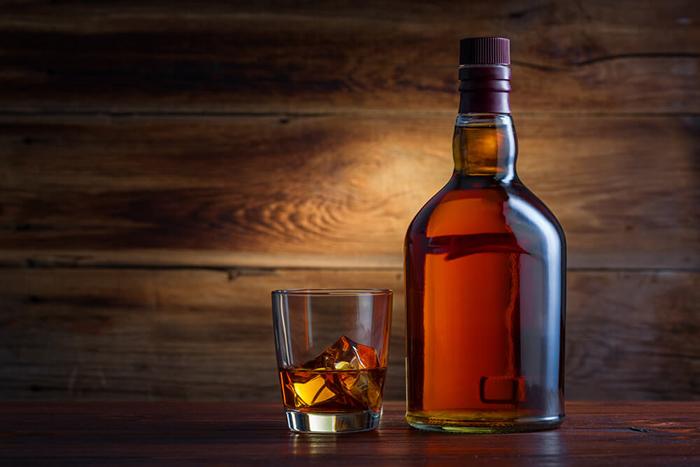
Before counting drinks, it helps to know what you’re dealing with. A 750 ml bottle equals 25.4 fluid ounces, which is just over three cups of liquid. This size is universally known in the spirits industry as a “fifth” — a term that comes from the old U.S. measurement of one-fifth of a gallon.
The 750 ml bottle has been adopted as the international standard for alcoholic beverages primarily because of the European Union’s regulatory framework, and subsequently its acceptance in the U.S. and beyond. This standardization helps with global trade and distribution. You’ll find it across every type of alcohol: wine, whiskey, vodka, tequila, gin, rum, and beyond.
To put the math in perspective:
| Bottle Size | Volume | Common Name |
|---|---|---|
| Miniature | 50 ml | Mini / Airplane bottle |
| Half Pint | 200 ml | Half pint |
| Pint | 375 ml | Half bottle / Split |
| Standard | 750 ml | Fifth |
| Liter | 1,000 ml | Liter |
| Magnum | 1,500 ml | Magnum (2x standard) |
| Handle | 1,750 ml | Handle / Half gallon |
A miniature (50 ml) equals about 1 standard shot, a pint (375 ml) holds about 8 shots, a standard 750 ml bottle yields 16 shots, and a handle (1.75 L) provides approximately 39 shots.
The Foundation: What Counts as One Standard Drink in the U.S.?
This is the number that ties everything together. In the United States, a standard drink contains 0.6 ounces (14 grams) of pure alcohol. The amount of liquid in a standard drink varies widely depending on the type of beverage, but the alcohol content is always the same.
In the United States, one standard drink contains about 14 grams, or about 0.6 fluid ounces, of pure alcohol. That is the amount of alcohol in a 12-ounce can of regular beer at 5% ABV. According to the NIAAA, the same 0.6 oz of pure alcohol is also found in:
- 5 oz of wine at 12% ABV
- 1.5 oz of distilled spirits (a shot) at 40% ABV (80 proof)
- 8–9 oz of malt liquor at approximately 7% ABV
This concept matters because when you pour yourself what feels like one drink, it might technically be 1.5 or even two standard drinks, depending on your glass size and how heavy-handed you are. According to a study by the National Institutes of Health (NIH), people consistently overpour by 30 to 50%, especially when using larger glasses or when the wine is red.
How Many Drinks in a 750 ml Bottle of Wine?
Wine is probably the most commonly misunderstood drink when it comes to serving sizes, and it’s largely because wine glass sizes have ballooned over the past two decades. A modern wine glass can hold 12 to 22 ounces, which means filling it up halfway or even a third of the way can still be more than a standard pour.
The Standard Pour and the Standard Bottle
A typical bottle of wine is about 750 ml and will contain 12% alcohol. One wine bottle of that size will yield about 5 standard drinks. That’s based on a 5 oz pour, which is the U.S. standard defined by the CDC and NIAAA.
But here’s where it gets interesting: most Americans don’t drink 5 oz pours at home. They fill the glass. And most restaurant glasses are 6, 8, or even 9 oz pours. When you’re pouring more per glass, you’re getting fewer glasses per bottle — and more alcohol per serving.
ABV Changes Everything
A 750 ml bottle of wine at 12% ABV contains about 5 standard drinks. However, if your wine is stronger at say 14% or 15% ABV, you’re getting more alcohol per ounce, which means more than 5 standard drinks in the same bottle.
Here is a full breakdown by wine type and ABV:
| Wine Type | Typical ABV | Standard Drinks per 750 ml |
|---|---|---|
| Light white wines (Riesling, Moscato) | 8–10% | 3.5 to 4 |
| Standard table wine (Pinot Grigio, Sauvignon Blanc) | 11–12% | 5 |
| Medium reds (Merlot, Pinot Noir) | 12–13% | 5 to 5.5 |
| Bold reds (Zinfandel, Shiraz, Cabernet) | 14–15% | 5.8 to 6 |
| Fortified wines (Port, Sherry, Madeira) | 17–20% | 7 to 8+ |
Fortified wines like Port, Sherry, or Madeira are made stronger on purpose and a 750 ml bottle can hold 7 to 8 or more standard drinks.
Sparkling Wine and Champagne
Champagne and Prosecco are traditionally poured in smaller amounts. For champagne, the pour size is smaller, around 4 oz, resulting in roughly 6 glasses from a standard 750 ml bottle. And if you’re doing a toast with a 2 oz splash? That same 750 ml bottle stretches to about 12 servings.
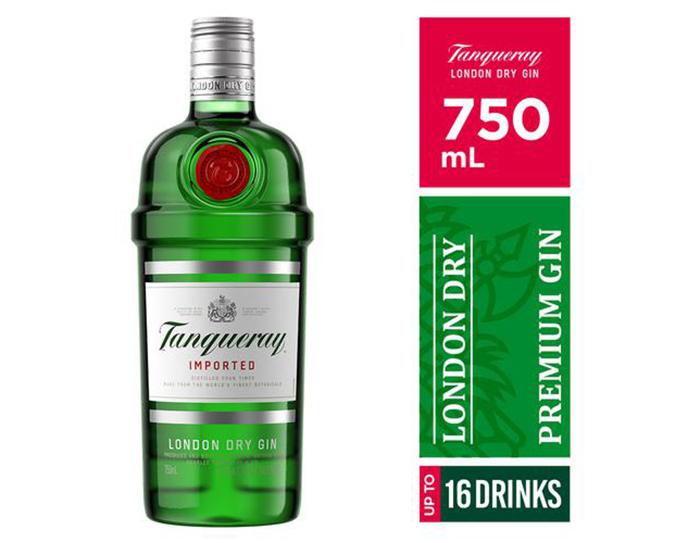
How Many Drinks in a 750 ml Bottle of Spirits?
When it comes to whiskey, vodka, tequila, rum, or gin, the calculation becomes more precise, because the serving size for spirits is more rigorously defined.
Shots and Standard Pours
Read More : Is Rc Cola Better Than Coke Updated 10/2026
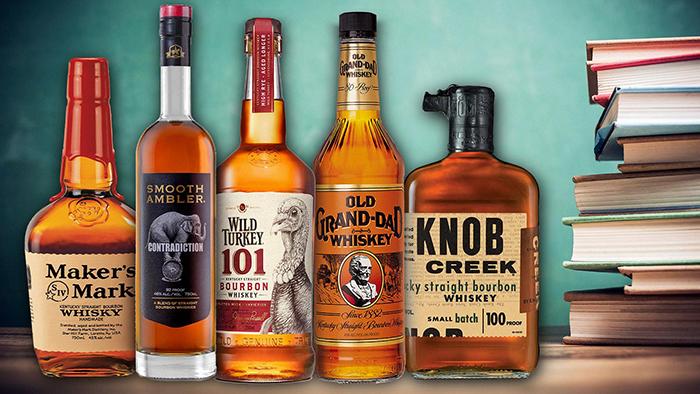
In the U.S., one shot of 80-proof liquor is 1.5 US fl oz (44 ml), which equals one U.S. standard drink.
The math from there is clean: 750 ml ÷ 44 ml per shot = approximately 17 shots. In practice, most guides round down slightly to account for minor spills or pouring imprecision, landing at 16 standard shots per 750 ml bottle.
A standard 750 ml bottle of whiskey or tequila will give you just over 17 standard drinks. This is why many manufacturers standardize around this volume.
The ABV Factor in Spirits
Not all spirits are 40% ABV. Fruit liqueurs typically range from 28% to 32%, gin ranges from 35% to 40%, vodka ranges from 35% to 46%, whiskey, rum and tequila are 40 to 46%, and cask strength whiskey is 55 to 60%.
A higher ABV spirit delivers more alcohol per shot. Cask-strength whiskey at 58% ABV, for example, contains nearly 50% more alcohol per ounce than a standard 40% ABV spirit. Meanwhile, if you’re sipping a fruity liqueur at 28% ABV, each 1.5 oz pour is actually less than a full standard drink.
| Spirit | Typical ABV | Standard Drinks per 750 ml |
|---|---|---|
| Fruit Liqueur (e.g., triple sec, schnapps) | 28–32% | 12 |
| Gin | 35–40% | 14 to 16 |
| Vodka | 35–46% | 14 to 17+ |
| Rum | 40–50% | 16 to 19 |
| Whiskey / Tequila | 40–46% | 16 to 17+ |
| Cask Strength Whiskey | 55–60% | 20 to 25 |
| Everclear / Bacardi 151 | 75.5% | ~23 |
A 750 ml bottle of 30% alcohol liquor can make about 12.7 servings, a 40% 750 ml bottle yields about 17, and a 60% bottle can make 25 servings.
How Many Cocktails Can You Make From a 750 ml Bottle?
This is where things get fun, and also where the numbers get a little more complicated. The answer depends entirely on the recipe and how much base spirit is called for.
Single-Spirit Cocktails
For a classic cocktail that uses a single 1.5 oz spirit pour as the base (think a Vodka Tonic, a Gin and Tonic, a Rum and Coke, or an Old Fashioned), a 750 ml bottle gives you approximately 16 cocktails.
Mixed drinks have a 1.5-ounce (45 ml) serving of liquor per drink, so a 750-ml bottle will make about 16 drinks.
Spirit-Forward Cocktails
For drinks with a 2 to 2.5 oz pour of base spirit (like a Negroni, a Manhattan, or a strong Margarita), that same 750 ml bottle gives you only 10 to 12 cocktails. For a 2.5 oz cocktail pour, a 750 ml bottle makes about 10 drinks (25.4 ÷ 2.5 = 10.16).
Multi-Spirit Cocktails
Some cocktails call for multiple spirits in a single glass. A Long Island Iced Tea, for example, typically calls for vodka, rum, gin, tequila, and triple sec — each in smaller individual pours. For cocktails with multiple liquors, like a Long Island Iced Tea, the amount of base spirit will vary and may contain more than one standard drink equivalent per glass. This is why a Long Island can sneak up on even experienced drinkers.
Cocktail Pour Comparison Table
| Cocktail Style | Spirit Pour per Drink | Cocktails per 750 ml |
|---|---|---|
| Highballs (G&T, Rum & Coke) | 1.5 oz | ~16 |
| Classic stirred cocktails (Old Fashioned, Manhattan) | 2 oz | ~12 |
| Spirit-forward (Negroni, Boulevardier) | 2.5 oz | ~10 |
| Multiple spirit cocktails (Long Island Iced Tea) | 0.5 oz per spirit | ~50 partial pours |
| Champagne cocktails / spritzes | 2 oz base spirit | ~12 |
The Overpouring Problem: Why Your Home Bar Math Is Probably Off
One of the most important things to understand as a beginner is that the numbers above are based on measured pours, not the casual way most people fill their glasses at home.
Your nightly glass of wine could actually be equivalent to 2 or even 3 standard drinks, as opposed to 1, based on the size of the glass and the wine’s alcohol content. This gap between perceived consumption and actual consumption is where people often unknowingly drink more than they intended.
A few common overpouring scenarios:
- Red wine in a large bordeaux glass: Most people fill these to roughly 40% full, which is about 8 oz. That’s 1.6 standard drinks from one “glass.”
- Cocktails at home without a jigger: Free pouring vodka into a highball glass almost always results in 2 oz or more per drink, not 1.5 oz.
- Pouring champagne into a wide coupe glass: Instead of 4 oz, you may pour 6, giving guests two servings in what looks like one glass.
The solution? A jigger. It’s the small, hourglass-shaped measuring tool that bartenders use. It costs about $8 and it transforms how accurately you understand what’s in your glass.
How Many Drinks in a 750 ml Bottle: Quick Reference Summary
| Beverage Type | Pour Size | Drinks per 750 ml |
|---|---|---|
| White Wine (12% ABV) | 5 oz | ~5 |
| Red Wine (13–14% ABV) | 5 oz | ~5.5 to 6 |
| Bold Red Wine (15% ABV) | 5 oz | ~6 |
| Fortified Wine (20% ABV) | 3 oz | ~8 |
| Champagne / Sparkling Wine | 4 oz | ~6 |
| Standard Spirits (40% ABV) | 1.5 oz | ~16 |
| High-Proof Spirits (55%+ ABV) | 1.5 oz | ~20 to 25 |
| Cocktail (1.5 oz base spirit) | 1.5 oz base | ~16 |
| Cocktail (2.5 oz base spirit) | 2.5 oz base | ~10 |
Party Planning with 750 ml Bottles: The Real-World Math
Knowing the theoretical count is one thing. Knowing how to apply it when you’re shopping for 20 people for a three-hour dinner party is another. Here’s the real-world breakdown.
The Baseline Rule
For a 4-hour event, plan for guests to consume 2 drinks in the first hour and 1 drink per hour after that, meaning approximately 5 drinks per person for a 4-hour party. For a three-hour event, that comes out to about 4 drinks per person (2 in the first hour, 1 each in hours two and three).
Wine at a Party
For a dinner party, plan one 750 ml bottle for every 3 to 4 guests. A good rule of thumb is to have 60% red wine and 40% white wine, unless you know your guests’ preferences differ significantly.
Spirits and Mixed Drinks
One 750-milliliter bottle yields about 16 mixed drinks. For mixers like carbonated water, tonic water, or ginger ale, plan on about a quart for every 3 guests. So for 20 guests consuming mostly cocktails at a 4-hour party (roughly 80 cocktail servings), you’d need about five 750 ml bottles of your featured spirit.
A Sample Bar Kit for 20 Guests
Here’s a real-world supply suggestion for a cocktail-focused gathering:
| Item | Quantity |
|---|---|
| Featured vodka or gin (750 ml) | 2 bottles |
| Bourbon or whiskey (750 ml) | 1 bottle |
| Rum (750 ml) | 1 bottle |
| Red wine (750 ml) | 2 bottles |
| White wine (750 ml) | 2 bottles |
| Tonic water, club soda, cola | 1 quart per 3 guests |
| Ice | 20 lbs (double in summer) |
Drinking Guidelines: What the CDC and NIAAA Say for Americans
Read More : Is Crystal Geyser Water Safe To Drink Updated 10/2026
Understanding how many drinks are in a bottle is only half the picture. The other half is knowing how those drinks relate to health recommendations.
According to the Centers for Disease Control and Prevention, binge drinking is defined as consuming 4 or more drinks for women, and 5 or more drinks for men, within about 2 hours. A single 750 ml bottle of 12% wine contains 5 standard drinks. Finishing that bottle in an evening is, by CDC definition, binge drinking for women and right at the threshold for men.
The NIAAA defines heavy drinking as:
- For men: more than 4 drinks on any single day, or more than 14 drinks per week
- For women: more than 3 drinks on any single day, or more than 7 drinks per week
These guidelines exist because alcohol affects body weight, hormones, liver metabolism, and brain chemistry differently depending on sex, weight, and individual physiology. A 120-pound woman who splits what she believes is “half a bottle of wine” with a friend may have consumed nearly 3 standard drinks if the pours were generous.
Alcohol by Volume: The ABV Numbers You Need to Know
Since ABV is the single most important variable in every drink calculation, here’s a quick reference for common beverages you’re likely to encounter at bars, restaurants, and liquor stores across the U.S.:
| Beverage | ABV Range |
|---|---|
| Light beer (Coors Light, Bud Light) | 4.2% |
| Standard beer (Budweiser, Yuengling) | 5% |
| Craft IPA | 6–9% |
| Double IPA / Imperial stout | 8–12% |
| White wine (Pinot Grigio, Riesling) | 10–12% |
| Red wine (Merlot, Pinot Noir) | 12–13% |
| Bold red wine (Cabernet, Zinfandel) | 14–15% |
| Port / Sherry | 17–20% |
| Gin | 35–40% |
| Vodka | 35–46% |
| Tequila | 40–50% |
| Rum | 40–50% |
| Bourbon / Whiskey | 40–50% |
| Cask-strength whiskey | 55–65% |
While a 12-ounce bottle of beer at 5% ABV contains one standard drink, a 12-ounce bottle of beer at 10% ABV contains two standard drinks. That’s why it’s important to know how much alcohol your drink contains.
Common Beginner Mistakes (and How to Avoid Them)
Mistake: Trusting the glass size
A “glass of wine” at a restaurant might be 5 oz or it might be 9 oz. They’re very different. Always ask your server the pour size if you’re tracking intake.
Mistake: Judging strength by taste
Many craft IPAs taste clean and refreshing but carry 8 to 9% ABV, nearly double a standard beer. A smooth bourbon at 50% ABV doesn’t necessarily taste stronger than one at 40%. Taste and strength are not the same thing.
Mistake: Assuming light beer is always a safe choice
Many light beers have almost as much alcohol as regular beer, about 85% as much. Bud Light at 4.2% and Budweiser at 5% are closer together than most people realize.
Mistake: Thinking one bottle is “just a couple drinks”
For spirits, yes — a 750 ml bottle holds 16 standard drinks. But a 750 ml bottle of wine contains 5 standard drinks, and if you’re pouring generously, you might only see 3 or 4 glasses from it — each well over the standard definition.
Mistake: Not reading the label
You only need 2 pieces of information to calculate how many standard drinks are in any container: the volume (shown as ounces or mL) and the alcohol by volume (shown as % ABV or proof). This works for canned cocktails and other ready-to-drink beverages too.
A Note on Canned Cocktails and RTD Beverages
Ready-to-drink (RTD) cocktails have exploded in popularity over the last five years and represent some of the trickiest label-reading in the beverage world. A 12 oz can of a canned cocktail might be anywhere from 5% ABV (similar to a beer) to 12% ABV (similar to wine) depending on the brand and style.
Some canned margaritas and hard seltzers market themselves as “one drink” but are really 1.5 to 2 standard drinks in a single can. The same math applies: check the ABV, check the volume, and use the formula. If a can is 12 oz at 8% ABV, it contains roughly 1.6 standard drinks — not one.
The Bottom Line on Measuring and Pouring at Home
If you want to be precise, here’s the simplest possible formula for calculating how many standard drinks are in any bottle or can:
Formula: (Volume in oz × ABV) ÷ 0.6 = Standard Drinks
For a 750 ml bottle of 12% wine: 25.4 oz × 0.12 = 3.05 oz of pure alcohol 3.05 ÷ 0.6 = approximately 5 standard drinks
For a 750 ml bottle of 40% vodka: 25.4 oz × 0.40 = 10.16 oz of pure alcohol 10.16 ÷ 0.6 = approximately 17 standard drinks
The formula works for any drink, any container, any ABV. It takes about five seconds and it gives you the actual number — not the marketing one.
Conclusion
There’s something quietly empowering about understanding what’s actually in your glass. Not in a way that strips the joy out of a great Cab with dinner or a well-made Old Fashioned after a long week, but in the way that a well-informed drinker enjoys their drinks more deliberately and more confidently than someone just pouring by feel.
Knowing that your 750 ml of whiskey holds 16 shots means you can host a party without running short. Knowing that your “glass of wine” at home might actually be two standard drinks means you can make genuinely informed choices about your health. And knowing that a bold Zinfandel at 15% ABV packs closer to 6 standard drinks per bottle means you and your partner finishing that bottle together is a very different night than you might have assumed.
The 750 ml bottle doesn’t change. What changes is whether you are holding it or it’s holding you.
Sources: https://chesbrewco.com
Category: Drink