Whether you’re cracking one open at a tailgate, building a custom koozie, planning a fridge layout for a party, or just curious why the Silver Bullet feels slightly different in your hand compared to a Bud Light, Coors Light can dimensions are worth understanding in detail. From the iconic 12 oz standard can to the party-ready 24 oz tall boy, every measurement is the result of decades of engineering, branding strategy, and cold-science innovation. This guide breaks it all down, with real numbers, historical context, and practical information you can actually use.
The Standard Coors Light 12 oz Can: What Are the Exact Measurements?
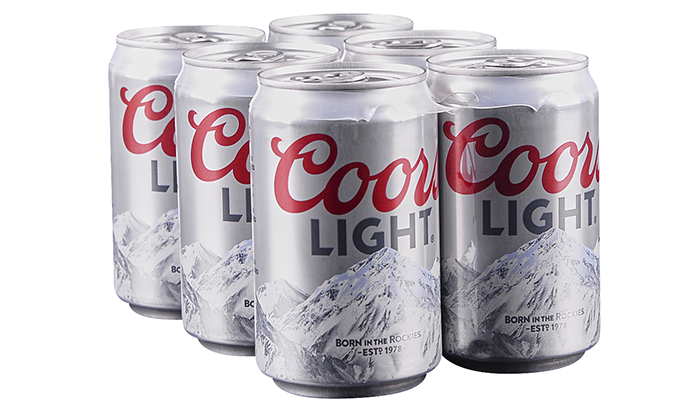
The most common Coors Light you’ll grab off a shelf is the 12 oz (355 ml) can, and it doesn’t quite match the universal beer can template you might assume. While major domestic lagers like Budweiser and Miller Lite conform to the true industry-standard 12 oz dimension of 4.83 inches tall by 2.6 inches in diameter, Coors Light’s 12 oz can takes a noticeably different shape.
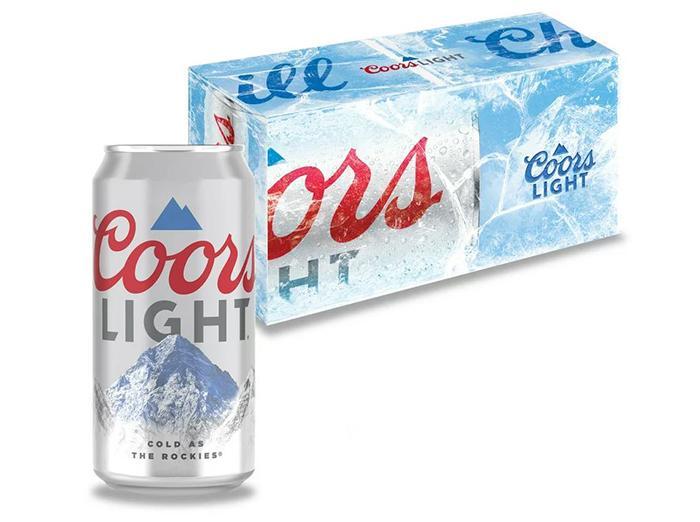
According to multiple sources tracking can specifications, the Coors Light 12 oz sleek-style can measures approximately 5.2 inches in height and 2.3 inches in diameter. This makes it taller and slimmer than the traditional beer can form factor. If you’ve ever held both a standard Coors Light and, say, a can of Coca-Cola side by side, you’ve felt that difference. The Coors Light sits higher in your palm and wraps more naturally around your fingers.
This design choice wasn’t accidental. The sleek can profile gives the Silver Bullet its iconic look on a shelf or in a cooler, helping it stand out visually in a sea of shorter, fatter competition. It fits snugly in standard automotive cup holders (which are typically 2.75 to 3 inches in diameter), making it one of the most road-trip-friendly cans on the market.
Can End Size and Technical Specifications
For those who need the granular details, here’s what the engineering side looks like:
- Volume: 12 fl oz (355 ml)
- Height: approximately 5.2 inches (132 mm)
- Diameter (body): approximately 2.3 inches (58 mm)
- End size: 202 diameter (the standardized sealing specification used across most canning lines)
- Material: 3004-H19 aluminum alloy (body), 5182 alloy (top)
- Empty can weight: approximately 14 grams (0.5 oz), or about 34 empty cans per pound
- Interior coating: Food-grade epoxy liner
- Exterior inks: UV-cured lithographic inks, including thermochromic ink on the mountain graphics
The 202 end size refers to the standardized lid diameter used in the sealing process. It’s a manufacturing spec that ensures the can works across virtually all automated packaging lines, from the original Coors facility in Golden, Colorado, to production plants in Fort Worth, Irwindale, and Milwaukee.
All Coors Light Can Sizes: A Complete Breakdown
Coors Light doesn’t come in just one size. The brand has smartly expanded its lineup to cover every occasion, from the quick solo drink to the all-day outdoor party. Here’s a full look at the can sizes currently available.
The 8 oz Mini Can
The 8 oz Coors Light can is compact and purpose-built for those who want a controlled portion or need the most portable option possible. Its dimensions clock in at roughly 3.25 inches tall with a 2.0-inch diameter. Six of these come packaged together, making the mini format ideal for camping trips, picnics, or situations where you want a cold beer without the full commitment of a 12-ouncer.
The 12 oz Can (The Classic)
This is the one most Americans think of when they hear “Silver Bullet.” As detailed above, it sits around 5.2 inches tall and 2.3 inches in diameter, with a sleeker, taller profile than the industry-standard 12 oz format. Available in 6-pack, 12-pack, 15-pack, 18-pack, 24-pack, and 30-pack configurations, this can covers virtually every group size.
The 16 oz Tall Boy
The 16 oz Coors Light tall boy holds 473 ml and stands 6.19 inches tall with a 2.6-inch diameter, adding about 1.36 inches of height over the 12 oz format. At roughly 17.3 ounces fully loaded, it’s noticeably heavier in the hand, which many drinkers associate with better value at sporting events, tailgates, or summer afternoons that refuse to end. The 16 oz can offers 28% more label real estate than a standard can, giving Coors Light more canvas for its Rocky Mountain branding and the cold-activated mountain graphics.
The 24 oz Tall Can
For those who want maximum value in a single container, the 24 oz Coors Light tall can is the largest widely available format. These are the format you’ll often spot at convenience stores, gas stations, and stadiums. The 24 oz format is also historically significant: it was the first size to receive the iconic Cold Activated Can treatment back in 2009, before the technology was expanded to all other sizes by 2014.
Full Coors Light Can Dimensions Comparison Table
| Size | Volume | Height | Diameter | Best For |
|---|---|---|---|---|
| Mini Can | 8 fl oz (237 ml) | 3.25 in (83 mm) | 2.0 in (51 mm) | Portion control, camping, quick drinks |
| Classic Can | 12 fl oz (355 ml) | ~5.2 in (132 mm) | ~2.3 in (58 mm) | Everyday drinking, variety packs |
| Tall Boy | 16 fl oz (473 ml) | 6.19 in (157 mm) | 2.6 in (66 mm) | Tailgating, outdoor events, stadiums |
| Tall Can | 24 fl oz (710 ml) | ~8.5 in (216 mm) | ~2.88 in (73 mm) | Convenience stores, solo sessions, value |
How Coors Light Cans Compare to the Competition
One of the most common questions beer drinkers have is whether the Silver Bullet actually feels different in hand because of real dimensional differences or just branding. The answer is: it genuinely is shaped differently.
| Brand | Can Size | Height | Diameter | Profile |
|---|---|---|---|---|
| Coors Light | 12 oz | ~5.2 in | ~2.3 in | Taller, slimmer (sleek) |
| Budweiser | 12 oz | 4.83 in | 2.6 in | Standard |
| Miller Lite | 12 oz | 4.83 in | 2.6 in | Standard |
| Bud Light | 12 oz | 4.83 in | 2.6 in | Standard |
| White Claw Hard Seltzer | 12 oz | 6.125 in | 2.25 in | Sleek/slim |
| Red Bull Energy | 8.4 oz | 5.75 in | 2.12 in | Slim |
This comparison reveals something important: while most major domestic lagers stick strictly to the 4.83″ × 2.6″ industry standard, Coors Light’s 12 oz can leans closer to the sleek can format popularized by premium hard seltzers and energy drinks. This isn’t a coincidence. The choice to go taller and narrower reflects a branding decision that predates the seltzer boom by decades, anchoring Coors Light’s visual identity in a more modern, elongated silhouette.
The sleek can format also creates a 2.7:1 height-to-diameter ratio, which makes the can appear significantly more vertical on a shelf, enhancing visibility and brand recall in a refrigerated case crowded with identical-looking rectangular competitors.
The Material Science of the Coors Light Can
The Silver Bullet isn’t just silver in color. The aluminum itself is part of what makes Coors Light packaging stand apart, and the company has a legitimate claim to pioneering the aluminum beer can in America.
On January 22, 1959, Bill Coors changed the beverage industry forever when he and his team at the Golden, Colorado brewery developed and introduced the first two-piece recyclable aluminum can in a 7 oz format, filled with Coors Banquet. Before that, beer cans were made from steel, which was heavier, harder to recycle, and more prone to affecting the taste of the beer inside. Aluminum offered a lighter, cleaner alternative that would go on to dominate the entire industry.
Read More : Capri Sun Shot Recipe: Every Boozy Twist You Need to Try Right Now Updated 10/2026
Today, every Coors Light can is made from 3004-H19 aluminum alloy for the body (designed to be drawn and ironed into shape without cracking) and 5182 aluminum alloy for the harder top lid. The interior is lined with a food-grade epoxy coating that prevents the aluminum from coming into contact with the beer, preserving flavor and preventing oxidation.
The exterior receives UV-cured lithographic inks, which bond tightly to the aluminum and resist scratching during shipping, stacking, and refrigeration. The mountains on the can, however, get a special treatment: thermochromic ink, the magic ingredient behind Coors Light’s most famous innovation.
The Cold-Activated Mountain: How the Blue-Turning Technology Works
No conversation about Coors Light can dimensions is complete without the most talked-about feature on the outside of that can: the mountains that turn blue when the beer is cold enough to drink.
The Origin Story
The story begins with a Cornell University graduate named Lyle Small, who founded a company called Chromatic Technologies, Inc. (CTI) in 1993. CTI specialized in thermochromic ink technology, the kind that changes color in response to temperature. For years, the company served the financial services sector, but Small had a different dream.
He approached Coors in 2004 with a pitch: use thermochromic ink printed directly on aluminum cans to turn the Rocky Mountain graphics blue at the perfect serving temperature. Getting consistent color-change on cans flying down a production line at 2,000 cans per minute proved extraordinarily difficult. Then, on July 4, 2006, Small had his breakthrough: a method to double the color intensity of the blue mountains, making the product viable for mass production.
How It Works on the Can
The thermochromic ink is embedded in the mountain artwork on the exterior of every Coors Light can. According to available data from Molson Coors:
- The mountains begin turning blue at approximately 48 degrees Fahrenheit
- Full blue color is reached at around 40 degrees Fahrenheit (4°C), the optimal serving temperature
- The beer’s official “Cold Certified” threshold is labeled as 39°F (4°C)
The technology was first launched on Coors Light bottles in 2007, driving a significant uptick in sales. The 24 oz Cold Activated Can followed in 2009. By 2011, Coors introduced a two-stage activation system with rapper Ice Cube as spokesperson: one bar turning blue for “cold,” and a second bar activating at the “super cold” stage. By 2014, every size of Coors Light can featured the full Cold Activated treatment.
The blue mountains have since become one of the most recognized brand assets in American beer history, to the point where Coors Light’s own marketing team coined the phrase: “When the mountains turn blue, it’s as cold as the Rockies.”
Shipping and Storage Dimensions for Coors Light Cases
If you’re planning a big event, stocking a commercial cooler, or just trying to figure out how many cases fit in your trunk, here are the practical dimensions of Coors Light case packaging.
Standard 12-Pack (12 oz Cans)
A standard 12-pack of 12 oz Coors Light cans measures approximately:
- Length: 8.5 inches
- Width: 6 inches
- Height: just over 4 inches
This compact footprint makes the 12-pack easy to stack on refrigerator shelves and pack into standard coolers. A typical refrigerator shelf (18 inches wide) can hold approximately 32 standard 12 oz cans when arranged optimally, but Coors Light’s slightly slimmer profile allows for slightly tighter packing compared to brands using the full 2.6-inch diameter.
24-Pack (16 oz Cans)
A 24-pack of 16 oz tall boy cans measures approximately:
- Length: 16 inches
- Width: 10.5 inches
- Height: 5 inches
At this size, the 16 oz format starts to demand more cooler real estate, but the value-per-ounce calculation often justifies the space, especially at outdoor events where you’re not concerned with kitchen fridge efficiency.
The History of the Silver Bullet Can Design
The Coors Light can is as visually distinctive as any in American beer history, and that didn’t happen by accident. It was the work of Marc Barrios, a Cuban-American graphic artist who fled Cuba at age 15 in 1961 following Fidel Castro’s rise to power, eventually landing in New York and finding his way to the Coors art department in 1969.
When Coors Light launched in 1978 to directly compete with Miller Lite (which had arrived in 1973), the first design Barrios was asked to evaluate was, in his own words, “too close to Coors Banquet.” A chance encounter with Pete Coors, then VP of sales and marketing, changed everything. “I was sitting at my little desk around lunch time, and Pete Coors comes over and says, ‘What do you think of the package?'” Barrios later recalled. “I was honest and said, ‘We need something fresh. It’s too old.'”
Barrios started from scratch, producing over 500 quick pencil sketches before narrowing them down to a final concept. His key insight was to strip away the cream-colored background of the Coors Banquet can and lean into the natural silver of the aluminum itself. The result was a sleek, bright, metallic can that practically glowed under fluorescent store lighting.
On August 23, 1978, the first trucks left the Golden, Colorado brewery carrying 23,000 cases of the newly designed Coors Light, with law enforcement escorts reportedly notified along the convoy route. Students began calling it the “Silver Bullet” in bars almost immediately. The nickname stuck, became an official slogan, and the can Barrios designed remains, more than four decades later, the foundation of everything Coors Light still is.
Why Can Dimensions Actually Affect Your Drinking Experience
Can size isn’t purely a logistical consideration. The physical dimensions of a beer can have measurable effects on how that beer tastes and stays cold in your hand.
Temperature Retention
The slimmer 2.3-inch diameter of the standard Coors Light 12 oz can means less surface area is in contact with warm air compared to a wider 2.6-inch can. This reduces the rate of heat transfer from your hand or the surrounding environment into the beer. In practical terms, the beer stays colder, slightly longer, especially on a hot day when you’re not pounding it fast.
Read More : Does Aquafina Water Have Sodium Updated 10/2026
Conversely, a wider can cools faster in a refrigerator or ice cooler because more surface area is exposed to the cold source. Once cold, however, the sleeker can wins on retention.
Grip and Ergonomics
A 2.3-inch diameter can is much easier for a single hand to wrap around fully, especially for individuals with average or smaller hand sizes. Many drinkers report that the Coors Light can feels more secure and natural in the grip than bulkier standard cans. For a brand that positions itself around outdoor activities, sports, and active lifestyles, this ergonomic advantage directly supports the product experience.
Cup Holder Compatibility
Standard automotive cup holders range from 2.75 to 3 inches in diameter. Both the 12 oz Coors Light (2.3 inches) and the 16 oz tall boy (2.6 inches) fit comfortably in virtually every American vehicle’s cup holder. The tall boy fits snugly at 2.6 inches, while the 12 oz sleek can has a bit of extra room. Neither will rattle loose on a bumpy road, making both formats genuinely road-trip-compatible.
The Vented Wide Mouth: An Innovation Often Overlooked
Beyond the cold-activation technology, Coors Light quietly introduced another structural can innovation that most drinkers use without knowing it: the Vented Wide Mouth opening, developed in partnership with The American Can Company.
Coors Brewing Company and The American Can Company have co-owned the wide mouth design patent (U.S. Patent D385,192) since 1997. The wide mouth opening increases the flow rate of beer from can to mouth, reducing the “glugging” effect caused by negative pressure building inside a tilted can. Ball Corporation later refined this in 2008 with a vent tube design that allows direct airflow into the can as liquid pours out, further smoothing the pour.
The Coors Light Cold Activated Can explicitly features the Vented Wide Mouth opening alongside the Frost Brew Liner, a tinted blue interior coating the company claims preserves the flavor of the cold-lagered, cold-filtered, cold-packaged beer inside.
Nutrition at Every Can Size: What You’re Actually Consuming
Since we’re talking about dimensions, it’s worth calibrating the internal volume math too. Coors Light is widely recognized as one of the lower-calorie options in mainstream American beer, and that holds true across its can sizes.
| Can Size | Calories | Carbohydrates | ABV |
|---|---|---|---|
| 8 oz | ~68 cal | ~3.3 g | 4.2% |
| 12 oz | 102 cal | 5 g | 4.2% |
| 16 oz | 136 cal | 6.6 g | 4.2% |
| 24 oz | 204 cal | 10 g | 4.2% |
Across all formats, Coors Light maintains its 4.2% ABV and its characteristic brewing process: cold lagered below freezing, cold filtered for clarity, and cold packaged to lock in freshness. The beer is brewed with pure water, lager yeast, two-row barley malt, and four hop varieties selected for their aromatic properties rather than bitterness.
For context, at 102 calories per 12 oz, Coors Light sits comfortably in the same league as Bud Light (110 cal) and below Miller Lite (96 cal) and Michelob Ultra (95 cal). For a beer drinker who wants a full-can experience without overloading on calories, the 12 oz Coors Light remains one of the most sensible choices in a mainstream six-pack.
Practical Applications: Koozies, Coolers, and Custom Projects
The Coors Light can’s non-standard dimensions matter the moment you try to use off-the-shelf accessories with it.
Koozies and Can Insulators
Standard foam koozies are typically designed for 12 oz cans with a 2.6-inch diameter. Because the Coors Light 12 oz sleek can has a 2.3-inch diameter, standard koozies will feel loose. Look specifically for “slim can” or “sleek can” koozies, which are made to fit the slimmer profile. These are widely available and often marketed for White Claw, Truly, and other hard seltzers, which also use the slim format.
For the 16 oz tall boy, standard tall boy koozies work well, since the 2.6-inch diameter matches most accessory standards.
DIY Crafts and Upcycling
If you’re using Coors Light cans for DIY projects, candle holders, garden art, or any other creative recycling project, the sleek 12 oz can gives you a taller, narrower cylinder than most other beer can dimensions. This makes it particularly well-suited for projects where you want a slender, elegant profile rather than the squat, wide look of a standard can.
Refrigerator and Cooler Planning
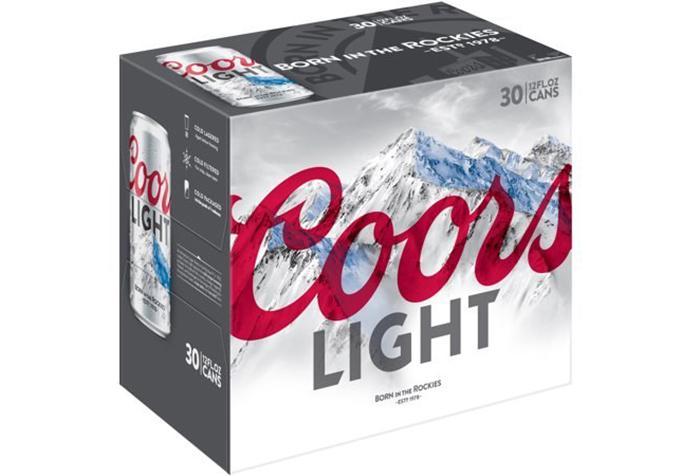
A standard 30-pack flat of 12 oz Coors Light cans can be arranged across a typical 36-inch refrigerator shelf in a 5×6 grid (30 cans per shelf layer). The slightly narrower cans allow for marginally more cans per row compared to full-diameter standard cans, which can matter when you’re preparing for a large gathering.
Coors Light Can Availability and Pack Sizes
Coors Light currently offers its cans in the following configurations across American retailers:
- 6-pack (12 oz or 16 oz)
- 12-pack (12 oz)
- 15-pack (12 oz)
- 18-pack (12 oz or 16 oz)
- 24-pack (12 oz or 16 oz)
- 30-pack (12 oz)
- Singles (12 oz, 16 oz, or 24 oz, typically at convenience stores)
The 30-pack “suitcase” is the choice of the committed tailgate crew, while the 15-pack and 18-pack serve as practical middle grounds for weekend gatherings where a 30 is too much and a 12 runs dry too fast.
From Golden, Colorado to Your Cup Holder: A Legacy Built in Aluminum
The story of the Coors Light can is, in many ways, the story of American beer packaging itself. From Bill Coors introducing the first recyclable two-piece aluminum can in 1959, to Marc Barrios’ silver design that launched the Silver Bullet identity in 1978, to Lyle Small’s thermochromic mountain ink turning the simple act of reaching into a cooler into a moment of drama, every layer of the Coors Light can reflects a genuine engineering and design philosophy.
The dimensions aren’t arbitrary. The taller, slimmer profile is a deliberate choice that serves grip, aesthetics, shelf presence, and temperature retention simultaneously. The cold-activated mountains aren’t a gimmick: they solve a real problem that consumer research identified decades ago, namely, that a meaningful percentage of American beer drinkers have experienced the disappointment of a warm beer with no way to tell.
Conclusion
Knowing the exact measurements of a Coors Light can won’t change the flavor of what’s inside, but it might change how you drink it. It helps you pick the right koozie, plan the right cooler layout, understand why the can feels different in your hand, and appreciate the engineering decisions that turned a can of light lager into one of the most recognizable objects in American culture. The Silver Bullet was never just about the beer: it was always about the whole experience, from the moment the mountains turn blue to the last sip at the bottom of a can that was designed, measured, and refined specifically to fit in your hand, your cup holder, and your fridge. That’s not nothing. That’s decades of intention packed into a few inches of aluminum.
Sources: https://chesbrewco.com
Category: Drink