You’ve been enjoying a cold IPA at the ballgame, a few glasses of red on a Friday night, or a round of margaritas with friends. Then it hits: a sharp, cramping pain in your lower back that nothing seems to relieve. If you’ve ever had a kidney stone, you know that nothing else comes close to that level of misery. And if you’ve been reaching for a Liquid IV packet to rehydrate after a night out, you may be wondering whether that little orange stick is helping or hurting your kidney health.
The answer, as with most things in health and nutrition, is genuinely complicated. Liquid IV can help with hydration, and hydration is unquestionably the single most important factor in preventing kidney stones. But Liquid IV also contains ingredients that, in the wrong context, could make things worse. This article breaks it all down with the real science, the honest caveats, and specific guidance for people who enjoy a drink or two.
You Are Watching: Does Liquid Iv Help With Kidney Stones Updated 10/2026
What Are Kidney Stones, and Why Are So Many Americans Getting Them?
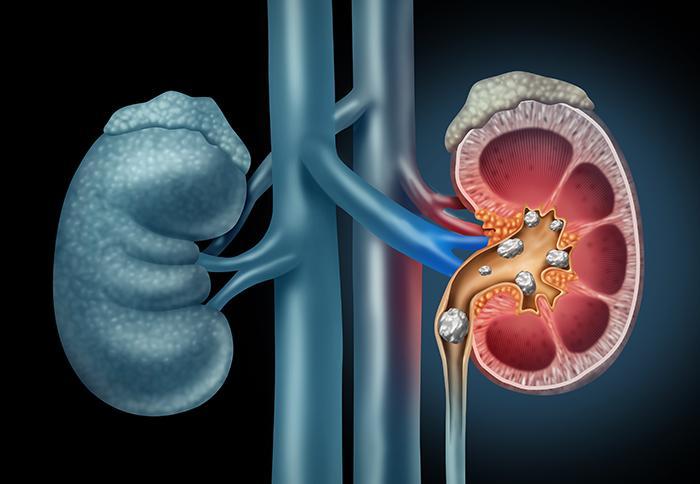
Kidney stones are hard mineral deposits that form inside the kidneys when urine becomes too concentrated and minerals begin to crystallize. They vary in size from a grain of sand to a golf ball, and while small stones can pass on their own, larger ones can block the urinary tract and cause what many describe as one of the worst pains a human body can experience.
The numbers in the United States are striking. According to data from the National Health and Nutrition Examination Survey (NHANES), approximately 1 in 10 Americans has had a kidney stone. Among men, the prevalence has historically sat around 10.6 to 11.5%, and while women historically had lower rates, recent data presented at the 2024 European Association of Urology Congress revealed that women’s rates surged from 6.5% in 2007 to 9.1% by 2020, a trend researchers call “concerning.” The gender gap that once defined kidney stone disease is rapidly narrowing.
There are four main types of kidney stones, each with different causes:
| Stone Type | Composition | Primary Causes |
|---|---|---|
| Calcium oxalate | Calcium + oxalate | Dehydration, high oxalate diet, excess sodium |
| Calcium phosphate | Calcium + phosphate | High urine pH, metabolic disorders |
| Uric acid | Uric acid crystals | High purine diet, dehydration, low urine pH |
| Struvite | Magnesium ammonium phosphate | Urinary tract infections |
Calcium oxalate stones are by far the most common, accounting for roughly 80% of all kidney stones. They’re also the type most closely tied to diet and hydration, which makes them the most preventable.
The economic burden is enormous too. A 2025 study noted that kidney stone disease costs the United States an estimated $4.5 billion annually, a number that has only grown as prevalence continues to rise.
What Exactly Is Liquid IV?
Before diving into whether Liquid IV helps or harms people prone to kidney stones, it’s worth understanding what it actually is.
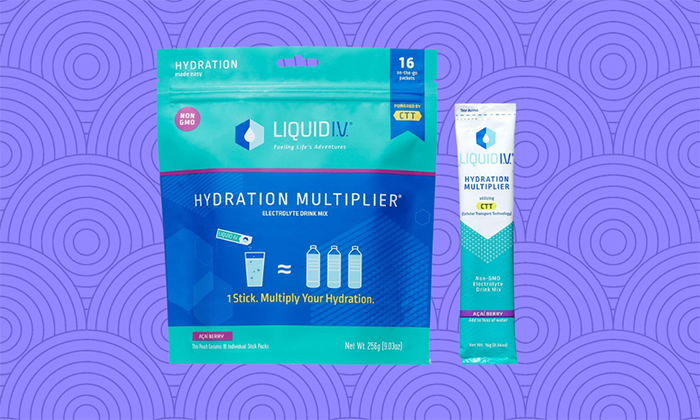
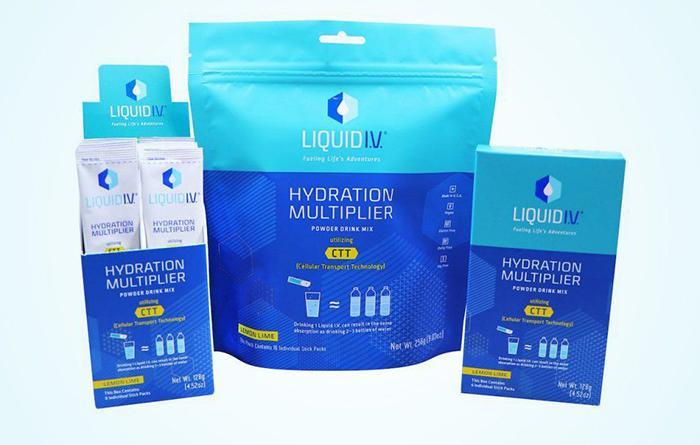
Liquid IV is a powdered electrolyte drink mix that claims to hydrate the body more efficiently than water alone. Its flagship product is called the Hydration Multiplier, and its core technology is called Cellular Transport Technology (CTT), a delivery system that uses a precise ratio of sodium, glucose, and potassium to accelerate water absorption through the intestinal wall. The science behind it draws from the World Health Organization’s oral rehydration solution framework, originally developed to treat severe dehydration in cholera patients.
One packet of the standard Liquid IV Hydration Multiplier dissolved in 16 ounces of water contains:
| Nutrient | Amount Per Packet | % Daily Value |
|---|---|---|
| Sodium | 510 mg | 22% |
| Potassium | 380 mg | 8% |
| Vitamin C | 76 mg | 80% |
| Niacin (B3) | 23 mg | 140% |
| Vitamin B6 | 2 mg | 130% |
| Vitamin B12 | 7 mcg | 280% |
| Pantothenic Acid (B5) | 11 mg | 230% |
| Added Sugar | 11 g | 26–44% of recommended daily limit |
You can find Liquid IV at virtually every major retailer: Costco, Target, Walmart, Amazon, and even pharmacies like CVS. It’s become one of the most popular hydration supplements in America, used by athletes, travelers, and yes, people nursing hangovers after a long night.
The Core Question: Does Hydration Help With Kidney Stones?
Yes, and this is where Liquid IV’s case for kidney stone prevention is strongest.
Dehydration is the single most common and most preventable cause of kidney stones. When your fluid intake is too low, your urine becomes concentrated, and minerals that would otherwise stay dissolved start to crystallize. The American Urological Association and Canadian Urological Association both recommend that people who’ve had kidney stones aim for a daily urine output of at least 2.5 liters, which typically requires drinking well over 3 liters of fluid per day. For people living or working in hot climates, or those who exercise heavily, even more may be required.
Research published in PMC makes the mechanism very clear: the higher your urine volume, the more diluted your stone-forming components become, and the less likely they are to reach the supersaturation point where crystals begin to form. One study that compared stone formers to non-stone formers found that men who formed stones had average urine volumes of only 1,057 mL per day, compared to 1,401 mL per day in healthy controls. That’s a stark difference driven almost entirely by how much people drink.
The NIDDK (National Institute of Diabetes and Digestive and Kidney Diseases) is straightforward about the treatment: drinking enough fluids is the best way to help pass an existing stone and prevent new ones from forming. Citrus drinks, particularly lemonade and orange juice, are also mentioned as beneficial because they contain citrate, a compound that prevents crystals from binding together into stones.
If Liquid IV gets you to drink more water than you otherwise would, that is a genuine benefit for kidney stone prevention. Many people, particularly those who find plain water boring or those who are mildly dehydrated after exercise or a night of drinking, will hydrate more consistently when something tastes good and provides a quick energy boost. The faster absorption offered by CTT technology also makes Liquid IV more effective than plain water in acute dehydration scenarios.
Where It Gets Complicated: The Three Ingredients That Concern Kidney Stone Experts
Here’s what the marketing materials won’t tell you. According to Melanie Betz, a registered dietitian and nationally recognized kidney stone expert with over 12 years of experience, Liquid IV contains three specific ingredients that are associated with a higher risk of kidney stones in susceptible individuals.
High Sodium Content
One packet of Liquid IV contains 510 mg of sodium, representing 22% of the 2,300 mg daily limit recommended for most adults. The problem is that most Americans are already eating far more sodium than they need. The average American consumes roughly 3,400 mg of sodium per day, already about 1,000 mg over the recommended ceiling.
This matters because eating too much sodium increases the amount of calcium excreted in urine. High urine calcium is one of the most common risk factors for calcium oxalate and calcium phosphate stones. Adding another 510 mg of sodium on top of an already sodium-heavy diet can push urine calcium levels even higher.
Urologists at Urology San Antonio note that sports drinks with a lot of added sodium are essentially “kidney stones in a cup” for people who are already getting too much salt from restaurant meals and processed foods. This doesn’t mean Liquid IV is always harmful, but it does mean context matters enormously.
Added Sugar
A single Liquid IV packet contains 11 grams of added sugar, representing 26 to 44% of what the American Heart Association recommends for an entire day (36g for men, 25g for women). Eating too much added sugar has been consistently correlated with kidney stones, likely because it drives up urine calcium levels in a manner similar to excess sodium.
The concern here isn’t just about kidney stones in isolation. For people who are already drinking beer, cocktails, or wine regularly, added sugar from multiple sources accumulates quickly. A typical cocktail with a sweetened mixer can contain 15 to 30 grams of sugar on its own. Stack a Liquid IV packet on top of that, and you’re well over the recommended daily added sugar threshold before noon.
Vitamin C Supplementation
Each packet provides 76 mg of vitamin C, which is 80% of the recommended daily intake from a single serving. Supplemental vitamin C is specifically flagged as problematic for people who form kidney stones because the liver can convert vitamin C into oxalate. Studies show that supplemental vitamin C can account for up to 40% of urine oxalate in some individuals. Since calcium oxalate stones are the most common type, anything that raises urine oxalate is a legitimate concern.
Betz is clear that for people with oxalate kidney stones, it’s far better to get vitamin C from whole foods, like oranges, bell peppers, or strawberries, rather than from supplements. Getting vitamin C from food is associated with lower stone risk, likely because the fiber, water, and phytonutrients in fruit have a protective buffering effect.
Beer, Wine, and Cocktails: How Your Drink of Choice Interacts With Kidney Stone Risk
This is where the picture becomes genuinely surprising, because the research is more nuanced than most people expect.
What Alcohol Does to Your Kidneys
Alcohol is a diuretic, meaning it suppresses the release of vasopressin (also called antidiuretic hormone), which normally tells your kidneys to conserve water. When you drink, your kidneys excrete more water than you’re taking in, leading to net dehydration even if you’re drinking a liquid. This dehydration concentrates minerals in the urine, raising the risk of stone formation.
The National Kidney Foundation states plainly that drinking too much alcohol can cause changes in kidney function and make the kidneys less able to filter blood. Heavy drinking, defined as more than 4 drinks per day or more than 14 drinks per week for men, doubles the risk of kidney disease.
For people who are already prone to kidney stones, dehydration during drinking is particularly dangerous. The increased urination that comes with alcohol may feel like you’re flushing your system, but the net effect is often a reduction in urine volume that is just concentrated enough to start crystallization.
Beer also contains high levels of purines, which the body breaks down into uric acid. Elevated uric acid is the direct cause of uric acid stones, the second most common type. Spirits mixed with sugary beverages introduce even more of the fructose and sucrose that drive urine calcium upward.
The Surprising Research on Beer, Wine, and Kidney Stones
Here’s the twist that few people have heard: a landmark 2024 study published in Nutrients, analyzing data from 29,684 participants in the NHANES 2007–2018 survey, found that beer drinkers and wine drinkers actually had significantly reduced odds of kidney stones compared to non-drinkers.
Specifically:
- Beer-only drinkers had 24% reduced odds of kidney stones
- Wine-only drinkers had 25% reduced odds of kidney stones
- Moderate beer drinkers (28–56g alcohol per day) had 40% reduced odds
- Heavy beer drinkers (more than 56g alcohol per day) had 66% reduced odds
- Moderate wine drinkers (14–28g alcohol per day) had 46% reduced odds
- Liquor drinkers had no significant association either way
The researchers theorized several reasons for this: alcohol promotes urinary magnesium excretion (and magnesium inhibits stone formation), increases urine output overall, and wine in particular contains antioxidants and phytochemicals from grapes that may prevent crystal formation. Beer’s hop compounds may also reduce bone resorption, thereby reducing the amount of calcium that ends up in urine.
A separate review across multiple studies found that beer intake carried an odds ratio of 0.79 and wine an odds ratio of 0.75 for kidney stone prevalence, both statistically significant protective associations.
This does not mean you should drink more to prevent kidney stones. The same researchers acknowledged that alcohol carries well-documented risks for liver disease, cardiovascular disease, cancer, and behavioral disorders, and the protective stone effect cannot be viewed in isolation from these broader harms. But it does suggest that the relationship between alcohol and kidney stones is far from a simple cause-and-effect story.
So Where Does Liquid IV Fit Into the Picture for Drinkers?
Read More : Buffalo Wild Wings Alcohol Menu Updated 10/2026
If you enjoy beer, wine, or cocktails regularly, your kidney stone risk is influenced by a complicated mix of factors: hydration status before and during drinking, your overall sodium intake, your sugar consumption, your purine load, and how much you exercise and sweat on top of that.
Here’s how to think about Liquid IV in that context:
Liquid IV can be a useful harm-reduction tool after drinking, with important caveats.
When Liquid IV Makes Sense for Drinkers
- After a night of drinking, when you’re genuinely dehydrated and need rapid rehydration before bed or the next morning, one packet of Liquid IV in water can restore electrolyte balance more efficiently than water alone
- Before or during intense heat or exercise, when you’ve been sweating significantly and need to replenish both water and electrolytes
- As a travel companion, on flights or long drives where hydration is often neglected and dehydration can sneak up quickly
- When plain water feels undrinkable, which is a real phenomenon for people recovering from nausea or who simply won’t drink enough water without a flavor incentive
When Liquid IV Creates More Risk Than It Solves
- If you’re already eating a high-sodium diet from restaurant meals, processed snacks, or cocktail mixers, adding 510 mg more sodium can push urine calcium into a dangerous range
- If you drink Liquid IV daily as a replacement for plain water, the cumulative added sugar and sodium may contribute to stone risk over time
- If you have a history of calcium oxalate stones, the supplemental vitamin C in regular Liquid IV may increase oxalate production
- If you have diagnosed kidney disease, the sodium and potassium load can strain already compromised kidneys
The Sugar-Free version of Liquid IV eliminates the 11 grams of added sugar, which makes it a meaningfully better option for people concerned about kidney stones while still providing the sodium and electrolyte profile that drives fast hydration.
The Real Science of Preventing Kidney Stones If You Drink Alcohol
No supplement, including Liquid IV, can fully compensate for a lifestyle that involves regular alcohol consumption without adequate hydration. The practical, evidence-based strategies that actually work include:
Drink Water With Every Drink
The standard recommendation from kidney specialists is to drink a 16-ounce glass of water with every alcoholic beverage. This helps offset the diuretic effect of alcohol, dilutes urine, and reduces the net dehydration that follows a night of drinking.
Target Urine Volume, Not Just Fluid Intake
The American Urological Association recommends a daily urine output of 2.5 liters for stone formers. A simple way to gauge this at home is by urine color: pale yellow is the target. Dark yellow or amber means you’re behind on hydration.
Eat More Citrate
Foods high in citrate, particularly lemons and limes, are among the most powerful natural stone inhibitors available. Adding fresh lemon to water, or choosing citrus-based cocktail mixers (real citrus, not syrup), introduces citrate that binds with calcium in the urine and prevents crystal formation. Some urologists actually recommend making lemonade from real lemons as a daily kidney stone prevention strategy.
Watch Sodium From All Sources
If you’re having Liquid IV after a night out that included salty bar snacks, cocktail rims, or processed mixer ingredients, you may already be well over your sodium limit for the day. On days you use Liquid IV, consider offsetting it with intentionally lower-sodium meals.
Maintain Adequate Dietary Calcium
This seems counterintuitive for calcium stone formers, but dietary calcium actually reduces kidney stone risk by binding to oxalate in the gut before it reaches the kidneys. The target is 1,000 to 1,200 mg of calcium per day from food sources. Calcium supplements, however, may increase risk and should be discussed with a doctor.
Consider Alternatives to Regular Liquid IV
For people with a history of kidney stones who still want an electrolyte boost, several alternatives offer better profiles:
| Product | Sodium | Added Sugar | Notes |
|---|---|---|---|
| Liquid IV Sugar-Free | ~500 mg | 0g | Better for stone-prone individuals |
| Nuun Hydration Tablets | 300 mg | 1g | Lower sodium, widely available |
| DripDrop ORS | 330 mg | 7g | Medical-grade formulation |
| SOS Hydration | 295 mg | 3g | Low sugar, designed for athletes |
| Coconut water | 30–80 mg | 6–10g (natural) | Natural potassium, low sodium |
What Doctors Actually Say: Liquid IV Is Not a Kidney Stone Treatment
This point is worth emphasizing clearly. Liquid IV is not designed to treat, dissolve, or pass kidney stones. If you are experiencing the symptoms of a kidney stone, including severe flank or back pain, blood in the urine, nausea, vomiting, or painful urination, drinking Liquid IV is not a substitute for medical care.
The NIDDK guidelines specify that large stones may require urological intervention including shock wave lithotripsy, ureteroscopy, or percutaneous nephrolithotomy. When patients are dehydrated or vomiting and unable to keep fluids down, intravenous (IV) fluids through a hospital drip (not the drink powder) may be required to restore hydration. Some IV therapy clinics offer dedicated kidney stone drip protocols that include normal saline, anti-nausea medication like Zofran, anti-inflammatory pain relief like Toradol, and magnesium to inhibit crystal formation. These clinical-grade treatments are fundamentally different from a flavored drink packet.
Putting It All Together: The Honest Answer
Does Liquid IV help with kidney stones? It depends entirely on how you use it and what your individual risk factors are.
If you’re a generally healthy person who enjoys a few drinks on weekends, regularly sweats during workouts or summer heat, and struggles to drink enough plain water, a Liquid IV packet after a heavy night or a workout session can be a net positive for hydration and thus for kidney stone prevention. The faster water absorption, the electrolyte replenishment, and the palatability that encourages more fluid intake are all real benefits.
But if you’re already consuming too much sodium from your diet, drinking Liquid IV every single day, eating lots of oxalate-rich foods, and regularly skimping on plain water in favor of alcohol and flavored drinks, then Liquid IV’s sodium, sugar, and supplemental vitamin C could nudge a susceptible person toward, rather than away from, stone formation.
The ingredient to watch most carefully if you’re a stone former is sodium. One packet delivering 510 mg of sodium is significant when the full daily ceiling is 2,300 mg and most Americans are already near or over that ceiling before they open the packet.
The healthiest approach for beer, wine, and cocktail lovers who want to protect their kidneys is straightforward: drink water consistently throughout the day, match every drink with a glass of water, eat a diet rich in fruits and vegetables that provide natural citrate and magnesium, limit the hidden sodium in bar food and cocktail mixers, and use Liquid IV strategically rather than habitually. On those mornings when you wake up parched and hollow after a long night, a single packet in a full glass of water is a sensible recovery tool. Just don’t make it your primary hydration strategy.
Final Thought: The Stone You Never See Coming
The most dangerous kidney stone is the one forming silently right now, built up over months of mild, unnoticed dehydration. Unlike a hangover that announces itself loudly the next morning, a kidney stone can develop quietly over weeks or months of consistently not drinking enough, of relying on beer for refreshment after mowing the lawn in July, of grabbing a cocktail but skipping the water glass. By the time the pain hits, the process has been underway for a long time.
That’s the real reason hydration products like Liquid IV exist and sell so well in America: most of us are chronically under-hydrated, and most of us know it. The savviest thing any drinker can do isn’t to choose the perfect electrolyte formula. It’s to take hydration seriously enough that a kidney stone never becomes the most memorable night of your year.
Sources: https://chesbrewco.com
Category: Drink