If you’ve ever stood in a liquor store, stared at a standard bottle of whiskey or vodka, and asked yourself how many shots in a fifth, you are far from alone. It’s one of the most searched questions in the American drinking world, and the answer is more interesting, more layered, and more useful than a simple number. Whether you’re planning a backyard party, stocking a home bar, or just trying to pace yourself responsibly on a Saturday night, knowing exactly what’s inside that bottle gives you real control over your experience.
So let’s break it all the way down, from the fascinating history behind the word “fifth” to the exact math for every pour size, plus practical tables to guide your next party plan.
You Are Watching: How Many Shots In A Fifth?Everything You Actually Need to Know Before Your Next Pour Updated 10/2026
What Exactly Is a Fifth of Liquor?
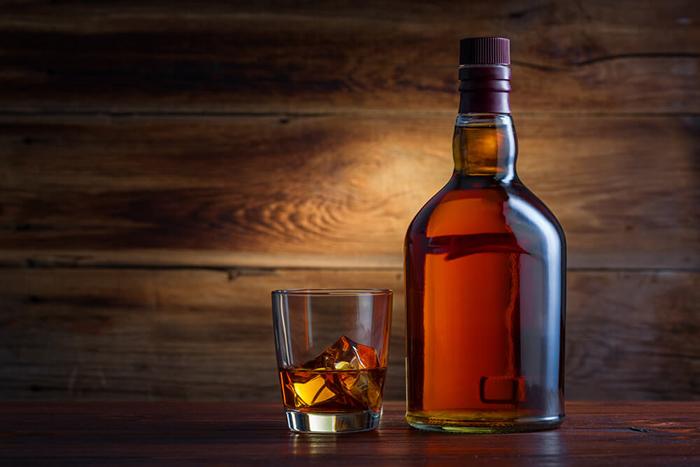
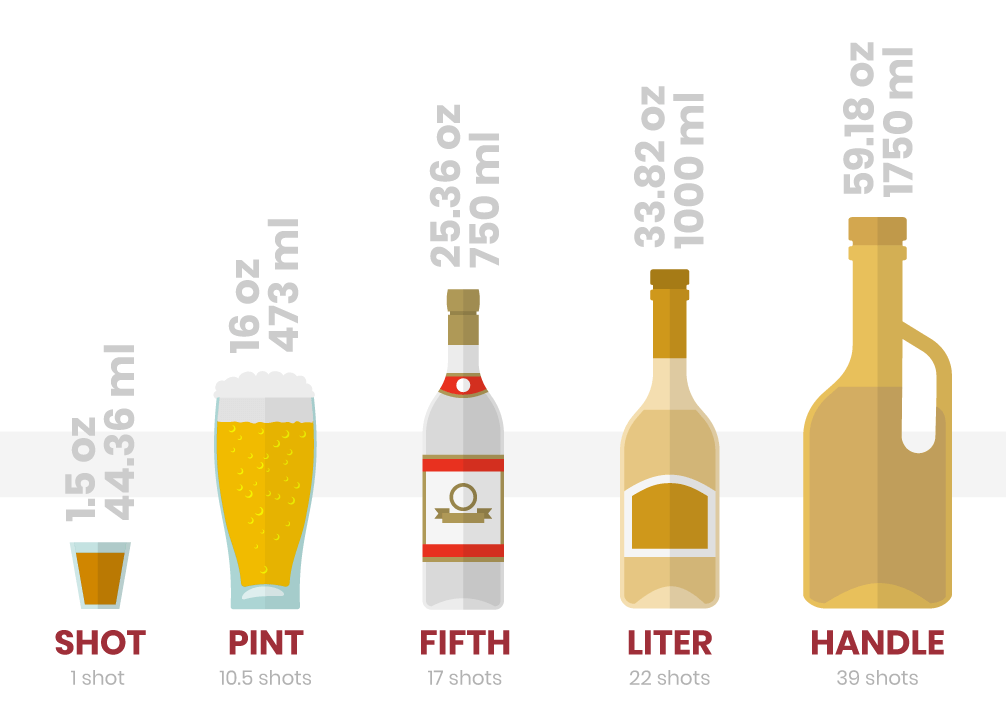
The short answer: a fifth is a 750-milliliter bottle of spirits. It is the most common bottle size sold in the United States and most of the world, and it applies equally to vodka, whiskey, tequila, rum, gin, or any other distilled spirit.
The term “fifth” is a vestige of the past when liquor was measured in gallons, and a fifth was one-fifth of a gallon. Today, even though the metric system is the standard for liquor measurements, the term “fifth” remains in use, particularly in the United States.
In plain numbers, a fifth contains:
- 750 milliliters of liquid
- Approximately 25.4 fluid ounces
- Just over 3 cups by volume
That’s the industry standard you’ll find on every bar shelf, every retail liquor store, and virtually every recipe that calls for a bottle of spirits.
The Fascinating History Behind the Word “Fifth”
Most people use the word “fifth” without giving it a second thought, but there’s a surprisingly rich story behind it.
In the late 19th century, liquor in the U.S. was often sold in bottles which appeared to hold one US quart, but in fact contained less than a quart and were called “fifths,” “short quarts,” or commercial quarts. At this time, one-fifth of a gallon was a common legal threshold for the difference between selling by the drink and selling by the bottle or at wholesale, and thus the difference between a drinking saloon or barroom and a dry-goods store.
In other words, the “fifth” wasn’t just a size — it was a legal and commercial designation that determined what kind of establishment you were running.
The practice of standardizing bottle sizes began in the 1800s when glassblowing was still largely manual. Bottles were made by hand, making uniformity difficult. However, as industrialization advanced, manufacturers sought consistent sizes for taxation, shipping, and retail purposes. The “fifth” emerged as a practical compromise between portability and profit, becoming the de facto standard for individual liquor purchases.
Things changed significantly in the modern era. In 1976, the U.S. officially adopted the metric system for liquor bottle sizing, converting the traditional fifth (1/5 of a gallon or 757 ml) to the rounder metric figure of 750 ml. That’s a difference of only about 7 milliliters, roughly half a teaspoon, so the impact on the average drinker was negligible. What did not change was the word itself. Language often lags behind reality; older generations cling onto familiar terms while younger drinkers pick them up through cultural references found everywhere, from music lyrics down through regional dialects across America.
So, How Many Shots Are in a Fifth?
Here’s the core answer most people are looking for.
A fifth contains 16 to 17 shots based on the standard U.S. shot size of 1.5 ounces. This measurement applies to any type of spirit — whether vodka, whiskey, rum, or gin — since a fifth refers specifically to the bottle volume of 750 milliliters, not the type of alcohol inside.
The math is simple:
750 ml = 25.4 fluid ounces
Divide 25.4 oz by 1.5 oz (standard U.S. shot) = approximately 16.9 shots, which rounds to 17 shots per fifth.
But here’s the catch that trips up a lot of home bartenders: shot size is not universal, and your actual pour matters enormously.
How Shot Size Changes Everything
Some bars serve 1-ounce shots, which would yield 25 shots from a fifth, while others may pour larger 2-ounce servings, resulting in approximately 12 to 13 shots per bottle.
Here’s a full breakdown by pour size:
| Pour Size | Ounces | Shots from a Fifth (25.4 oz) |
|---|---|---|
| Small / Utah standard | 1.0 oz | ~25 shots |
| Standard U.S. jigger | 1.25 oz | ~20 shots |
| Standard U.S. shot | 1.5 oz | ~17 shots |
| Heavy home pour | 2.0 oz | ~12 shots |
| Double shot | 3.0 oz | ~8 shots |
This table makes it obvious why the number of “shots in a fifth” you actually get can swing dramatically depending on where you are and who’s pouring. A bartender at a craft cocktail bar in Nashville may pour a tighter 1.25 oz, while someone hosting a house party in college will likely free-pour well past 2 oz.
Professional bartenders use jiggers or timed “free-pours” to ensure they get 1.5 ounces every time. This consistency is required for both profit and safety. At home, people often use a “glug-glug” method, which almost always results in a pour that is two or three ounces. This means a bottle that should provide 17 drinks might only provide 8 or 9 at a house party.
How Many Shots in a Fifth: By Spirit Type
Read More : Did Gatorade Change Their Formula Updated 10/2026
People often wonder whether the type of alcohol affects the shot count. It does not. The spirit inside the bottle does not change the bottle’s volume, and therefore does not change the number of shots. Whether it’s bourbon, vodka, gin, tequila, or rum, a 750 ml bottle always contains 25.4 ounces. The spirit type is irrelevant to the count.
That said, it helps to look at how the most popular spirits play out at the standard 1.5 oz pour:
| Spirit | Bottle Size | Standard Shots (1.5 oz) |
|---|---|---|
| Vodka | 750 ml (fifth) | ~17 |
| Whiskey / Bourbon | 750 ml (fifth) | ~17 |
| Tequila | 750 ml (fifth) | ~17 |
| Rum | 750 ml (fifth) | ~17 |
| Gin | 750 ml (fifth) | ~17 |
| Scotch | 750 ml (fifth) | ~17 |
The numbers are identical across the board. What does vary is the cost per shot, since a bottle of premium single malt scotch and a value-tier vodka both hold the same volume but carry wildly different price tags.
All Bottle Sizes Compared: From Nip to Handle
A fifth is just one stop on a wide spectrum of bottle sizes available to American drinkers. Understanding where it fits helps with both shopping and planning.
Liquor bottles come in a range of sizes, with each offering a specific number of servings: a Miniature (50ml) is equal to 1.7 ounces or 1 standard shot; a Half Pint (200ml) contains 6.8 ounces or approximately 4 shots; a Pint (375ml) holds 12.7 ounces or about 8 shots; a Standard (750ml), known as a fifth, contains 25.4 ounces or 16 shots; a Magnum (1.5L) doubles the standard bottle, offering 32 shots; and a Handle (1.75L) provides 59.2 ounces or 39 shots.
Here’s how every common bottle size stacks up:
| Bottle Name | Volume | Fluid Ounces | Shots (1.5 oz) | Best For |
|---|---|---|---|---|
| Nip / Mini | 50 ml | 1.7 oz | 1 | Sampling, travel, party favors |
| Half Pint | 200 ml | 6.8 oz | ~4 | Trying a new brand |
| Pint | 375 ml | 12.7 oz | ~8 | Small gatherings, gifts |
| Fifth (Standard) | 750 ml | 25.4 oz | ~17 | Home bar, most occasions |
| Liter | 1,000 ml | 33.8 oz | ~22 | Regular use, better value |
| Handle | 1,750 ml | 59.2 oz | ~39 | Large parties, high-volume use |
The fifth sits squarely in the middle of the spectrum, offering the ideal balance between volume and freshness, since open bottles of spirits can subtly lose flavor over time if not stored properly.
How Many Cocktails Can You Make from a Fifth?
This is where things get really useful, especially for anyone hosting a party or planning cocktail night at home. The cocktail count depends entirely on the recipe, because different drinks call for very different amounts of base spirit.
A classic margarita typically uses 2 ounces of tequila, along with lime juice, triple sec, and optional simple syrup. With 25.4 ounces in a fifth, you can prepare about 12 margaritas. Martinis, known for their elegance, often require 2.5 ounces of vodka or gin, so with a fifth, you can serve around 10 martinis. An Old Fashioned, with its rich combination of whiskey, bitters, sugar, and an orange twist, uses 2 ounces of liquor.
Here’s a practical cocktail yield guide per fifth:
| Cocktail | Spirit per Drink | Drinks from One Fifth |
|---|---|---|
| Margarita | 2.0 oz tequila | ~12 |
| Martini | 2.5 oz gin or vodka | ~10 |
| Old Fashioned | 2.0 oz whiskey | ~12 |
| Moscow Mule | 1.5 oz vodka | ~17 |
| Whiskey Sour | 2.0 oz whiskey | ~12 |
| Gin and Tonic | 1.5 oz gin | ~17 |
| Mojito | 1.5 oz rum | ~17 |
| Negroni | 1.0 oz gin | ~25 |
The takeaway here is clear: richer, spirit-forward cocktails eat through a bottle fast, while simple highballs and spritzers stretch a fifth considerably further. This matters enormously when you’re planning your shopping list.
Fifth vs. Handle: Which Should You Buy?
If you’re hosting a larger event or you go through a particular spirit regularly, the handle (1.75 liters) is often the smarter financial move.
A 750 mL bottle of liquor holds about 16.6 standard drinks. A 1.75-liter bottle provides 39.5 standard drinks. A handle will serve about 2.38 times more than a fifth. Considering a fifth of a popular bourbon whiskey is around $30 and a handle is around $58, you save about $13.40 by getting a handle, the equivalent of roughly 15 additional drinks.
That said, from the bartender’s perspective, a fifth of liquor is easier to pour than a handle, and for home use, a fifth keeps things manageable. Most standard liquor cabinets and bar carts are designed with the fifth in mind.
The rule of thumb: buy a fifth if you’re trying something new or drinking casually. Buy a handle if you’re hosting a party or restocking a well-known favorite.
Party Planning Math: How Many Fifths Do You Need?
This is where the shot count gets truly practical. Whether you’re hosting a birthday party, a Super Bowl watch party, or a backyard barbecue, knowing your bottle math ahead of time saves money, prevents shortages, and keeps the night running smoothly.
Mixed drinks have a 1.5-ounce serving of liquor per drink, so a 750-ml bottle will make about 16 drinks. To figure out how many bottles you need, just divide the number of liquor drinks needed by 16. To estimate the amount of mixers needed, figure about 1 quart (1 liter) of tonic water, soda water, or juice for every 3 guests.
Plan for 2 to 3 drinks per person for the first hour and 1 to 2 drinks per hour thereafter. This accounts for the natural arc of a party, with higher consumption up front and a slower pace as the evening progresses.
Here’s a simplified guide for liquor planning (spirits only, not including beer or wine):
| Guests | Duration | Est. Spirit Drinks | Fifths Needed |
|---|---|---|---|
| 10 | 2 hours | ~30 | 2 |
| 20 | 3 hours | ~80 | 5 |
| 30 | 4 hours | ~120 | 7-8 |
| 50 | 4 hours | ~200 | 12-13 |
| 100 | 4 hours | ~400 | 25 |
Note: These estimates assume spirits account for roughly 25% of total drinks, with the remainder split between beer and wine.
A practical tip from event planning professionals: always round up by at least one bottle. An unopened bottle can always go back into the cabinet. Running out of liquor mid-party is a far worse outcome.
Shot Sizes Around the World: The U.S. Isn’t the Standard Everywhere
One thing that surprises many American drinkers is that the familiar 1.5 oz shot is purely a domestic convention, not a global one. If you travel, bartend internationally, or follow foreign cocktail recipes, this matters.
The standard shot size can vary slightly depending on regional practices or the establishment’s policy. Globally, the standard shot size differs considerably. In the United Kingdom, a standard shot is 25 ml or 35 ml, while in Canada, it’s typically 1.0 ounce (29.57 ml). In Australia and parts of Europe, 30 ml is common.
| Country | Standard Shot Size | Shots from a Fifth (750 ml) |
|---|---|---|
| United States | 44 ml (1.5 oz) | ~17 |
| United Kingdom | 25 ml or 35 ml | ~30 or ~21 |
| Canada | 30 ml (1.0 oz) | ~25 |
| Australia | 30 ml | ~25 |
| Germany | 20 ml | ~37 |
| Japan | 30 ml | ~25 |
This table explains why a recipe from a British cocktail book calling for “one shot of gin” delivers noticeably less spirit than the same recipe made by an American bartender following the same language. Context and country always matter.
How to Measure a Shot Accurately at Home
Read More : Is Warm Lemonade Good For You Updated 10/2026
Most people dramatically overestimate their accuracy when free-pouring. Studies and bar industry data consistently show that the average home pour lands between 2 and 3 ounces, not the intended 1.5. Over the course of a night, that discrepancy adds up fast, both in terms of how much alcohol you’re consuming and how quickly your bottle empties.
One method is to use a jigger, a bartending tool that measures liquor. Most jiggers have two sides: one for measuring single shots (1.5 ounces) and one for double shots (3 ounces).
If you don’t own a jigger, there are other options:
- Tablespoons: One standard shot equals exactly 3 tablespoons. It’s not elegant, but it works.
- Shot glasses with markings: Many measured shot glasses are available with clear 1 oz and 1.5 oz fill lines.
- A kitchen scale: For serious cocktail enthusiasts, measuring by weight (in grams) is actually the most precise method used by top bartenders.
Investing in a simple stainless steel jigger takes the guesswork out of your cocktails and ensures every drink tastes the way it was intended. It also helps you keep an honest tally of your consumption.
Alcohol Content and Standard Drinks: The Health Perspective
Beyond the party planning numbers, it’s worth understanding what a fifth actually represents in terms of alcohol content, since many Americans underestimate how much is in that bottle.
In the United States, the standard drink contains 0.6 US fluid ounces (18 ml) of alcohol. This is approximately the amount of alcohol in a 12-US-fluid-ounce glass of beer, a 5-US-fluid-ounce glass of wine, or a 1.5-US-fluid-ounce glass of a 40% ABV (80 US proof) spirit.
That means a standard fifth of 80-proof spirits (40% ABV) contains approximately 17 standard drinks. The CDC guidelines for moderate drinking in the United States define that as no more than 2 drinks per day for men and 1 drink per day for women. A single fifth, by that standard, represents more than a week’s worth of moderate consumption for a man, and more than two weeks’ worth for a woman.
The number of shots from a fifth that could lead to intoxication varies greatly depending on individual tolerance, body weight, and how quickly the shots are consumed. On average, it could take around 4 to 5 shots for a person to start feeling the effects of alcohol.
This isn’t meant to be preachy. Understanding the math simply makes you a more informed and in-control drinker. Knowing that your bottle of bourbon holds 17 standard drinks helps you plan your intake just as clearly as knowing a fifth yields 12 margaritas helps you plan your party.
Storing an Opened Fifth: Does It Go Bad?
A common question once people understand what’s in a fifth: what happens to the bottle once it’s opened?
The good news for spirits drinkers is that distilled liquor is remarkably shelf-stable. Unlike beer or wine, spirits do not go bad in any meaningful way once opened. However, subtle quality changes can occur over time:
- Oxidation begins to alter the flavor of whiskey and other spirits within 6 to 12 months of opening, especially if the bottle is less than a quarter full (more air in the bottle means faster oxidation).
- Evaporation is real: over months, the liquid level in an open bottle will slowly drop due to evaporation through even a tightly sealed cap.
- Light and heat are the main enemies. Store your fifth away from direct sunlight and away from heat sources. A cool, dark cabinet or bar is ideal.
For practical purposes: if you’ll finish the bottle within a year, store it upright in a cool dark place with the cap firmly on, and it will be just as good on the last pour as the first.
Fifth vs. Wine Bottle vs. Beer: How Do They Compare?
Many Americans move fluidly between spirits, wine, and beer depending on the occasion. Understanding how a fifth compares to these other formats helps put everything in perspective.
| Format | Volume | Standard Servings | Serving Size |
|---|---|---|---|
| Fifth (spirits) | 750 ml | ~17 | 1.5 oz shot |
| Standard wine bottle | 750 ml | ~5 | 5 oz glass |
| Six-pack of beer (12 oz cans) | ~2,130 ml | 6 | 12 oz |
| Case of beer (24 cans) | ~8,520 ml | 24 | 12 oz |
The same 750 ml volume that gives you 5 glasses of wine gives you 17 shots of spirits. This side-by-side comparison is why spirits are so much more cost-efficient as a party drink, and why a single fifth goes a long way further than a bottle of wine when you’re running a bar.
A fifth has about 17 standard shots, roughly equivalent to 17 beers in terms of standard alcohol servings. The exact number depends on beer and liquor strength. At the standard 5% ABV for most domestic beers, a shot of 40% ABV spirit and a single beer both deliver approximately 0.6 oz of pure ethanol.
Common Mistakes to Avoid When Working with a Fifth
Even experienced home bartenders make a few avoidable errors when working with a standard bottle of spirits.
Overpouring without realizing it. As covered above, free-pouring is nearly always heavier than intended. Always measure, especially when mixing cocktails, both for consistency of flavor and for honest tracking of intake.
Underestimating how fast a fifth disappears at a party. A fifth may sound like a lot, but 17 standard shots among a group of even 6 people over a 3-hour party disappears faster than most hosts expect. Plan for at least one fifth per 5 to 6 guests for a longer event if spirits are the primary offering.
Forgetting the mixers. A fifth of vodka is useless without something to mix it with. To estimate the amount of mixers needed, figure about 1 quart (1 liter) of tonic water, soda water, or juice for every 3 guests.
Confusing a fifth with a handle when estimating. A handle holds 1.75 liters, more than double the volume of a fifth. If a recipe or event guide says to use a “handle,” substituting a fifth will leave you badly short.
Quick Reference: The Numbers That Matter
For anyone who wants a fast cheat sheet to pin to the bar cart or save to their phone:
- 1 fifth = 750 ml = 25.4 oz
- Standard U.S. shot = 1.5 oz
- Shots in a fifth = ~17 (at 1.5 oz each)
- Cocktails (2 oz pours) = ~12 per fifth
- Standard drinks per fifth = ~17 (based on 0.6 oz pure alcohol)
- 1 fifth = same volume as 1 standard wine bottle, but yields far more individual servings
- 1 handle = 2.33 fifths, or about 39 standard shots
These seven numbers cover almost everything you’ll ever need to know at the store, behind the home bar, or while planning a party.
Final Pour
The answer to “how many shots in a fifth” sounds simple: about 17. But as this guide has shown, that number is part of a much richer story: one involving 19th-century American commerce, the metrication push of the 1970s, global shot size variations, and the very practical mathematics of throwing a good party without running short or running wild.
Whether you’re a whiskey sipper who wants to understand exactly what’s in the bottle, a cocktail enthusiast planning a dinner party, or just someone who wants to drink a little more thoughtfully, knowing your fifths is one of the most genuinely useful pieces of knowledge in the American drinker’s toolkit. Pour smart, measure true, and always drink at a pace that lets you actually enjoy the good stuff.
Sources: https://chesbrewco.com
Category: Drink