You crack open a cold one after a long week, enjoy every sip, and toss the empty can in the trash without a second thought. Multiply that by the 100+ cans the average American drinks each year, and you’ve just thrown away what could be a surprisingly meaningful chunk of change. Whether you’re a weekend warrior crushing light beers on the patio, a cocktail enthusiast stocking up on canned craft cocktails, or a wine lover who’s discovered the convenience of canned Rosé, the empties piling up in your recycling bin are genuinely worth real money.
This guide breaks down exactly how much aluminum cans are worth, how prices vary by state, what the best-paying bottle bill states offer, how to prep your cans for maximum payout, and the jaw-dropping environmental story behind America’s most valuable recyclable material.
You Are Watching: How Much Are Aluminum Cans Worth Updated 03/2026
The Real Numbers: What Are Aluminum Cans Worth Per Pound in 2026?
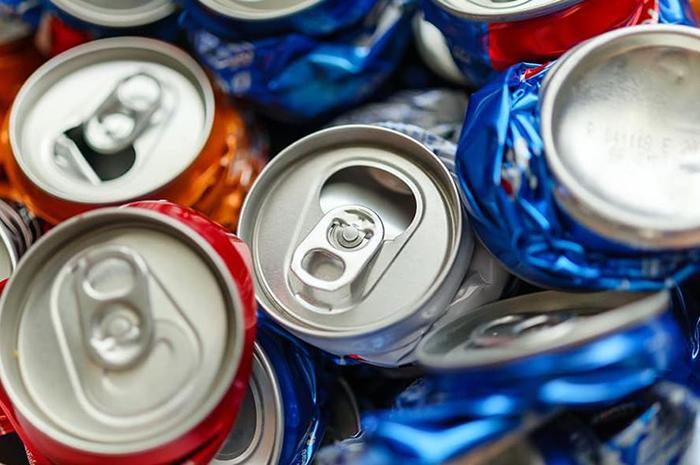
Let’s start with the most important number. As of March 17, 2026, the average aluminum can scrap price in the United States is $0.60 per pound, with the highest prices reaching $0.83 per pound and the lowest sitting around $0.35 per pound.
That might not sound like much until you factor in volume. It takes about 32 empty aluminum cans to make a pound, and at an average of around $0.51–$0.60 per pound, a single can is worth roughly 1.6 to 2 cents in straight scrap value.
In early 2026, the Texas market has seen a baseline price of approximately $0.55 per pound for Used Beverage Cans (UBCs), representing a stable recovery from previous years. Current market data shows aluminum cans trading at approximately $0.55 to $0.65 per pound in the Texas region, with significant regional variations across the United States.
Here’s how the numbers scale depending on how many cans you bring in:
| Cans Collected | Approximate Weight | Estimated Payout (at $0.60/lb) | Estimated Payout (at $0.83/lb) |
|---|---|---|---|
| 100 cans | ~3.1 lbs | ~$1.87 | ~$2.57 |
| 500 cans | ~15.6 lbs | ~$9.38 | ~$12.95 |
| 1,000 cans | ~31.25 lbs | ~$18.75 | ~$25.94 |
| 2,500 cans | ~78 lbs | ~$46.88 | ~$64.74 |
| 5,000 cans | ~156 lbs | ~$93.75 | ~$129.48 |
To calculate how many aluminum cans are needed to make $100, keep in mind that one aluminum can weighs about 14 grams. With a market rate of $0.55 per pound, you’d need around 182 pounds of aluminum cans to earn $100, which equates to about 6,000 cans.
Not exactly a get-rich scheme from your personal recycling bin. But if you’re socializing heavily, hosting regular events, or tapping into cans from bars and restaurants, those numbers can add up faster than you’d think.
Why Prices Vary So Much: The Factors Behind Aluminum Can Value
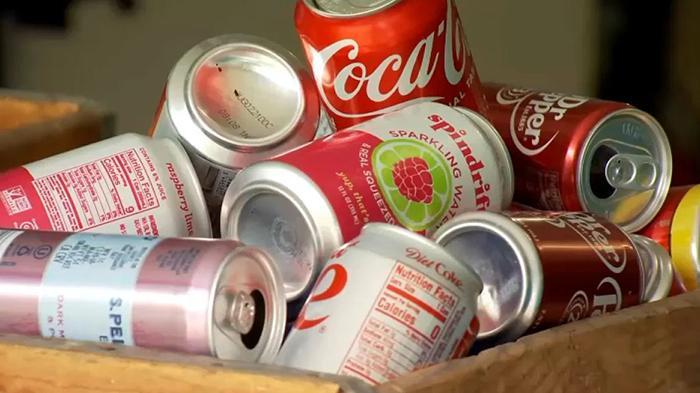
The price of aluminum cans isn’t static. It fluctuates due to global and local forces. Understanding what drives those changes helps you decide when to sell for the most money.
Global aluminum commodity prices are the biggest driver. Scrap aluminum prices follow the London Metal Exchange (LME) primary aluminum pricing as a general benchmark. The London Metal Exchange (LME) pricing serves as the primary global indicator, with scrap aluminum values typically following primary aluminum market trends. Market volatility affects these numbers daily; factors such as global aluminum commodity prices, energy costs and manufacturing demand create ongoing shifts.
Location matters enormously. The highest prices show up in California, and the lowest show up along the East Coast. The price of aluminum cans in the Midwest falls somewhere in the middle: aluminum can prices in Eau Claire, Wisconsin, are 60 cents per pound, while the average in the state of Wisconsin is just 44 cents per pound.
Purity and cleanliness of your cans directly affect what a yard will pay you. Dirty aluminum reduces payouts quickly. By rinsing, drying, and removing residue, you protect material value. Clean cans process faster, meet grading standards, and help recyclers justify paying stronger, more competitive rates.
Volume plays a major role. Many facilities implement tiered pricing structures based on volume. Industrial accounts or community collection drives often unlock premium rates, sometimes as high as $0.70 per pound, specifically for pure beverage cans due to their consistent alloy composition and high recovery rate.
Urban vs. rural location also affects what you’ll receive. Urban areas typically offer more competitive prices than rural locations. Cities have higher industrial demand and more competition between yards, which keeps prices favorable for sellers.
Bottle Bill States: Where Your Cans Are Worth 5 to 10 Cents Each
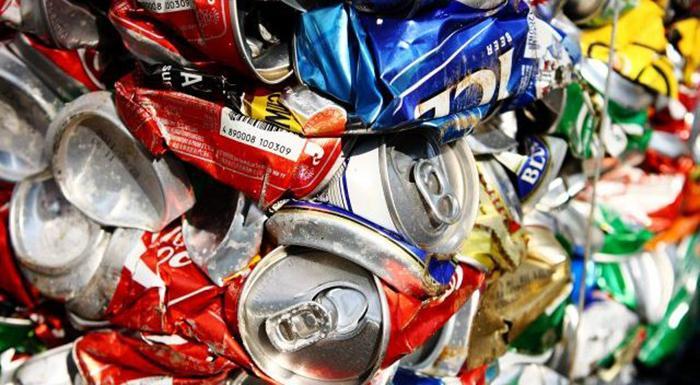
If you live in one of the ten states with a container deposit law (commonly called a “bottle bill”), the math changes completely and dramatically in your favor.
In the United States, bottle deposit programs are in place in California, Connecticut, Hawaii, Iowa, Maine, Massachusetts, Michigan, New York, Oregon, and Vermont.
Bottle bills, also known as container deposit return laws, work by adding a small deposit on top of the price of a beverage. This is repaid to the consumer when the empty can or bottle is returned to a retailer or redemption center for recycling. Think of it as buying the beverage, and borrowing the packaging.
Here’s how much each bottle bill state pays per aluminum can:
| State | Deposit per Can | Notable Details |
|---|---|---|
| California | 5¢ (under 24 oz) / 10¢ (over 24 oz) | Includes wine and spirits cans as of 2024 |
| Connecticut | 10¢ | Raised from 5¢ in January 2024 |
| Hawaii | 5¢ | Covers beer, malt, mixed spirits, wine |
| Iowa | 5¢ | One of the oldest bottle bills (1978) |
| Maine | 5¢ | Covers 93% of all beverage containers sold |
| Massachusetts | 5¢ | Lower redemption rate due to limited coverage |
| Michigan | 10¢ | Highest return rate in the country |
| New York | 5¢ | Covers all beverage containers |
| Oregon | 10¢ | 87% return rate; includes canned wine as of July 2025 |
| Vermont | 5¢ | First state to pass a bottle bill (1953) |
Michigan’s average return rate since 1990 has been 93%, one of the highest in the world. Today, Oregon, Maine and Michigan have the highest return rates of the U.S. bottle bill states, achieving 87%, 77% and 73% respectively. This is largely attributed to the higher 10-cent deposit in Oregon and Michigan, which offers a compelling incentive to return used beverage containers.
For beer drinkers in a bottle bill state, the economics are completely different from the rest of the country. In a state without a bottle bill and assuming $0.40 per pound for aluminum, you’d need 80 cans to earn $1. However, in a state with a bottle bill, you’ll earn approximately $4 per pound for the same amount of cans (at 10 cents each), a difference that’s nothing short of staggering.
Connecticut’s move to raise the redemption value from 5 cents to 10 cents in January 2024 provides an instructive example. In the months following the change, there was an influx of people bringing containers across state lines from neighboring states to redeem them. Within the first six months of the change, the number of returned containers increased by 30% year over year.
How Much Money Could You Make From Your Own Drinking Habits?
Let’s bring this home in a very personal way for the beer and cocktail crowd.
Read More : What Is A Bottle Of Ski Updated 03/2026
The average American adult drinks roughly 25 gallons of beer per year, with a significant and growing portion of that coming in cans rather than bottles. If you’re a moderate beer drinker picking up two or three 12-packs per week, you’re generating somewhere around 300 to 500 aluminum cans per month from beer alone. Add in canned cocktails, canned sparkling wine, seltzer, and energy drinks, and that number climbs considerably.
Here’s what those cans could be worth depending on where you live:
| Monthly Cans | Non-Bottle-Bill State ($0.60/lb) | Michigan or Oregon (10¢/can) | California (5¢/can) |
|---|---|---|---|
| 200 cans | ~$3.75 | $20.00 | $10.00 |
| 400 cans | ~$7.50 | $40.00 | $20.00 |
| 600 cans | ~$11.25 | $60.00 | $30.00 |
| 1,000 cans | ~$18.75 | $100.00 | $50.00 |
In Michigan or Oregon, a reasonably enthusiastic beer drinker who also hosts occasional parties could be looking at $40 to $60 per month just from their own consumption, assuming they collect diligently. That’s roughly $500 to $700 per year sitting in your recycling bin, waiting to be claimed.
Regional Pricing Breakdown: Where Does Your State Stand?
Typically, recyclers in the U.S. can expect aluminum can prices to hover around $0.56 on average per pound of cans. The monetary reward will mostly depend on location. The value of aluminum can prices is subject to change and will vary from state to state.
Outside of bottle bill states, here’s a general regional breakdown to set expectations:
| Region | Typical Price Range per Pound | Notes |
|---|---|---|
| West Coast (non-CA) | $0.50–$0.70 | Strong industrial demand; proximity to ports |
| California (CRV) | $1.65/lb at recycling centers | Includes CRV refund value, not pure scrap |
| Texas / Gulf Coast | $0.50–$0.65 | Port access drives strong industrial demand |
| Midwest | $0.44–$0.65 | Varies significantly by city and yard |
| Northeast (non-bottle-bill) | $0.35–$0.55 | Generally lower end of national range |
| Southeast | $0.35–$0.55 | Some of the lowest rates nationally |
| Mountain West | $0.45–$0.60 | Moderate; varies by access to recyclers |
In Houston specifically, prices tend to be on the higher end thanks to strong industrial demand and port access, often reaching around $0.50 per pound for clean aluminum. Industrial hubs generally represent the best markets for scrap sellers.
Aluminum Cans vs. Other Recyclables: The King of the Recycling Bin
There’s a reason recyclers actively want your aluminum cans while glass and plastic are often more of a headache. The aluminum can remains by far the most valuable beverage package in the recycling bin, with a value of $1,338 per ton compared to $215 per ton for PET plastic and a negative value of -$23 per ton for glass, based on a two-year rolling average through February 2024.
That’s right: glass actually costs recyclers money to process, while your aluminum cans are generating positive cash flow for the entire recycling ecosystem. In fact, aluminum effectively subsidizes the recycling of less profitable materials in your curbside bin.
The average aluminum beverage can sold in the United States contained 71% recycled content, compared to 23% for glass bottles and just 3 to 10% for plastic bottles.
The Incredible Science Behind Why Aluminum Is So Valuable to Recycle
The reason recyclers pay you for aluminum comes down to a fascinating piece of industrial chemistry. Making aluminum from scratch is extraordinarily energy-intensive.
Recycling aluminum requires only 5% of the energy needed to produce new aluminum from raw materials. Each recycled can saves enough energy to power a television for three hours.
The raw material for new aluminum is bauxite ore, a reddish mineral mined primarily in Australia, Guinea, Brazil, and Jamaica. The refining process (the Bayer Process, then electrolytic smelting) consumes enormous quantities of electricity. Aluminum smelters are among the biggest industrial electricity consumers on the planet. When a manufacturer can simply melt down your old beer cans instead, they save 95% of that energy cost. That savings is what they pass on to recyclers and, eventually, to you.
Recycling one ton of aluminum cans prevents the emission of 10 tons of CO₂, equivalent to taking two passenger cars off the road for a full year.
There’s also a remarkable speed advantage. New research confirms that used beverage cans move from recycling bin to newly formed cans in less than 60 days on average in the U.S. Nearly 97% of recycled aluminum beverage cans in the United States go on to become new cans, compared to 30 to 60% for glass and 34% for plastic bottles.
Think about that the next time you crack open a beer: there’s a very real chance the can you’re holding was someone else’s Bud Light just two months ago.
America’s Alarming Recycling Problem (And Why It Matters to You)
Here’s the uncomfortable truth behind all those impressive statistics. The U.S. recycling rate for aluminum beverage cans has declined in recent years. The Aluminum Association and Can Manufacturers Institute calculated the 2023 rate to be just 43%, a decline from an average around 52% since tracking began in 1990, making it the lowest point in decades.
Each year, every American sends around 15 twelve-packs worth of aluminum beverage cans to landfills instead of the recycling bin on average. By recycling all the aluminum beverage cans that currently end up in U.S. landfills each year, we could save around $1.2 billion for the economy and enough energy to power more than 2 million homes for a full year.
The Aluminum Association president and CEO Charles Johnson described this as “a nearly $1.2 billion loss for the economy and our metal supply. This is unacceptable.”
Compare America’s 43% rate to the global picture. The global aluminum can recycling rate reached about 75% in 2023, with the U.S. significantly underperforming its global peers.
The disparity between bottle bill states and everyone else is staggering. States with deposit return systems account for only 27% of the U.S. population, but provide 51% of all aluminum cans and glass bottles recycled in the country.
How to Prep Your Cans and Maximize Your Payout
Whether you’re in a bottle bill state or not, there are clear steps you can take to make sure you’re getting top dollar.
Rinse your cans. This is the single most important step. Be conscious of rinsing out the liquid in the aluminum beverage cans before bringing them to the scrap yard. Some beverages like carbonated soft drinks leave a sugary residue and could attract insects and other pests if kept unclean. Clean cans ensure acceptance and a full payout by the scrap yards. Beer residue especially can ferment and become a genuinely unpleasant mess if left uncleaned over weeks of collection.
Crush (strategically). Crushing each can will allow you to fit more aluminum into each bag or bin, which in turn will lead to a higher payout for you when you go to the recycling center. Crushed cans are also a less appealing space for pests or insects. However, call your scrap yard ahead of time: not all scrap yards accept crushed cans. Crushed cans can hide sand, rocks, or other materials, making it hard for yards to verify the load is clean.
Build up a significant bulk before going. Collect in bulk: it takes about 30 to 35 cans to make a pound, so the more you collect, the more profitable it becomes. Driving to a scrap yard with just 50 cans is barely worth the gas money. Build up at least a few hundred before making a trip.
Keep cans separate from other metals. Separate from other metals: keep aluminum cans apart from steel or mixed materials to avoid lower prices. Mixed loads pay at the lower rate of the least valuable material in the mix.
Read More : Does Drunk Flirting Show True Intentions Updated 03/2026
Negotiate the price. Aluminum prices are negotiable. If you go to a recycling plant and they offer you 50 cents a pound, you can try to negotiate up to 20 cents a pound or higher. It’s important not to let a recycler low-ball you and pay you less than the current national average price. If you’re bringing in a substantial quantity, you have leverage.
Use price-tracking apps. The iScrap App (iscrapapp.com) is widely considered the best tool for finding current local prices and nearby scrap yards. It shows real-time pricing data from yards across the country and lets users report what they received, creating a community pricing guide. Similarly, Earth911 helps locate recycling facilities by material type and zip code.
Time your visits. The aluminum market is cyclical, with prices typically peaking during construction booms and manufacturing surges. Many recycling enthusiasts follow commodity markets to time their redemptions for maximum returns.
Don’t overlook bulk sources outside your home. If you are looking to get aluminum cans in bulk, it’s a good idea to offer to pick up empties from bars and restaurants. These places have a lot of cans, and other recyclables, that you can cash in. Just contact local restaurants and bars and ask if you can collect the empties to recycle them. A single busy bar can generate hundreds of aluminum cans on a busy weekend night, cans that would otherwise just be tossed in a dumpster.
Bottle Bill States: Making the Most of Your Per-Can Deposit
If you’re lucky enough to live in one of the ten bottle bill states, the mechanics are slightly different and considerably more favorable. By giving people an incentive to return their recyclables, this method has been proven to reduce litter and increase the recycling rates of containers.
In most bottle bill states, you have two options:
Return to a retailer or reverse vending machine (RVM). These are the coin-operated machines you see at the front of grocery stores. You feed in cans one at a time and receive a receipt or voucher to cash out or apply toward your grocery bill. They’re convenient but can be slow when you have large quantities.
Go directly to a certified redemption center. In California, consumers may redeem up to 50 containers per material type by count, and the recycler pays by the container. For more than 50 containers per material type per visit, payment is based on the weight of the materials delivered. Consumers may redeem 100 pounds each of aluminum and plastic per day.
A note for California residents in particular: California’s bottle bill (called the California Redemption Value, or CRV) underwent a significant expansion. Effective January 1, 2024, wine and spirits in any container type, including cans, were added to the California bottle bill. Containers under 24 ounces have a 5-cent deposit, while containers 24 ounces or larger carry a 10-cent deposit. That canned Rosé or canned gin-and-tonic you’ve been enjoying is now redeemable.
Oregon wine drinkers also got a win. Effective July 1, 2025, wine in cans was added to the Oregon bottle bill, with a redemption value of 10 cents per container, the highest per-can deposit in the country.
Vintage and Collectible Cans: A Hidden Bonus Worth Knowing About
Before you crush every single can in that stash you found in your parents’ garage, take a moment to look at what you’ve got. Some antique collectible beer cans are worth $35 to $1,000 each, so you could get lucky.
Early flat-top steel beer cans from the 1930s through the 1960s are highly sought after by collectors, particularly those from defunct regional breweries. While most of what you’re likely to find in modern recycling won’t approach those values, if you stumble across old cans in mint condition from brands that no longer exist, an eBay search before you crush them could be very revealing. Cone-top beer cans (which look like a hybrid between a bottle and a can) from the 1930s and 1940s are especially prized by serious collectors.
Creative Ways to Source More Cans
If you want to seriously scale up your can recycling as a side hustle or even just to offset the cost of your beverage habit, here are the best sourcing strategies that go beyond your own household:
Tap into your social circle. Many people don’t bother recycling cans for cash, especially in non-bottle-bill states where the payout seems minor. Offer to take cans off the hands of friends, family, and neighbors. Most will be happy to have someone handle it.
Post-event collection. Tailgates and stadium parking lots post-game are goldmines for can collection. Likewise, home events like family parties and holidays generate significant volumes. If you’re hosting a Super Bowl party or a Fourth of July cookout for 30 people, you could generate 150 to 200 cans in a single afternoon.
Community parks and public spaces. Public parks will often have empty cans littered around. Heading out with a trash bag to collect them will help keep local areas clean while adding to your stash.
Partner with a local bar or restaurant. Many small establishments don’t have dedicated aluminum recycling programs and simply put everything in the trash. Approach the owner, explain the value of the aluminum, and offer a simple arrangement: you collect, they get part of the payout (or nothing, if they’re not interested in money and just want the convenience). Either way, you gain access to a consistently high-volume supply of clean beverage cans.
Check local event calendars. Festivals and beverages go hand in hand, so the grounds can be a great area to source a lot of cans during an event, especially along the side of the road afterward.
The Bigger Picture: Why Your Beer Cans Are Actually Important
Here’s something genuinely remarkable about the aluminum can: it is the only commonly used consumer packaging that is more valuable after use than it costs to collect. The economics of aluminum recycling create a self-sustaining loop that doesn’t require government subsidies or mandates to function: manufacturers want to buy your old cans because doing so is cheaper than buying newly mined aluminum.
Aluminum recycling slashes energy use and emissions by 95% versus producing new aluminum, while serving a steady, reliable domestic supply chain.
The Aluminum Association and CMI are working with several organizations to drive increased recycling in the United States, noting that 8 of the top 10 states for aluminum can recycling have recycling refund policies. The 10 states that have such programs boast an average aluminum can recycling rate of 68% compared to an average of just 22% in non-refund states.
There’s a national security argument too. The U.S. uses more aluminum beverage cans than any other country on Earth, and recycled aluminum reduces dependence on bauxite imports and foreign refining capacity. Every time you return a can, you are, in a small but measurable way, contributing to American industrial supply chain resilience.
The Bottom Line
So, how much are aluminum cans worth? At the national average of around $0.60 per pound as of early 2026, a single can from your weekend six-pack is worth roughly 1.8 to 2 cents in pure scrap terms. That’s not life-changing on a can-by-can basis.
But the bigger picture is where it gets interesting. If you live in Michigan or Oregon, every can is worth 10 cents at a redemption center. If you’re in California, those canned craft cocktails and hard seltzers are worth 5 to 10 cents each. If you’re anywhere in the country and you’re throwing cans in the trash, you’re leaving free money sitting in a landfill, joining an estimated $1.2 billion worth of aluminum Americans discard every single year.
The beer in the can costs you money. The can itself, if you play it right, gives you some of it back. For the average American drinker, that’s an opportunity that’s too good to keep ignoring.
Sources: https://chesbrewco.com
Category: Drink