If your weekend nights usually involve a cold IPA, a glass of Cabernet, or a well-made Old Fashioned, you might not think twice about what’s in that flashy tub of gaming powder your nephew drinks. But G Fuel has quietly become one of America’s biggest energy brands, pulling in an estimated $50 million in annual revenue, and it is showing up in more places than just streaming setups. Whether you are curious, cautious, or seriously considering swapping your afternoon beer for something caffeinated, understanding exactly how much caffeine is in G Fuel is a genuinely worthwhile conversation.
This is not a quick bullet-point rundown. This is the full picture.
You Are Watching: How Much Caffeine Is In G Fuel Updated 10/2026
What Is G Fuel, Really?
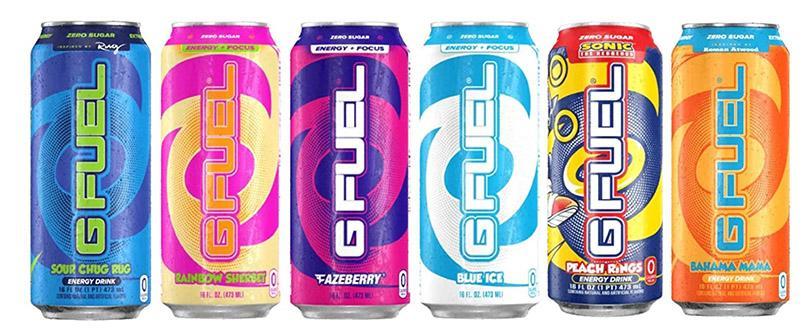
G Fuel is a brand of caffeinated drink mix sold by Gamma Labs, based in Hauppauge, New York. It is marketed as a supplement for gaming, designed to improve focus and reaction time. Originally released as a water-soluble caffeinated powder, it has since expanded its product line to include carbonated versions in cans and caffeine-free “hydration” flavors.
The brand leans hard into the gaming and esports culture, collaborating with game studios, film companies, and musicians. But in practice, the consumer base has grown well beyond that. Modern energy formulas are used by gamers, athletes, students, and professionals who need sustained focus and energy. If you have ever needed something to keep you sharp at a long work event or a late-night cookout, you have probably thought about reaching for one.
What sets G Fuel apart in a saturated market is its structure. Unlike cracking open a can of beer or uncorking a bottle of Pinot Noir, where the experience is mostly about flavor and relaxation, G Fuel is engineered with a very specific physiological goal: stimulation. Understanding what that means for your body, and how it stacks up against your usual drink of choice, starts with the caffeine numbers.
The Actual Caffeine Numbers in G Fuel
This is the core question, and it deserves a clear, format-by-format answer. G Fuel comes in several different formats, and the caffeine content varies significantly depending on which one you pick up.
G Fuel Powder (Tub or Single-Serve Packet)
Each G Fuel energy tub serving has 140 to 150 mg of caffeine, equivalent to a large cup of coffee. The powder is meant to be mixed into 12 to 16 fluid ounces of water, making one serving. This equates to roughly 8.75 mg of caffeine per fluid ounce.
For context, a standard 12-ounce domestic beer contains zero milligrams of caffeine. A 5-ounce glass of wine? Also zero. So a single serving of G Fuel powder is delivering a caffeine hit that the average beer drinker simply does not experience from their usual evening ritual.
G Fuel Cans (RTD, Ready-to-Drink)
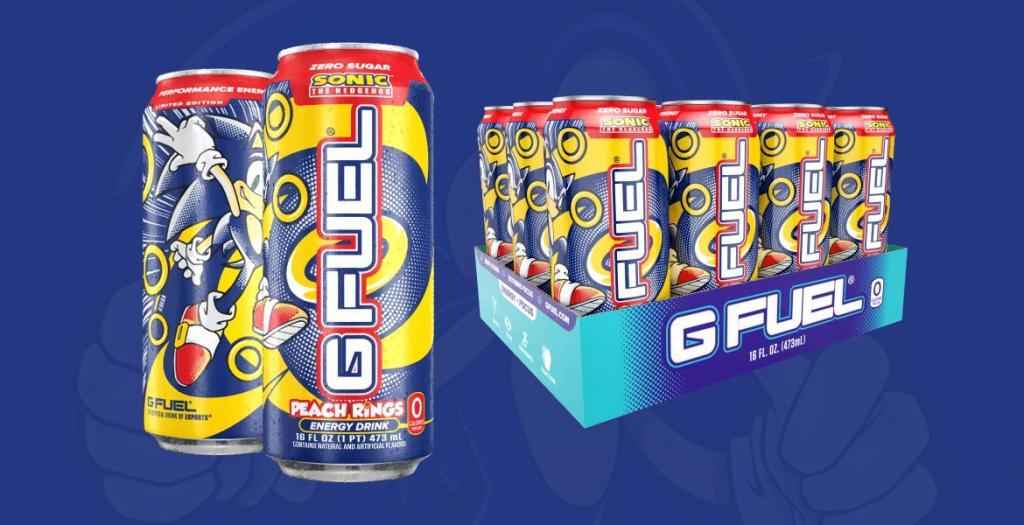
G Fuel cans contain 300 mg of caffeine in a 16 fl oz can, equating to 18.75 mg of caffeine per fluid ounce.
A 16-ounce can of G Fuel contains the equivalent of up to five cups of coffee per can. That is not a typo. If you are accustomed to pacing yourself through two or three craft beers over a few hours, the idea of consuming 300 mg of caffeine in one sitting represents an entirely different physiological experience.
Each 0-calorie G Fuel can contains 300 mg of caffeine, zero sugar, and zero calories, along with proprietary energy and focus-enhancing complexes.
G Fuel Hydration (Caffeine-Free)
For those who want the G Fuel experience without the stimulant, the Hydration line exists. G Fuel Hydration Formula is calorie-free, sugar-free, and caffeine-free, featuring the focus-enhancing amino acid L-Tyrosine, vitamins C, E, B12, and B6, and electrolytes to promote hydration. This is actually an interesting option for social drinkers who want something to sip at a party without adding caffeine to the mix.
Caffeine Comparison Table: G Fuel vs. Your Usual Drinks and Other Energy Brands
Numbers tell the story more clearly when they sit side by side. Here is how G Fuel compares to both common beverages and competing energy drinks:
| Drink | Serving Size | Caffeine | Sugar | Notes |
|---|---|---|---|---|
| G Fuel Powder | 7g scoop / 16 oz water | 140-150 mg | 0g | Customizable dose |
| G Fuel Can | 16 fl oz | 300 mg | 0g | High-strength RTD |
| G Fuel Hydration | 16 fl oz | 0 mg | 0g | Electrolyte, no stimulant |
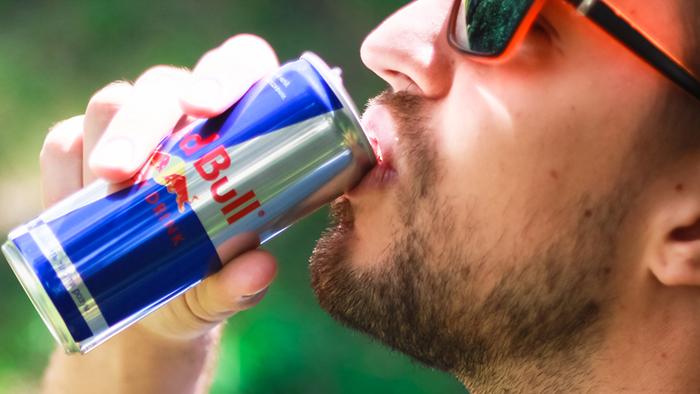
| Red Bull (8.4 oz) | 8.4 fl oz | 80 mg | ~27g | Classic, lower caffeine |
| Monster Energy | 16 fl oz | 160 mg | ~54g | High sugar content |
| Bang Energy | 16 fl oz | 300 mg | 0g | Matches G Fuel can |
| CELSIUS | 12 fl oz | 200 mg | 0g | Fitness-positioned |
| Standard Coffee | 8 fl oz | ~95 mg | 0g | Varies widely |
| Beer | 12 fl oz | 0 mg | Varies | No caffeine |
| Wine | 5 fl oz | 0 mg | Varies | No caffeine |
| Cocktail (standard) | 1.5 oz spirit | 0 mg | Varies | No caffeine |
The strongest mainstream canned energy drinks typically contain 300 mg per 16 oz, a category that includes Bang, Reign Total Body Fuel, and G Fuel cans.
The difference between a G Fuel can and a Monster is notable: Monster packs 160 mg of caffeine with 54 grams of sugar, while G Fuel hits 300 mg with zero sugar. Whether that makes G Fuel “better” is a conversation worth having in context.
What Is Actually Inside G Fuel (Beyond Caffeine)
Caffeine is the headline, but it is not the only active ingredient. If you are someone who reads labels on your craft beer or asks the sommelier about tannins, you probably want the same transparency for your energy drink.
Read More : Is Sprite Or 7up Better When Sick Updated 10/2026
G Fuel’s energy complex includes taurine, L-citrulline malate, caffeine (140 mg), glucuronolactone, and N-acetyl-L-carnitine HCl. Its focus complex includes L-tyrosine, N-acetyl-L-tyrosine, and adenosine-5 triphosphate disodium salt.
G Fuel is also fortified with B vitamins, specifically B6 and B12, which are crucial for energy metabolism and help convert the food you eat into usable energy. They also play a vital role in brain function and the production of neurotransmitters that regulate mood and concentration.
On the sweetener front, G Fuel products use FDA-approved sweeteners like sucralose and acesulfame potassium instead of sugar. This is what keeps the calorie count minimal and prevents the blood sugar spike that follows a standard Red Bull or a syrupy cocktail mixer.
One notable third-party take: a clinical trial published in the JMIR Research Protocols journal found that caffeine increased brain processing speed and alertness at a similar dose to that in G Fuel. However, researchers from the same analysis noted that some ingredients such as taurine, glucuronolactone, and caffeine in combination may cause negative changes to blood pressure and insulin sensitivity in young adults, based on a separate clinical trial published in the Journal of Nutrition.
The ingredients in G Fuel are not unique. Vitamins C, E, and the B-complex along with taurine, L-citrulline, caffeine, glucuronolactone, and L-carnitine are a common “energy blend” for many other energy supplements.
How Caffeine Works in Your Body: The Part Drinkers Often Miss
If you have ever nursed a cold beer on a hot afternoon and felt yourself relax into the couch, you understand how a substance can change your mental state. Caffeine does something almost the opposite.
Caffeine’s main job is to block adenosine, a neurotransmitter in the brain that makes you feel tired. By blocking adenosine, caffeine helps you feel more awake, alert, and focused. For gamers, this translates to faster reaction times and better decision-making during intense moments.
Timing matters more than most people realize. Caffeine absorption takes 15 to 45 minutes, peak levels occur 30 to 60 minutes after consumption, and the half-life is 3 to 5 hours, meaning half the caffeine remains in your system. Full elimination takes 8 to 10 hours. In practical terms, a G Fuel can consumed at 3 PM still has 150 mg of caffeine circulating in your bloodstream at 8 PM, and roughly 75 mg at midnight. If you are planning a relaxed wine-and-dinner evening, that math matters.
Effects from G Fuel start within 10 to 15 minutes and last between 4 to 6 hours, with no crash, according to the company.
The FDA Limit and Where G Fuel Falls
The FDA considers 400 mg of caffeine daily as safe for healthy adults in the United States, though there is no federal limit specifically for energy drinks.
With this in mind:
- One G Fuel powder serving (140-150 mg) puts you at about 35-37% of your daily FDA-recommended max.
- One G Fuel can (300 mg) takes you to 75% of your daily caffeine ceiling in a single sitting.
- Combining a G Fuel can with a morning cup of coffee (95 mg) already exceeds the 400 mg threshold.
G Fuel itself recommends limiting intake to two servings of their powder per day and avoiding consumption within 6 hours of bedtime. For canned products, they recommend no more than one can per day.
Individual sensitivity is not uniform. Tolerance varies based on body weight, genetics, how quickly a person metabolizes caffeine, age, medications, and health conditions such as heart issues or anxiety. If you have had the experience of one strong cocktail hitting harder than expected on an empty stomach, you already understand that context shapes the effect.
The Side Effects You Need to Know
Too much caffeine can cause a rise in blood pressure, and if you drink too much, it can cause headaches, anxiety, insomnia, nausea, and heart palpitations.
Up to 30% of regular caffeine users meet the criteria for caffeine dependence, and nearly two in five Americans report feeling addicted to caffeine. While the DSM-5 does not officially classify caffeine addiction as a disorder, the World Health Organization has recognized caffeine addiction as a clinical condition.
For people who regularly enjoy alcohol, there is an important physiological note: both caffeine and alcohol are diuretics. Both alcohol and caffeine make you urinate more frequently. When combined, the dehydration effect multiplies. If you are mixing a G Fuel with anything alcoholic, your hydration plan needs to be deliberate.
If you are caffeine sensitive, G Fuel recommends starting with their 140 mg caffeine option and consuming only half a serving initially, then monitoring your body’s response.
G Fuel and Alcohol: What the Science Actually Says
This is the section that matters most for drinkers. There is a reason the FDA stepped in on pre-mixed caffeinated alcoholic beverages over a decade ago.
In November 2010, the FDA found that it was not safe to add caffeine to alcoholic drinks, and these drinks no longer met legal safety standards. Even though companies no longer sell pre-mixed caffeinated alcoholic beverages, people still mix alcohol with energy drinks.
Why is this dangerous? Caffeine masks alcohol’s sedative effects. You feel alert and energized even though your blood alcohol level keeps climbing. Your reaction time, coordination, and judgment are still impaired. You just cannot feel it as much.
Read More : Can Drinking Green Tea Cause Diarrhea Updated 10/2026
When caffeine is used with alcohol, it does not reduce the effects of alcohol on your body. It might make you feel like you have more energy, or you might feel like the alcohol is affecting you less. This could lead you to drink more alcohol and become more impaired, which increases your health risks.
In a randomized trial, alcohol intoxication resulted in more variability in speed and lateral movement, increased crashes, and significantly impaired reaction times. Caffeine did not significantly alter alcohol-impaired driving or psychomotor vigilance performance. The alertness is illusory. Your cognition remains compromised.
Mixing caffeine with alcohol does not make you less drunk. What caffeine does is mask some of alcohol’s sedative effects, creating the dangerous illusion that you are more alert and capable than you actually are. The only thing that reduces blood alcohol levels is time.
For beer enthusiasts, wine lovers, and cocktail drinkers, this is critical information. If you are drinking socially in the evening and considering throwing a G Fuel can into the mix because you want to stay awake longer, the result is not a sharper version of you. It is a more reckless one who does not realize it.
G Fuel vs. The Alternatives: Who Should Actually Drink It?
G Fuel is not for everyone, and it was not designed to be. The brand’s own FAQ specifies that it is intended for individuals 18 and over, and the American Academy of Pediatrics discourages caffeine for children and adolescents. But for adults who consume caffeine regularly and want a sugar-free, low-calorie option, it fills a real niche.
G Fuel does not appear to be harmful for the average adult consuming the recommended daily serving. With zero sugar, it is a healthier alternative to sugar-loaded energy drinks. However, water remains the superior choice for basic hydration, and natural sources of caffeine like black coffee or green tea are generally considered healthier options.
For the adult who enjoys craft beer on weeknights but needs something stimulating for a long Sunday afternoon at a tailgate or a road trip, the G Fuel powder format (at 140-150 mg) offers a reasonable, clearly-labeled caffeine dose. It is not a mystery the way a four-shot espresso drink from a café can be.
Because users control the powder-to-water ratio, caffeine intake becomes more customizable, a feature increasingly valued by health-aware consumers.
Compare that to cracking open a can, where G Fuel RTD is recommended for healthy adults only, and no more than one can should be consumed daily.
Flavor, Format, and Practicality for Social Drinkers
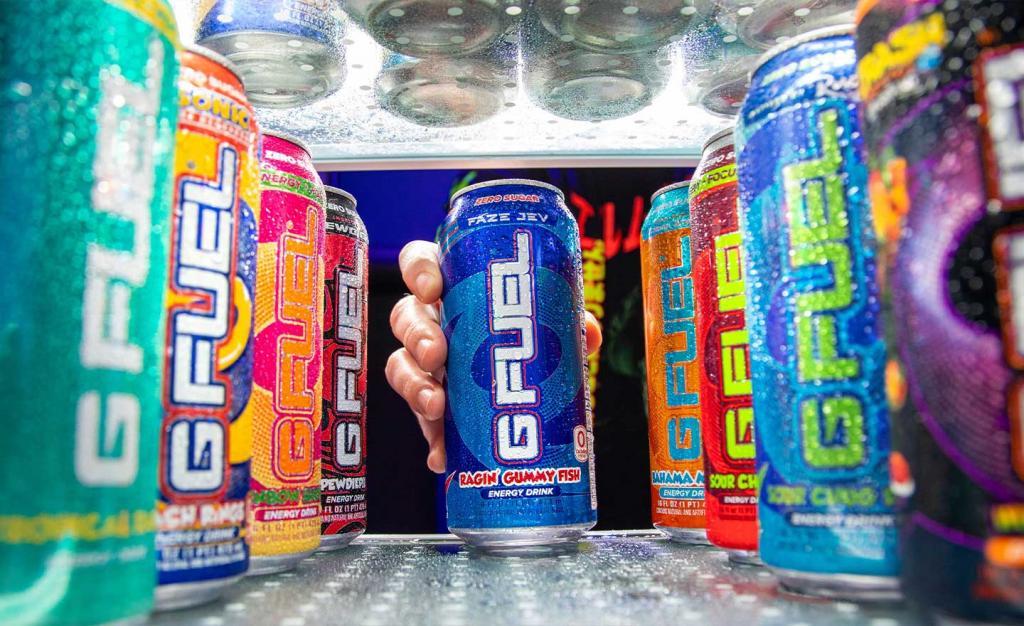
One underrated aspect of G Fuel for the cocktail or beer crowd is how the product actually functions in social settings. G Fuel is available in multiple flavors, typically fruit-based, such as lingonberry, fruit punch, green apple, and lemon lime, and it often collaborates with film production companies, game studios, and musicians to create custom promotional flavors.
The sheer variety makes it more interesting as a non-alcoholic alternative at parties or events than, say, a plain sparkling water. And with zero sugar and zero (or near-zero) calories, it will not interfere with a diet the way many cocktail mixers would.
G Fuel is available in 40-serving tubs, which cost around 89 cents per serving, and single-serving stick packs. Canned products range from $2.79 to $2.99. For comparison, most craft beers at a bar run $6-9. As a per-serving value, the powder format is genuinely economical for a daily caffeine source.
For people transitioning toward sober or sober-curious lifestyles, the variety of G Fuel flavors and the social energy the drink provides can serve a real purpose. G Fuel’s alcohol-free formula aligns with the needs of individuals adhering to sober living, religious dietary laws, or recovery programs. Alcohol-free alternatives are increasingly sought after in social and professional settings, and G Fuel fills this gap by providing a safe, energizing option for events, late-night work sessions, or gaming marathons.
Smart Consumption Strategies for Caffeine-Aware Adults
If you enjoy G Fuel but also want to keep your social drinking lifestyle intact and comfortable, a few practical guidelines can help you navigate both worlds without causing your nervous system to stage a protest.
Know your daily ceiling. With the FDA’s 400 mg daily limit in mind, map out your caffeine before you open anything. One morning coffee (95 mg) plus one G Fuel can (300 mg) already exceeds the limit before noon.
Separate your caffeine and alcohol windows. G Fuel itself recommends never consuming caffeine within 6 hours of planned sleep time. If you are having cocktails at 7 PM, a G Fuel can at 4 PM is poorly timed. Enjoy one or the other, not as a stack.
Start with the powder if you are new. Starting with half a scoop to assess tolerance, especially for first-time users or those sensitive to caffeine, and pairing it with a balanced meal can mitigate potential side effects like jitters or stomach discomfort.
Watch the dehydration factor. If you are at a backyard barbecue alternating between G Fuel and beer, every beverage in that lineup is a mild diuretic. Water needs to be part of your rotation. A good rule: one glass of water for every caffeinated or alcoholic drink you consume.
Caffeine cycling. One strategy to prevent tolerance buildup is using higher-caffeine options Monday through Wednesday, reducing to under 150 mg Thursday and Friday, and going caffeine-free or minimal on weekends. If craft beer is your weekend ritual, keeping Saturday and Sunday low-caffeine means caffeine is more effective when you do need it.
Conclusion
Think of G Fuel as a precision tool, not a party trick. The person who gets the most out of it is not the one who tosses a can into a vodka-soda or chugs one before last call. It is the person who understands exactly what 140 to 300 milligrams of caffeine does to their body, when to deploy it, and when to put it down in favor of something quieter: a cold beer on the porch, a glass of wine with dinner, or just water and time. The numbers are on the label. What you do with them is entirely yours to decide.
Sources: https://chesbrewco.com
Category: Drink