If you’ve ever stood in the aisle of an Asian grocery store, stared at a wall of brightly colored glass bottles, and thought, “What on earth do I pick?” then this guide was written for you. Ramune is one of the most fun, most confusing, and most rewarding beverage experiences you can have outside of your usual rotation of craft beers, weekend cocktails, or a glass of wine at dinner. And with somewhere around 57 documented flavors on the market at any given time, choosing the right one can feel less like picking a soda and more like navigating a tasting menu.
This isn’t a listicle. This is a real, honest, deeply curious look at the world of Ramune flavors: what they taste like, how they stack up against each other, which ones are actually worth your money, and which ones you should try at least once just so you have a story to tell. We’ll also get into how some of these flavors work surprisingly well as cocktail mixers, because if you’re someone who enjoys a well-made drink, Ramune has more to offer than you might expect.
You Are Watching: Which Ramune Flavor Is The Best? A Drinker’s Guide to Japan’s Most Iconic Soda Updated 10/2026
What Is Ramune and Why Should You Care?
Before diving into flavors, here’s the origin story in brief, because it’s genuinely interesting. Ramune is a carbonated soft drink served in a Codd-neck bottle. It was introduced in 1884 in Kobe by a Scottish pharmacist named Alexander Cameron Sim, and the name itself is simply the Japanese pronunciation of the English word “lemonade.”
The Codd-neck bottle was designed by Englishman Hiram Codd in 1872. This unique glass bottle uses the pressure from the carbonated drink to secure a glass marble against a rubber seal within the neck. The marble only opens with a firm press, maintaining the fizziness and freshness inside.
What makes Ramune culturally significant isn’t just the taste. In Japan, Ramune is a cultural touchstone which links generations. Loved by children and adults alike, it evokes strong feelings of childhood nostalgia and has even been described as Japan’s national drink.
For Americans who enjoy drinking, Ramune occupies a fascinating middle ground. It’s light enough to drink on its own between rounds, sweet enough to be satisfying, and carbonated just right. Ramune’s carbonation is typically less aggressively fizzy than a Coca-Cola or Pepsi. The bubbles are finer, creating a softer, smoother mouthfeel that many people find more pleasant and less “sharp.” Think of it as the sparkling water of sodas: refined enough to pair with food, interesting enough to drink on its own.
In the United States and Europe, Ramune is often experienced as an authentic Japanese beverage encounter, a conversation piece at parties and a favorite among food explorers. Today you can find it not just in Asian grocery stores but in 7-Elevens, conventional supermarkets, and even at movie theater concession stands.
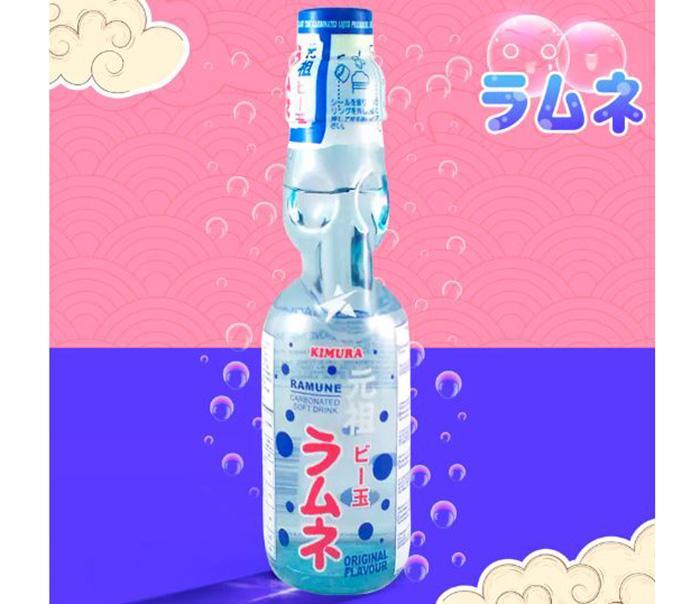
The Original Flavor: The One That Started It All
Let’s be clear upfront: if you haven’t tried Original Ramune, start there. Every other flavor exists in conversation with this one.
The “original” flavor is officially lemon-lime. However, if you’re expecting it to taste exactly like an American lemon-lime soda, you might be surprised. The initial taste is a bright, sweet citrusy burst, less sharp and tangy than a Western-style lemonade and more rounded. The mid-palate is where the magic happens: the lemon-lime notes blend with what can only be described as a “candy” or “bubblegum” flavor. And the finish is surprisingly clean, not overly syrupy, leaving a pleasant, refreshing sensation.
The word Ramune itself comes from the English word “lemonade.” During Japan’s early encounters with Western culture, “lemonade” entered the local lexicon and eventually became the iconic brand we know today.
The original Ramune flavor was ranked the best by Tasting Table, praised for its citrusy, tropical notes and balanced sweetness. Multiple independent taste tests across the internet consistently place the original at or near the top, which says a lot considering how many competitors it faces.
For beer drinkers specifically: the original Ramune has a crispness and effervescence that feels familiar. It’s clean-finishing, not overly sweet, and has that same refreshing quality you’d get from a cold lager on a hot afternoon. It works as a palate cleanser between spicy foods, pairs beautifully with sushi or ramen, and gives you that satisfying pop of carbonation without weighing you down.
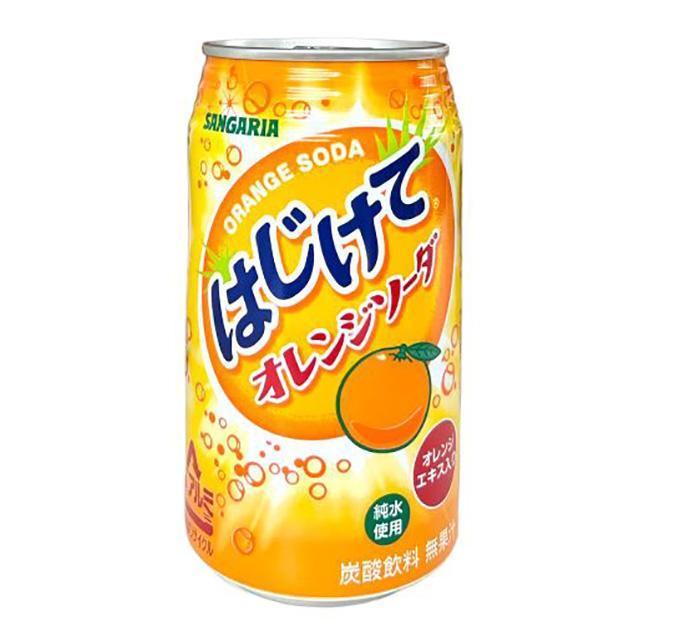
The Best Ramune Flavors, Honestly Ranked
Here is where opinions diverge sharply, and that’s what makes Ramune such a compelling drink category. The following flavors represent the best of what Ramune has to offer, based on multiple professional taste tests, community rankings, and flavor authenticity.
Original (Lemon-Lime)
As established above: this is the gold standard. If you want the classic, most authentic Ramune experience, grabbing the “Original” flavor is a must. It’s the taste that started it all, with a unique lemon-lime profile that some people say tastes just like bubblegum. It’s a perfect balance of sweet and crisp. It’s also the most universally available flavor, meaning you’ll rarely have trouble tracking it down.
Melon
Melon is a serious flavor in Japan, far beyond what the Western market might expect. Japan is big on melon-flavored things, and melon Ramune is bright green with a light, sweet melon flavor. Melon Ramune has all the traits of the quintessential melon soda: the vibrant green color and a sweet taste. But the fact that it comes in the iconic Ramune glass bottle with marble stopper is what makes for a unique drinking experience that elevates it to another level.
For cocktail fans, melon Ramune pairs beautifully with Midori and a splash of lime for a bright, tropical drink that practically builds itself.
Strawberry
Strawberry is one of the most widely available and widely debated Ramune flavors. Some reviewers find it candy-forward and reminiscent of Strawberry Mentos. Others, particularly those who grew up drinking it, find it nostalgic and deeply satisfying. Strawberry Ramune has a quality that can transport you back to summer childhood memories with just one sip.
As a cocktail mixer, strawberry Ramune genuinely shines. A combination of tequila, passion fruit, lime, and strawberry Ramune makes for a cocktail that is layered, bright, and impressive at a party. The sweetness of the soda balances the earthiness of tequila without overpowering it.
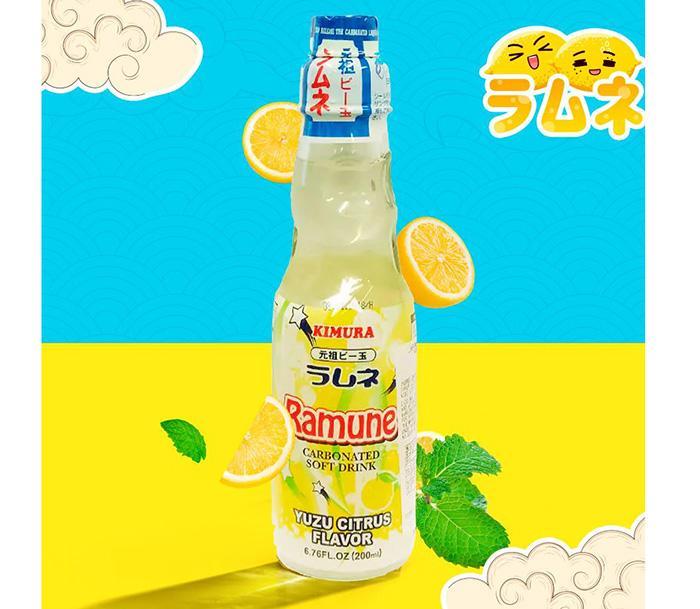
Yuzu
Read More : Which Gatorade Has No Dye Updated 10/2026
This is where things get interesting for the wine and cocktail crowd. Yuzu is a Japanese citrus fruit that tastes like a cross between lemon and grapefruit, fragrant, tart, and deeply aromatic. Yuzu-flavored Ramune is often considered the perfect pairing with sushi, as its bright acidity enhances the flavors of fresh seafood.
For those who enjoy dry white wine or citrus-forward cocktails, yuzu Ramune is the closest Ramune gets to a sophisticated palate. It’s not as sweet as the original, and it has a complexity that sets it apart from most other fruit sodas on the market. If you’re at a Japanese restaurant and debating what to drink with your omakase, a chilled yuzu Ramune is a genuinely excellent answer.
Lychee
Lychee is polarizing, which makes it worth discussing. Lychee Ramune has a sweet and somewhat tart taste that is refreshing, with a fruity flavor that shines quite nicely when consumed ice cold. If you’ve never tasted lychee, think of it as a sweet grape with a hint of bitter and earthy aftertaste, leaving you wanting more.
However, lychee Ramune can err toward blatant artificiality, appealing more to the fruit’s scent over its actual flavor in some brands. The key here is brand selection. Shirakiku and Sangaria tend to produce more balanced lychee flavors than some of the cheaper alternatives.
Green Apple
Green apple Ramune is one of the more underrated options in the lineup. Where many fruity Ramune flavors are very reminiscent of Jolly Ranchers, green apple leans toward a muted, realistic flavor. It’s tangy, sweet, and slightly tart, making it moreish in a way that more aggressively sweet flavors are not.
The tartness makes green apple Ramune a flavor that many people crave specifically. It also works exceptionally well as a mixer with vodka or gin, cutting through the spirit’s sharpness with citrus-adjacent tartness.
Sakura (Cherry Blossom)
For anyone with a taste for floral complexity, sakura Ramune is a revelation. The flavor profile of cherry blossom Ramune is a harmonious balance between floral subtlety and a hint of sweet elegance. Delicate floral notes intermingle with a nuanced sweetness, creating a sensory experience that is both captivating and serene.
Sakura flavor brings in the floral taste in a subtle and complex manner. Accompanied by the sweet aroma of cherry blossoms, it transports you right into a beautiful spring day. It’s a seasonal flavor, typically available in spring, which makes it feel like a genuine occasion when you can find it.
Bloody Grapefruit
One of the more daring flavors in the mainstream lineup, Bloody Grapefruit Ramune is exactly what a craft cocktail fan should be reaching for. It has a bitterness and acidity that most fruit sodas simply won’t go near, which means it pairs well with tonic water cocktails, aperitivo-style drinks, and anything where you’d normally reach for a grapefruit juice. Think Paloma territory, but in a fun bottle with a marble.
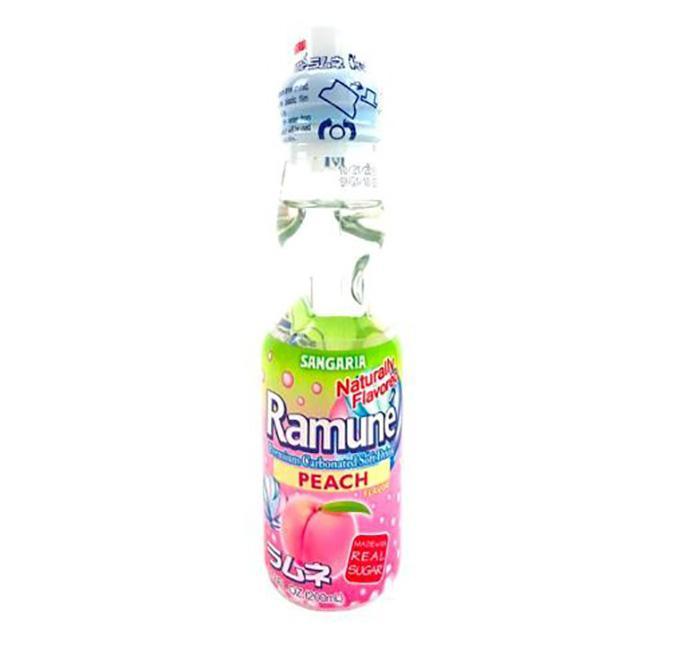
The Full Flavor Comparison Table
| Flavor | Taste Profile | Best For | Cocktail Pairing Potential |
|---|---|---|---|
| Original (Lemon-Lime) | Sweet, citrusy, bubblegum finish | First-timers, everyday drinking | Gin, vodka, sake |
| Melon | Light, sweet, candy melon | Food pairing, sweet cocktails | Midori, rum |
| Strawberry | Candy-sweet, nostalgic | Party drinks, summer sipping | Tequila, prosecco |
| Yuzu | Tart, citrusy, sophisticated | Wine lovers, sushi nights | Gin, sake, champagne |
| Green Apple | Tart, crisp, tangy | Palate cleansers, tartness seekers | Vodka, gin |
| Lychee | Floral, sweet, tropical | Aromatic cocktail fans | White rum, lychee vodka |
| Sakura | Floral, delicate, light | Special occasions, spring | Sake, elderflower liqueur |
| Bloody Grapefruit | Bitter, acidic, bold | Craft cocktail drinkers | Tequila, Campari |
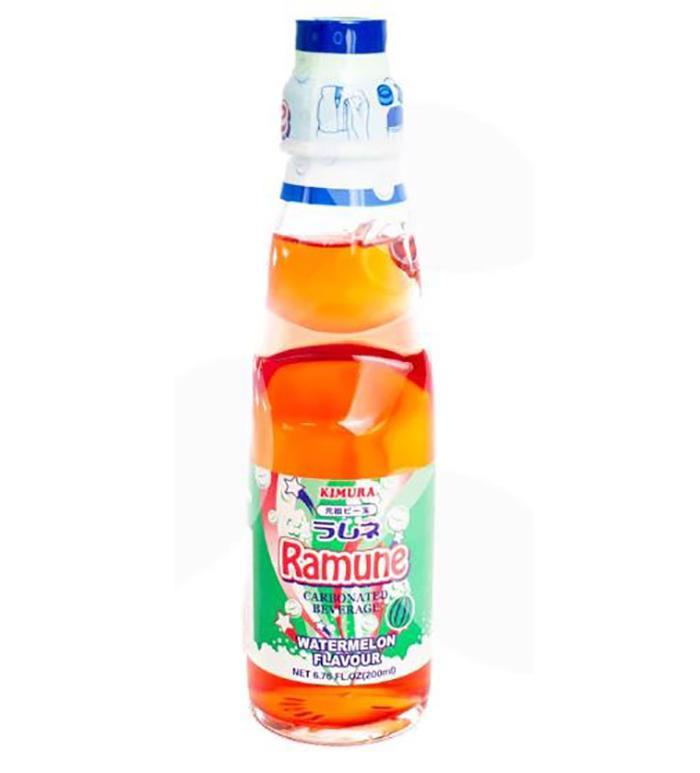
| Watermelon | Fresh, sweet, summery | Warm weather drinking | Vodka, aperol |
| Mango | Bright, tropical, sweet | Rum cocktails, tropical drinks | Rum, coconut vodka |
The Wild Side: Ramune’s Most Bizarre Flavors
Here’s where Ramune becomes a full-on conversation starter at any gathering.
Some of the wildest Ramune flavors ever produced include Curry Ramune, Takoyaki Ramune (based on octopus balls, a popular Japanese street food), Onion Ramune, and Eggplant Water Ramune.
The Takoyaki Ramune, for example, immediately delivers a shock of takoyaki sauce upon first sip. Takoyaki sauce is somewhat similar to BBQ sauce in other countries, and after a few sips, you actually begin to get into it.
The Curry Ramune has the mildest smell of the savory bunch. After tasting it carefully, reviewers describe it as more like the regular lemon-lime flavor of Ramune with just a hint of curry and a similar spicy aftertaste. So it’s not as terrifying as it sounds, more of a novelty than a disaster.
These bizarre flavors are often sold as limited-edition or novelty items. Trying one is a rite of passage for die-hard Ramune fans and a great story to tell your friends.
For the adventurous drinker: there’s something compelling about the idea of using a savory Ramune like curry or kimchi as a mixer. Kimchi Ramune in a Bloody Mary? That’s not a recipe you’ll find in a bar guide, but it’s absolutely the kind of thing that wins a bartending competition at a dinner party.
Ramune as a Cocktail Mixer: Underrated and Underused
This is where Ramune truly earns its place in a drinker’s toolkit.
You can use Ramune as a mixer in a cocktail or in a non-alcoholic punch, and it works remarkably well in both contexts. The key advantage Ramune has over standard soda mixers is flavor complexity. A plain lemon-lime soda gives you sweetness and fizz. Original Ramune gives you sweetness, fizz, and that distinctive bubblegum-citrus roundness that makes a cocktail feel like it came from somewhere specific, not just from a gun on a bar rail.
Here are some pairings that actually work well:
Original Ramune with Sake or Shochu
This is the most authentic pairing and the one most likely to impress Japanese food purists. Original Ramune’s lemon-lime sweetness cuts through the earthiness of shochu and softens sake’s dry finish. Pour over ice, combine in roughly a 2:1 ratio (Ramune to spirit), add a squeeze of fresh lime, and you have a drink that tastes like it was designed specifically for a summer festival.
Melon Ramune with Midori and Rum
A combination of Midori and Blue Curacao shaken over ice, topped with melon Ramune and a squeeze of lime, makes for a stunning summer cocktail. The melon Ramune amplifies the melon notes in the Midori while the carbonation keeps everything bright and refreshing. This is a crowd-pleaser at backyard parties.
Strawberry Ramune with Tequila and Passion Fruit
A cocktail featuring tequila, passion fruit, strawberry, lime, basil, and strawberry Ramune results in a drink that is bursting with fresh flavor and effervescence. The combination of passion fruit and basil perfectly complements the earthy and herbal side of tequila, while the Japanese strawberry soda takes the flavor combination to a whole new level.
Yuzu Ramune with Gin
If you enjoy a Gin and Tonic, you need to try replacing the tonic with yuzu Ramune at least once. The botanical notes in gin (particularly floral gins like Hendricks or St. George Terroir) find a natural partner in yuzu’s citrus complexity. Add ice, a strip of lemon peel, and pour confidently.
Lychee Ramune with Vodka and Coconut Water
Read More : Is Squirt A Pepsi Product Updated 10/2026
This is a low-ABV, tropical-adjacent drink that works beautifully in summer. The lychee provides floral sweetness, the coconut water grounds everything with a subtle earthiness, and the vodka brings it together without dominating. Serve over crushed ice for a drink that looks and tastes significantly more expensive than it is.
How to Actually Open a Ramune Bottle (Without Making a Mess)
This matters more than most guides acknowledge. Opening a Ramune bottle involves removing a plastic plunger from the cap, then pressing it firmly atop the marble so it drops with a fizzy, satisfying pop into the wider chamber below. The glass marble then rattles around as you drink, creating a signature sound.
The critical mistake first-timers make: pressing the marble while the bottle has been shaken or is warm. Always start with a cold, un-shaken bottle. Hold the bottle steady on a flat surface. Remove the plastic cap wrapper. Position the plunger directly on top of the marble and press firmly and quickly in one motion. Do not press gradually, as this will cause the carbonation to escape slowly and create a sticky mess. A fast, confident press lets the marble drop cleanly while most of the fizz stays in the bottle.
Once the marble is down, tilt the bottle to one of the two grooved notches on the neck. These notches are designed to catch the marble so it doesn’t roll back to block the opening while you drink.
Where to Find the Best Ramune in the U.S.
Availability has improved dramatically over the past several years. Ramune can now be found in most Asian supermarkets and ramen restaurants, as well as 7-Elevens, conventional grocery stores, and even movie theater concession stands.
For variety seekers: online retailers are your best resource. Websites like Asian Food Grocer often sell Ramune in multi-flavor variety packs, which are perfect for hosting your own taste test at home. Amazon also carries large variety packs from brands like Sangaria and Shirakiku, typically in 8-bottle or 12-bottle assortments.
For the freshest options and the widest selection: your local Asian grocery store will almost always outperform a mainstream supermarket. Korean supermarkets like H Mart typically carry a solid selection of 8 to 12 flavors, and Japanese specialty stores in larger cities may carry some of the rarer seasonal flavors.
The best Ramune brands available in the U.S. include:
- Sangaria: Known for clean, natural-tasting flavors. Their original flavor uses real sugar rather than corn syrup, which produces a noticeably smoother and less cloying finish.
- Shirakiku: Widely available and consistently good. Their yuzu flavor in particular is considered one of the most authentic available outside Japan.
- Hata Kosen: The Osaka-based company that produces the wild savory flavors (curry, takoyaki, kimchi). If you want the weird stuff, Hata is who makes it.
- Kimura Drinks: A heritage brand known for high-quality glass bottles and traditional flavors.
How Ramune Compares to Other Craft Sodas
For drinkers who already have opinions about craft sodas, here’s a brief orientation.
Ramune vs. Italian Sparkling Limonata: Italian limonata has more bite, more tartness, and less sweetness. Ramune is rounder and more candy-forward. Both are excellent cocktail mixers, but Ramune handles tequila better while limonata pairs more naturally with gin and Campari.
Ramune vs. Jones Soda: Jones Soda is dessert-level sweet with heavy artificial flavoring. Ramune, even at its most candy-forward, maintains a lightness and effervescence that Jones rarely achieves. Some rankings note that Ramune often uses a light touch, so even the sweetest options are rarely overwhelming, making them a great companion to a rich, savory meal.
Ramune vs. Mexican Jarritos: Jarritos leans more toward natural fruit flavors and a slightly thicker mouthfeel. Ramune is lighter and more effervescent. For cocktail mixing, both work well, but Ramune’s marble-bottle presentation gives it an unmatched social element: nobody talks about the Jarritos bottle. Everybody talks about the marble.
So, Which Ramune Flavor Actually Is the Best?
Here’s the answer that multiple professional taste tests and years of collective opinion agree on: Original Ramune is the best flavor for most people most of the time.
But “most people most of the time” isn’t why you’re reading this. You want to know which flavor is the best for you, and that depends on what you’re bringing to the experience.
If you’re a lager or pilsner drinker who values crispness and clean finishes, the original and green apple are your entry points. If you’re a craft beer drinker with a taste for complexity and unusual ingredients, green apple, yuzu, and bloody grapefruit will hold your interest. If you’re a cocktail person who mixes at home, strawberry and melon are your most versatile tools. If you’re a wine drinker who gravitates toward aromatics and floral notes, sakura and yuzu will make the most immediate sense to your palate.
And if you’re the kind of person who orders the weirdest thing on a menu just to see what happens: the curry Ramune is waiting for you.
The Real Reason Ramune Keeps Winning
Ramune has managed to overcome the test of time to become one of the most beloved drinks in Japan, and it’s not just about flavor. It’s about the ritual: the unwrapping, the push of the marble, the clink against the glass, and the first cold sip.
Flavor is part of the story. But the bottle is the other part, the part that turns a solo drink into a shared moment. In a world where most beverages are increasingly interchangeable, Ramune is one of the few types of soda that still uses the iconic Codd-neck bottle, representing a bridge between old and modern beverage-drinking cultures.
That’s not nothing. That’s, in fact, a lot.
Final Thought
There is something quietly radical about a drink that requires effort. You can’t just crack open a Ramune and mindlessly sip it. You have to engage with it, find the plunger, position it just right, commit to the push, and then listen for the pop. It demands your presence in a way that a can of beer or a twist-cap wine does not.
Maybe that’s why Ramune has survived 140 years, outlasted every trend, and found new fans in countries that didn’t even know it existed until recently. It’s not trying to be your everyday drink. It’s trying to be the drink you remember.
And when you find the right flavor, the one that matches exactly what you needed that particular afternoon on that particular summer day, you’ll understand why the Japanese have been reaching for that little glass bottle for generations.
The marble doesn’t just seal the drink. It seals the moment.
Sources: https://chesbrewco.com
Category: Drink