Is Hint Water Actually Good for You? The Honest Truth Every Beer, Wine, and Cocktail Drinker Needs to Know
If you enjoy cracking open a cold beer after work, sipping wine at dinner, or mixing cocktails on weekends, there’s a decent chance your hydration game could use some work. Alcohol is, by chemistry, a diuretic. It tells your kidneys to flush water faster than your body can replace it. The result is that familiar cotton-mouthed, headache-laden morning-after feeling that no one misses. That’s where Hint Water keeps showing up in conversations. It’s on grocery store shelves, in gyms, and in offices across America, positioned as the clean, flavorful alternative to plain water. But is Hint Water actually good for you? And does it make a meaningful difference for people who regularly enjoy a drink or two? Let’s get into the science, the controversy, and the honest verdict.
What Is Hint Water, and Where Did It Come From?
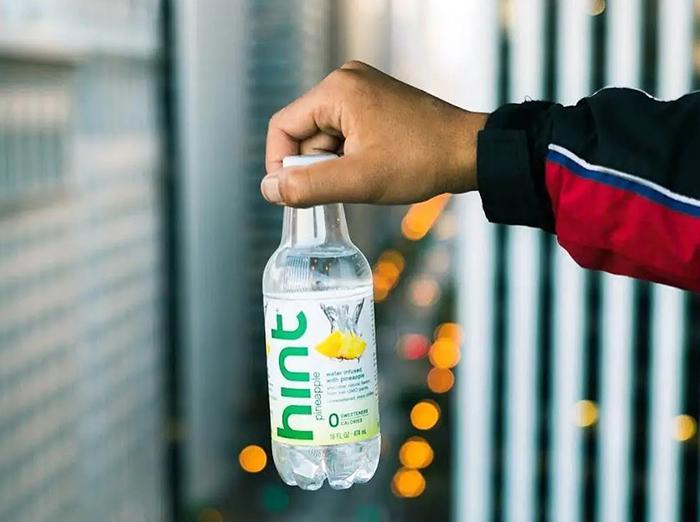
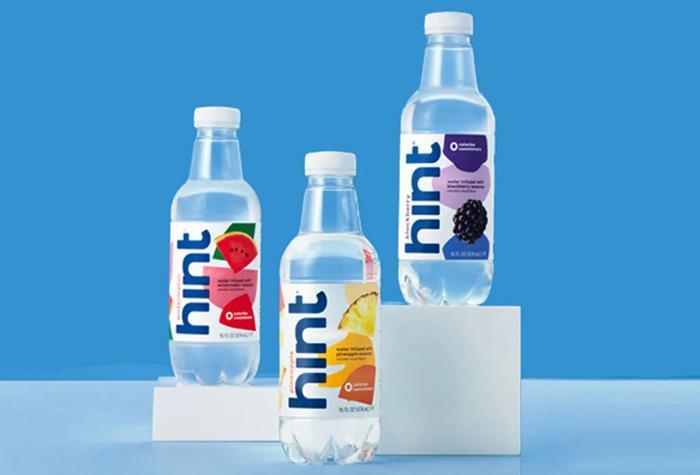
Hint Water is a fruit-infused, flavored water brand founded in 2005 by Kara Goldin, a former AOL executive who was looking for a way to cut sugary sodas out of her diet without sacrificing flavor. The concept was deceptively simple: take purified water, infuse it with the essence of real fruit, and leave everything else out. No sugar, no calories, no artificial sweeteners, no preservatives.
The name itself is deliberate. Hint doesn’t taste like fruit juice. It tastes like water that remembered being near fruit. That subtlety is by design, and it’s what separates Hint from the heavily sweetened flavored waters that dominated store shelves for years.
Today, Hint offers more than 25 flavors across multiple product lines, including:
- Hint Still: The original, non-carbonated flavored water
- Hint Sparkling: Carbonated version with the same clean ingredients
- Hint Kick: Still water with 60mg of caffeine added, derived from coffee beans
- Hint Kids: Lower-intensity flavors marketed for children
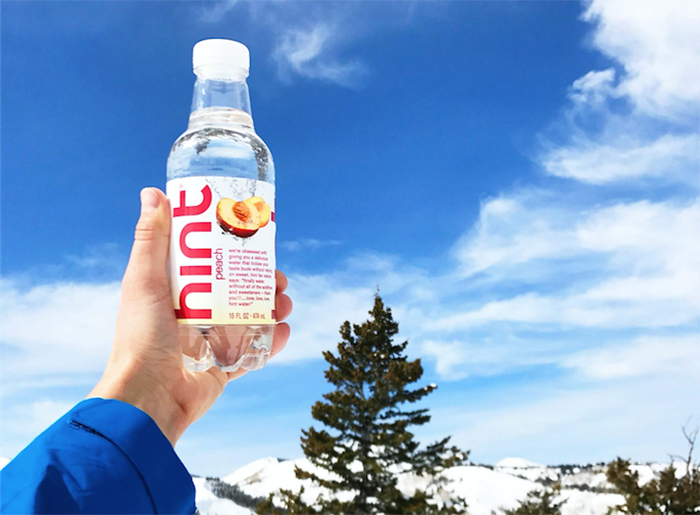
Popular flavors include watermelon, blackberry, strawberry watermelon, pineapple peach, cherry blackberry, grapefruit, and coconut. The water itself is processed through reverse osmosis and UV light treatment before natural fruit essences are added, creating a product that claims to be as pure as it is flavorful.
The Nutrition Facts: What’s Actually Inside a Bottle
This is where Hint Water earns its strongest marks. The nutritional profile is about as clean as a bottled beverage gets.
| Nutrient | Amount per 16 oz serving |
|---|---|
| Calories | 0 |
| Total Fat | 0g |
| Sodium | 0mg |
| Total Carbohydrates | 0g |
| Total Sugars | 0g |
| Protein | 0g |
| Artificial Sweeteners | None |
| Preservatives | None |
| Caffeine (still/sparkling) | 0mg |
According to the brand and confirmed by registered dietitians who have reviewed the product, Hint Water contains only two ingredients: purified water and natural flavors. There are no artificial colors, no MSG, no gluten, no soy, and no nuts. The bottles are BPA-free, addressing one of the most common concerns among health-conscious consumers.
For comparison, a 16 oz can of regular soda contains roughly 180-200 calories and 44-52 grams of sugar. Even popular “diet” flavored waters often contain artificial sweeteners like sucralose or acesulfame potassium. Hint avoids all of it. The brand is also certified Non-GMO by NSF, vegan, gluten-free, kosher, and Whole30-approved.
Is Hint Water Actually Healthy? What Dietitians Say
Registered dietitians who have reviewed Hint Water are broadly positive, with one important caveat: the health benefits of Hint Water are the health benefits of drinking water. The fruit flavoring itself doesn’t contribute meaningful vitamins, minerals, or antioxidants. What it does contribute is motivation.
According to the Harvard T.H. Chan School of Public Health, proper hydration is essential for regulating body temperature, keeping joints lubricated, delivering nutrients to cells, and ensuring organs function optimally. If the flavor of Hint Water makes someone more likely to reach for it instead of a soda or sugary juice, then the net health outcome is genuinely positive.
The product earns an A- rating from the consumer health grading platform IsItBadForYou.com, which notes that as a flavored alternative to encourage fluid intake with few drawbacks, it performs well. The site notes that plain or mineral water may be preferable for those seeking the purest hydration, but that Hint Water represents a strong choice for those who struggle to drink enough plain water.
For beer, wine, and cocktail drinkers specifically, here’s what matters: alcohol is a diuretic. It suppresses vasopressin, the antidiuretic hormone, causing your kidneys to release more water than they retain. This is why frequent bathroom trips follow that third cocktail. The body loses fluids faster than it takes them in, which contributes to dehydration, electrolyte imbalance, and the morning-after symptoms that accompany a night of drinking. Having a palatable, zero-calorie water option that you actually want to drink, both during a night out and the next morning, is meaningfully useful.
The “Natural Flavors” Question and the Propylene Glycol Controversy
Here’s where things get more complicated, and any honest review of Hint Water has to address it directly.
In January 2017, a class-action lawsuit was filed against Hint Inc. in California by plaintiff Lisa Kim Madrigal. The suit alleged that Hint Water contained propylene glycol, a synthetic substance, while marketing the product as “all-natural.” Independent lab testing of the product had detected the presence of propylene glycol in the water.
Propylene glycol is an FDA-approved substance used widely across food, pharmaceuticals, and cosmetics. It functions as a solvent in “natural flavors,” and legally, because it operates as an “incidental additive” at trace levels with no functional effect in the final product, it does not need to be declared on the ingredient label. The FDA defines “natural flavors” broadly, allowing certain processed solvents to be part of the flavoring compound as long as the primary flavoring function is derived from natural sources.
Hint firmly defended itself. The brand’s COO Theo Goldin described the case as a “shakedown lawsuit” and stated the company intended to fight it. Industry food law attorneys noted that because the FDA itself had not clearly defined “all-natural” as a term at the time (and still hasn’t, fully), the case faced significant hurdles.
What does this mean for the average consumer? A few things worth keeping in mind:
Read More : When Did Gatorade Stop Using Glass Bottles Deep Research Updated 10/2026
Propylene glycol is generally considered safe at the trace levels typically found in food and beverage flavorings. There is no established evidence of harm at these levels for healthy adults. The amount found in a flavored water product is not the same as industrial-grade propylene glycol used in antifreeze. That association is one of the more misleading talking points in the conversation around this ingredient.
That said, for consumers who want absolute ingredient transparency, the vague labeling of “natural flavors” is a legitimate frustration. As a 2017 medical review summarized, natural flavors “can contain both artificial and synthetic chemicals often used as processing aids,” making it difficult to do a thorough safety assessment without knowing the specific compounds used.
The bottom line: this is not a reason to fear Hint Water, but it is a reason to understand that “natural” is a marketing term, not a certified standard.
Hint Water and Dental Health: A Real Concern Worth Knowing
If you drink several bottles of Hint Water daily, this is the section you should read carefully.
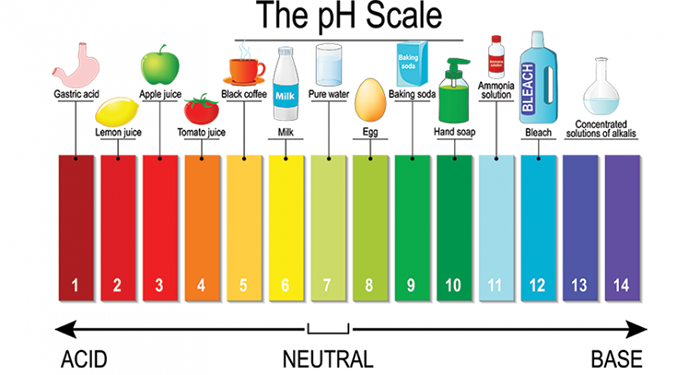
Flavored waters, including Hint, have a lower pH than plain water. A report published in the Journal of the American Dental Association found Hint Water to have a pH between 3.5 and 4.0, while regular tap water sits at a neutral pH of 6 to 8. Anything with a pH below 4 is considered a potential threat to dental enamel by dentists who monitor beverage-related erosion.
Tooth enamel is the hardest substance in the human body, but once eroded, it does not regenerate. Prolonged exposure to acidic beverages can lead to sensitivity, discoloration, and increased cavity risk. This is not unique to Hint Water. LaCroix, Spindrift, Sparkling Ice, and many other flavored waters fall in a similar or lower pH range.
For context, here’s how Hint compares to other common beverages:
| Beverage | Approximate pH | Erosion Risk |
|---|---|---|
| Plain tap water | 6.0 – 8.0 | None |
| Plain sparkling water | ~5.0 | Minimal |
| Hint Water (still) | 3.5 – 4.0 | Moderate with heavy use |
| Beer (average lager) | 3.9 – 4.5 | Moderate |
| Wine (red/white) | 3.0 – 3.5 | High |
| Coca-Cola | 2.4 – 2.7 | Very High |
| Orange juice | 3.3 – 4.0 | High |
It’s worth noting that for people who already drink wine regularly (pH 3.0 to 3.5), Hint Water is not meaningfully more acidic. The difference is that most wine drinkers consume two to five glasses, while someone might drink three or four Hint Waters throughout a day. Volume and frequency are what drive dental erosion risk, not occasional consumption.
Practical tips for minimizing any dental risk: drink Hint Water with meals rather than sipping it slowly over hours, use a straw when possible to limit contact with enamel, rinse your mouth with plain water afterward, and wait at least 30 minutes before brushing, since acid temporarily softens enamel and brushing immediately causes additional wear.
Does Hint Water Actually Help with Hydration After Drinking Alcohol?
This is one of the most practically relevant questions for anyone who enjoys a night out with beer or cocktails. The short, science-backed answer is: yes and no, and the “yes” matters more than it might seem.
Research published in the journal Alcohol in 2024 reviewed 13 previous studies and concluded that hangover and dehydration are two co-occurring but independent consequences of alcohol consumption. In other words, drinking water is not a hangover cure. The headaches, nausea, and fatigue of a hangover involve inflammation and immune system activation that water cannot directly address.
However, this does not mean hydration is useless. Studies confirm that dehydration symptoms, specifically dry mouth, dizziness, and thirst, are genuinely relieved by water consumption. Furthermore, a dietitian at Cedars-Sinai noted that hormones associated with dehydration, including vasopressin, aldosterone, and renin, are elevated in people who have hangovers, and drinking water may help normalize these levels and reduce their contribution to how terrible you feel.
Research from Breweries in PA also notes that even hydrated drinkers report less severe headaches and reduced fatigue the morning after compared to those who consumed no water. The distinction is that water doesn’t eliminate the hangover. It just makes the dehydration component of it less brutal.
Where Hint Water earns its place in this context is simple: people are more likely to actually drink it. If a cold blackberry Hint Water is more appealing than plain water at 2am after a few drinks, and that means the person drinks 16 extra ounces of fluid, the net benefit is real. Hydration without calories, without sugar, without artificial sweeteners, and without the need to force yourself to drink something flavorless. That’s a meaningful advantage.
Hint Water vs. The Competition: How It Stacks Up
Not all flavored waters are created equal. Here’s an honest comparison of Hint against some of the most popular alternatives on the market.
| Brand | Calories | Sugar | Artificial Sweeteners | Natural Flavors | BPA-Free Packaging |
|---|---|---|---|---|---|
| Hint Water | 0 | 0g | No | Yes | Yes |
| LaCroix | 0 | 0g | No | Yes | Yes |
| Sparkling Ice | 0-5 | 0g | Yes (sucralose) | Yes | Yes |
| Crystal Light | 5 | 0g | Yes (aspartame/ace-K) | Some flavors | Varies |
| Vitamin Water Zero | 0 | 0g | Yes (erythritol) | Yes | Yes |
| Smartwater | 0 | 0g | No | No flavoring | Yes |
| Liquid Death (still) | 0 | 0g | No | No flavoring | Aluminum cans |
Hint’s clearest advantage over competitors like Sparkling Ice, Crystal Light, and Vitamin Water Zero is the complete absence of artificial sweeteners. Sweeteners like sucralose and aspartame have been associated in some studies with changes to gut microbiota, though research is ongoing and results are not conclusive. Erythritol, used in some zero-calorie drinks, has faced scrutiny regarding potential links to cardiovascular risk, according to a 2023 study published in Nature Medicine.
Compared to LaCroix, the most direct competitor, Hint offers both still and sparkling options. LaCroix is primarily sparkling. Hint’s flavor is slightly more pronounced than LaCroix’s, which many drinkers find more satisfying over long drinking sessions.
Liquid Death’s aluminum cans are considered the most environmentally friendly packaging option, a point Illuminate Labs raised in their review. Hint’s plastic bottles, while BPA-free, are still single-use plastic. This is a legitimate environmental consideration for eco-conscious consumers.
Hint Water as a Mixer: The Angle Most People Miss
Here’s something that almost no one talks about: Hint Water is actually a useful tool for the home bartender or mindful drinker.
For those who enjoy cocktails but want to reduce their alcohol intake on a given night, Hint Sparkling in flavors like grapefruit, watermelon, or pineapple can serve as a sparkling water base for light, low-alcohol spritzes. A half measure of vodka or tequila topped with Hint Sparkling grapefruit creates a drink that feels like a real cocktail without the full calorie or alcohol load of a standard pour.
Hint Water is also popular as a between-drink option for people trying to pace themselves. The strategy of alternating each alcoholic drink with a glass of water is widely recommended by dietitians as an effective way to slow overall consumption, even if it doesn’t directly prevent hangovers. The problem is that plain water loses its appeal by the third or fourth glass of the evening. A cold, fruit-flavored Hint Water is a much easier sell on a social occasion.
Read More : Short Term Prednisone And Alcohol Updated 10/2026
For wine drinkers, Hint Still in cucumber or peach flavors pairs particularly well as a palate cleanser between glasses, especially at tastings or dinner parties where multiple wines are being served.
The Weight Loss Angle: Relevant for Drinkers Who Are Watching Calories
Alcohol carries calories. A standard 5 oz glass of wine averages around 120-130 calories. A 12 oz craft beer can run from 150 to 300 calories. A cocktail with a sugary mixer can easily exceed 300-400 calories per drink. For people who are mindful about caloric intake, the beverages surrounding their alcohol consumption matter.
Replacing sugary sodas, juices, or sweetened mixers with zero-calorie Hint Water is a genuinely effective calorie-reduction strategy. Research consistently shows that drinking water before and between meals reduces overall calorie intake by increasing feelings of fullness. For people who use alcohol-adjacent beverages (tonic water, fruit juices, sodas) as mixers or chasers, switching to Hint Water can shave meaningful calories from a social night out without sacrificing flavor or enjoyment.
Hint Water is also Whole30-approved and keto-compatible, making it a natural fit for people following those dietary frameworks who still want to enjoy the social aspect of drinking in moderation.
Practical Considerations: Price, Availability, and Daily Use
Hint Water is not cheap. A 12-pack of 16 oz bottles typically runs $24 to $32, depending on where you buy it, translating to roughly $2 to $2.70 per bottle. For comparison, LaCroix 12-packs often run $5 to $8 at grocery stores.
This price point makes Hint Water a supplement to plain water rather than a complete replacement, as registered dietitians point out. Using it strategically, as a treat, as a between-drink option on nights you’re having cocktails, or as a morning-after recovery beverage, is the most cost-effective approach.
Availability is strong. Hint Water is sold at Whole Foods, Kroger, Target, Walmart, and most major grocery chains, as well as on Amazon with subscription pricing. The brand also offers a direct-to-consumer “Club Hint” subscription service that reduces per-unit costs.
From a daily use standpoint, there’s no reason a healthy adult can’t drink Hint Water every day. The caveats are: don’t abandon plain water entirely, be mindful of dental hygiene if you’re drinking multiple bottles daily, and don’t rely on it as an electrolyte replacement after heavy physical activity or heavy drinking, since it contains no sodium, potassium, or magnesium.
Who Should and Shouldn’t Drink Hint Water
Hint Water is a strong choice for:
People who struggle to drink enough plain water due to taste preference. Those looking to replace sodas, diet sodas, or sugary juices. Beer, wine, and cocktail drinkers who want a palatable zero-calorie option before, during, or after drinking. People on low-sugar, keto, Whole30, or vegan diets. Anyone who wants a clean ingredient list with no artificial sweeteners or preservatives.
Hint Water requires caution for:
People with rare sensitivities to natural fruit flavors, who may experience mild bloating or digestive discomfort. Those with severe dental erosion issues who should limit acidic beverages of all kinds and consult a dentist. Anyone who expects it to function as an electrolyte replacement after intense exercise or heavy alcohol consumption (it won’t). Budget-conscious consumers who can’t justify the price as a daily driver.
The Verdict: Is Hint Water Good?
Yes, Hint Water is good, with clear-eyed understanding of what it is and what it isn’t.
It is genuinely one of the cleanest commercially available flavored beverages on the American market. It contains no sugar, no artificial sweeteners, no calories, no artificial colors, and no preservatives. For the millions of Americans who enjoy beer, cocktails, or wine as part of their social lives, and who want a smarter, more flavorful way to stay hydrated around those occasions, Hint Water delivers exactly what it promises.
It is not a health supplement. It won’t cure your hangover, add electrolytes to your system, or provide any vitamins. The propylene glycol in its natural flavors is trace-level and FDA-approved, but the “all-natural” marketing claim it generated a lawsuit around is worth being skeptical of. And if you’re drinking five bottles a day, your dentist may eventually raise an eyebrow.
The real value Hint Water provides is behavioral. It makes drinking water more appealing. In a country where a recent Gallup poll found that 54% of Americans still consume alcohol regularly, and where studies show most drinkers are not adequately compensating for alcohol’s dehydrating effects, a product that genuinely makes you want to drink more water is worth something.
A Note on Drinking Culture and Hydration in America
Gallup’s most recent data (as of 2025) shows that 54% of American adults report drinking alcohol, a historic low that reflects growing health awareness and changing attitudes toward consumption. Among drinkers, beer remains the most popular choice at roughly 39%, followed by wine at 31% and liquor at 27%. Men are twice as likely as women to prefer beer, while women are three times more likely to favor wine.
Despite declining rates overall, those who drink are still consuming an average of 2.8 drinks per week. More interestingly, research from YouGov found that one-third of Americans say they reduced their alcohol consumption in 2024, with financial constraints and health concerns driving the change. This cultural shift toward mindful drinking is exactly the environment in which a product like Hint Water thrives.
The sober-curious movement, Dry January participation, low-ABV cocktail trends, and increased interest in mocktail culture are all pointing toward a consumer base that wants to enjoy social drinking occasions without going all-in on alcohol every time. Hint Water, and similar clean-label beverages, fit naturally into that lifestyle.
Conclusion
There’s a certain honesty to a beverage that doesn’t try to be something it isn’t. Hint Water won’t give you wings, won’t detoxify your liver, and won’t erase the consequences of splitting a bottle of Barolo at dinner. What it will do is sit there in your fridge, tasting like a quiet afternoon near a peach tree, waiting to be opened when the occasion calls for something that isn’t water, but also isn’t anything complicated.
For the American drinker navigating a social life built around craft beer, weekend cocktails, and the occasional bottle of wine, that actually covers a lot of ground. The healthiest choice isn’t always the most dramatic one. Sometimes it’s just the cold bottle you actually want to reach for.
Sources: https://chesbrewco.com
Category: Drink