If you’ve been tailgating outside Mercedes-Benz Stadium in Atlanta for years, waiting for the moment you could walk inside and grab a cold beer from a concession stand like a normal human being, that moment has finally arrived. Alcohol sales at the SEC Championship went through a major transformation in 2024, and what happened, why it took so long, and what you can actually order inside that spectacular stadium is a story worth telling in full.
Whether you’re a die-hard Georgia Bulldogs fan, a loyal Alabama supporter, or just someone who loves the spectacle of college football’s biggest regular-season title game with a craft beer in hand, this guide breaks down everything you need to know about drinking at the SEC Championship, from the political history of the policy to the price of a pint.
You Are Watching: Alcohol Sales At Sec Championship Updated 10/2026
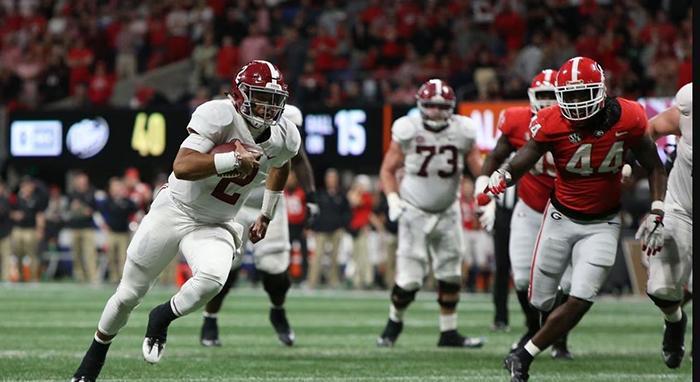
The Big Moment: 2024 SEC Championship Finally Opens the Taps
For years, fans arriving at Mercedes-Benz Stadium for the SEC Championship Game were greeted with one of the most disheartening sights in all of sports: padlocked beer coolers. Not a metaphor. Actual physical locks on the refrigerators. It became almost a meme among SEC faithful.
In December 2023, fans at the SEC Championship Game in Atlanta found signs informing them that alcohol would not be served to general admission attendees, with photos circulating online showing beer and alcohol coolers secured with padlocks. One fan pointedly noted a sign advertising $2 beer at the Sun Belt Championship Game happening the same weekend, which made the SEC’s restrictive policy look even more out of step.
Then came the announcement that changed everything.
In November 2024, Mercedes-Benz Stadium confirmed it would allow alcohol sales to the general public at the SEC Championship Game for the first time. Previously, alcohol was only available in premium seating areas such as club-level seats or suites. The original ban on alcohol sales had been put in place by the SEC to “preserve a family-friendly atmosphere.”
The reaction from fans was immediate and enthusiastic. After years of watching other venues, other conferences, and even lesser-profile events freely pour drinks to paying adults, the SEC Championship was finally catching up to the modern era of college sports.
A Brief History of the SEC’s Complicated Relationship With Alcohol
To understand why this moment was such a big deal, you have to understand the cultural and institutional context of the SEC’s long resistance to alcohol sales.
The 2019 Policy Shift That Started It All
The SEC revised its alcohol policy in 2019 to allow each institution in the conference to determine whether to sell alcoholic beverages in its athletic venues, subject to certain conference-wide alcohol management expectations.
That was the watershed moment. But the SEC’s approach was deliberately cautious, leaving each school to decide for itself. As SEC Commissioner Greg Sankey explained at the time: “Our policy governing alcohol sales has been a source of considerable discussion and respectful debate among our member universities in recent years. As a conference, we have been observant of trends in the sale and consumption of alcohol at collegiate sporting events and have drawn upon the experiences and insights of our member schools.”
Several member schools immediately worked to add alcohol sales to football concessions after the conference made its decision. Arkansas, LSU, Missouri, Tennessee, Texas A&M, and Vanderbilt all sold beer and wine within three months of getting the green light. Others, however, held out, citing tradition, culture, and in some cases, genuine ideological commitment to keeping their venues dry.
The Bible Belt Factor
The SEC is not just a football conference. It’s a cultural institution deeply embedded in the American South, and the South has a complicated history with alcohol. Several SEC schools, located deep in the South and the Bible Belt, had cultural and societal pressures pushing against alcohol sales, and Florida’s athletic director noted that “there are a lot of societal pressures in the south.”
This is why some powerhouse programs with massive revenue streams, like Alabama, didn’t feel the financial urgency to add alcohol sales right away. Alabama, for example, made a profit of $48.2 million from football in 2018 on revenue of $111.1 million , meaning they had less immediate need to chase the added concession revenue that alcohol would bring.
Alabama eventually did make the move. The Tuscaloosa City Council voted 6 to 1 to approve the sale of beer and wine inside Bryant-Denny Stadium, with the University of Alabama becoming the tenth SEC school to sell alcohol at games since the practice was approved by the SEC in 2019. The policy did come with one important carve-out: alcohol sales remain prohibited in the student section.
Georgia and Auburn: The Last Holdouts
UGA and Auburn were the last two SEC schools to serve alcohol to the general public, and 2024 marked the first season that Georgia sold alcohol to the general public inside Sanford Stadium. The SEC has allowed schools to sell alcohol to the general public since 2019, and all 16 SEC schools now serve alcohol to the general public.
The fact that all 16 schools finally aligned before the 2024 SEC Championship is what made opening the taps at Mercedes-Benz Stadium possible and politically feasible.
What You Can Actually Order at the SEC Championship
Here’s where things get practical for the fans who want to plan their gameday experience.
Beer and Wine Only, Per Conference Rules
Under the SEC’s policy, any sales of alcoholic beverages in public seating areas are limited to beer and wine, and each institution that chooses to sell alcohol is required to implement a server training program for staff.
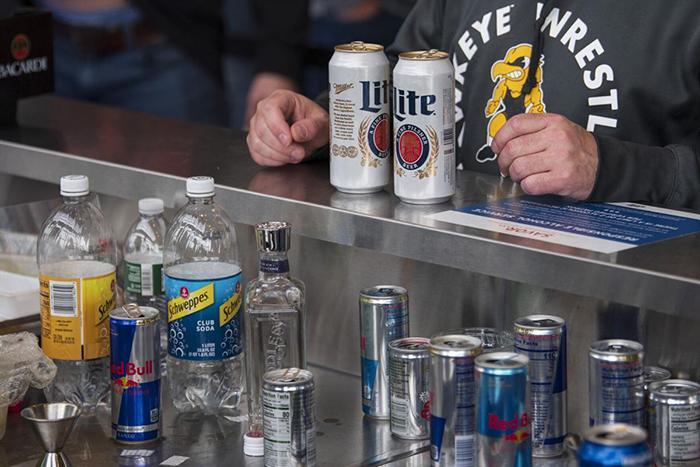
So don’t walk up to a concession stand expecting a cocktail menu or a full spirits selection. The SEC Conference guidelines are explicit: beer and wine are the products of the public concessions. If you want something with a little more kick, the premium clubs and suites at Mercedes-Benz Stadium offer a wider selection, but you’ll need the right ticket.
Mercedes-Benz Stadium’s Legendary “Fan-First” Pricing
Here’s where the SEC Championship experience becomes genuinely impressive compared to other major sports events. Mercedes-Benz Stadium has become famous across the sporting world for its “fan-first” pricing philosophy, and it applies to alcohol too.
A large premium draft beer at Mercedes-Benz Stadium costs $10.50, and a large domestic draft beer is $8.50. These are not typos. While other venues across the country charge $12, $14, or even $17 for a beer, Atlanta’s showpiece stadium has maintained a pricing structure that treats fans like adults who deserve a fair deal.
The stadium’s “fan-first” menu also includes domestic beer at just $5 for select options, along with soft drinks for $2 with unlimited free refills at self-serve stations, hot dogs and pretzels at $2, and pizza slices, nachos, and waffle fries for $3. When you compare that against the rest of the stadium concession landscape in America, it’s remarkable.
Read More : Is Body Armor Drink Bad For You Updated 10/2026
For context, here’s how SEC Championship pricing at Mercedes-Benz Stadium compares to what fans experienced at the 2025 SEC Basketball Tournament in Nashville:
| Item | Mercedes-Benz Stadium (SEC Football) | Bridgestone Arena (SEC Basketball 2025) |
|---|---|---|
| Standard Draft Beer | $8.50 (large domestic) | $14.50 (16oz premium can) |
| Premium Draft Beer | $10.50 | $17.50 (large premium) |
| Soft Drink | $2 (unlimited refills) | Not publicly reported |
| Hot Dog | $2 | Not publicly reported |
At the 2025 SEC Basketball Tournament at Bridgestone Arena in Nashville, fans quickly discovered the prices upon arrival: $14.50 for a 16oz premium draft can and $17.50 for a large premium draft beer or seltzer. Fans flooded social media with complaints about the cost, with one user writing that it was “price gouging at its finest.”
The contrast couldn’t be sharper. If you’re going to enjoy a beer at an SEC Championship event, the football game in Atlanta remains far and away the better deal.
Self-Service Cocktail Innovation
Mercedes-Benz Stadium offers three Spirited Self-Service Cocktail stations, located in Sections 106, 121, and 130. Guests can create a profile on the Falcons app, upload a photo of their face, and connect a payment method. A tablet at the station matches their face and allows them to select their favorite cocktail, with spirit options including tequila, whiskey, vodka, rum, and gin, with about 40 drinks programmed in the app. Prices range from $10 to $19.
This is relevant for premium events and regular Falcons games. For the SEC Championship specifically, the SEC’s own rules limit general public sales to beer and wine, but the stadium’s broader infrastructure means that fans with the right access level can explore a much fuller bar experience.
The Revenue Reality: Why Schools Finally Said Yes
The shift to alcohol sales across the SEC wasn’t driven by altruism or fan demand alone. It was, quite straightforwardly, about money.
According to an Associated Press survey, 55 of 69 Power Five conference schools, or 80%, now sell alcohol in the public areas of their stadiums on game days. A health behavioral social scientist at Texas A&M explained that “athletic departments typically are not profitable, so selling alcohol has simply become a new revenue stream.”
The numbers that individual schools are generating are striking:
The University of Georgia expects to take in over $1.3 million in alcohol revenue across all athletic venues in its first year of alcohol sales. During the first home game against Tennessee Tech alone, concession sales reportedly hit around $250,000.
For an average game day of three hours and 22 minutes, West Virginia University grossed $765,000 from alcohol sales. Over a full home season, that adds up to over $4.5 million in alcohol revenue.
Nebraska Athletic Director Troy Dannen estimated that with alcohol sales, revenue could exceed $1 million per game in 2025. Before alcohol sales were approved, concession sales averaged $375,000 in 2023 but have risen to nearly $900,000 following the change.
At Colorado State, alcohol sales account for a genuinely extraordinary share of overall concession revenue. Beer sales at Colorado State amount to 55% of total concession revenue. That is not a program with a struggling football brand. That is simply what happens when you give fans something they want and price it reasonably.
For the SEC Championship specifically, which draws 70,000-plus fans from across the Southeast to one of the most expensive games on the college football calendar, the revenue implications of opening alcohol sales to the general public are massive.
The Safety Question: Does More Beer Mean More Problems?
This is the question that held back so many schools for so long, and it deserves an honest answer.
The data, increasingly, suggests that in-stadium alcohol sales do not create the safety catastrophe that critics feared.
Research found a decrease in alcohol-related EMS calls on home game days after in-stadium alcohol sales were introduced, though the result was not statistically significant. In-stadium alcohol sales had no significant impact on the frequency or proportion of alcohol-related emergency department visits. Researchers noted it is possible that fans drank less at tailgate parties knowing they could consume more once the game started, and that long lines and a two-beverage limit at stadium concessions may have kept patrons from consuming excessively.
That last point is genuinely counterintuitive and important. The concern before 2019 was always that selling alcohol inside stadiums would lead to widespread intoxication and unruly behavior. What actually appears to happen is the opposite: fans who know they can buy a beer inside the stadium are less likely to binge-drink in the parking lot before the game, which is where the real dangerous overconsumption was happening.
Some fans and students believe the decision to sell alcohol inside stadiums creates a safer environment because it reduces incentives for heavy drinking before the game. Others worry it could lead to rowdier behavior and destroy the family-friendly atmosphere.
The SEC’s actual track record since 2019 has been reassuring. The practice of alcohol sales has become commonplace across the league in the years since the 2019 rule change, and there have been remarkably few reported incidents.
Responsible Practices Built Into the Policy
The SEC didn’t just lift its ban and walk away. The conference built specific safeguards into the rules:
- Server training is mandatory. Each institution that chooses to sell alcohol is required to implement a server training program for staff.
- ID verification is required. Consumers must carry appropriate identification, and alcohol will not be served to anyone who appears to be impaired.
- Two-drink limits are commonly enforced at the point of sale across the conference.
- Sales cutoffs at third quarter or halftime are common at many venues to discourage excessive drinking and encourage safe transit home.
- No sales in student sections at schools like Alabama, specifically to protect underage students who might share seating areas with of-age fans.
Tailgating: The Sacred Pre-Game Ritual Lives On
For SEC fans, the game itself is often the second most important event of the day. The tailgate is the first. And at the SEC Championship in Atlanta, the tailgate scene is one of the best in all of college football.
Tailgating is allowed in The Home Depot Backyard West Lawn and M Lot adjacent to Mercedes-Benz Stadium. These spaces fill up hours before kickoff with fans from across the South, each fanbase staking out territory, flying their school colors, and firing up grills.
Mercedes-Benz Stadium often hosts pre-game fan zones with live music, food, drinks, and interactive activities, offering great spots to enhance the game-day experience before kickoff. The Dr Pepper SEC FanFare events at the Georgia World Congress Center provide free public access to all the hype surrounding one of college football’s biggest games.
At the tailgate, the rules are different from inside the stadium. There’s no SEC policy governing what you drink in a parking lot or public fan zone (local law applies, of course). This is where fans crack open the coolers they’ve been packing since dawn: domestic light beers, hard seltzers, the occasional bottle of wine for the more refined fan, and whatever regional craft beer your crew has decided is “the one” this season.
Read More : Did Gatorade Change Their Formula Updated 10/2026
The key shift that in-stadium alcohol sales has produced for tailgaters: the tailgate is no longer a race against the clock to get sufficiently buzzed before the gates open. It becomes, instead, a relaxed social experience, knowing that the concession stands inside will be waiting.
The Basketball Championship: A Different Set of Rules
It’s worth noting that when people talk about “the SEC Championship” in winter, they may mean the SEC Men’s Basketball Tournament, held each March at a different neutral site. The alcohol experience there has its own complicated history.
Beer and wine sales at the 2025 SEC Basketball Tournament at Bridgestone Arena in Nashville marked the latest expansion of the SEC’s alcohol policy, following the conference’s decision to permit alcohol sales in general areas at the 2024 SEC Football Championship at Mercedes-Benz Stadium.
However, the basketball tournament has run into a different kind of problem. In past years, the SEC banned alcohol sales and consumption in the actual arena and in the main general admission area, with normally open tap booths shuttered for the event. Staff told confused fans that “it’s the SEC’s rules, not our rules” when questioning why the same venue that freely served alcohol at Predators games and concerts was locked down for the basketball tournament.
That frustrating experience is now in the rearview mirror, with the 2025 tournament representing a genuine opening of the taps. But those prices, as noted earlier, remain a significant pain point for fans.
School-by-School: Where SEC Alcohol Sales Stand Today
With all 16 SEC schools now serving alcohol to the general public, the landscape looks like this across the conference:
| School | Year Alcohol Sales Began | Notable Policy Details |
|---|---|---|
| Arkansas | 2019 | Among the first wave after conference rule change |
| LSU | 2019 | Among the first wave |
| Missouri | 2019 | Among the first wave |
| Tennessee | 2019 | Among the first wave |
| Texas A&M | 2019 | Among the first wave |
| Vanderbilt | 2019 | Among the first wave |
| Ole Miss | 2019-2020 | Required special “resort” liquor status |
| South Carolina | 2020 | Board of Trustees voted unanimously to approve |
| Florida | Subsequent years | |
| Texas | Subsequent years | |
| Kentucky | 2023 | Started with baseball and softball, expanded to football and basketball |
| Alabama | 2022 | Banned in student sections |
| Georgia | 2024 | Last two holdouts with Auburn |
| Auburn | 2024 | Last two holdouts with Georgia |
Kentucky, for its part, joined the party in 2023, first allowing alcohol sales at baseball and softball games and later at football games at Kroger Field and basketball games at Rupp Arena.
What the Broader College Football Landscape Looks Like
The SEC’s 2019 decision didn’t just change the SEC. It changed American college sports broadly.
After the Southeastern Conference allowed schools to sell alcohol in 2019, booze started to flow in stadiums from coast to coast. “Since the SEC made that decision, other Power Five conferences followed suit, and we’ve seen an exponential rise,” said Texas A&M researcher Adam Barry.
According to an Associated Press survey, 19 schools that currently are in Power Five conferences began selling alcohol to the public during football games in 2019 alone. Before that, just 20 such schools permitted the practice. Since 2019, another 16 schools have joined.
In an effort to curb rampant overconsumption before games, Power 5 conference schools started allowing stadiums to sell alcohol to those 21 and older, a shift that has transformed the in-stadium fan experience at most major programs.
Even traditional holdouts like the University of Michigan and Wisconsin, Big Ten powerhouses that long resisted the trend, have begun to come around. Wisconsin started selling alcohol at basketball and hockey games. Michigan remains one of the few major programs still debating it for football. A University of Michigan regent captured the holdout philosophy: “One of the things that makes us unique is a collegiate atmosphere. It is different than the pro sports that always serve alcohol. I think that difference is one thing that creates value for our institution.”
That’s a legitimate point of view. It just happens to be one that a strong majority of schools, conferences, and fans have voted against with their wallets.
Tips for Enjoying Alcohol at the SEC Championship Responsibly
The SEC Championship is one of the most electric atmospheres in American sports. Here’s how to make the most of it while keeping things smart:
Plan your drinking around the game. The cutoff for alcohol sales at most SEC Championship events is typically the end of the third quarter. Know this going in, so you’re not caught off guard trying to get a last round that simply isn’t coming.
Bring valid ID. This is not optional. Alcohol will not be served to anyone without valid identification, regardless of how obviously of age you appear. Leave your ID at home and you’ll be sipping overpriced soda for three hours.
Use the self-serve options. Mercedes-Benz Stadium has invested in technology that makes getting a drink faster and less disruptive to the game experience. The self-serve stations in various sections mean you spend less time in line and more time watching football.
Pace yourself across the tailgate and game. The combined experience of a SEC Championship Saturday, often five to eight hours from tailgate start to final whistle, is a marathon, not a sprint. The wisest fans treat the tailgate as a social warm-up, not a sprint to intoxication, knowing that the game itself will have its own opportunities.
Take MARTA. Atlanta’s public transit system runs trains every 15 to 20 minutes, with the Sports, Entertainment, and Convention District and Vine City stations on the green and blue lines being the closest stops to Mercedes-Benz Stadium. If you’re drinking, there is genuinely no better option than leaving the car behind and letting MARTA handle the logistics.
Eat first. This should go without saying, but the “fan-first” pricing at Mercedes-Benz Stadium means you have absolutely no financial excuse to skip a meal before your first beer. A hot dog, a pretzel, and a slice of pizza will cost you $7 combined. Use them.
The Future of Alcohol at SEC Events
The direction is clear. The SEC’s cautious, incremental approach to alcohol sales over the past six years has consistently moved in one direction: toward more access, not less. Every major decision since 2019 has expanded availability, whether it’s adding new schools, opening general admission areas that were previously restricted, or extending sales to new championships events like the basketball tournament.
The 2024 experiment at the SEC Football Championship will undoubtedly influence future decisions within the SEC and other college athletic conferences. If alcohol sales prove successful, similar initiatives can be expected in other college sporting events, opening a debate about the appropriate balance between commercialization and the traditional values associated with college athletics.
The revenue data alone suggests the trend is irreversible. When Georgia can clear $250,000 in concession sales at a single home game in their first season of alcohol sales, and when Nebraska projects $1 million per game once sales begin in 2025, the financial calculus is simply too powerful to walk back.
What’s more likely is continued refinement: smarter technology at point of sale, better server training, more responsible consumption campaigns, and perhaps an evolution in the variety of products available at major SEC Championship events.
Conclusion
The day the padlocks came off the beer coolers at Mercedes-Benz Stadium was not just a practical victory for thirsty fans. It was a quiet acknowledgment that college football has always been as much a social event as a sporting one, and that treating adult fans like adults produces better outcomes for everyone. The numbers back it up, the safety record backs it up, and the electric atmosphere of 70,000 SEC fans with a cold one in hand as kickoff approaches backs it up in a way that no spreadsheet ever could. Raise a glass to the future, because in Atlanta, the taps are finally open.
Sources: https://chesbrewco.com
Category: Drink