You had a solid Friday night. Maybe a few IPAs with the guys, a couple glasses of Cabernet, or one too many margaritas at happy hour. Saturday morning hits, and there you are, reaching for a Liquid IV packet like it’s a lifeline. You mix it into your water bottle, chug it down, and feel the sweet relief of rehydration kicking in. But then a thought creeps in: is this stuff actually making me gain weight?
It’s a fair question, and one that a surprisingly large number of Americans are asking. Liquid IV has exploded in popularity as a hangover recovery tool, a post-workout supplement, and an everyday hydration booster. But with 11 grams of sugar and 500 mg of sodium per serving, it’s natural to wonder whether those little powder packets are silently sabotaging your waistline. Especially if you’re pairing them regularly with a lifestyle that already includes beer, wine, and cocktails.
You Are Watching: Can Liquid Iv Cause Weight Gain? Updated 03/2026
Let’s dig into what the science actually says, break down every ingredient worth worrying about, and give you the honest, no-fluff answer you’re looking for.
What Is Liquid IV and Why Do Drinkers Love It?
Before the weight gain question can be answered properly, it helps to understand exactly what Liquid IV is and what it’s designed to do.
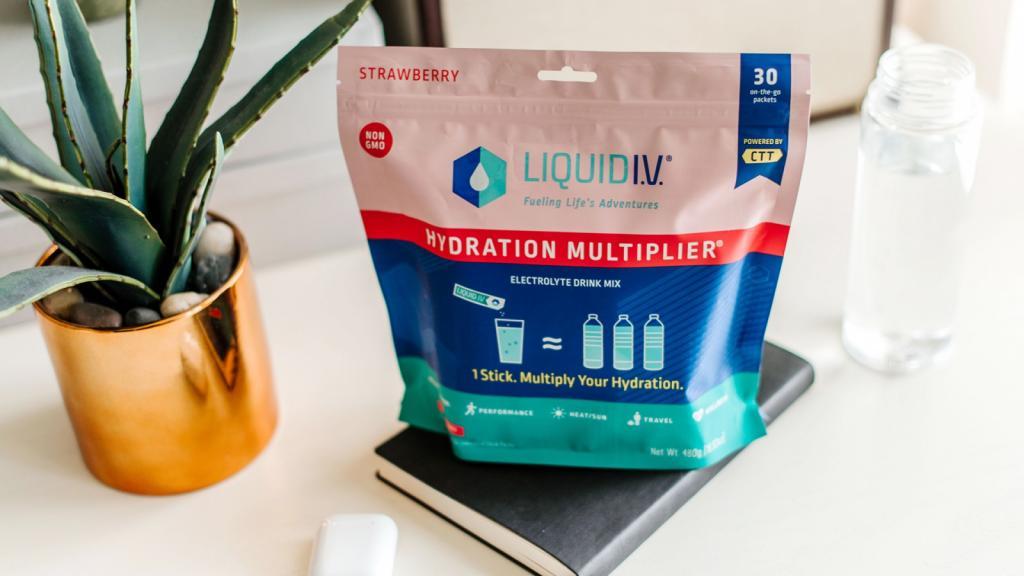
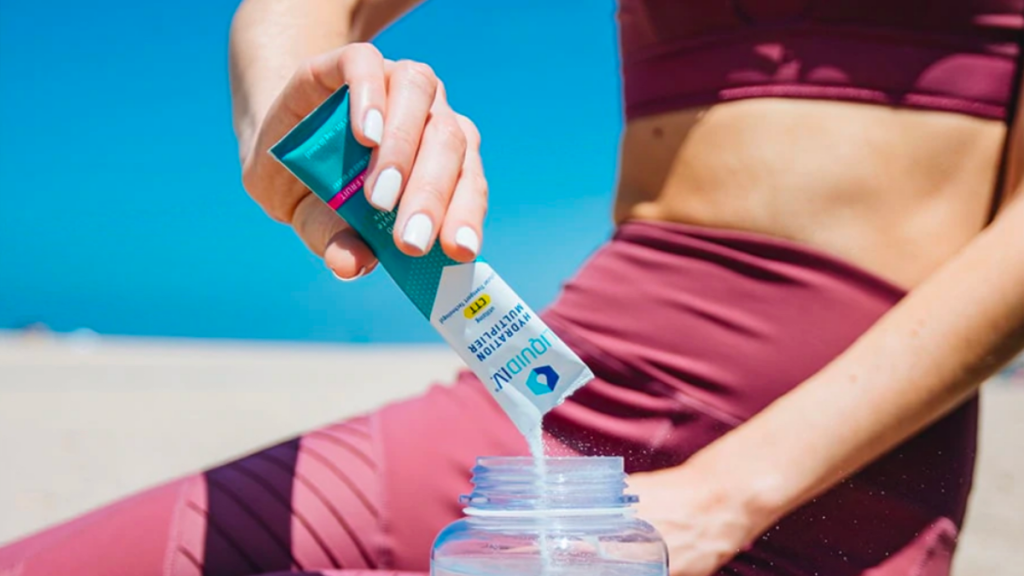
Liquid IV is a powdered electrolyte drink mix that uses a system the brand calls Cellular Transport Technology (CTT). This technology is built on the same principles as oral rehydration solutions (ORS) originally developed for treating clinical dehydration. The idea is elegantly simple: when sodium and glucose are present in the right ratio in your small intestine, they activate a transport mechanism called the sodium-glucose cotransporter (SGLT1), which pulls water across the intestinal wall into the bloodstream far more efficiently than plain water alone.
The core ingredients include cane sugar and dextrose (both simple sugars that power the CTT mechanism), potassium citrate and dipotassium phosphate (sources of potassium lost through sweat), salt (a source of sodium, the most common electrolyte lost), sodium citrate (for flavor balance), and citric acid sourced from cassava root and corn.
On top of that, a single standard serving delivers 140%, 130%, 230%, and 280% of your daily needs for vitamins B3, B6, B5, and B12, respectively, along with a solid dose of vitamin C.
That vitamin cocktail is a big part of why hungover people swear by it. After a night of drinking, your body has been doing a brutal job of flushing out fluids, and those B vitamins get depleted along with everything else. Liquid IV promises to put them back, fast.
Studies have shown that for every 250 milliliters of alcohol consumed, the body loses about 800 to 1,000 milliliters of water, and that excessive fluid loss depletes electrolytes such as sodium, potassium, and magnesium, which are essential for muscle function, hydration balance, and nerve signaling. That’s the dehydration pipeline that turns a fun night into a miserable morning, and it’s the exact problem Liquid IV is built to address.
The Actual Nutritional Numbers (And What They Mean for Your Weight)
Here is the full nutritional breakdown of a standard Liquid IV Hydration Multiplier serving so you can see exactly what goes into your body:
| Nutrient | Amount Per Serving | % Daily Value |
|---|---|---|
| Calories | 50 | — |
| Total Carbohydrates | 13 g | 5% |
| Total Sugars | 11 g | — |
| Added Sugars | 11 g | 22% |
| Sodium | 500 mg | 22% |
| Potassium | 370 mg | 8% |
| Vitamin C | 73 mg | 80% |
| Niacin (B3) | 22.8 mg | 140% |
| Vitamin B6 | 2.28 mg | 130% |
| Vitamin B12 | 6.82 mcg | 280% |
| Pantothenic Acid (B5) | 11.4 mg | 230% |
Now compare that with some other beverages you might already be consuming on a regular basis:
| Beverage | Serving Size | Calories | Sugar | Sodium |
|---|---|---|---|---|
| Liquid IV Hydration Multiplier | 1 stick (16g) in 16 oz water | 50 | 11 g | 500 mg |
| Liquid IV Sugar-Free | 1 stick (13g) in 16 oz water | 20 | 0 g | 530 mg |
| Gatorade (original) | 20 oz bottle | 140 | 34 g | 270 mg |
| Pedialyte | 12 oz | 45 | 9 g | 370 mg |
| Craft IPA (average) | 12 oz | 200-250 | 15-20 g | 10-20 mg |
| Red Wine | 5 oz glass | 125 | 1-2 g | 7 mg |
| Margarita (classic) | 8 oz | 200-300 | 20-30 g | 100 mg |
| Coconut Water | 8 oz | 45 | 6 g | 25 mg |
Looking at this table, something immediately stands out: Liquid IV is actually relatively low in calories and sugar compared to the drinks you’re probably already pairing it with. A single Liquid IV packet has roughly a quarter of the calories of a pint of craft beer. The sugar content is notably lower than Gatorade. For a drinker managing their overall intake, that context matters a lot.
Can Liquid IV Cause Weight Gain? The Layered Answer
Here is where things get nuanced, because the answer is not a flat yes or no. It depends on what kind of weight you’re asking about, how often you’re using it, and what else you’re putting in your body.
Fat Gain: Unlikely for Most People
Weight gain is fundamentally about consuming more calories than you burn. Liquid IV, with its 11 grams of sugar, contributes about 40 to 50 calories per serving. If you’re drinking one or two servings a day, that’s a relatively small caloric addition to your overall diet.
To put that in perspective, a single 12-ounce can of beer contains somewhere between 100 and 250 calories depending on the style. A 5-ounce pour of wine runs about 125 calories. A margarita on the rocks can clock in at 200 to 300 calories or more. Compared to any of these, a 50-calorie Liquid IV packet is barely a rounding error.
The regular Hydration Multiplier packs 11 grams of added sugar, which is roughly 44% of the American Heart Association’s recommended intake of 25 grams of added sugar per day. If you’re not mindful of your other added sugar choices during the day, you can easily exceed the recommended intake, creating an energy surplus that may lead to weight gain.
So if you’re someone who already drinks beer, cocktails, or wine regularly, those drinks themselves are contributing far more sugar and calories to your daily intake than your Liquid IV packet ever will. The packet is rarely the problem.
Water Weight and Sodium Retention: A Real, Temporary Effect
This is where things get more interesting for people who step on the scale and notice a bump after using Liquid IV regularly.
Sodium is essential for various bodily functions, including fluid balance, muscle contractions, and nerve function. However, an excess of sodium can cause the body to retain water, especially if it exceeds your daily needs. Liquid IV has about 500 mg of sodium per serving, which may contribute to water retention if you’re consuming other high-sodium foods or drinks. For people with healthy sodium levels, this isn’t usually a concern. However, those with salt-sensitive conditions such as hypertension or kidney disease may experience swelling or bloating from the additional sodium.
Read More : Does Capri Sun Have Caffeine Updated 03/2026
To be absolutely clear about what this means: water retention is not fat gain. When your body holds onto extra fluid due to sodium, the scale can tick upward by a pound or two, but that weight reflects fluid, not adipose tissue. Liquid IV’s high sodium content can cause temporary water retention, which may lead to a slight increase in weight, but this is not fat gain and should resolve once your sodium levels are balanced.
For drinkers, this is worth knowing because alcohol itself causes a complex mix of dehydration and subsequent water retention. Your body, stressed from the diuretic effects of alcohol, tends to hold onto fluids aggressively once you start rehydrating. Adding Liquid IV’s sodium load on top of that can make you feel puffier than usual. But give it 24 to 48 hours, and your kidneys will sort it out.
The Overconsumption Trap
If you’re drinking many servings of Liquid IV throughout the day, those calories can add up. If this extra caloric intake isn’t balanced by your activity level, it could contribute to a calorie surplus and thus weight gain. If you start replacing plain water with Liquid IV for all your hydration needs, you are adding calories and sodium that weren’t there before.
This is the scenario most likely to cause actual issues for dedicated drinkers. It’s easy to reach for a Liquid IV packet every morning as a hangover ritual, plus one before a night out, plus one at the gym. That’s 150 calories and 1,500 mg of sodium added to your daily intake before you’ve even opened a beer. Stacked on top of a lifestyle that already includes calorie-dense alcoholic beverages, the cumulative math starts to matter.
The Drinker’s Dilemma: Liquid IV, Alcohol, and Your Body
If you enjoy a regular drink or two, Liquid IV has a complicated but fascinating relationship with your system. Understanding it can help you use the product smarter.
Alcohol Is Already Wrecking Your Hydration
Alcohol acts as a diuretic, increasing urine production. This means your body expels more fluid than it takes in with each alcoholic beverage. Alcohol also suppresses the production of antidiuretic hormone (ADH), which signals your kidneys to conserve water. Alcohol interferes with this process, leading to further fluid loss and increased dehydration, which is why you make so many bathroom trips after drinking.
Alcohol also interferes with the body’s ability to maintain stable blood sugar levels, causing sudden drops in blood glucose that contribute to the cognitive fog, weakness, and fatigue associated with hangover symptoms.
This is the exact biochemical environment that makes Liquid IV a smart post-drinking choice. The glucose and electrolytes in Liquid IV directly address the imbalance that alcohol creates. The sodium helps your body hold onto the water you’re replacing. The B vitamins support energy metabolism. It’s almost like Liquid IV was engineered for drinkers, even though the brand would never put it that way.
When to Use It for Maximum Benefit (And Minimum Bloat)
Timing matters more than most people realize. Here are the three windows that make the most sense for drinkers:
Before drinking: Taking a packet with a full 16 oz of water before your first drink pre-loads your electrolytes and gives your kidneys a head start. This won’t stop you from getting drunk, but it can reduce the severity of the next morning’s hangover because your baseline hydration is better.
During or between drinks: Liquid IV might also make a great addition to a simple cocktail, such as a gin and tonic, if you want a flavorful, hydrating drink in a pinch. Some cocktail enthusiasts are mixing Liquid IV directly into low-ABV drinks as a way to keep hydration up while sipping. It’s creative, it works, and it adds an interesting flavor dimension.
The morning after: Liquid IV for a hangover can provide relief. It’s designed to combat dehydration, one of the main reasons you feel so awful after a night of drinking. By replenishing lost fluids and electrolytes, Liquid IV helps restore balance in your body, easing symptoms like headaches and dizziness. Expect to notice effects within 30 to 60 minutes, not immediately.
What Liquid IV Cannot Do
While Liquid IV helps restore balance, it won’t detoxify alcohol or eliminate its metabolites like acetaldehyde, the real source of hangover misery. If your hangover is mild, Liquid IV is a convenient at-home option. But for rapid recovery, or when your body can’t tolerate fluids, IV hydration therapy is faster and more complete.
Lighter-colored drinks like vodka, gin, light beer, and white wine typically result in less severe hangover symptoms. Darker-colored drinks with high levels of congeners, like bourbon, scotch, tequila, brandy, dark beers, and red wine, cause more severe symptoms. So if you’re a Scotch or dark stout drinker wondering why Liquid IV doesn’t seem to work as well for you, this is part of the reason: the congeners in darker drinks create a hangover that electrolytes alone can’t fully address.
The Sugar Question: 11 Grams, a Bigger Picture
The 26 grams of sugar per day is the American Heart Association’s recommended limit, and Liquid IV’s 11 grams of added sugar per packet represents roughly 44% of that. For someone who already drinks beer, wine, or cocktails regularly, this is worth tracking carefully.
A typical IPA can contain 15 to 20 grams of sugar. A glass of riesling or moscato sits in the same range. A margarita made with commercial mix can deliver 20 to 30 grams of sugar in a single drink. Stack two or three of those on a Friday night, add a Liquid IV packet on Saturday morning, and your weekly added sugar numbers can spiral quickly without you even noticing.
The practical advice here is not to avoid Liquid IV, but to be aware. If you had a heavy drinking night with sugary cocktails, Saturday morning’s Liquid IV is the least of your sugar concerns. But if you’re someone who uses Liquid IV every single day regardless of whether you drank, those 11 grams of added sugar per packet are worth factoring into your overall dietary picture.
The Sugar-Free Alternative
The sugar-free version of Liquid IV substitutes cane sugar and dextrose for allulose, and adds L-glutamine and L-alanine. Allulose is a sugar substitute that offers the sweetness of sugar without the calories. At only 20 calories per packet and zero grams of sugar, the Sugar-Free Hydration Multiplier is a genuinely strong option for people watching their calorie or sugar intake.
The trade-off is minor: some users find the taste slightly different, and a handful of people are sensitive to sugar alcohols and experience mild digestive discomfort. But for someone who’s already consuming a moderate amount of alcohol and wants to add a hydration tool that doesn’t compound their sugar intake, the sugar-free version is worth trying.
Bloating: Why You Might Feel Puffy After Using Liquid IV
Bloating is the most commonly reported side effect of Liquid IV, and it’s directly relevant to anyone who’s already prone to feeling puffy after a night of drinking.
Bloating from Liquid IV is often due to its high sodium content, which can lead to water retention, or the glucose and sugar alcohols, which may ferment in the gut and produce gas. Drinking it too quickly can also overwhelm your digestive system, leading to temporary bloating.
Read More : How To Flush Alcohol From Urine Updated 03/2026
For drinkers, this effect can layer on top of alcohol’s own bloating mechanisms. Carbonated alcohol drinks and non-alcoholic mixers produce gas in the stomach, and carbonated drinks cause an increase in stomach acids that can lead to acid reflux, adding air into your intestines. If you spent the previous evening on beer or a carbonated mixer, your digestive system is already irritated. Adding a large gulp of Liquid IV can make the bloating worse.
Three practical ways to reduce Liquid IV bloating for drinkers:
Sip it slowly over 30 to 60 minutes rather than chugging it. Mix it into a larger volume of water than the recommended 16 ounces. Balance the sodium with potassium-rich foods like bananas, avocados, or spinach the next day, which help regulate fluid balance and counteract sodium retention naturally.
Who Among Drinkers Needs to Be Most Careful
Not all drinkers are in the same position when it comes to Liquid IV and its weight or health implications.
Heavy beer drinkers are already consuming significant carbohydrates and calories. Adding Liquid IV daily can contribute to a caloric surplus, particularly if you’re not tracking your food intake. The sugar in Liquid IV is minor by comparison to a few pints, but every bit counts when you’re trying to maintain weight.
Wine drinkers tend to have more concern about sugar intake, and the 11 grams in a standard Liquid IV packet can feel significant. Switching to the sugar-free version is a logical move here.
Cocktail lovers who drink sugary mixed drinks are probably already blowing past their daily sugar limits on nights out. The Liquid IV packet the next morning is unlikely to be the deciding factor in weight gain, but it’s worth being aware of the accumulated sugar picture across the week.
People with hypertension or kidney issues should be particularly cautious. Each serving contains 500 mg of sodium, which adds up quickly if you’re drinking more than one per day. People with high blood pressure or those on a low-sodium diet should be cautious. Alcohol itself raises blood pressure, so if you’re already managing that condition, adding a high-sodium supplement on top of regular drinking deserves a conversation with your doctor.
Individuals managing weight actively should default to the sugar-free version and use Liquid IV situationally rather than daily, reserving it for days after drinking, heavy workout days, or hot-weather outings where genuine electrolyte replacement is needed.
Hydration, Metabolism, and the Unexpected Weight Loss Angle
Here is something most people don’t expect to hear: adequate hydration is actually associated with better weight management, not worse.
Research has shown that drinking water can naturally increase your body’s calorie-burning capacity by up to 30%. Staying hydrated also helps maintain a healthy balance of electrolytes, which play a crucial role in various metabolic processes. Water naturally suppresses your appetite when the stomach senses it is full, sending signals to the brain to stop eating.
Dehydration can lead to increased cravings for sugary foods, as thirst signals are often misinterpreted as hunger. This “false hunger” can cause unnecessary snacking and overeating. A mild dehydration of just 2% of body weight can impair exercise performance, and a loss of over 5% can decrease workout capacity by nearly 30%.
For drinkers, this is highly relevant. The morning after a night out, you’re chronically dehydrated. Your body is craving fluids and often confuses that thirst for hunger. You reach for greasy food, you snack more, you skip your workout because you’re exhausted. This cascade is what actually causes weight gain for many regular drinkers, not the trace sugar in a hydration packet.
By rehydrating efficiently with something like Liquid IV, you’re potentially breaking that cycle. You feel better faster, your appetite signals normalize, and you’re more likely to actually make it to the gym or take that walk. From a weight management standpoint, the hydration benefit can easily outweigh the modest caloric addition of 50 calories per packet.
Regular Liquid IV vs. Other Post-Drinking Hydration Options
There’s no shortage of post-drinking recovery products on the market. Here’s how Liquid IV stacks up for drinkers specifically:
| Product | Calories | Sugar | Sodium | Electrolytes | Vitamins | Price (per serving) |
|---|---|---|---|---|---|---|
| Liquid IV Hydration Multiplier | 50 | 11 g | 500 mg | Yes (Na, K) | Yes (B3, B5, B6, B12, C) | ~$1.50-2.00 |
| Liquid IV Sugar-Free | 20 | 0 g | 530 mg | Yes (Na, K) | Yes (B vitamins, C) | ~$1.75-2.25 |
| Pedialyte | 45 | 9 g | 370 mg | Yes (Na, K) | No | ~$1.50 |
| Nuun Hydration | 15 | 1 g | 300 mg | Yes (Na, K, Mg) | Limited | ~$1.00 |
| Gatorade (20 oz) | 140 | 34 g | 270 mg | Yes (Na, K) | No | ~$1.50 |
| Coconut Water (8 oz) | 45 | 6 g | 25 mg | Yes (K, Mg) | No | ~$1.50 |
| Plain Water | 0 | 0 g | 0 mg | No | No | Free |
Liquid IV sits in a solid middle ground: more vitamins than most alternatives, better sodium for fluid retention than Gatorade, and a better absorption mechanism than plain water or coconut water. For someone coming off a night of drinking, the vitamins and absorption efficiency are real advantages over simply chugging plain water.
The Bottom Line on Liquid IV and Weight Gain
While Liquid IV does contain some sugar and sodium per serving, when consumed moderately, its impact on weight gain should be limited.
The key word there is moderately. Liquid IV is not designed to replace all hydration needs, and it shouldn’t be treated as a daily calorie-free drink you sip mindlessly throughout the day. It’s a targeted tool, and like any tool, the results depend entirely on how it’s used.
For beer, wine, and cocktail drinkers specifically, here’s the honest summary: Liquid IV is unlikely to be the reason your jeans are tighter. The dehydration-fueled false hunger, the extra calories in the drinks themselves, the late-night pizza that always seems to appear after a few rounds, the skipped workouts on hungover mornings — these are where the real weight management battles are being fought. A 50-calorie hydration packet, used situationally and intelligently, is far more likely to help you than hurt you.
If you’re concerned about sugar, try the sugar-free version. If sodium bloating is an issue, sip it slowly and eat potassium-rich foods alongside it. And if you have any underlying health conditions, especially high blood pressure or kidney issues, loop in your doctor before making it a daily habit.
A Different Way to Think About This
Weight gain is almost never caused by a single product. It’s the sum of thousands of small decisions made over weeks and months. Liquid IV sitting in your pantry isn’t the enemy. What you pair it with, how often you reach for it, and whether you’re using it as a genuine hydration tool or a security blanket for overconsumption are the questions worth asking honestly.
The drinkers who get the most out of Liquid IV are the ones who treat it like what it actually is: a precision hydration tool for specific high-demand moments, not an everyday beverage, not a hangover cure-all, and certainly not a reason to drink more than you intended. Use it with that mindset, and the scale has very little to worry about.
Sources: https://chesbrewco.com
Category: Drink