You cracked open your last beer around midnight, mixed a cocktail or two after that, and woke up feeling like someone stuffed your skull with wet sand. So you reach for what half the internet swears by: a stick of Liquid IV Hydration Multiplier dissolved in a glass of water, hoping it’ll drag you back to the land of the living. And then, somewhere between your first sip and your second trip to the kitchen, something unexpected happens. Your gut starts gurgling. You make a beeline for the bathroom. And suddenly you’re asking a very specific question: did Liquid IV just give me diarrhea?
If you’ve been there, you’re not imagining things. And if you haven’t been there yet but you’re a regular beer drinker, wine lover, or cocktail enthusiast who keeps a box of Liquid IV stashed in your cabinet for rough mornings, this article is going to matter to you. Because the answer to whether Liquid IV Hydration Multiplier can cause diarrhea is more nuanced than the product’s social media fans will admit, and a lot more relevant to drinkers than most health sites will tell you.
You Are Watching: Can Liquid Iv Hydration Multiplier Cause Diarrhea? Updated 10/2026
Let’s get into it.
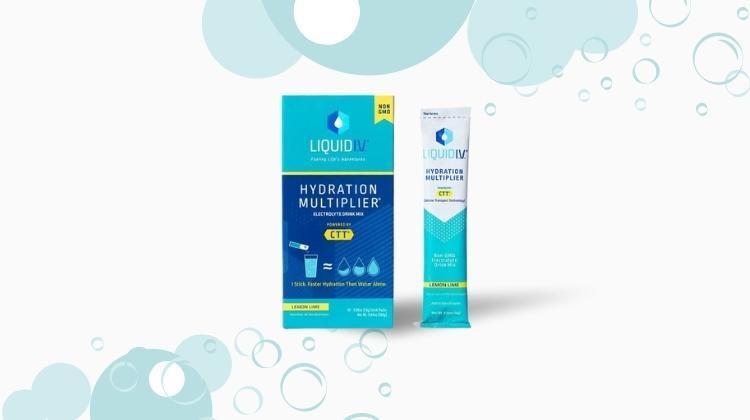
What Liquid IV Hydration Multiplier Actually Is (and Why Drinkers Love It)
Liquid IV isn’t just a glorified sports drink. It’s formulated around a mechanism called Cellular Transport Technology (CTT), which is based on the World Health Organization’s Oral Rehydration Solution (ORS), a therapy originally developed to reverse life-threatening dehydration from cholera and severe diarrhea in developing countries. That’s not marketing fluff. The WHO’s ORS has genuinely saved millions of lives.
The science behind it is straightforward: sodium and glucose work together to activate a transport protein in your small intestine called the sodium-glucose cotransporter (SGLT1). When these two are present in the right ratio, water gets pulled across the intestinal wall into your bloodstream far more efficiently than if you just drank plain water. Think of it as a VIP fast lane for hydration.
In 2024, Liquid IV reached the top spot in the U.S. hydration supplement market with approximately $439 million in sales, surpassing household names like Gatorade. The broader hydration supplement market was valued at around $36 billion that same year, with projections placing it at $82.7 billion by 2034. These numbers tell you something important: millions of Americans are relying on this product, and a significant slice of them are using it specifically to recover from a night of drinking.
And that’s exactly where the diarrhea question gets complicated.
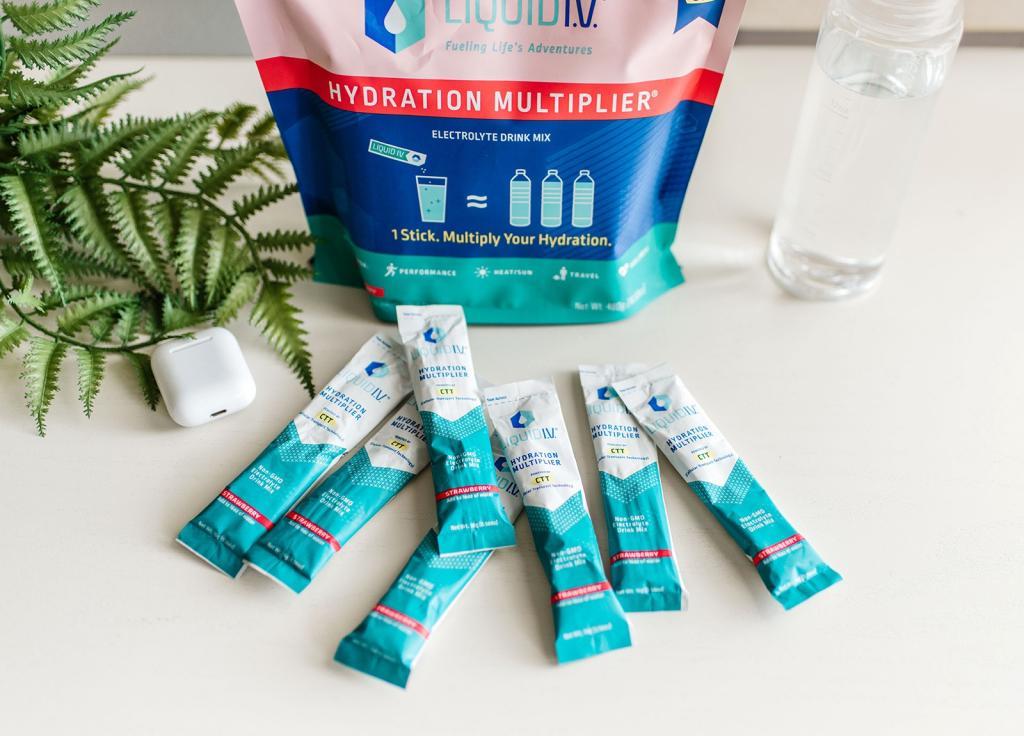
The Full Ingredient List: What’s Inside Every Stick
Before you can understand whether Liquid IV can cause diarrhea, you need to know what you’re actually consuming. Here is the complete ingredient list for the standard Liquid IV Hydration Multiplier:
- Cane Sugar (primary sugar source)
- Dextrose (a form of glucose; the key to CTT)
- Citric Acid (flavoring and preservative)
- Salt (sodium chloride for electrolyte balance)
- Potassium Citrate (electrolyte)
- Sodium Citrate (electrolyte and pH buffer)
- Dipotassium Phosphate (electrolyte stabilizer)
- Silicon Dioxide (anti-caking agent)
- Vitamin C (Ascorbic Acid) (62 mg per serving)
- Natural Flavors
- Stevia Leaf Extract (Rebaudioside A) (natural sweetener)
- B Vitamins (B3, B5, B6, B12) (at 140%, 230%, 130%, and 280% of daily value respectively)
Per single stick (16g), you’re getting 500 mg of sodium, 370 mg of potassium, and 11 grams of sugar from cane sugar and dextrose combined. Those numbers are the key to everything that follows.
Yes, Liquid IV Can Cause Diarrhea. Here’s Exactly Why.
The short answer is: yes, it can, but not in everyone, and not in the same way. Understanding the mechanism is what makes the difference between using this product smartly and spending your morning in a bathroom stall.
Osmotic Diarrhea: The Primary Culprit
The biggest risk factor with Liquid IV is something called osmotic diarrhea. This type of diarrhea occurs when a highly concentrated substance in your gut draws excess water into your intestines through osmosis, producing loose, watery stools.
Here’s the problem: Liquid IV is a concentrated formula by design. That concentration is what makes it effective at hydration. But when consumed too quickly, on an empty stomach, or in multiple servings back-to-back, it can overwhelm the intestinal lining’s absorptive capacity. Instead of the water being pulled into your bloodstream, water gets pulled into your intestines. The result? Urgent bathroom trips, typically within 15 to 30 minutes of drinking it.
A review published through the National Institutes of Health (NIH) noted that non-physiologic fluids with high osmolarity (meaning a high concentration of dissolved particles) can trigger osmotic diarrhea. Sports drinks and soft drinks, the review noted, often have too little sodium and too high an osmolarity to function properly as oral rehydration solutions, making them capable of causing osmotic diarrhea rather than preventing it. Liquid IV is designed to be better balanced than those drinks, but it’s still a concentrated formula that can tip the scales under the wrong conditions.
The Sugar Factor
Each stick contains 11 grams of sugar from cane sugar and dextrose. This is the highest-risk ingredient for digestive trouble. Studies show that most people who consume between 40 and 80 grams of sugar daily begin to experience diarrhea. While 11 grams is well below that threshold in isolation, if you’re simultaneously consuming sugary cocktail mixers, fruit juices, or soda, the cumulative sugar load can absolutely become a factor.
Cane sugar and dextrose draw water into the colon through osmosis, contributing to loose stools, particularly in larger doses or for individuals who are sensitive to concentrated sugar loads. This effect is most pronounced when Liquid IV is consumed rapidly, on an empty stomach, or mixed with less than the recommended 16 oz of water.
Citric Acid: The Overlooked Irritant
Citric acid is used in Liquid IV for flavor and preservation, but it’s also a well-documented gut irritant for certain people. For those with irritable bowel syndrome (IBS), acid reflux, or generally sensitive digestive systems, citric acid can increase intestinal motility and trigger cramping or diarrhea, even in relatively small amounts. If you’ve ever noticed that certain flavored drinks make your stomach feel off, citric acid is frequently the culprit.
Vitamin C and Cumulative Loading
Each serving provides 62 mg of Vitamin C. While that’s within a reasonable daily range, high doses of Vitamin C are a known cause of osmotic diarrhea. If you’re already taking a multivitamin, eating vitamin C-rich foods, or drinking fortified beverages (common among health-conscious drinkers pairing supplements with their hangover recovery routines), your cumulative intake could push you past the threshold at which Vitamin C starts acting as a gut irritant.
Sodium Overload: When More Becomes Too Much
The 500 mg of sodium per serving is approximately 22% of the recommended daily value, which is significant on its own. Most Americans already exceed their daily sodium recommendations through food alone. When you add Liquid IV on top of a salty meal, bar snacks, or multiple servings in a single day, you risk disrupting the osmotic balance your gut needs to function properly. Interestingly, some users also report feeling more thirsty after drinking Liquid IV, likely because the high sodium content triggers thirst mechanisms even as it hydrates, which can lead people to drink additional servings and compound the issue.
The Beer, Wine, and Cocktail Problem: Why Drinkers Face a Perfect Storm
If you’re a regular beer drinker, wine enthusiast, or someone who loves a well-crafted cocktail, you have a uniquely complicated relationship with Liquid IV. Understanding that relationship could save you a lot of discomfort.
Alcohol Already Wrecks Your Gut Before Liquid IV Even Enters the Picture
Alcohol is aggressive on the gastrointestinal tract in ways most casual drinkers don’t fully appreciate. Here’s what’s happening in your body after a night out:
Alcohol accelerates gut transit time. Your large intestine normally pulls water out of stool to firm it up before elimination. Alcohol speeds up this process so dramatically that the colon doesn’t have enough time to absorb water properly. The result is loose, watery stool, which is why so many people experience digestive distress the morning after drinking.
Read More : Drunk In Love Meaning Updated 10/2026
Alcohol causes gastric inflammation. Beer and wine, specifically, are known to increase gastric acid secretion more than spirits. This increased acid irritates the stomach lining and the intestinal wall, making your entire GI tract more reactive and sensitive than it would be on a sober day.
Alcohol disrupts the gut microbiome. According to gastroenterologists at UNC Health, alcohol consumption disrupts the balance of bacteria in the gut, promotes overgrowth of yeast (candida), and increases gas production and bloating. A disrupted microbiome is far less equipped to handle the concentrated sugar load in a Liquid IV stick.
Beer specifically contains gluten and complex carbohydrates. High-carb drinks like beer produce fermentation in the large intestine when gut bacteria metabolize those undigested carbs, producing significant GI symptoms, including diarrhea. Drinks with lower ethanol content, such as beer and wine, tend to increase gastric acid secretion more than spirits, further exacerbating inflammation. If you’re gluten-sensitive, even mildly, this compounds dramatically.
Sugary cocktail mixers pile on. Many popular cocktails use high-fructose mixers, sodas, fruit juices, and syrups. Many people who don’t absorb fructose efficiently develop diarrhea as those unabsorbed sugars draw water into the colon: the exact same osmotic mechanism that makes Liquid IV risky in high doses.
The Double-Hit Scenario
Here’s where it gets particularly rough for drinkers: when you drink Liquid IV the morning after a night of heavy beer or cocktail consumption, you’re hitting a gastrointestinal system that is already:
- Inflamed from alcohol’s direct irritation of the stomach lining
- Depleted of beneficial gut bacteria, with harmful bacteria in overgrowth
- Sensitized from elevated gastric acid production
- Dehydrated at the cellular level but potentially waterlogged in the intestinal lumen
Adding a concentrated sugar-and-electrolyte solution to that environment is like pouring cold water on a hot pan. The osmotic shock to an already-irritated and imbalanced gut can absolutely trigger diarrhea in people who might tolerate Liquid IV perfectly well on a normal, sober morning.
Studies show that for every 250 milliliters of alcohol consumed, the body loses approximately 800 to 1,000 milliliters of water. That’s a lot of lost fluid. The urgency to rehydrate is real. But how you rehydrate matters as much as whether you do.
Who Is Most at Risk for Liquid IV-Induced Diarrhea
Not everyone who takes Liquid IV after a night of drinking will experience diarrhea. But certain people are meaningfully more vulnerable:
People with IBS-D (diarrhea-predominant IBS) already have an overactive gut. Introducing a concentrated electrolyte solution can accelerate intestinal transit time further, pushing them into a diarrheal episode. Alcohol itself is a common IBS trigger, so using Liquid IV the morning after drinking on top of an already-flaring gut is particularly high-risk.
People with a disrupted microbiome are less equipped to process the fermentable compounds in Liquid IV. Regular drinkers, particularly heavy drinkers, often have chronically imbalanced gut bacteria, which makes them more reactive to ingredients like citric acid and concentrated sugar.
People who take multiple supplements may experience cumulative Vitamin C and electrolyte overload that pushes them past the threshold for osmotic diarrhea.
People who use Liquid IV on an empty stomach are at the highest risk. Without food in the stomach to slow the absorption rate, the concentrated solution hits the small intestine all at once, significantly increasing the chance of an osmotic overload.
People who mix more than one stick per day without adequate spacing and water intake may also find that the cumulative sodium and sugar load becomes too much for the gut to process comfortably.
A Closer Look: How Liquid IV Compares to Similar Products
Understanding how Liquid IV’s formulation stacks up against alternatives helps explain why some drinkers find it harder on the stomach than other hydration solutions.
| Product | Sodium (per serving) | Sugar (per serving) | Sugar Alcohols | Relative Diarrhea Risk |
|---|---|---|---|---|
| Liquid IV Hydration Multiplier | 500 mg | 11 g | None | Moderate |
| Pedialyte Classic | 240-370 mg | 5-6 g | None | Lower |
| DripDrop ORS | 330 mg | 7 g | None | Lower-Moderate |
| LMNT | 1,000 mg | 0 g | None | Low (no sugar osmotic effect) |
| Nuun Sport | ~300 mg | 1 g | None | Low |
| Gatorade | ~160 mg | 21 g | None | Higher (high sugar) |
| Products with sorbitol or xylitol | Varies | Low | Yes | Very High |
Note: Diarrhea risk is relative and varies significantly by individual gut health, alcohol consumption, serving size, and whether the product is consumed with food.
Pedialyte contains around 5 to 6 grams of sugar per serving, keeping the formula gentler on the gut and clinically closer to a balanced oral rehydration solution. Its lower sugar content reduces the risk of the osmotic diarrhea effect that Liquid IV’s higher sugar load can produce. Pedialyte also contains added zinc, which research shows can help reduce the duration of diarrhea itself.
LMNT takes a radically different approach with zero sugar and 1,000 mg of sodium per packet, essentially doubling Liquid IV’s sodium while eliminating the sugar-induced osmotic risk entirely. For drinkers on a ketogenic or low-carb diet, or those who are particularly sensitive to sugar, LMNT may be the more tolerable choice after a night out.
Liquid IV’s biggest structural advantage over many competitors, worth noting, is the absence of sugar alcohols (sorbitol, xylitol, mannitol). Products that use these as sweeteners are significantly more likely to cause diarrhea, because sugar alcohols are poorly absorbed and actively draw water into the intestines. Liquid IV uses stevia, which carries no such risk.
Does Liquid IV Actually Help With Hangovers? The Honest Answer
Given everything above, you might be wondering whether Liquid IV is even worth reaching for the morning after. The answer is: yes, for the dehydration component of a hangover, if you use it correctly.
Alcohol acts as a powerful diuretic. It suppresses vasopressin, the hormone that tells your kidneys to retain water. Without adequate vasopressin, you urinate far more than you should, flushing out not just water but also critical electrolytes including sodium, potassium, and magnesium. This electrolyte depletion contributes directly to headaches, muscle weakness, fatigue, and the brain-fog that characterizes a serious hangover.
Liquid IV’s sodium-glucose cotransport mechanism addresses this directly. By pulling water back into the bloodstream efficiently, it can meaningfully reduce the dehydration component of your hangover. Many users report noticeable relief from headaches and fatigue within 15 to 30 minutes of consumption. Liquid IV contains two to three times more electrolytes than standard sports drinks, which is why drinkers tend to find it more effective than reaching for a Gatorade.
However, it’s important to understand what Liquid IV cannot do. A 2024 study published in the journal Alcohol found that drinking water alone is not enough to cure a hangover, even if it helps with dehydration. Hangovers are caused by multiple factors: stomach lining inflammation, the toxic byproduct acetaldehyde produced by your liver as it breaks down alcohol, disrupted sleep patterns, and immune system activation. Liquid IV addresses dehydration and electrolyte imbalance. It doesn’t address acetaldehyde toxicity, gastric inflammation, or immune-mediated symptoms.
Liquid IV’s own senior director of scientific affairs, Dana Ryan, is clear that the product “can be used for a variety of occasions, including nights out, to help replenish your body with the proper ingredients.” But the company explicitly does not promise to cure hangovers. That distinction matters when you’re managing expectations at 7 AM.
How to Use Liquid IV the Right Way to Avoid Diarrhea
Read More : Why Does Gfuel Have Lead Updated 10/2026
Whether you’re reaching for it after a long night of IPAs, a bottle of Pinot Noir, or a string of margaritas, the way you consume Liquid IV has an enormous impact on whether your gut will thank you or revolt.
Always Mix with the Full 16 Ounces of Water
This is the single most important rule. Liquid IV’s CTT formula is calibrated to work in a specific concentration. If you mix it with less water, the osmolarity of the resulting solution increases significantly, making it far more likely to produce an osmotic effect in your intestines. Using more water (up to 24 oz) can reduce the diarrhea risk while still providing hydration benefits, though it will dilute the electrolyte concentration somewhat.
Don’t Drink It on an Empty Stomach
After a night of drinking, your first instinct might be to reach for Liquid IV before you do anything else. Resist that urge. Eat something first, even if it’s small: crackers, toast, a banana, or rice. Food in your stomach slows the absorption rate of everything you consume, giving your small intestine more time to process the concentrated electrolyte solution without triggering an osmotic response.
Start with One Stick Per Day
If you’re new to Liquid IV or if you have a sensitive stomach, start with a single stick and wait to see how your body responds before considering a second. Multiple servings without adequate spacing and hydration compound the sodium and sugar load your gut has to process.
Time It Thoughtfully
Drinking Liquid IV before you go to bed after a night out, rather than the morning after, gives your body a gentler starting point. You’re rehydrating before severe dehydration sets in, and your gut hasn’t had a full night of alcohol-induced inflammation and microbiome disruption to compound the reaction.
Consider the Sugar-Free Version
Liquid IV makes a Sugar-Free Hydration Multiplier that replaces cane sugar and dextrose with allulose and stevia leaf extract. Allulose is generally considered low-FODMAP and has minimal osmotic effect compared to glucose. For drinkers who are particularly sensitive to sugar-induced gut reactions, or those managing blood sugar, the sugar-free version is a meaningfully lower-risk option.
It’s worth noting, however, that without glucose, the sodium-glucose cotransport mechanism works less efficiently, so you may sacrifice some of the rapid absorption benefit. Think of it as a trade-off: less gut risk, slightly slower hydration.
Avoid Stacking It with Sugary Mixers and Supplements
If you’re mixing Liquid IV with a juice, an energy drink, or any other sweet beverage, you’re dramatically increasing the sugar load hitting your intestines. This is a recipe for the osmotic diarrhea described earlier. Mix it with plain water, full stop. And if you’re already taking a high-dose Vitamin C supplement, consider skipping it on days you’re using Liquid IV to avoid cumulative overload.
When to Take Your Symptoms Seriously (and See a Doctor)
Most Liquid IV-related digestive discomfort is temporary and resolves within a few hours of stopping consumption. But there are situations where gastrointestinal symptoms after using Liquid IV, especially in combination with heavy alcohol use, warrant medical attention:
- Diarrhea that lasts more than 48 hours without improving
- Signs of significant dehydration including dry mouth, dark urine, rapid heartbeat, or dizziness
- Persistent nausea and vomiting that prevent you from keeping fluids down
- Blood in the stool, which can indicate more serious gastrointestinal injury
- Fever accompanying diarrhea, which may signal an infection rather than a simple osmotic response
If you regularly experience diarrhea after drinking alcohol, regardless of whether you use Liquid IV, that’s worth discussing with a gastroenterologist. Chronic alcohol-related diarrhea can indicate leaky gut syndrome, inflammatory bowel disease (IBD), or celiac disease (particularly relevant to beer drinkers, since most beers contain gluten). These are real conditions that benefit from real diagnosis, not just a better hydration packet.
The Gut-Smart Drinker’s Recovery Toolkit
Beyond Liquid IV, there are several evidence-backed strategies that beer drinkers, wine lovers, and cocktail enthusiasts can use to protect their gut and reduce the risk of diarrhea, whether from alcohol, Liquid IV, or the combination:
Eat before you drink. Food in your stomach slows alcohol absorption, reduces gastric acid production, and gives your gut bacteria something to work with besides ethanol. High-protein, high-fat meals are particularly effective at buffering alcohol’s GI effects.
Alternate alcohol with water. For every beer, glass of wine, or cocktail, drinking a glass of water reduces total alcohol and sugar load on your GI tract and keeps you better hydrated throughout the night.
Choose your drinks wisely. Clear spirits like vodka and gin contain fewer congeners (fermentation byproducts that worsen gut irritation and hangovers) than darker drinks like bourbon, whiskey, and tequila. Beer and wine increase gastric acid secretion more than spirits, making them harder on the stomach lining. Sugary cocktail mixers compound the osmotic diarrhea risk significantly.
Consider a probiotic. Supporting your gut microbiome with a quality probiotic supplement can make your intestinal bacteria more resilient to the disruption caused by alcohol. Regular alcohol consumption is associated with decreased gut bacterial diversity, and a probiotic can reduce the severity of GI symptoms after drinking.
Avoid coffee the morning after. Caffeine stimulates bowel movements by accelerating gut motility, which is the last thing you need if your intestines are already irritated and reactive from a night of drinking. This applies double if you’re using Liquid IV’s Energy Multiplier variant, which contains approximately 100 mg of caffeine per serving.
Stick to bland foods during recovery. Bananas, rice, applesauce, and toast are easily digestible, gentle on the stomach lining, and help firm up stool without causing additional irritation. Avoid dairy, fatty foods, spicy foods, and high-fiber foods until your gut has calmed down.
The Real Deal on Liquid IV and Diarrhea: Putting It All Together
Liquid IV Hydration Multiplier can cause diarrhea, particularly in certain people and under certain conditions. The primary mechanisms are osmotic, driven by the product’s 11 grams of sugar and concentrated electrolyte formula triggering a water-drawing effect in the intestines. Citric acid sensitivity, cumulative Vitamin C intake, and multiple servings per day are secondary risk factors.
For beer drinkers, wine enthusiasts, and cocktail lovers, the risk is meaningfully elevated the morning after drinking. Alcohol has already inflamed your gut lining, disrupted your microbiome, accelerated intestinal transit, and sensitized your entire GI system. Adding a concentrated sugar-and-electrolyte solution to that environment, especially on an empty stomach, is the most common scenario in which Liquid IV tips from helpful to harmful.
That said, for most healthy adults who use it correctly: with the full 16 ounces of water, after eating something, in a single serving timed thoughtfully, Liquid IV remains a genuinely useful hydration tool. Its absence of sugar alcohols gives it an advantage over many competing products, and its sodium-glucose cotransport mechanism provides real, science-backed hydration efficiency. The product works. It just needs to be used with more thought than the influencer ads suggest.
One Last Thought
The real irony of Liquid IV’s popularity among drinkers is that alcohol and Liquid IV are essentially working in the same biological arena, your gut, but pulling in opposite directions. Alcohol strips your intestinal lining of its defenses, blows out your microbiome, and floods your intestines with irritants. Liquid IV is a concentrated osmotic agent trying to force-hydrate a system that’s already in crisis mode.
When used correctly, Liquid IV wins that tug-of-war. When used carelessly, your gut sends you a message you can’t ignore.
The smarter play isn’t to abandon Liquid IV entirely. It’s to become the kind of drinker who understands their body well enough to give it what it actually needs, in the right amount, at the right time, in the right way. That’s not just better hydration strategy. That’s how you actually enjoy a drink without paying for it twice.
Sources: https://chesbrewco.com
Category: Drink