You already know the morning. The alarm goes off, your mouth feels like sandpaper, your head is pounding like a bass drum at a tailgate, and somehow walking to the kitchen feels like a serious athletic event. Whether you spent the night working through a six-pack, nursing a few whiskey cocktails, or finishing a bottle of red with the guys, dehydration is the common enemy. And right there in the sports drink aisle, two orange-and-green bottles are competing for your attention: Gatorade and Gatorlyte.
They’re made by the same company. They sit on the same shelf. But they are not the same drink, and reaching for the wrong one matters more than most people realize. This article breaks down exactly what’s in each bottle, how they work in your body, and when one clearly outperforms the other, especially if alcohol is involved.
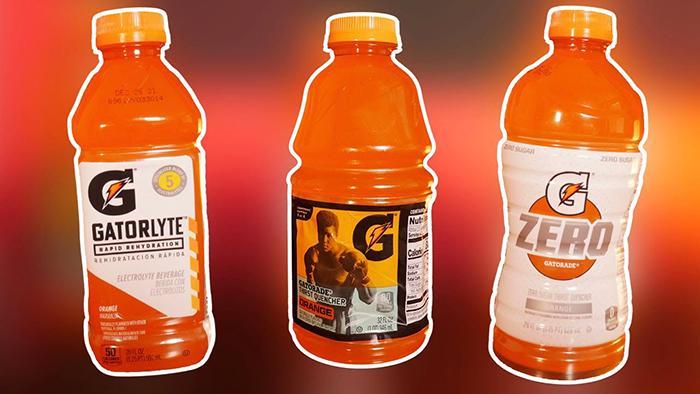
The Origin Story: Where Both Drinks Come From
Before comparing labels, it helps to know what each product was built to do.
Gatorade was invented in 1965 by a team of scientists at the University of Florida, originally formulated for the Gators football team to combat heat exhaustion during brutal summer practices. The recipe was simple but revolutionary: water, sodium, sugar, and potassium, combined in a ratio that helped players absorb fluids faster than plain water. The Gators went on to win the Orange Bowl that year, and the sports drink category was born. Today, Gatorade is owned by PepsiCo and reportedly captures over 70% of the U.S. sports drink market.
Gatorlyte is a newer entry, launched by Gatorade as a more specialized hydration product. The brand positions it as a “specialized blend of five electrolytes to deliver rapid rehydration,” with lower sugar and no artificial sweeteners or flavors. It was designed not for mid-workout energy, but for rapid recovery when your body is already in a serious fluid deficit. Think post-marathon finish lines, brutal heat workouts, or, yes, the morning after a long night at the bar.
Same parent company. Completely different mission.
What’s Actually in Each Bottle: The Ingredient Breakdown
This is where things get interesting. Both drinks contain electrolytes, but the concentration and balance are significantly different.
Gatorade Thirst Quencher (20 fl oz)
The original formula. The one that’s been on the sidelines since 1965. It contains:
- Sodium: 275 mg
- Potassium: 75 mg
- Sugar: 34 g (from sucrose and dextrose, sometimes HFCS depending on formulation)
- Calories: 130
- Carbohydrates: 36 g
- Artificial coloring: Yes (varies by flavor)
- Preservatives: Potassium sorbate or sodium benzoate
The sugar content here is intentional for athletic use. At around 6% carbohydrate concentration, the formula hits the ideal range for gastric emptying during exercise, meaning it leaves your stomach quickly and gets into your bloodstream fast. For a guy grinding out a 90-minute gym session, that sugar is fuel. For a guy lying on the couch nursing a hangover, it’s mostly just sugar.
Gatorlyte (20 fl oz)
A completely different approach. The five-electrolyte formula contains:
- Sodium: 490 mg
- Potassium: 350 mg
- Magnesium: 105 mg
- Calcium: 120 mg
- Chloride: 1,040 mg
- Sugar: 12 g
- Calories: 50
- Carbohydrates: 13 g
- Artificial sweeteners: None
- Artificial flavors: None
The numbers speak clearly. Gatorlyte has nearly double the sodium of Gatorade Thirst Quencher, nearly five times the potassium, and adds two minerals completely absent from the original formula: magnesium and calcium. Meanwhile, sugar drops by 65%. This isn’t a sports drink with a new label. It’s a fundamentally different product designed for a fundamentally different job.
Head-to-Head Nutritional Comparison
| Nutrient | Gatorade Thirst Quencher (20 oz) | Gatorlyte (20 oz) |
|---|---|---|
| Calories | 130 | 50 |
| Sugar | 34 g | 12 g |
| Carbohydrates | 36 g | 13 g |
| Sodium | 275 mg | 490 mg |
| Potassium | 75 mg | 350 mg |
| Magnesium | 0 mg | 105 mg |
| Calcium | 0 mg | 120 mg |
| Chloride | 0 mg | 1,040 mg |
| Artificial Sweeteners | No | No |
| Artificial Colors | Yes (most flavors) | No |
| Artificial Flavors | Yes | No |
The difference is stark. Gatorlyte’s electrolyte profile is much closer to a medical oral rehydration solution (ORS) than to a traditional sports drink.
The Science of Why Sodium Is the Star
If there’s one number on that comparison table that matters most for hangover recovery, it’s sodium.
Here’s how the body works: when you’re dehydrated, plain water isn’t always enough because water absorption in the gut depends on a co-transport mechanism, where sodium and glucose are absorbed together and water follows. This is why doctors and scientists developed oral rehydration salts in the first place. Too little sodium, and fluid absorption slows down. Too much sugar without enough sodium, and osmosis can actually pull water into your gut instead of into your bloodstream, which makes things worse.
Gatorlyte’s 490 mg of sodium per 20-ounce bottle is close to that therapeutic sweet spot. Regular Gatorade, with 275 mg, gets you some benefit but not nearly as efficiently.
Magnesium also plays a larger role than most people appreciate. Alcohol depletes magnesium, and low magnesium levels are directly linked to muscle cramps, headaches, fatigue, and the general “I feel like garbage” sensation that follows a heavy night. Gatorlyte delivers 105 mg of magnesium per bottle. Regular Gatorade delivers zero.
The Hangover Connection: What Alcohol Actually Does to Your Electrolytes
If you drink beer, cocktails, or wine regularly, this section is worth your full attention.
Alcohol is a diuretic. It suppresses a hormone called vasopressin (also called antidiuretic hormone, or ADH), which normally tells your kidneys to hold onto water. When alcohol shuts this signal down, your kidneys stop conserving water and you urinate far more than you take in. Studies suggest that for every standard alcoholic drink, you produce approximately 100-150 ml more urine than you would otherwise. A night involving four drinks can drain up to a quart of fluid before you even factor in sweat.
But it’s not just water. Every trip to the bathroom flushes sodium, potassium, magnesium, and chloride out with it. Alcohol also increases cortisol (the stress hormone), which drives up blood pressure and worsens the overall dehydration response. By the time you wake up with that pounding headache, your body isn’t just thirsty. It is depleted.
This is exactly the scenario Gatorlyte was built for.
The headache you feel after drinking comes from a combination of dehydration-related blood vessel dilation and low electrolyte levels affecting nerve signaling. The fatigue comes from disrupted sleep architecture (alcohol suppresses REM sleep) combined with magnesium and potassium depletion. The dry mouth is pure dehydration. And the general cognitive fog is partly from acetaldehyde, a toxic byproduct of alcohol metabolism, and partly from the fact that your cells are literally running low on the minerals they need to communicate properly.
Drinking water alone helps with the thirst but doesn’t fully address the electrolyte deficit. A drink specifically engineered for rapid rehydration, like Gatorlyte, addresses both issues simultaneously.
Gatorade vs Gatorlyte: When to Reach for Each One
This isn’t a complicated call once you understand what each drink is built for.
Reach for Gatorade when:
You are actively exercising for more than 60 minutes at moderate to high intensity. The sugar in Gatorade serves a real physiological purpose during activity. Your muscles use glucose as fuel, and maintaining blood sugar during a long run, a basketball game, or an intense cycling session is legitimate sports nutrition. At 6% carbohydrate concentration, Gatorade empties from the stomach quickly and delivers accessible energy. For casual hydration, it works fine too, though the sugar content is higher than most people need for a simple pick-me-up.
Reach for Gatorlyte when:
Your body is already significantly depleted. This means the morning after heavy drinking, after a long bout of illness involving sweating or vomiting, after a brutal day working in high heat, or following an endurance event where you’ve been sweating for hours. In these scenarios, you don’t need fast fuel. You need fast rehydration, and Gatorlyte’s higher electrolyte concentration with lower sugar is purpose-built for exactly that. The absence of artificial flavors and colors is also a genuine advantage when your stomach is already irritable from the previous night.
What the Gatorade Product Line Actually Looks Like
It’s worth knowing that Gatorade doesn’t just make two products. The full line gives you a spectrum of options depending on how hard you’re training or how rough your morning is.
| Product | Sodium (per serving) | Sugar | Best For |
|---|---|---|---|
| Gatorade Electrolyte Water | 160 mg | 0 g | Light activity, casual hydration |
| Gatorade Zero | 160 mg | 0 g | Short workouts, no-calorie preference |
| G2 Lower Sugar | 160 mg | 8 g | Casual sport, moderate activity |
| Gatorade Thirst Quencher | 275 mg | 34 g | 60+ min moderate-to-high intensity training |
| Gatorlyte | 490 mg | 12 g | Rapid rehydration, illness, hangover recovery |
| Gatorade Endurance | 460 mg | ~22 g | Long endurance events (marathon, cycling) |
| Gatorlyte Zero | ~490 mg | ~5 g | Rapid rehydration, minimal sugar preference |
If you’re the guy who hits the gym a few times a week and also enjoys a night out, having both Gatorade Zero (for before or during workouts) and Gatorlyte (for the morning after a big night) in your fridge is a genuinely smart strategy.
The Taste Difference: Real Talk
Most comparisons focus entirely on nutrition, but taste matters because the best drink is the one you’ll actually finish.
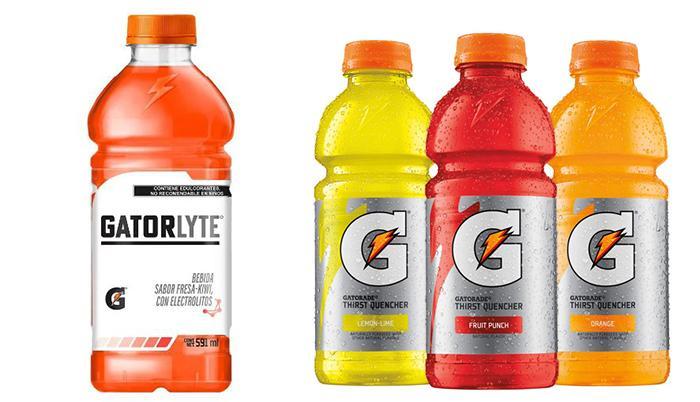
Regular Gatorade is sweet. The fruit punch, lemon-lime, and Cool Blue flavors are designed to taste like a slightly athletic juice drink. That sweetness is appealing when you’re mid-workout and thirsty. But when you’re hungover and your stomach is already on edge, a hyper-sweet drink can feel overwhelming. Many men report that sweet beverages are harder to drink on a bad morning.
Gatorlyte has a noticeably lighter, less sweet, slightly salty flavor profile. People who try it for the first time often describe it as more functional than indulgent, not in a bad way, but in a way that feels appropriately matched to what your body needs. One tester who tried it after a night of heavy drinking described the feeling as “clean and light, which made it easy to sip without my stomach pushing back.”
This is not a minor point. When you’re fighting a hangover, palatability directly affects how much you drink. A lighter, less sugary drink that you can comfortably sip over 20 minutes is going to rehydrate you more effectively than a sweetly aggressive drink you can barely get down.
Price and Availability: What to Expect
Gatorade Thirst Quencher is one of the most widely distributed beverages in America. A 20-ounce bottle typically runs $1.50 to $2.50 at convenience stores and around $5 to $7 for a 12-pack at grocery stores. It’s at every gas station, ballpark, hotel vending machine, and bodega in the country.
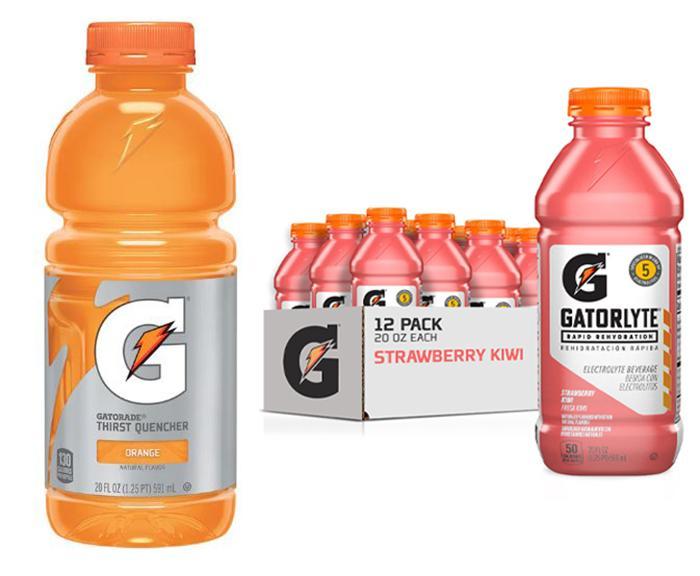
Gatorlyte is slightly harder to find and somewhat more expensive. A single 20-ounce bottle typically costs $3 to $4 at retailers like Target, Walmart, and major grocery chains. It’s available online in multi-packs if you want to keep a supply at home, which is a smart move if Saturday nights are a regular part of your social calendar.
Read More : What Is Moxie Made Of Updated 10/2026
Gatorlytes powder packets also exist and deserve a mention. These individual powder sachets contain the same five-electrolyte formula but without any added sugar, artificial colors, or artificial flavors. They’re arguably the cleanest product in the entire Gatorade portfolio, mix easily into water, and are far more portable than bottles. For travel, camping, or the kind of guy who wants a no-nonsense hangover kit in his nightstand, the powder version is worth knowing about.
How Much Sodium Do You Actually Lose Drinking?
Here’s a useful data point for context. Average sweat sodium loss during moderate exercise is roughly 400 to 1,000 mg per liter of sweat. A competitive male athlete sweating heavily can lose 2 to 3 grams of sodium per hour in extreme heat. Alcohol-induced diuresis produces slightly different patterns but comparable losses across a heavy night of drinking.
Gatorlyte’s 490 mg of sodium per 20-ounce bottle makes a meaningful dent in that deficit. To get the same sodium from regular Gatorade, you’d need to drink nearly two bottles. For a guy who’s already dehydrated and possibly nauseous, drinking two 20-ounce Gatorades in quick succession is a much harder ask than drinking one Gatorlyte.
Gatorlyte vs Pedialyte: The Other Comparison Worth Making
Any honest discussion of rapid rehydration eventually brings up Pedialyte, the oral rehydration solution originally designed for sick kids that became a quiet hangover staple for adults years ago.
Here’s how they compare per 20 oz:
| Metric | Gatorlyte | Pedialyte Classic |
|---|---|---|
| Sodium | 490 mg | ~460 mg |
| Potassium | 350 mg | ~335 mg |
| Sugar | 12 g | ~9 g |
| Magnesium | 105 mg | 0 mg |
| Calcium | 120 mg | 0 mg |
| Taste | Less sweet, slightly salty | Mildly sweet, neutral |
| Price (20 oz) | $3-$4 | $4-$6 |
Gatorlyte actually competes favorably with Pedialyte on most metrics. It has slightly more sodium and potassium than classic Pedialyte, adds magnesium and calcium that Pedialyte lacks, and typically costs a dollar or two less. For a long time, adults reaching for a serious rehydration drink on a bad morning had to choose between “sports drink” and “the baby drink.” Gatorlyte fills that gap with an adult-positioned product that performs at a similar level.
The Practical Game Plan for Beer, Cocktail, and Wine Drinkers
This is the section where it all comes together practically.
Before you go out: Have a solid meal. Food slows alcohol absorption and provides baseline electrolytes. If you know it’s going to be a longer night, a glass of water or Gatorade Zero with dinner is a low-effort way to start hydrated.
During the night: Alternate alcoholic drinks with water. This is the oldest advice in the book because it works. If you want to go further, a small amount of Gatorlyte mixed with water between drinks would be genuinely useful, though most guys won’t do this in a social setting.
Before bed: This is the single most impactful moment. Drinking 8 to 16 ounces of Gatorlyte before you fall asleep gives your kidneys something to work with while you’re unconscious and dramatically reduces the severity of morning symptoms. Keep a bottle on the nightstand. This works better than any “hydration hack” you’ll read about online, because you’re addressing the deficit before your body spends eight hours in a state of increasing dehydration.
The morning: Start with 8 to 12 ounces of Gatorlyte when you wake up. Follow with food within the hour. Eggs are a solid choice because they contain cysteine, an amino acid that helps break down acetaldehyde, the toxic alcohol metabolite responsible for a meaningful chunk of hangover symptoms. Keep sipping fluids throughout the morning at a comfortable pace rather than chugging everything at once.
What to avoid: Sugary drinks on an empty hungover stomach can spike blood sugar and then cause a crash. Coffee isn’t dangerous in moderation, but as a diuretic, it can extend the dehydration window. Greasy food has a psychological comfort factor but does little for rehydration. And despite the persistent “hair of the dog” myth, another drink the morning after simply delays the problem and adds to your body’s already significant workload.
Should You Be Drinking These Every Day?
The short answer is: not necessarily.
If you’re eating a balanced diet with plenty of fruits, vegetables, and some salty foods, you’re likely getting enough electrolytes from food alone. Most healthy men don’t need electrolyte drinks on days when they’re not exercising heavily or recovering from something specific.
Where electrolyte drinks earn their place, especially Gatorlyte, is in high-demand recovery situations: long workouts in heat, heavy alcohol nights, illness, or any scenario where you’ve depleted fluids faster than your diet can replace them. Using Gatorlyte strategically on those specific occasions is smart. Drinking it every day as a casual beverage is probably overkill, though it won’t hurt you.
One caveat worth noting: if you have high blood pressure, kidney issues, or other conditions that require you to monitor sodium intake, the 490 mg of sodium per bottle in Gatorlyte is a meaningful amount. Worth checking with your doctor before making it a regular habit.
The Bottom Line
Gatorade and Gatorlyte are both legitimate products. They’re just built for different moments.
Gatorade Thirst Quencher is a well-designed sports drink for active hydration during exercise. It provides fast-acting carbohydrates alongside a reasonable dose of sodium and potassium. If you’re playing a long round of golf in summer heat, doing a long run, or heading into a serious lifting session, Gatorade does exactly what it was invented to do. It’s also one of the most affordable and available beverages in the country.
Gatorlyte is the better call for recovery. Its higher sodium and potassium levels, along with magnesium and calcium that Gatorade doesn’t include, make it significantly more effective when your body is already depleted from illness, extreme heat, endurance exercise, or a long night of drinking. The lower sugar content and absence of artificial flavors make it easier on an irritable stomach. And at $3 to $4 a bottle, it’s not a luxury item.
If you’re a guy who appreciates a cold beer on Friday night, enjoys a well-made cocktail on Saturday, and values Sunday morning being functional rather than miserable, the practical answer is this: keep both in the house. Gatorade for the gym bag. Gatorlyte for the nightstand.
Your future self at 7 a.m. will thank you.
Sources: https://chesbrewco.com
Category: Drink