If you have ever reached for a cold Fresca instead of another beer, swapped it into your tequila paloma, or simply popped one open because it felt like a “healthier” choice after a long week, you are far from alone. Fresca has been quietly sitting in American refrigerators since 1966, outlasting diet soda trends, surviving COVID-era can shortages, and even landing its own line of premixed cocktails. Yet for all its cult following, a surprisingly big question hangs in the air: Is Fresca soda water actually bad for you?
The answer is not a simple yes or no, and that is precisely why this article exists. From its ingredient list and artificial sweeteners to its dental effects, gut microbiome impact, and role as America’s favorite cocktail mixer, we are going to cut through the noise and give you the complete picture, backed by real science and honest perspective.
You Are Watching: Is Fresca Soda Water Bad For You Updated 10/2026
What Exactly Is Fresca, and Why Do Americans Love It?
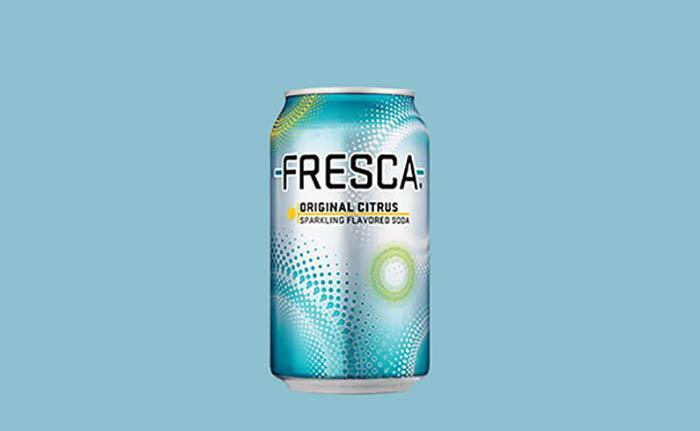
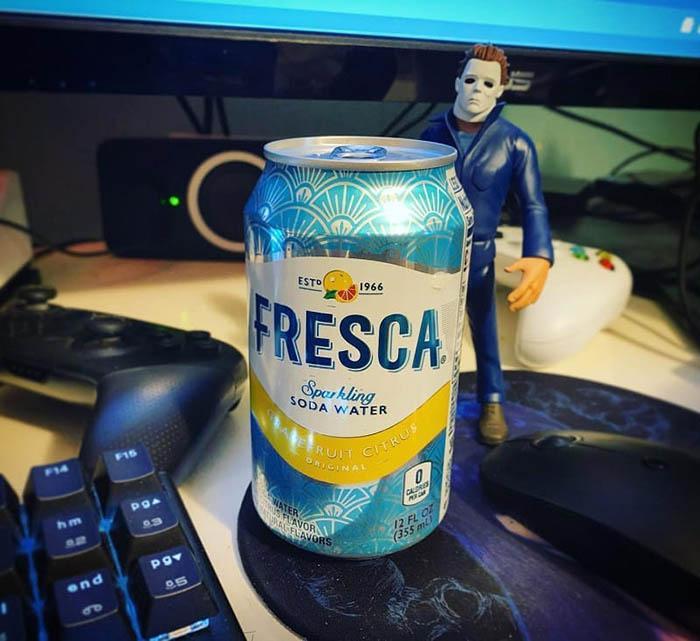
Fresca is a citrus-flavored, zero-calorie, zero-sugar sparkling soda water produced by The Coca-Cola Company. It was first introduced in 1966 as a grapefruit-forward diet soda and has since been rebranded as “Fresca Sparkling Soda Water,” leaning into the sparkling water aesthetic that has dominated the beverage market over the past decade.
Starting in 1982, Coca-Cola replaced the saccharin in Fresca with aspartame. By 1985, Fresca was fully reformulated with “one percent real fruit juice, 100% sweetened with NutraSweet.” Today, the artificial sweetness of Fresca comes from a combination of aspartame and acesulfame potassium.
Fresca, used by consumers as a cocktail mixer, soft drink, and zero-calorie, zero-sugar sparkling soda, has experienced a surge in popularity and became the fastest-growing soft drink in Coca-Cola’s U.S. portfolio. That rise in popularity speaks volumes about its appeal to a specific type of American drinker: someone who enjoys flavor, fizz, and the ritual of a good drink, but wants to be at least somewhat mindful about what they are putting into their body.
The Fresca Flavor Profile and Available Varieties
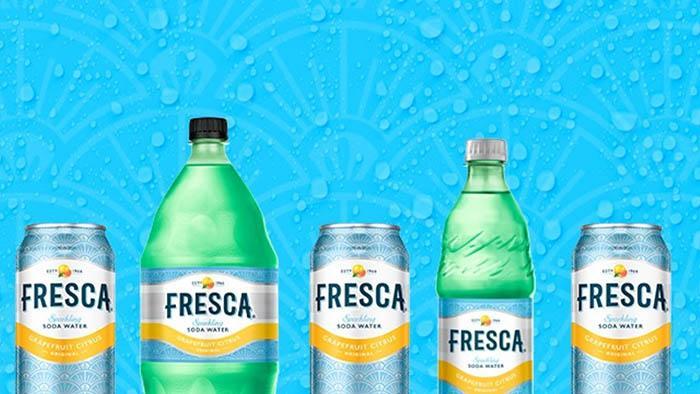
Part of Fresca’s enduring charm is its bold citrus bite. In addition to its original Citrus flavor, it is also available in various other flavors, including Peach, Black Cherry, and Grapefruit Citrus. That flavor versatility is a big reason it has become a go-to mixer for home bartenders and casual drinkers alike.
A Full Breakdown of What Is Actually Inside a Can of Fresca
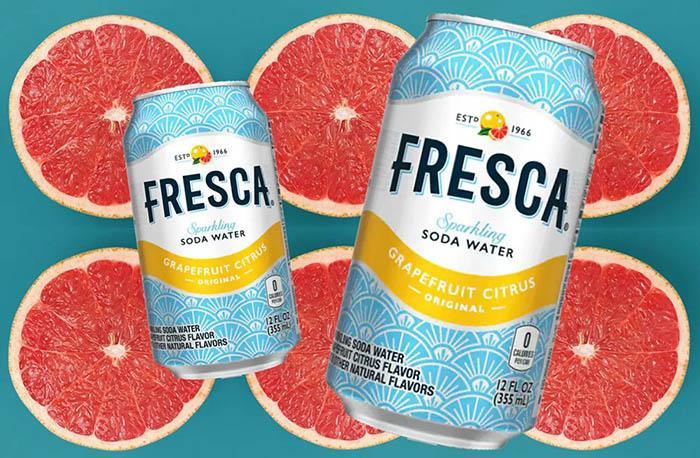
Understanding whether Fresca is bad for you starts with knowing exactly what goes into it. Here is a list of the primary ingredients found in Fresca: carbonated water, citric acid, concentrated grapefruit juice, aspartame, sodium citrate, natural flavors, and acesulfame potassium. Some formulations also include potassium benzoate, potassium sorbate, and in certain versions, tartrazine (a yellow food dye).
One serving of Fresca is a 12 fl oz can. Each serving contains 35 mg of sodium, zero sugar, zero calories, and no caffeine.
Here is a quick nutritional snapshot for easy reference:
| Nutrient | Amount Per 12 fl oz Can |
|---|---|
| Calories | 0 |
| Total Sugar | 0 g |
| Carbohydrates | 0–1 g |
| Sodium | 35 mg |
| Caffeine | 0 mg |
| Fat | 0 g |
| Protein | 0 g |
On paper, this looks almost too clean. No calories, no sugar, no caffeine. But the story hiding inside that ingredient list tells a much more complicated tale.
The Artificial Sweetener Problem: Aspartame and Ace-K
This is where the real conversation begins, and it is the part that every person who reaches for a Fresca deserves to understand clearly.
Aspartame: The Most Studied (and Most Debated) Sweetener in Food History
Aspartame is an artificial sweetener that can break down in the body into formaldehyde and damage DNA, according to a medical review published in the Nutrients journal. That sounds alarming, and it has been enough to spark decades of controversy. Here is what the most current data actually shows.
In July 2023, the International Agency for Research on Cancer (IARC) and the World Health Organization (WHO), along with the FAO Joint Expert Committee on Food Additives, released their assessments of the health impacts of aspartame. The IARC classified aspartame as a “Group 2B” carcinogen, meaning it is possibly carcinogenic to humans.
However, context matters enormously here. The threshold of danger, as explained by one WHO unit, is consuming more than a dozen cans a day for a 150-pound man. In other words, the risk tied to casual or moderate consumption is considered low by the same bodies raising the flag.
Like all artificial sweeteners, aspartame is far sweeter than sugar, and some scientific data suggest that artificial sweeteners affect the brain to increase the craving for more sweets. This might explain the association with weight gain even though diet sodas have few or no calories.
More recent cardiovascular research has added another layer of concern. A 2023 review suggests that research links long-term use of artificial sweeteners with a higher risk of cardiovascular complications, and a 2022 study that evaluated the artificial sugar intake of more than 103,000 people found an association between aspartame intake and a higher risk of strokes.
Acesulfame Potassium (Ace-K): The Sweetener That Flies Under the Radar
Fresca does not rely on aspartame alone. Acesulfame Potassium (Ace-K) is used to provide a sweet taste without calories, and both sweeteners are FDA-approved and widely used in diet beverages.
Acesulfame Potassium is proven to be carcinogenic in some research and may increase the risk of cancer. It is also worth noting that acesulfame potassium was shown to cause negative changes to brain function under certain dietary conditions in a 2018 animal study.
The combination of both aspartame and Ace-K in a single can amplifies the conversation. Regulators say both are safe in moderation. Researchers are not yet certain what “long-term, habitual consumption” of their combination does at the cellular level.
Preservatives, Additives, and What the Lawsuit Was About
Fresca is not just aspartame and water. Several additional additives round out the formula.
Potassium Benzoate and Potassium Sorbate
Fresca contains preservatives such as potassium benzoate and potassium sorbate, which help extend shelf life but may have adverse health effects if consumed in excess. Potassium benzoate, in particular, has drawn some concern from food safety researchers because of its potential to form benzene (a known carcinogen) when combined with ascorbic acid (vitamin C). Fresca does not contain added vitamin C, which reduces this specific risk, but the preservative’s presence is worth acknowledging.
Citric Acid
Read More : Can Soda Go Flat If Unopened Updated 10/2026
Citric acid is a preservative and flavor enhancer that can cause whole-body inflammatory reactions in some individuals according to a medical review published in the Toxicology Reports journal. For most people, citric acid is perfectly fine. For those with sensitivities or a history of inflammatory conditions, it is a reason to pay attention to how their body responds.
The 2023 False Advertising Lawsuit
In 2023, Fresca was sued over allegations that the brand misled consumers about its ingredients and healthiness. Specifically, the lawsuit alleged that images of fruits on the product labeling suggested these ingredients are included in the drink in “non-negligible amounts,” while they either exist in negligible amounts or do not exist at all.
For consumers who buy Fresca because they believe they are getting something close to real grapefruit flavor in a meaningful nutritional sense, this lawsuit is a useful wake-up call. Concentrated grapefruit juice is a healthy and nutritious flavoring ingredient, but there cannot be very much of it in this drink, since fruit juice contains calories and Fresca has zero calories.
What Fresca Does to Your Body: Short-Term and Long-Term
Short-Term Effects
For most healthy adults, a can of Fresca produces no dramatic short-term effects. The carbonation can cause bloating or temporary gas, particularly for those sensitive to carbonation. Fresca is acidic, which can cause heartburn or indigestion in some people. On the positive side, Fresca has no caffeine, which means it does not dehydrate you the way caffeinated sodas do.
For people with phenylketonuria (PKU), a rare genetic metabolic disorder, aspartame is genuinely dangerous because it contains phenylalanine. Every can of Fresca carries the required FDA warning label for this group.
Some people might experience headaches or dizziness from the aspartame in Fresca. Migraine sufferers, in particular, have long reported aspartame as a potential trigger, a pattern noted by medical providers and frequently flagged by neurologists.
Long-Term Effects
This is where the science gets more serious, and where casual drinkers who reach for Fresca as a daily habit should pay closest attention.
Weight and Metabolism: Despite having zero calories, diet sodas like Fresca do not automatically support weight loss. Artificial sweeteners might increase cravings for sweet foods, which can lead to weight gain. Some studies also suggest that diet sodas can alter metabolism and increase the risk of metabolic syndrome.
Bone Health: Fresca contains phosphoric acid, which can weaken your bones over time. The acid in Fresca can also erode tooth enamel. This effect is cumulative, meaning regular daily drinkers face more risk than occasional ones.
Kidney Function: Excessive soda consumption, whether diet or regular, may increase the risk of chronic kidney disease and the formation of kidney stones.
Thyroid Function: Some studies have found that drinking diet soda can cause the thyroid gland to work less efficiently, potentially leading to increased fat storage and weight gain.
Stroke and Dementia: The consumption of artificial sweeteners like aspartame has been linked to an increased risk of neurological problems, including stroke and dementia. These associations are based on observational data and have not established direct causation, but they are prominent enough to warrant serious attention.
What Fresca Does to Your Gut
One of the most fascinating and evolving areas of Fresca research involves the gut microbiome, the trillions of bacteria living in your digestive system that regulate everything from immunity and inflammation to mood and metabolism.
Some studies suggest that artificial sweeteners may disturb the balance of bacteria in the digestive tract. Saccharin and sucralose in particular have been shown to dramatically alter healthy bacteria levels in the gut and may affect blood sugar control.
Research has highlighted a decrease in beneficial bacterial strains such as Lactobacillus and Bifidobacterium, which are essential for maintaining gut health. Additionally, an increase in bacterial strains associated with adverse metabolic outcomes, including glucose intolerance and increased body weight, was observed.
The key qualifier from the scientific community is that most rigorous studies acknowledge the complexity of isolating artificial sweeteners as the cause, since lifestyle, diet, and genetics all play roles. The ingestion of non-nutritive sweeteners is only one of the multiple factors that can have a significant impact on the composition and variety of the gut microbiota. That said, if you already have IBS, Crohn’s disease, or are actively managing gut health, Fresca is probably not your best friend.
Fresca and Your Teeth: The Acid That Hides in Plain Sight
One test-tube study found that regular and diet soda significantly affected the surface roughness of tooth enamel, indicating that both can contribute to tooth erosion. Another study suggests that diet drinks slightly increased the risk of dental erosion.
Fresca is particularly notable here because it contains both citric acid and carbonic acid (from carbonation). A high consumption of citric acid can cause your tooth enamel to erode, eventually resulting in significant dental issues.
The practical advice from dentists: do not sip Fresca slowly over hours. The longer your teeth sit in contact with acidic beverages, the more damage accumulates. Drinking it quickly, rinsing with water afterward, and waiting at least 30 minutes before brushing are all strategies that help protect your enamel.
Fresca as a Cocktail Mixer: The Angle Beer and Spirits Drinkers Actually Care About
Let’s be honest: a significant portion of the people reading this are not drinking Fresca straight. They are pouring it over tequila, mixing it with vodka, or using it as a lighter stand-in for grapefruit juice in a paloma. And that is a completely legitimate conversation to have.
The Paloma Connection
A traditional Paloma is a simple cocktail made with just three ingredients: tequila, lime juice, and grapefruit soda. Examples of grapefruit soda include Wink, Fresca, and Squirt Soda. The paloma is widely considered the national drink of Mexico, arguably more popular there than the margarita. In the United States, it has become a staple of summer entertaining and bar menus everywhere.
Fresca’s zero-calorie profile makes it an attractive paloma base for drinkers who want the taste and fizz without the extra sugar load. A standard paloma made with Fresca and a good blanco tequila clocks in at roughly 100 to 140 calories, compared to 250 to 350 for a classic margarita. For anyone who enjoys a drink but keeps an eye on their intake, that trade-off is meaningful.
Fresca Mixed: The Ready-to-Drink Version
Fresca Mixed, a new line of premium, pre-mixed cocktails, brings together the bright and citrusy classic taste of Fresca with real vodka or tequila. Developed through an agreement between Constellation Brands and The Coca-Cola Company, the line launched in two varieties: Vodka Spritz and Tequila Paloma.
Both flavors contain 100 calories per 12-ounce serving, have 5% alcohol by volume, are made with real spirits, and contain zero sugar. For the beer drinker who has been cutting back and looking for a lighter buzz, Fresca Mixed offers roughly the same calorie count as a light beer, but with a more complex citrus flavor profile.
The Artificial Sweetener-Plus-Alcohol Question
Here is something most drink guides do not address: when you mix Fresca with alcohol, you are not just managing calories, you are also combining the vasodilating effects of alcohol with the gut and metabolic effects of artificial sweeteners. Some research suggests that carbonated mixers can accelerate alcohol absorption into the bloodstream, meaning your Fresca-tequila paloma may hit you slightly faster than the same tequila mixed with still water and citrus. That is not a reason to avoid it, but it is useful information for anyone mindful about how they drink.
How Fresca Compares to Other Popular Beverages
Read More : Does Aquafina Water Have Sodium Updated 10/2026
For context, here is how Fresca stacks up against drinks that often occupy the same refrigerator shelf:
| Beverage | Calories (12 oz) | Sugar | Artificial Sweeteners | Caffeine |
|---|---|---|---|---|
| Fresca | 0 | 0 g | Yes (Aspartame, Ace-K) | No |
| La Croix | 0 | 0 g | No | No |
| San Pellegrino | 0 | 0 g | No | No |
| Diet Coke | 0 | 0 g | Yes (Aspartame) | Yes |
| Squirt (Regular) | 140 | 38 g | No | No |
| Light Beer | ~100 | ~0.5 g | No | No |
| Hard Seltzer | ~100 | ~2 g | No | No |
| Regular Soda | 140–160 | 38–44 g | No | Varies |
San Pellegrino is a sparkling mineral water with no added flavoring ingredients or preservatives, typically packaged in glass. La Croix’s products have a simple formulation of carbonated water and natural flavors, making it a preservative-free and artificial-sweetener-free drink. Both are cleaner ingredient profiles than Fresca, even though they lack the bold citrus flavor that makes Fresca such a compelling mixer.
The honest takeaway from this comparison: if you are drinking Fresca as a direct substitute for regular sugar-sweetened soda, you are probably making a net positive swap on calories and blood sugar. If you are drinking it as a substitute for plain sparkling water or a clean mineral water, you are adding artificial sweeteners that plain sparkling water simply does not contain.
Who Should Be Most Cautious About Drinking Fresca
Not everyone faces the same risk profile. Certain groups have more reason to be thoughtful about regular Fresca consumption:
People with phenylketonuria (PKU): Aspartame metabolizes into phenylalanine, which people with PKU cannot process. This is an absolute contraindication, not a preference.
People with acid reflux or GERD: The citric acid and carbonation in Fresca are known triggers for heartburn and acid reflux. If you already deal with these conditions, Fresca is likely to make them worse.
People managing blood sugar or pre-diabetes: While the zero-sugar label seems ideal, a sizable 2023 cohort study of more than 105,000 people found that consumption of non-nutritive sweeteners was associated with a higher risk of developing type 2 diabetes. The mechanisms are still being studied, but the association with disrupted insulin response and gut microbiome changes warrants caution.
People with migraines: Aspartame is one of the more widely documented dietary migraine triggers. If you suffer from migraines, eliminating Fresca for a few weeks and observing the difference is a reasonable experiment.
Pregnant individuals: There is no definitive prohibition on aspartame during pregnancy in FDA guidelines, but many OBGYNs advise limiting artificial sweeteners as a precautionary measure given the unresolved questions around long-term effects.
Heavy daily drinkers of Fresca: The risks discussed above compound with frequency. Drinking one can occasionally is categorically different from drinking three or four cans every day. Consuming Fresca in moderation is essential. While it may seem like a calorie-free and sugar-free alternative to other soft drinks, the artificial sweetener aspartame can pose health risks if consumed excessively.
What Nutritionists and Dietitians Actually Say
The professional nutrition community is not uniformly alarmed about Fresca, but it is also not giving it a green light as a health food. Some nutritionists say artificial sweeteners are safe in small amounts and highlight the lack of calories and sugar in Fresca. But they also warn about potential digestive issues, and some nutritionists prefer natural drinks, suggesting water or herbal tea instead.
In general, Fresca is a better option than most soft drinks but not as good as plain water. That assessment from a registered dietitian at Clean Eating Kitchen is probably the most honest, pragmatic take available: it is a trade-up from regular soda, and a trade-down from plain sparkling water or herbal tea.
The plastic packaging concern is also worth noting. Some Fresca products are packaged in plastic, and plastic products leach chemicals into food and beverage products that can be toxic according to a 2021 medical review. Consumers who purchase Fresca should use the canned version rather than the plastic bottle version.
Healthier Alternatives That Still Deliver the Experience
If you love Fresca’s concept but have concerns about its artificial sweeteners, these options hit similar notes with cleaner profiles:
Spindrift Grapefruit: Made with real grapefruit juice, it has about 15 calories per can, a small amount of natural sugar, and no artificial sweeteners. It makes an excellent paloma mixer.
La Croix Pamplemousse: Zero calories, no artificial sweeteners, no preservatives. The flavor is more subtle than Fresca, but the grapefruit note is genuine and it mixes beautifully with tequila or vodka.
Fever-Tree Sparkling Pink Grapefruit: A premium mixer with real grapefruit and natural quinine, it contains some natural sugar (about 21 calories per 6.8 oz), but no artificial sweeteners. Bartenders love it for palomas.
DIY Fresca-Style Mixer: Sparkling mineral water (Topo Chico or San Pellegrino) with a squeeze of fresh grapefruit, a small pinch of salt, and a tiny drizzle of agave if you want sweetness. Zero artificial additives, arguably better flavor than the canned version, and it costs about the same once you have the fruit.
The Packaging Factor: Can vs. Bottle
One specific, actionable recommendation worth highlighting: if you are going to drink Fresca regularly, buy it in aluminum cans rather than plastic bottles. The BPA and phthalate concerns tied to plastic food and beverage packaging are well-documented in peer-reviewed literature, and aluminum, while not perfect, does not leach the same class of endocrine-disrupting chemicals into your drink. For daily drinkers, this is a simple swap that removes a documented risk entirely.
The Bottom Line: Is Fresca Soda Water Bad for You?
Fresca is not inherently harmful at low, occasional consumption. For someone switching from regular soda or looking to cut alcohol calories by using it as a mixer, it can represent a meaningful improvement. Its zero-calorie, zero-sugar profile is real and does what it promises.
However, Fresca is also not the clean, innocent sparkling water it now positions itself as. The presence of aspartame and acesulfame potassium ties it to a body of research linking artificial sweeteners to cardiovascular risk, disrupted gut microbiome, potential neurological effects, increased sugar cravings, and metabolic complications. These are not fringe concerns; they appear in major peer-reviewed journals and were prominent enough for the WHO’s research arm to classify aspartame as a possible carcinogen in 2023.
The most accurate answer is that Fresca is fine in moderation for most healthy adults, and worth replacing with cleaner alternatives for anyone who drinks it daily, has pre-existing health conditions, or is simply trying to get the most out of what they put in their body.
For the beer lover who cracks a Fresca on a Tuesday night instead of a third IPA, it is almost certainly the better call. For the person who drinks four Frescas a day believing it is basically the same as sparkling water, the conversation is more complicated, and probably worth having with a doctor or dietitian.
One Final Thought Worth Sitting With
Fresca has survived nearly six decades of sweetener bans, formula changes, pandemic shortages, and a federal lawsuit. It has outlasted Tab, Crystal Pepsi, and a hundred other diet beverage experiments. That resilience says something about how deeply it fits into the American drinking ritual: the need for something between water and a cocktail, something fizzy and flavored that signals you are still participating in the pleasure of the drink without necessarily committing to the drink itself.
That space between water and alcohol is real, it is valid, and it deserves to be filled with something genuinely good for you. Whether Fresca is “good enough” for that job is a decision only you can make, but now you have everything you need to make it honestly.
Sources: https://chesbrewco.com
Category: Drink