Whether you’re sipping a cold domestic lager at your neighborhood dive, nursing a hazy IPA at a trendy gastropub, or cracking open a stadium-priced can while your team drives for the end zone, one question pops up more than almost any other in American drinking culture: how much should this actually cost?
The answer, as any seasoned bar-goer knows, is rarely simple. Beer prices in the United States span an almost bewildering range, from under $4 a pint in a Montana dive bar to over $16 for a 16-ounce can at an NFL stadium. That spread reflects a complex ecosystem of costs, markups, location premiums, and venue culture that most people never think about until the bar tab arrives. This guide breaks all of it down, city by city, venue by venue, and beer style by beer style, so you know exactly what you’re paying for and why.
You Are Watching: How Much Is A Beer At A Bar Updated 10/2026
The National Average: What a Beer Actually Costs at a Bar Right Now
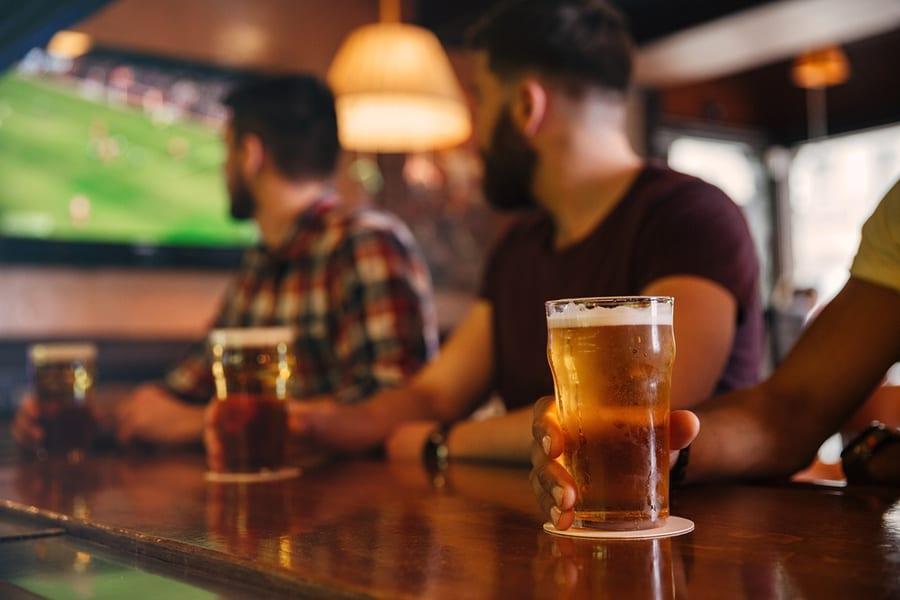
The median price of a beer on U.S. restaurant and bar menus in February 2026 was $6.49, representing a 1.9% increase compared to the same month the year prior. That number comes from Toast’s Menu Price Monitor, which aggregates real sales data from over 164,000 restaurant and bar locations across the country, making it one of the most reliable benchmarks available.
In most U.S. bars, you’ll pay $6 to $9 for a beer, depending on what you order. Domestic staples like Budweiser, Coors, and Miller typically fall on the lower end of that range, usually running $5 to $7 per pint at mid-range establishments. Craft beers and imports, from IPAs and stouts to brands like Heineken or Guinness, generally run $7 to $10, with premium or barrel-aged selections often priced higher.
It’s worth noting how dramatically these numbers have shifted. In Portland, Oregon, for example, a pint now costs $7. Before the pandemic it was $6, and not long before that it was $5. That slow, steady march upward is a story playing out in bar rooms across the entire country.
How Beer Type Changes Everything at the Bar
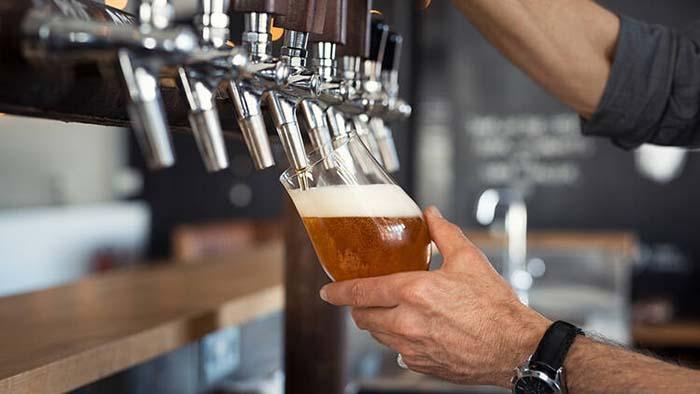
Not all beers are priced the same, even at the same bar on the same night. The type of beer you order has a direct impact on your tab, and understanding those differences is the first step toward drinking smart.
Domestic Beers
Domestic lagers from the big three brewers (Budweiser, Coors, and Miller) are almost always the cheapest beers on any menu. They’re the workhorses of American bar culture, high in volume and reliable in margin. At most mid-range bars, you’ll rarely pay more than $6 or $7 for a domestic pint, and at dive bars or during happy hour, you can often find them for as little as $3 to $5.
Craft Beers
Craft beers command a significant premium, and for good reason. The ingredients cost more, the production runs are smaller, and the bartenders often need to know more about the product to sell it well. In cities like Charlotte, Nashville, Denver, and Portland, flagship pints at local craft breweries like Denver Beer Co. and Portland’s Breakside Brewery run around $6 to $7, showing how mid-sized markets balance affordability with quality. In major metros, however, the same style of beer at a rooftop bar or upscale lounge can reach $12 to $15.
Imported Beers
Imports like Heineken, Modelo, Guinness, and Stella Artois typically land in the middle ground, usually priced $1 to $3 more than domestic equivalents. They carry the cost of international shipping, tariffs, and currency fluctuations, all of which add up before the bottle even arrives at your local bar. Despite falling consumer demand for imports in 2025, prices for international beers remain elevated because international shipping costs, tariffs, and fluctuating currency rates limit how much bars can discount without losing money.
City by City: Where You’re Paying the Most (and Least) for a Cold One
Perhaps the single biggest variable in beer pricing is where you’re sitting when you order it. The difference between cities is dramatic enough to affect how you plan a night out, especially if you’re traveling.
| City | Typical Bar Beer Price Range | Notes |
|---|---|---|
| New York City (Manhattan) | $7 to $15 | Touristy areas push higher |
| Los Angeles | $6 to $12 | Rooftop and Hollywood bars reach top |
| Chicago | $5 to $10 | Generally more affordable than coasts |
| Miami | $6 to $11 | Craft options can start at $6 |
| Nashville | $5 to $9 | Strong local craft scene, competitive pricing |
| Denver | $5 to $8 | Excellent value given craft beer quality |
| Philadelphia | $5 to $9 | Happy hour deals widely available |
| Portland (OR) | $6 to $9 | Strong neighborhood bar culture |
| Rural/Small Towns | $3 to $6 | Bottom of the national range |
In cities like Chicago and Philadelphia, bar prices often start lower, making a night out more budget-friendly. You can expect to pay $5 to $10 for beer in many Chicago pubs. In Los Angeles, the average beer price ranges from $6 to $12.
New York City deserves its own paragraph because the range is so wide. In touristy areas of Manhattan, such as around Midtown, a domestic beer typically costs $6 or $7, while a quality craft beer runs $7 or $8 for a pint. In neighborhoods like the East Village or Brooklyn, the same domestic beer often drops to $5 or $6. The average price in a mid-range New York bar for a pint, a simple mixed drink, or a house wine falls in the $7 to $9 range.
Las Vegas: The Most Expensive Market for Draft Beer
According to Untappd Insights data covering on-premise prices across all 50 states, Las Vegas has the highest average pint price in the nation, with a pint hitting $5.84 on average for a domestic draft. Several other states also top $5 per pint, including Alaska ($5.50), Hawaii ($5.37), California ($5.16), and Arizona ($5.12). On the affordable end, the lowest-priced pints are in Montana ($3.44), West Virginia ($3.46), and Utah ($3.50).
The Venue Premium: Why the Same Beer Costs Twice as Much Across the Street
One of the most frustrating, yet completely explainable, aspects of bar beer pricing is the venue premium. The exact same beer can cost dramatically different amounts depending on the type of establishment you’re drinking in.
Dive Bars
Dive bars are the best value in American drinking culture, full stop. With low overhead, no-frills decor, and a customer base that genuinely cares about price, they compete on cost. Domestic beers for $3 to $5 are standard. Some legendary dives charge even less.
Neighborhood Pubs and Sports Bars
Your average neighborhood bar or sports bar lands in the middle of the spectrum. These venues need to balance volume with margin, and they typically price domestic beers between $4 and $7 and craft or import options between $6 and $10. Sports bars often offer pitcher deals during games, which can bring the per-pint price down significantly.

Gastropubs and Craft Beer Bars
Gastropubs and specialty beer bars charge more because they offer more: trained staff, rotating tap lists, and carefully curated selections. Expect to pay $7 to $12 for most pours, with rare, barrel-aged, or imported specialties running higher.
Upscale Lounges and Hotel Bars
The environment itself is part of what you’re paying for at hotel bars and upscale lounges. Expect prices to start where a gastropub ends, with $10 to $15 as a baseline for most craft or import options. The experience, the ambiance, and the address all add to the tab.
What You’re Really Paying For: The Economics Behind Bar Beer Prices
Read More : How To Tornado A Beer Updated 10/2026
The gap between what a bar pays for beer and what it charges you might surprise you. The average markup on beer at bars is 200% to 300%. For macro brews that are very cheap wholesale, markups can reach 500%, because they’re so inexpensive to purchase in bulk. Craft beers, which cost more wholesale, tend to have a lower percentage markup even if the final price is higher.
According to Toast POS data, the average bar profit margin in 2025 ranges from 10% to 15% net, with gross margins of 75% to 80%. These high gross margins are supported by relatively low pour costs, averaging 18% to 24% depending on beverage type.
So why does a beer that costs the bar $1.50 wholesale end up on your tab for $7? The answer lies in what bars call overhead, and it’s substantial.
What Goes Into That Price
Every beer price at a bar covers more than the liquid in your glass. Rent in a major city can run tens of thousands of dollars a month. Staff wages, including bartenders, servers, and back-of-house support, consume a massive portion of revenue. Then there are utilities, insurance, licensing fees, equipment maintenance, and the cost of keeping a clean draft system. With the proper pour and storage technique, draft beer can be one of the highest margin items in a bar, with profit margins as high as 80%, and the cost per ounce being 40% to 45% lower than bottled and canned beer.
Draft beer is where bars make the most money per serving, which is why you’ll always see a tap list at the front and center of any well-run establishment.
Stadium Beers: Brace Your Wallet
If you’ve ever been stunned by the price of a beer at a game, you’re not imagining things. The average price for a 16-ounce beer at NFL stadiums in 2025 is $10.75, which is the same as last year and $1.75 higher than the 2023 average.
The Washington Commanders have the most expensive beer in the NFL, charging fans $16.49 for a 16-ounce beer. At the other extreme, Cincinnati Bengals fans can grab a 16-ounce beer at Paycor Stadium for around $6.80.
At MLB stadiums, the story is similar but slightly more affordable. The average price for a beer at an MLB stadium was $7.18 based on 2024 Statista data, though prices differ significantly from one ballpark to another, with Washington’s Nationals Park consistently ranking as the most expensive.
Beer prices at MLB stadiums range from as little as $3 to over $15, depending on the stadium and beer type. The Colorado Rockies at Coors Field offer beers at just $0.25 per ounce, making it one of the most affordable stadiums for beer in the country.
In 1985, a reporter covering the MLB All-Star Game noted that the average fan spent about $5 on beer and other concessions, which is less than $15 in today’s dollars. That same amount would not even cover one can of domestic beer at a Washington Nationals game today.
| Venue Type | Average Beer Price (16 oz) | Range |
|---|---|---|
| NFL Stadiums | $10.75 | $6.80 to $16.49 |
| MLB Stadiums | $7.50 | $3.00 to $15.00 |
| NBA Arenas | $9 to $15+ | Varies by market |
| Regular Bars | $6 to $9 | $3 to $15+ |
The Happy Hour Advantage: When to Drink for Less
Happy hour is the single most powerful tool a bar-goer has for managing their tab. Most American bars offer some version of it, typically between 3 and 7 PM on weekdays, and the savings are substantial.
During happy hour, many modest bars offer a brand of beer, two house wines, and a small cocktail for $5 to $7. You might even find beer for less than $5 in a dive bar happy hour. In Philadelphia, happy hour deals can cut beer prices down to $3 to $5.
A few strategies that consistently deliver value:
Drink at the bar, not a table. Happy hour pricing almost always applies to bar seating only. Sitting at a table, you often pay full price even during the same time window.
Go earlier in the week. Tuesday and Wednesday happy hours are almost always better deals than Thursday or Friday, simply because bars are competing harder for foot traffic.
Ask about pitcher and bucket deals. Many bars don’t advertise their pitcher prices prominently. A four-pint pitcher at $16 is functionally a $4 beer, a significant savings from the per-glass price.
Look for local brewery taprooms. Taprooms often skip the middleman pricing entirely, and because they control the product from grain to glass, they can price more aggressively than bars buying from distributors.
What’s Driving Beer Prices Higher in 2025
Understanding why prices are where they are helps you make peace with your tab, or at least complain more intelligently about it.
Ingredient and Supply Chain Costs
Factors that affect the price of beer include taxes, distribution costs, packaging costs such as aluminum cans and glass bottles, labor, demand, and production expenses. Aluminum, in particular, has been a recurring pressure point, with can prices volatile over the past several years due to supply chain disruptions and tariff pressures.
The Tariff Effect on Imports
Imported beers have been especially vulnerable to pricing pressure in 2025. Imported beers experienced the sharpest demand drop of any segment, with the Beer Purchase Index (BPI) falling from 67 in March 2024 to 46 in March 2025, marking its first time in contraction territory since April 2020. Despite falling demand, prices for imports like Heineken and Modelo remain elevated due to international shipping costs, tariffs, and fluctuating currency rates.
Craft Beer’s Tough Moment
Craft beer has taken one of the hardest hits in 2025, with its BPI plummeting from 35 to 20, signaling steep contraction and a sharp pullback from distributors. While craft brews once drove excitement and premium pricing, rising costs and tighter household budgets have made them a tougher sell. This contraction may actually create pricing opportunities for consumers, as bars look for ways to move slower inventory.
The Rise of Hard Seltzers and FMBs
In a year where most beer segments are trending downward, flavored malt beverages and hard seltzers are a rare bright spot, with the BPI rising from 33 to 40, the only segment to post year-over-year growth. Brands like White Claw and Twisted Tea continue to perform well, especially among younger drinkers and in warmer months. At bars, these typically price in the $5 to $8 range, making them competitive with domestic lagers.
Retail vs. Bar: Understanding the Price Gap
Read More : Is Root Beer Good For Upset Stomach Updated 10/2026
It’s impossible to talk about bar beer prices without acknowledging the elephant in the room: you could buy a six-pack at the grocery store for roughly what one beer costs at a bar.
A 24-pack of canned domestic beer nationally averages around $20 to $21, meaning each can costs roughly $0.85 to $0.90 before state taxes or bottle fees. Compare that to the $6 or $7 you’ll pay for the same beer at a mid-range bar, and the markup is immediately apparent.
State retail prices vary considerably too. Alaska is the most expensive state for retail beer at $34 per 24-pack, while Illinois is the cheapest at around $16 per 24-pack. These retail price differences partly explain why bar prices in Alaska are among the highest in the country.
But the gap between retail and bar prices isn’t simply greed. You’re paying for the atmosphere, the service, the bartender who knows your name, the social experience, the glassware, and the licensed environment. That premium is built into every pour.
Tips for Getting the Best Value on Your Next Bar Night
Getting a great deal on beer at a bar isn’t about being cheap. It’s about being informed. A few habits that consistently deliver better value:
Choose draft over bottles or cans. Bars make more margin on draft, which means they often price it more competitively per ounce. A 16-ounce draft pint typically delivers better value than a 12-ounce bottle at a similar or slightly higher price.
Explore local and regional craft options. Local breweries that distribute to bars in their region often price lower than nationally distributed crafts, because distribution costs are minimal. The beer is frequently better, and it’s cheaper than the nationally recognized IPA next to it on the tap list.
Visit neighborhood bars away from tourist corridors. Suburban or mid-sized city bars are the sweet spot for value, with beer typically costing $5 to $8 and many establishments offering daily specials and happy hour pricing. Two blocks off the main tourist strip can mean $2 to $4 less per beer.
Know the tipping math. In most American bars, tipping $1 per beer is the baseline, with $2 appropriate for more attentive service or complex orders. Factor this into your budgeting: that $6 beer is really $7 to $8 out of your wallet.
Use apps like Untappd, Happy Hour Finder, or your city’s specific bar apps to scout deals before you walk in the door. Many bars post real-time specials and happy hour deals on these platforms.
Beer Prices Compared to Cocktails and Wine at the Bar
For those who split their evenings between beer, cocktails, and wine, knowing how beer compares on a value basis matters.
In mid-range bars, the average price for a simple mixed drink such as a gin and tonic or rum and coke falls in roughly the $7 to $9 range, similar to a craft beer. Cocktails like Old Fashioneds or Martinis run $10 to $14, and nicer wine by the glass typically lands at $9 to $12.
On a pure alcohol-per-dollar basis, domestic draft beer consistently delivers among the best value at any American bar. High-end craft cocktails and curated wine bars tend to yield higher markup for the establishment due to premium pricing and perceived value, while beer delivers reliable returns through volume. That dynamic means bars have less financial pressure to inflate beer prices compared to cocktails.
A State-by-State Reality Check
Regional differences in beer prices at bars are real, and they’re influenced by state alcohol taxes, local licensing costs, population density, and prevailing wage rates. A quick look at what shapes regional pricing:
The Northeast consistently delivers higher prices, driven by dense urban markets, high real estate costs, and some of the highest bartender wages in the country. New York, Massachusetts, and Connecticut all cluster near the top of the national range.
The Southeast offers some of the best values in the country, especially in smaller cities and rural areas. States like South Carolina, North Carolina, and Georgia maintain competitive bar pricing helped by lower operating costs and favorable alcohol tax structures.
The Mountain West is a mixed picture. Colorado and Montana offer excellent craft beer culture at surprisingly reasonable prices, while Wyoming’s rural distribution challenges keep costs elevated.
The Pacific Coast runs expensive, particularly in California. San Francisco, Los Angeles, and Seattle all feature bar beer prices well above the national median, reflecting the region’s high cost of living across all categories.
The Social Contract of Bar Beer Pricing
There’s a dimension to bar beer pricing that statistics can’t capture: the social contract between a bar and its regulars. Many neighborhood bars deliberately price their most popular beers below what the economics strictly demand, because they understand that the regular who comes in three nights a week and nurses three affordable beers is worth more to their business long-term than the occasional tourist who pays premium prices once.
While prices have largely stabilized after years of steady increases, what you pay still depends heavily on where you drink, what you order, and when you go. Whether you’re sipping a domestic lager at a neighborhood dive or enjoying a craft IPA at an upscale lounge, understanding the forces behind bar pricing helps you make smarter choices.
The best bars, at any price point, make you feel like the cost was worth it. That’s a calculation that involves the beer itself, the glass it comes in, the person who pours it, and the company you keep. No pricing guide can fully account for all of that.
Conclusion
The number on your bar tab is just the surface of a story that runs through hop fields in the Pacific Northwest, distribution networks spanning 50 states, commercial kitchens in major cities, stadium concession negotiations, and a centuries-old culture of gathering around a cold drink. Knowing what drives the price of your beer doesn’t make the next $10 pint at Fenway feel painless, but it does transform you from a passive consumer into someone who knows the game. And in American bar culture, that kind of knowledge is worth at least a round.
Sources: https://chesbrewco.com
Category: Beer