You cracked open a cold IPA after work. You poured a glass of Cab Sav with dinner. You mixed a margarita at the weekend barbecue. And somewhere between that lifestyle and your morning scroll through wellness content, someone told you to also be drinking alkaline water.
Now you’re standing in the grocery store staring at a row of bottles ranging from $2 to $6, all promising pH levels of 8, 9, even 9.5, and wondering: is this actually doing anything, can you overdo it, and what does it even mean for someone who drinks alcohol regularly?
You Are Watching: How Much Alkaline Water Can You Drink Updated 10/2026
This guide cuts through the marketing noise. Here’s what the science actually says about how much alkaline water you can safely drink, why it matters especially if your weekends involve cold ones or cocktails, and where the line between “smart hydration” and “overdoing it” really sits.
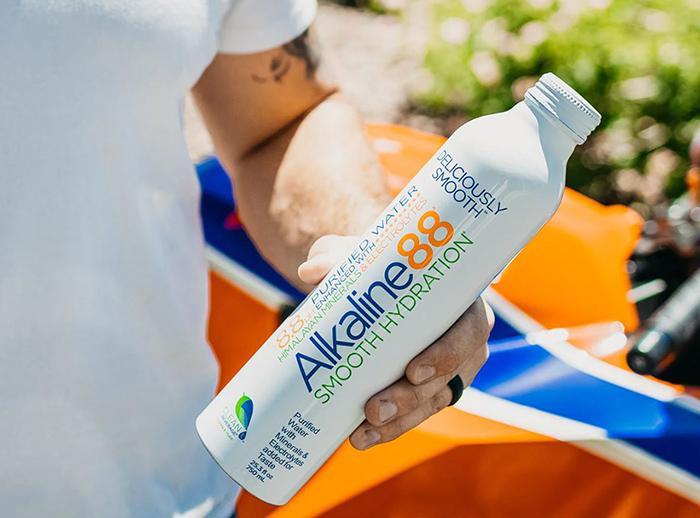
What Alkaline Water Actually Is (And What It Isn’t)
Before diving into quantities, let’s get the chemistry straight. pH is a scale that runs from 0 to 14. Pure water sits at a neutral 7. Anything above 7 is alkaline, anything below is acidic.
Regular tap water typically lands between 6.5 and 7.5. Alkaline water, by contrast, clocks in at pH 8 to 9.5, sometimes higher in marketed products. Some brands hit pH 10 or beyond, which is where things get interesting from a health perspective.
That higher pH is achieved in two main ways:
- Natural alkalinity: Water that passes through mineral-rich rock formations (like limestone or granite springs) naturally picks up calcium, magnesium, and potassium, raising its pH organically. Brands like Essentia, Evian, and Eternal Water often fall into this category.
- Ionization/electrolysis: Water is passed through an ionizer machine that uses electrical current to separate acidic and alkaline molecules, raising the pH artificially. This is what many home ionizers and some commercial products use.
The minerals matter. Calcium, magnesium, and potassium are the primary compounds responsible for the alkaline nature of quality alkaline water, and these also happen to be electrolytes your body loses when you drink alcohol. Keep that in mind.
What alkaline water is not is a magic bullet. The U.S. Food and Drug Administration regulates bottled water marketed as alkaline water, but the agency has not confirmed any specific health claims. Most of the benefits circulating online are based on small studies, animal research, or anecdotal evidence. That said, some of those studies are genuinely interesting, particularly for people whose diets lean acidic, which is exactly what a lifestyle that includes regular beer, wine, or cocktail consumption tends to look like.
The pH of Your Favorite Drinks (And Why It Matters)
Here is something most people who enjoy a drink don’t know: virtually every alcoholic beverage you love is significantly acidic.
| Beverage | Typical pH Range | Acidity Level |
|---|---|---|
| White wine | 3.0 – 3.3 | Strongly acidic |
| Red wine | 3.3 – 4.0 | Strongly acidic |
| Beer (lager) | 4.0 – 4.5 | Moderately acidic |
| Beer (sour/craft) | 3.0 – 3.5 | Strongly acidic |
| Margarita (with lime) | 2.5 – 3.5 | Strongly acidic |
| Whiskey/bourbon | 3.5 – 4.5 | Moderately acidic |
| Vodka | 7.1 – 8.1 | Neutral to mildly alkaline |
| Gin | 6.0 – 7.0 | Near neutral |
| Alkaline water | 8.0 – 9.5 | Alkaline |
That wine you’re pouring with dinner? It has roughly the same pH as coffee. Your weekend IPA? Sitting right around 4.0 to 4.5 on the scale. A classic margarita with fresh lime juice can dip as low as 2.5, which starts to approach the acidity of vinegar.
Now, the human body has excellent buffering systems. Your lungs and kidneys work constantly to keep your blood pH locked in the range of 7.35 to 7.45, which is slightly alkaline. A healthy person’s blood pH doesn’t swing dramatically just because they drank a beer or two.
However, when you metabolize alcohol, your liver converts it in two stages: first into acetaldehyde (a toxic compound), then into acetate. When you drink more than your liver can process at one time, toxic acetaldehyde builds up. This contributes to nausea, sweating, and the general suffering of a hangover. Additionally, alcohol is a diuretic, meaning it tells your kidneys to send water straight to your bladder rather than reabsorbing it, which is why you make so many trips to the bathroom after a few drinks and why you wake up dehydrated and headache-ridden the next morning.
An already acidic diet (processed foods, red meat, sodas, beer, wine) puts a consistent workload on the body’s buffering systems. That’s the context in which alkaline water becomes interesting for drinkers specifically.
How Much Alkaline Water Can You Drink Per Day: The Numbers
Let’s get to the core question, because this is where a lot of conflicting information lives.
The General Baseline for Healthy Adults
Most health professionals and hydration researchers point to the same standard: 8 to 10 cups (64 to 80 ounces, or roughly 2 to 2.5 liters) of total water per day for most healthy adults. The famous “8×8 rule,” eight 8-ounce glasses daily, works as a practical baseline.
For alkaline water specifically, the guidance from hydration specialists tends to land in two camps:
- Conservative approach: Drink 4 to 6 glasses (32 to 48 oz) of alkaline water per day, representing 50 to 70% of your total water intake. The rest should come from regular filtered water.
- Full-swap approach: Replace all your regular water with alkaline water, aiming for 8 to 12 glasses (64 to 96 oz) daily.
The conservative approach has more scientific rationale behind it. Your stomach needs to be acidic to digest food properly. Hydrochloric acid in the stomach breaks down proteins, kills pathogens, and activates digestive enzymes. Flooding the system entirely with alkaline water throughout the day, especially with meals, can interfere with that process.
The Safe Range, Spelled Out
For most healthy adults in good physical shape:
- Minimum starting point (newcomers): 8 to 16 oz per day, gradually increasing
- Comfortable daily range: 32 to 64 oz (1 to 2 liters) of alkaline water
- Upper comfortable limit: 80 oz (2.5 liters) for active, healthy individuals
- Danger zone: Consistently exceeding 4 liters (about 135 oz) per day of highly alkaline water over extended periods
That 4-liter figure comes directly from medical case reports. A published case in ScienceDirect documented a 42-year-old woman who consumed 5 liters of alkaline water daily for a month and ended up in the emergency room with severe metabolic alkalosis, dangerously low potassium levels (1.6 mEq/L when normal is 3.5 to 5.0), and an abnormal heart rhythm. She required four days of IV fluid and electrolyte replacement to stabilize.
That is an extreme example of chronic, excessive consumption. But it’s a real data point that illustrates the upper ceiling. Nobody is recommending you drink 5 liters a day. The point is that “more is always better” logic does not apply here.
What Changes If You Drink Alcohol Regularly
Read More : Helium Beer Canada Where To Buy Updated 10/2026
If you’re someone who regularly enjoys a few beers on the weekend, a glass of wine with dinner most evenings, or cocktails at social events, a few adjustments to the standard guidance make sense.
On drinking days, your hydration needs are elevated. Alcohol causes you to urinate about 100 mL more than the volume of liquid you consume per drink. Meaning, for every beer or glass of wine, you’re losing more fluid than you’re taking in. Drinking 8 to 16 oz of alkaline water between alcoholic drinks can help offset this loss while simultaneously providing the electrolytes (magnesium, potassium, calcium) your body needs.
The morning after is where alkaline water arguably earns its reputation. We’ll get into the science of this in the next section, but drinking 16 to 32 oz of alkaline water first thing in the morning following a night of drinking is a reasonable and well-tolerated approach for most people.
On non-drinking days, stick to the standard 32 to 64 oz range and let your body maintain its natural balance.
The Alcohol-Alkaline Water Connection: What Science Says About Hangovers
This is the section most drinkers actually care about. Does alkaline water actually help with a hangover?
The honest answer: partially, and for specific reasons, not for the reasons most marketing materials claim.
Hydration and pH Buffering
Alcohol inhibits a hormone called vasopressin (also known as antidiuretic hormone). Normally, vasopressin tells your kidneys to reabsorb water. Alcohol blocks this signal, causing your kidneys to flush water into your bladder. The result: dehydration, loss of electrolytes, and the characteristic pounding headache.
Alkaline water addresses this through two mechanisms. First, plain hydration, restoring the fluid your body lost. Second, the mineral content (magnesium, potassium, calcium) in quality alkaline water helps replenish the electrolytes that get flushed out along with that excess urine.
A study published in Biomedical Research found that electrolyzed alkaline water (similar to ionized alkaline water) reduced hangover-like symptoms in rats by helping the body process the toxic byproducts of alcohol metabolism more efficiently. The water appeared to support the liver’s ability to break down hydrogen peroxide, a byproduct of alcohol metabolism that can cause oxidative liver damage in excess.
Interestingly, a 2024 review published in ScienceDirect that examined water consumption and hangovers found that drinking water during or after alcohol consumption had only a modest effect on preventing next-day hangover severity specifically. This is because a hangover isn’t just dehydration. It also involves inflammation, immune response, disrupted sleep, and acetaldehyde toxicity, factors that water alone (alkaline or not) can’t fully address. Dehydration and hangover are co-occurring but partially independent consequences of drinking.
What this means practically: alkaline water is a helpful piece of the puzzle, not the whole solution. It will address the dehydration component better than plain water (due to electrolyte content) and may help neutralize some of the excess acidity in your stomach lining that alcohol causes. But it won’t cure the hangover.
Acid Reflux and Heartburn Relief
One area where the science is genuinely promising: acid reflux. A 2012 study published in the Annals of Otology, Rhinology and Laryngology found that alkaline water with a pH of 8.8 permanently deactivated pepsin, the primary enzyme responsible for acid reflux. This is relevant for drinkers because alcohol is a well-known acid reflux trigger. It relaxes the lower esophageal sphincter, allowing stomach acid to creep upward.
Beer and wine drinkers who experience heartburn after drinking may find that consuming alkaline water before and after drinking provides measurable relief, not because it changes blood pH, but because it neutralizes excess stomach acid directly at the source.
The Smart Timing Strategy for Drinkers
Based on the available evidence, here’s how to integrate alkaline water into a lifestyle that includes regular social drinking:
- Morning (before coffee or breakfast): 8 to 16 oz on an empty stomach to kickstart hydration and pH balance
- 30 minutes before drinking alcohol: 8 oz to pre-hydrate
- Between drinks: Alternate alcoholic beverages with 4 to 8 oz of alkaline water
- Before bed after drinking: 16 oz to head off morning dehydration
- Morning after: 16 to 32 oz first thing to rehydrate and help kidneys process remaining toxins
- Not with meals: Avoid drinking alkaline water within 30 minutes before eating or for 1.5 to 2 hours after a meal, as it can interfere with stomach acid production and slow digestion
That last point is worth emphasizing. Many people make the mistake of gulping alkaline water throughout a meal. Your stomach is supposed to be very acidic during digestion. Flooding it with alkaline water right before or during eating blunts the hydrochloric acid it needs to break down food properly.
Signs You’re Drinking Too Much Alkaline Water
Your body is an excellent communicator when something is off. If you’re experiencing any of the following, pull back on your alkaline water intake and consider speaking with a doctor:
Digestive disruption: Bloating, nausea, or a sense that food isn’t sitting right after meals may indicate you’re drinking alkaline water too close to meals or in too-high quantities.
Muscle twitching or cramps: One of the early signs of shifting electrolyte balance. This can occur when excessive alkaline intake begins pulling calcium from tissues, as the body tries to compensate for rising pH.
Unusual fatigue or mental fog: When the body’s pH drifts even slightly outside its tight range, enzyme function suffers. Fatigue, confusion, and difficulty concentrating can all result.
Tingling in the extremities: A sign of potential hypocalcemia (low calcium), which can occur when blood pH becomes too alkaline, binding free calcium.
Nausea combined with excessive thirst: If you’re drinking large amounts of alkaline water and still feeling unusually thirsty, something’s off.
If you have kidney disease: Stop and consult a doctor before drinking alkaline water at all. Your kidneys are the primary organs responsible for regulating blood pH. Compromised kidneys can’t compensate for an alkaline overload the way healthy ones can.
pH Levels in Alkaline Water: Which One Should You Choose?
Not all alkaline water is the same, and the pH number on the label matters more than most people realize.
| pH Level | Description | Best For |
|---|---|---|
| pH 7.5 – 8.0 | Mildly alkaline | Beginners, sensitive digestion, daily hydration |
| pH 8.0 – 8.5 | Moderately alkaline | Regular daily use, mild acid reflux support |
| pH 8.5 – 9.5 | Standard alkaline | Active individuals, post-exercise, post-drinking recovery |
| pH 9.5 – 10.0 | High alkaline | Short-term use, athletes under medical guidance |
| pH 10+ | Very high alkaline | Caution advised, not recommended for chronic daily use |
Most health-focused experts point to pH 8.5 to 9.5 as the sweet spot for daily drinking. It’s alkaline enough to provide meaningful buffering capacity without being so extreme that it chronically disrupts stomach acid production.
Read More : Best Beer To Cook Crabs With Updated 10/2026
Water labeled pH 10 or above may be fine for occasional use (like morning hydration before any food), but making it your only water source day after day is how people end up in case reports.
Naturally alkaline spring water is generally preferable to artificially ionized water because its alkalinity comes packaged with a more balanced mineral profile. Some brands that ionize water add sodium bicarbonate (baking soda) as the alkalizing agent. While that raises pH effectively, drinking large amounts of sodium bicarbonate long-term isn’t without risk, particularly for people with cardiovascular concerns.
Who Should Be Extra Cautious
Alkaline water is generally safe for healthy people who consume it in the ranges described above. But certain groups need to tread more carefully:
People with kidney disease or reduced kidney function: The kidneys are the main regulators of acid-base balance. Overloading them with alkaline substances can cause complications, including calcium-alkali syndrome, a condition documented in medical literature involving hypercalcemia, metabolic alkalosis, and kidney injury.
People taking prescription medications: Alkaline water can affect how the body absorbs certain drugs. High pH in the gut can speed up or slow down absorption depending on the medication. If you take anything regularly, particularly blood pressure medications, diuretics, or thyroid drugs, check with your pharmacist before making alkaline water a daily habit.
People who already have high stomach acid issues or are on antacids: Combining alkaline water with antacid medications could create a double-alkalizing effect that overshoots the target.
Heavy daily drinkers: If you’re consuming alcohol at quantities that put serious stress on your liver and kidneys every day, those organs are already working overtime. Adding significant alkaline water consumption on top of that creates a complex situation. The occasional glass will likely still be helpful, but the moderate-use guidance applies here with extra weight.
How to Start: A Practical Guide for the Casual American Drinker
If you’re new to alkaline water and your diet currently includes regular beer, wine, or cocktails, here’s a practical onboarding approach that won’t shock your system:
Week 1 to 2: Replace one or two glasses of your regular drinking water with alkaline water (pH 8.0 to 8.5). Aim for 16 to 24 oz per day. Pay attention to how your digestion feels and whether you notice any changes in morning energy levels or acid reflux symptoms.
Week 3 to 4: Increase to 32 oz per day if you’ve tolerated the initial amount well. Continue timing it away from meals.
Week 5 onward: Land at a comfortable daily range of 32 to 64 oz, representing about 50 to 70% of your total daily water intake. Let the remaining hydration come from regular filtered water or mineral water.
Some people experience mild “detox” symptoms in the first week or two: mild headaches, changes in bowel habits, slight fatigue. These typically pass within a few days as the body adjusts. They’re not dangerous, but they can be uncomfortable. Staying within the lower starting range helps minimize them.
If you use ice in your cocktails or mix drinks with water, switching to alkaline water or making ice cubes from alkaline water is a low-effort way to get a small amount of alkaline benefit without changing your drinking routine significantly.
What the Research Doesn’t Fully Support Yet
Intellectual honesty matters here. There are health claims about alkaline water that routinely circulate on wellness blogs and product pages that the current scientific evidence doesn’t firmly back up:
“Alkaline water changes your blood pH.” This is almost certainly false for healthy individuals. Your lungs and kidneys regulate blood pH so tightly that drinking alkaline water doesn’t meaningfully shift it. The benefits of alkaline water operate through different mechanisms (mineral content, local neutralization of stomach acid, electrolyte replenishment).
“Alkaline water prevents cancer.” There is no credible large-scale human study supporting this claim.
“Alkaline water reverses aging.” The antioxidant potential of ionized water (measured as negative ORP, oxidation-reduction potential) is real in laboratory settings, but whether it translates to meaningful anti-aging effects in living humans remains unproven.
“Alkaline water fully cures hangovers.” As discussed, it helps with the dehydration and acid component of a hangover. It doesn’t address the inflammation, immune response, or acetaldehyde toxicity that contribute to how awful you feel the morning after overdoing it.
Acknowledging these limitations doesn’t diminish the real, evidence-based benefits: improved hydration when mineral-rich, potential acid reflux relief, support for electrolyte balance, and possible assistance with the body’s detoxification processes, particularly relevant for people whose diet and drinking habits lean toward the acidic.
Conclusion
Here’s the thing nobody in the alkaline water industry will tell you directly: the most important variable isn’t the pH of your water, it’s whether you’re actually drinking enough of it.
For the average American who enjoys a cold beer after work or a cocktail on a Friday night, alkaline water occupies a genuinely useful niche. Not as a miracle cure. Not as a replacement for moderation. But as a smarter form of hydration that happens to deliver electrolytes at the exact moments your body is losing them to alcohol’s diuretic effects, and that gives your stomach a fighting chance against the acidic assault of your favorite beverages.
The number to live by: 32 to 64 oz of quality alkaline water per day is a range that works for most healthy adults. If your lifestyle includes regular drinking, prioritize those ounces between drinks, before bed after a night out, and first thing in the morning. Keep it away from mealtimes. Don’t chase extreme pH numbers. And don’t buy the pitch that more is always better.
Your body has been managing its own pH balance for your entire life without your intervention. Alkaline water doesn’t replace that system. At the right amount, it gives that system a little extra support when your lifestyle choices are working against it.
Sources: https://chesbrewco.com
Category: Beer