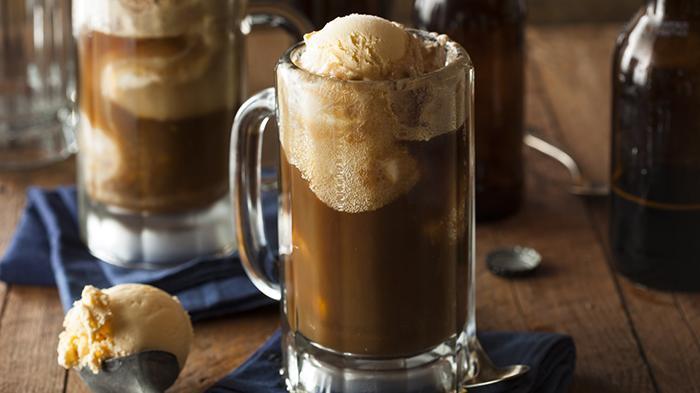
If you’ve ever cracked open a cold, frothy mug of root beer and thought, “Wait, what actually makes this taste the way it does?” you’re not alone. Most Americans grow up drinking root beer at backyard cookouts, drive-in diners, and baseball stadiums without ever questioning the “root” part of the name. The story behind it, however, is one of botany, colonialism, Native American tradition, government bans, and a pharmacist who just wanted Pennsylvania coal miners to stop drinking so much actual beer.
So pull up a chair, pour yourself something cold, and let’s dig deep into the roots of root beer.
You Are Watching: What Is The Root In Root Beer Updated 10/2026
The Answer Nobody Actually Knows: What Root Is It?
Here’s the surprising truth: most Americans drinking root beer today are not drinking anything that contains an actual root. Not in the traditional sense. The original, authentic root behind root beer was the root bark of the sassafras tree (Sassafras albidum), a deciduous North American tree that grows from Maine down through Florida and as far west as Texas.
Root beer is a North American beverage traditionally made using the root bark of the sassafras tree or the sarsaparilla vine as the primary flavor. It started out as a type of small beer that was brewed.
That sweet, complex, slightly spicy flavor that you associate with A&W or Barq’s? That was originally the taste of sassafras. The tree’s roots have an aroma that one 19th-century naturalist famously described as “the fragrance of lemons and a thousand spices.” Henry David Thoreau himself called sassafras’s scent “the fragrance of lemons and a thousand spices,” and that combination of wonderful taste and aroma eventually guaranteed its place as the root in root beer.
But here’s where the story gets complicated: that root is now banned. Has been since 1960. And yet root beer is more popular than ever.
Sassafras: North America’s Most Celebrated (and Controversial) Tree
What Made Sassafras So Special
Sassafras is not just any tree. It belongs to the laurel family (Lauraceae) and is one of the few trees in North America that produces leaves in three distinct shapes on the same branch: an oval leaf, a mitten-shaped leaf, and a three-lobed leaf. The roots, bark, and leaves all carry a distinctive aromatic oil, and for centuries, that oil was considered nothing short of miraculous.
Many of the indigenous peoples of North America brewed medicinal teas and tinctures out of roots, barks, berries, and flowers. Some of these medicinal drinks used sassafras, wintergreen, and sarsaparilla. These North and Central American plants were thought to boost immune function, reduce inflammation, combat allergies, and more.
Long before European settlers arrived, Native American tribes had been using sassafras medicinally for hundreds of years. Root bark from Sassafras albidum trees was steam distilled into a tincture that could reduce fevers, treat rheumatism, and relieve diarrhea. Extracts from the perennial tree were also used as an additive for food and drink.
When European explorers encountered the plant in the 1500s, they were so taken with it that in 1565, Francis Drake returned to England with a cargo hold full of sassafras roots, setting off something of a craze for sassafras tea. By the next century it had become a major export item, almost equal in value to tobacco.
Early colonial explorers actually listed “finding sassafras” as a mission objective in some voyage logs, right alongside finding gold. That’s how valuable this root was.
The Flavor Profile of Real Sassafras
If you’ve never tasted real sassafras root beer, describing it requires some imagination. It’s earthy, sweet, and mildly spicy with a distinctive quality that’s hard to place. There’s a warmth to it, a little like cinnamon, but smoother. The mucilaginous properties of sassafras root bark also naturally produced a long-lasting, thick foam when brewed. Root beer was originally made with sassafras root and bark which, due to its mucilaginous properties, formed a natural, long-lasting foam, a characteristic feature of the beverage.
That natural, creamy head on a properly poured root beer? Originally, it came entirely from the sassafras plant itself. No additives needed.
The Full Botanical Lineup: Every Root That Goes Into Root Beer
While sassafras was the star, traditional root beer was never a one-root show. It was more like a botanical jamboree, and the recipe varied from household to household, region to region, and brewer to brewer. Beyond the standard sassafras, wintergreen, and sarsaparilla, other aromatics such as ginger, birch bark, licorice, hops, vanilla, burdock root, dandelion root, coriander, cherry bark, and guiacum gum also appeared in early root beverages.
Here’s a breakdown of the main botanical players and what they each brought to the glass:
Sassafras Root Bark: The foundational flavor. Sweet, spicy, earthy, and creamy. The defining characteristic of root beer for nearly its entire history.
Sarsaparilla (Smilax ornata): A tropical vine whose root delivers a woodsy, slightly sweet flavor with licorice undertones. Most brewers choose to add vanilla, wintergreen, liquorice root, nutmeg, acacia, anise, molasses, cinnamon, clove or honey to their recipes. Sarsaparilla was the basis for a rival drink of the same name and was used in many early root beer recipes as a secondary or primary flavor.
Wintergreen (Gaultheria procumbens): Provides a cool, minty, slightly medicinal note. Now, the primary flavor we associate with root beer is wintergreen, not sassafras. If you’ve had a wintergreen mint or a stick of Wrigley’s spearmint, that’s the flavor family root beer now leans on.
Vanilla: Rich, creamy, and sweet. Vanilla pods and extract have been in root beer recipes for over a century. Vanilla beans are the fruit of the vanilla orchid, the only orchid plant that produces an edible fruit, and vanilla extracts have reportedly been used to help alleviate toothache and have been used as an antispasmodic.
Licorice Root: Delivers that distinctive anise-adjacent sweetness and depth. It’s one of the roots that gives root beer its characteristic “dark” taste profile.
Birch Bark: Birch has a bit of a spicy flavor that gives root beer a peppery kick. Birch beer, a closely related beverage, uses birch bark as its primary flavoring agent.
Ginger: Adds a warm, peppery backbone. Ginger root has been a staple of folk medicine and flavored beverages across cultures for millennia.
Molasses: Not a root, but a key ingredient in early recipes that added body, sweetness, and color. The deep brown color of root beer has its roots (no pun intended) in molasses.
Anise and Nutmeg: Aromatics that contributed to the spiced, complex nose of traditional brews.
How Root Beer Actually Got Made
Here’s something that might surprise you: for most of its history, root beer actually contained alcohol. Not a lot, but enough to be classified as a beer in the technical sense.
European colonists brought their own traditions to the Americas, including the medieval tradition of “small beer.” Small beers were low-alcohol beers (hovering at 1-2% ABV). Europeans brewed small beers because they were safer than water, cheap, nutritious, and unlikely to get you too drunk during the day.
Read More : Is Beer Drinking Is Good For Piles And Fissure Updated 10/2026
When colonists observed Native Americans using sassafras, sarsaparilla, and other plants for their health benefits, they naturally merged their brewing tradition with these indigenous botanicals. The result was small beer brewed with roots.
One traditional recipe for making root beer involves cooking a syrup from molasses and water, letting the syrup cool for three hours, and combining it with the root ingredients (including sassafras root, sassafras bark, and wintergreen). Yeast was added, and the beverage was left to ferment for 12 hours, after which it was strained and rebottled for secondary fermentation. This recipe usually resulted in a beverage of 2% alcohol or less.
So the next time someone tells you root beer isn’t a real beer, you can inform them: historically, it absolutely was.
Charles Elmer Hires: The Man Who Sold America Its Favorite Soda
No account of root beer is complete without Charles Elmer Hires, the Philadelphia pharmacist who turned a backwoods herbal tradition into a commercial empire.
It wasn’t until the Colonial era that a Philadelphia pharmacist named Charles Elmer Hires turned root beer into a household soda pop. Hires and his wife visited a New Jersey lodge for their honeymoon and he tasted the recipe of the innkeeper’s wife. He was so captivated by the drink that he went back to Philadelphia and started working with professors at what is now the University of Pennsylvania to develop his own extract.
The professors did two great things for Hires. First, they came up with a way to turn the ingredients into a shelf-stable powder. Root beer powder was easier to sell and distribute as the base for a tasty non-alcoholic drink. Second, the professors eliminated the strong laxative effect of the original recipe.
Hires was a Quaker and a committed teetotaler, which is why he was dead set on making his version non-alcoholic. His first instinct was to call it “root tea.” That didn’t land particularly well.
In a bid to appeal to the masculine sensibilities of the miners, Hires called his drink root beer, and a commercial hit was born.
The word “root” indicated the sassafras root, which was the main ingredient of Hires’ recipe. Then the Philadelphia Centennial Exposition of 1876 came around, and likely to appeal to the working-class, Hires changed the name from root tea to root beer.
In 1876, he began selling 25-cent powder packets in drug stores that could be added to yeast, water, and sugar to make five gallons of root beer. That was the beginning of Hires Root Beer Company.
The irony of a teetotaler naming his health drink “beer” to appeal to miners is one of American food history’s great jokes. And it worked brilliantly.
The FDA Ban That Changed Root Beer Forever
For nearly a century, sassafras was the soul of root beer. Then science intervened.
Both sassafras and sarsaparilla contain safrole, a compound recently banned by the FDA due to its carcinogenic effects. Safrole was found to contribute to liver cancer in rats when given in high doses, and thus it and sassafras or sarsaparilla-containing products were banned.
In 1960, the U.S. Food and Drug Administration banned safrole, the aromatic oil in sassafras, citing its potential to cause liver damage and certain cancers. In response, most producers began using a safrole-free sassafras extract.
This was a seismic event for the root beer industry. Overnight, the defining ingredient of an American beverage tradition became illegal for commercial use. Since then, root beer makers have replaced the tree root with a host of other ingredients, such as molasses and extracts from the Quillaia tree, to mimic the taste of good root beer, but none could produce quite the same flavor as sassafras.
It’s worth noting that the context of the ban has been debated. The doses of safrole given to laboratory rats were extremely high, far exceeding what anyone would consume through root beer. Laboratory animals that were given oral doses of sassafras tea or sassafras oil that contained large doses of safrole developed permanent liver damage or various types of cancer. Some herbalists and food historians argue the ban was an overcorrection, but it stands to this day.
What’s Actually In Modern Root Beer?
Today’s commercial root beer is an engineering achievement: a precisely calibrated blend of flavors designed to taste like something that’s no longer allowed in it.
Modern mass-produced root beer is usually made with a proprietary mixture of carbonated water, high-fructose corn syrup or sugar, caramel coloring (to give the product its trademark dark brown appearance), and small amounts of natural and artificial flavorings.
The flavor profile is now built primarily around wintergreen, vanilla, anise, and artificial sassafras flavoring (produced from safrole-free extraction or synthesized compounds). There are now hundreds of root beer brands in the United States, produced in every state, and yet there is no standardized recipe.
That lack of standardization is actually what makes root beer so interesting as a beverage category. Each brand’s recipe is a proprietary secret, which means two bottles labeled “root beer” can taste remarkably different from each other.
Root Beer Brand Comparison: What Each One Actually Tastes Like
| Brand | Founded | Key Flavor Notes | Sweetener | Notable Ingredient |
|---|---|---|---|---|
| A&W | 1919 | Creamy, mild, smooth | HFCS | Vanilla-forward blend |
| Barq’s | 1898 | Spicy, sharp, complex | HFCS | Contains caffeine; gum acacia |
| Dad’s | 1937 | Bold, traditional | HFCS | Chicago-style classic |
| IBC | 1919 | Clean, not-too-sweet | Pure cane sugar | Quillaia extract |
| Mug | 1940 | Sweet, bubbly, mild | HFCS | Creamy head |
| Sprecher | 1985 | Rich, creamy, honey-forward | Raw Wisconsin honey | Fire-brewed |
| Virgil’s | 1994 | Complex, herbal, spiced | Cane sugar | Globally sourced botanicals |
| Henry Weinhard’s | 1856 | Bold, smooth, balanced | HFCS | Vanilla and honey notes |
| Maine Root | 2005 | Crisp, minty, simple | Fair-trade cane sugar | Just three ingredients |
| Bundaberg | 1960 | Raw, gingery, earthy | Cane sugar | Brewed three days with real sarsaparilla |
Because there is no standard recipe for root beer, different brands can vary quite a bit, and you may find a hint of vanilla, caramel, molasses, or cinnamon along with the sassafras flavor.
A few brands deserve special mention:
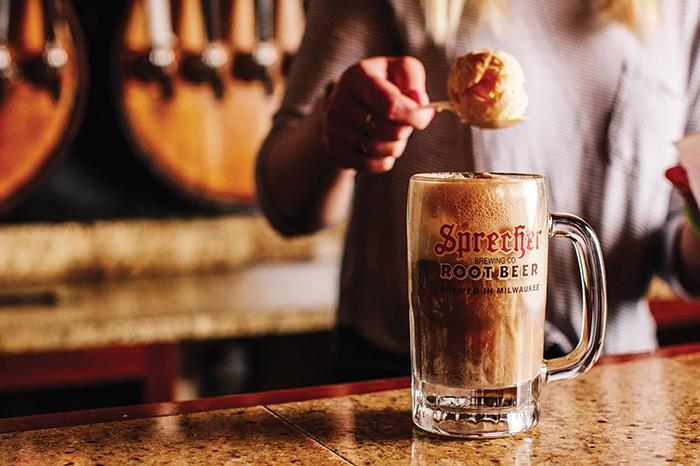
Sprecher Brewing Co. holds a unique distinction as the only brewery in the U.S. that fire-brews root beer with raw honey. The result is a creamy, distinctly smooth soda that consistently tops taste tests.
Barq’s, now owned by Coca-Cola, is notable for being one of the few major root beers that contains caffeine and for using gum acacia as part of its proprietary formula. In 1898, Edward Barq began selling Barq’s Root and Herb Brew for five cents a bottle in his hometown of Biloxi, Mississippi. Barq’s avoided calling itself “root beer” for decades to sidestep legal conflicts with Hires.
Virgil’s, made by REED’s Inc., is the craft enthusiast’s choice: made with an exotic blend of globally sourced ingredients and offers a complex flavor that sets it apart from traditional root beer.
Hard Root Beer: When Nostalgia Gets a Buzz
For those of you who drink beer, wine, or cocktails, the evolution of hard root beer is perhaps the most relevant development in the category in decades.
The widespread acceptance and enthusiasm for hard root beer have encouraged brewing companies to innovate further. The trend is clear: hard root beer is here to stay and flourish, transforming from a niche curiosity into a beloved beverage.
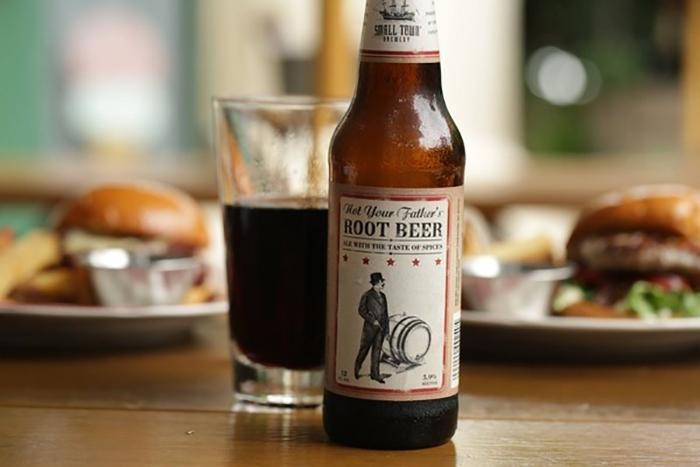
The modern hard root beer boom began in earnest when Small Town Brewery’s “Not Your Father’s Root Beer” burst onto the craft beer scene around 2015. It became one of the fastest-growing alcoholic beverages in American history at the time. Anheuser-Busch followed suit with their Best Damn Root Beer, while Coney Island Brewing Co., under Pabst Brewing Company in California, introduced their variant of hard root beer.
Forecasted to grow at a robust 9.22% CAGR through 2030, the alcoholic hard root beer segment is set to outpace its non-alcoholic counterpart in growth rate.
Read More : Where Can You Buy Beer In Delaware Updated 10/2026
Hard root beers typically range from 4% to 6% ABV, though some craft versions push higher. The flavor profile walks a fascinating line: when talking about the flavor profile of hard root beer, expect a sweetened, creamy base reminiscent of traditional root beer. It’s often characterized by a complex mix of sweet, spicy and earthy flavors derived from roots, herbs and bark.
If you’re a craft beer drinker who appreciates botanical complexity, hard root beer occupies an interesting niche. It’s sweeter than most IPAs but more complex than most lagers, with the herbal, earthy character of the root botanical tradition baked in. For wine drinkers who find beer too bitter, it can be a surprisingly enjoyable gateway. For cocktail enthusiasts, it’s a versatile mixer.
Root Beer Cocktails Worth Trying
Root beer’s flavor profile makes it a surprisingly capable cocktail ingredient. Here are a few worth keeping in mind:
The Root Beer Float Cocktail: Vanilla vodka, root beer, and a scoop of vanilla ice cream. Simple, nostalgic, dangerously easy to drink.
Tennessee Root Beer: Jack Daniel’s Tennessee Whiskey, root beer, and a squeeze of lime. The whiskey’s caramel and oak notes play beautifully against the herbal sweetness.
Root Beer Moscow Mule: Vodka, root beer, and fresh lime juice over ice in a copper mug. The root beer replaces ginger beer and adds an earthy depth.
Bourbon Root Beer Smash: Bourbon, root beer, muddled mint, and a dash of bitters. This one bridges cocktail and beverage culture beautifully.
Root Beer Sangria (Yes, Really): Root beer, red wine, bourbon, apple slices, and cinnamon sticks. It sounds unconventional, but the spice notes in root beer complement a fruity red remarkably well.
The Craft Root Beer Renaissance
Craft brewers are experimenting with unique ingredients, such as Madagascar vanilla, birch bark, and regional botanicals, setting their artisanal root beers apart from mass-produced counterparts.
This renaissance mirrors what happened to craft beer in the 1990s and 2000s. A generation of drinkers who grew up on A&W and Mug is now seeking something more complex, more authentic, and more interesting. The result is a craft root beer scene that rewards exploration.
Some standout trends in the modern craft root beer market:
Honey-infused brewing. Raw local honey adds a floral sweetness and complexity that HFCS simply cannot replicate. Killebrew Root Beer from Minnesota, which uses local Minnesota honey, has become something of a cult favorite.
Probiotic and functional root beers. Brands like Olipop have reimagined root beer as a functional beverage. Craft beverage makers are developing microbrewed, artisanal root beers featuring ingredients like agave and honey, transforming the drink into a modern alternative to sugary sodas while retaining its nostalgic appeal.
Three-day brewed root beer. Bundaberg, the Australian brand that’s earned a devoted following in the United States, brews their root beer over three days using real liquorice root, sarsaparilla root, molasses, and vanilla beans. The result has a rawness and depth that mass-produced versions can’t touch.
Safrole-free sassafras extract. A small number of craft producers have returned to using real sassafras, just processed to remove safrole. A few brands used a safrole-free sassafras extract, allowing them to get closer to the original flavor profile legally.
The Market Today: Root Beer by the Numbers
The root beer market size was valued at approximately USD 983.54 million in 2024 and is expected to reach between USD 1.4 billion and USD 1.7 billion by 2032 or 2035.
The non-alcoholic segment held 89.76% of root beer market share in 2024, whereas hard root beer is expanding at 9.22% CAGR through 2030.
The global Root Beer Market is poised for steady growth over the forecast period, driven by flavor innovation, health-conscious product lines, and increased consumer engagement through limited-edition releases and seasonal offerings.
Leading commercial players include A&W (under PepsiCo), Barq’s (under Coca-Cola), Mug (PepsiCo), and independent craft brands that continue to chip away at the major players’ dominance. Health-conscious alternatives are responding to consumer demand, with brands like Olipop and SunSip offering root beer with lower sugar content, natural sweeteners, and added functional ingredients like prebiotics.
Can You Still Taste the Original?
Short answer: sort of. A few options exist for those curious about what root beer used to taste like.
Make it yourself at home. Dried sassafras root bark is still legally available for home use and purchase at herbal shops and online retailers. The FDA ban applies only to commercial food and beverage production. Home brewers can use real sassafras root bark, though it’s wise to consume it in moderation given the known safrole content.
If you prefer to skip the artificial ingredients and if you live in sassafras country (or source online), by all means make root beer syrup from scratch: you’ll never go back to store-bought root beer again!
Seek out small-batch craft producers. Some micro-operations work with safrole-free sassafras extract to get closer to the original profile. The flavor difference is immediately apparent to anyone who tries it next to a commercial brand.
Try birch beer. A close cousin to root beer, birch beer uses the essential oil of the black birch tree as its primary flavoring. It’s less sweet, slightly more medicinal, and arguably closer in spirit to early colonial root beer than anything currently labeled as such.
The Bigger Picture: What Root Beer Tells Us About American Drink Culture
Root beer is not just a soda. It’s a fossil record of American beverage history, preserving in its flavor profile the convergence of Native American botanical knowledge, European brewing tradition, 19th-century pharmaceutical culture, and 20th-century industrial food production, all in a single frothy glass.
The fact that sassafras, once so prized that it rivaled tobacco as an export commodity, is now banned from commercial use while the flavor of sassafras remains the defining characteristic of one of America’s most beloved beverages is one of those delightful ironies that only history can produce.
Every brand has its own proprietary blend of natural and artificial flavors working overtime to recreate the taste of a root they’re not allowed to use. And the wild thing is: they’ve gotten pretty good at it.
Conclusion
Root beer’s story doesn’t end in 1960 when the FDA dropped the hammer on sassafras. If anything, that’s when it got interesting. The botanical tradition that stretches from pre-colonial Native American medicine to colonial small beer to Charles Hires’ honeymoon inspiration to the craft soda boom of today is alive and evolving. Hard root beer is seducing a new generation of drinkers who thought they’d left the stuff behind after childhood. Craft brewers are pulling ingredients from Madagascar, Minnesota, and everywhere in between to push the category forward.
The root in root beer may be gone from the label, but it lives on in every molecule of wintergreen and vanilla and anise that modern brewers carefully layer together in its memory. And somewhere in the hills of Appalachia, there’s still a sassafras tree with three-shaped leaves standing in a field, aromatic and stubborn and entirely unbothered about any of it.
That root never really left. It just went underground.
Sources: https://chesbrewco.com
Category: Beer