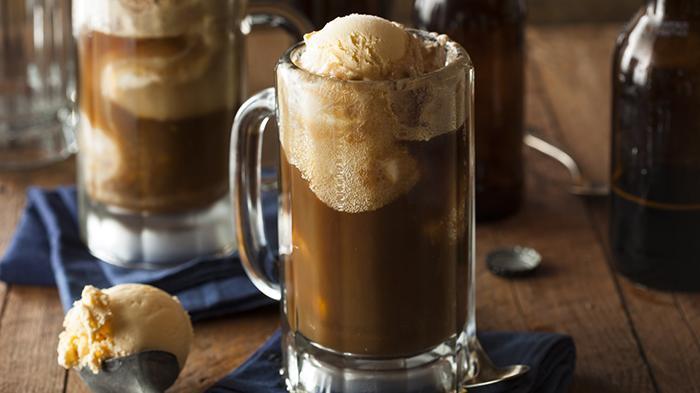
If you have ever cracked open a cold A&W on a summer afternoon or floated a scoop of vanilla ice cream in a frosty mug of Barq’s, you probably think you know root beer. You know the smell: that sweet, slightly medicinal hit of wintergreen and vanilla that’s as American as a backyard barbecue. But here’s the thing: long before American colonists were boiling sassafras bark and tossing in molasses, the British Isles were fermenting the roots of two “weeds” most of us yank out of our lawns without a second thought. Dandelion and burdock have been bubbling away in pots and barrels since the Middle Ages, producing a dark, fizzy, herbaceous brew that is considered by many to be the oldest ancestor of what we now call root beer.
So is dandelion and burdock root beer? The short answer is: not exactly. But the full answer is far more interesting, and if you love craft beer, cocktails, wine, or anything with botanical complexity and a story behind it, you are going to want to read every bit of this.
You Are Watching: Is Dandelion And Burdock Root Beer? The Ancient British Brew That Predates Your Favorite Can Updated 10/2026
The Medieval Origins of Dandelion and Burdock
Dandelion and burdock is a beverage originating and commonly consumed in the British Isles since the Middle Ages. It was originally a type of light mead, but over the years has evolved into the carbonated soft drink commercially available today. Traditionally, it was made from fermented dandelion (Taraxacum officinale) and burdock (Arctium lappa) roots, hence the name.
The beverage’s history stretches so far back that it borders on legend. The earliest record of a dandelion and burdock drink dates to around 1265, from an account of St. Thomas Aquinas, who prayed to God for inspiration as he walked into the countryside and made a drink with the first plants he found: dandelion and burdock. Whether or not the great Dominican philosopher actually brewed the first batch, the story stuck, and for good reason. It reflects something true about how humans have always related to plants: we taste them, we ferment them, and we attribute power to the ones that seem to work.
The dandelion and burdock of that era was different from the contemporary version and would likely have been less sweet, certainly not sweetened with refined sugar; honey or fruit sugar would have been more likely. Throughout this time, brewed dandelion and burdock would also have had some alcoholic strength.
Think about that for a moment. What you’re looking at historically is not a soft drink. It was closer to a botanical mead, a fermented root brew with a mild alcohol content, consumed for pleasure and health in an era when clean drinking water was genuinely dangerous. During medieval times, sanitation was so bad there was very little clean water to drink, so people who drank from wells, rivers, or streams became sick. It was healthier to drink wine, spirits, tea, and small beer. Dandelion and burdock fit neatly into that category of “small beer”: low-alcohol, naturally carbonated from fermentation, and rich in botanical compounds that made the drinker feel better.
Beer has been flavoured with a myriad of ingredients over the millennia, including burdock. No doubt a liking for burdock beer was the stimulus for the production of a non-alcoholic version of the beverage, and perhaps this was led by Temperance supporters, in the same way that root beer became an acceptable Prohibition drink in the USA.
That parallel is no coincidence. Both drinks traveled the same road: from fermented medicinal brew to temperance-friendly soda, and both carried their botanical identity forward even as the alcohol disappeared.
Dandelion and Burdock vs. Root Beer: Cousins, Not Twins
This is the core question, and it deserves a real answer, not a dismissive “they’re similar.” Let’s lay out exactly where these two drinks share DNA and where they go their separate ways.
Dandelion and burdock shares an origin with a number of drinks originally made from lightly fermented root extracts, such as root beer and sarsaparilla, supposedly as a health benefit. The dominant flavour in these other drinks is usually sassafras or wintergreen, both now derived artificially rather than from the plant itself, in part because during the 1960s, safrole, the major component of the volatile oil of sassafras, was found to be carcinogenic in rats.
So both drinks come from the same ancient impulse: boil roots, add sweetener, ferment lightly, enjoy the fizz. But the plants involved, and the resulting flavor profiles, are quite distinct.
Side-by-Side: Dandelion and Burdock vs. American Root Beer
| Feature | Dandelion and Burdock | American Root Beer |
|---|---|---|
| Primary Roots | Dandelion root, burdock root | Sassafras (now artificial), sarsaparilla |
| Origin | British Isles, 13th century | 19th-century America |
| Flavor Profile | Earthy, slightly bitter, herbal, subtly sweet | Sweet, vanilla-forward, wintergreen, aromatic |
| Color | Dark amber to brown | Dark brown |
| Caffeine | Caffeine-free | Caffeine-free (most varieties) |
| Alcohol Content (Modern) | Typically alcohol-free | Alcohol-free |
| Traditional ABV | ~3.5% (historical mead form) | 0.5–2.8% (small beer form) |
| Closest Flavor Relative | Sarsaparilla, botanical cola | A&W, Barq’s, Dr Pepper-adjacent |
| Key Health Compounds | Inulin, antioxidants, bitter glycosides | Historically sassafras (now banned) |
| Gluten-Free | Yes | Yes |
| Vegan-Friendly | Yes | Yes |
| Where Found in US | Specialty stores, online, some Whole Foods | Everywhere |
Root beer is generally sweeter and more aromatic than dandelion and burdock. The vanilla, wintergreen, and spices in root beer contribute to a complex, sweet, and refreshing flavor. Dandelion and burdock, on the other hand, is characterized by its earthy, slightly bitter, and subtly sweet taste.
Dandelion and burdock is most similar in flavour to sarsaparilla, which might actually be more familiar to American drinkers than they realize. If you have ever tried an old-fashioned sarsaparilla at a craft soda shop or a retro diner, dandelion and burdock will feel immediately recognizable, just with more of that green, rooty, earthward pull.
What Does Dandelion and Burdock Actually Taste Like?
This is the question that really matters if you are thinking about picking up a bottle. Describing the flavor of dandelion and burdock to someone who has never tried it is like trying to describe red wine to someone who has only ever drunk soda. It has layers.
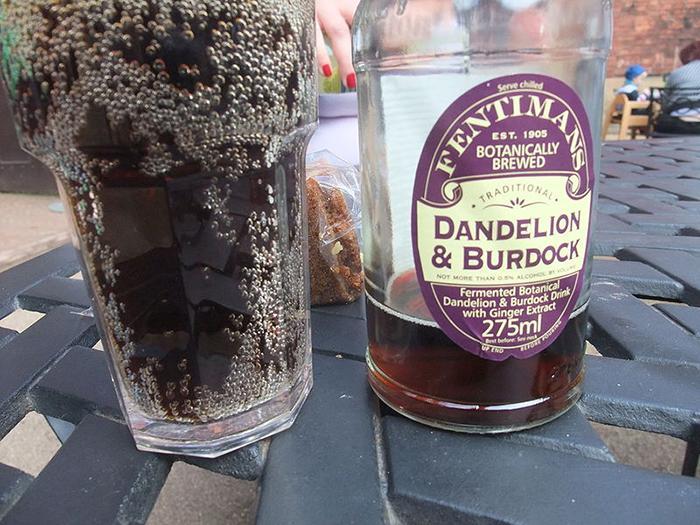
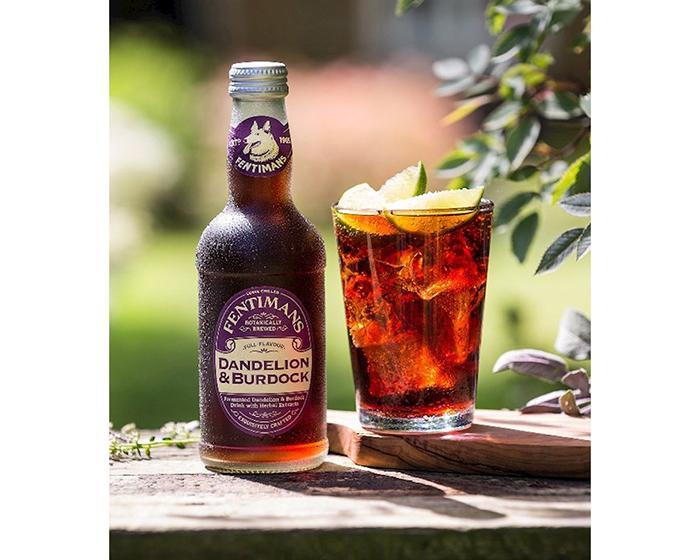
Fentimans describes their version as having a dark, amber caramel colour. The aroma is reminiscent of British nostalgia with a hint of aniseed and a touch of sarsaparilla’s earthy rootiness. To taste, it is full bodied with a complex mouthfeel balanced by herbal infusions, with a lingering finish that echoes sarsaparilla’s subtle bitterness.
For an American palate accustomed to the sugar-forward sweetness of Coke or the creamy vanilla notes of A&W, dandelion and burdock can feel surprisingly grown-up. It is the botanical beverage version of going from grocery-store wine to a proper natural wine: deeper, stranger, and more interesting.
One reviewer described Fentimans Dandelion and Burdock as smelling like Red Vines licorice candy, with a flavor that leans into cherry, aniseed, and a fruity pear note (pear juice is actually a key ingredient in Fentimans). Another taster compared it to a Cherry Bakewell cake with a hint of almond and marzipan. It is sweet but not cloying, bitter but not harsh, and herbal in the way that a botanical gin is herbal: approachable, complex, and layered.
The dandelion root’s slight bitterness cuts through the burdock root’s sweetness. The drink is a beautiful golden color, with many foamy bubbles. These bubbles are produced during the fermentation process of the dandelion roots.
Read More : Beer Can Chicken Without Stand Updated 10/2026
If you are a craft beer drinker who appreciates a good gose or a saison with herbal notes, you are going to get dandelion and burdock immediately. If you love a well-made gin and tonic with botanical complexity, same. It occupies that same flavor territory where bitterness is not a flaw; it is the point.
The Brands: Who Makes It, and Where Can Americans Get It?
While dandelion and burdock remains primarily a British phenomenon, the craft beverage boom in the United States has made it increasingly accessible. Here are the key players:
Fentimans Dandelion and Burdock
Fentimans owes its inception to a loan default in 1905, when founder Thomas Fentiman acquired the rights to a recipe for ginger beer from a tradesman who owed him money. The original company folded in the 1960s. Thankfully the company was revived in 1988 by Fentiman’s great-grandson, and from its perch in Hexham, near Newcastle Upon Tyne in Northumberland, has since become quite the successful producer of many varied botanical brews.
Fentimans is arguably the most widely available dandelion and burdock brand in the United States, stocked at Whole Foods, specialty retailers, and available on Amazon. Their version uses actual dandelion and burdock infusions alongside fermented ginger root extract, pear juice concentrate, and aniseed flavor. It is botanically brewed, which means the process still involves fermentation, giving it a slight tartness and depth that sets it apart from simple syrup-and-carbonated-water sodas.
Barr’s D’n’B
A.G. Barr, known for its Scottish soft drink Irn-Bru, produces a version of dandelion and burdock under the name D’n’B, with the slogan “Tall, dark and drinksome.” Barr’s version is more of a mainstream British fizzy drink, sweeter and less botanically complex than Fentimans, but beloved by generations of British drinkers who grew up with it.
Ben Shaw’s
Ben Shaw, a Huddersfield businessman, founded a company that made and sold the drink, first in Yorkshire and then throughout Britain, between 1871 and 1993. Ben Shaw’s is a heritage brand with serious roots (pun intended) in the British soft drink tradition.
Mr Fitzpatrick’s
The last of the UK’s original temperance bars, Mr Fitzpatrick’s in Rawtenstall, Rossendale, which opened in the 1890s, still produces its dandelion and burdock to an original recipe brought over from Ireland at the end of the 19th century. This is the most historically authentic version still commercially available. It is not exported widely to the US, but for any Anglophile or craft beverage enthusiast visiting the UK, a stop at Mr Fitzpatrick’s is practically a pilgrimage.
The Health Angle: What These Roots Actually Do
Here is where dandelion and burdock really separates itself from the American root beer aisle. Because while your average grocery store root beer is essentially flavored sugar water, a properly brewed dandelion and burdock drink carries genuine botanical compounds that have been used in traditional medicine for centuries.
Dandelion Root
Dandelion is a very rich source of vitamins and minerals such as vitamin A, vitamin C, iron and zinc. It has been eaten for thousands of years and used to treat anemia, skin problems, blood disorders and depression.
Dandelion, due to its diuretic qualities, is thought to aid in treating liver and renal problems. Its high antioxidant profile makes it well-liked as a detoxifying agent.
The bitter compounds in dandelion root, called taraxacin and taraxacerin, are what give the drink that pleasant bitter edge. These same compounds stimulate bile production, which aids fat digestion and supports liver function. Dandelion root also contains inulin, a prebiotic fiber that feeds beneficial gut bacteria.
Dandelion root is bitter, so it stimulates the gall bladder, as well as having a host of other healthful properties.
Burdock Root
Burdock root has a secret sweetness about it, that slowly steeps into the alcohol, and thickens the tonic just slightly. It’s almost reminiscent of slippery elm, the way it slides over the tongue. The root is nutty, and subtly earthy, a known tonic for skin, liver, kidneys, and lungs.
Studies suggest that burdock root possesses antioxidant and anti-inflammatory properties, which may help protect the liver from damage and support its detoxification processes. Additionally, burdock root has been found to contain compounds that may have antidiabetic potential, though more research is needed in this area.
Burdock root has a particularly interesting cultural footnote for any American: in the 1940s, Swiss engineer George de Mestral was inspired by the burrs of burdock to create Velcro. After studying the burrs under a microscope, he made the hook-and-loop mechanism currently used in many goods. The plant that gave us Velcro also gives us one of the most distinctive botanical beverages on earth. Not bad for something most Americans spray with weed killer.
The Gut Health Connection
The roots of both plants contain compounds that stimulate the production of bile, an essential substance needed for the breakdown of fats in the body. Additionally, dandelion and burdock root have anti-inflammatory properties that can soothe inflammation in the digestive system, easing symptoms such as bloating and indigestion.
Dandelion and burdock both contain inulin, nature’s very own prebiotic fiber and natural laxative, found naturally in certain plants. Inulin is known to benefit the gut and support digestive system health.
It is worth noting, as with any herbal remedy, that the health benefits of commercially produced dandelion and burdock soda are significantly diluted compared to a medicinal extract or a homemade brew using generous quantities of real roots. Most commercial sodas use small amounts of root infusion alongside sugar, natural flavorings, and carbonated water. The health benefits are real in the traditional context; they are modest in the can-from-the-supermarket context. But still, for a carbonated drink, this is about as botanically interesting as it gets.
Using Dandelion and Burdock in Cocktails
This is where things get genuinely exciting for the American craft cocktail crowd. Dandelion and burdock is a spectacular mixer. Its earthy bitterness, aniseed notes, and botanical depth make it a natural partner for spirits the way tonic water partners with gin: it does not just dilute, it elevates.
Here are some cocktail applications that work beautifully:
The Aquinas Fizz
A simple and elegant serve: 50ml London Dry Gin, 25ml fresh lemon juice, topped with 150ml dandelion and burdock. The bitterness of the drink plays off the floral botanicals in the gin, while the lemon brightens everything. Think of it as a more interesting G&T.
The JDB (Jack Dandelion Burdock)
Read More : Can I Mail Beer To A Friend Updated 10/2026
Blending 50ml Jack Daniel’s Tennessee Whiskey with 100ml dandelion and burdock creates something that splits the difference between a Jack and Coke and an old-fashioned. The caramel of the bourbon, the vanilla sweetness of Tennessee whiskey, and the herbal bitterness of the mixer create a cocktail with real depth.
The Tom’s Mule
A botanical riff on the Moscow Mule: 50ml vodka, 25ml lime juice, 75ml ginger beer, and 75ml dandelion and burdock. The ginger and the D&B create a layered botanical base that makes this version far more interesting than a standard Moscow Mule.
The Dandelion Dark and Stormy
For rum drinkers: try pairing aged dark rum with dandelion and burdock instead of ginger beer. The molasses notes of a good Jamaican or Barbadian rum harmonize with the earthy sweetness of the burdock and the bitter edge of the dandelion in a way that feels almost made for each other.
Whisky Highball (Scotch Edition)
Scotland produces both Barr’s D’n’B and some of the world’s finest Scotch whisky, and there is a reason those two things come from the same country. A peated Islay Scotch over ice, topped with cold dandelion and burdock, is a revelation. The smoke and the earthiness lock together in a way that feels ancient and completely right.
Can You Brew It at Home?
Absolutely. And for any American homebrewer who has experimented with DIY root beer using extract and dry ice, making your own dandelion and burdock is the logical next frontier. It is not simple, but it is deeply satisfying.
The traditional process involves simmering the roots, straining the liquid, adding a sweetener (honey is the most historically authentic choice), adding yeast, and allowing the mixture to ferment in bottles until naturally carbonated. The challenge is sourcing quality roots, which can be found dried at herbal apothecaries, health food stores, or online suppliers.
A classic simplified recipe for a dandelion and burdock soda syrup starts with approximately 2 ounces each of dried dandelion and burdock roots, simmered in 2 quarts of water for 20 minutes with supporting botanicals like ginger, anise seed, and licorice root. The strained liquid is then combined with sugar or honey and carbonated either with a small amount of active yeast (traditional), a ginger bug (wild fermentation), or a SodaStream (modern shortcut). The result will not taste like a commercial version. It will taste better: deeper, more complex, and with that slightly musty, pleasantly weird character that only real root fermentation can produce.
Burdock root has powerful anti-tumor, anti-fungal, anti-inflammatory, and anti-microbial properties. Dandelion root supports the liver and is a blood purifier. Adding ginger not only contributes a fantastic flavor but is great for digestion, immune-boosting, and germ-fighting.
Why Americans Should Pay Attention
Here is the thing about the American craft beverage scene in 2026: the obsession with provenance, process, and botanical complexity has never been higher. Craft beer has gone from niche to dominant. Natural wine is mainstream. Craft cocktail culture has made amaro, bitter liqueurs, and shrubs completely normal. The idea of a drink that is intentionally bitter, botanically complex, and steeped in centuries of tradition is exactly what this market is hungry for.
Dandelion and burdock checks every single one of those boxes, and then some.
It is the drink that predates root beer. It is the drink that connects medieval herbalism to your local craft soda bar. It is the drink that works beautifully both as a standalone refresher and as a mixer that can elevate almost any spirit. And it happens to be genuinely good for you in ways that no mass-market soda can claim.
Dandelion and fresh burdock root seems to be a niche product in the US but is available. Perhaps not as popular as regular root beer or Irn-Bru sodas, but alternative tastes are always worth a try.
The irony is that for a generation of American drinkers who have enthusiastically adopted Japanese whisky, Belgian lambic, Mexican mezcal, and Italian amaro, the idea that this centuries-old British botanical brew has stayed under the radar is genuinely surprising. It should not be.
The Temperance Connection: A Shared American History
There is one more layer of history that American drinkers will find particularly resonant. Both root beer and dandelion and burdock have deep ties to the temperance movement, that peculiarly American (and British) phenomenon of the 19th and early 20th centuries that pushed for sobriety through the promotion of “healthy” alternatives to alcohol.
Perhaps the move toward a non-alcoholic version of dandelion and burdock was led by Temperance supporters, in the same way that root beer became an acceptable Prohibition drink in the USA. Production of root beer still began with the fermentation process, and therefore contained “the intoxicating principle,” up to a level of 5% in some beverages.
The fact that both drinks carried some level of alcohol even in their “temperance” forms is a delightful historical footnote. These were not sinless alternatives; they were slightly intoxicating botanical drinks being sold as virtue. The more things change.
Conclusion: A Drink That Earns Your Curiosity
There is a moment that happens when you discover a beverage that has been around for 700 years but feels completely new to you. That quiet, slightly disorienting pleasure of realizing the drink you are holding has been brewed by monks, sipped by Victorian temperance advocates, bottled in Yorkshire, and now landed, fizzing gently, in your American hand.
Dandelion and burdock is not root beer. It is older than root beer, stranger than root beer, and in many ways more interesting than root beer. It is what happens when a civilization decides that two weeds growing at the edge of a field deserve to be turned into something worth drinking, and then keeps making that decision for 700 years because it turns out they were right.
Grab a bottle of Fentimans from your nearest Whole Foods or specialty grocer. Pour it over ice. Or split it with a good rye whiskey and a squeeze of lemon. Then take a moment to consider the fact that the plant currently flowering in a crack in your sidewalk has been fermenting in bottles since the 1200s.
That is a drink with a story.
Sources: https://chesbrewco.com
Category: Beer