There is something almost hypnotic about a perfectly poured Black and Tan. The way that rich, dark stout hovers effortlessly above a golden ale, separated by what looks like an invisible force field, is the kind of thing that makes everyone at the bar turn their heads. It looks like a magic trick. It looks complicated. It looks like something only a seasoned bartender could pull off after years behind the stick.
Here is the truth: it is not that hard. Once you understand the science, respect the technique, and choose the right beers, you can pour a flawless Black and Tan in your kitchen, at a backyard cookout, or at a dinner party, and you will absolutely impress every person in the room.
You Are Watching: How To Pour A Black And Tan Updated 10/2026
This guide covers everything: the history, the physics, the step-by-step pour, the best beer combinations, the variations, the food pairings, and the mistakes that turn a showstopper into a muddy disappointment. Read it once, practice it twice, and you will have a skill you keep for life.
What Is a Black and Tan, Exactly?
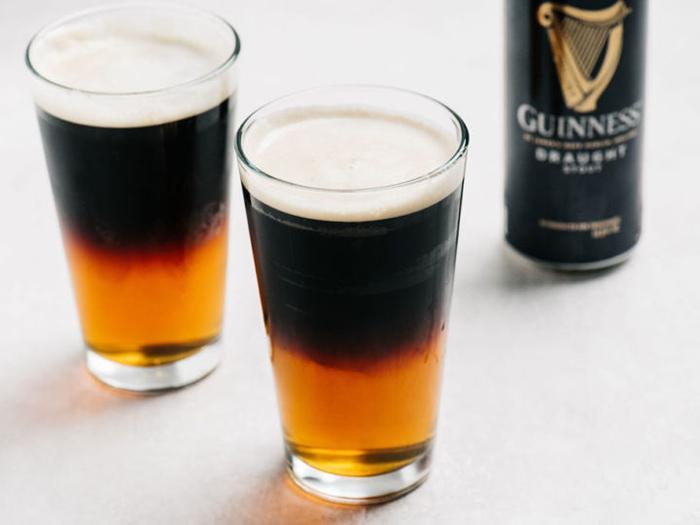
On the surface, a Black and Tan is an incredibly simple beer cocktail: one part pale ale or lager and one part dark stout or porter. Bass Ale and Draught Guinness Stout are the traditional choices. But calling it “simple” undersells it significantly. This combination of Guinness stout and Bass Pale Ale is not only impressive-looking, it also has a delicious depth. The two classic U.K. brews mix with each sip into a surprisingly well-balanced and refreshing beverage.
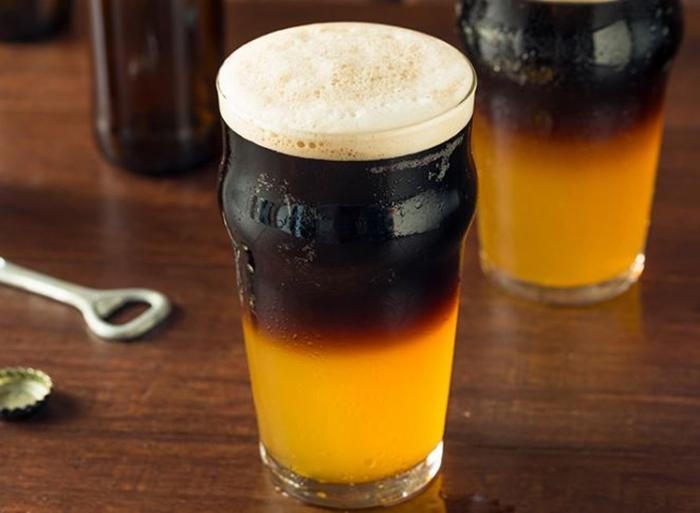
The visual presentation is what sets it apart from every other beer drink. Also known as a half and half, the beer cocktail’s top layer, if poured correctly, will float effortlessly on the other, split cleanly in the middle of the glass. The goal is to keep the two beers separated, even as you reach the final gulp.
The term “Black and Tan” is also used by more than a dozen U.S. breweries for bottled products that consist of similar blends. Examples include Yuengling Original Black and Tan, Saranac Black and Tan, Mississippi Mud Black and Tan, Hoppin’ Frog Bodacious Black and Tan, and Michelob Black and Tan. So while the poured, layered version is the original and the most impressive, the style itself has become a recognized American beer category in its own right.
A Brief, Fascinating History of the Black and Tan
How It All Started in 17th-Century England
The tradition of blending beers can be traced to London during the 1700s, where beer blends or “three-threads” and “five-threads” were consumed. Each thread was a beer type that was blended into a drink. Three threads was a form of mixed beer alehouses sold to avoid paying a higher tax on beer. By taking a strong beer taxed at a higher rate and mixing it with a small beer taxed at a lower rate, brewers were able to turn a higher profit. This practice continued from the late 1690s to 1700s.
The concoction seems to have originated in London in the 1700s as a way to work around varying tax rates. By mixing a higher-taxed beer with a lower-taxed beer, they could lower the overall tax rate of the drink. It was then named the Black and Tan, very likely because of the colors of the drink.
The earliest recorded usage of the term “black and tan” in the drink context is from 1881, according to the Oxford English Dictionary, in the American magazine Puck. That means this drink has been part of American drinking culture for well over 140 years.
Why You Should Never Order a Black and Tan in Ireland
This is genuinely important cultural knowledge, and it is the kind of thing that can save you from an awkward, uncomfortable moment in a pub.
The reason why dates back to the 1920 Irish War of Independence, in which the British government tasked English soldiers with putting a stop to the Irish uprising. These paramilitary soldiers were no strangers to the brutalities of war, as most of them had previously fought in the trenches during World War I. Due to their uniform’s colors, the Irish nicknamed them “black and tans.” During the war, this British force was known to inflict extreme and unnecessary violence upon the Irish Republican Army, and their actions went unchecked by police.
The British have been blending different beers together since the 17th century, and the name “black and tan” is British in origin, regardless of the use of the Irish Guinness in the drink. So the drink is genuinely British, the name carries painful historical weight in Ireland, and ordering it by that name in Dublin or Cork is considered deeply offensive.
It’s best to call it a “half and half” when in Ireland. Back home in the U.S., the term Black and Tan is perfectly fine, widely understood, and carries none of that baggage.
The Science Behind the Layers
Understanding why the layering works is the difference between blindly following instructions and actually knowing what you are doing. And knowing what you are doing means you can troubleshoot, experiment, and succeed with different beer combinations.
Specific Gravity: The Real Reason It Works
The success of the Black and Tan relies entirely on the principle of specific gravity. Specific gravity measures the density of a liquid relative to water. In brewing, the higher the residual sugar content and dissolved solids, the higher the specific gravity. For a perfect layer, the beer with the higher specific gravity (the denser, usually lighter-colored beer) must be poured first, forming the base. The beer with the lower specific gravity (the less dense, usually darker beer, like a dry Irish Stout) must be floated on top.
Guinness is a light beer (i.e., has lower density, many stouts do, unless imperial) and if poured slowly and carefully over the more dense Bass pale ale will float. This is because of the lower specific gravity of stout as a style. Specific gravity describes the density of a certain beer relative to the density of water. Beers with higher specific gravity are heavier while beers with lower specific gravity are lighter. To break it down further, gravity itself means the total amount of dissolved solids in water, which in the case of beer are sugars from the malted grain.
The Nitrogen Factor
Some say it’s the nitro (nitrogen) used in carbonating Guinness and other pub stouts, as nitro is lighter than CO2 which is typically used for carbonation. The smaller, denser bubbles in nitrogen not only give it the creamy mouthfeel, but also help the float. This is why canned Guinness with the nitrogen widget works so beautifully in a Black and Tan. The widget releases nitrogen as you crack the can, creating that trademark cascade and creamy head that acts as a perfect foundation for the pour.
Busting the Dark Beer Myth
Just as wood floats on water, stout beer floats on ale because it’s less dense. In both cases, you might think the darker substances, wood and stout, would be thicker than their more transparent companions. Not so. Because the Irish beer sits atop the English one, people often mistakenly believe that the Black and Tan was invented by the Irish as a gag about Ireland’s superiority over England.
A 12-ounce serving of Guinness sets you back 125 calories, just 15 more than the same serving of Bud Light. Alcohol is beer’s main calorie source, and since Guinness is just 4.2% ABV, it’s relatively low in calories. Dark beer being “heavy” is largely a myth. Guinness is lighter in both density and calorie count than most people assume.
One critical caveat: an imperial stout will not float due to its higher specific gravity. If you try to use a high-ABV, sugar-rich imperial stout as your top layer, it will sink straight through the pale ale. The science works in your favor with standard dry stouts like Guinness Draught, not with barrel-aged or imperial varieties.
What You Need Before You Pour
The Right Glassware
The best suited glassware for a Black and Tan beer is a shaker pint, an English tulip pint (or branded Guinness pint glass), or a nonic pint. The standard 16-ounce American pint glass works perfectly well. What you want is a tall, straight-sided or gently flared glass that gives you enough room to clearly see both layers. Avoid wide-mouthed glasses like snifters or goblets, which make it harder to achieve a clean visual divide.
The Spoon
Read More : Does Calypso Lemonade Have Alcohol Updated 10/2026
You need a spoon. That is non-negotiable. A regular spoon will do, but you can also invest in a special black and tan spoon, which has a narrow bend in the handle to keep it balanced on the edge of the glass. They’re incredibly handy, but not essential, as you can simply hold a regular spoon convex-side-up over the center of the glass.
The purpose of the spoon is not decorative. It breaks the kinetic energy of the falling stout, spreading it gently across the surface of the ale rather than letting it punch straight through the foam and mix. A flat soup spoon works brilliantly. A bar spoon is ideal. Even a large dinner spoon will get the job done.
The Beers
For the bottom layer (the “tan”): A pale ale or lager. The classic choice is Bass Pale Ale. Other pale ale options that work well include Sierra Nevada or O’Hara’s Irish Pale Ale. In the U.S., you can also use Harp Lager, Newcastle Brown Ale, or a well-carbonated American pale ale.
For the top layer (the “black”): Guinness Draught is the gold standard. Other dark beers that work include Murphy’s Irish Stout. Any dry stout with a relatively low ABV and low specific gravity will float successfully.
How To Pour a Black and Tan: Step-by-Step
Chill Your Beers First
Both beers should be properly cold before you pour. Warm beer produces less carbonation, which affects the head on your pale ale and makes layering harder. Aim for around 38-45°F (3-7°C). Do not pour either beer over ice.
Pour the Pale Ale First
Typically, people pour beer from bottle to glass slowly and along the inside of the glass to prevent a tall head. Since a tall head helps black and tans layer more easily, you can simply turn the Bass Ale upside-down and let it glug into your pint glass. This pouring technique will result in a robust, creamy layer of foam for the stout to float on.
Fill the glass approximately halfway. This should release some carbonation and create a little foamy head. Let it settle for a minute or two. That foam layer is your friend. It acts as a soft landing surface that helps the stout stay separate when it lands.
Position the Spoon
The most common method to add the stout is to use the back of a large tablespoon to gently pour it over the pale ale. While pouring, aim for a continuous, measured, and steady flow of stout. Center the flow over the most convex part of the back of the spoon and tilt it towards the center of the glass to avoid stout spilling over the handle.
Place the spoon convex-side up (curved side facing upward) as close to the surface of the pale ale as possible without touching it. The closer to the surface, the better the layer.
Pour the Stout Slowly
This is where patience becomes your most important ingredient. Begin pouring the stout very slowly onto the dome of the spoon. The liquid should cascade gently off the sides of the spoon and diffuse delicately onto the surface of the base beer, rather than plunging directly into it. It should take a solid 45 to 60 seconds to pour the top layer. Speed is the enemy here.
Keep a steady, gentle stream. Do not rush. Do not try to pour from too high above the glass. Let the stout find the surface of the pale ale and sit on top of it naturally.
The Finish
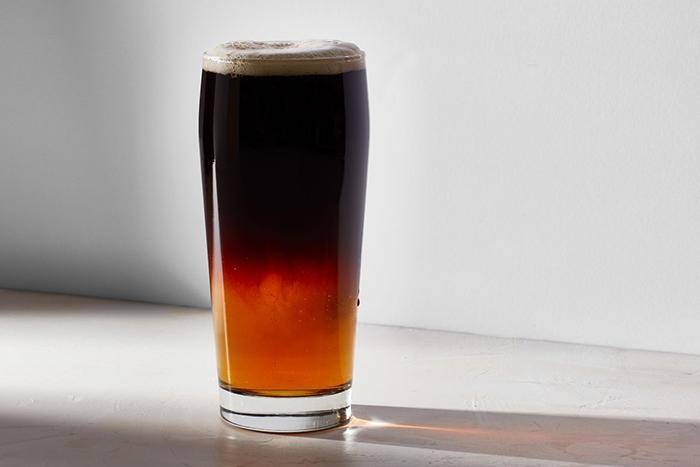
Once the glass is full, the two distinct colors should be clearly separated by a crisp line. Ideally, aim for between half an inch and a full inch of head on top. The drink is now ready to serve immediately. You will want to drink your Black and Tan rather quickly, as the beers will naturally begin to settle if they sit too long.
Quick Reference: Black and Tan by the Numbers
| Detail | Specification |
|---|---|
| Ratio | 1:1 (equal parts pale ale and stout) |
| Glass Size | 16 oz pint glass (standard) |
| Pale Ale Layer | Bottom half (~8 oz) |
| Stout Layer | Top half (~8 oz) |
| Pouring Time for Stout | 45-60 seconds (slow pour) |
| Ideal Head | 0.5 to 1 inch |
| Classic ABV (combined) | ~5% ABV average |
| Serving Temperature | 38-45°F (3-7°C) |
| Calories (approx.) | ~240-280 per pint |
The Best Beer Combinations for a Black and Tan
The classic pairing is Guinness Draught over Bass Pale Ale. But the craft beer era has opened up dozens of exciting options. Here is a comparison of popular combinations to help you find your perfect pour.
| Bottom Layer (Tan) | Top Layer (Black) | Flavor Profile |
|---|---|---|
| Bass Pale Ale | Guinness Draught | Classic, balanced, roasty |
| Harp Lager | Guinness Draught | Lighter, crisper, more refreshing |
| Blue Moon | Guinness Draught | Citrusy, smooth (the “Black and Blue”) |
| Sierra Nevada Pale Ale | Murphy’s Irish Stout | Hoppy and bold |
| Newcastle Brown Ale | Guinness Draught | Malty, nutty, rich |
| Angry Orchard Hard Cider | Guinness Draught | Sweet, fruity (the “Black and Gold”) |
| Pumpkin Ale | Guinness Draught | Seasonal, spiced (the “Black and Orange”) |
For instance, if you prefer Left Hand Milk Stout, you can experiment with layering it over a pale ale or cider, such as Blue Moon or Angry Orchard. In fact, there are a handful of standard variations on a Black and Tan that you can use as a template.
The Black and Blue
A similar combination of two beers but using Blue Moon for the ale. This is put together in the same fashion as the Black and Tan, but will give you a slightly different taste. It is equally beautiful. Blue Moon’s wheat and orange peel character creates a citrusy, hazy base that makes the Guinness layer look even more dramatic by contrast.
The Black Velvet
The Black Velvet is Guinness stout layered over champagne. This is not a casual Tuesday night drink, but poured for a special occasion, it is absolutely stunning. The sparkling wine creates vigorous carbonation in the base, and the dark, creamy stout floating above it is as visually dramatic as it gets.
The Snakebite and Black
A Snakebite and Black is a mix of lager, cider, and a splash of blackcurrant. This one is more of a British pub classic, but if you enjoy fruity, layered drinks, it is absolutely worth trying.
Going Three Layers
Ambitious bartenders may go for three or even four layers of beer in a pint glass. To pull this off, you need three beers with clearly different specific gravities. Pour the densest on the bottom, the middle-density next (using the spoon method), and the lightest on top. It requires practice and patience, but the result is visually extraordinary.
Common Mistakes That Ruin the Layer
Even with good technique, certain errors will collapse your layers instantly. Here is what to watch for.
Pouring too fast. This is the most common mistake. Mixing occurs due to two primary reasons: insufficient density difference between the two beers, or pouring too quickly or too high above the base layer, creating turbulence. The moment you increase the speed of your pour, you create enough turbulence to punch through the foam and mix the two layers together.
Not building enough head on the pale ale. The foam layer is not just aesthetic. It acts as a buffer zone between the two beers. If your pale ale is too flat or you pour it too slowly and gently, you will not generate enough foam to help the stout float.
Using the wrong stout. Imperial stout will not float due to its higher specific gravity. If you grab a big, boozy 9% ABV imperial stout thinking it will look cool, you will watch it sink straight to the bottom.
Warm beer. Warm beer produces less carbonation, and less carbonation means less foam. Less foam means a harder pour and murkier layers.
Pouring from too high. The spoon should be as close to the surface of the pale ale as safely possible. The higher you hold it, the more velocity the stout builds up before it hits the surface, and that velocity is what breaks through the foam and causes mixing.
Not letting the pale ale settle. Let the pale ale settle for a minute or two before you bring in the stout. Rushing straight from the first pour to the second pour leaves the foam unstable and less supportive.
What Does a Black and Tan Actually Taste Like?
Read More : Tonic Water Vs Ginger Ale New Data Updated 10/2026
The flavor experience of a Black and Tan is genuinely unlike drinking either beer on its own. The tan head releases a beautiful aroma from the dark roasted malts and English hops of the pale. There are notable hints of caramel and a restrained bitterness underlined by the sweetness of the malt flavor. The mixed drink is medium-bodied, and light coffee and toast notes linger at the end.
The first few sips may consist mostly of Guinness, but as you tilt the glass and the beers become parallel to each other, the Bass Ale will slip through to balance out the stout’s dark bitterness. Similarly, Guinness will help deepen the ale’s flavor and aroma, giving it an almost nutty scent and taste.
The drinking experience is genuinely dynamic. You are not just drinking a blend. You are drinking a drink that changes as the glass tilts, as the layers gradually begin to meet, as the ratio of stout-to-ale in each sip shifts with every pour. It rewards slow, attentive drinking.
Food Pairings That Make a Black and Tan Even Better
The layered flavor profile of a Black and Tan makes it an unusually versatile food companion.
Classic Pub Fare: Fish and chips, bangers and mash, a hearty beef stew, or a Reuben sandwich all complement the roasty stout notes beautifully. The carbonation in the pale ale cuts through fried food’s richness.
Grilled and BBQ Meats: The robustness stands up well to BBQ ribs, charred steaks, or savory burgers. The Maillard reaction flavors in grilled meat mirror the roasted barley notes in the stout layer.
Aged Cheeses: Try sharp cheddar or Gouda, where the contrast between the bitter top and sweet bottom layers cleanses the palate effectively.
Chocolate Desserts: The roast notes of the stout cut through the sweetness of chocolate or caramel desserts beautifully. Chocolate cake, brownies, or dark chocolate truffles are exceptional pairings.
Oysters: The briny, mineral qualities of fresh oysters on the half shell are a classic pairing with any stout. The creamy texture of the Guinness layer mirrors the silky texture of a fresh oyster in a way that borders on perfect.
Corned Beef: The nutty scent and taste of a Black and Tan pairs exceptionally well with dishes like fried mushrooms or corned beef. This makes it an ideal drink for a St. Patrick’s Day spread.
Spicy Food: The crisp, refreshing pale ale layer provides a cooling contrast to buffalo wings, spicy tacos, or chili. The stout adds enough body to stand up to bold heat.
Buying a Pre-Made Black and Tan: The Bottled Alternative
If you are not in the mood to pour your own but still want that mixed stout-and-ale experience, the bottled market has you covered. More than a dozen U.S. breweries produce bottled products that consist of similar blends, including Yuengling Original Black and Tan, Saranac Black and Tan, Mississippi Mud Black and Tan, and Michelob Black and Tan.
These pre-blended versions will not have the visual drama of a layered pour, but many of them are genuinely delicious and offer the combined flavor profile with zero technique required. Yuengling’s version is particularly well-regarded and widely available across the Eastern U.S.
Tips From Experienced Bartenders
A few extra details that separate a decent pour from a spectacular one:
Use canned Guinness when possible. The nitrogen widget inside a Guinness can creates that famous surge and creamy head automatically, giving the stout ideal density and texture for floating. The widget is a plastic moulded device that sits on the top of the contents of each can of Guinness Draught. When the can is opened, a small amount of beer and nitrogen, trapped in the widget, is forced out through the beer, which creates the famous surge and creamy head.
Pour the pale ale vigorously. Unlike the stout, you want the pale ale to foam up aggressively. Pour it straight down into the bottom of the glass, not along the side. The more foam, the better the base for your float.
Invest in a proper Black and Tan spoon. Guinness actually makes Black and Tan spoons designed for the express purpose of pouring the layered drink. They attach to the edge of a pint glass. A dedicated spoon takes the “holding the spoon steady with one hand while pouring with the other” challenge off the table entirely.
Practice. Making black and tans correctly often takes some practice. Despite the fact that Guinness is lighter than Bass, the two beers will likely mix if you simply pour one over the other. Proper technique and plenty of patience are the keys. Your first attempt may not be perfect. Your third almost certainly will be.
Black and Tan Glassware and Presentation
The choice of glass makes a genuine difference to the visual impact. A standard 16-ounce American pint glass is the baseline. But an authentic English tulip pint glass or a branded Guinness glass adds an extra layer of authenticity and framing for those dramatic layers.
When you set the glass down, do not stir it. Do not mix it. Place it gently in front of your guest and let the visual do the work. The sharp line between the dark stout and the golden ale is the drink’s signature, its calling card. Let people see it before they drink it.
Serve immediately after pouring. The beers will naturally begin to settle if they sit too long. A Black and Tan is at its best in the first ten minutes after it is poured.
Conclusion
Every time you set a perfectly layered Black and Tan on a table, you are doing something that connects a backyard gathering in Ohio or a dinner party in Austin to centuries of drinking history in English pubs and Irish bars. You are deploying actual physics in the service of pleasure. You are proving that patience and attention to detail produce something genuinely beautiful.
The drink will eventually blend. The line will soften. The black will bleed into the tan. But that is not a flaw, it is the whole story of the Black and Tan in miniature: two distinct things, held apart by careful intention, slowly and inevitably becoming something richer together.
Get the right beers, chill them properly, let the pale ale foam, keep the spoon close to the surface, and pour the stout like you have all the time in the world.
You have got this.
Sources: https://chesbrewco.com
Category: Drink