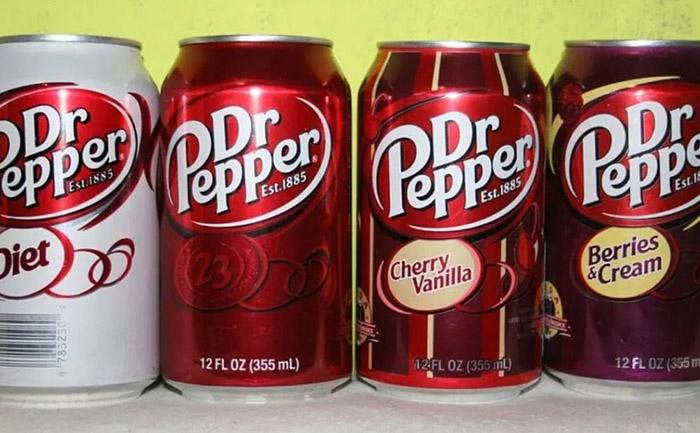
You’re at a backyard cookout. The cooler is full of IPAs, hard seltzers, and somewhere near the back, a stack of Dr Pepper Zero Sugar cans. You grab one, crack it open, and the fizz hits. Zero calories. Zero sugar. Sounds like a win. But a nagging thought creeps in: is this stuff actually okay for me?
If you’re the type of person who keeps a craft beer in one hand and a gym membership in the other, you’ve probably asked this question. You care about what goes into your body. You enjoy life’s pleasures, including a cold drink on a hot day. So it’s completely reasonable to want the full picture on Dr Pepper Zero — not a watered-down marketing answer, but the real, evidence-based story.
You Are Watching: Is Dr Pepper Zero Bad For You Updated 10/2026
This article breaks it all down: the ingredients, the science, the risks, and the honest comparison to other drinks you probably already enjoy.
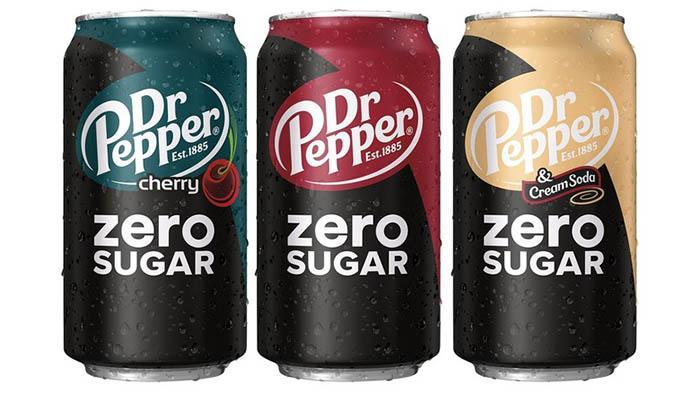
What Is Actually Inside a Can of Dr Pepper Zero Sugar
Before anyone can answer whether Dr Pepper Zero is bad for you, you have to know what’s inside the can. The full ingredient list reads: carbonated water, caramel color, phosphoric acid, aspartame, sodium benzoate (preservative), caffeine, acesulfame potassium, natural and artificial flavors, and sodium phosphate.
That’s a lot of chemical names for something that tastes like cherries and brown sugar. Here’s what each one actually does:
Carbonated water is the base. No controversy there. The fizz is generally safe, though it can cause temporary bloating or gas in some people.
Caramel color gives the soda its deep brown hue. The specific type used in dark sodas has raised some eyebrows because a Consumer Reports study found that certain sodas contained levels of 4-methylimidazole (4-MEI), a byproduct of the caramel coloring process, that exceeded California’s safety thresholds. The health implications of 4-MEI in humans are still being studied, but it’s worth noting.
Phosphoric acid is where things get more interesting. It contributes the characteristic tangy bite that separates Dr Pepper from sweeter sodas. However, this compound also binds with calcium, and some research suggests that high phosphoric acid intake, particularly when calcium intake is low, can contribute to decreased bone mineral density. This concern is more significant for people drinking multiple cans per day, not for the occasional drinker.
Sodium benzoate is a preservative that has been the subject of debate for years. Some researchers have flagged it as a potential excitotoxin that, in combination with artificial colors, may affect certain individuals. The FDA still classifies it as safe, but it’s a name worth knowing.
Caffeine is present at approximately 41 milligrams per 12-ounce can. That’s notably less than a standard cup of coffee (which clocks in at 95 to 200 mg), but it’s still real. The Mayo Clinic sets the safe upper limit for most adults at around 400 mg per day. If you’re already drinking two or three cups of coffee and then tossing back a few Dr Pepper Zeros at a party, those milligrams stack faster than you’d expect.
Sodium phosphate rounds out the list, contributing another ingredient that carries moderate concern flags related to cardiovascular and kidney health when consumed in excess.
And then there are the two sweeteners sitting at the heart of this whole debate.
Aspartame and Acesulfame Potassium: The Sweeteners Doing the Heavy Lifting
Unlike Diet Dr Pepper, which relies on aspartame alone, Dr Pepper Zero Sugar uses a dual-sweetener system: aspartame plus acesulfame potassium (Ace-K). This combination was engineered to deliver a fuller, more syrupy flavor that more closely mimics the mouthfeel of high-fructose corn syrup. Ace-K is over 200 times sweeter than natural sugar, so only a small amount is required.
Aspartame: The Most Studied Sweetener in History
Aspartame has been in use since the 1980s and is arguably the most tested food additive ever approved by the FDA. The agency currently considers it safe, and the acceptable daily intake (ADI) is set at 50 milligrams per kilogram of body weight per day. To put that in real-world terms: a 150-pound adult would need to consume approximately 19 cans of Dr Pepper Zero daily to exceed that threshold. Most people aren’t anywhere close.
That said, the debate around aspartame is far from settled. In 2023, the International Agency for Research on Cancer (IARC) classified aspartame as “possibly carcinogenic to humans” (Group 2B), the same category that includes things like aloe vera extract and pickled vegetables. This classification was based on limited evidence and does not mean aspartame causes cancer at typical consumption levels. Still, it was enough to reignite public concern.
For people with phenylketonuria (PKU), a rare metabolic condition, aspartame poses a genuine risk because it contains phenylalanine. Every Dr Pepper Zero can carries a warning label for this exact reason.
Aspartame has also been associated in some studies with headaches, dizziness, and, according to research with more contested methodology, increased risk of stroke and dementia. The evidence on these connections remains inconclusive, but the pattern is consistent enough that researchers continue to investigate.
Acesulfame Potassium: The Quieter Controversy
Ace-K tends to fly under the radar compared to aspartame, but it carries its own body of research worth examining. Animal studies have linked Ace-K exposure to shifts in gut microbiome composition, particularly regarding species involved in carbohydrate metabolism. Research published in peer-reviewed journals found that in female mice, exposure to Ace-K dramatically decreased the relative abundance of beneficial bacteria including Lactobacillus and certain Ruminococcaceae genera.
Human research on Ace-K specifically is more limited, and some cross-sectional studies found no significant change in overall bacterial counts. However, one study detected a reduction in microbiome diversity from 24 to 7 distinct phyla in people who consumed aspartame and Ace-K regularly, which is a finding that deserves attention even if causality hasn’t been fully established.
The Gut Microbiome Question Nobody Is Asking Loudly Enough
Here’s something that often gets glossed over in headlines about zero-sugar sodas: the impact on your gut may be more nuanced than a simple “safe” or “unsafe” verdict.
Your gut microbiome is a complex ecosystem of trillions of bacteria that influence everything from digestion and immune function to mood and metabolism. Research over the past decade has increasingly shown that what you consume shapes this ecosystem in meaningful ways. Multiple peer-reviewed studies, including a 2024 review published in MDPI’s metabolomics journal, have found that non-nutritive artificial sweeteners (NAS) like those in Dr Pepper Zero can alter the composition of gut bacteria.
Aspartame and its metabolic byproducts can reach the colon, where they interact with the microbiota directly. Ace-K, being hydrophilic, is absorbed almost entirely in the small intestine but has still demonstrated downstream effects on gut microbial composition in experimental models.
The World Health Organization issued a conditional recommendation against using non-nutritive sweeteners as a primary strategy for weight management, citing evidence that they may contribute to, rather than prevent, metabolic syndrome. This is significant language from a major global health body, even if it stops short of a blanket condemnation.
To be fair, some studies have found minimal or no effects on human gut microbiomes at typical consumption levels. The science is genuinely mixed, and researchers are still untangling correlation from causation. But the direction of emerging evidence is worth tracking if you’re drinking Dr Pepper Zero on a regular basis.
Nutrition Facts at a Glance: How Dr Pepper Zero Stacks Up
| Product | Sweetener Type | Sugar (g) | Calories (12 oz) | Caffeine (mg) |
|---|---|---|---|---|
| Regular Dr Pepper | High Fructose Corn Syrup | 40 | 150 | 41 |
| Diet Dr Pepper | Aspartame only | 0 | 0 | 41 |
| Dr Pepper Zero Sugar | Aspartame + Ace-K | 0 | 0 | 41 |
| Light Beer (average) | None (residual carbs) | 2-5 | 95-110 | 0 |
| Red Wine (5 oz glass) | Natural fructose | 1-2 | 125 | 0 |
| Vodka Soda (1.5 oz + sparkling water) | None | 0 | ~98 | 0 |
| Sparkling Water (12 oz) | None | 0 | 0 | 0 |
What this table makes clear is that Dr Pepper Zero delivers zero sugar and near-zero calories. Compared to its full-sugar counterpart, it eliminates 40 grams of added sugar and 150 calories per can. That’s a meaningful reduction, especially for someone managing their weight or blood sugar levels.
Notice also the comparison with alcoholic beverages. A standard light beer carries 95 to 110 calories, mostly from residual carbohydrates and the alcohol itself. A vodka soda comes in around 98 calories. Dr Pepper Zero undercuts everything on the calorie front. The tradeoff is that those other drinks don’t contain artificial sweeteners with contested long-term research profiles.
What Happens to Your Teeth
If you’re someone who enjoys a whiskey and cola at a bar, or likes mixing Dr Pepper Zero into a cocktail, you’re already applying acid to your enamel every time you sip. That’s because phosphoric acid and carbonic acid (from carbonation) give all sodas, zero-sugar or not, a low and acidic pH.
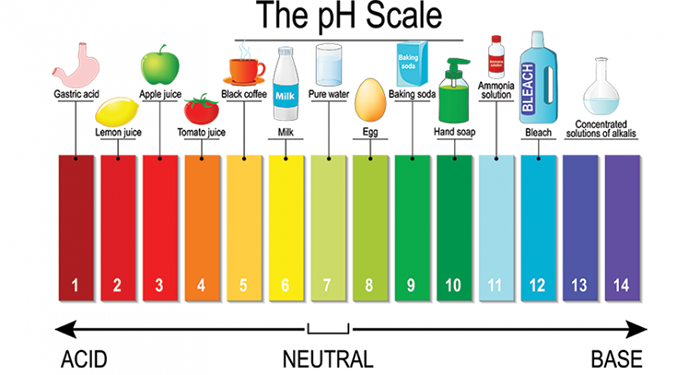
The average pH of a cola-style soda sits around 2.5 to 3.5. For context, neutral water is pH 7. Your tooth enamel begins to erode at a pH below 5.5. Every sip of Dr Pepper Zero, regardless of its zero-sugar claim, is an acidic event for your teeth.
The absence of sugar removes the cavity-causing mechanism, which is genuinely positive. But the acid is still present. Over time, regular consumption of acidic beverages, without proper rinsing or waiting to brush, can contribute to erosion of tooth enamel. Dentists recommend rinsing your mouth with water after drinking acidic beverages, waiting at least 30 minutes before brushing (to allow saliva to restore normal pH), and drinking through a straw when possible to minimize enamel contact. Eating dairy products afterward can also help, since the calcium in milk and cheese helps neutralize acid.
The Weight Management Paradox
Here’s where the marketing gets genuinely complicated. The pitch for Dr Pepper Zero is simple: drink this instead of regular soda, consume fewer calories, lose weight. And on paper, replacing 150 calories per can does create a mathematical deficit.
But real-world outcomes are messier. Research published in the Journal of the American Heart Association and other publications suggests that artificial sweeteners can increase appetite and cravings for sweet foods. The theory is that your brain receives the taste signal for something sweet but doesn’t receive the caloric payload it anticipates. This mismatch may cause compensatory eating, a phenomenon sometimes called the diet soda paradox.
Some observational studies have linked regular consumption of diet sodas to weight gain rather than weight loss, though these studies are complicated by the fact that people who are already overweight are more likely to choose diet beverages in the first place. Researchers call this reverse causation, and it’s a major confounding factor in interpreting the data.
The most balanced conclusion from current evidence: Dr Pepper Zero can be a useful tool for reducing sugar and calories, but it should be part of a broader dietary strategy, not a standalone fix. Swapping a regular Dr Pepper for a Zero version and then immediately reaching for a bag of chips because you feel like you earned it doesn’t produce the outcome the marketing implies.
Cardiovascular and Metabolic Health: What the Research Shows
Several large-scale observational studies have examined the link between diet soda consumption and cardiovascular risk. One analysis of more than 130,000 participants found that consuming artificial sweeteners was associated with a 9% higher risk of cardiovascular disease and an 18% greater stroke risk. The researchers hypothesized that the sweeteners may inhibit gut bacteria involved in regulating insulin sensitivity.
A separate body of research suggests that both aspartame and acesulfame potassium may raise the risk of developing Type 2 diabetes, although a direct causal link has not been established. Scientists acknowledge that people already predisposed to Type 2 diabetes are also more likely to drink artificially sweetened drinks, which complicates interpretation of these findings.
The American Diabetes Association, however, considers sugar-free sodas like Dr Pepper Zero acceptable within a balanced diet, particularly as an alternative to full-sugar sodas that create consistent blood glucose spikes. For someone managing diabetes, a Dr Pepper Zero is generally a better choice than the original, even if it’s not a perfect one.
For heart health, the caffeine content can raise blood pressure and stress the cardiovascular system in people who are sensitive to stimulants. If you already have hypertension or a cardiac condition, even 41 mg of caffeine per can, multiplied across several cans per day, is a variable worth discussing with your physician.
The 2025 Recall: A Real-World Complication Worth Knowing
In mid-2025, the FDA upgraded a Dr Pepper Zero Sugar recall to Class II status after thousands of cases of the product were found to contain full sugar rather than the zero-sugar formula indicated on the label. Approximately 19,203 twelve-pack and twenty-four-pack cases were affected, distributed across Florida, Georgia, and South Carolina by a PepsiCo bottling facility licensed to produce Keurig Dr Pepper products.
The FDA defines a Class II recall as a situation where use of the mislabeled product could cause “temporary or medically reversible adverse health consequences.” For diabetics or others who depend on accurate sugar labeling to manage their condition, unknowingly consuming 39 to 40 grams of sugar per can, believing it was zero, represented a genuine health risk. The recalled cans carried the product code XXXXRS05165 with a “best by” date of February 16, 2026.
While the affected product has since been removed from shelves, the incident serves as a useful reminder that food labeling is not infallible, and that relying on any processed beverage’s front-of-package claims without periodically checking for recalls carries a small but real risk.
Who Should Be More Careful With Dr Pepper Zero
Not everyone processes Dr Pepper Zero the same way. Certain groups should pay closer attention to their consumption:
People with PKU (Phenylketonuria): Aspartame contains phenylalanine and is explicitly contraindicated for this population. The warning is printed on every can.
People with IBS or digestive sensitivity: The carbonation can trigger bloating, gas, and discomfort in people with irritable bowel syndrome. The artificial sweeteners may also affect gut bacteria balance in sensitive individuals, potentially worsening symptoms.
People with high blood pressure or heart conditions: The 41 mg of caffeine per can isn’t a large amount, but it’s not trivial either. Multiple cans throughout the day, especially combined with coffee, tea, or energy drinks, can push total caffeine to levels that stress the cardiovascular system.
People managing migraines: Both aspartame and caffeine are well-documented migraine triggers in susceptible individuals. If you notice a pattern between Dr Pepper Zero consumption and migraine onset, the aspartame-caffeine combination is the most likely culprit.
Pregnant women: While current evidence doesn’t show definitive harm, many healthcare providers recommend limiting artificial sweeteners during pregnancy as a precaution. Both caffeine and aspartame are substances many OB-GYNs advise consuming in restricted amounts during this period.
How It Compares to What You’re Already Drinking
Let’s be direct about something: if you drink beer, wine, or cocktails, you’ve already accepted a degree of physiological trade-off in the name of enjoyment. Alcohol is classified as a Group 1 carcinogen by the IARC, meaning the evidence linking it to cancer, including breast, liver, colorectal, and esophageal cancers, is definitive. It disrupts sleep architecture, places stress on the liver, raises blood pressure, and contributes empty calories. And yet millions of Americans drink it responsibly and enjoy a healthy, full life.
Dr Pepper Zero occupies a very different risk profile. Its potential concerns sit mostly in the “possibly” and “may be linked to” category. Compared to the established, well-documented risks of regular alcohol consumption, a can of Dr Pepper Zero at a cookout registers at a much lower level of concern for most healthy adults.
That said, if you’re reaching for Dr Pepper Zero as your non-alcoholic drink at an event because you’re driving or taking a night off from alcohol, it’s a reasonable choice. Just be clear-eyed that it’s not nutritionally neutral. It is a moderately processed beverage with no nutritional value, best treated as an occasional pleasure rather than a daily hydration habit.
Smarter Habits If You Choose to Keep Drinking It
If Dr Pepper Zero is something you genuinely enjoy and aren’t planning to eliminate, the research supports several practical habits that can reduce the potential downsides:
Keep your daily intake at one can maximum, especially if you already consume other caffeinated beverages like coffee or tea. This keeps both caffeine and sweetener exposure well below the thresholds associated with adverse effects.
Avoid drinking it on an empty stomach. Carbonated, acidic beverages can irritate the stomach lining when there’s no food buffer present. Have it alongside a meal when possible.
Hydrate with water first. Dr Pepper Zero should supplement your hydration routine, not replace it. The caffeine it contains is mildly diuretic, which works against hydration goals if you’re drinking multiple cans throughout the day.
Rinse your mouth after finishing a can. This neutralizes the residual acid before it has sustained contact with your enamel. A quick swish of plain water is sufficient.
Rotate it with genuinely clean alternatives. Sparkling water with a squeeze of citrus, unsweetened iced tea, or small amounts of kombucha can satisfy the same urge for fizz and flavor without the artificial sweetener load.
The Comparison Every Beer and Wine Drinker Should See
For people who primarily drink alcohol socially, Dr Pepper Zero often shows up as a mixer or a between-rounds palate cleanser. Here’s a realistic picture of how the risks of Dr Pepper Zero compare to the beverages it typically sits alongside:
| Beverage | Known Carcinogen Risk | Caloric Content | Artificial Sweeteners | Acidic to Teeth |
|---|---|---|---|---|
| Dr Pepper Zero (12 oz) | Possible (aspartame, 2B) | ~0 cal | Yes (aspartame, Ace-K) | Yes |
| Regular Beer (12 oz) | Definitive (ethanol, Group 1) | ~150 cal | No | Mild |
| Red Wine (5 oz) | Definitive (ethanol, Group 1) | ~125 cal | No | Yes (tannins, acid) |
| Whiskey (1.5 oz) | Definitive (ethanol, Group 1) | ~97 cal | No | No |
| Sparkling Water (12 oz) | None known | 0 cal | No | Mild (carbonic acid) |
This comparison isn’t designed to make you feel guilty about enjoying a drink. It’s designed to give you an accurate frame of reference. The risks attached to Dr Pepper Zero, while real and worth understanding, exist on a fundamentally different scale than the risks of the alcoholic beverages most American adults already consume without significant anxiety.
Conclusion
There’s something worth sitting with here: a zero-sugar soda generates more health anxiety than a glass of wine at a dinner table, even though wine is a documented carcinogen and Dr Pepper Zero is, at worst, in the “possibly concerning” category. Maybe that’s a sign of progress in how we think about food labels. Maybe it’s a testament to savvy marketing on both sides. Probably it’s a bit of both.
What the label doesn’t tell you is the whole story of what’s inside. But now you have it. The zero on the can means no sugar, no calories, and a real reduction in one category of harm compared to the original. It doesn’t mean zero impact, zero controversy, or zero reason to pay attention.
Drink it when it sounds good. Skip it when something cleaner is available. And the next time you’re standing at a cooler, weighing a Dr Pepper Zero against a second beer, you’ll actually know what you’re choosing between.
That’s a better position to be in than most people standing at that cooler.
Sources: https://chesbrewco.com
Category: Drink