If you’ve ever ordered a Moscow Mule at your favorite bar, sipped a Dark ‘n’ Stormy on a summer evening, or simply reached for a bottle of ginger beer when your stomach was off, you’ve been part of one of the fastest-growing beverage trends in America. But here’s the question that keeps popping up at bars, in grocery store aisles, and in health circles: Is ginger beer actually good for you, or is it just clever marketing dressed up in a spicy disguise?
The honest answer is: it depends, and the details matter more than most people realize. Ginger beer sits in a fascinating gray zone, somewhere between a functional health tonic and a glorified soda. This article cuts through the noise and gives you the full picture, because if you enjoy drinking, you deserve to know exactly what’s in your glass.
You Are Watching: Is Ginger Beer Good For You Updated 10/2026
What Is Ginger Beer, Really?
Before you can evaluate whether ginger beer is good for you, you need to understand what it actually is, because the product sold on most American shelves today is dramatically different from what the name once meant.
A Brief History Worth Knowing
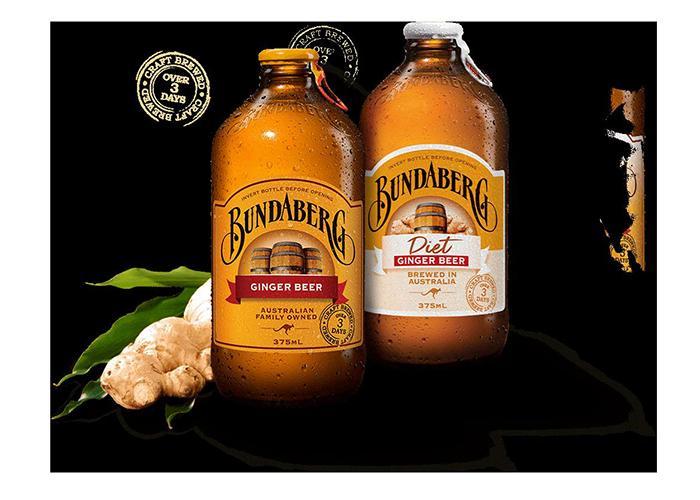
The origins of ginger beer can be traced back to England in the mid-1700s. Initially, it was an alcoholic beverage made by fermenting ginger, sugar, and water, sometimes with the addition of lemon juice. This concoction was left to ferment, creating a mildly alcoholic, bubbly drink that quickly gained popularity. Early versions could reach alcohol levels as high as 11%. By the mid-19th century, both tastes and technology shifted, and non-alcoholic versions began to emerge.
Fast forward to today, and the picture is dramatically different. Over 95% of ginger beer sold globally is non-fermented, artificially carbonated, and sweetened with high-fructose corn syrup or cane sugar. These products contain little to no live cultures, minimal active gingerol (the primary anti-inflammatory compound in ginger), and often rely on “natural flavor” (a term that can mean isolated ginger compounds or synthetic derivatives).
This distinction is foundational to the health conversation. When someone says ginger beer helped their nausea or settled their stomach, they’re likely drawing on centuries of folklore around real, fermented ginger beer, not the bottle on the gas station shelf.
Ginger Beer vs. Ginger Ale: Not the Same Thing
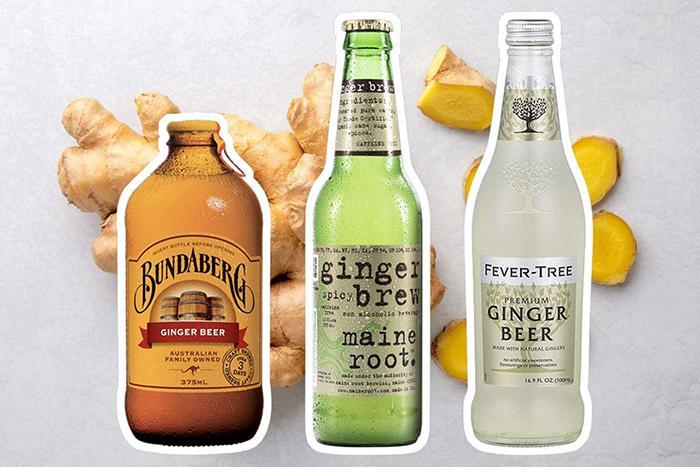
Many Americans use the terms interchangeably, but there’s an important difference. Ginger beer is spicier and has a more pronounced ginger flavor compared to ginger ale. This is because ginger beer is brewed with real ginger root, whereas ginger ale is usually made with ginger flavoring or extract.
The health implications of this distinction are significant. One study analyzed various ginger beverages and found that proteins associated with ginger were not detected in ginger ales. This suggests that the ginger ales analyzed were not prepared with real ginger, simply providing the flavor without the associated health benefits. In fact, class-action lawsuits have been filed against companies like Keurig Dr. Pepper Inc. for falsely advertising Schweppes and Canada Dry as “naturally flavored.”
So while your bartender might sub one for the other in a pinch, from a health standpoint, they are not equivalent.
The Real Health Benefits of Ginger Beer
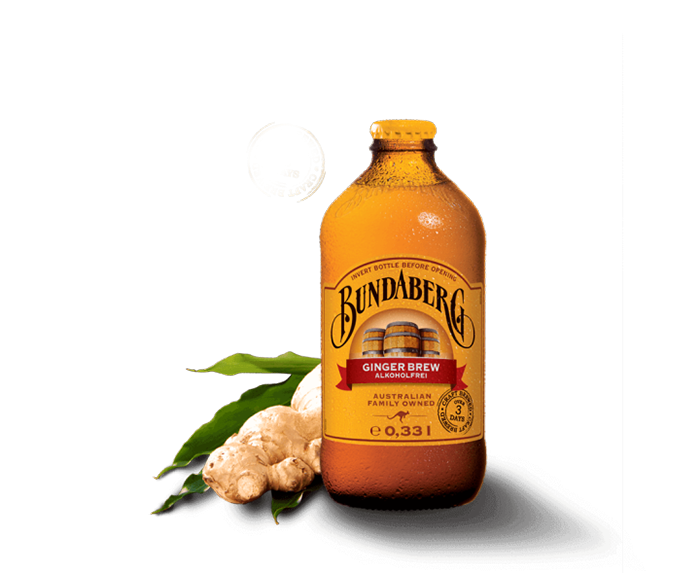
The health potential in ginger beer doesn’t come from the beer itself. It comes from ginger root, one of the most studied medicinal plants on the planet. When a ginger beer actually contains a meaningful amount of real ginger, it inherits a remarkable set of properties.
The Power of Gingerol, Shogaol, and Paradol
Ginger rhizome is valued for its aromatic odor and pungent taste. Apart from its role as food aroma or spice, other therapeutic values such as antimicrobial, anti-parasitic, antioxidant, anti-inflammatory, analgesic, aphrodisiac, anticancer, hepato-protective, digestive aid, and immune-stimulating properties have been associated with ginger. The health benefits associated with ginger are ascribed to its outstanding amount of various phenolic compounds which include gingerols, paradols, shogaols, and zingerones.
The ginger root holds an active compound called gingerol, a natural oil which is a rich source of minerals such as magnesium, manganese, potassium, copper, and vitamin B6.
Nausea Relief and Digestive Support
This is ginger’s most well-documented superpower. Gingerol, one of the natural components of ginger root, encourages digestion, which in turn can relieve nausea. Pregnant people with morning sickness or those going through chemotherapy can greatly benefit from ginger, as it is a natural alternative to many anti-nauseas. Ginger in a carbonated beverage has been used for generations as an at-home remedy for an upset stomach.
Ginger has long been known for its ability to soothe the digestive system. Non-alcoholic ginger beer can help alleviate symptoms of indigestion, bloating, and nausea. The compounds in ginger, such as gingerol and shogaol, stimulate the production of digestive enzymes, aiding in the breakdown of food and absorption of nutrients.
For the bar-goers among us, this is particularly relevant. If you’ve ever reached for a ginger beer mixer or a ginger ale after a big night out, your instincts weren’t wrong. The question is just whether your ginger beer of choice actually contains enough real ginger to do anything meaningful.
Anti-Inflammatory Properties
Chronic inflammation is the underlying driver of dozens of modern diseases, from arthritis to heart disease. Ginger is a powerful anti-inflammatory agent. Regular consumption of ginger beer can help reduce inflammation in the body, providing relief from conditions such as arthritis and other inflammatory diseases. The anti-inflammatory effects of ginger are primarily due to its bioactive compounds, which inhibit the production of pro-inflammatory cytokines.
Gingerol, the active compound in fresh ginger, drives measurable health effects. Research in the Journal of Medicinal Food confirms it reduces inflammation and oxidative stress.
Cardiovascular Benefits
Research has pointed to ginger having a positive effect on heart health, namely by possibly reducing cholesterol and lowering blood pressure. While ginger beer has lower levels of active ingredients, it may still give you a cardiovascular boost. The anti-inflammatory properties of this ginger-based beverage may also make it an effective analgesic substance.
Ginger is an excellent antioxidant which is great for your heart and bones. It can help prevent the symptoms of atherosclerosis, or heart disease. Ginger has been shown to help keep your heart healthy, by reducing your risk of heart attacks and strokes. It has been shown to reduce blood glucose levels, which can help slow the progression of diabetes.
Brain Health and Mental Well-Being
Here’s a benefit most people haven’t heard of. Ginger beer can promote good mental health. Its key ingredient, the ginger root, has been traditionally used to treat many mental problems such as memory loss, dementia, and even Alzheimer’s disease. Ginger intake can greatly increase brain levels of important neurotransmitters like dopamine and serotonin. It can also promote the activity of another important neurotransmitter called acetylcholine, which is key to effective learning and memory.
Potential Anti-Cancer Properties
Read More : How To Pour A Beer From A Tap Like a Pro Updated 10/2026
Ginger also contains antioxidant properties and inhibits inflammatory responses due to natural anti-inflammatory compounds. In addition to gingerol, ginger also contains shogaol and paradols that have been shown in studies to prevent cancer. While these findings are promising, it’s important to note that most studies have been conducted in laboratory settings or on animals, and more extensive human trials are needed to confirm these effects.
The Dark Side: What Commercial Ginger Beer Is Hiding
Here’s where the story gets more complicated, and where you need to pay close attention if you’re health-conscious.
The Sugar Problem Is Real
A 12-ounce can of mainstream ginger beer typically contains 35 to 45 grams of added sugar, equivalent to nearly 10 teaspoons. To put that in perspective, the American Heart Association recommends a maximum of 25 grams of added sugar per day for women and 36 grams for men. One can of commercial ginger beer blows past that ceiling before you’ve finished your second sip.
The harmful effects of high sugar consumption on human health are well known. Despite well-documented links to obesity, diabetes, dental decay, cardiovascular diseases, hypertension, and non-alcoholic fatty liver disease, sugar-sweetened beverages continue to be a major contributor to sugar intake across all age groups.
Most Commercial Products Have Very Little Real Ginger
The Mayo Clinic clarifies this critical balance: while ginger may offer mild anti-inflammatory effects, the typical 18 grams of added sugar per 100ml contributes empty calories without significant nutritional value. Their research confirms that the sugar load negates potential digestive benefits for most consumers. Ginger compounds (gingerols) exist in minimal concentrations (typically 0.1 to 0.5%) in commercial products.
In other words, the ginger in most store-bought bottles is essentially decorative. The therapeutic dose of ginger that produces measurable anti-nausea effects in clinical studies is typically 1 to 2 grams per day, and most commercial ginger beers deliver a small fraction of that.
Acidity and Dental Erosion
Beyond sugar, acidity is another underdiscussed concern. Ginger beer’s pH typically ranges from 2.5 to 3.2, comparable to lemon juice or vinegar. Regular consumption erodes dental enamel, particularly when sipped slowly or held in the mouth. A 2022 study in the Journal of Dentistry found that carbonated ginger beverages caused 3 times more enamel demineralization than still ginger tea after 14 days of simulated exposure.
If you’re drinking ginger beer for digestive support, the practical tip here is to drink it chilled and in one sitting rather than nursing it throughout the day, and rinse your mouth with water afterward.
High Fructose Corn Syrup Warning
Some ginger ales (and ginger beers) are sweetened with high fructose corn syrup (HFCS), which your body metabolizes differently than cane sugar. HFCS is strongly associated with fat production in the liver, altered blood fat levels, and harmful belly fat. When shopping, always read the ingredient label carefully, because “natural flavors” on the front label can mask what’s really inside.
Ginger Beer Nutrition: A Comparison at a Glance
The table below shows how different versions of ginger beer stack up nutritionally, so you can make smarter choices the next time you’re standing in the beverage aisle or ordering at a bar.
| Type | Sugar per 12 oz | Calories | Real Ginger | Live Cultures | Best For |
|---|---|---|---|---|---|
| Commercial (mass-market) | 35–45g | 140–180 | Minimal (0.1–0.5%) | None (pasteurized) | Cocktail mixer, occasional treat |
| Craft / Small-batch | 20–30g | 100–130 | Moderate | Sometimes | Sipping, Moscow Mules |
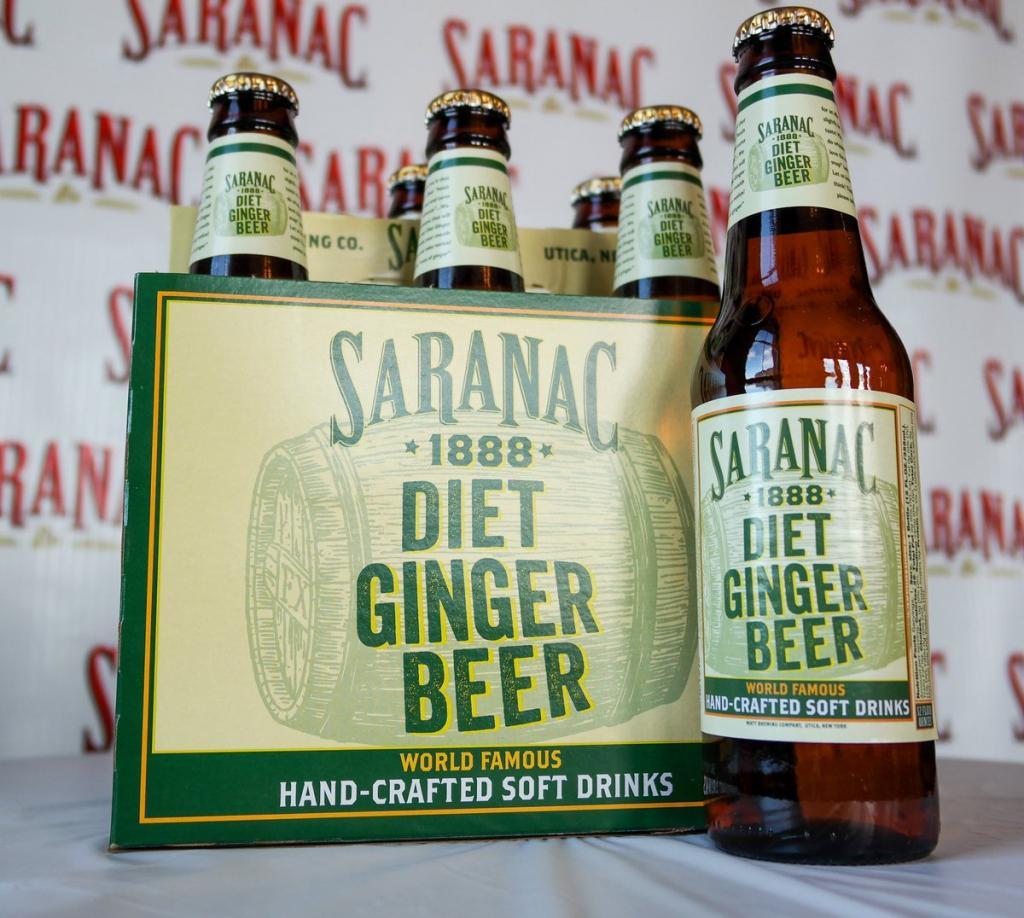
| Low-sugar / Diet | 0–8g | 5–40 | Varies | None | Weight management |
| Traditional fermented | 10–20g | 60–90 | High | Yes (live cultures) | Digestive health, gut support |
| Homemade | 10–20g | 50–80 | Very high | Yes | Maximum health benefit |
| Regular beer (for reference) | 0–2g | 150 | None | None | Social drinking |
Sources: USDA FoodData Central, American Heart Association guidelines, brand nutrition labels
Ginger Beer and the American Cocktail Scene
For most Americans who drink beer, wine, or cocktails, ginger beer isn’t consumed straight from a bottle. It’s a mixer, and an iconic one at that.
The Moscow Mule: Ginger Beer’s Finest Hour
The Moscow Mule was the brainchild of Jack Morgan and John Martin, who owned Smirnoff Vodka. It was the 1940s, and most Americans were still defaulting to gin and whiskey drinks. So, the duo created the Moscow Mule to try to get customers interested in something new. The “Moscow” part of the name is a nod to vodka’s Russian origins. Meanwhile, the “mule” part of the name relates to the feisty kick the ginger beer gives it.
In the last decade, the Moscow Mule has swept through the drinking world like a brush fire. One reason for this is likely due to it being one of the few classic cocktails that is also vodka-based, giving vodka lovers a seat at the craft cocktail table.
The Moscow Mule is three ingredients: vodka, fresh lime juice, and ginger beer. It is deceptively simple and works because ginger beer provides both the carbonation and the spice that keeps the drink from tasting flat. If you’re choosing a ginger beer for a Moscow Mule, brands like Fever-Tree, Q Ginger Beer, Cock ‘n’ Bull, and Bundaberg are consistently recommended for their bold, authentic ginger flavor.
One note worth mentioning: there are some health concerns related to the tradition of serving a Moscow Mule in a copper vessel. The ingredients in a Moscow Mule cocktail are acidic, and the resulting beverage has a pH well below 6.0. This creates a problem when using traditional copper mugs without coating, as copper can start dissolving into acidic solutions. Copper in solution is considered toxic at concentrations above 1 mg/L. Always make sure your copper mug is lined with stainless steel on the interior.
The Dark ‘n’ Stormy: Rum’s Best Friend
A Dark ‘n’ Stormy is a highball cocktail made with dark rum (the “dark”) and ginger beer (the “stormy”) served over ice and garnished with a slice of lime. The original Dark ‘n’ Stormy was made with Gosling Black Seal rum and Barritt’s Ginger Beer. Gosling Brothers has registered the name as a trademark in the United States since 1991.
Unlike some classic cocktails, the Dark ‘n’ Stormy has a well-known origin story. It was created in Bermuda when workers at a ginger beer factory decided to mix the spicy soda with Gosling’s Black Seal Rum. The name likely originated from the dark color of the drink and how it reminded its creators of a dark and stormy sea.
For this cocktail, you want a bolder, spicier ginger beer. The rum already brings sweetness and depth, so the ginger beer needs enough punch to cut through.
The Ginger Beer Family Tree
Ginger beer’s versatility as a cocktail mixer has spawned an entire family of drinks. If you enjoy experimenting at home, here are the key variations worth knowing:
Kentucky Mule: Substitute bourbon for vodka. The barrel character of good bourbon plays beautifully against the spice of ginger beer, making this arguably more complex than the original.
Mexican Mule: Swap in tequila. A blanco or reposado tequila with ginger beer and fresh lime is an exceptionally clean and refreshing combination.
Gin-Gin Mule: Use gin. The botanical notes in gin add an herbal layer that makes this a favorite among cocktail enthusiasts.
Irish Mule: Irish whiskey swapped in for vodka. Light, approachable, and especially popular around St. Patrick’s Day.
Read More : Is One Beer A Day Bad? What the Latest Science Actually Says Updated 10/2026
In a Moscow Mule, the ginger beer adds a refreshing bite that enhances the flavors of the vodka and lime. Similarly, in a Dark ‘n’ Stormy, it complements the deep, rich flavors of rum, making for a perfectly balanced drink. The carbonation in ginger beer also ensures that cocktails remain light and refreshing, making them more enjoyable to sip on, especially in warm weather.
How to Choose a Ginger Beer That Actually Benefits You
Not all ginger beers are created equal, and the difference between a bottle that genuinely supports your health and one that’s functionally just a flavored soda comes down to reading labels with a critical eye.
What to Look For
Read the ingredients list, not the front label. Avoid products listing “natural flavors,” “caramel color,” or “citric acid” as primary souring agents. Prioritize those with “fresh ginger root,” “ginger juice,” or “ginger extract” in the top three ingredients. Check the sugar content per serving: anything above 15 grams per 12 oz should be treated as an occasional indulgence, not a functional beverage. Note that “no added sugar” doesn’t mean low-sugar if concentrated fruit juices or dried cane syrup are present. Look for fermentation cues. Terms like “naturally fermented,” “raw,” “unpasteurized,” or “contains live cultures” suggest microbial activity.
Popular Brands and What They Offer
- Fever-Tree Premium Ginger Beer: Widely praised for its clean, balanced ginger flavor. Lower sugar than most mass-market options and uses a blend of three gingers. Popular as a cocktail mixer and a solid middle-ground choice.
- Bundaberg: Brewed using a multi-day process, this Australian brand delivers a rich ginger flavor and is widely available across the U.S. at Walmart, Whole Foods, and specialty stores. Has a slightly sweet finish that appeals to those new to ginger beer.
- Q Ginger Beer: Crisp and less sweet than most, making it excellent for cocktails where you don’t want the mixer to overwhelm the spirit.
- Fentimans: Botanically brewed and slightly floral. More complex flavor profile, with a subtle earthiness that appeals to craft beverage enthusiasts.
- Reed’s Zero Sugar: One of the few commercial options that uses stevia as a sweetener and advertises real ginger content. A reasonable choice if you’re managing blood sugar.
- Gosling’s Ginger Beer: The one specifically paired with dark rum for the Dark ‘n’ Stormy. Spicy enough to hold its own against aged rum.
Homemade Is the Gold Standard
If you’re serious about getting actual health benefits from ginger beer, making it at home is the most direct path. Homemade ginger beer is sure to yield better health benefits than those commercially bought since the preparation process does not involve any chemicals or preservatives.
A basic homemade recipe starts with fresh ginger, sugar (or honey), water, and either a ginger bug culture or a small amount of commercial yeast. Fermented over 24 to 48 hours, it produces a drink with far more active gingerol, significantly less residual sugar, and (when unpasteurized) live probiotic cultures that support gut health.
Who Should Be Cautious with Ginger Beer
Even when you’re choosing the better options, ginger beer isn’t right for everyone in all situations.
People managing diabetes or blood sugar: Avoid regular versions. 35 grams of sugar per 12 oz causes rapid blood glucose spikes. Only consider sugar-free options (verify with nutrition labels), and limit to 4-oz servings. The American Diabetes Association recommends unsweetened ginger tea as a safer alternative for consistent ginger benefits without sugar risks.
People on blood thinners: Consuming ginger frequently in high amounts may interfere with blood-thinning medications. If you’re on anticoagulants like warfarin, talk to your doctor before making ginger beer a daily habit.
Pregnant women: While ginger is widely recommended for morning sickness, commercially produced ginger beer often contains levels of sugar and potentially trace alcohol from fermentation that require medical guidance during pregnancy.
People sensitive to carbonation: The carbonation in ginger beer can worsen acid reflux (GERD) in some individuals. Ironically, the same beverage that helps some people with nausea can make others more uncomfortable.
Fermented vs. Commercial Ginger Beer: The Core Difference
This is the distinction that underpins nearly every health claim you’ll ever read about ginger beer.
True fermented ginger beer uses a culture to consume sugar over 24 to 72 hours, yielding live probiotics and lower residual sugar (10 to 20 grams). Today, 95% of “ginger beer” on shelves is unfermented: just carbonated water, ginger flavoring, and large sugar doses.
Fermented ginger beer (when unpasteurized) shares characteristics with other probiotic beverages like kombucha. The fermentation process produces beneficial enzymes, organic acids, and live bacterial cultures that support gut microbiome health. Pasteurized commercial versions have none of this because the heat treatment that extends shelf life also kills every microorganism in the bottle.
If you see a ginger beer described as “raw,” “naturally fermented,” or “unpasteurized,” that’s an indicator that real fermentation occurred and live cultures may still be present. These products are usually found in the refrigerated section and have a shorter shelf life.
The Bottom Line on Ginger Beer and Your Health
Ginger beer occupies a genuinely complicated position in the beverage world. The idea of ginger beer is healthy: a fermented, spice-forward drink rooted in centuries of medicinal tradition. The reality of most commercially available ginger beer is something else: a sugar-heavy carbonated soft drink that uses ginger as a flavoring agent rather than a functional ingredient.
The healthfulness of ginger beer scales directly with:
How much real ginger it contains. Look for “ginger root” or “ginger juice” near the top of the ingredient list, not buried after sugar and “natural flavors.”
How much sugar it contains. Below 15 grams per serving keeps you in a reasonable range. Above 35 grams and you’re essentially drinking a soda with a spicy personality.
Whether it’s actually fermented. True fermentation changes the entire nutritional profile of the drink.
How much you drink. Even the best commercial ginger beer should be treated as an occasional pleasure, not a daily health drink. As a cocktail mixer used in 2 to 4 oz portions, it’s a sensible, flavorful choice that carries far less sugar impact than it would if consumed by the can.
For the American drinker who enjoys a Moscow Mule after work or a Dark ‘n’ Stormy on a summer Friday, ginger beer is a genuinely better mixer than most alternatives. It’s more complex than tonic water, more interesting than soda water, and when you choose a quality brand, it carries a measurable amount of a plant compound that your body actually recognizes and uses. That’s not nothing.
A Different Kind of Conclusion
The ginger root has been used as medicine for over 5,000 years across China, India, and Africa. Long before anyone mixed it into a copper mug with vodka and called it a Moscow Mule, people were reaching for ginger when they felt unwell, and it worked, not because of placebo effect, but because gingerol is a real compound that does real things in the human body.
The modern commercial ginger beer industry took that ancient credibility and put it on a label. What you do with that knowledge is your call. You might swap your go-to soda for a quality craft ginger beer and come out slightly ahead. You might start making your own fermented batch at home and actually get the probiotic benefits the label hints at. Or you might keep enjoying it for exactly what it is at its best: a beautifully spicy, effervescent mixer that makes the classics taste like classics.
Just read the label before you pour. The ginger doesn’t lie. The marketing sometimes does.
Sources: https://chesbrewco.com
Category: Beer