You crack open a cold one after work. Maybe it’s a craft IPA from your local brewery, a smooth lager with Friday night pizza, or a glass of red wine on the couch. For millions of Americans, that single daily drink feels less like a habit and more like a ritual, a reward, a small act of self-care. But as headlines grow louder about cancer risks and surgeon general warnings, a very reasonable question is bubbling up: is one beer a day actually bad for you?
- Do They Still Make Michelob Beer Updated 10/2026
- Is Beer Drinking Is Good For Piles And Fissure Updated 10/2026
- What Is Kirsch? The Clear Cherry Brandy Every Serious Drinker Needs in His Cabinet Updated 10/2026
- What Is Saranac Root Beer Updated 10/2026
- What Year Was Busch Light Introduced Updated 10/2026
The honest answer is: it depends, and the science is more complicated than either camp wants to admit. Let’s break it all down.
You Are Watching: Is One Beer A Day Bad? What the Latest Science Actually Says Updated 10/2026
What Exactly Counts as “One Beer”?
Before we can talk about whether one beer a day is harmful, we need to agree on what “one beer” actually means. This is where many people are quietly drinking more than they realize.
In the United States, a standard drink contains approximately 14 grams of pure alcohol. That translates to:
- 12 ounces of regular beer at 5% alcohol by volume (ABV)
- 5 ounces of wine at 12% ABV
- 1.5 ounces of distilled spirits (whiskey, vodka, rum, gin) at 40% ABV
Here’s the problem: not all beers are created equal. A pint of your favorite craft IPA at 8% ABV is not one standard drink. It’s closer to one and a half to two. A “tall boy” (16-ounce can) of a 6% craft lager? That’s already pushing toward two standard drinks. If you’re pouring wine at home, five ounces is a modest pour that many people routinely exceed.
As registered dietitian Kristen Kirkpatrick of the Cleveland Clinic pointed out, people often underestimate how much they’re actually consuming because their pour or bottle size doesn’t match the textbook “standard drink.” So before you evaluate the health impact of your nightly beer, it’s worth doing an honest accounting of what’s actually in your glass.

What the U.S. Guidelines Currently Say
The Centers for Disease Control and Prevention (CDC) and the 2020-2025 Dietary Guidelines for Americans define moderate drinking as:
- Up to 1 drink per day for women
- Up to 2 drinks per day for men
These guidelines also emphasize something critical: people who don’t currently drink should not start for any perceived health benefit. The guidelines exist to define an upper boundary for those who already drink, not a target to aim for.
Meanwhile, Canada has moved to considerably stricter recommendations, advising no more than two drinks per week for all adults, a shift driven by growing evidence linking even moderate alcohol consumption to cancer risk. The World Health Organization has gone further, stating that no amount of alcohol is truly safe.
This gap between U.S. guidance and the direction global health bodies are moving is one of the most telling signs that the science on moderate drinking is actively evolving.
The Case Against One Beer a Day
Cancer Risk Is Real, Even at Low Levels
This is the part that has changed most dramatically in recent years, and it’s the reason the U.S. Surgeon General issued an advisory in early 2025 that made national headlines.
A 2024 report from the American Association for Cancer Research concluded that more than 5% of all cancers in the United States are attributable to alcohol use. The disturbing part isn’t that heavy drinking causes cancer. Most people already knew that. The disturbing part is that any level of drinking carries risk.
According to the Surgeon General’s advisory: among 100 women who drink fewer than one drink per week, about 17 will develop an alcohol-related cancer over their lifetime. Among 100 women who drink one drink a day, that number rises to 19. Among those drinking two drinks a day, it reaches 22.
Those numbers might sound modest in isolation, but at a population scale involving hundreds of millions of Americans, they represent a meaningful and preventable burden of disease.
The cancers most strongly linked to alcohol include cancers of the mouth, throat, esophagus, colon, rectum, liver, and breast. As Stanford researchers put it plainly: any amount of alcohol increases your risk of certain cancers, especially those along the digestive tract.
What Happens Inside Your Body
When you drink alcohol, your liver converts it into a compound called acetaldehyde, a toxic substance that directly damages DNA. Acetaldehyde doesn’t care whether the drink that produced it was a fine Bordeaux or a domestic light beer. It does its damage at the cellular level, and that damage accumulates over time.
Beyond cancer, acetaldehyde and alcohol’s broader metabolic effects also impact the liver, contributing to inflammation and the early stages of fatty liver disease, and the brain, where it disrupts signaling related to mood, memory, and decision-making.
Newer research is also uncovering how alcohol may interfere with the immune system and accelerate molecular markers of aging, meaning that the effects of daily drinking may extend further into biological processes than previously understood.
The Sleep Disruption Nobody Talks About
One of the sneakiest ways a nightly beer undermines your health is through sleep. Alcohol has long been thought of as a sleep aid, something to help you wind down and drift off. And in a narrow sense, it does help you fall asleep faster. The problem is what happens after.
A 2025 study published in PLOS Digital Health, using wearable sensor data from nearly 21,000 adults, found that after drinking, resting heart rate during sleep was consistently higher, heart rate variability was lower (a marker of poor cardiovascular recovery), and people slept fewer total hours. They were also less physically active the next day. These effects were dose-dependent: even low volumes of alcohol produced measurable adverse effects on nighttime recovery.
A 2025 smartwatch-based study from Ludwig Maximilians University in Munich reached similar conclusions, confirming that moderate alcohol intake elevates nocturnal heart rate and fragments sleep architecture, even in healthy adults.
So that relaxing bedtime beer may be quietly sabotaging your recovery, and your next day, without you realizing it.
Brain Shrinkage and Blood Pressure
One drink per day adds up to seven drinks per week, which some researchers flag as a clinically meaningful quantity. Cleveland Clinic’s Kirkpatrick noted that this level of consumption has been linked to elevated risks of heart disease, brain shrinkage, and higher blood pressure over time.
A 2023 systematic review published in JAMA Network Open found an association between daily alcohol intake and increased risk of all-cause mortality, even at lower consumption levels than previously thought concerning.
The Case That One Beer a Day Isn’t the End of the World
Read More : What Does Ibc Stand For In Ibc Root Beer Updated 10/2026
To be fair, science is not a one-sided story, and it would be intellectually dishonest to ignore the studies that point in a more nuanced direction.
Some Cardiovascular Evidence Still Holds
A recent report from the National Academies of Sciences, Engineering and Medicine concluded that people who consumed moderate amounts of alcohol had a lower risk of heart attacks and death from heart disease compared to people who never drink. Older research and some newer studies suggest that one to two beers a day may help reduce cardiovascular risk, and that beer may be as effective as wine at comparable alcohol levels.
A peer-reviewed study published in PMC found that moderate beer consumption, defined as up to one beer daily for women and up to two for men, promoted atheroprotective (heart-protective) properties of HDL (good cholesterol), including preventing LDL oxidation and facilitating cholesterol efflux from macrophages, a process that helps prevent fatty deposits in blood vessel walls.
Early research also suggests moderate beer consumption may help strengthen bone density for men and postmenopausal women, and that one to two alcoholic drinks a day could reduce the risk of developing type 2 diabetes by as much as 50%, with the effect strongest for low-sugar beers.
The Confounding Problem in All of This Research
Here is the important asterisk on every positive finding: most of the studies showing health benefits of moderate drinking have significant methodological flaws. The biggest one is the sick quitter problem: people who “never drink” often include former heavy drinkers who quit due to illness, making the non-drinking comparison group look less healthy than it actually is. This artificially inflated the apparent benefits of moderate drinking for decades.
Stanford researchers have described the idea that moderate drinking is good for your health as outdated, noting that older studies were widely publicized and promoted by the alcohol industry, and that they gained traction in the medical community despite having flaws in how they categorized drinking behavior.
The cardiovascular benefits, in other words, may be a product of flawed comparison groups, not a direct protective effect of alcohol.
Men vs. Women: The Risk Is Not Equal
This is one of the most important and underappreciated aspects of the one-drink-a-day question. The same amount of alcohol does not carry the same risk for every person.
Because women typically have smaller bodies and metabolize alcohol differently than men, one drink has a stronger effect on them biologically. Women also face a specific and significant risk: alcohol is a well-established risk factor for breast cancer, and even low levels of consumption increase that risk.
For men, the daily one-drink threshold carries its own set of risks, particularly as they age. Research has shown that adults over 50 or 60 show signs of cognitive and physiological impairment at lower blood alcohol concentrations than younger people. They are also more likely to be living with chronic conditions and taking prescription medications that may interact with alcohol.
Gender differences in alcohol preference among Americans also track in predictable ways. According to Gallup polling, 52% of men who drink prefer beer, compared to 23% of women. Women are more likely to reach for wine (44% vs. 14% for men). Both groups are roughly equally likely to choose liquor. Understanding these preferences matters for risk assessment, since the type of drink affects how quickly alcohol is absorbed and how it interacts with food.
One Beer a Day vs. Seven Beers on Saturday: Does Pattern Matter?
Absolutely, and this is a distinction that most casual drinkers never think about. The pattern of consumption matters as much as the total quantity.
Having seven drinks in one night and none for the rest of the week is not equivalent to one drink every night, even though the weekly total is the same. Concentrated drinking stresses the liver, spikes blood alcohol to dangerous levels, and carries acute risks like alcohol poisoning, impaired judgment, and injury.
The National Institute on Alcohol Abuse and Alcoholism (NIAAA) defines binge drinking as consuming enough alcohol to raise blood alcohol concentration to 0.08% or higher, which for men is roughly five standard drinks in two hours, and for women is four. The Substance Abuse and Mental Health Services Administration (SAMHSA) considers consuming five or more standard drinks on the same occasion on at least one day in the past 30 days as binge drinking.
From a liver health standpoint, daily moderate drinking is generally less acutely damaging than episodic heavy drinking. But from a cancer risk standpoint, the cumulative exposure to acetaldehyde across years of daily one-drink-a-day consumption still accumulates meaningfully.
What’s In Your Beer (Beyond the Alcohol)
Beer is not just alcohol in liquid form. A standard 12-ounce regular beer contains roughly:
| Nutrient | Amount |
|---|---|
| Calories | 150 calories |
| Carbohydrates | 13 grams |
| Protein | 1.6 grams |
| Vitamin B12 | Trace amounts |
| Folate | ~3% of daily value |
| Magnesium | ~5% of daily value |
| Potassium | ~4% of daily value |
| Alcohol | 14 grams |
Beer also contains polyphenols and antioxidants from hops and barley, compounds that have shown some anti-inflammatory properties in isolation. Darker beers tend to have more antioxidants than lighter ones. Craft beers, particularly those brewed with whole grains, can contain more B vitamins and minerals than mass-market lagers.
However, the caloric reality is significant. If you drink one 150-calorie beer every day for a year without adjusting anything else in your diet or exercise routine, that’s roughly 54,750 extra calories, equivalent to about 15 pounds of body fat over 12 months, purely from the beer. Many craft and specialty beers run 200-300 calories per can, making this math even less favorable.
The term “beer belly” exists for a reason. Regular alcohol consumption may also lead to weight gain more broadly because alcohol disrupts the hormonal signals that regulate appetite, often leading people to eat more than they would otherwise.
How Individual Factors Change Everything
One of the most important recent shifts in how scientists think about alcohol is the recognition that a one-size-fits-all recommendation is insufficient. As Stanford molecular biologist Dr. Che-Hong Chen put it: “The same amount of alcohol can have very different effects depending on who you are.”
Factors that shape how one beer per day affects you specifically include:
Genetics. Some people have a genetic variation (ALDH2) that interferes with the ability to metabolize acetaldehyde, common in people of East Asian descent but also present at lower rates across other populations. For these individuals, even small amounts of alcohol carry disproportionately elevated cancer risk.
Age. Older adults metabolize alcohol more slowly, are more sensitive to its effects, and are more likely to be on medications that interact with it. What’s genuinely low-risk at 28 is different territory at 58.
Existing health conditions. People with liver disease, diabetes, certain heart rhythm disorders, or a family history of alcohol use disorder face compounded risks from daily drinking that go well beyond what population-average statistics suggest.
Body size. Smaller body mass means higher blood alcohol concentration from the same drink. This is a key reason women face elevated risk at lower consumption levels than men.
Medications. Alcohol interacts with a surprisingly wide range of common medications, including blood thinners, antidepressants, pain relievers, antibiotics, and diabetes medications. Some of these interactions are merely unpleasant; others can be dangerous.
The Psychological Side: Habit vs. Dependence
One question worth asking honestly is: could you comfortably skip your nightly beer without feeling anxious, irritable, or like something is missing?
Read More : How Big Is A Pitcher Of Beer? Every Size, Price, and Pour You Need to Know Updated 10/2026
Daily drinking, even at low levels, carries a risk that is rarely discussed in the health literature: habitual dependence. The brain adapts to regular alcohol exposure by adjusting its own neurotransmitter balance. Over time, that nightly beer may transition from a pleasurable choice to a physical expectation.
Research from Stanford’s addiction specialists notes that even low-level daily drinking can worsen anxiety and depression, particularly in people who use alcohol to cope emotionally. The short-term relief from a drink can mask and perpetuate underlying stress or mood challenges, while the long-term neurochemical effects quietly amplify them.
All alcohol carries the potential for dependency, and people with a family history of addiction should be particularly cautious. The risk doesn’t announce itself; it tends to creep in quietly over months and years.
What Americans Actually Think (And Are Doing) About Drinking
American attitudes toward alcohol are shifting in ways that would have seemed impossible a decade ago. The data is striking.
According to a July 2025 Gallup poll, only 54% of American adults now say they drink alcohol, a new historic low in 86 years of Gallup tracking. As recently as 2023, that figure was 62%. Three consecutive years of decline in the U.S. drinking rate coincide directly with growing public awareness of alcohol’s cancer risks.
Even more telling: as of 2024, a record-high 45% of Americans said that moderate drinking (one or two drinks per day) was bad for one’s health. Just 8% said it was good for health, both figures representing their lowest and highest points, respectively, since Gallup began tracking this question.
Meanwhile, one in three Americans said they drank less alcohol in 2024 than in 2023, with financial concerns and health awareness cited as primary reasons. Non-alcoholic beer and alternatives have surged to fill the gap: the non-alcoholic beer category grew 30% year-over-year, and the broader non-alcoholic adult beverage market is projected to reach $30 billion by 2025.
Beer remains the most consumed alcoholic beverage in America, with 35% of adults naming it as their drink of choice, followed by wine at 27% and liquor at 24%.
The Non-Alcoholic Beer Alternative: All the Ritual, Less of the Risk
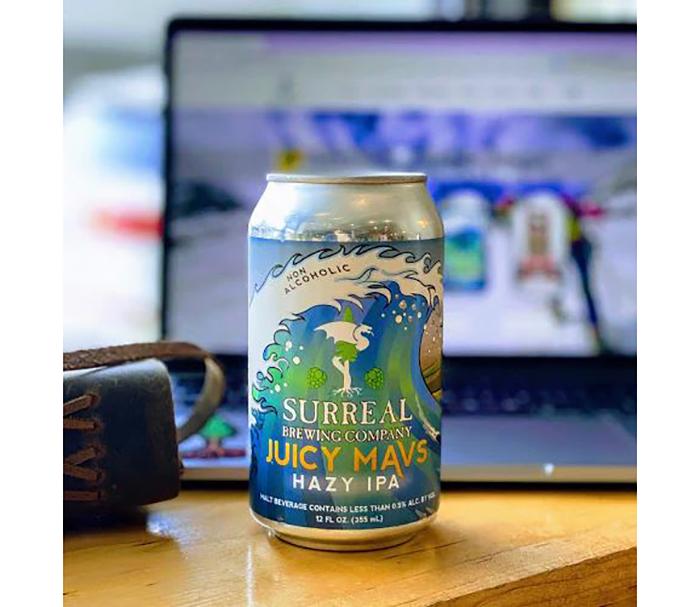
For Americans who love the experience of cracking open a cold beer but want to reduce their alcohol exposure, the non-alcoholic beer market has matured dramatically. Modern NA beers from brands like Athletic Brewing, Heineken 0.0, and Athletic Brewing Co. are not the flat, flavorless disappointments of decades past.
A 2022 review of studies on non-alcoholic beer found potential benefits including reductions in inflammatory markers, improvement in certain cardiovascular biomarkers, and sleep-promoting effects from the hops, without the sleep-disrupting effects of alcohol. A 2021 study found that non-alcoholic beer with matured hop bitter acids improved mood, reduced anxiety, and enhanced reported sleep quality in participants over one to three weeks.
Non-alcoholic beer still contains a small trace of alcohol (generally under 0.5% ABV) and some calories and carbohydrates, so it’s not calorie-free. But it delivers much of the social ritual and sensory experience of drinking beer while dramatically reducing the biochemical risks.
Who Should Absolutely Not Have One Beer a Day
Certain groups face elevated risk from any alcohol consumption and should avoid it entirely or consult closely with a physician:
- Pregnant women. There is no established safe level of alcohol during pregnancy.
- People taking medications that interact with alcohol (a conversation worth having with your doctor or pharmacist).
- People with liver disease, pancreatitis, certain heart arrhythmias, or alcohol use disorder.
- People with a personal or family history of alcohol-related cancers.
- People with a family history of addiction.
- Adults over 65, who face amplified risks from both the alcohol itself and its interactions with common medications.
So, Is One Beer a Day Bad for You? The Bottom Line
The honest, evidence-based answer in 2025 is: probably not catastrophic for a healthy adult, but not without consequence, and more nuanced than most people realize.
One beer a day sits within the CDC’s current definition of moderate drinking for men, and at the limit for women. Some cardiovascular evidence still suggests potential benefits in that range. But the narrative has genuinely shifted. The idea that moderate drinking is good for you has been walked back significantly by the same scientific establishment that once promoted it.
The cancer risk is real and measurable, even at low levels. The sleep disruption is documented and underappreciated. The cumulative caloric impact adds up. The risk of habitual dependence exists. And whether one daily drink is appropriate for you specifically depends on factors including your sex, age, genetics, health history, medications, and body weight in ways that no population average can capture.
Here’s a comparison of what different health bodies currently recommend:
| Organization | Recommendation for Men | Recommendation for Women |
|---|---|---|
| CDC / U.S. Dietary Guidelines | Up to 2 drinks/day | Up to 1 drink/day |
| American Heart Association | Up to 2 drinks/day | Up to 1 drink/day |
| Canada (2023 guidelines) | No more than 2 drinks/week | No more than 2 drinks/week |
| World Health Organization | No safe level | No safe level |
| U.S. Surgeon General (2025) | Reduce as much as possible | Reduce as much as possible |
The direction of that table is telling. The threshold for what counts as “safe” moderate drinking has been contracting across global health authorities, not expanding.
Making Your Own Informed Decision
If you enjoy a beer, a cocktail, or a glass of wine and you’re not in one of the high-risk categories above, the current evidence does not demand that you quit entirely. But it does suggest approaching that daily drink with honesty and intentionality:
Know your actual pour. Is that “one beer” actually one standard drink, or is it a 16-ounce 7% double IPA? The math matters.
Consider your pattern. Seven drinks spread over a week is very different from seven drinks on Saturday. Daily moderate drinking is biologically distinct from weekend binging.
Think about your personal risk profile. Your age, sex, genetics, and health history make your relationship with one daily drink different from your neighbor’s.
Stay informed about new research. The science on alcohol and health is actively evolving, and the trajectory over the past decade has consistently moved toward greater caution.
Explore the alternatives. Non-alcoholic beers, hop waters, and sophisticated mocktails have never been better. You can often preserve the ritual without the biochemical cost.
A Different Kind of Last Call
There’s something almost poetic about the timing of this cultural reckoning. For most of human history, beer was considered healthier than water, often correctly so, given that fermentation killed pathogens that contaminated ancient water supplies. Moderate drinking was woven into social rituals, religious ceremonies, and daily life across virtually every culture on Earth.
Now, armed with molecular biology, wearable sensors, and decades of epidemiological data, we are learning something ancient civilizations couldn’t have known: that the same ethanol molecule that made beer socially binding and water safe is also a carcinogen that begins its work from the very first sip.
That doesn’t make your evening beer a moral failing. But it does make it worth knowing about. The most empowering thing you can do with this information isn’t to panic or quit cold turkey. It’s to drink, if you choose to, with your eyes open, knowing what your body is actually processing, and making a choice that’s right for your specific life, health, and priorities.
That kind of informed, intentional relationship with alcohol is genuinely new in human history, and it may be the most interesting development in how Americans drink yet.
Sources: https://chesbrewco.com
Category: Beer