If you’ve ever bellied up to a bar, cracked open a cold one at a cookout, or mixed yourself a cocktail after a long week, you’ve almost certainly reached for a Sprite at some point. Maybe you used it as a mixer. Maybe you grabbed it instead of a beer when you needed to pace yourself. Maybe you simply love that crisp, clean lemon-lime bite that no other soda quite matches. But here’s the question that trips up a surprising number of people: Is Sprite a Coke product, or does it belong to Pepsi?
The short answer is clear: Sprite is 100% a Coca-Cola product. It always has been, and it remains one of the most dominant beverages in The Coca-Cola Company’s enormous global portfolio. But the full story, including why Sprite was created, how it crushed the competition, and why Pepsi still can’t figure out how to beat it, is far more interesting than a simple yes or no. Let’s crack one open and dig in.
You Are Watching: Is Sprite A Coke Or Pepsi Product Updated 10/2026
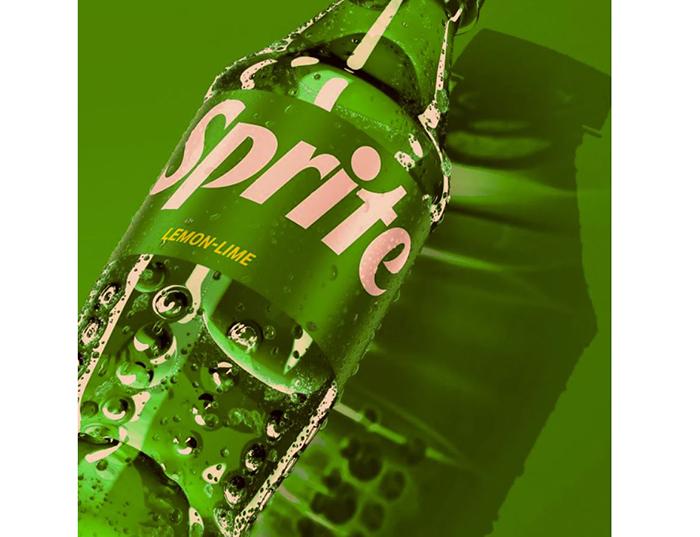
Sprite Is a Coke Product, Full Stop
The Coca-Cola Company owns, manufactures, and distributes Sprite globally, making it one of their flagship beverage brands rather than an independent company or licensing partner. This isn’t a recent development or some corporate acquisition story. Sprite was born inside the Coca-Cola system and has never left.
Sprite is the world’s leading lemon-lime flavored sparkling beverage and the number two global brand for The Coca-Cola Company worldwide. For a company that also owns Coca-Cola, Fanta, Dasani, Minute Maid, and hundreds of other regional brands, being number two in their global ranking is a massive statement.
Sprite holds a prominent position among The Coca-Cola Company’s extensive collection of over 500 sparkling and still beverage brands. This ownership structure mirrors how PepsiCo controls major brands like Mountain Dew, Gatorade, and Lay’s under their corporate umbrella. Sprite is to Coke what Mountain Dew is to Pepsi: a secondary powerhouse brand that drives billions in revenue every year.
So the next time someone at the bar tries to tell you that Sprite is a Pepsi product, you can set the record straight with confidence.
How Sprite Was Born: The German Origin Story
The fascinating thing about Sprite is that it didn’t start as Sprite at all. Its origin traces back to post-World War II West Germany, and understanding that history explains a lot about why the brand is structured the way it is today.
Sprite was originally developed in West Germany in 1959. The drink started life as part of the Fanta line with the name Clear Lemon Fanta. This isn’t coincidental: Fanta itself was also born out of wartime Germany because Coca-Cola couldn’t get its syrup into the country during the war years. The German division of Coca-Cola’s bottling network was resourceful, and that same creative energy produced what would eventually become Sprite.
Coca-Cola was feeling pressure from the rise of 7UP and Pepsi’s Mountain Dew. Germany would be the perfect testing ground for its new product. The Coca-Cola Company then invented what is now known as Sprite, launching it in the U.S. in 1961.
The name itself has a deeper history than most people realize. The name “Sprite” had been around at the Coca-Cola Company for many years. During the 1940s, Sprite Boy made regular appearances in Coke marketing. The white-haired elfin figure was dropped from advertising in 1958. When the drink Sprite came to the U.S., the name Sprite was reintroduced and has become one of the most recognizable brand names in the world.
Using the name Sprite made it easy to make the product recognizable to the masses in a short amount of time. It was strategic brand architecture at its finest, long before “brand architecture” was even a marketing buzzword.
Why Coca-Cola Created Sprite: The 7UP Problem
To truly understand Sprite, you have to understand the competitive landscape of the early 1960s American soda market. At the time, 7UP was the undisputed king of lemon-lime soda. It had been around since 1929, it was popular across demographics, and it had carved out a substantial niche in the exploding American soft drink industry.
The Coca-Cola Company recognized a significant opportunity when they observed 7 Up’s dominance in the American lemon-lime market. Sprite became a Coke product strategically designed to challenge The Seven-Up Company’s stronghold on this profitable category. By 1961, Coca-Cola had refined the formula and launched Sprite in the United States market with clear competitive intentions.
The strategy was deliberate and surgical. Coca-Cola’s decision to enter the lemon-lime category wasn’t accidental. The company understood that diversifying their product portfolio beyond cola would strengthen their market position and provide additional revenue streams. Rather than attempting to acquire existing brands, Coca-Cola chose to develop their own competitor from the ground up.
In 1967, Sprite was available to about 85 percent of the U.S. population and was sold in at least 39 countries. The Coca-Cola Company used its large bottler connections to help push its products, helping Sprite advance on its competition 7UP. In large part due to the strength of the Coca-Cola system of bottlers, Sprite eventually became the market leader in the lemon-lime category by 1978.
That’s a remarkable trajectory: from a German lemon drink in 1959 to the dominant American lemon-lime soda in less than two decades. And the key weapon wasn’t just the flavor. It was the Coke distribution machine.
The Culture Play: How Sprite Conquered Hip-Hop and the NBA
Here’s where the Sprite story becomes genuinely fascinating, especially for adults who lived through it. While other soda brands were chasing the mainstream, Sprite made a calculated bet on subculture, and it paid off more spectacularly than anyone could have predicted.
Sprite has marketed itself toward hip-hop and rap culture since at least the 1980s. Coca-Cola created advertising campaigns featuring prominent rap artists to connect with Black youth and America’s many urban centers.
In 1994, Sprite launched its now-iconic “Obey Your Thirst” marketing campaign. This would become Sprite’s most potent and memorable slogan, defining the brand for years. If you were a teenager or young adult in the 1990s, you remember these ads. They were raw, creative, and nothing like the squeaky-clean soda advertising of the era. They featured actual rappers saying actual things that felt real, not manufactured.
Kurtis Blow appeared in a famous commercial with rap lyrics where he dissed 7UP in favor of Sprite. The brand also at this time tapped into the NBA. In 1994, Sprite became the basketball league’s official soda partner and the official soda brand of the NBA. Sales grew and the brand at this point was by far the lemon-lime leader in the U.S.
In 2003, the brand signed an endorsement deal with LeBron James, who was one of the biggest superstars in basketball. This elevated Sprite among the NBA community even further.
The “Obey Your Thirst” campaign ran successfully until the mid-2000s and remains one of advertising’s most memorable taglines. Coca-Cola’s genius lay in recognizing that Sprite needed its own voice rather than borrowing from the classic Coke brand identity. Sprite’s relationship with Coca-Cola allowed for this creative freedom while providing the resources necessary for major cultural partnerships.
Read More : Blue Moon White Ipa Calories Updated 10/2026
The brand’s modern identity still draws from that same cultural well. In 2024, Sprite relaunched its 30-year-old “Obey Your Thirst” campaign with two sports stars: the NBA’s Anthony Edwards and track-and-field sprinter Sha’Carri Richardson, the brand’s first female athlete partner.
Sprite vs. Pepsi’s Lemon-Lime Attempts: A History of Failures
This is where the story gets almost comedic. For decades, PepsiCo has tried, and failed, to build a lemon-lime soda that can actually threaten Sprite. The timeline reads like a cautionary tale about brand identity.
Long before Starry Soda hit the shelves, PepsiCo had been on a decades-long quest to crack the citrus code. Out of pure desperation, they launched Teem in 1960, a lemon-lime drink meant to go head-to-head with Sprite and 7UP, but it never truly caught on. In the ’80s and ’90s, they experimented again: first with Slice (including a lemon-lime flavor), then a short-lived soda called Storm in test markets. Neither survived.
Sierra Mist launched nationwide in 1999 as Pepsi’s caffeine-free, real sugar answer to Sprite, backed by heavy marketing. But it didn’t stick.
Back in 1999, Coca-Cola’s Sprite dominated the lemon-lime soda market with about 60% market share, according to data from Beverage Digest. Sierra Mist spent over two decades trailing far behind, going through a desperate rebranding to “Mist Twst” in the mid-2010s before being quietly discontinued in January 2023.
PepsiCo’s latest attempt is Starry, launched in January 2023 and marketed heavily at Gen Z with a Super Bowl ad featuring Ice Spice. Sprite still holds the crown as the global leader at a dominant 8.1% market share, known for its bold flavor and cultural cachet. Starry, PepsiCo’s latest entrant, captured a 5.3% share within its first year.
Sprite has a couple of advantages: it has been very well marketed for many years. It has the advantage of being in the powerful Coke system, and in almost all Coke fountain accounts and restaurant accounts. Sprite has just basically been a very, very strong dominant brand in the lemon-lime category for a long time.
The fountain advantage is enormous and often underappreciated. Coca-Cola is the dominant player in the U.S. fountain industry. They have McDonald’s on a handshake agreement that goes way back, and somewhere around 70% of the fountain market. Every McDonald’s, every Coke fountain account across America, offers Sprite. That kind of reach is nearly impossible to replicate.
How Sprite Became America’s Number Three Soda (Beating Pepsi)
The most stunning recent development in the soda wars is something that would have seemed impossible just a decade ago: Sprite has overtaken Pepsi in U.S. market share.
Pepsi has dropped a spot as Sprite, Coke’s lemon-lime soda, has cinched the No. 3 spot, despite PepsiCo’s efforts to compete with Starry, its lemon-lime Sierra Mist replacement.
The current U.S. market share breakdown tells an important story:
| Soda Brand | U.S. Market Share | Parent Company |
|---|---|---|
| Coca-Cola | 19.2% | The Coca-Cola Company |
| Dr Pepper | 8.7% | Keurig Dr Pepper |
| Sprite | 8.03% | The Coca-Cola Company |
| Pepsi | 7.97% | PepsiCo |
| Diet Coke | ~7.8% | The Coca-Cola Company |
| Mountain Dew | ~6.1% | PepsiCo |
| Coke Zero Sugar | ~4.6% | The Coca-Cola Company |
| Pepsi Zero Sugar | ~3.5% | PepsiCo |
| Fanta | ~2.5% | The Coca-Cola Company |
| 7UP / Starry | ~2.1% | Keurig Dr Pepper / PepsiCo |
Source: Various industry data, 2024-2025
The table above makes one thing brutally clear: Coke is winning the overall soda war and the lemon-lime war simultaneously. Sprite alone outsells regular Pepsi, which is a historic shift that would have been unthinkable in the heyday of the “Pepsi Generation.”
Within the lemon-lime subcategory specifically, the gap is even more pronounced. Sprite’s share has increased from 49.93% in early 2024 to 61.13% by late 2025. Mountain Dew has decreased from 31.40% to 25.91%, and 7UP has dropped from 12.51% to 8.46%, while Starry sits at under 3%.
Sprite vs. 7UP vs. Starry: What’s Actually Different?
For people who enjoy mixing their drinks or simply want to choose the right soda, understanding the taste differences between the major lemon-lime players is genuinely useful. They may look similar in the glass, but they’re not identical.
The real difference between 7UP and Sprite is in the taste. 7UP is often classified as more syrupy, though some people say it has fruitier overtones as well. Reddit is divided, but the general consensus is that Sprite drinkers appreciate that Sprite has a sweeter flavor profile, while 7UP fans prefer the crisper, more tart flavor.
Starry was formulated to be a more direct competitor to Sprite. PepsiCo’s own marketing describes it as having “a more lemon-lime forward flavor” than Sierra Mist did. Many consumers find Starry’s taste profile to be closer to Sprite than 7UP is, with a strong, crisp citrus bite.
Here’s a quick comparison of the major players:
| Feature | Sprite (Coke) | 7UP (Keurig Dr Pepper) | Starry (Pepsi) |
|---|---|---|---|
| Parent Company | The Coca-Cola Company | Keurig Dr Pepper (US) | PepsiCo |
| Launch Year | 1961 | 1929 | 2023 |
| Flavor Profile | Sweet, bold lemon-lime | Crisp, slightly tart | Lemon-lime forward, bright |
| Caffeine | No | No | No |
| Sugar (per 12 oz) | 38g | 38g | 38g |
| U.S. Market Share | ~61% of lemon-lime | ~8.5% of lemon-lime | ~3% of lemon-lime |
| Sweetener (Zero Sugar) | Aspartame + Ace-K | Aspartame | Aspartame |
Funnily enough, Sprite is now seen as the “regular” lemon soda, with 7UP becoming the more “alt” choice. There are some countries where 7UP still dominates, and plenty of people online who swear by it.
One important note on ingredients: the vast majority of mass-market lemon-lime sodas, including Sprite and 7UP, do not contain any actual fruit juice. The signature citrus taste comes from “natural flavors,” which are oils and essences derived from lemons, limes, and other plants to create a consistent, replicable flavor profile without the variability and cost of real juice.
The Sprite Product Family Today: Way More Than Just the Classic
One reason Sprite has grown so dominant is that Coca-Cola has steadily expanded the Sprite portfolio to meet changing consumer tastes. The brand is no longer just one drink in a green bottle.
As of 2019, Sprite is the third most consumed soda in the world and is sold in more than 190 countries. And the product lineup has only grown since then.
Some notable Sprite variants currently available or recently launched in the U.S. include:
- Sprite Zero Sugar: The sugar-free version, using Aspartame and Ace-K, long a staple of the diet soda drinker’s arsenal.
- Sprite Chill Cherry Lime: The blockbuster innovation of 2024. Originally a limited-time offering, Sprite Chill was the top-selling Coca-Cola innovation in North America in 2024, delivering $50 million in retail sales after only 21 weeks in the market. It was subsequently made a permanent product. The soda is known for its cherry-lime flavor and a unique cooling sensation that has become a permanent addition to the Sprite lineup, converting non-Sprite drinkers along the way.
- Sprite Winter Spiced Cranberry: The seasonal holiday flavor that has become a cult favorite.
- Sprite + Tea: A newer limited-time offering that blends lemon-lime soda with tea flavors.
- Sprite Chill Strawberry Kiwi: A Walmart-exclusive collaboration that has also joined the permanent lineup.
- Sprite Chill Mango Citrus: The newest Walmart-exclusive flavor, arriving in 2026.
Sprite Chill, a limited-edition soda featuring a proprietary “cooling sensation,” became Coke’s top seller in 2024 with $50 million in sales in 21 weeks. Sprite Chill has since sold $100 million in the past 12 months. That’s a remarkable performance for any brand extension, let alone one from a soda that’s been around for over 60 years.
Sprite as a Cocktail Mixer: Why Drinkers Should Pay Attention
Now, let’s talk about the part that matters most to people who enjoy a proper drink. Because for anyone who loves beer, wine, and cocktails, Sprite isn’t just a soda. It’s a tool. And it’s one of the most versatile tools behind any home bar or cocktail station.
Read More : How Much Kool Aid For 16 Oz Updated 10/2026
Sprite quenches your thirst and makes for a great cocktail mixer. Its sweet, tangy, and citrus flavor and tingly carbonation pair well with anything, from tropical tequilas to summery sangrias.
Sprite adds light sweetness and bubbly fizz, which pairs well with many spirits like vodka, rum, tequila, and whiskey. It also works great with fruit flavors, especially lemon, lime, cherry, pineapple, and orange. Because Sprite is already carbonated, it helps drinks feel crisp and bright without needing extra mixers.
Here are some of the most popular and practical spirit pairings with Sprite:
Vodka and Sprite is the king of simple Sprite cocktails. Vodka and Sprite is a slightly sweeter drink than a vodka soda but just as refreshing. A twist of lime balances the sweetness. A more straightforward cocktail doesn’t exist. The Dirty Shirley (vodka, Sprite, and grenadine) is a grown-up version of the classic Shirley Temple and has become wildly popular.
Rum and Sprite works beautifully as a simplified Cuba Libre alternative. White rum over ice topped with Sprite before stirring and adding some lime for garnish is an easy take on a refreshing rum cocktail without needing a lot of ingredients.
Tequila and Sprite is what some bartenders call a “budget margarita.” The lemon-lime bite of Sprite and crisp flavor of tequila is so close to a classic margarita, and with just two ingredients, you can stir this up in under two minutes. You don’t have to worry about triple sec, simple syrup, or any other ingredients. Use a quality silver tequila and squeeze a lime over the top.
Whiskey and Sprite: The Crown and Sprite is nearly as well-known a bar order as Crown and Coke. Crown and Coke is a well-known drink order anywhere, and Crown and Sprite isn’t far behind in terms of popularity. Trying it with Crown Royal Peach or Crown Apple adds another layer of sweetness and complexity.
Wine and Sprite: A white wine spritzer made with Sprite instead of plain club soda is a game-changer, especially in summer. The lemon-lime adds a citrus backbone that plain soda water simply doesn’t deliver. The Giggle Juice Cocktail combines white wine with citron vodka, pink lemonade, sliced strawberries, and Sprite, creating an excellent party drink.
Gin and Sprite is an underrated pairing. You can use pretty much any kind of gin you have on hand and you’ll still get a good end result when it comes to flavor thanks to the lemon and lime that Sprite brings to the table. Add freshly squeezed lime juice to lean into the botanical notes.
Sangria with Sprite: This is the move for anyone hosting a party. Easy Sangria with Sprite: mix one bottle of red wine, one-quarter cup brandy, sliced oranges and apples, and sugar to taste in a pitcher. Chill for 30 minutes, then add one to two cups of Sprite. Stir gently and serve over ice immediately. The Sprite adds effervescence that turns a still sangria into something light and festive.
Beer and Sprite: In Germany and parts of Europe, mixing lager beer with lemon-lime soda (a “Radler” or “Shandy”) is a beloved tradition. Sprite is the ideal American version of that mixer: the sweetness rounds out hoppy bitterness, the carbonation adds a fresh lift, and the citrus ties it all together. On a hot day, a Sprite shandy with a crisp lager is genuinely refreshing.
One practical tip: don’t make cocktails with Sprite ahead of time, as the Sprite is likely to go flat. Mix it whenever you are ready to drink.
The Green Bottle Goes Clear: Sprite’s Sustainability Move
One of the most visible recent changes to Sprite has nothing to do with flavor. In July 2022, the Coca-Cola Company announced that Sprite would discontinue its green bottles on August 1 and switch to clear plastic bottles. The green plastic contains green polyethylene terephthalate (PET), an additive that cannot be recycled into new bottles.
This was a significant cultural moment. Sprite’s green bottle was iconic, immediately recognizable on any shelf or cooler from a hundred feet away. Giving it up was a real sacrifice. But the environmental logic was sound: clear plastic bottles are far more recyclable in standard recycling streams, and the move aligned with Coca-Cola’s stated sustainability commitments.
The branding remained unmistakably Sprite: the green and yellow label, the logo, the flavor. Only the bottle color changed. Consumer response was initially mixed, but the sales data since then suggests the change didn’t hurt the brand at all.
Why Pepsi Will Never Catch Sprite
The fundamental problem for PepsiCo in the lemon-lime category isn’t formula or marketing budget. It’s identity and infrastructure.
“Sprite had already spent almost a decade getting a foothold and some really important cultural elements of the country, especially when it came to things like the NBA and rap,” said Duane Stanford, publisher of Beverage Digest. “Sierra Mist tried to get in and take some of that market share, and so it was an uphill battle to start.”
The fountain business is the other major structural barrier. Because Coca-Cola controls roughly 70% of the U.S. fountain market, Sprite has mandatory presence in an enormous number of restaurants, stadiums, movie theaters, and fast food chains. Every time someone orders a lemon-lime soda at a Coke account, they’re drinking Sprite. There is no equivalent entry point for Pepsi’s lemon-lime brands.
If PepsiCo looks at Starry as a three-to-five-year build and keeps at it, they will gain some share. But if they don’t, the guess is that four or five years from now, we’ll be talking about the next PepsiCo lemon-lime brand. History suggests the latter outcome is more likely, given PepsiCo’s track record with Teem, Slice, Storm, and Sierra Mist.
Fun Facts About Sprite Most Drinkers Don’t Know
A few pieces of Sprite trivia worth having in your back pocket:
- Sprite was one of the first soft drinks to use plastic bottles in the 1970s, a packaging innovation that reshaped the entire beverage industry.
- The “lymon” concept (lemon plus lime) was actually a marketing term Sprite used to describe its flavor, and it appeared on packaging for years before being quietly retired.
- Sprite Cranberry became a cultural meme and internet sensation around the holiday season, driven largely by a series of ads featuring LeBron James. The phrase “It’s the most wonderful time of the year” became synonymous with the cranberry variant’s seasonal return.
- The latest TikTok hack is ordering a fountain Sprite with three pumps of vanilla at McDonald’s, which apparently tastes like cotton candy. This kind of organic social media virality is something brands simply cannot manufacture. It happens because people genuinely love the drink and experiment with it.
- A Sugar-Free Sprite has been available since 1974, making it one of the earliest diet soda options in the American market.
The Bottom Line: Sprite Is Coke, and It’s Winning
To close the loop on the core question: Sprite is a Coke product, created by The Coca-Cola Company in 1961, and it is not affiliated with PepsiCo in any way. It never has been.
But more than that, Sprite is arguably Coca-Cola’s second most important brand on a global scale, and by virtually every recent metric, it is winning. It has surpassed Pepsi in U.S. market share. It controls over 60% of the American lemon-lime soda category. Its innovation pipeline, from Sprite Chill to Sprite + Tea, keeps generating blockbuster sales. And its decades-long connection to basketball and hip-hop has given it a cultural credibility that no competitor has been able to replicate.
For anyone who drinks beer, wine, or cocktails, Sprite deserves a place in your fridge not just as a soft drink but as one of the most versatile mixers available. Whether you’re cutting a whiskey, lightening a wine, or building a simple two-ingredient tequila drink on a summer night, Sprite brings lemon-lime brightness, carbonation, and sweetness in a way that works across almost any spirit or occasion.
And now, every time you reach for one, you’ll know exactly whose product you’re holding: a Coca-Cola original, built in Germany, launched in America, and still dominating the world.
Sources: https://chesbrewco.com
Category: Drink