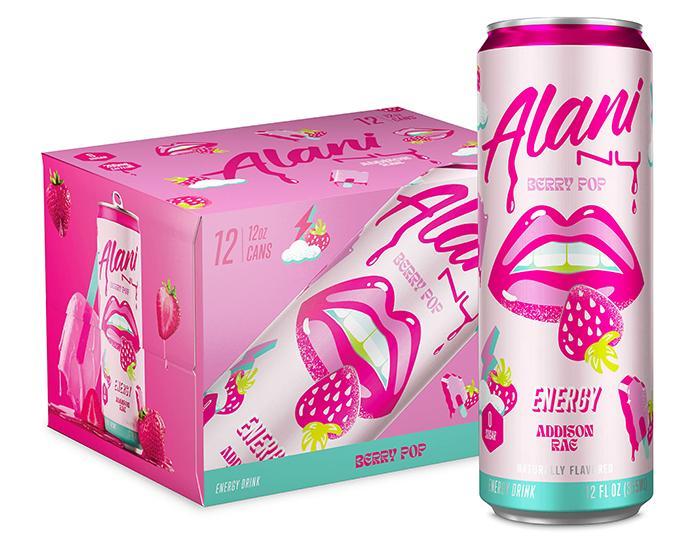
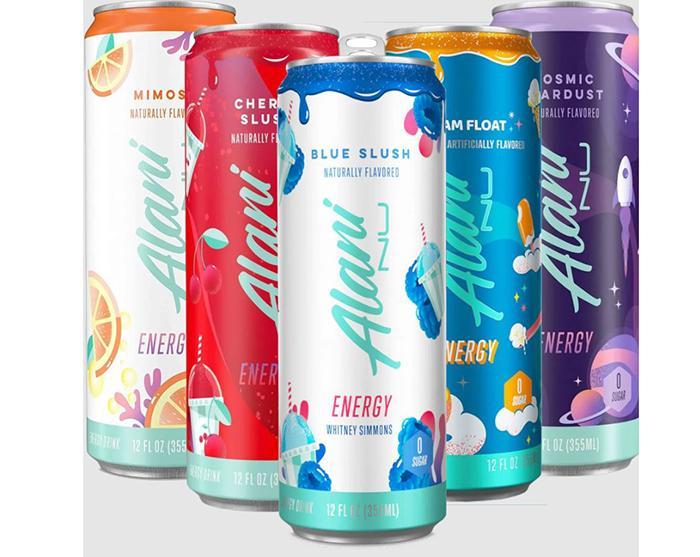
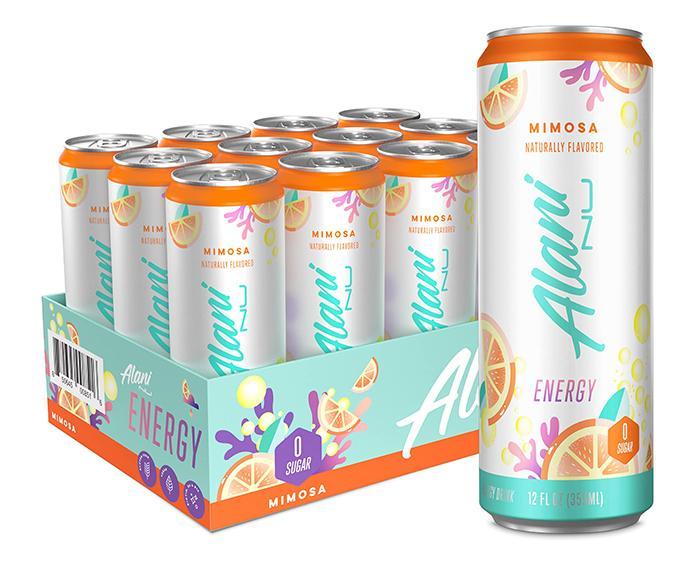
Alani Nu has taken over gym bags, office desks, and grocery store shelves with its pastel cans and cheerful flavor names. Cherry Slush. Cosmic Stardust. Hawaiian Shaved Ice. They look more like something from a candy shop than a stimulant beverage, and that is precisely the point. The brand, founded in 2018 by fitness influencer Katy Hearn and acquired by Celsius Holdings for a staggering $1.8 billion in February 2025, has built one of the most recognizable energy drink identities in America, targeting health-conscious adults, especially women, who want the buzz without the sugar crash.
But behind the pretty packaging sits a formula that is, at its core, a high-caffeine stimulant beverage packed with artificial sweeteners, preservatives, and a handful of amino acids that the human body can respond to in some very unexpected ways. Whether you reach for one before a morning workout, as an afternoon pick-me-up instead of a second glass of wine, or as a mixer at a weekend gathering, understanding what is actually happening inside your body when you crack open that can matters a great deal.
You Are Watching: The Real Side Effects Of Alani Nu Energy Drink: Most People Don’t Talk About Updated 10/2026
This article breaks down the side effects of Alani Nu Energy Drink in full detail: the short-term reactions, the long-term concerns, the ingredient controversies, and the situations where this drink crosses from convenient to genuinely risky.
What Is Actually Inside a Can of Alani Nu
Before discussing side effects, you need to know what you are dealing with. A standard 12-ounce can of Alani Nu Energy Drink contains approximately 10 calories and zero grams of sugar, which is part of its mass appeal. But the ingredient list tells a more complex story.
| Ingredient | Amount per 12oz Can | Notable Function |
|---|---|---|
| Caffeine | 200 mg | Central nervous system stimulant |
| Sodium | 200 mg | Electrolyte, flavor enhancer |
| Vitamin B3 (Niacinamide) | Exceeds 100% DV | Energy metabolism |
| Vitamin B5 (Calcium D-Pantothenate) | Exceeds 100% DV | Hormone synthesis |
| Vitamin B6 (Pyridoxine HCl) | ~1.8 mg (exceeds RDV) | Neurotransmitter production |
| Vitamin B12 (Cyanocobalamin) | Exceeds 100% DV | Red blood cell formation |
| Biotin (Vitamin B8) | Present | Skin, hair, nail support |
| Taurine | Undisclosed amount | Cardiovascular and neural function |
| L-Theanine | Present | Calming effect, focus modulator |
| Guarana Seed Extract | Present | Secondary caffeine source |
| Panax Ginseng Root Extract | Present | Adaptogen, fatigue reduction |
| Sucralose | Present | Zero-calorie sweetener (600x sweeter than sugar) |
| Erythritol | Present | Sugar alcohol, bulking agent |
| Acesulfame Potassium (Ace-K) | Present | Zero-calorie sweetener |
| Sodium Benzoate | Present | Preservative |
| Potassium Sorbate | Present | Preservative |
DV: Daily Value. RDV: Recommended Daily Value.
The 200 mg of caffeine is the headline number. That is roughly equivalent to two standard cups of brewed coffee, more than a can of Monster (160 mg), and on par with Celsius. Only Reign (300 mg) and a few extreme pre-workout blends exceed it among mainstream canned beverages. The guarana seed extract adds a secondary, slower-releasing source of caffeine on top of that, meaning the actual stimulant load may be slightly higher than the label implies.
The Caffeine Effect: Where Most Side Effects Begin
Caffeine is the engine behind every effect, positive or negative, that Alani Nu produces. At 200 mg per can, the FDA’s recognized safe daily upper limit for healthy adults is 400 mg total from all sources combined. One Alani Nu alone consumes exactly half of that budget. Add a morning coffee, a pre-workout supplement, or even a caffeinated pain reliever to your day, and you can push well past the threshold without realizing it.
Jitters, Anxiety, and Overstimulation
The most commonly reported short-term side effect is jitteriness, a sense of internal vibration, restlessness, or agitation that can arrive within 30 to 45 minutes of consumption. For people who are caffeine-sensitive, this can escalate into full anxiety, a racing mind, and an inability to sit still or focus on simple tasks. People with existing anxiety disorders are at significantly elevated risk. As one health educator noted, even a small amount of Alani Nu can leave anxiety-prone individuals feeling more on edge than energized.
On Reddit and other user forums, people frequently describe feeling “lightheaded, fuzzy, and getting a pounding headache” after drinking on an empty stomach, and several users report that racing thoughts and restless mental states followed them through the rest of the day.
Increased Heart Rate and Blood Pressure
Caffeine is a vasoconstrictor and cardiac stimulant. At 200 mg, it can produce a measurable increase in heart rate and blood pressure, even in otherwise healthy people. For anyone with a pre-existing heart condition, arrhythmia, or hypertension, this is a serious concern. Health experts have linked regular energy drink consumption to cardiovascular stress, and some anecdotal reports on social media reference stroke-like symptoms following Alani Nu consumption, though these remain scientifically unverified and anecdotal.
The taurine content adds another layer of complexity. Taurine plays roles in cardiovascular and neural function, and while it is generally considered safe, its interaction with caffeine in high-dose combinations, over long periods, is an area where researchers continue to call for more study.
Sleep Disruption and Fatigue Cycles
Caffeine has a half-life of roughly 5 to 6 hours in the average adult body, meaning that half the caffeine from a 3 p.m. Alani Nu can is still circulating in your system at 9 p.m. Drink one in the late afternoon, and you may find yourself staring at the ceiling well past midnight. Reddit users have been blunt about this: “Kept me up all night. Never again after 3 p.m.”
Chronic sleep disruption feeds a vicious cycle. Poor sleep the next day drives you back to the energy drink for a pick-me-up, which again disrupts the following night’s sleep. Over weeks and months, this pattern undermines the quality of rest your body actually needs and worsens the very fatigue you were trying to treat.
The Artificial Sweetener Problem
Because Alani Nu contains zero sugar, it relies on a trio of non-nutritive sweeteners to achieve its taste profile: sucralose, erythritol, and acesulfame potassium. Each comes with its own set of concerns.
Sucralose: The Gut Microbiome Question
Sucralose is approximately 600 times sweeter than table sugar and passes through the body mostly unmetabolized, which is why it adds no calories. However, research from North Carolina State University found that sucralose may be genotoxic, meaning it has the potential to damage DNA at the cellular level. Separately, studies have shown that sucralose can significantly reduce beneficial gut bacteria, leading to digestive issues and a state of chronic, low-level gut inflammation. Long-term consumption is associated with changes to the gut microbiome that can cascade into broader metabolic disruption.
Erythritol: Digestive Discomfort and Cardiac Concerns
Erythritol is a sugar alcohol derived from fermenting wheat starch or corn. For many people, sugar alcohols cause bloating, gas, cramping, nausea, and diarrhea, particularly when consumed in larger quantities or on a sensitive stomach. The severity varies widely from person to person, but a significant portion of Alani Nu drinkers report digestive discomfort as their primary complaint.
More recently, a published study raised concerns about erythritol’s potential link to cardiovascular risk, specifically increased platelet aggregation (clotting), which could contribute to heart attack and stroke risk with prolonged heavy exposure. While a single can is unlikely to produce acute harm, people who drink multiple cans daily, or who already have cardiovascular risk factors, should pay close attention to this research as it continues to develop.
Acesulfame Potassium (Ace-K): The Contested Sweetener
Read More : Where Is Country Club Soda From Updated 10/2026
Ace-K is FDA-approved, but the Center for Science in the Public Interest has argued that the original safety testing was insufficient and that the sweetener should be retested. The center has specifically raised concerns about potential hormone disruption, pregnancy risks, and a possible carcinogenic effect. While these links remain disputed and are not yet confirmed by mainstream regulatory science, the questions are serious enough that health-conscious consumers should be aware of them.
B Vitamins: More Is Not Always Better
Alani Nu is marketed in part on the basis of its B vitamin content. The vitamins B3, B5, B6, B8, and B12 all appear on the label, and several are present at over 100% of the recommended daily value. For most healthy adults who eat a reasonably varied diet, these vitamins are already present in sufficient quantities through food alone.
When you supplement aggressively on top of an already adequate dietary intake, the excess is typically excreted through urine rather than used, so you often pay for vitamins you do not need. However, in individuals with compromised kidney function or liver disease, clearing excess B vitamins becomes harder, and the risk of toxicity rises. For example, excessive vitamin B6 over extended periods is associated with peripheral neuropathy, a form of nerve damage. People who drink Alani Nu regularly and also eat fortified cereals, take a daily multivitamin, or consume other fortified foods should take stock of their total B vitamin intake.
Additionally, all B vitamins in Alani Nu are synthetic forms (for instance, cyanocobalamin rather than methylcobalamin for B12), which some nutrition researchers argue are less bioavailable or more problematic at high doses than their natural food-source counterparts.
The Preservative Factor: Sodium Benzoate and Potassium Sorbate
Two preservatives show up on the Alani Nu label: sodium benzoate and potassium sorbate. Both are common in the beverage industry and approved for use by the FDA. However, some research has raised concerns that sodium benzoate, when combined with ascorbic acid (vitamin C) under certain conditions, can produce benzene, a known carcinogen. While the amounts formed in commercial beverages are generally considered negligible, the concern is enough that some clean-eating advocates recommend avoiding sodium benzoate as a routine ingredient in daily-consumed products.
Potassium sorbate has also been associated in some limited research with cellular DNA damage, though again, this evidence is preliminary and not yet definitive enough to produce regulatory action.
High Sodium Content: Overlooked but Relevant
Each can of Alani Nu contains 200 mg of sodium. On its own, this is not alarming. However, the American Heart Association recommends that adults consume no more than 2,300 mg of sodium per day, with an ideal target closer to 1,500 mg. If you drink two cans of Alani Nu, pair it with salty snacks, eat a typical restaurant meal, and add the sodium from other packaged foods throughout the day, you are likely well above the ideal threshold.
For people managing hypertension, kidney disease, or water retention issues, this 200 mg per can adds up in ways the product’s pastel branding never suggests.
Caffeine Dependency and Withdrawal
One of the most underrated side effects of regular Alani Nu consumption is the gradual development of caffeine dependency. The brain adapts to daily caffeine exposure by downregulating its adenosine receptors, meaning it requires more stimulation over time just to feel normal. When you skip your usual can, the result is a classic withdrawal pattern: headaches, fatigue, irritability, difficulty concentrating, and a general sense of cognitive fog that can last anywhere from one to several days.
This dependency loop is not unique to Alani Nu, but its 200 mg dose makes it particularly efficient at establishing one. Nutrition experts and personal trainers consistently note that sugar-free energy drinks can create a psychological and physiological sense that you need one to function, even when your underlying energy levels would be perfectly manageable through adequate sleep, hydration, and balanced meals.
Mixing Alani Nu with Alcohol: A Serious Warning
For those who enjoy beer, wine, or cocktails, this section is essential reading. Mixing Alani Nu with alcohol is not recommended, and not just as a casual caveat. The combination creates a medically recognized hazard.
Caffeine is a stimulant. Alcohol is a depressant. When consumed together, caffeine masks the sedating effects of alcohol, making you feel more alert and less intoxicated than you actually are. This creates a distorted perception of your own impairment. You may feel capable of driving or making decisions when your blood alcohol concentration is already in dangerous territory. Studies have consistently shown that people who mix energy drinks with alcohol tend to drink more alcohol, take greater risks, and experience more alcohol-related harms than those who drink alcohol alone.
Beyond behavioral risk, the cardiovascular stress from combining a cardiac stimulant with a substance that also affects heart rhythm and blood pressure is a genuine physiological concern. People with any cardiac history should treat this combination as a hard prohibition.
Who Is at the Highest Risk from Alani Nu Side Effects
Not everyone who drinks an Alani Nu will have a bad experience. Context matters. But certain groups face substantially elevated risk:
People with heart conditions or arrhythmias. The 200 mg caffeine load combined with taurine and ginseng puts real stress on the cardiovascular system. Anyone with a diagnosed heart condition should consult a doctor before consuming energy drinks.
Pregnant and breastfeeding women. The FDA and leading obstetrics organizations recommend limiting caffeine to under 200 mg daily during pregnancy. A single can of Alani Nu reaches that limit entirely on its own, before accounting for coffee, tea, or any other caffeinated source.
People with anxiety disorders. Caffeine directly amplifies anxiety symptoms, and 200 mg is a significant enough dose to trigger panic-adjacent responses in sensitive individuals.
Individuals with kidney or liver disease. Both organs are involved in clearing caffeine, excess vitamins, and artificial sweeteners from the bloodstream. Compromised function in either means slower clearance and higher exposure to potentially toxic levels.
Read More : Does Drinking Alcohol Help Tooth Pain Updated 10/2026
Teens and adolescents. Energy drinks are not appropriate for anyone under 18. Developing cardiovascular systems are more sensitive to high-dose stimulants, and the FDA has raised specific concerns about the adolescent brain’s vulnerability to taurine and caffeine combinations.
Regular alcohol drinkers. If you regularly consume alcohol and are considering adding Alani Nu to your routine, particularly as a cocktail mixer or a pre-drink energizer, the compounded cardiovascular and cognitive risks described above deserve your full attention.
Alani Nu vs. Other Popular Beverages: A Caffeine and Calorie Comparison
| Beverage | Caffeine | Calories | Sugar | Artificial Sweeteners |
|---|---|---|---|---|
| Alani Nu (12oz) | 200 mg | 10 | 0g | Yes (sucralose, erythritol, Ace-K) |
| Monster Energy (16oz) | 160 mg | 210 | 54g | No (in original) |
| Red Bull (8.4oz) | 80 mg | 110 | 27g | No (in original) |
| Celsius (12oz) | 200 mg | 10 | 0g | Yes |
| Reign (16oz) | 300 mg | 10 | 0g | Yes |
| Black Coffee (8oz) | 80-100 mg | 5 | 0g | No |
| Corona Beer (12oz) | 0 mg | 148 | 0g | No |
| Cabernet Sauvignon (5oz) | 0 mg | 120 | ~1g | No |
Data compiled from brand nutrition labels and independent caffeine tracking databases.
Alani Nu’s zero-sugar profile is genuinely better than a sugary Monster or Red Bull from a blood sugar perspective. But it is not “healthier” in an absolute sense. It simply trades one set of risks (sugar, excess calories) for another (high caffeine, artificial sweeteners, preservatives).
Controversies and Consumer Concerns
Beyond the ingredient-level concerns, Alani Nu has attracted several broader controversies worth noting.
In April 2024, a viral TikTok video showed a user claiming to have found a rodent inside an Alani Nu can, sparking widespread food safety concern across social media. Alani Nu did not issue a formal public statement in response, a PR decision that was widely criticized and analyzed for its implications. Whether the incident was genuine remains unresolved publicly.
In 2022, Alani Nu settled a Proposition 65 lawsuit in California related to lead content found in its Super Greens Powder product. The settlement required the company to either reformulate the product or provide a health hazard warning for California consumers.
The Canadian Food Inspection Agency issued a safety recall for Alani Nu products in Canada due to non-compliant caffeine content labeling, raising questions about consistency in how the brand communicates its stimulant load to consumers.
Practical Guidance for People Who Enjoy Alani Nu
If you enjoy Alani Nu and are a healthy adult with no underlying conditions, completely eliminating it is not necessarily required. A more useful approach is managing your consumption with clear boundaries.
Limit consumption to one can per day, and only on days when your total caffeine from all other sources will remain well below 400 mg. Track your coffee, tea, and any pre-workout supplements alongside the can.
Timing matters significantly. Drink it before noon or, at the latest, early afternoon. The longer caffeine remains in your system before bedtime, the more it degrades your sleep quality, even if you feel like you fall asleep normally.
Avoid drinking it on an empty stomach. Consuming caffeine without food in your system accelerates absorption, increases the likelihood of jitters, amplifies any digestive sensitivity to the sweeteners, and can cause a more pronounced blood pressure spike.
Never use it as a cocktail mixer or pre-drink supplement. If your evening plans include wine, beer, or cocktails, skip the Alani Nu entirely that day. The risks of combining caffeine with alcohol are not theoretical. They are documented and well-understood.
Stay hydrated independently. Caffeine has a mild diuretic effect, and the sodium content in each can can contribute to water retention. Drink adequate water throughout the day, particularly if you are also exercising.
The Bottom Line
Alani Nu is not the worst thing you can put in your body, and when consumed occasionally and mindfully by a healthy adult, one can is unlikely to cause serious harm. The sugar-free formula is genuinely better for blood glucose management than a full-sugar Monster, and the L-theanine and B vitamins offer some real functional value.
But the wellness branding and the candy-colored cans create a perception gap. This is a high-stimulant beverage. Two hundred milligrams of caffeine is a meaningful pharmacological dose. The artificial sweeteners carry real, if contested, health questions. The preservatives, the elevated B vitamins, the undisclosed taurine amount, and the 200 mg of sodium all add texture to the risk profile that the bright label never conveys.
If you are someone who already enjoys beer, wine, or cocktails as part of your social life, adding a daily 200 mg caffeine habit to your routine stacks the physiological load on your cardiovascular system in ways worth pausing over. The heart does not distinguish between “wellness-branded” stimulants and plain ones. It simply responds to what it receives.
Drink Alani Nu if you enjoy it. But drink it with your eyes open.
Sources: https://chesbrewco.com
Category: Drink