- Can You Get Drunk On Dayquil Detailed Response Updated 10/2026
- What Whiskey Do They Drink On Yellowstone? The Complete Guide to the Dutton Family’s Spirits Updated 10/2026
- Discover the Best Tequilas for Shots Updated 10/2026
- 100000 Dollar Bottle Champagne Updated 10/2026
- Is Whiskey Acidic Or Alkaline Updated 10/2026
If you’ve ever glanced at that square-capped amber bottle at the back of the bar and assumed it was some sweet, syrupy thing meant for someone else’s cocktail order, you’re not alone. Disaronno has a bit of an image problem among serious drinkers. It gets lumped in with liqueurs that taste like candy or cough syrup, dismissed as something your college girlfriend mixed into coffee. That’s a mistake. Once you understand what’s actually inside that unmistakable bottle, where it comes from, and what you can do with it, the picture changes entirely.
You Are Watching: What Is Disaronno?You’ve Been Drinking Amaretto Wrong Updated 10/2026
This isn’t just a deep dive for the cocktail nerd. If you drink bourbon, Scotch, craft beer, or wine, there’s a real argument for keeping a bottle of Disaronno within reach. Let’s break it down from the ground up.
What Disaronno Actually Is
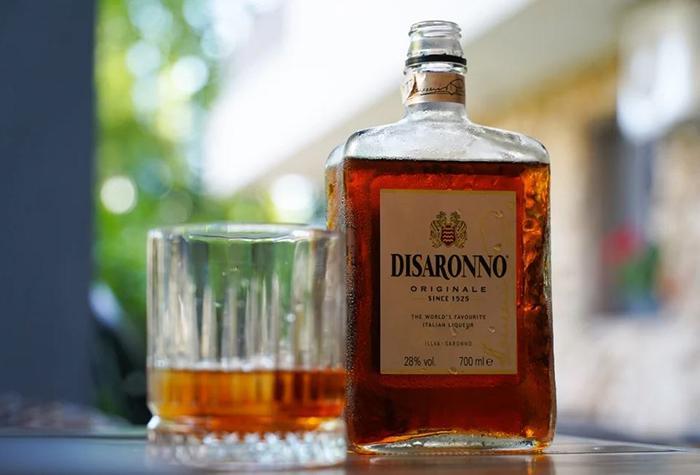
Disaronno Originale is a type of amaretto, an amber-colored Italian liqueur with a characteristic almond taste, clocking in at 28% ABV (56 proof). It is produced in Saronno, in the Lombardy region of Italy, by ILLVA Saronno and sold worldwide. According to the company, the liqueur is an infusion of apricot kernel oil with absolute alcohol, burnt sugar, and the pure essence of seventeen selected herbs and fruits.
Read that again: apricot kernel oil. Not almonds. That’s the detail that surprises almost everyone who’s ever casually sipped it. The almond flavor you’re tasting isn’t from almonds at all.
The misconception that Disaronno contains almonds has persisted for a few reasons. Apricot kernels naturally mimic bitter almond flavor, the term “amaretto” itself stems from “amaro” meaning bitter in Italian, and some other amaretto brands do use almonds or almond extract, adding to the confusion. Disaronno, however, has always been almond-free.
This matters practically too. If you or someone you’re pouring for has a nut allergy, Disaronno is technically safe in that regard, though of course individual sensitivities vary and a doctor’s opinion always wins out over bartender wisdom.
The 28% ABV gives it a pleasant warmth without an aggressive alcoholic bite, allowing the complex flavors to shine. The sweetness is well-balanced by a subtle bitterness from the apricot kernels, preventing it from becoming overly sugary. This balance makes it enjoyable on its own over ice and ensures it complements other spirits in a cocktail without dominating the drink.
The Legend Behind the Bottle: A Story From 1525
Legend has it that what was originally called Amaretto di Saronno was created by a young local innkeeper in 1525 in the small town of Saronno in Lombardy, Italy.
Here’s where the story gets interesting for anyone who appreciates a good piece of history with their drink.
In 1525, a Saronno church commissioned the artist Bernardino Luini, one of Leonardo da Vinci’s pupils, to paint its sanctuary with frescoes. As the church was dedicated to the Virgin Mary, Luini needed to depict the Madonna and needed a model. The innkeeper, a young woman who ran a local establishment, offered herself as the model. In gratitude, she gifted Luini a handcrafted liqueur, a blend of local herbs, fruits, and apricot kernels steeped in spirits. That gift, according to the legend, became the foundation of what we now know as Disaronno.
Luini used her as a model for his portrait of the Madonna, which can still be viewed in the Chapel of Santa Maria delle Grazie in Saronno. That fresco is still there. People still visit it. There’s something legitimately cool about the idea that you’re drinking something connected to a Renaissance church painting made by a student of da Vinci.
The Reina family’s recipe draws on a local innkeeper’s version of the drink. The Reinas bottled their liqueur for sale in the early 1900s, marketing it as Di Saronno, or “of Saronno.” It was exported outside the country beginning in the 1960s, when it became popular in the United States and elsewhere.
Read More : Popular Cuban Liquor Updated 10/2026
The product was called Amaretto di Saronno until 2001, when it was rebranded as “Disaronno Originale” for marketing reasons. The name change was purely strategic. Same recipe, same bottle, new branding to distinguish it from the growing field of copycat amarettos flooding the global market.
What’s Inside: Breaking Down the Flavor
Disaronno Originale offers a smooth blend of apricot kernel oil, caramel, and vanilla, delivering warmth and sweetness with hints of marzipan and cherry. Its texture is velvety, and it finishes with subtle notes of cocoa and spice, making it versatile for sipping neat or in cocktails.
For a man who’s spent time with single-malt Scotch, aged bourbon, or barrel-aged wine, the flavor map here will feel familiar in structure even if the notes themselves differ. Think of it this way:
- The nose opens with pungent bitter almond and marzipan, cake icing, a soft sweetness that doesn’t hit you over the head
- The palate brings velvety texture, notes of toasted almond, macaroon, vanilla, lemon zestiness, and apricots
- The finish is long, warm, and gently spiced with subtle cocoa undertones
At 28% ABV, it’s balanced: not cloying, with a gentle warmth that lingers. Forget actual almonds, it’s made from apricot and peach pits, giving that warm, nutty flavor without nuts.
Where Disaronno pulls away from cheaper competitors is in that finish. Some other amarettos are made with steeped almonds or almond extract, which can result in a sharper, more direct almond flavor. Disaronno’s use of apricot kernels and a secret blend of botanicals creates a richer, more complex profile with notes of fruit and spice. This is why it’s often considered the benchmark for premium amaretto worldwide.
The Bottle: More Than Marketing
You’ve seen the bottle. That square, flat, amber-glassed shape with the bold square cap is one of the most recognizable spirits designs in the world. It’s not an accident.
The liqueur is sold in an oblong glass bottle designed by a craftsman from Murano, the famous Venetian island that has been the center of Italian glassmaking for over seven centuries. The bottle design was never just packaging. It was a deliberate signal: this is a craft object, not a commodity product. The aesthetic was always meant to sit on a back bar or a home shelf and command attention.
Disaronno has run an ongoing series of pack-design partnerships with international fashion brands including Diesel, Versace, and Moschino, dressing the standard silhouette in limited-edition clothing that blurs the line between liqueur and luxury collectible. For the guy who appreciates the crossover between design culture and drinking, those bottles are worth hunting down.
The Numbers: How Dominant Is Disaronno?
Let’s put some hard data behind the reputation.
Disaronno holds an estimated 30% market share in the global amaretto category, representing approximately 150 million units sold annually based on a global market volume estimate of 500 million units.
With more than 1 million 9-liter cases sold, it’s the biggest producer in the category by a long way. Guests at bars around the world never specify a brand when ordering an Amaretto Sour; they just expect it to taste like Disaronno. That’s the ultimate measure of a category-defining brand, when consumers conflate the product name with the entire category. Think Kleenex. Think Xerox. Disaronno has that kind of gravity in amaretto.
Disaronno is the world’s number one selling Italian liqueur. Not just in the amaretto category. Italian liqueur overall, full stop.
The global amaretto liqueur market is estimated to be worth approximately $2.5 billion USD annually, with a compound annual growth rate of approximately 3% over the past five years. Premium segments and ready-to-drink formats are the fastest-growing areas, driven by millennials and Gen Z consumers who are leaning into cocktail culture in a serious way.
How to Actually Drink It: A Practical Guide for Real People
Here’s where a lot of writers lose the plot. Disaronno gets written up in flowery tasting notes aimed at liqueur enthusiasts who already buy it. What a guy who drinks IPA or bourbon on a Friday night actually needs to know is: what do I do with this bottle?
Neat or on the rocks: This is the Italian way. Pour two ounces into a snifter or a rocks glass, add a large ice cube or two, and let it breathe for a minute. Italians often drink Disaronno after a meal as a digestif as it is quite sweet. It can be enjoyed straight, on the rocks, or mixed into coffees, hot chocolate, and cocktails. Sipping it neat is the best way to understand what you’re working with before you start mixing.
With a squeeze of lemon: Add a squeeze of fresh lemon juice to Disaronno on the rocks and you’ve essentially made a stripped-down Amaretto Sour. The citrus cuts the sweetness, the bitterness of the apricot kernel opens up, and what you’re left with is something lean and interesting, closer to a well-made whiskey cocktail than a dessert drink.
Read More : What Is Armagnac? France’s Oldest Brandy That Serious Drinkers Need to Know Updated 10/2026
The Godfather: Equal parts Disaronno and Scotch whisky over a large ice cube. That’s it. The Godfather is a classic, and its balanced flavor shines in this simple combination, making it an essential and easy-to-use bottle for any home bar. If you’re a Scotch man, this is your entry point into Disaronno. The smoky, peaty weight of the Scotch meets the sweet nuttiness of the amaretto, and the result is something far greater than the sum of its parts. Use a blended Scotch like Johnnie Walker Black and you’ll be pouring a second one.
The French Connection: Named after the 1971 film, the French Connection is an elegant two-ingredient cocktail that combines the nutty sweetness of Disaronno with the rich, oaky notes of Cognac. Combine 1.5 oz Cognac and 0.75 oz Disaronno directly into a snifter or rocks glass. No ice is traditionally used, but serving it over a single large ice cube is a great modern twist. A good VSOP Cognac elevates this into genuine nightcap territory.
The Amaretto Sour: The benchmark cocktail. A well-made version with fresh lemon juice and egg white is a classic for a reason. Combine 1.25 oz Disaronno, 1 oz fresh lemon juice, 0.75 oz egg whites, and 0.25 oz simple syrup. Dry shake first without ice to build foam, then add ice and shake again until chilled. Strain over a large ice cube into a rocks glass and garnish with a Maraschino cherry. The egg white creates a velvety foam cap that transforms the entire texture of the drink. If you’ve never had a properly made Amaretto Sour with egg white, you haven’t actually had an Amaretto Sour.
With Bourbon: When adding just a quarter of an ounce of Disaronno to your Bourbon base, you get a beautiful almond taste in the drink. Add bourbon, Disaronno, Angostura bitters, and Demerara syrup into a mixing glass with ice and stir until well chilled. Strain over a large chunk of ice into a rocks glass and garnish with toasted almonds. This almond-forward Old Fashioned riff is one of the most interesting things you can do with a bottle of mid-shelf bourbon.
With Coke or Ginger Ale: Sometimes the move is simple. Disaronno and cola creates something uncannily close to a Dr. Pepper flavor, which is either deeply appealing or deeply confusing depending on your personality. Disaronno with ginger ale is lighter, cleaner, and a solid warm-weather option when you want something longer and less boozy.
Disaronno vs. Other Amarettos: Does the Brand Actually Matter?
The honest answer: yes, more than you might expect.
Cheap amaretto brands use artificial flavors that taste like cough syrup. Real Disaronno has a smooth, rounded finish. A quality check: Disaronno has a deep amber hue, not an orangey-yellow like knockoffs. Shake the bottle and legit Disaronno leaves a slow, syrupy “legs” on the glass. Smell it and you’ll notice that authentic Disaronno has layered almond-vanilla depth; fakes hit one-note sweet.
The competitors worth knowing about are Luxardo, Lazzaroni (which claims its own 1525 origin story tied to amaretti biscuits rather than an innkeeper), and Adriatico, a newer Puglia-based brand that has been making noise in the premium cocktail world. Adriatico launched five years ago and, unlike other producers, it roasts Italian almonds before maceration and adds sea salt to provide a different take on traditional amaretto, with 205g of sugar per liter compared to 340g in Disaronno. For bartenders who find Disaronno too sweet, Adriatico has become a serious alternative. But for home bar use, Disaronno’s wider availability, consistent quality, and lower price point make it the practical default.
Disaronno Velvet: The Newer Option
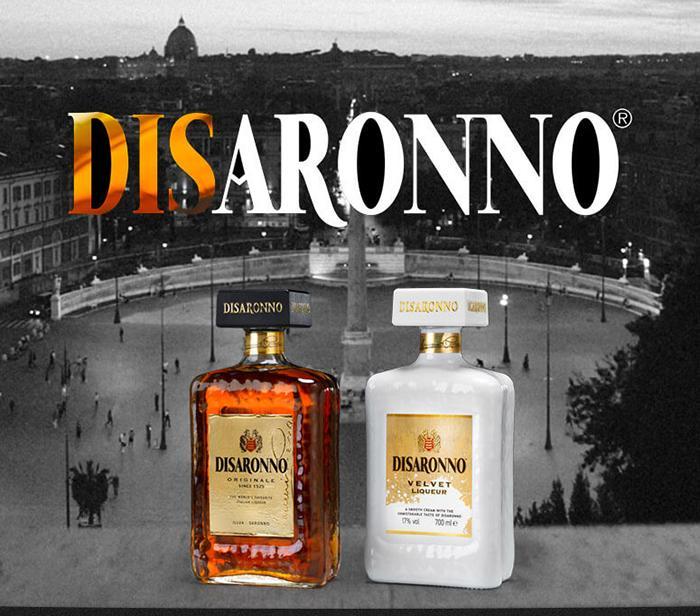
Disaronno Velvet is a cream liqueur variation, smoother and creamier with lower alcohol at 17% ABV. It’s best enjoyed simply over ice and doesn’t mix as well in cocktails that require acidity, like a sour. Think of it as the dessert version of an already somewhat dessert-forward spirit. If you’re building a home bar, the Originale is the one to start with. Velvet is a niche product for specific occasions.
Storing It Right and How Long It Lasts
Unopened, a bottle of Disaronno will last indefinitely if stored in a cool, dark place away from direct sunlight. Once opened, it’s best consumed within a year or two for optimal flavor. Because of its high sugar and alcohol content, it won’t “spoil” in the traditional sense, but its flavors can start to fade and become less vibrant over time.
Avoid storing it near sunlight, which fades the color and dulls the flavor. Keep it cool and dark. And don’t over-chill it for cocktails, as you’ll mute those beautiful notes. Room temperature storage with the bottle away from the stove or window is ideal. When you’re ready to use it in a cocktail, the spirit itself doesn’t need to be chilled ahead of time; your ice and shaking technique will handle that.
Why Every Serious Home Bar Should Have a Bottle
Let’s bring this home. You’re a guy who takes what he drinks seriously. You probably have a decent bourbon, maybe a bottle of gin, a six-pack of something craft in the fridge. The question is whether Disaronno earns shelf space in that company.
The case for it comes down to versatility per dollar. A 750ml bottle runs between $25 and $32 at most liquor stores in the US. For that price, you’re buying:
- A digestif you can sip neat after a steak dinner
- A cocktail modifier that unlocks multiple classic recipes
- A spirit that pairs specifically well with the things you probably already drink (Scotch, bourbon, Cognac)
- An ingredient that works in coffee, hot chocolate, and even baking if you want to impress someone
Its signature sweet, nutty flavor profile is surprisingly not derived from almonds at all, which is a surprise for many first-time drinkers, and this complexity is why Disaronno is considered the benchmark for premium amaretto worldwide.
The stigma around Disaronno being a “girl’s drink” or a cocktail-party afterthought is a hangover from how it was marketed in the 80s and 90s. The liquid itself has always been more interesting than its reputation. It was made by a woman who posed for a Renaissance fresco inspired by da Vinci, bottled by an Italian family who guarded the recipe for generations, and has been produced in the same city in Lombardy for over five hundred years. That’s a pedigree most craft spirits brands would kill for.
Whether you’re building your first serious home bar or you’ve been behind a shaker for years, Disaronno Originale is the kind of bottle that earns its keep.
Sources: https://chesbrewco.com
Category: Wine