You reach into the fridge, grab a cold can of Monster, and something makes you pause. Maybe it was buried behind a six-pack of IPAs for months, or maybe you bulk-ordered a case and lost track of when you bought it. The question hits you: where is the expiration date on Monster, and is this thing still good?
It is a question that comes up more often than you might think, especially among people who mix Monster into cocktails, use it as a beer chaser, or stock up in bulk. The answer is a little more nuanced than a simple “check the bottom.” Monster Energy does not label its cans the way most food products do, and unless you know what you are looking for, the code printed on each can can look like pure gibberish. This guide breaks it all down clearly, from decoding that mysterious string of characters to understanding what happens if you crack open a can that has been sitting in your garage since last summer.
You Are Watching: Where Is The Expiration Date On Monster? Updated 10/2026
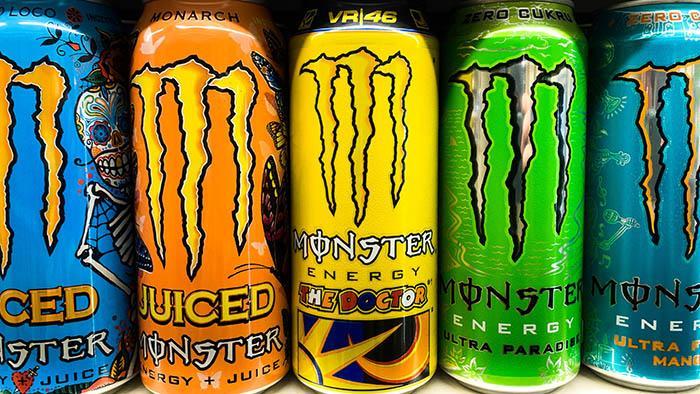
Where Exactly Is The Expiration Date On Monster?
Here is the direct answer: the date-related code on a Monster Energy can is printed on the bottom of the can. Flip it upside down and you will find a string of letters and numbers stamped into the metal. This is not a traditional expiration date in the way you would see on a carton of milk or a bottle of wine. Monster Energy, by its own official description, prints a “born-on” or production date rather than a hard expiration date.
According to Monster Energy’s official FAQ page, their products do not carry a standard expiration code. Instead, every can carries a manufacturing date, encoded in a format that most consumers have never been taught to read. The company explains the format this way: the first letter represents the month (A through L, representing January through December), the first two numbers represent the year of manufacture, the next two numbers represent the day, the following letter identifies the manufacturing facility, and the last four digits represent military time (a 24-hour clock notation of when the can was filled).
So a code that reads F2415A1400 breaks down as follows: F = June, 24 = the year 2024, 15 = the 15th day of the month, A = manufacturing plant A, and 1400 = 2:00 PM. Once you know that formula, reading the “expiration date” on a Monster becomes straightforward.
“Best By” Date vs. True Expiration: Why Monster Does It Differently
One of the most important things to understand as a consumer is the difference between a “Best By” date and a true expiration date. These terms are not interchangeable, and the distinction matters whether you are popping a cold one solo or mixing it into a cocktail at a party.
A true expiration date (often labeled “Use By”) indicates the point at which a product is no longer considered safe for consumption. These are used on dairy, meat, medications, and other perishable items where bacterial growth or chemical breakdown can pose a genuine health risk.
A “Best By” or “Best Before” date, which is what Monster cans display (and what the production code lets you calculate), is a quality indicator. It tells you when the manufacturer guarantees peak flavor, optimal carbonation, and maximum nutrient potency. After that date, the drink may still be perfectly safe to consume, but you may notice differences in taste, fizz, and energy-boosting effectiveness.
This is an important distinction that the FDA recognizes in its food labeling guidance. Shelf-stable, hermetically sealed beverages like canned energy drinks are not required by federal law to carry a hard expiration date. They are classified differently from refrigerated or perishable goods, which is why Monster can legally print only a production code rather than an explicit “Expires on” stamp.
How Long Does Monster Actually Last?
Based on the production date code and the 18-to-24-month shelf life Monster is known for, here is a practical breakdown of what to expect depending on how the can is stored and whether it has been opened.
| Condition | Expected Quality Duration |
|---|---|
| Unopened, stored properly (50-70°F, cool and dark) | 18 to 24 months from production date |
| Unopened, past “Best By” date, good storage | Still drinkable for 6 to 12 additional months |
| Opened, refrigerated with cover | 1 to 2 days maximum |
| Opened, left at room temperature | Drink within 24 hours |
| Stored in hot environment (car trunk, garage in summer) | Quality degrades significantly faster |
| Java Monster or Juice Monster (contains dairy or juice) | Consume closer to production date; less stable |
Monster Energy drinks retain their optimal quality for 18 to 24 months after manufacturing, with “Best By” dates indicating peak flavor and carbonation rather than definitive expiration for safety. What that means in practice is that you have a generous window, but it is not unlimited.
The ingredients in Monster, including caffeine, taurine, and B-vitamins, remain stable over time and do not transform into harmful substances after the best-by date. The primary concern with time is a potential decrease in the beverage’s flavor and effervescence, rather than safety.
So if you just found a can from eight months ago behind your bar cart, the odds are very good it is still fine to drink. If it is two and a half years old and has been sitting next to a hot water heater, that is a different story.
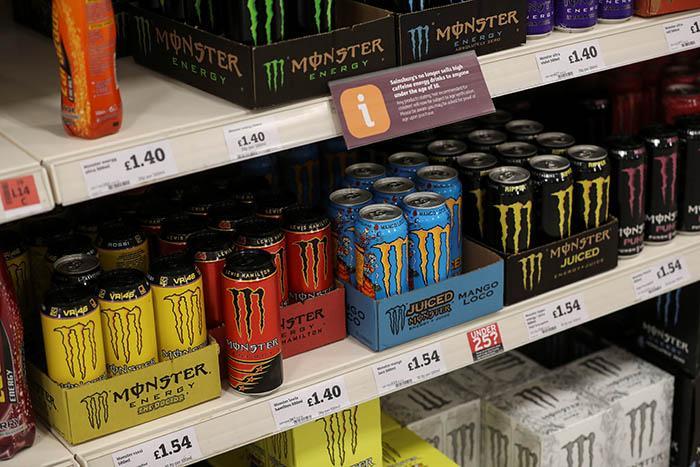
Not All Monster Varieties Age the Same Way
If you are the type of person who stocks a variety of Monster flavors for different occasions, you should know that different product lines have different shelf lives, even within the Monster family.
Original Monster and Monster Ultra are the most stable options for long-term storage. These formulas contain fewer perishable ingredients and rely on well-established preservatives like sorbic acid and benzoic acid to maintain freshness. Original Monster and Ultra lines use fewer perishable ingredients, making them more stable for longer storage.
Java Monster is an entirely different situation. These coffee-based cans contain dairy, which introduces a far more perishable ingredient into the mix. Even with added preservatives, Java Monster should be consumed closer to its production date. In fact, in Japan, Monster Energy officially lists coffee-based variants as having only a one-year shelf life, compared to the standard two years for non-dairy cans.
Juice Monster products, which include real fruit juice, also degrade faster than the standard formula because fruit-derived compounds are more chemically reactive over time. If you are stocking up, these should rotate out of your supply sooner.
Monster Beast Unleashed and Nasty Beast are Monster’s alcoholic product lines, introduced in 2023. In 2023, Monster launched the Monster Beast line of alcoholic beverages. The first release, The Beast Unleashed, featured flavors inspired by classic Monster Energy drinks but reformulated without sugar or caffeine, and brewed with alcohol at 6.0% alcohol by volume. Because these are malt beverages rather than energy drinks, they follow beer-style shelf life conventions and should generally be consumed within six to nine months of packaging for the best taste experience, similar to craft beer.
How To Tell If Your Monster Has Gone Bad
Read More : Whats In A Baja Blast Updated 10/2026
Even if a can is within its production window, damage or improper storage can compromise it. Here are the red flags to watch for before you crack open any can you are not 100% sure about.
Check the can itself first. A bulging can is one of the most serious warning signs. When a can bulges, it typically indicates bacterial growth and gas buildup inside, and a drink that shows this should be discarded immediately. Similarly, rust, deep dents, or any visible leaking around the seam or pull tab mean the hermetic seal has been compromised. Once air or contaminants get inside, the drink can spoil regardless of how recently it was manufactured.
Smell it before you sip it. A fresh Monster has a sharp, citrusy, slightly sweet aroma. If you open a can and notice a sour, metallic, or generally off-putting odor, that is your nose doing exactly what it is designed to do. Trust it and pour the drink out.
Taste test cautiously. The most noticeable change you will encounter is taste deterioration. Carbonation levels drop significantly over time, leaving you with a flatter, less vibrant flavor profile. Sweetness fades as artificial sweeteners break down, often creating an unpleasant metallic or chemical aftertaste. A flat, oddly sweet, or chemically bitter Monster is not dangerous in most cases, but it is also not worth drinking.
Look at the color and clarity. If the liquid appears cloudy, discolored, or has visible particles floating in it, discard it. These are signs of ingredient breakdown or contamination.
What Is Actually Inside A Monster Can?
Understanding the ingredient list helps you understand why Monster’s shelf life works the way it does. The original Monster Energy contains carbonated water, sugar, glucose, citric acid, natural flavors, taurine, sodium citrate, color added, Panax ginseng extract, L-carnitine L-tartrate, caffeine, sorbic acid (preservative), benzoic acid (preservative), niacinamide (Vit. B3), sucralose, salt, D-glucuronolactone, inositol, guarana extract, pyridoxine hydrochloride (Vit. B6), riboflavin (Vit. B2), maltodextrin, and cyanocobalamin (Vit. B12).
Several of these ingredients are worth highlighting from a shelf life and safety perspective:
Caffeine is one of the most chemically stable ingredients in the can. The caffeine content typically remains stable well beyond the Best By date, though other ingredients like vitamins and amino acids may lose potency over time. This means an older Monster may deliver a weaker energy boost overall, but the caffeine itself is not degrading at the same rate as other components.
B vitamins (B2, B3, B6, B12) are water-soluble and sensitive to both light and heat. These vitamins are responsible for some of the “energy” effects attributed to Monster beyond raw caffeine stimulation. They are among the first components to degrade, which is why an old can may feel less effective even if it tastes acceptable.
Taurine, the amino acid found in virtually every mainstream energy drink, remains relatively stable in sealed cans. It supports neurological function and is believed to enhance caffeine’s effects.
Sorbic acid and benzoic acid are the primary preservatives in Monster. These compounds actively inhibit bacterial and mold growth, which is a significant reason why an unopened Monster can remain safe well past its “Best By” date when stored correctly.
The caffeine content of most Monster Energy drinks is approximately 160 mg for a 16 oz (473 mL) can. The packaging usually contains a warning label advising consumers against drinking more than 48 oz per day.
The Best Way To Store Monster For Maximum Freshness
Whether you are stocking your home bar, your garage mini fridge, or a cooler for a tailgate, how you store Monster Energy drinks has a direct and measurable impact on how long they stay at their best.
Temperature is the single most important factor. The ideal storage range is 50 to 70 degrees Fahrenheit. Heat is the enemy of carbonation, B vitamins, and artificial sweeteners alike. A can stored in a hot car trunk all summer is going to taste noticeably worse than one kept in an air-conditioned pantry, even if both cans were manufactured on the same day.
Keep cans away from direct sunlight. UV light degrades flavor compounds and accelerates vitamin breakdown. This is why cases of Monster are typically sold in cardboard boxes rather than clear packaging.
Store cans upright. Keeping cans upright reduces the contact area between the liquid and the pull-tab seal, which is the most vulnerable part of the can’s structural integrity.
Do not refrigerate until you are ready to drink. Repeatedly cycling between refrigerator and room temperature creates condensation and temperature stress on the can. Store your backstock at room temperature and only chill what you plan to consume soon.
Once opened, refrigerate immediately and drink within 24 to 48 hours. Once opened, an energy drink should be refrigerated and covered to maintain freshness and prevent contamination. It should be consumed within a couple of days, as it will quickly lose its carbonation. You can use a resealable can cap or pour the remainder into a sealed container, but the carbonation loss is inevitable once the can is open.
Monster, Alcohol, and Cocktails: What Drinkers Should Actually Know
For a significant portion of Monster drinkers, especially those who also enjoy beer, wine, or cocktails, the energy drink is not consumed on its own. It gets mixed, layered, or used as a chaser. This is where the conversation gets more serious and where you need to be genuinely informed rather than just following what everyone else at the bar is doing.
Monster is a stimulant. Alcohol is a depressant. Combining them does not simply balance each other out. Instead, the caffeine in Monster can mask the sedative signals your body uses to tell you that you have had enough to drink.
Researchers have spent considerable time exploring the way in which energy drinks might reduce the sensation of intoxication, which may induce more drinking. Alcohol has a sedative effect that makes you feel more relaxed, but it also has the residual effect of making you feel tired. When caffeine suppresses that tiredness signal, people often keep drinking past the point where they would naturally stop.
Read More : How Was Soda Pop Invented Updated 10/2026
Drinking alcohol that is mixed with caffeine can make you drink more, which could make the effects from alcohol stronger. This could lead to alcohol-related health problems, damage to your body, and other concerns including higher blood pressure and irregular heartbeat.
The CDC has specifically addressed the mixing of alcohol and caffeine as a public health concern, noting that it does not make you safer to drive or make decisions. The impairment is real even when the feeling of impairment is reduced. That gap between how impaired you actually are and how impaired you feel is where accidents and bad decisions happen.
Individuals who consume alcohol mixed with energy drinks are more likely to be involved in high-risk traffic behaviors including driving after binge drinking, and are also more likely to need medical treatment or be hurt or injured when drinking compared to those who consume alcohol alone.
The premixed caffeinated alcohol beverage “Four Loko” became a cautionary tale in this space. Before November 2010, the original formula contained caffeine alongside alcohol, and it was linked to a wave of hospitalizations among young drinkers. The FDA stepped in and ruled that adding caffeine to alcoholic beverages was unsafe, forcing manufacturers to reformulate. The chance to mix energy drinks with alcohol remains an easy enough cocktail to make even after specific drinks were pulled from the market. Drinkers just have to make their own mix instead of relying on pre-mixed formulas.
None of this means that mixing Monster with a shot of vodka is going to send you to the emergency room. Millions of people do it at parties and bars every week. But if you enjoy this combination, the responsible approach is to drink more slowly, count your drinks carefully, eat beforehand, hydrate with water between rounds, and absolutely do not drive. Avoiding binge drinking and keeping your alcohol consumption within a moderate range reduces the negative effects that come from mixing caffeine and alcohol.
Monster’s Alcoholic Line: The Beast Unleashed and Nasty Beast
For those who want the Monster branding and flavor profile without the DIY mixing, Monster now offers its own alcoholic beverages. This is a direct response to the growing hard seltzer and flavored malt beverage market that has been reshaping American drinking culture over the past decade.
The Beast Unleashed launched in 2023 at 6% ABV, comparable to a standard craft beer. It comes in flavors including Mean Green, White Haze, Peach Perfect, Scary Berries, Killer Sunrise, and Gnarly Grape. Critically, The Beast Unleashed contains no caffeine, which sets it apart from the dangerous mixing scenario described above. Monster appears to have made a deliberate formulation decision here, sidestepping the FDA’s concerns about combined stimulant-alcohol products.
Nasty Beast is Monster’s hard iced tea line, targeting the flavored malt beverage segment directly. Think of it as Monster’s answer to Twisted Tea, leveraging the brand’s existing fan base among younger adult drinkers.
These products have standard beer-style “Best By” dates printed on the packaging, formatted in a much more readable way than the production codes on Monster Energy cans. For these alcoholic variants, treat the date like you would any canned craft beer: consume within six to nine months of packaging for optimal taste, store cold if possible, and check the bottom of the can for the date stamp.
Common Questions About Monster’s Expiration Date
Can you drink a Monster that expired a year ago?
If it was sealed, stored in a cool and dark place, and the can shows no signs of damage (no rust, swelling, or leaking), it is likely still safe to drink but will probably taste flat and less effective than a fresh can. Use your senses to assess it before committing to a full 16 oz.
Does Monster lose its caffeine when it expires?
The caffeine content typically remains stable well beyond the Best By date, though other ingredients like vitamins and amino acids may lose potency over time. So the caffeine is not going anywhere fast. What you will lose first are the B vitamin benefits and the carbonation.
Why does Monster not just print a normal expiration date?
Monster follows a production date system because it gives the company more precise quality control data and avoids the complexity of printing different expiration dates for products shipped to different retailers at different times. It is a common approach in the beverage industry. The tradeoff is that consumers who do not know the code system are left guessing, which is exactly why guides like this one exist.
Is the date on the bottom of the can the same for all Monster varieties?
The format is the same, but the implied shelf life varies. Standard Monster and Ultra = up to 24 months. Java Monster = closer to 12 months. Juice Monster = somewhere in between. Monster Beast Unleashed (alcoholic) = treat like craft beer, best within six to nine months.
What happens if you drink a Monster that has gone bad?
In most cases, nothing dramatic. The worst outcome from a spoiled but sealed Monster is digestive discomfort, nausea, or an unpleasant taste. The risk of serious illness from a hermetically sealed, preservative-containing energy drink is significantly lower than the risk from expired dairy or meat. That said, if the can was visibly damaged, smelled sour, or tasted genuinely wrong, do not power through it.
Final Word
Knowing where the expiration date on Monster is and how to read it puts you in a much better position as a consumer, whether you are cracking one open solo, mixing it into a party cocktail, or just doing a sweep of your fridge before a big game. The code on the bottom of the can, once decoded, tells you exactly when that can was made and gives you a clear framework for deciding whether it is worth drinking.
The bottom line: an unopened Monster stored properly is good for 18 to 24 months from its production date. Past that window, quality declines but safety risks remain low for an undamaged, sealed can. Once opened, drink it within 24 to 48 hours. And if you are mixing it with alcohol, do so with the awareness of what that combination actually does to your body, pace yourself, and keep the water flowing between drinks.
Check the code. Know what you are drinking. Drink smarter.
Sources: https://chesbrewco.com
Category: Drink