You just got through surgery. The hard part is over, you’re home, and honestly? You deserve a cold beer, a glass of wine, or maybe a well-earned cocktail. At least, that’s what it feels like. But before you reach for that bottle to celebrate making it through the operating room, there’s something critically important you need to understand: drinking alcohol after anesthesia isn’t just inadvisable, it can be genuinely dangerous, and in some situations, fatal.
This isn’t the usual overly cautious medical advice designed to cover all the bases. The reasons behind the “no alcohol” rule after surgery are rooted in solid science, and they affect casual drinkers just as much as heavy ones. Whether you enjoy a craft IPA on the weekends, a glass of cabernet with dinner, or a margarita on a Friday night, this article explains exactly what happens inside your body when you mix alcohol with the aftermath of anesthesia, and why waiting is always the smarter call.
You Are Watching: Why Can’t You Drink Alcohol After Anesthesia Updated 09/2026

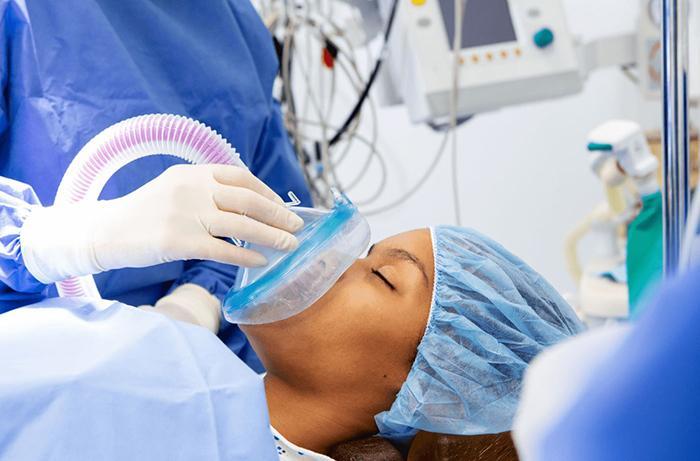
How Anesthesia Actually Works in Your Body
Before understanding the danger, it helps to understand what anesthesia is actually doing to your system. Anesthesia isn’t just a single drug that puts you to sleep. It is a carefully calibrated cocktail of medications designed to suppress your central nervous system (CNS), block pain signals, relax your muscles, and keep you unconscious and still during a procedure.
The Three Main Types of Anesthesia
General anesthesia is the deepest form. You’re completely unconscious, and your breathing, heart rate, and blood pressure are all being artificially maintained and monitored. Drugs involved typically include inhaled gases (like sevoflurane or desflurane) combined with intravenous agents like propofol, opioids such as fentanyl, and muscle relaxants.
Regional anesthesia numbs a large area of the body, such as your lower half during a spinal block, without putting you fully to sleep. Epidurals during childbirth and nerve blocks for orthopedic surgeries fall into this category.
Local anesthesia targets a very small, specific area, like the numbing injection you get at the dentist before a filling. This is the least invasive, and the restrictions around alcohol afterward are generally much less strict.
The type of anesthesia you received matters enormously when it comes to how long you need to stay away from alcohol. And while local anesthesia carries far fewer risks in this context, general and regional anesthesia create a physiological situation in which alcohol can cause serious harm.

The Liver Problem: Two Poisons, One Organ
Here’s something most people don’t think about after surgery: your liver is still processing the anesthesia drugs long after you wake up in the recovery room. Both alcohol and anesthetic agents are metabolized primarily in the liver, and when you introduce ethanol into a system that is already working overtime to clear sedatives, opioids, and muscle relaxants, you risk overloading it entirely.
Both substances are primarily broken down and eliminated by the liver. Anesthesia stays in the system even after some of its effects wear off. When a person drinks before their body fully metabolizes the anesthetic, the liver may not be able to keep up, leading to prolonged and compounded impairment.
Think of your liver like a single checkout lane at a grocery store. Anesthesia fills that lane with a full cart. Alcohol shows up with another full cart right behind it. The result is a backup, and the consequences of that backup can range from increased sedation and disorientation to dangerous spikes in blood toxicity.
For people who drink regularly or heavily, this problem is even more pronounced. Long-term alcohol use can alter liver function, necessitating adjustments to anesthesia dosages. The presence of alcohol can lead to increased requirements for anesthesia, complicating its effectiveness and potentially leading to postoperative complications.
This means your anesthesiologist needs to know your true drinking habits before surgery, not just an underestimated version of them. Chronic drinkers often need higher doses of anesthetic to achieve the same effect, which increases risks across the board.

The Deadly Combination: Alcohol and Post-Surgery Pain Medications
This is arguably the most urgent reason to avoid alcohol after any surgery involving anesthesia, and it’s the one that leads to preventable deaths every year in the United States.
After surgery, most patients are sent home with opioid pain medications. Common ones include oxycodone (OxyContin, Percocet), hydrocodone (Vicodin), or codeine. These medications work by binding to opioid receptors in the brain and spinal cord to suppress pain signals. Alcohol acts on many of the same neurological pathways.
Taking one oxycodone tablet together with even a modest amount of alcohol increases the risk of a potentially life-threatening side effect known as respiratory depression, which causes breathing to become extremely shallow or stop altogether.
Respiratory depression means your brain stops sending adequate signals to your lungs to breathe. You can literally stop breathing in your sleep and never wake up.
The research is staggering. One oxycodone tablet reduced baseline minute ventilation (the amount of air breathed per minute) by 28 percent, while the addition of alcohol at 1 g/L caused minute ventilation to further decrease by another 19 percent, for a total decrease of 47 percent. The combination also caused a significant increase in the number of times volunteers experienced a temporary cessation in breathing, ranging from 0 to 3 events with no alcohol versus 0 to 11 events with alcohol.
Nearly half your breathing capacity, gone. And that’s with one opioid pill and a moderate amount of alcohol.
The elderly are especially likely to experience this complication. But younger adults are far from immune. The American Society of Anesthesiologists (ASA) has been vocal about this danger, warning that the interaction between opioids and alcohol is a leading factor in prescription drug-related deaths in the U.S.
What “The Lethal Triad” Means
Surgeons and anesthesiologists sometimes refer to a combination as the lethal triad: opioid pain medications, alcohol, and anti-anxiety medications (like benzodiazepines, which are also commonly prescribed after surgery). Any two of these are dangerous. All three together can be catastrophic.
Severe respiratory depression may lead to hypoxia, asphyxia, cardiac dysrhythmias and eventually cardiac arrest, particularly when no rescue is initiated.
If this happens while you’re home alone or asleep, there may be no one to call 911. This is not a worst-case-scenario fear tactic. It happens to real people after routine, elective surgeries every year.
Alcohol Thins Your Blood, and That’s a Major Problem After Surgery
Read More : Does Tropicana Pink Lemonade Have Caffeine Updated 09/2026
Every surgical procedure, no matter how minor, involves some degree of cutting and bleeding. Your body responds by activating the clotting cascade, a complex biological process that stops blood loss and begins sealing the wound. Alcohol directly interferes with this process.
Alcohol interferes with your blood’s ability to clot, which could make incisions and controlling blood loss during surgery particularly difficult. Bleeding out is a serious surgical complication that can result from thinned blood after consuming alcohol.
Post-surgery, this blood-thinning effect means your wound site could continue seeping blood longer than it should. It can cause internal bruising to worsen, increase swelling dramatically, and in more serious cases, lead to a hemorrhage requiring emergency intervention or blood transfusion.
Alcohol use increases the incidence of postoperative bleeding. It also raises the chances of infection of the surgical site, in the respiratory system, or in the urinary tract. A poor immune response to infection can lead to sepsis and septic shock, a potentially life-threatening condition.
Sepsis, the body’s overreactive and dangerous response to infection, kills tens of thousands of Americans annually. After surgery, your immune system is already compromised and your wound site is already vulnerable. Adding alcohol to that equation is not just risky; it actively stacks the odds against you.
Alcohol Suppresses the Immune System When You Need It Most
Your immune system is your body’s first responder after surgery. The moment an incision is made, immune cells rush to the site to defend against bacteria, promote healing, and begin the complex tissue repair process. Alcohol disrupts this response at multiple levels.
Alcohol weakens the immune system, which increases the risk of serious infections and may slow wound healing. Poor wound healing can leave worse scars. Alcohol’s effects on the lungs can also predispose patients to pneumonia after surgery.
And here’s the double hit that most patients don’t realize: General anesthesia also predisposes the lungs to infections like pneumonia. This is like a double hit to the lungs.
So after surgery under general anesthesia, your lungs are already more susceptible to infection than normal. Add alcohol, and you’ve doubled that vulnerability. For someone who had a lung procedure, heart surgery, or any surgery requiring extensive anesthesia, this risk is compounded even further.
The immune-suppressing effects of alcohol are also why wound healing can become noticeably worse with even moderate drinking during recovery. Scars can be more prominent. Incisions can take longer to close. And the risk of an infection escalating into something serious increases with each drink.
Swelling, Dehydration, and the Recovery Killers You Don’t See Coming
One of the first goals of any surgical recovery is reducing swelling. Your surgeon gives you ice packs, elevates the affected limb, prescribes anti-inflammatory medications, and tells you to rest because inflammation is one of the primary enemies of clean recovery.
Alcohol does the exact opposite of everything you need.
Alcohol widens blood vessels, which can increase swelling. During the recovery period, post-surgical instructions are there to reduce swelling. An increase in swelling could result in some post-surgical complications, affecting the ability to recover and the final result.
Beyond swelling, alcohol is a well-known diuretic, meaning it causes your body to excrete more fluid than you’re taking in. After surgery, the body loses a lot of fluid and has to work overtime to try to get back to a balanced state. Drinking alcohol is counteractive: it dehydrates by promoting water loss through urine. Without adequate hydration, the scarring at the surgical site might become more pronounced, and increased itchiness around the wound may occur.
Dehydration after surgery isn’t just uncomfortable. It slows every healing process your body depends on: cell regeneration, immune response, nutrient transport, and temperature regulation.
And then there’s sleep. Alcohol can interfere with the ability to get good rest. While it might help people nod off faster, it prevents them from entering the rapid eye movement (REM) cycle of sleep, which is vital for both mental and physical restoration. Without quality REM sleep, your body’s natural healing and tissue repair processes are significantly impaired.
How Long Do You Actually Need to Wait? A Practical Guide by Surgery Type
This is the question everyone actually wants answered, so here’s a clear breakdown based on medical guidance. Keep in mind: these are general guidelines, and your surgeon’s specific instructions always take priority.
| Surgery Type | Minimum Wait Time | Notes |
|---|---|---|
| Minor procedure (biopsy, small excision, dental) | 24 hours | Only if no opioid pain meds prescribed |
| Hernia repair | 2 days minimum | Longer if on pain medications |
| Appendectomy | 2 days minimum | Longer if complications or medications |
| Arthroscopic surgery (knee, shoulder) | 1 to 2 weeks | Depends on pain management and swelling |
| Rhinoplasty / facelift | 2 to 3 weeks | Alcohol increases swelling, impedes healing |
| Liposuction | 7 to 10 days | Depends on extent of procedure |
| Total knee or hip replacement | 4 to 6 weeks | Opioid pain meds often required long-term |
| Open abdominal surgery | 4 to 6 weeks | Wound healing and infection risk are high |
| Liver resection | At least 3 months | Liver is actively regenerating lost tissue |
| Liver transplant | Not recommended ever | Especially if transplant was due to alcohol-related disease |
| Cardiac surgery | 6 to 8 weeks minimum | Heart muscle recovery is critical |
Medical professionals generally recommend waiting at least two weeks after surgery before consuming any alcohol, with some sources recommending waiting at least 5 to 6 weeks for major procedures.
The critical rule that overrides everything in this table: do not drink alcohol while you are taking any prescription pain medication. Full stop. Not one drink. Not “just a sip.” Not “a beer doesn’t count.” This rule applies regardless of the surgery type, regardless of how good you feel, and regardless of how long ago you had the procedure.
The Heavy Drinker’s Catch: Withdrawal Can Be Just as Dangerous
Here’s a sobering reality that doesn’t get nearly enough attention: for people who drink heavily on a regular basis, stopping alcohol around surgery comes with its own set of risks.
If you stop drinking alcohol suddenly, it can cause withdrawal symptoms such as nausea and vomiting, anxiety, insomnia, agitation, fever, extreme sweating, and seizures. You may experience other symptoms such as high blood pressure, fast heart rate, or confusion.
Heavy alcohol drinkers can have seizures from alcohol withdrawal. These can be life threatening after surgery. Withdrawal typically begins 24 to 48 hours after the last drink.
This is why honesty with your surgical team is non-negotiable. Your anesthesiologist and surgical team need an accurate picture of your drinking habits, not the socially acceptable version. If you regularly drink more than a few drinks per day, your team can prescribe medications to manage withdrawal symptoms safely, adjust your anesthesia plan, and monitor you more closely during recovery.
Trying to suddenly quit drinking in the days before surgery without medical guidance, especially if you drink heavily, can trigger a dangerous withdrawal that complicates the procedure and recovery dramatically.
What About “Just One Drink” After Minor Surgery?
For the beer lover who just had a mole removed or a small biopsy, the picture is slightly different. In general, it’s safe to drink alcohol the following day after minor surgery, assuming the procedure does not require general anesthesia, no hospitalization was involved, and no opioid pain medications are being taken.
Read More : What Happens If You Leave Soda In The Freezer Updated 09/2026
The key factors that determine whether a “just one drink” scenario is relatively safe include:
- No opioid pain medications prescribed. If you’re only taking ibuprofen or acetaminophen, the respiratory depression risk disappears. However, alcohol combined with high doses of acetaminophen (Tylenol) can still stress the liver significantly, so even this shouldn’t be overdone.
- No general anesthesia was used. If you had only local anesthesia and the procedure was genuinely minor, the liver burden from anesthetic clearance is minimal.
- No signs of infection or poor wound healing. If your incision site looks inflamed, red, or is producing discharge, that’s not the time for any amount of alcohol.
- You are fully hydrated and have eaten. Never drink on an empty stomach during recovery, as the effects are amplified and dehydration compounds recovery problems.
Even under these “minor surgery” circumstances, the smart move is to wait at least 24 hours and keep any consumption genuinely minimal.
Alcohol and Anesthesia: What Happens to Heavy Drinkers Differently
Chronic, heavy drinkers experience a fundamentally different surgical and anesthetic reality than moderate or occasional drinkers, and it’s important to understand why.
Over time, heavy alcohol use causes the liver to upregulate certain enzymes (particularly the CYP2E1 enzyme system) that metabolize both alcohol and many anesthetic drugs. This is called metabolic tolerance, and it means the liver chews through drugs faster than in a non-drinker. The result: chronic drinkers often require significantly higher doses of anesthesia to achieve the same level of sedation.
Both short-term and long-term alcohol consumption can impair anesthesia effectiveness, complicating pain management during recovery. Chronic alcohol users often have altered pain thresholds, complicating standard pain management strategies. This can make finding effective pain relief after surgery more challenging.
Additionally, chronic drinkers may have sub-clinical liver damage that doesn’t show up on standard tests but still impairs the organ’s ability to process drugs effectively. This creates a precarious balance that anesthesiologists must navigate carefully.
There’s also the issue of cross-tolerance: because heavy drinkers have developed a tolerance to CNS depressants generally, the same dose of opioid pain medication that would manage pain effectively in a non-drinker may do very little for someone who drinks heavily. This can lead to under-treated pain, requests for more medication, and inadvertently dangerous situations when alcohol is later added to the mix.
Practical Alternatives While You Wait
For anyone who genuinely enjoys their after-work cocktail, weekend wine ritual, or watching the game with a cold one, the post-surgery alcohol ban can feel genuinely disruptive. Here are some ways to navigate it without feeling like you’re missing out:
Non-alcoholic beer and wine have come a long way. Brands like Athletic Brewing, Heineken 0.0, and Seedlip craft spirits offer beverages that closely mimic the social and sensory experience of drinking without the ethanol. For a casual drinker, these can scratch the itch without any of the risk.
Mocktails can be genuinely excellent. A sparkling water with muddled mint, lime, and a splash of cranberry isn’t a compromise, it’s a well-crafted beverage. Bars across the country now offer extensive mocktail menus for exactly this kind of situation.
Focus on hydration as its own goal. After surgery, your body genuinely craves fluids. Coconut water, electrolyte-enhanced waters, and herbal teas can feel like a treat while doing something actively beneficial for your recovery.
Set a countdown. Knowing you have a specific date, maybe two weeks out, maybe four, when you can safely enjoy a drink again can make the abstinence feel temporary and manageable rather than indefinite.
Signs You Should Not Drink, Even If You Think You’re Ready
Even when the general wait period has passed, certain warning signs from your body are your cue to hold off longer:
- Your wound is still actively healing or shows signs of infection (redness, warmth, discharge, increasing pain)
- You are still taking any prescription pain medication, including opioids or benzodiazepines
- You feel excessively fatigued, which may indicate your body is still in significant recovery mode
- You have had recent nausea, which could indicate residual anesthetic effects or medication interactions
- Your surgeon or doctor has not yet cleared you at your follow-up appointment
The bottom line on timing: when in doubt, wait. The cost of waiting an extra week is nothing compared to the cost of a complication that sends you back to the emergency room.
A Word About Antibiotics and Alcohol After Surgery
Many patients are discharged with antibiotics to prevent post-surgical infection. Several classes of antibiotics have their own serious interactions with alcohol, entirely separate from the anesthesia and opioid concerns.
Metronidazole (Flagyl) and tinidazole, both commonly prescribed antibiotics, cause a disulfiram-like reaction when mixed with alcohol. This means flushing, rapid heart rate, nausea, vomiting, and severe headache, sometimes described as feeling like the worst hangover of your life, but happening within minutes of drinking.
Even antibiotics without this specific interaction can cause increased nausea and dizziness when combined with alcohol, and alcohol’s immune-suppressing effects can reduce the antibiotic’s ability to help your body fight off infection effectively.
The rule here is simple: finish your antibiotic course completely before having any alcohol, and confirm with your pharmacist or prescribing physician that your specific antibiotic is safe to combine with alcohol before doing so.
The Bigger Picture: Your Recovery Is an Investment
Surgery is hard. It takes a toll on your body, your schedule, and often your mental health. The recovery period is the phase where you either protect that investment or squander it. Every post-operative instruction, including the one about alcohol, exists because surgeons and anesthesiologists have seen what happens when patients ignore it.
High-risk alcohol use is a common preventable risk factor for postoperative complications, admission to intensive care, and longer hospital stays. Short-term abstinence from alcohol use (2 to 4 weeks) prior to surgery is linked to a lower likelihood of postoperative complications.
That data cuts both ways. The same principle applies after surgery. Patients who abstain during the critical healing window consistently have better outcomes: fewer infections, faster wound closure, shorter recovery timelines, and less scarring. These aren’t minor quality-of-life improvements. For anyone who had surgery for a meaningful reason, whether it was to restore mobility, address a health risk, or improve their appearance, the recovery period is where the result is actually made or lost.
Conclusion: The Beer Will Taste Better When You’re Actually Healed
There is something to be said for anticipation. The first sip of a cold IPA after a long period of not drinking, the first glass of wine at a dinner where you finally feel like yourself again, those moments have a richness that the impatient post-surgery pour never could. Your body went through something significant. It deserves the time and conditions to actually recover.
The restrictions around alcohol after anesthesia aren’t arbitrary rules invented to make recovery miserable. They are guardrails built from decades of clinical data, documented complications, and in too many cases, preventable tragedies. Knowing why the rule exists makes following it feel less like a sacrifice and more like an act of self-respect.
So put the bottle on the shelf for now. Let your liver clear what it needs to clear, let your wounds close the way they’re supposed to, let your immune system do its job without interference. Then, when your surgeon gives you the green light and your medications are finished and your body has had the time it deserves, pour yourself something good.
You earned it.
Sources: https://chesbrewco.com
Category: Drink