If you have ever stood in a gas station aisle, scanned every cooler shelf at your grocery store, or asked a convenience store clerk whether they carry Monster Ultra Black, only to walk out empty-handed, you are not imagining things. This fan-favorite energy drink has been notoriously difficult to track down for years, and the reasons behind its scarcity are more layered than most people realize. Whether you are someone who reaches for an energy drink the same way you might crack open a cold craft beer after work, or you enjoy mixing energy drinks into light cocktails and spritzers, Monster Ultra Black occupies a very specific and desirable niche in the American beverage landscape. So why is it so hard to find? Let us get into it.
What Exactly Is Monster Ultra Black?
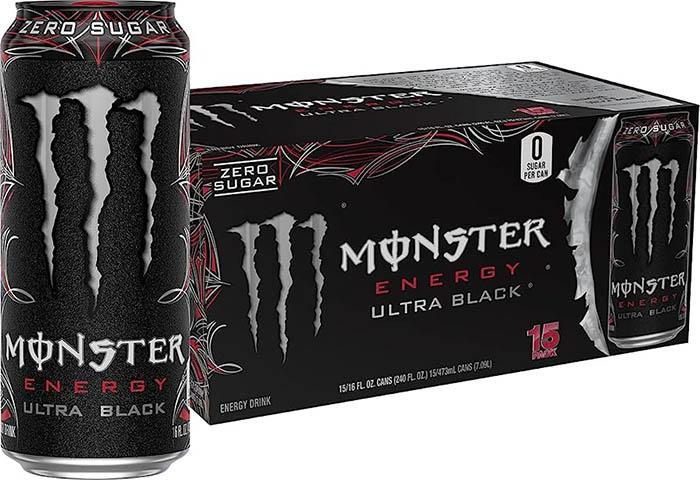
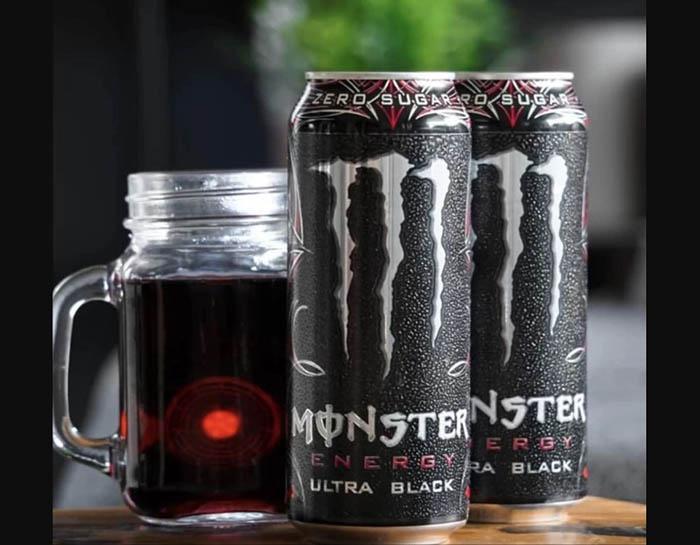
Before diving into the scarcity issue, it is worth understanding what makes this particular can so special in the first place. Monster Ultra Black is part of Monster Energy’s Zero Sugar Ultra line, a flagship sub-brand that targets health-conscious consumers who still want the full caffeine experience without the sugar crash.
Here is what is inside every 16 oz can:
| Nutritional Detail | Amount |
|---|---|
| Calories | 10 |
| Sugar | 0g |
| Caffeine | 140mg |
| Flavor Profile | Black cherry, tart, slightly sweet |
| Carbonation | Yes |
| Line | Monster Ultra (Zero Sugar) |
The flavor profile is what sets Ultra Black apart from its siblings in the Ultra lineup. It delivers a genuinely complex black cherry taste that reviewers have compared to everything from cherry wine coolers to sour mash finishes, with a tartness that lingers long after the first sip. One reviewer at Sporked described it as “tart, strong, and very well balanced between sour and sweet,” with a black cherry flavor so authentic it surprised them that no actual fruit juice was included. That is a high bar for any canned beverage, energy drink or otherwise.
If you are someone who appreciates the crisp acidity in a glass of Pinot Noir, or the way a well-made sour cocktail plays with your palate, you will likely understand immediately why people are so obsessed with this particular flavor. It is not a sugary, one-dimensional drink. It is a beverage that actually earns the word “complex.”
The Origin Story: Where Did Ultra Black Come From?
Monster Ultra Black was first introduced into the Monster lineup in 2017, according to Monster Energy fan wikis and community records. It launched as part of Monster’s broader strategy to expand its Zero Sugar portfolio and capture consumers who were moving away from high-sugar beverages. The early 2010s and late 2010s were a pivotal time for energy drinks in America: consumers were reading labels, demanding fewer calories, and gravitating toward drinks that did not taste like a science experiment.
Monster’s Ultra line became the company’s answer to that cultural shift. By releasing flavors with genuine complexity rather than relying on artificial sweetener overload, the company managed to carve out a loyal following. Ultra Black, with its unusual dark cherry profile and that slightly menacing all-black can design, quickly became a standout.
The problem is that “standout” and “easy to find” are not always the same thing in the beverage industry. And that is where Monster Ultra Black’s story gets complicated.
Why Monster Ultra Black Disappeared From Store Shelves
The Shift to Online Exclusive
Around 2021, Monster Ultra Black essentially vanished from physical retail locations across the United States. Fans who had been buying it regularly at their local Kroger, Walmart, Speedway, or corner store suddenly found nothing but an empty slot where the black can used to sit.
Here is the critical detail that most people miss: Monster Ultra Black was never officially discontinued. According to Parade magazine’s confirmed reporting, the drink simply transitioned to an online-only distribution model, available almost exclusively through Amazon. A pack of 15 cans was priced at roughly $28 on Amazon during this period, which works out to approximately $1.87 per can before any shipping considerations. That is more expensive per can than grabbing one from a cooler, and it requires planning ahead rather than acting on impulse.
For a beverage category that depends heavily on impulse purchases, removing a product from physical shelves is almost the same as making it disappear. You cannot pick up a Monster Ultra Black on the way to a backyard barbecue if you have to order it from Amazon five days in advance.
Retail Shelf Space Is Brutal
The American beverage market is fiercely competitive, and shelf space in convenience stores, gas stations, and grocery stores is a finite, expensive resource. According to industry data, slotting fees for energy drink brands at major supermarkets and hypermarkets can reach up to $50,000 per product line. Brands like Monster are constantly negotiating which products get placement and which ones get rotated out.
Monster Energy generated sales of nearly $5.8 billion in 2024 and held a 37.4 percent market share in the U.S. energy drink category. With that kind of portfolio scale, maintaining physical shelf space for every single flavor becomes a logistics and economics problem. When a flavor underperforms in specific markets relative to other lineup members, it gets pulled from retail distribution, even if it still has a loyal consumer base.
Monster’s Ultra line alone currently has around 15 flavors, which is a significant number of products competing for the same cooler real estate. Not every flavor can win.
The Coca-Cola Distribution Partnership Factor
Monster’s distribution is closely tied to its strategic partnership with The Coca-Cola Company, which dramatically expanded Monster’s global reach after a deal signed in 2015. This relationship gave Monster access to Coca-Cola’s vast bottling and distribution network, which spans virtually every retail channel in the country.
However, distribution partnerships also come with constraints. Coca-Cola’s bottlers and distributors make decisions about which products they prioritize, which products get promoted to retailers, and which products get positioned for shelf placement. When a flavor like Ultra Black falls below certain sales thresholds in a given region, distribution partners may choose to stop carrying it physically, effectively making it a regional or online product by default.
The Kroger Comeback: What Actually Happened in 2025
A Limited Retail Return
Read More : Is Hint Water Good Updated 10/2026
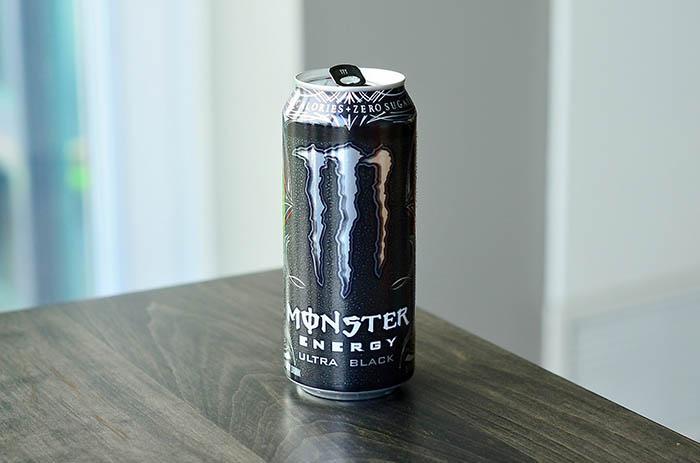
In the summer of 2025, Monster Ultra Black made headlines within the energy drink community when two prominent food and beverage bloggers, known online as SodaSeekers and SnachWithZach, reported that the fan-favorite was heading back to physical stores. Monster confirmed that Ultra Black would return to select stores, specifically as a Kroger-exclusive release rolling out around September 1, 2025, with a limited-time “buy two, get one free” promotional deal.
The catch, of course, is that it was exclusive to Kroger and its family of affiliated stores, which includes Dillons, QFC, Smith’s, Food4Less, King Soopers, Fred Meyer, Fry’s, Baker’s, Gerbes, Ruler Foods, Roundy’s, and Mariano’s. For millions of Americans who do not live near a Kroger-affiliated chain (the entire Northeast, for example, has virtually no Kroger presence), this announcement was bittersweet at best.
Fans reacted predictably. One Instagram user pointed out: “Companies are doing Kroger exclusives like they’re Walmart or Target,” while another simply expressed relief that the drink would be “more widely available again,” even if the definition of “widely available” is debatable.
What the Kroger Exclusivity Really Means
Retailer-exclusive launches are a well-worn strategy in the beverage and food industry. They serve several purposes simultaneously:
- They give the retailer a competitive advantage and a reason to promote the product heavily
- They allow the brand to test demand without committing to full nationwide distribution
- They create scarcity-driven urgency, which drives both foot traffic and online buzz
- They give Monster data on regional sales performance before deciding on a broader rollout
The strategy works precisely because it frustrates people. If Monster Ultra Black were available everywhere, it would be just another flavor on the shelf. By making it exclusive to one retail chain for a limited time, it becomes an event, a reason to post on Reddit, an excuse to drive across town.
When Sporked’s reviewer actually tried the Kroger-exclusive release in October 2025, they declared it their “favorite Monster Ultra flavor,” describing it as tart, strong, and so authentic in its black cherry profile that they were surprised no real fruit juice was involved.
The Bigger Picture: Monster’s Flavor Strategy and Why Some Drinks Disappear
A Company That Is Always Churning
Monster Energy is not a static brand. It is one of the most active flavor-innovators in the beverage industry. In 2025 alone, Monster confirmed the discontinuation of six products: Ultra Rosa, Ultra Red, Rehab Strawberry Lemonade, Juice Monster Aussie Lemonade, and two Java Monster 300 flavors (French Vanilla and Mocha). New flavors replace old ones constantly, and the math is simple: retail shelves have a fixed number of slots.
Monster’s 2025 and 2026 lineup is packed with new releases, including a passion fruit Ultra flavor, a strawberry version of the classic Monster formula in both full sugar and zero sugar, a fruit punch Ultra, and a limited-edition patriotic “rocket pop” flavor set to arrive in May 2026. Every new flavor that earns shelf space means an older one that might not.
The Ultra Line Is Monster’s Most Valuable Sub-Brand
The Ultra lineup has essentially become the face of Monster’s premium identity. While the original green-can Monster remains iconic and culturally relevant, the Zero Sugar Ultra range is where Monster is chasing health-conscious millennial and Gen Z consumers, the same demographic that increasingly treats their beverage choices the way an older generation might approach wine or craft beer selection.
Despite Monster’s dominance, the company’s U.S. market share has declined from a peak of 43.6 percent to around 29.2 percent by end of 2024, with emerging brands like Celsius, Ghost, and Alani Nu collectively growing from less than 5 percent market share in 2015 to around 15 percent. In this context, Monster is under real pressure to keep its lineup feeling fresh, relevant, and desirable, which means constant experimentation with flavors, limited releases, and exclusive retail partnerships.
The Fan Community Around Monster Ultra Black
It would be easy to dismiss the passion for a specific energy drink flavor as trivial. But if you spend any time in the r/energydrinks community on Reddit, or follow beverage-focused accounts on TikTok and Instagram, you quickly realize that the Monster Ultra Black following is genuinely fervent.
People share stories of driving to three different grocery stores in search of the black can. They compare notes on which Amazon third-party sellers can be trusted. They debate whether a new batch tastes identical to one from several years ago. Some consumers even stockpile cases when they find them, the same way a serious bourbon enthusiast might buy extra bottles of a limited release before it disappears from liquor store shelves.
This behavioral pattern, hunting for a specific product, building small stockpiles, sharing sourcing tips within an online community, is essentially identical to how craft beer or small-batch spirits fans operate. The beverage is different; the psychology is remarkably similar.
One of the most consistent complaints from the Ultra Black community is the lack of transparency from Monster itself. When a flavor goes offline-only with no official announcement, fans are left guessing whether it has been quietly discontinued or simply redistributed. Monster has not always been forthcoming about the status of its products, which amplifies frustration and fuels speculation.
How Monster Ultra Black Compares to Other Flavors in the Ultra Line
If you are newer to the Monster Ultra family or trying to decide whether Monster Ultra Black is worth the hunt, here is a practical comparison of the most popular options:
| Flavor | Profile | Sweetness Level | Availability |
|---|---|---|---|
| Ultra White (flagship) | Light citrus, clean | Medium-low | Nationwide, easy to find |
| Ultra Sunrise | Orange citrus | Medium | Nationwide |
| Ultra Paradise | Kiwi, lime, cucumber | Medium | Nationwide |
| Ultra Gold | Pineapple | Medium-high | Widely available |
| Ultra Watermelon | Ripe watermelon | Medium-high | Widely available |
| Ultra Blue | Blue raspberry | Medium | Most markets |
| Ultra Black | Black cherry, tart | Low-medium | Limited (Kroger / Amazon) |
| Ultra Fiesta | Mango | Medium | Most markets |
Ultra Black is notable for having one of the lowest effective sweetness levels in the entire Ultra lineup despite its zero sugar formulation. The tartness cuts through the typical artificial-sweetener aftertaste that plagues many sugar-free drinks, which is a significant reason why it appeals to people who generally find energy drinks cloying or unpleasant.
For someone accustomed to the dry finish of a Sauvignon Blanc, or the slight bitterness in a good IPA, Ultra Black’s flavor profile will feel familiar and intentional rather than synthetic.
Where to Actually Find Monster Ultra Black Right Now
If you are actively trying to get your hands on Monster Ultra Black in 2025 or 2026, here are the practical options:
Kroger and Affiliated Stores
Following the September 2025 rollout, Kroger and its affiliated chains (King Soopers, Fred Meyer, Fry’s, Smith’s, Mariano’s, Ralphs, and others) are the primary brick-and-mortar sources. Availability varies by location, and because this is a limited-time offer rather than a permanent fixture, stock levels can be inconsistent.
Read More : Capri Sun Shot Recipe: Every Boozy Twist You Need to Try Right Now Updated 10/2026
Pro tip: Check the store’s app or website before driving there. Many Kroger-affiliated chains allow you to search specific products in your local store’s inventory.
Amazon
Amazon remains the most reliable online source for Monster Ultra Black, with a 15-can pack priced at approximately $28, and Monster confirmed the flavor will continue to be available for bulk online purchases. This is the best option for those who do not live near a Kroger-affiliated chain.
Third-Party Specialty Retailers
A handful of specialty beverage retailers and energy drink-focused online stores have stocked Ultra Black at various points, often at premium prices. These are worth checking if you want individual cans rather than a full case.
Watch for Regional Re-Stocking
Monster has hinted through its distribution patterns that broader availability may be tested based on the performance of the Kroger exclusive. If sales data supports it, a wider retail rollout is possible. Keeping an eye on food and beverage news sources, and following accounts like SodaSeekers on social media, is the most reliable way to hear about new distribution announcements before they happen.
Should You Mix Monster Ultra Black Into Cocktails? (You Absolutely Can)
Here is a section that beer, cocktail, and wine drinkers might particularly appreciate. Monster Ultra Black’s tart black cherry profile makes it a genuinely versatile cocktail mixer. The zero sugar formulation means it will not add excessive sweetness to a drink, and the 140mg of caffeine gives any cocktail a functional edge.
A few combinations that work exceptionally well:
Black Cherry Vodka Spritz: Mix Monster Ultra Black with a shot of vanilla vodka and a squeeze of fresh lime over ice. The cherry and lime create a sour-sweet balance similar to a classic cosmopolitan, with a pleasant carbonation that a standard soda mixer cannot match.
Dark and Stormy Remix: Sub out ginger beer for Monster Ultra Black in a dark rum cocktail. The tartness of the black cherry plays against the molasses notes in dark rum in a way that is surprisingly sophisticated.
Low-ABV Wine Spritzer Alternative: Mix Monster Ultra Black half-and-half with a dry rosé wine for a lower-alcohol, more flavorful spritzer alternative that keeps its structure and fizz much better than plain sparkling water.
Whiskey Cherry Highball: Add a measure of bourbon or Tennessee whiskey to a tall glass of ice, top with Monster Ultra Black. The cherry notes in the drink complement the vanilla and caramel notes in most American whiskeys beautifully.
These are not novelty combinations. They are legitimate pairings that respect the flavor complexity of both the spirit and the mixer, which is exactly the kind of creative use that makes Monster Ultra Black compelling to people who actually care about what their beverages taste like.
The Aluminum Can Shortage: An Overlooked Factor in Energy Drink Availability
One dimension of Monster Ultra Black’s availability issues that rarely gets discussed is the ongoing challenge of aluminum can supply chains. The beverage industry has faced aluminum can shortages that have played a role in limiting Monster’s financial results, with Monster Beverage reporting impacts to their first quarter earnings. When raw material constraints force a company to make choices about which products get canned and which do not, lower-volume flavors like Ultra Black are naturally deprioritized in favor of flagship products that move the most units.
The aluminum can packaging segment dominates the energy drink market, accounting for approximately 82.4 percent of global market packaging in 2024. When supply tightens, brands prioritize their best sellers. Ultra Black, however beloved, does not move the same volume as Ultra White or the original green-label Monster. That commercial reality directly translates into production decisions.
The Scarcity Effect: Why Being Hard to Find Makes People Want It More
There is a fascinating psychological dimension to all of this. Scarcity marketing, whether intentional or incidental, is one of the most powerful drivers of consumer desire in any product category. Collectors, enthusiasts, and casual drinkers alike respond to the message that something is limited or hard to obtain with heightened desire.
This is not unique to energy drinks. It is the same reason limited-edition bourbon releases sell out in minutes, why seasonal craft beer taps generate lines around the block, and why certain wine vintages command prices that bear no rational relationship to their actual content.
Monster Ultra Black has, largely through circumstance rather than deliberate strategy, become a desirable scarcity item in the energy drink world. The people who have found and tried it tend to talk about it with the kind of enthusiasm usually reserved for finding a truly exceptional bottle of something at an unexpected price. That word-of-mouth creates demand that the current limited distribution simply cannot satisfy, which perpetuates the cycle of scarcity and desire.
What the Future Looks Like for Monster Ultra Black
The September 2025 Kroger-exclusive return was a significant signal from Monster: they know Ultra Black has a dedicated, vocal following, and they are willing to test its commercial viability again in a controlled retail environment. Whether this leads to a full nationwide rollout depends almost entirely on how those Kroger sales numbers perform.
The global energy drinks market was valued at approximately $79.39 billion in 2024 and is projected to reach $125.11 billion by 2030, growing at a CAGR of 8.0%, with the zero-sugar and sugar-free segment showing particularly strong momentum as approximately one-third of all new energy drink product launches now carry a sugar-free claim.
Monster Ultra Black, as a zero sugar, 10-calorie, complex-flavored can with a genuinely distinctive profile, sits in exactly the right category for this growth trajectory. The demand is there. The supply chain capability is there. The question is whether Monster and its retail partners see the sales data that justifies full reintegration into the permanent lineup.
Given the noise around every sighting of Ultra Black on social media, the passionate Reddit threads, and the sustained Amazon sales throughout its “offline” years, the smart money says a broader return is a matter of when, not if.
Conclusion
You have searched the cooler three times already. You have checked two gas stations and a Walmart on the same trip. You have scrolled Amazon looking at the reviews like they might tell you something new. Here is the thing nobody tells you about Monster Ultra Black: the search itself is part of the experience now. It has become one of those beverages you do not just buy, you find, and finding it feels like a small, unreasonable victory. The kind of victory that deserves to be celebrated with the very thing you were hunting. So the next time that unmistakable black can appears in a cooler door reflection, do not hesitate. Grab more than one. You already know what happens if you wait.
Sources: https://chesbrewco.com
Category: Drink