You cracked open that bottle of homemade sparkling water, dropped in a splash of citrus, poured it over ice, and… nothing. Flat. Lifeless. Barely a tingle on the tongue. If you’ve been using your SodaStream to build the perfect highball, a crisp sparkling wine spritzer, or just a cold glass of bubbly water to cut through the heat after a long day, weak carbonation is one of the most frustrating problems you can run into.
The good news: in nearly every case, this is fixable. And understanding why it happens makes you a smarter user, better at maintaining your machine, and far less likely to end up with a disappointing flat drink when you’re entertaining guests. This guide digs into every real reason your SodaStream might be falling short on fizz, backed by data, science, and practical fixes you can apply today.
You Are Watching: Why Your Sodastream Doesnt Fizz Enough And How To Fix It Updated 10/2026
The Science of Fizz: Why Carbonation Works
Before jumping into the troubleshooting, it helps to understand what’s actually happening inside that bottle. Carbonation is the process of dissolving carbon dioxide (CO₂) into water under pressure, forming carbonic acid (H₂CO₃). This is what gives sparkling water its signature tingle, bite, and effervescence.
Home carbonation systems like SodaStream operate on the same principle as commercial producers, but at lower pressures, typically around 1-2 atmospheres, resulting in a milder fizz compared to factory-sealed beverages. Commercial sodas are carbonated at pressures around 60-70 PSI, forcing a high concentration of CO₂ into solution.
Three variables control how well that process works:
- Cold temperature: Colder water absorbs more CO₂. Powerful bubbles are created through the absorption of carbon dioxide into water, and water absorbs more CO₂ when it is cold. Pressure is what forces the water to absorb the CO₂, and surface contact between CO₂ and the fluid is where the absorption happens.
- Pressure: The higher the pressure in the bottle, the more gas stays dissolved.
- Surface contact: The more CO₂ is exposed to the water surface, the more it dissolves.
When your SodaStream fails on any one of these three fronts, your drink goes flat before you even take the first sip. Here is a breakdown of everything that can go wrong, and precisely how to address it.
The Real Reasons Your SodaStream Doesn’t Fizz Enough
Your CO₂ Cylinder Is Low or Empty
This is, by far, the most common culprit, and it’s also the easiest one to overlook. A CO₂ tank that is starting to run low will necessarily produce less fizz in every subsequent soft drink you try to make. Getting a full tank should alleviate the problem since the SodaStream will be able to fill your water bottle with much more carbonation than previously.
The tricky part is that a cylinder running low doesn’t suddenly stop working. It gradually gets worse. You might press the button five times and still get barely a whisper of bubbles, not realizing the cylinder is nearly spent. Each time the tank is used, there is less CO₂ in the tank. As a result, the pressure from the tank will vary with each use, meaning the carbonation levels will vary with each use as well. After about 20 uses, the SodaStream’s programming tries to compensate for the declining tank levels by jetting in additional gas, resulting in a highly variable carbonation level by usage.
What the numbers say: SodaStream’s official 60L cylinders will on average make up to 60 liters of sparkling water, but the exact amount depends on the level of carbonation you use. If you consistently use a high fizz level or are carbonating warmer water, you might find that a cylinder lasts closer to 40-50 liters. If you’re making a liter a day at strong carbonation, that cylinder could be gone in 5-6 weeks.
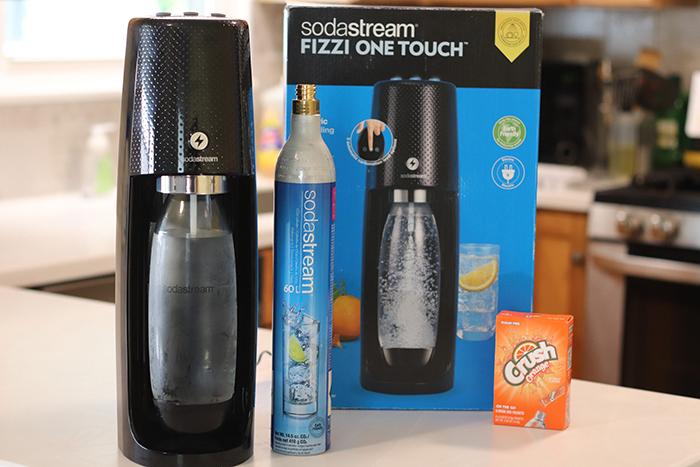
The fix: Weigh your cylinder. To check CO₂ levels, remove the cylinder and weigh it. Compare the weight to the empty weight listed on the cylinder. If the weight is close to the empty weight, it’s time for a refill. An empty 60L SodaStream cylinder weighs approximately 540 grams on its own. If the total weight is only slightly above that, it’s time for an exchange.
The CO₂ Cylinder Isn’t Properly Installed
Even a full cylinder won’t do its job if it isn’t seated correctly. The most common reason for SodaStream not fizzing is that the carbonating bottle hasn’t been installed correctly at the base of the water maker. Check the back of the SodaStream machine by opening the rear protective plate and examining the carbonating cylinder to make sure that it has been screwed into place tightly. A faulty leak with the carbonating cylinder may be causing some carbonation to escape during the beverage-making process.
If the cylinder is not seated completely, the internal needle won’t pierce the seal, and no gas will flow into the bottle. You might also hear a faint hissing: if you hear gas escaping but see no fizz in the water, this usually indicates a leak at the cylinder connection or the bottle seal.
The fix: Unscrew the cylinder completely, inspect the threading for any damage or cross-threading, and reinstall it firmly by hand. You don’t need tools, but it should be snug, not loose. After reinstalling, try carbonating again. If you still hear hissing without bubbles, move on to checking the gasket (covered below).
Your Water Is Too Warm
This is one of the most overlooked reasons Americans struggle with weak fizz, especially in summer. You fill the bottle straight from the tap on a hot afternoon, stick it in the machine, and wonder why the result tastes like lightly flavored nothing.
Cold water carbonates more effectively than room-temperature water because cold water can hold more CO₂. Before carbonating, chill your water in the refrigerator to significantly improve the fizz in your drinks.
SodaStream officially recommends a temperature of 39-44°F (4-7°C) for best results, so try using chilled water straight from the fridge. At warmer temperatures, CO₂ molecules are more energetically active and escape the liquid before the pressure cap is reattached, meaning you lose a significant portion of your carbonation before the bottle is even sealed.
Cold water absorbs CO₂ more effectively than warm or hot water because the molecules in cold water move more slowly, allowing the carbon dioxide molecules to bind with them and form carbonic acid, which creates the fizziness.
The fix: Keep a filled SodaStream bottle in the back of your fridge, always ready to carbonate. This single habit change can dramatically improve your results, especially if you like extra-strong fizz. Even going from room temperature (around 70°F) to refrigerator temperature (40°F) makes a measurable difference in how much CO₂ your water retains.
You’re Not Pressing the Button Enough
Read More : What Gets You Drunk The Fastest Updated 10/2026
The number of times you press the carbonation button, and how you press it, matters more than most people realize.
Another possible reason why your SodaStream is not fizzing is that you’re not pushing the carbonation button long enough. Most SodaStream manuals recommend 3 pumps for moderate fizziness and 5 for extreme bubbling, but no more.
However, the technique also matters. Short and firm carbonation pushes of approximately 1-2 seconds work best, and the puffing noises made by the machine aren’t an indication of the carbonation level, only the amount of presses that you use. Many users mistake the loudness or sound of the machine for a measure of how much CO₂ is being injected. It isn’t.
One press delivers light fizz, two presses deliver medium fizz, and three presses deliver high fizz. After carbonating, if the water isn’t carbonated enough, repeat the process with an additional press.
For those who enjoy a very strong fizz, comparable to what you’d find in a premium sparkling water to use as a cocktail mixer:
According to the official SodaStream guide, 5 presses will give a medium sparkle, while 7 presses will give a bubble blast.
The fix: Use firm, 1-2 second bursts. Don’t hold the button down for a long press expecting more gas; it doesn’t work that way. Build up to your desired level systematically and taste between rounds. And always let the water rest for 30-60 seconds after carbonating before opening the bottle. This gives the CO₂ time to fully dissolve into the liquid.
You’ve Overfilled the Bottle
It seems counterintuitive, but filling your SodaStream bottle all the way to the top actually reduces the fizz you’ll get. We recommend filling water slightly below the fill line if you need extra carbonation to make your water as fizzy as possible.
The reason is physics. CO₂ needs headspace (air space at the top of the bottle) to build up pressure. When you reduce that headspace by overfilling, less pressure builds up, less CO₂ dissolves into the water, and the result is weaker carbonation. Overfilling reduces space for gas inside the bottle. Less space means poor carbonation and weak bubbles. Keep water below the fill line for the best fizz.
The fix: Fill to just below the marked fill line on your bottle, not above it. If you want maximum bubble intensity, try filling it a bit further below the line and see if the increased headspace boosts your results.
A Worn or Damaged Gasket is Leaking Gas
Inside your SodaStream, a small rubber O-ring (gasket or washer) creates a pressurized seal between the CO₂ cylinder and the machine. Over time, this ring degrades, dries out, or gets misaligned, and when that happens, CO₂ quietly leaks out during carbonation instead of being forced into your water.
After time, the sealer washer can become less firm in the carbonation attachment area. This will cause the carbonation bottle to shift or not hold firm once attached. To change, take a pair of tweezers and pull the little black rubber ring out of the area where the carbonation bottle attaches to the SodaStream and replace it with another washer.
The rubber seal where the cylinder connects can flatten or crack over time, causing gas to leak instead of entering the bottle.
The fix: Inspect the gasket where the CO₂ cylinder screws into the machine. If it looks flattened, cracked, discolored, or feels brittle, replace it. Replacement gaskets are inexpensive and widely available. SodaStream also sells them directly. This small part can restore full carbonation efficiency to an otherwise perfectly functioning machine.
The Carbonating Nozzle or Bottle is Dirty
If you’ve been using your SodaStream for a while and gradually noticing weaker fizz over time even with a fresh cylinder, a dirty nozzle might be the problem. Dirt or residue can block the gas flow. Cleaning machine parts is a simple step that often fixes carbonation problems. Focus on key areas like the nozzle and the machine’s interior, and use a soft, damp cloth to wipe the nozzle gently.
Similarly, old or expired carbonating bottles affect performance. Remember to replace your plastic SodaStream bottles every 3-4 years. You can find the expiration date on the bottle, and using it further can be dangerous to the machine as well as the user.
The fix: After every use, rinse the carbonating bottle thoroughly with clean water. Once a week, clean the nozzle area of the machine with a damp cloth. Never use abrasive cleaners or soaps that can damage the gaskets. And check the expiration date stamped on the bottom of your bottle. If it’s expired, replace it. It’s a cheap fix that can make a big difference.
You’re Carbonating the Wrong Liquid
Beer enthusiasts, wine lovers, and cocktail makers: listen up. SodaStream is tempting to use for all kinds of experiments, from sparkling up flat wine to trying to re-carbonate a flat craft beer. But there are serious limitations.
Always use water or unflavored carbonated water with your SodaStream. Using other liquids such as juice or soda that has gone flat risks damaging your SodaStream. Using other liquids may result in a fizzy mess.
Always use plain water to carbonate. Avoid juices, soda, or flavored water. These can clog the machine or stop carbonation. Add syrup, juice, or flavor after carbonating. Do not put flavor in the bottle before carbonating, as flavored liquids can block gas flow and harm your SodaStream.
If you want sparkling cocktails or a fizzy mixer, the right workflow is: carbonate plain cold water first, then add your spirits, syrups, citrus, or wine afterward. This protects the machine and produces far better results.
Carbonation Level Comparison: How Does SodaStream Stack Up?
Read More : Is There A Blue Soda Updated 10/2026
For those who use sparkling water as a cocktail mixer or spritzer base, understanding the actual carbonation intensity matters. Here’s how SodaStream compares to common sparkling water brands, based on laboratory testing measuring CO₂ volume per volume of fluid:
| Brand / System | Carbonation Level (CO₂ v/v) | Classification |
|---|---|---|
| San Pellegrino | ~2.80-2.90 | Light |
| SodaStream (standard setting) | ~3.20 | Moderate |
| Perrier | ~3.53 | Strong |
| SodaStream (maximum setting) | ~3.50+ | Strong |
| Bonne O (competing system) | ~3.86 | Very Strong |
Data based on independent lab testing using PepsiCo carbonation measurement tools, conducted at 35-40°F.
SodaStream’s pre-programmed 1-3 level buttons resulted in light, moderate, and heavy carbonation levels in testing, with some of the heaviest carbonation levels as well as the lowest. The result is that the system does not give you a consistent carbonation level each time you use it, as each time the tank is used, there is less CO₂, so the pressure varies with each use.
This variability is important to understand: your SodaStream will naturally produce weaker fizz as the cylinder empties, even at the same button-press count. This is not a malfunction; it’s the nature of the pressurized cylinder system.
Advanced Tips for Stronger, Longer-Lasting Fizz
Start With Filtered Water
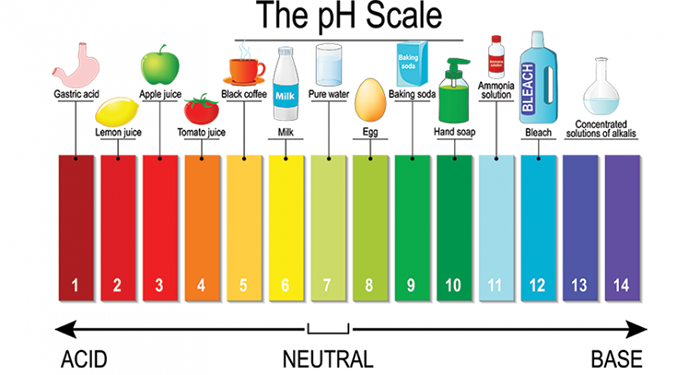
The mineral content and pH of your tap water can affect carbonation. Water with a high pH (above 8.5) or high mineral content may not carbonate as efficiently or retain fizz as well as filtered water. If your tap water has a distinctly alkaline character, try using filtered or purified water in your SodaStream and see if it makes a difference. Many users report noticeably better results.
Let It Rest Before Opening
After you finish pressing the carbonation button, resist the urge to immediately remove the bottle and open it. Once you’ve carbonated your water, let it rest for a bit. This allows the CO₂ to infuse properly with the water, resulting in a better carbonated drink. Give it a full 30-60 seconds. This rest period allows the gas that was just injected to fully dissolve into the liquid rather than sitting as loose bubbles that escape the moment you twist the cap.
Store Your Finished Sparkling Water Correctly
Once the bottle is opened, CO₂ escapes continuously, so it’s best to consume soda water within 2-3 days of opening to preserve its effervescence. If you’re making batches in advance for a cocktail hour or dinner party, keep the sealed SodaStream bottles in the refrigerator until you’re ready to pour. Cold temperatures slow CO₂ escape significantly.
Use Short Bursts, Not Long Presses
Instead of holding down the carbonation button for a long period, use short, quick bursts. This method helps distribute the CO₂ more evenly and efficiently, reducing the amount of gas used per drink. Think of it as pulsing: press firmly for about 1-2 seconds, release, and press again. This technique produces more uniform and stable bubble distribution compared to one long continuous press.
Keep a Spare Cylinder
SodaStream recommends purchasing a spare cylinder to have on hand so you never find yourself without CO₂. This is especially useful if you entertain regularly or use your SodaStream daily. Running out mid-carbonation can also waste some of the CO₂ in the cylinder through incomplete cycles.
For the Cocktail and Wine Crowd: Getting That Perfect Mixer Fizz
If your SodaStream goal is to make top-notch sparkling water for cocktails, highballs, spritzes, or mocktails, a few extra considerations apply.
Carbonation level for cocktails: A lighter fizz (2-3 button presses) is often better for drinks that will be mixed, shaken, or poured over ice. If you are making a drink that requires a lot of mixing, such as a cocktail, you may prefer a lighter fizz so that the drink does not become overly bubbly as you mix the ingredients. A heavily carbonated base loses fizz during stirring, so starting moderately is often the right call.
For wine spritzes: Carbonate your water first to maximum strength (5-7 presses), let it rest 60 seconds, then pour the chilled wine into the already-carbonated water, not the other way around. Pouring carbonated water into wine preserves more bubbles than the reverse.
For beer-style drinks: If you’re making homemade sodas or sparkling mixers that need to mimic the mouthfeel of craft beer or lager, shoot for 4-5 presses with water chilled to 39-41°F. This puts you in the 3.2-3.5 v/v carbonation range, close to what most American lagers are packaged at.
For non-alcoholic sparkling drinks: The same principles apply. Carbonate your water at maximum strength, then add citrus juice, simple syrups, herbs, or bitters. Cold water, full cylinder, correct technique, and proper resting time give you a sparkling water that genuinely rivals premium bottled sparkling brands.
Quick Troubleshooting Reference: Symptoms and Fixes
| Symptom | Most Likely Cause | Fix |
|---|---|---|
| Very weak or no fizz at all | Empty or nearly empty CO₂ cylinder | Weigh and replace the cylinder |
| Hissing sound without bubbles | Loose cylinder or damaged gasket | Tighten cylinder, inspect/replace gasket |
| Fizz starts strong then fades quickly | Bottle not sealed properly after carbonating | Lock bottle correctly, let rest before opening |
| Gradual loss of fizz over weeks | Cylinder slowly depleting | Track usage, exchange cylinder proactively |
| Fizz weaker than it used to be | Worn nozzle, dirty machine, or expired bottle | Clean machine, replace old bottle |
| Flat result despite many button presses | Water too warm | Use water chilled to 39-44°F |
| Occasional weak results, inconsistent | Overfilling the bottle | Fill to just below the fill line |
| Foam explosion when opening | Over-carbonation or flavored liquids in bottle | Reduce presses, carbonate plain water only |
When It’s Time to Call SodaStream
Most fizz problems are solvable with the steps above. However, some issues require professional support or machine replacement:
- The carbonation button feels stuck or doesn’t spring back. A stuck button can occur due to debris or sticky residue. Unplug the machine, use a soft cloth to clean around the button, check for any visible debris or residue, and gently press the button multiple times to loosen it. If this doesn’t work, the button mechanism may have failed.
- No carbonation even with a brand-new, full cylinder and correct installation. The internal valve or piercing mechanism may have failed. SodaStream offers a 2-year warranty, and even beyond that, they sometimes provide discounts on replacements if the machine cannot be repaired.
- Machine is more than 4-5 years old and carbonation quality has degraded significantly. Internal seals, valves, and plastic components wear over time. A newer model will outperform an aging machine.
SodaStream’s U.S. customer support line is 1-800-763-2258, available Monday through Friday, 9 AM to 8 PM EST. They’re generally responsive and helpful for troubleshooting under warranty.
A Note on Third-Party CO₂ Cylinders
The market for third-party, compatible CO₂ cylinders has grown significantly. These can be compatible with SodaStream machines (particularly threaded/screw-in models) and are often less expensive to refill. However, there are important caveats.
SodaStream’s official cylinders are made from the highest-grade brass and aluminum, and each one is inspected, tested, sterilized, and filled with fresh dietary-grade CO₂ with every refill. Third-party cylinders vary widely in quality and may use industrial-grade CO₂, which can contain trace impurities. For occasional sparkling water use, this is generally considered low-risk, but if you’re making drinks for guests or children, stick to food-grade certified CO₂ cylinders.
The Bottom Line
A SodaStream that doesn’t fizz enough is almost never a reason to replace the machine. In most cases, the fix is something you can handle in minutes, whether that’s swapping in a fresh CO₂ cylinder, chilling your water overnight, cleaning the nozzle, or adjusting your pressing technique. The machine is only as good as your habits around it.
For beer drinkers, cocktail lovers, and wine enthusiasts who rely on sparkling water as a base for their drinks, getting the fizz right makes a meaningful difference in the final glass. A well-carbonated water base holds flavor, carries effervescence through mixing, and gives every drink that satisfying tingle that separates a great cocktail from a forgettable one.
Master the basics: cold water, correct cylinder installation, proper button technique, and regular maintenance. Do those four things consistently, and your SodaStream will deliver the kind of fizz that makes your homemade sparkling drinks genuinely worth raising a glass to.
Sources: https://chesbrewco.com
Category: Drink