You’ve cracked a cold one after work every night for as long as you can remember. Maybe it started in your 20s, a habit that felt casual, social, completely normal. A six-pack is just a six-pack, right? After all, millions of Americans do it. But here’s what nobody in your buddy group is saying out loud: drinking 6 beers a day for 30 years is one of the most quietly destructive patterns a person can maintain. Not dramatic. Not visibly chaotic. Just slow, compounding damage that plays out in your liver, your brain, your heart, and your bank account, across the span of three decades.
This isn’t a scare piece. It’s the full picture, the kind your doctor might not have time to spell out in a routine check-up, and that your social circle certainly won’t bring up over a cold draft. Whether you’re drinking craft IPAs, domestic lagers, or mixing in wine and cocktails, if you’re regularly hitting six drinks a day, the data is worth understanding in full.
You Are Watching: 6 Beers A Day For 30 Years Updated 10/2026
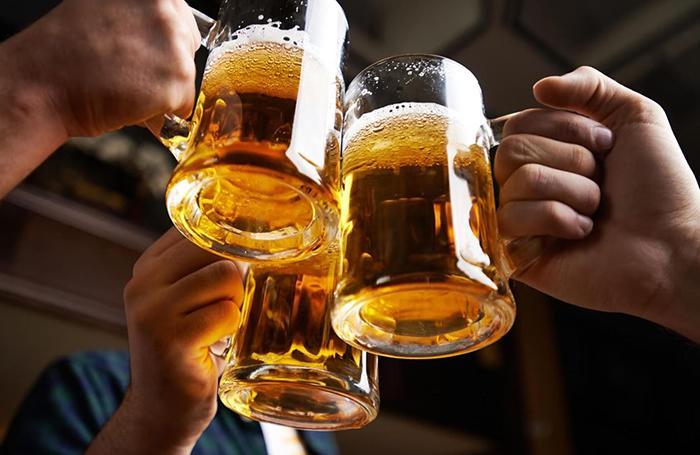
How Much Is 6 Beers a Day, Really?
Let’s start with the numbers because the raw math is striking. A standard 12-ounce beer at 5% ABV counts as one “standard drink” according to the Centers for Disease Control and Prevention (CDC), containing roughly 14 grams of pure alcohol. Six of those per day means you’re consuming 84 grams of alcohol daily.
Over a week, that’s 42 drinks. Over a year, more than 2,190 standard drinks. Over 30 years, you will have consumed roughly 65,700 beers.
To put that volume in context, the National Institute on Alcohol Abuse and Alcoholism (NIAAA) defines heavy drinking as:
| Category | Men | Women |
|---|---|---|
| Heavy drinking (daily) | More than 4 drinks/day | More than 3 drinks/day |
| Heavy drinking (weekly) | More than 14 drinks/week | More than 7 drinks/week |
| Binge drinking threshold | 5+ drinks in 2 hours | 4+ drinks in 2 hours |
At 6 beers every single day, a man is drinking at nearly three times the weekly threshold for heavy drinking. A woman drinking the same amount is at more than six times her recommended limit. This isn’t moderate, even by the most generous definitions. The U.S. Dietary Guidelines define moderate drinking as no more than two drinks per day for men and one for women. Six is not two.
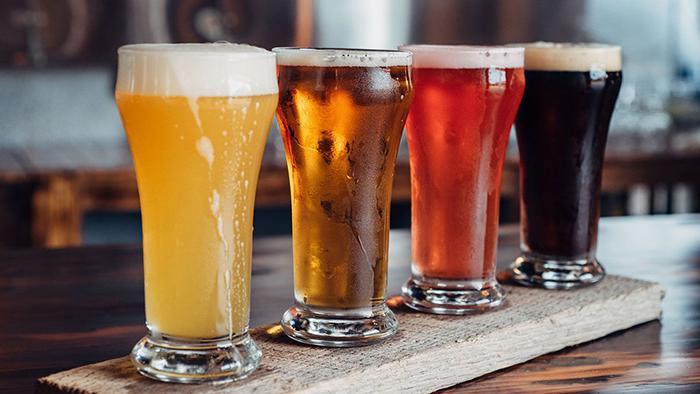
One important note: not all beers are created equal. Craft IPAs and double stouts often run 7 to 10% ABV or higher, meaning a single pint can count as two standard drinks. If your six beers are craft beers, the actual alcohol exposure may be equivalent to 10 to 12 standard drinks per day.
The Liver: Your Body’s First Casualty
No organ takes a harder hit from years of heavy drinking than the liver. It is the primary site where your body metabolizes alcohol, and it can only process about one standard drink per hour. When you’re flooding it with six drinks a day, day after day, year after year, the damage follows a predictable and devastating trajectory.
The Three Stages of Alcohol-Related Liver Disease
Alcoholic fatty liver (steatosis) is the earliest stage and nearly universal among heavy drinkers. Fat accumulates in the liver cells because alcohol metabolism disrupts normal fat oxidation. According to research published in the National Center for Biotechnology Information (NCBI), steatosis occurs in up to 90% of people who drink more than 60 grams of alcohol per day, roughly what 6 beers delivers. At this stage, there are often no symptoms, and the condition is reversible with abstinence.
Alcoholic hepatitis develops in roughly 20 to 30% of those who continue heavy drinking. The liver becomes inflamed and swollen; liver cells are destroyed. Symptoms can include jaundice, fever, nausea, vomiting, and abdominal pain. Severity varies widely, from manageable with treatment to rapidly fatal.
Alcoholic cirrhosis is the final, irreversible stage: widespread scarring of liver tissue that permanently replaces functional liver cells. According to the Mayo Clinic Health System, 10 to 20% of heavy drinkers develop cirrhosis, a condition that typically takes 10 or more years to develop. Research from the NCBI confirms that those with cirrhosis had been drinking heavily for an average of more than 17 years, compared to just 8 years in those who avoided it.
For someone drinking 6 beers a day for 30 years, the risk profile is stark. The 5-year survival rate for cirrhosis patients who stop drinking is approximately 90%. For those who continue, it drops to 70%. At late-stage cirrhosis with jaundice, ascites, or gastrointestinal bleeding, survival rates fall to 60% even with abstinence.
And there’s one more danger at that stage: liver cancer develops in 10 to 15% of people with cirrhosis from alcohol abuse. Screening becomes essential, not optional.
Your Heart Under 30 Years of Pressure
The cardiovascular system is the next major casualty. Heavy alcohol use has a complex and mostly damaging relationship with the heart, especially when sustained over decades.
Hypertension (high blood pressure) is one of the first consequences to appear. Regular heavy drinking is a well-established cause of elevated blood pressure, one of the most significant risk factors for heart attack and stroke. Over time, the heart has to work harder against that increased pressure, contributing to structural changes in the heart muscle itself.
Alcoholic cardiomyopathy is a condition in which the heart muscle weakens and loses its ability to pump blood efficiently. This is not a condition of drinkers who binge occasionally. It develops in long-term heavy drinkers, exactly the population of someone maintaining a daily six-pack habit for decades.
Triglyceride levels and cholesterol take a hit as well. Alcohol raises triglycerides in the blood, and when combined with elevated LDL (bad cholesterol) or suppressed HDL (good cholesterol), the cardiovascular risk compounds significantly. A 2018 study published in The Lancet found that people who consumed 10 or more drinks per week died from cardiovascular disease one to two years earlier than those drinking five or fewer. Drinking 18 or more per week, which a six-pack daily habit far exceeds, was associated with cutting life expectancy by 4 to 5 years from heart disease alone.
The same Lancet analysis is part of a broader scientific picture: having 18 or more drinks per week, which a 6-beer daily habit equals at exactly 42 per week, is firmly in the territory where cardiovascular mortality risk rises significantly.

The Brain You Don’t Notice Losing
Perhaps the most insidious effect of long-term heavy drinking is what it does to the brain. These changes are subtle at first. Then they aren’t.
Alcohol is a central nervous system depressant. In the short term, it slows communication between brain cells, producing the familiar effects of relaxation and impaired coordination. With years of repeated exposure, the brain begins to structurally adapt to constant alcohol presence, a process that alters neurotransmitter systems and changes brain chemistry at a fundamental level.
Cognitive decline is among the most studied long-term consequences. Memory impairment, difficulty with executive function (planning, problem-solving, decision-making), and reduced processing speed are all documented in long-term heavy drinkers. Research from Loyola University found that moderate drinkers had a 23% lower risk of dementia than abstainers, but that protective effect disappears and reverses entirely with heavy consumption. Six drinks daily, sustained over 30 years, places a person squarely in the range where the data shows accelerated cognitive deterioration.
Wernicke-Korsakoff Syndrome, sometimes called “wet brain,” is a serious neurological disorder caused by alcohol-related thiamine (Vitamin B1) deficiency. It causes confusion, vision problems, inability to form new memories, and in its advanced form, irreversible amnesia. It is more common than most people realize, occurring in both heavy drinkers who appear otherwise functional and those with visible alcohol use disorder.
When cirrhosis develops and the liver fails to remove toxins from the blood, a condition called hepatic encephalopathy can emerge, where those toxins (primarily ammonia) reach the brain and cause symptoms ranging from personality changes and confusion to coma. This creates a feedback loop where liver damage worsens brain function, which impairs the decision-making needed to stop drinking.
The “Beer Belly” Is Not Just a Punchline
The association between beer and abdominal weight gain is deeply embedded in American culture, and the science backs it up. A standard beer carries approximately 150 calories. Six beers per day adds roughly 900 extra calories to your daily intake with almost no nutritional value. Over a week, that is 6,300 additional calories. At the commonly used benchmark of 3,500 calories per pound of fat, that is theoretically nearly 2 pounds of potential fat gain every week if nothing else changes.
Of course, the body is not that simple. But the mechanisms driving beer-related weight gain are real and well-documented:
Priority metabolism: When you drink alcohol, your body treats it as a toxin requiring urgent removal. It puts fat burning on hold to metabolize alcohol first. As Mayo Clinic’s Dr. Michael Jensen explains, “when you drink alcohol, the liver burns alcohol instead of fat,” directly promoting fat accumulation, especially in the abdominal region.
Visceral fat accumulation: The fat deposited around the organs in the abdominal cavity (visceral fat) is not just cosmetically unflattering. It is metabolically dangerous, linked to elevated risk of type 2 diabetes, heart disease, stroke, and certain cancers. This is the fat that makes the “beer belly” dangerous, not just visible.
Appetite stimulation: Alcohol affects opioid, serotonergic, and GABAergic pathways in the brain, triggering appetite. Heavy drinkers often eat more, and the food choices made while drinking or in proximity to it tend to be higher in calories.
Phytoestrogen content: Hops, used to flavor and brew beer, are rich in phytoestrogens, plant compounds that can mimic estrogen in the body. In men, this effect, combined with alcohol’s documented suppression of testosterone, may contribute to hormonal changes that encourage abdominal fat storage.
Research from a UK Biobank study confirmed that beer and spirits consumption was associated with significantly higher visceral adiposity compared to wine drinkers, and that craft beer, with its higher ABV, likely shows an even stronger link.
Cancer Risk: The Link Most Drinkers Don’t Know About
In January 2025, the U.S. Surgeon General issued an advisory calling for updated warning labels on alcohol, citing it as a direct cause of cancer. The science had been building for decades, but public awareness has lagged dramatically.
Heavy alcohol consumption is causally linked to cancers of the mouth, throat, esophagus, larynx (voice box), liver, colon, rectum, and breast. For someone drinking 6 beers a day for 30 years, these are not abstract statistics.
The mechanism is multifactorial. Acetaldehyde, the toxic byproduct produced when the body breaks down alcohol, directly damages DNA and prevents cells from repairing that damage. Alcohol also generates reactive oxygen species, which cause oxidative stress in tissues. In the liver, this damage accumulated over decades creates the conditions for hepatocellular carcinoma.
For women specifically, the breast cancer link is particularly significant. Even moderate alcohol consumption (as low as one drink per day) is associated with a measurably increased breast cancer risk. At six drinks per day, that risk compounds substantially.
The updated Surgeon General guidance does not mince words: there is no amount of alcohol that carries zero cancer risk. For heavy, long-term drinkers, the cumulative carcinogenic exposure is one of the most serious medical concerns to discuss with a physician.
What It Does to Your Mental Health and Relationships
Heavy drinking and mental health exist in a bidirectional, reinforcing cycle. People often drink to manage anxiety, depression, or stress. Alcohol provides temporary relief by boosting GABA (calming neurotransmitters) and suppressing glutamate. But the brain compensates over time by reducing its natural calming mechanisms, which means that without alcohol, anxiety and emotional dysregulation become worse. Drinking becomes not a choice but a physiological requirement just to feel normal.
Alcohol dependence develops in a meaningful subset of heavy drinkers. The NIAAA estimates that about 1 in 4 people who drink more than the recommended limits develop an alcohol use disorder. After 30 years of 6 beers a day, the neurological adaptations to alcohol are profound. Attempting to stop without medical supervision can trigger serious withdrawal symptoms: tremors, sweating, insomnia, and in severe cases, delirium tremens (DTs), which can include hallucinations and life-threatening seizures.
Beyond the individual, the effects ripple outward. Heavy drinking is strongly associated with:
- Increased rates of divorce and relationship dissolution
- Impaired parenting and family dysfunction
- Workplace absenteeism and productivity loss (the CDC estimates alcohol costs U.S. employers $249 billion annually)
- Higher rates of accidents, including alcohol-impaired driving fatalities, which accounted for one-third of all traffic fatalities in the U.S. in 2019
- Legal consequences including DUI charges, which can cost $10,000 to $25,000 for a first offense when legal fees, fines, and insurance increases are totaled
The Staggering Financial Cost
Read More : Can You Buy Alcohol With An Expired Id? Updated 10/2026
This is the number most people have never calculated. Let’s do it now.
Assuming a conservative average cost of $10 per six-pack of domestic beer:
| Time Period | Cost (at home, domestic) |
|---|---|
| Per day | ~$10 |
| Per week | ~$70 |
| Per month | ~$300 |
| Per year | ~$3,650 |
| Over 30 years | ~$109,500 |
That estimate is low-end and assumes home consumption of budget beer. If even half the consumption involves bar or restaurant pricing (where a single beer can run $6 to $10), the 30-year total easily surpasses $150,000 to $200,000. That is the equivalent of a down payment on a home in most American markets, multiple vehicles, or a fully funded retirement account generating significant returns.
And the financial damage does not stop with the purchase price. Heavy drinkers face:
- Higher healthcare costs: Liver disease treatment, cardiovascular care, cancer treatment
- Lost wages: Absenteeism, diminished job performance, career stagnation
- Legal fees: DUI defense, court costs, increased auto insurance rates
- Healthcare for related conditions: Treating obesity, diabetes, hypertension, mental health disorders
- A Harvard Medical School 2023 report projected that annual treatment costs for alcohol-associated liver disease alone would rise from $31 billion in 2022 to $66 billion by 2040
Men vs. Women: The Biology Is Not Equal
One of the most important and underappreciated facts about heavy drinking is that the same intake does not carry the same risk for men and women. The physiological differences are significant.
Women generally have lower body water content than men of the same weight. Since alcohol distributes through body water, a woman who drinks the same amount as a man reaches a higher blood alcohol concentration from the same number of drinks. Women also have lower levels of alcohol dehydrogenase, the enzyme that begins breaking down alcohol in the stomach, meaning more alcohol enters the bloodstream directly.
As a consequence, women develop alcohol-related liver disease faster and at lower levels of consumption than men. The American College of Gastroenterology’s data shows that women who drink more than two drinks daily for five or more years are at significantly elevated risk for alcoholic liver disease. At six drinks per day, that risk is dramatically accelerated.
For breast cancer, the dose-response relationship is particularly concerning in women. For heart disease, hormonal factors also change how alcohol affects female cardiovascular systems across life stages, especially after menopause.
In short: six beers a day is more dangerous for a woman than for a man, even if they weigh the same and drink the same amount. This is not a judgment; it is physiology.
How the Body Recovers If You Stop
Here is the part that deserves equal billing with the damage. The human body has a remarkable capacity for recovery, and while some damage from 30 years of heavy drinking may be permanent, a great deal is not.
Fatty liver: Entirely reversible with abstinence. Most people see normalization within weeks to months of stopping.
Blood pressure: Begins to improve within days of stopping. Significant reductions are often measurable within weeks.
Brain function: Cognitive improvements are documented even after decades of heavy drinking. While some atrophy may not fully reverse, brain plasticity allows meaningful recovery of memory and executive function over months to years of sobriety.
Cancer risk: Does not drop to zero, but does decrease over time with abstinence. The longer the period of sobriety, the lower the ongoing risk for several alcohol-related cancers.
Liver cirrhosis: The one exception to the recovery story. Cirrhosis involves permanent scarring. What can be managed is the progression, and abstinence dramatically improves survival odds. The 5-year survival rate for cirrhosis patients who achieve abstinence is roughly 90%, compared to 70% for those who continue drinking.
The NCBI notes that approximately half of patients with alcohol-related cirrhosis stop drinking at their first medical presentation. For those who do, the outcomes are meaningfully better. For those who don’t, the trajectory is grim.
Having the Honest Conversation With Yourself
There’s a useful clinical question the NIAAA suggests asking: are you drinking to feel normal, or drinking to feel good? If six beers no longer gives you a buzz and you drink primarily to avoid feeling edgy, anxious, or physically uncomfortable, that is physical dependence, and it requires medical supervision to address safely.
The Substance Abuse and Mental Health Services Administration (SAMHSA) National Helpline (1-800-662-4357) is free, confidential, and available 24 hours a day. Naltrexone, an FDA-approved medication for alcohol use disorder, has strong clinical evidence behind it and can significantly reduce cravings. Cognitive Behavioral Therapy combined with medication has demonstrated sustained results in multiple large-scale trials.
For people who do not want to quit entirely but want to reduce, the evidence-based approach is gradual reduction with monitoring, not cold turkey, which carries genuine withdrawal risks for long-term heavy drinkers.
The Compound Interest of Every Decision You Make Today
Thirty years is a long run. But so is the next thirty. The body’s capacity for recovery is not a fixed window that closes at a certain age. Every drink you don’t have today starts compounding in the other direction, rebuilding liver function, normalizing blood pressure, clearing cognitive fog, and adding money back into your pocket and years back into your life.
The six-pack after work feels like a reward. After 30 years, the science is clear: it has been the bill arriving with compounding interest. The only question worth asking is not whether the damage was real. It was. The question is what you choose to do with the next decade.
Sources: https://chesbrewco.com
Category: Beer