If you’ve ever walked out of your favorite craft brewery gripping a fresh growler, you know that specific kind of excitement: cold, draft-fresh beer ready to enjoy at home, at a cookout, or on the back porch after a long week. But life gets in the way. Maybe you cracked it open, poured a pint, then got distracted. Or maybe it sat sealed in the fridge for longer than you planned. Now you’re staring at that jug and wondering, is this still good?
You’re not alone. It’s one of the most asked questions in any taproom in America. The honest answer is: it depends, and that “depends” has a lot of fascinating science, practical know-how, and a few mistakes most people make without realizing it. This guide covers all of it, from the chemistry of beer degradation to the difference between a glass growler and a pressurized one, and everything in between.
You Are Watching: How Long Will Beer Last In Growler? Updated 10/2026
What Is a Growler, Really?
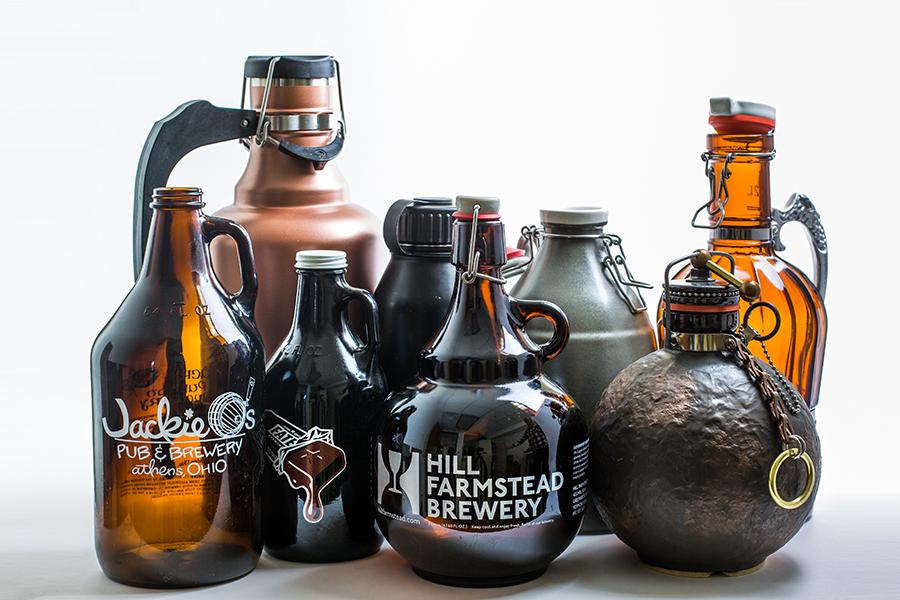
Before diving into shelf life, it helps to understand what you’re actually dealing with. A growler is a refillable jug, typically 32 or 64 ounces, designed specifically to transport draft beer from a brewery, taproom, or beer store directly to you. The 64-ounce version holds about four pints. The 32-ounce (sometimes called a howler) gives you two.
The name has a colorful origin. Back in the late 1800s, before bottled beer was widely available, families and workers would send children to the local pub with a small lidded tin pail to bring beer home. As the CO2 escaped from the lid during the walk, it made a low, rumbling sound. That growling noise gave the vessel its name, and the tradition stuck through American drinking culture for well over a century.
Today, growlers are experiencing a full-blown revival. With the craft beer industry increasingly scaling back wide distribution in favor of taproom-focused experiences, breweries are once again leaning on growlers as the primary way for customers to take their beer home. If your local taproom recently brought growler fills back to the menu, you’re seeing a trend playing out nationwide.
How Long Does Beer Last in a Growler, Exactly?
Here’s the number most people are searching for, broken down clearly:
| Growler Status | Estimated Freshness Window |
|---|---|
| Unopened, standard seal (screw-top or swing-top), refrigerated | 3 to 7 days |
| Unopened, CO2-purged fill, refrigerated | Up to 1 to 2 weeks |
| Unopened, pressurized growler with CO2 cartridge | 2 weeks or longer |
| Opened, any growler type, refrigerated | 24 to 36 hours |
| Opened, partially empty growler | Less than 24 hours |
| Left at room temperature (any type) | Degrades significantly within hours |
These are guidelines, not hard rules. The real answer hinges on several factors that interact with each other, and understanding those factors is what separates a beer geek from someone who just drinks beer.
The Three Enemies of Your Growler Beer
Oxygen: The Biggest Villain
Oxygen deteriorates beer, causing wet, cardboard-like flavors. It’s the reason you shouldn’t store beer at room temperature too long. When a growler is filled from a tap, the beer is immediately exposed to some degree of ambient air. Every molecule of oxygen that sneaks in starts a chemical process called oxidation, slowly stripping your beer of its intended flavor profile.
The effect is gradual at first. A slightly stale note here, a muted hop aroma there. Then it becomes unmistakable: flat, dull, and almost cardboard-like. When beer is exposed to oxygen, it undergoes oxidation, leading to a stale or cardboard-like flavor. This is why properly filling a growler matters so much. A good brewery will purge the growler with CO2 before filling, displacing the oxygen-laden air with an inert gas. Without that step, the clock runs considerably faster.
UV Light: The Skunking Culprit
If you’ve ever cracked open a beer that smelled faintly like a skunk, you’ve experienced what happens when UV light gets to work on hops. Light is the offender for beer we refer to as “skunked.” When light’s UV rays interact with compounds from beer’s hops, a chemical reaction occurs and creates a skunky-smelling compound.
This is why most quality glass growlers are amber-tinted. Clear glass offers zero protection, while amber glass significantly slows the photodegradation of hop compounds. Amber glass offers more UV protection than clear glass, making it the more common hue for glass beer growlers. Stainless steel and ceramic growlers block all light entirely, giving them a natural edge in this category.
Even a brief moment of sunlight on a clear growler during transit can start the skunking process. Keep your growler in a bag, a cooler, or out of direct sun the moment you leave the brewery.
Temperature Fluctuation: The Silent Accelerator
Beer should be kept cold at all times, ideally below 40 degrees Fahrenheit. Exposure to heat or direct sunlight can cause the beer to oxidize and spoil more quickly. Temperature swings accelerate nearly every form of beer degradation. When your growler warms up on the drive home and then cools back down in the fridge, the repeated thermal cycling stresses both the beer and the seal, allowing more gas to escape and more ambient air to creep in.
Place the growler in a chilled cooler on the way home and then store it in a refrigerator. The best temperature for beer is between 38° and 44°F. That’s a small investment in a six-dollar bag of ice that can meaningfully extend the freshness of a $25 growler fill.
How the Fill Method Dramatically Changes Freshness
Not all growler fills are equal, and this is something most customers never see. The way your beer is loaded into that jug has a bigger impact on its shelf life than almost anything else.
The Standard Tap Fill
The most common method at smaller breweries is simply opening the tap and letting the beer flow into the growler. This introduces a fair amount of agitation, foam, and oxygen contact. Growlers at your local brewery are most often filled by hand, meaning they may not exhibit consistent seals. With this variable in mind, after being sealed at a brewery, unopened beer growlers can be expected to last 1 to 2 weeks in proper conditions.
The Bottom-Up Fill with a Tube
Better breweries use a filler tube that reaches to the bottom of the growler. Beer is introduced from the bottom up, naturally pushing CO2 upward and minimizing oxygen exposure. This is the same basic principle used in commercial bottling operations. Beer filled this way stays fresher significantly longer than a standard splash-fill from the tap.
Counter-Pressure Filling
This is the gold standard. Using a full counter-pressure system can increase the shelf life of an unopened growler to over a week. The growler is first pressurized with CO2, then beer is introduced under matching pressure, minimizing foaming and virtually eliminating oxygen contact. Some high-end breweries and bottle shops have counter-pressure filling stations specifically for this purpose, and it shows in the quality of the beer days later.
CO2 Purging
Even without a full counter-pressure setup, a reputable brewery will purge the growler with CO2 before filling. This simple step displaces the oxygen sitting in the jug and buys meaningful additional freshness time. If your brewery doesn’t do this, it’s worth asking about.
Does the Type of Growler Actually Matter?
Absolutely, and here’s how the main options stack up:
Glass Growlers
Read More : Best Beer To Drink On A Diet Updated 10/2026
The classic. Glass is neutral, meaning it won’t impart any off-flavors to your beer. Glass growlers enjoy the benefits of glass. They are temperature resistant and safe to refrigerate. Glass is also an organic, non-toxic substance which can easily be recycled.
The downsides: clear glass offers no UV protection, amber glass offers moderate protection, and glass is fragile. It also doesn’t insulate, so if you’re heading to a picnic or camping trip, your beer will warm up quickly.
Stainless Steel Growlers
Stainless steel growlers are the most durable. They are perfect for outdoor activities where breakage might be a concern. Many are insulated, which can keep beer cold for hours without refrigeration. Brands like Stanley and DrinkTanks have built loyal followings among craft beer enthusiasts for exactly this reason. The full opacity means zero UV light penetration, and the double-wall vacuum insulation means your beer stays cold through a full afternoon in the sun.
The one caveat: stainless steel can retain residual flavors from previous fills if not cleaned thoroughly. Stainless steel growlers tend to retain flavors and odors from previous fills. Rinse yours with hot water immediately after emptying and let it dry completely before the next fill.
Ceramic Growlers
Ceramic beer growlers are usually hand-crafted, personalized growlers. They make for excellent gifts and bar accessories, exhibiting one-of-a-kind designs, colors, and patterns. In terms of UV protection, their opaque walls block out sunlight. Ceramic is heavier and more fragile than stainless steel but it has a timeless aesthetic appeal and performs well in terms of light protection. These are popular as gifts and collector pieces as much as functional containers.
Pressurized Growlers
The most advanced option. These come equipped with a CO2 cartridge system that allows you to maintain internal pressure even after opening. A pressurized growler can keep your beer from going flat and staying fresh for two weeks or more. The GrowlerWerks uKeg is one of the most popular models in this category. It features a built-in pressure gauge, a dispensing tap, and vacuum insulation, essentially turning your kitchen counter into a mini keg system.
If you drink growler beer regularly or entertain often, a pressurized growler is worth every dollar of the investment.
How Beer Style Affects Shelf Life in a Growler
Not all beer ages the same way, even in ideal conditions. The style of beer in your growler plays a significant role in how quickly it degrades.
IPAs and Hop-Forward Beers
These are the most fragile. Hop-forward beers, like IPAs, tend to lose their hop aroma and flavor over time. Such beers are best consumed within a few days. Hops are volatile aromatics. The same compounds that make a hazy IPA smell like citrus and tropical fruit are among the first to degrade when exposed to oxygen and light. If you fill a growler with an IPA on Friday, plan to drink it by Sunday.
Stouts, Porters, and Dark Lagers
Malt-forward styles are considerably more resilient. The roasted malts and lower hop presence mean there’s less aromatics to lose early on. Malt-forward styles, stouts, porters, and brown ales, typically last longer, sometimes up to a week. A growler of a robust porter filled on a Tuesday can still be excellent drinking the following weekend.
High-ABV and Barrel-Aged Beers
High-ABV beers are generally more stable and can maintain quality longer. Alcohol itself acts as a natural preservative. A 10% imperial stout or a barrel-aged barleywine has more inherent resistance to oxidation than a 4.5% session ale. These are among the few beer styles where a growler might genuinely hold its character for closer to two weeks under good conditions.
Sour Beers
Sour beers are often more resilient due to their acidic nature. The low pH environment created by lactic acid and acetic acid in sours makes them naturally resistant to many forms of spoilage. A Berliner Weisse or a Flanders Red in a well-sealed growler can hold up admirably for a week or more.
Light Lagers and Pilsners
These are deceptively delicate. Their clean, crisp character is built on precision fermentation and minimal hop presence, which means any off-flavor from oxidation or temperature change is immediately noticeable. Drink these within 24 to 48 hours of filling for best results.
Once You Open It: The 36-Hour Rule
Once you open your growler, the metaphorical timer begins to tick as more oxygen enters the container. It is recommended to consume or serve the entirety of your growler within 24 to 36 hours of opening it. Otherwise, the brew may turn flat and stale, fermenting at a faster rate.
This is the rule most people violate without realizing the consequences. Opening a growler is similar to opening a two-liter bottle of soda: every hour the opened container sits, carbonation escapes and the beer slowly becomes something you’d rather not finish.
Here’s the compounding problem: the less beer that remains in an open growler, the faster the remaining beer degrades. More headspace means more oxygen in contact with more beer surface area. If you drink three pints and leave one sitting overnight, that last pint will be noticeably flatter and staler than the first three. Drink the whole thing, or invite some people over to help.
Growler vs. Crowler: Which Keeps Beer Fresher?
You’ve probably seen crowlers at your local taproom, those big, sealed aluminum cans filled right in front of you at the bar. Here’s how they compare:
| Feature | Glass Growler | Crowler (Aluminum Can) |
|---|---|---|
| Freshness (unopened) | 3 to 7 days (standard) | 2 to 3 weeks |
| Light protection | Partial (amber glass) | Complete |
| Reusability | Yes, indefinitely | No, single use |
| Seal quality | Variable (tap-filled) | Consistent (machine-sealed) |
| Cost per fill | Beer price only (after initial purchase) | Beer price + $1 to $2 per can |
| Environmental impact | Lower (reusable) | Higher (single-use, recyclable) |
| After opening | 24 to 36 hours | Drink immediately |
Since crowlers are vacuum-sealed at the taproom, the beer inside can stay fresh and carbonated for anywhere between two to three weeks. That’s a meaningful advantage for people who want to stock up or give beer as a gift. However, growlers are refillable, which makes them the better choice for the environment. Packing more beer into a single container puts a lid on the garbage you produce.
The right answer depends on your habits. If you finish a 64-ounce growler the same night or within a day or two, growlers are the more economical and sustainable choice. If you want to save something for a couple of weeks or give it as a gift, a crowler is the smarter pick.
How to Tell If Your Growler Beer Has Gone Bad
Trust your senses first. Here’s what to look for:
Smell test: Fresh beer from a growler smells like, well, beer. Hops, malt, yeast, and whatever style-specific aromas the brewer intended. If you open yours and catch a whiff of vinegar, wet cardboard, sulfur, or something vaguely skunky, that’s the beer telling you something went wrong.
Read More : Calories In 12 Oz Bud Light Updated 10/2026
The sound test: No “psst” noise coupled with white foam climbing to the top shows the beer is fresh and ready for consumption. If you open the growler and hear nothing, or very little, the carbonation is largely gone. The beer may not be unsafe to drink, but it won’t be enjoyable.
The taste test: A flat, watery, or sourly off beer that doesn’t match what you tasted at the brewery is a clear indicator it has turned. You’ll know that the beer is not fresh if it turns sour, loses its carbonation, or tastes watery. At that point, pour it out and rinse the growler immediately.
Visual check: Beer should be clear (or appropriately hazy, depending on style). Unusual cloudiness in a beer that should be clear, or visible particles floating where there shouldn’t be, can indicate bacterial activity or contamination.
Practical Tips for Extending Growler Beer Freshness
These aren’t complicated, but most people skip one or more of them every time:
Keep it cold from the moment you leave. Bring a small cooler or an insulated bag to the brewery. Unopened, well-sealed growlers will last about 1 to 2 weeks when kept in proper conditions: refrigerated and away from sunlight. That journey from the taproom to your fridge matters more than most people realize.
Store it upright. Laying a growler on its side increases the surface area of beer in contact with the headspace (and any oxygen in it). Standing it upright minimizes that contact.
Keep it in the back of the fridge. The coldest, most stable temperature in your refrigerator is usually at the back. That’s where your growler belongs, not on the door where every open-close cycle warms it slightly.
Don’t put it in the freezer. Do not put growlers in the freezer as this can lead to shattering. Beyond the obvious risk of broken glass (or a cracked seal), freezing beer disrupts its molecular structure in ways that permanently damage the flavor.
Drink it before a full week is up. Even under optimal conditions, most standard growlers are best enjoyed within five days of filling. The sooner, the better.
Clean it right away after emptying. The best way to keep a growler clean is simply to rinse a few times with hot water as soon as it’s empty. Detergents and cleaning products can leave residues that affect the quality of beer, so it’s best to avoid those. If you let beer sit in an empty growler for days, bacterial growth can begin, and those bacteria will inoculate your next fill with off-flavors no amount of good beer can overcome.
Avoid soap when possible. A thorough hot-water rinse done immediately after emptying is usually all you need for routine maintenance. Cleaning out the reusable glass vessels leaves room for the possibility of leftover residue or bacteria tainting your new beer. If you must use soap, rinse until absolutely no suds remain, then rinse three more times.
The Science Behind Why Even Good Growlers Don’t Last Forever
Here’s something worth understanding if you care about your beer: regardless of your growler type, beer begins to degrade immediately after filling. This isn’t a flaw in the growler system. It’s simply the reality of what beer is.
Beer is a living, chemically active liquid. Even in a sealed can or bottle, it continues to slowly change over time. Yeast cells (even those that have gone dormant) interact with sugars. Hop compounds break down. Malt-derived proteins shift. Commercial breweries spend enormous resources slowing this process through pasteurization, controlled oxygen levels at the packing line, and cold-chain distribution. Growlers, by their nature, skip most of those protections.
The primary differences between the freshness of a beer bottle or can and a beer growler is its filling process. When beer bottles and cans are filled, they are cleaned and flushed with CO2 to displace the oxygen. However, when growlers are filled via tap, they do not undergo these processes. They are more prone to damage caused by oxygen and oxidation.
That’s not a reason to avoid growlers. It’s a reason to respect them for what they are: the best possible vessel for taking draft-fresh beer home today, not a long-term storage solution.
Is a Growler Right for You?
If you’re someone who visits a taproom regularly, lives within a reasonable drive of a good brewery, and tends to share beer with friends or family at gatherings, a growler is one of the best investments you can make as a beer lover. Growlers are efficient, sustainable since you can keep cleaning and reusing them, and nostalgic for longtime beer enthusiasts.
If you’re more of an occasional drinker who might let a fill sit for a couple of weeks, a pressurized growler or a crowler might be a better fit. Either way, once you start appreciating the difference between a beer poured straight from the brewery’s tap into your glass and a beer that’s been sitting in a warehouse, then a distribution center, then a store shelf for three months, there’s no going back.
The best beer you’ll ever have at home probably came out of a growler, filled by someone who cared about what they were putting in it, and consumed within 48 hours.
Conclusion
There’s something beautifully low-tech about a growler: a jug, a seal, and a brief window of time in which one of life’s simple pleasures is at its absolute peak. Beer culture in America didn’t evolve toward cans and bottles because they taste better. It evolved that way because they’re convenient for mass distribution. The growler strips all of that away and hands you something rare: draft-fresh beer on your own terms, at your own table.
That 36-hour window after opening, that one-to-two-week fridge life when sealed, it isn’t a limitation. It’s an invitation. A reminder that good things don’t wait forever, and neither should you.
Sources: https://chesbrewco.com
Category: Beer