There’s a version of this question that a lot of Americans quietly ask themselves, usually after a long weekend, a stressful week at work, or somewhere around the fourteenth cold one. Maybe you’ve looked at your recycling bin on a Monday morning and felt that familiar mix of guilt and defensiveness. Maybe someone close to you has started dropping hints. Maybe you’re just genuinely curious, in the way that people sometimes Google symptoms they’re already afraid of.
Whatever brought you here, you deserve a straight answer. Not a lecture, not a scare tactic pulled from a pamphlet, but real information, real numbers, and the kind of context that actually helps you understand what’s happening inside your body when you’re consistently drinking a 12-pack every single day.
You Are Watching: How Long Can You Live Drinking 12 Beers A Day Updated 10/2026
So let’s talk about it honestly.
What “12 Beers A Day” Actually Means In Medical Terms
Before anything else, it helps to understand how doctors and researchers define the territory you’re in when you drink 12 beers a day.
The National Institute on Alcohol Abuse and Alcoholism (NIAAA) defines heavy drinking for men as consuming more than 14 drinks per week, and for women, more than 7 drinks per week. A 12-beer-a-day habit puts a man at 84 drinks per week, which is six times the clinical threshold for heavy drinking. For a woman doing the same, that’s twelve times the threshold.
The Centers for Disease Control and Prevention (CDC) classifies binge drinking as consuming five or more drinks within two hours for men, or four or more for women. Someone drinking 12 beers throughout a single day is, by definition, binge drinking every single day, in addition to being a heavy drinker in the chronic sense.
This matters because these two categories carry their own distinct clusters of health risks, and at 12 beers a day, you’re stacking both of them on top of each other every 24 hours.
Standard drink equivalence is also important to understand:
| Drink Type | Standard Serving | Alcohol Content |
|---|---|---|
| Beer (regular, 5% ABV) | 12 oz | ~14g pure alcohol |
| Wine | 5 oz | ~14g pure alcohol |
| Spirits (whiskey, vodka, etc.) | 1.5 oz | ~14g pure alcohol |
| Cocktail (varies) | Depends on recipe | Varies widely |
So if you drink wine or cocktails instead of beer, the math shifts, but the logic doesn’t. Twelve standard drinks of any kind places you in the same physiological danger zone.
The Life Expectancy Question, Answered With Real Data
This is what most people actually want to know, and it’s important to give it to you directly rather than buried under caveats.
One of the most cited studies on this question followed 22,768 individuals who consumed approximately 12 beers a day over an extended period. The researchers found that the median survival period was approximately 6 to 7 years, with a maximum of around 10 years from the point at which that level of consumption was established.
That’s not 6 to 7 years until things get bad. That’s 6 to 7 years, period.
The CDC adds a broader epidemiological frame to this: excessive alcohol consumption shortened the lives of those who died by an average of 24 years, and resulted in about 4 million years of potential life lost across the U.S. population every single year. Excessive drinking was responsible for 1 in 5 deaths among adults between the ages of 20 and 49.
More recent data from the CDC and the Kaiser Family Foundation confirms that alcohol-related deaths in 2024 remain approximately 50% higher than they were a decade ago, and about 20% higher than pre-pandemic 2019 levels. Alcohol deaths in 2024 were highest among adults aged 45 to 64, with death rates peaking at 28.9 per 100,000 for that group.
The picture that emerges from all of this research is not about certainty for any individual person. Not every person who drinks 12 beers a day for five years will be dead in six. Genetics, diet, underlying health conditions, access to medical care, body weight, sex, and many other variables shift that curve significantly. What the data tells us is that the trajectory, on average, is dramatically shortened, and the conditions that cause that shortening are largely predictable and well-documented.

What Is Happening Inside Your Body Right Now
The Liver: Your Most Overworked Organ
The liver is the central character in the story of heavy drinking, and it’s worth understanding what it’s actually doing when you drink.
Your liver can metabolize roughly one standard drink per hour. That’s its speed limit. When you’re drinking 12 beers a day, you are running your liver at a pace it can never keep up with. The excess alcohol that can’t be processed backs up in the bloodstream, affecting every organ in your body, and the liver itself begins to suffer cumulative damage from the constant overflow.
Alcohol-related liver disease (ARLD) progresses through three primary stages:
| Stage | Description | Reversibility |
|---|---|---|
| Fatty Liver (Steatosis) | Fat accumulates in liver cells, usually no symptoms | Reversible with abstinence |
| Alcoholic Hepatitis | Liver becomes inflamed; nausea, jaundice, abdominal pain | Mild cases may improve; severe cases can cause liver failure |
| Cirrhosis | Widespread scarring replaces healthy tissue; liver shrinks and hardens | Largely irreversible |
Research shows that 90% of people who drink heavily will develop fatty liver. About 10 to 35% will progress to alcoholic hepatitis, and about 10 to 20% of heavy drinkers will develop cirrhosis, typically after 10 or more years of sustained heavy drinking. Women are at particular risk: cirrhosis can develop after as few as 5 to 10 years in women who drink heavily, compared to the 10 to 20-year timeline more common in men.
Once cirrhosis develops, it cannot be reversed. At that point, a person’s life expectancy from diagnosis is generally 2 to 15 years, and the only potential cure is a liver transplant, which is difficult to obtain for individuals who are still actively drinking.
Heavy drinkers who are in their 30s and 40s are particularly at risk for a pattern that doctors have described as deceptively dangerous: the disease progresses silently, without obvious symptoms, for years. By the time jaundice, abdominal swelling (ascites), or cognitive changes appear, the liver is already severely compromised. As one medical research team described it, the process from fatty liver through fibrosis to cirrhosis is “silent and symptom free” and easily missed in primary care.
The Heart: Strains You Don’t Feel Until It’s Too Late
Alcohol and the cardiovascular system have a complicated relationship. In the past, moderate drinking was thought to offer some protective benefit for the heart. More recent analysis has largely abandoned that conclusion. Mayo Clinic now states that the evidence for cardiovascular benefit from alcohol doesn’t hold up under rigorous scrutiny, and that a healthy diet and physical activity are far more effective and better-studied approaches to heart health.
What is not in dispute is what excessive drinking does to the heart:
- High blood pressure (hypertension): Chronic heavy drinking raises blood pressure consistently. Hypertension is a leading driver of stroke, heart attack, and kidney disease.
- Alcoholic cardiomyopathy: The heart muscle itself weakens over time, reducing its ability to pump blood effectively. This can progress to heart failure.
- Arrhythmias: Irregular heart rhythms, including atrial fibrillation, are significantly more common in heavy drinkers. A-fib can cause blood clots, stroke, and sudden cardiac death.
- Elevated triglycerides: Alcohol contributes to fat accumulation in the bloodstream, accelerating atherosclerosis (plaque buildup in the arteries).
For men who drink heavily, the risk of dying from cardiovascular causes is substantially elevated. For women, the cardiovascular damage from heavy drinking tends to accumulate faster than in men, even at equivalent alcohol intake levels.
Cancer: The Connection Most People Underestimate
Most Americans know that smoking causes cancer. Far fewer understand that alcohol is also a Group 1 carcinogen, classified by the International Agency for Research on Cancer as definitively cancer-causing in humans.
Drinking 12 beers a day significantly raises the risk of developing:
- Liver cancer (10 to 15% of people with alcohol-related cirrhosis develop it)
- Mouth, throat, and esophageal cancer (the upper digestive tract is directly bathed in alcohol)
- Colorectal cancer
- Breast cancer (in women, even moderate drinking increases risk)
- Pancreatic cancer
The mechanism involves several pathways: alcohol breaks down into acetaldehyde in the body, a compound that directly damages DNA and interferes with cell repair. Alcohol also increases estrogen levels (raising breast cancer risk), suppresses the immune system’s ability to identify and destroy malignant cells, and creates chronic inflammation, which is a known driver of cancer development.
The more you drink, the higher the risk across all of these categories. There is no safe threshold identified for the alcohol-cancer relationship.
The Brain: Damage That Accumulates Quietly
Alcohol is a central nervous system depressant that crosses the blood-brain barrier with every sip. In the short term, this produces the familiar effects: reduced inhibition, impaired coordination, slowed reaction time, emotional volatility. With 12 beers a day, those short-term effects become the near-constant baseline.
Over time, heavy drinking causes structural changes in the brain:
- Wernicke-Korsakoff syndrome: A severe neurological disorder caused by thiamine (Vitamin B1) deficiency, extremely common in heavy drinkers who neglect nutrition. It causes confusion, memory blackouts, loss of muscle coordination, and in advanced cases, permanent amnesia.
- Shrinkage of brain volume: Chronic heavy drinking has been associated with actual loss of brain matter, particularly in regions responsible for executive function, impulse control, and emotional regulation.
- Dementia: Heavy drinking significantly increases the risk of developing early-onset dementia. A major UK study found that heavy drinking was one of the single strongest modifiable risk factors for dementia diagnosis.
- Psychiatric disorders: Alcohol-induced depression, anxiety disorders, and psychosis are common. Critically, alcohol does not relieve these conditions; it creates a feedback loop in which drinking temporarily masks symptoms while progressively worsening the underlying brain chemistry.
The Calorie Problem Nobody Talks About Enough
A standard 12-ounce beer has roughly 150 calories, though lighter beers run around 100, and craft beers or higher-ABV options can hit 200 to 300. At 12 beers a day with an average beer:
- Calorie load from beer alone: 1,440 to 1,800 calories per day
- The average adult needs approximately 2,000 to 2,500 calories per day for maintenance
This means beer alone is consuming the majority of your daily caloric budget, with essentially zero nutritional value. Beer provides calories from alcohol and carbohydrates, but no meaningful protein, no essential fats, no vitamins, no minerals. Heavy drinkers frequently suffer from malnutrition not because they’re not eating, but because their diet has been functionally crowded out by empty calories.
Alcohol also stimulates appetite and activates the brain’s food reward centers, meaning heavy drinkers often overeat in addition to drinking, rather than eating less. The result is a paradox: simultaneous malnutrition and weight gain.
Common nutritional deficiencies in heavy drinkers:
| Nutrient | Consequence of Deficiency |
|---|---|
| Thiamine (B1) | Wernicke-Korsakoff syndrome, nerve damage |
| Folate (B9) | Anemia, increased cancer risk |
| Vitamin D | Bone loss, immune dysfunction |
| Zinc | Impaired wound healing, immune suppression |
| Magnesium | Muscle cramps, heart arrhythmias |
Men vs. Women: The Biology Is Not Equal
This is one of the most important and least-discussed aspects of heavy drinking, particularly for Americans who may assume the risk is roughly equal across sexes.
It is not.
Women absorb more alcohol per drink than men of equivalent weight because women have less water in their body tissues to dilute alcohol and lower concentrations of the enzyme alcohol dehydrogenase, which breaks alcohol down before it enters the bloodstream. A woman who drinks 12 beers a day is experiencing a physiologically higher effective dose than a man of the same size consuming the same amount.
This translates into concrete health outcomes:
- Women develop alcoholic liver disease faster and at lower levels of consumption than men.
- Women show greater brain volume loss from equivalent alcohol intake.
- Women face a disproportionately higher risk of breast cancer from alcohol.
- Female cardiovascular damage from heavy drinking is more rapid.
The CDC data also shows that from 2019 to 2020, female alcohol-induced death rates rose significantly faster than male rates across most age groups. While male alcohol death rates remained closer to pre-pandemic levels in recent years, female rates in 2024 remained approximately 20% above 2019 levels.
For women who drink beer, cocktails, or wine heavily, the timeline to serious health consequences is measurably shorter than for men, even when the habit looks identical from the outside.
The Psychological Trap: Why “Cutting Back” Is So Hard
Most people who drink 12 beers a day did not start there. The progression was gradual, and for many, it tracked life events: a divorce, job stress, a pandemic, boredom, social circles where heavy drinking was normalized.
Alcohol Use Disorder (AUD) is a clinical diagnosis that applies to a substantial portion of people drinking at this level. It is characterized by compulsive drinking, loss of control over intake, and a negative emotional state when not drinking, including anxiety, restlessness, and in severe cases, tremors and seizures upon stopping.
This is a critical point: stopping cold turkey after sustained heavy drinking can be medically dangerous. Alcohol withdrawal, in people who are physically dependent, can cause seizures and death without proper medical supervision. This is not a metaphor or a worst-case-scenario warning. It is a documented medical reality that distinguishes alcohol from most other substances.
If you are drinking 12 beers a day and considering stopping, please consult a physician before quitting abruptly. A medically supervised detox is the safest path.
Read More : How Tall Is A Beer Can Updated 10/2026
The economic consequences compound the health picture. Alcohol dependency has been associated with job loss, relationship breakdown, reduced earning potential, and significant legal risk, including DUI charges that carry fines, license suspension, and potential imprisonment. The CDC estimated the total economic cost of excessive drinking in the U.S. at $249 billion in a single year, primarily from lost workplace productivity.
The Socioeconomic Dimension: Where You Live Matters
Research from Lancaster County, Pennsylvania, and broader national data suggests that the health effects of heavy drinking are not distributed equally across income levels or zip codes.
People in socioeconomically deprived neighborhoods experience more severe and faster-progressing health consequences from equivalent levels of alcohol consumption. The reasons include reduced access to primary care (meaning liver disease is caught later), higher rates of co-occurring conditions like hepatitis C, nutritional deficits tied to food insecurity, and greater psychological stressors that compound the physiological damage.
The CDC data also shows significant geographic variation in alcohol death rates. In 2024, death rates ranged from 6.1 per 100,000 in New Jersey to 35.9 per 100,000 in New Mexico, a nearly six-fold difference. Rural states have consistently shown faster growth in alcohol-related mortality than urban states, reflecting differences in healthcare access, social isolation, and economic stress.
If you’re a working-class American in a rural or economically stressed community, the risks of heavy drinking compound against a backdrop that makes getting help both more necessary and more difficult.
What Happens to Your Body If You Stop
This is, perhaps, the most important section of this entire article.
The human body has a remarkable capacity for recovery, even after sustained heavy drinking. The timeline of recovery is not universal, but the general pattern is encouraging:
- Days 1 to 3: Withdrawal symptoms peak; medical supervision is essential for heavy drinkers.
- Week 1: Sleep begins to improve; anxiety and irritability may still be elevated.
- Weeks 2 to 4: Liver enzymes begin to improve; blood pressure starts to normalize; cognitive clarity returns gradually.
- Month 1 to 3: Fatty liver disease can begin to reverse if abstinence is maintained; skin clears, weight stabilizes, energy improves.
- 6 to 12 months: Significant cardiovascular improvement; reduced cancer risk trajectory (though some damage is cumulative and does not fully reverse).
- Long-term abstinence: If cirrhosis has not yet developed, the liver can regenerate substantially. If cirrhosis is early-stage, further progression can be significantly slowed.
The Cleveland Clinic states clearly: “If you stop drinking alcohol in the early stages of liver disease and your liver recovers, your life expectancy may be normal.” Even for those with cirrhosis, stopping drinking is the single most important determinant of long-term survival, often more impactful than any medication.
The question “how long can you live drinking 12 beers a day?” has a companion question that is equally important: how much longer can you live if you stop? The answer to that second question is significantly more encouraging.
Real People, Real Patterns
Across online communities and clinical literature, the experiences of people who have lived through sustained heavy drinking reveal a consistent pattern that statistics alone can’t fully capture.
People who drink at this level often describe the experience of managing their consumption with extraordinary precision, alternating drinks with water, eating specific meals at specific times, maintaining professional functionality for years before the wheels come off. They describe being functional, right up until they’re not.
The transition from “heavy drinker managing it” to “medical crisis” is frequently abrupt. The silent progression of liver disease means that many people have no idea how much damage has accumulated until a jaundice episode, a hospitalization, or a liver function test delivers the verdict.
One pattern that emerges repeatedly in both clinical data and personal accounts: people who have been drinking heavily for 20 to 30 years and believe they are fine often have already lost years of cognitive sharpness, liver capacity, and cardiovascular resilience that they cannot perceive from the inside. The damage is real. It’s just invisible until it isn’t.
Getting Help: What Actually Works
If you recognize yourself in this article, here is what the evidence supports as effective:
Medical evaluation first. A liver function panel, complete blood count, and cardiovascular assessment can give you an actual picture of where your body is. Many people discover that the damage is less advanced than they feared, which itself can be motivating.
Medically supervised detox for anyone drinking heavily daily. The American Society of Addiction Medicine recommends inpatient or intensive outpatient programs for people with significant physical dependence.
Medication-assisted treatment (MAT) is effective and underused. Naltrexone, acamprosate, and disulfiram are FDA-approved medications that significantly reduce cravings and relapse rates. Many people who have tried and failed to quit through willpower alone have had dramatically different outcomes with pharmacological support.
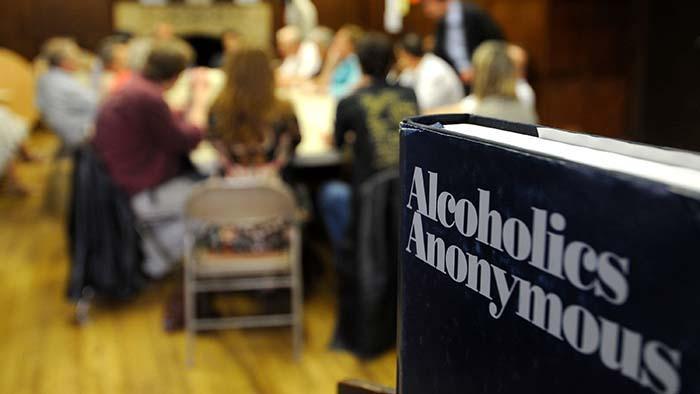
Behavioral support: Cognitive Behavioral Therapy (CBT) and Motivational Interviewing (MI) have robust evidence bases for alcohol use disorder. Support groups, including Alcoholics Anonymous and SMART Recovery, provide community accountability that significantly improves long-term outcomes.
The NIAAA Alcohol Treatment Navigator (rethinkingdrinking.niaaa.nih.gov) is a free, research-based resource that helps people find evidence-based treatment options in their area.
The Honest Bottom Line
Drinking 12 beers a day is not a lifestyle choice that coexists with a normal lifespan. The research is unambiguous on that point, even as the exact timing varies from person to person. The median survival after establishing that level of consumption, according to the most comprehensive studies, is measured in years, not decades.
But the framing of this question matters enormously. “How long can you live drinking 12 beers a day?” is ultimately the wrong question for most people asking it. The better question is: what is still reversible, what does recovery actually look like, and what would your life be like if you got there?
The answer to that version of the question is considerably more hopeful than the one with the grim statistics. Your liver, your heart, and your brain retain a capacity for repair that most people underestimate. The window is not permanently closed. But it does close, incrementally and silently, with every day the habit continues.
That’s not a lecture. It’s just the math.
If you or someone you care about is struggling with alcohol, the SAMHSA National Helpline (1-800-662-4357) is free, confidential, and available 24/7. The NIAAA Alcohol Treatment Navigator can help you find treatment options specific to your situation.
Sources: https://chesbrewco.com
Category: Beer