Every August, something quietly remarkable happens across America. Liquor store shelves start glowing orange. Labels shaped like jack-o-lanterns and harvest moons appear on refrigerator doors. The air shifts, flannel gets pulled from closets, and across the country, millions of beer lovers reach for the season’s most iconic drink: pumpkin beer. But in 2025, a fast-growing slice of those drinkers is reaching for something different. They want the warm cinnamon, the roasted malt, the nutmeg-kissed aroma, and that unmistakable cozy-sweater feeling, but they do not want the alcohol. They are reaching for non alcoholic pumpkin beer, and they are discovering that skipping the booze does not mean skipping any of the fun.
This is not a niche interest. It is a movement backed by real data, real brewers, and genuinely delicious beer. Whether you are sober curious, training for a fall race, pregnant, designated driving, or simply exploring a better relationship with alcohol, this guide covers everything you need to know about one of the most exciting seasonal drinks in the American craft beer scene.
You Are Watching: Non Alcoholic Pumpkin Beer Updated 10/2026
A Truly American Drink: The History of Pumpkin Beer
Before you can fully appreciate non alcoholic pumpkin beer, it helps to understand just how deeply pumpkin beer is woven into the fabric of American culture. This is not a marketing gimmick invented by a trend-hungry brand. Pumpkin beer is, in fact, as old as America itself.
The Colonial Roots No One Talks About
In the earliest days of the American colonies, settlers faced a constant shortage of the traditional brewing grains they had relied on in Europe. Barley, wheat, and rye were scarce and expensive. What was not scarce was the pumpkin. Colonists learned about pumpkins from Native Americans and quickly realized that pumpkins were a pretty good source of fermentable sugar, capable of replacing grains in traditional beer recipes.
American mentions of pumpkin ale can be found as early as 1771, meaning pumpkin ales predate the founding of America itself. A popular 17th-century folk song, believed to be one of the first ever written down in America, celebrated this unlikely brewer’s ingredient: “We have pumpkin at morning and pumpkin at noon / If it was not for pumpkins we should be undone.”
These colonial pumpkin ales were hardly beloved. Historians describe them as the “beer of last resort,” brewed out of necessity rather than choice, and said to carry a “slight twang” when compared to more reputable ales of the time. Nobody was savoring the flavor. They were surviving.
The Modern Pumpkin Beer Revolution
Pumpkin beer all but disappeared from American brewing culture as grain supplies improved in the 19th century. It stayed dormant until 1985, when a California craft brewer named Bill Owens changed everything.
Owens had run across a recipe for pumpkin beer in the writings of George Washington, who described the brewing operation at Mount Vernon. Intrigued, he jumped in with both feet, growing the pumpkins used in the early test batches himself.
There was just one major problem: the finished beer simply tasted like a regular beer. The sugars in the pumpkin fermented like the sugars in traditional brewing grains, and there was no hint of pumpkin whatsoever. So Owens bought a can of pumpkin pie spices and added it to the mix. The modern pumpkin beer was born.
By 2014, at the peak of the trend, pumpkin beer sales had grown 1500 percent over the previous decade. Today, there are more than 2,200 different pumpkin beers listed on BeerAdvocate.com.
The stage was set. And now, a quieter but equally significant revolution is underway: the rise of the non alcoholic pumpkin beer.
Why Non Alcoholic Pumpkin Beer Is Having Its Biggest Moment Yet
The numbers here are impossible to ignore. While overall beer volume fell roughly 1% in 2024, volume for non-alcoholic beer grew 9% worldwide. The category’s growth accelerated in 2018 and has continued to outstrip the broader beer market ever since.
In the United States specifically, the momentum is even stronger. No-alcohol beer volumes surged 23% in 2024, mirroring a compound annual growth rate of 23% over the 2019 to 2024 period, equating to absolute volume gains of 175% over that timeframe. To put that in plain language: NA beer is the fastest-growing segment in the entire American beer industry, and it is not close.
On-premise sales (bars, restaurants, taprooms) are up 26.4% so far in 2025, building on a 22% increase in 2024. According to a Beer Institute survey, 61% of Gen Z and Millennial consumers say they would choose an NA version of their favorite beer, and 57% would stay longer at bars or restaurants that offer solid non-alcoholic selections.
The reasons behind this shift are personal and varied. A Beer Institute survey found that wellness (cited by 49% of respondents) and saving money (48%) are the top reasons Americans are embracing lower and no-alcohol options. Some 60% of Americans now see low and no-alcohol beer as a viable alternative for long-term moderation.
Pumpkin beer sits at the center of this transformation in a particularly meaningful way. Fall is the most socially intense drinking season of the year, packed with tailgates, harvest festivals, Halloween parties, Friendsgiving gatherings, and long evenings on the porch. Non alcoholic pumpkin beer allows people to participate fully in those rituals without the alcohol, the next-morning fog, or the calorie overload of a 7-9% ABV imperial pumpkin ale.
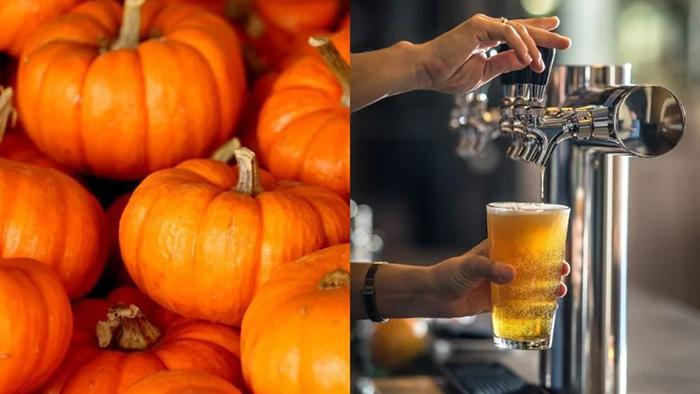
What Exactly Is Non Alcoholic Pumpkin Beer?
Non-alcoholic pumpkin beers sit in the 0.0 to 0.5% ABV range and lean on pumpkin, cinnamon, nutmeg, clove, or vanilla to bring that cozy autumn flavor. These differ from Oktoberfest or Märzen-style NA beers, which stick to malt and hops without added spice.
The brewing process for NA pumpkin beer follows the same foundational path as any craft beer. Brewers start with a base of malted barley or wheat, add hops, introduce yeast for fermentation, and then incorporate pumpkin and spices at various stages to build that signature autumn flavor profile. What sets non alcoholic versions apart is what happens after fermentation: the alcohol is either carefully removed or the fermentation is controlled from the start to keep ABV below 0.5%.
Two primary methods are used by leading NA craft breweries:
Arrested fermentation involves stopping the fermentation process early, before significant alcohol develops. This approach, favored by breweries like Big Drop, allows brewers to develop real beer character and complexity without ever generating alcohol in the first place. The result is a product with arguably more authentic flavor than one from which alcohol is later stripped.
Dealcoholization involves brewing a full-strength beer and then removing the alcohol through vacuum distillation or reverse osmosis. Technological advancements in vacuum distillation and reverse osmosis now allow brewers to remove alcohol without stripping away the volatile aroma compounds that define great beer. For pumpkin beers, preserving those spice aromatics is critical.
As for the pumpkin itself, the question of real pumpkin vs. spice extract is one that divides brewers and drinkers alike. Athletic Brewing packs 250 pounds of pumpkin into each batch of Dark and Gourdy. The result is genuine squash sweetness layered beneath the spice. Other brewers opt for pumpkin puree, pumpkin juice, or a combination of the vegetable with a hand-selected spice blend.
The Best Non Alcoholic Pumpkin Beers You Can Buy Right Now
The NA pumpkin beer category is still small but growing remarkably fast. These beers usually show up in late summer and stick around through November, and small seasonal runs tend to sell out quickly. Here is a detailed breakdown of the finest options available in the United States today.
Athletic Brewing Dark and Gourdy
Athletic Brewing is the undisputed giant of American NA craft beer. The upstart, which was founded in 2018, holds 17% of the NA beer category’s volume share in the U.S., edging out AB InBev’s Bud Zero and Heineken’s 0.0 version. Just three years earlier, Athletic held only a 4% share.
Their flagship fall release, Dark and Gourdy, is a porter-style NA ale that approaches the pumpkin beer format from an angle most brewers would not attempt. Inspired by porters, it puts the spice rack center stage: cinnamon, nutmeg, and ginger weave through smooth dark malt, with pumpkin adding gentle sweetness and balance. Rich yet easygoing, it is a seasonal classic as versatile as your favorite sweater.
Read More : Where The Beer Flows Like Wine Updated 10/2026
Each 12-ounce can delivers approximately 30 calories per 150ml, with 6.8 grams of carbohydrates and 1.3 grams of sugar. It is vegan, non-GMO, and clocks in under 0.5% ABV. The aroma leads with pumpkin, cinnamon, nutmeg, and ginger over toasted malt, while the taste brings gentle roast with pumpkin sweetness and a baking-spice lift.
On BeerAdvocate, reviewers praise Dark and Gourdy for its excellent balance, calling it “an excellent holiday beer that can hold its own against many pumpkin and holiday flavored full ABV beers, all for 80 calories.”
Best for: Coffee stout fans, porter lovers, and anyone who wants a serious, complex fall beer without the alcohol.
Big Drop Brewing Firesider Pumpkin Spiced Ale
Founded in London in 2016, Big Drop Brewing has built one of the most impressive NA craft beer portfolios in the world, earning over 40 major international awards and regularly beating full-strength beers in blind tastings.
Firesider is a pumpkin spiced ale brewed with a unique blend of toasted malts, pumpkin yeast, and seasonal spices including cinnamon, ginger, nutmeg, and cloves. Big Drop’s brewing technique avoids alcohol extraction entirely, resulting in a fuller flavor without compromise.
The flavor profile opens with cinnamon leading the spice character, giving an understated sweetness, followed by cloves working the back of the main body and lasting long into the finish. Firesider is well-spiced but not clingy, so the spice never becomes overwhelming.
Reviewers describe it as having a beautiful dark copper color and warming spice notes that are perfect for relaxing by the fireplace after a walk amongst autumn leaves.
Available in 440ml cans, Firesider is best found through specialty online NA beer retailers and select import grocery stores.
Best for: Anyone who loves a warming, mulled-spice character with real depth of malt behind it.
Bravus Brewing Pumpkin Dark
California-based Bravus Brewing has been a quiet pioneer in the NA space, building a lineup that emphasizes bold, full-flavored brews at 0.5% ABV or less. Their Pumpkin Dark takes a stout-style approach, delivering dark roasted malt alongside pumpkin, cloves, cinnamon, nutmeg, and ginger.
Rich, spiced, and described as full-bodied for an NA beer, Bravus Pumpkin Dark earns fans among drinkers who find lighter pumpkin ales too thin or candy-sweet. The roasty malt character provides a savory backbone that lets the spice blend perform rather than dominate.
On Untappd, reviewers consistently highlight the “bready, cloves, pleasant” character that makes it an ideal companion for cozy evenings.
Best for: Stout fans and anyone who wants their pumpkin beer to feel substantial and warming.
Go Brewing Fk’in Pumpkin
Go Brewing is a newer entrant that has quickly gained a devoted following for their commitment to transparency and flavor intensity. Their Fk’in Pumpkin (yes, that is the actual name) is a bold seasonal statement.
Brewed with real pumpkin purée and a warming blend of fall spices including cinnamon, nutmeg, clove, allspice, and ginger, it is designed to capture the essence of autumn in every sip. Crafted as a special thank-you to loyal fans, this non-alcoholic brew skips the gimmicks and goes straight for rich, fresh flavor.
The flavor leans sweet-spice, like pumpkin pie with a crisp, light body, available in 12-ounce cans sold in 6-packs as a seasonal fall 2025 release.
Best for: Those who want their pumpkin beer experience to feel like dessert in a can, unapologetically bold and spice-forward.
O’Fallon Brewery Pumpkin NA
O’Fallon Brewery out of Missouri has a long and storied history with the pumpkin ale format, and their non alcoholic Pumpkin carries that heritage forward. This collaboration with WellBeing Brewing utilizes so much genuine pumpkin in the mash that it takes hours to prepare the grain bill. The spices include fresh cinnamon, nutmeg, and clove during the brewing process, and the end result is a beautifully balanced fall brew with a gentle mouthfeel and an explosion of pumpkin pie seasoning.
The beer is malt-forward with gentle spice, smooth, and easy drinking, brewed with real pumpkin directly in the mash, keeping it under 0.5% ABV.
Best for: Fans of classic American pumpkin ale who want straightforward, clean fall flavor without complexity overload.
Side-by-Side Comparison: Top NA Pumpkin Beers
| Beer | Brewery | Style | ABV | Flavor Profile | Best Feature |
|---|---|---|---|---|---|
| Dark and Gourdy | Athletic Brewing | Porter-style | Below 0.5% | Coffee, dark chocolate, warm spice, subtle pumpkin | Most widely available; complex |
| Firesider Pumpkin Spiced | Big Drop Brewing | Spiced Ale | 0.5% | Cinnamon-led, clove finish, copper color | No alcohol extraction; fuller flavor |
| Pumpkin Dark | Bravus Brewing | Stout-style | Below 0.5% | Roasted malt, cloves, ginger, full body | Best for stout lovers |
| Fk’in Pumpkin | Go Brewing | Pumpkin Ale | Below 0.5% | Bold pumpkin pie, sweet-spice, crisp body | Most dessert-forward |
| Pumpkin NA | O’Fallon | Malt Pumpkin Ale | Below 0.5% | Malt-forward, gentle spice, clean finish | Real pumpkin in the mash |
What Is Actually in the Glass: Nutrition and Ingredients
Understanding what you are drinking is part of drinking smarter, and NA pumpkin beer has a genuinely interesting nutritional story to tell.
Non-alcoholic beer is similar to regular beer in terms of protein and fat content but differs significantly in alcohol content. Both types offer small amounts of several vitamins and minerals, including phosphorus, magnesium, and B vitamins.
For pumpkin NA beers specifically, the typical 12-ounce can delivers between 50 and 90 calories, substantially less than a standard pumpkin ale, which typically clocks in at 120 to 200-plus calories depending on the ABV. A high-octane imperial pumpkin ale at 8-9% ABV? You are often looking at 200 to 250 calories per serving, sometimes more.
Non-alcoholic beers contain B vitamins, including B1, B2, B6, and B12, which are vital for energy production, red blood cell formation, and maintaining a healthy nervous system. They also contain minerals like magnesium, phosphorus, calcium, and silicon, which are essential for bone and muscle health. Their electrolyte content, including sodium and potassium, supports hydration and recovery.
The pumpkin itself brings additional nutritional value. Pumpkin flesh is rich in vitamins A and C, which are essential antioxidants that promote healthy skin and boost the immune system. It also contains minerals like potassium and iron that aid in muscle function and blood formation.
And those spices? They are doing real work. Research on cinnamon shows that it may reduce inflammation due to its high levels of salicylic acid and can help with reducing levels of bad cholesterol and increasing good cholesterol. Ginger can help with nausea, vomiting, and constipation, and has anti-inflammatory and antioxidant compounds that protect from oxidative stress.
Cloves are rich in vitamin C, which plays a crucial role in strengthening the immune system. They also have anti-inflammatory properties, making them effective in reducing inflammation and relieving pain.
None of this makes non alcoholic pumpkin beer a health food, to be clear. Nutritionists are careful to note that the health benefits of NA beers are sometimes overstated, and that they do contain calories and carbohydrates that should be consumed in moderation. But as fall beverages go, a well-crafted NA pumpkin beer is a genuinely reasonable choice, especially compared to sugar-bomb pumpkin cocktails or 9% ABV imperial ales.
The Sober Curious Movement and Fall Drinking Culture
Pumpkin beer season sits at the heart of a cultural tension that millions of Americans are navigating right now. Fall is the most socially loaded drinking season of the year: football tailgates, apple orchard trips, Halloween parties, Friendsgiving, and pre-Thanksgiving gatherings all carry an implicit expectation of a beer in hand.
Read More : Does Michelob Ultra Have Gluten Updated 10/2026
The sober curious movement has reshaped how Americans approach these moments. One in three Americans drank less alcohol last year, with 27% of 21 to 29-year-olds now drinking non-alcoholic beverages weekly. Top motivations include health consciousness, avoiding hangovers, and affordability.
Critically, NA pumpkin beer is not just for people who do not drink. Most NA consumers also drink alcohol products, so it is more a matter of moderation and balance rather than abstention. Non-alcoholic beer is very much occasion-driven. You might crack an NA pumpkin beer at noon during the early game, then switch to an alcoholic option later. You might choose NA for the drive home, the weeknight chill session, or the outdoor run that ends with something cold and autumnal.
The social ritual of holding a beer, choosing a style, swapping opinions on flavor notes, and toasting the season, all of that is still there. The alcohol is simply not.
How to Serve Non Alcoholic Pumpkin Beer for Maximum Flavor
Getting the serving right makes a meaningful difference with NA pumpkin beer, especially given that these brews rely entirely on their aroma and spice character for the experience.
Temperature matters enormously. A serving temperature of 42 to 50 degrees Fahrenheit helps spice aromatics bloom without compromising carbonation. Pull it from the fridge 5 to 10 minutes before drinking if you keep it very cold.
Glassware shapes the experience. A tulip glass or a teku-style glass concentrates the aromas at the rim, which is where the cinnamon, nutmeg, and ginger really shine. For a darker, porter-style pumpkin beer like Athletic’s Dark and Gourdy, a nonic pint glass works beautifully. Drinking straight from the can mutes the experience considerably.
The pour technique: Tilt the glass at 45 degrees, pour gently down the side to build a modest head, and avoid aggressive pouring that releases the carbonation too quickly. For spiced beers with any sediment, a steady, deliberate pour keeps the spices evenly distributed.
Optional touches: A light cinnamon-sugar rim on a tulip glass turns an NA pumpkin beer into something that feels genuinely festive. Specialty cocktail rimming sugars in pumpkin-spice blends are available at most specialty grocery stores and online.
Food Pairings That Work Beautifully
Non alcoholic pumpkin beer is a surprisingly versatile pairing partner, with the malt backbone and warm spice character lending itself to a wide range of fall dishes.
Roasted root vegetables (carrots, parsnips, sweet potatoes) echo the natural sweetness of the pumpkin and play beautifully against the cinnamon and nutmeg notes. Athletic Brewing specifically recommends Dark and Gourdy alongside pie, slow-cooked meats, and roasted root vegetables with herbs.
Pumpkin soup and butternut squash bisque are natural pairings: the beer mirrors the sweetness of the dish while the spice notes complement the warmth of the seasoning.
Chili is a classic fall pairing that works especially well with spice-forward NA pumpkin ales. The heat of a good chili is tempered by the malty sweetness of the beer, while the cinnamon and clove pick up the warm spice notes already present in the dish.
Roasted turkey and stuffing make these beers ideal candidates for Thanksgiving table alternatives, particularly for guests who prefer not to drink alcohol. The savory-sweet balance of the meal is reflected in the beer.
Apple pie and pumpkin pie might seem obvious, but there is genuine wisdom to the pairing: the spice harmony between the beer and the dessert is deeply satisfying. The lighter carbonation of an NA beer makes it easy to enjoy alongside a full dessert plate without feeling overwhelmed.
Where to Buy Non Alcoholic Pumpkin Beers
Availability is the most practical challenge with NA pumpkin beers right now. Unlike Athletic Brewing’s year-round core lineup, most NA pumpkin beers are limited seasonal releases, and they can disappear from shelves quickly.
Online retail is the most reliable option. Athletic Brewing ships nationwide through their own website and through specialty NA beer retailers. Go Brewing, Big Drop, and Bravus all maintain active online stores.
Specialty grocery stores (Whole Foods, Fresh Market, Sprouts) are increasingly stocking premium NA options, including seasonal releases, particularly in urban markets.
Total Wine and More has aggressively expanded its NA beer selection and is often one of the first national retailers to stock new NA seasonal releases.
Local craft bottle shops are increasingly dedicating shelf space to NA options, particularly in cities with strong craft beer cultures. Many use apps like Untappd to flag availability at local retailers.
NA pumpkin beers usually show up in late summer and stick around through November. Small runs tend to sell out quickly, so stocking up when you find a brand you love is a genuinely practical strategy.
The Future of Non Alcoholic Pumpkin Beer in America
The trajectory here is unmistakably upward. The global non-alcoholic beer market is projected to reach USD 43.9 billion by 2036, growing from USD 22.1 billion in 2026 at a compound annual growth rate of 7.9%. The USA leads growth at 7.1% CAGR, driven by craft innovation.
Within that market, seasonal and flavored NA beers represent one of the highest-growth subcategories. Breweries are making waves with other styles of non-alcoholic beers beyond pumpkin, creating exceptional NA IPAs, savory NA stouts, luscious NA lagers, and even NA sours. The list of incredible non-alcoholic beers is growing rapidly.
What does this mean for the NA pumpkin beer category specifically? More options. Broader distribution. Better quality. Right now, the handful of breweries producing NA pumpkin beer are essentially operating in a wide-open field. As consumer demand grows and the sober-curious movement continues to mature, expect major craft breweries (and perhaps even some macro players) to bring their pumpkin recipes into the NA format.
As more brands enter the non-alcoholic beer segment, the shelf will become crowded much like the craft market years ago. It requires retailers to assess space allocation and drinkers to become more discerning. That is actually good news for consumers: competition breeds quality.
The NA pumpkin beers of 2030 will almost certainly be better than the ones available today, which are already genuinely impressive. For now, the early adopters are the ones getting in on the ground floor of something that feels very much like the craft beer revolution of the late 1980s: small, passionate, quality-obsessed, and poised to reshape how Americans drink in the fall.
Conclusion
Here is something worth sitting with: the same pumpkin that kept colonial Americans alive through brutal New England winters, the crop that was brewed out of desperation rather than desire, has now become the flavor signature of the most exciting season in American drinking culture. And now, for the first time in that long, strange journey, you can enjoy it completely on your own terms.
Non alcoholic pumpkin beer is not a compromise. It is not the “responsible” choice you make while secretly wishing you could have the real thing. It is craft brewing at its most inventive, where the challenge of making something taste extraordinary without alcohol has pushed brewers to be more creative, more precise, and more focused on actual flavor than at any other point in the history of the style.
Pour it into a tulip glass. Inhale the cinnamon and nutmeg. Take a sip and notice the dark malt, the roasted warmth, the way the ginger lingers on the back of the palate. This is what fall tastes like when it is brewed with genuine care.
The leaves are going to change whether you have a drink in your hand or not. It just tastes better with something this good.
Sources: https://chesbrewco.com
Category: Beer