You’re standing in front of the cooler at your local liquor store, a six-pack of Bud Light in your hand, and you’ve just been told to cut back on gluten. Or maybe you’ve recently been diagnosed with celiac disease and you’re wondering whether your go-to Friday night beer is still on the table. It’s one of the most Googled questions in the gluten-free world, and the answer is frustratingly nuanced.
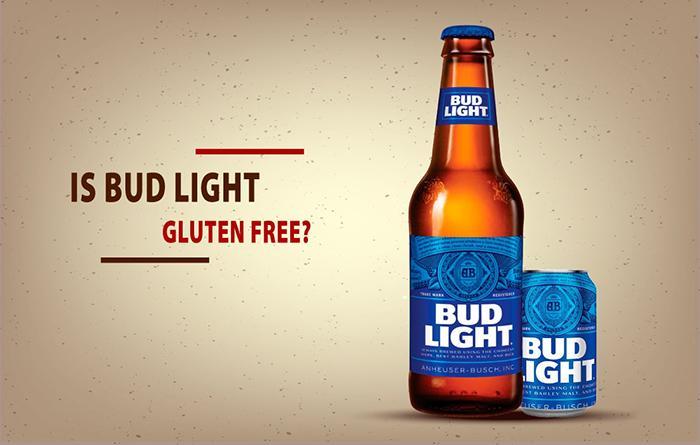
Here is the short version: Bud Light is not gluten-free. But the full story is a lot more complicated than that, and understanding it can actually change how you shop, how you drink, and how you protect your health.
You Are Watching: Is Bud Light Gluten Free? Updated 03/2026
What Is Gluten and Why Does It Matter in Beer?
Before diving into the Bud Light question specifically, it helps to understand exactly what gluten is and why beer is such a problematic category.
Gluten is not a single thing. It is a collective term for a family of proteins, specifically glutenin and gliadin, found naturally in grains like wheat, barley, and rye. These proteins give dough its elasticity and bread its chewy texture. For most people, gluten is a completely benign dietary component. But for a significant portion of the population, it triggers an immune response that ranges from mildly annoying to genuinely life-threatening.
There are three key conditions to know:
Celiac disease is an autoimmune disorder. When someone with celiac consumes gluten, their immune system attacks the lining of the small intestine, damaging microscopic structures called villi that are responsible for absorbing nutrients. Over time, untreated celiac disease can lead to malnutrition, bone loss, infertility, neurological damage, and certain types of lymphoma. According to Beyond Celiac, approximately 1 in 133 Americans (about 3 million people) has celiac disease, and a staggering 83% of them are either undiagnosed or misdiagnosed with other conditions.
Non-celiac gluten sensitivity (NCGS) is a separate condition in which people experience celiac-like symptoms without the autoimmune intestinal damage. Studies suggest up to 6% of Americans may have NCGS, which translates to roughly 18 million people who experience discomfort, bloating, brain fog, or fatigue when they consume gluten without technically having celiac disease.
Wheat allergy is distinct from both of the above and involves a classic immune-mediated allergic response to wheat proteins specifically. This affects approximately 0.4% of the global population.
Taken together, tens of millions of Americans have some reason to monitor their gluten intake. That makes the question of whether a beer like Bud Light is safe to drink a genuinely important public health matter, not just a dietary trend.
How Beer Gets Its Gluten: The Brewing Process Explained
To understand why Bud Light contains gluten, you need to understand how beer is made, because the answer lies entirely in the ingredients and production process.
Traditional beer is built on four core ingredients: water, malted barley (or other grains), hops, and yeast. The process begins with malting, where barley grains are soaked in water, allowed to germinate, and then kiln-dried. This activates enzymes that convert starches into fermentable sugars. The malted barley is then crushed and mixed with hot water in a step called mashing, which extracts those sugars into a liquid called wort. The wort is boiled with hops for bitterness and aroma, then cooled and fermented with yeast, which consumes the sugars and produces alcohol and carbon dioxide.
Here is the critical detail: barley contains gluten, and the fermentation process does not remove it. Unlike distillation (which is used to make spirits like vodka, whiskey, and rum), fermentation only reduces gluten. It does not eliminate it. This is why distilled spirits made from gluten-containing grains are generally considered safe for people with celiac disease, while beer (which is only fermented) is not.
Bud Light’s specific ingredients are listed publicly as: water, barley malt, rice, hops, and yeast. The inclusion of rice is important. Rice is a naturally gluten-free grain, and its use in the brewing process does dilute the overall gluten contribution from barley. This is one reason why Bud Light and other light lagers tend to have lower gluten levels than heavier, maltier beers. But lower is not the same as zero, and reduced is not the same as safe.
So Exactly How Much Gluten Is in Bud Light?
This is where the answer gets genuinely complicated, and where a lot of misinformation circulates online.
The U.S. Food and Drug Administration (FDA) requires that any food or beverage labeled “gluten-free” must contain fewer than 20 parts per million (ppm) of gluten. This is the lowest threshold that can be reliably detected by currently validated scientific methods.
Independent gluten-testing labs have produced inconsistent results for Bud Light. Some home-kit tests using EZ Gluten technology have shown Bud Light registering at greater than 10 ppm, with some results landing above the 20 ppm threshold. Other tests, including those using different testing methodologies like the Biomedal/GlutenTox kit, have returned results of less than 5 ppm. The divergence in these results is not necessarily due to faulty testing. It may reflect differences in: the specific brewing batch tested, the brewery location (Anheuser-Busch operates multiple breweries across the U.S.), the testing methodology, or even the age of the beer when tested.
What is consistent across sources is that Bud Light is not certified gluten-free and does not carry a gluten-free label. Anheuser-Busch has not made an official claim that Bud Light is safe for people with celiac disease. The brand also uses an enzyme called Brewer’s Clarex during the brewing process, which is designed to reduce gluten proteins. However, this enzyme-based gluten reduction is not sufficient under FDA or TTB (Alcohol and Tobacco Tax and Trade Bureau) rules to qualify for a gluten-free designation.
Read More : What Is A Growler Updated 03/2026
The TTB’s position is clear: a fermented beverage made with gluten-containing ingredients cannot legally be labeled as “gluten-free,” regardless of how low the final gluten content tests. The label permitted for such products is either “gluten-reduced” or “processed to remove gluten,” with a mandatory disclaimer that the product was made with a gluten-containing ingredient.
The Gluten Labeling Breakdown: What the Terms Actually Mean
Walking through a liquor store or beer aisle, you may see terms like “gluten-free,” “gluten-removed,” and “gluten-reduced.” These are not interchangeable, and understanding the difference can protect your health.
| Label | What It Means | Safe for Celiac? |
|---|---|---|
| Gluten-Free | Made entirely from gluten-free grains (sorghum, millet, rice, buckwheat, etc.). Never contained gluten-containing grains. Tested at under 20 ppm. | Yes (if certified) |
| Gluten-Removed / Gluten-Reduced | Made with barley or wheat, but treated with enzymes to reduce gluten. Cannot be guaranteed below 20 ppm due to testing limitations in fermented beverages. | Not recommended for celiac |
| No Label / Conventional Beer | Made with barley or wheat. Gluten content varies widely but generally 20 ppm or higher. | No |
| Hard Seltzer (Gluten-Free) | Made from fermented cane sugar or other GF base. No barley or wheat ingredients. | Yes |
Bud Light beer falls into the third column: a conventional lager made with barley malt, with no official label claim about gluten content. Its Brewer’s Clarex enzyme use puts it in a gray zone that is lower than most conventional beers, but not low or consistent enough to be certified.
Why Some Celiacs Say They Drink Bud Light Without Problems
One of the more confusing aspects of the Bud Light-gluten debate is the substantial community of self-reported celiac patients online who say they drink Bud Light regularly with no symptoms. Forums, blog comments, and Reddit threads are filled with anecdotal reports from biopsy-confirmed celiacs who swear by Bud Light as their safe beer.
This phenomenon has a few possible explanations, and none of them constitute a green light for celiac patients to drink Bud Light:
Sensitivity varies dramatically. Celiac disease is not a monolithic condition. Some individuals react to even 1 ppm of gluten with immediate, severe symptoms. Others have less reactive immune systems and may not experience obvious symptoms even when intestinal damage is occurring silently. The absence of symptoms does not equal the absence of damage. Multiple gastroenterologists have noted that intestinal damage from gluten can continue in celiac patients who are asymptomatic, making self-reported comfort a dangerously unreliable metric.
Gluten measurement in fermented beverages is genuinely difficult. The standard gluten testing method (R5 ELISA competitive assay) was developed for solid foods and may not accurately measure gluten in fermented and hydrolyzed products. When gluten proteins are broken down by fermentation or enzymes, the fragments may no longer be detected by this test, yet they may still trigger an immune response in sensitive individuals. This is why the scientific community and celiac advocacy organizations continue to caution against relying on ppm results for fermented beverages.
Testing inconsistency means some batches may genuinely be very low. Because Bud Light has shown results ranging from under 5 ppm to above 20 ppm across different tests, it is plausible that some batches are genuinely very low in gluten, low enough that even sensitive individuals don’t react. But this inconsistency itself is the problem: you can’t know which batch you’re opening.
The Celiac Disease Foundation and the University of Chicago’s Celiac Disease Center have both conducted research showing that people with celiac disease had measurable inflammatory responses to gluten-reduced beers even when those beers tested below 20 ppm. This is the data point that matters most.
What About Other Bud Light Products? Breaking Down the Line
Bud Light is a brand, not a single product. The Anheuser-Busch portfolio includes several drinks under the Bud Light name, and their gluten status differs significantly.
Bud Light Beer (Original)
Not gluten-free. Made with barley malt and rice. Gluten-reduced but not certified. Not safe for celiac disease.
Bud Light Lime
Not gluten-free. Same base beer as original Bud Light, with natural lime flavor added. Contains barley malt, rice, yeast, and hops. The lime addition does not affect gluten content.
Bud Light Platinum
Not gluten-free. A higher-ABV (6%) version of Bud Light, still brewed with malted barley. The higher alcohol content does not reduce gluten.
Bud Light Lemonade (Bud Light Peels)
Not gluten-free. This is a flavored beer, still based on a barley malt fermentation. The fruity flavoring is added after brewing.
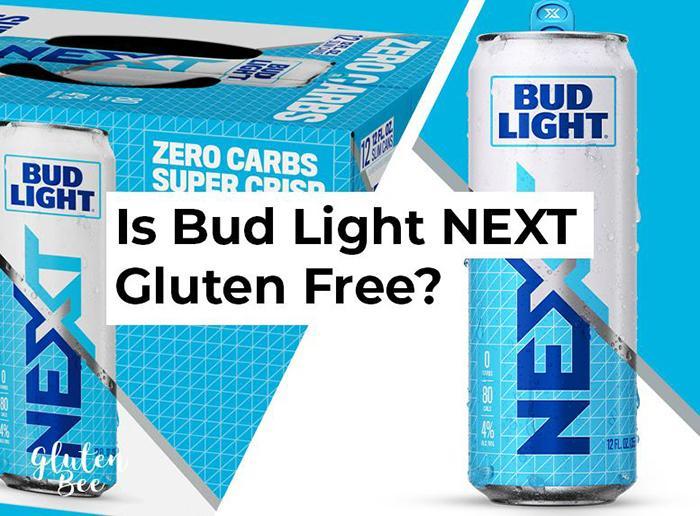
Bud Light Next (Zero Carb)
Technically not certified gluten-free, though independent testing has yielded interesting results. Bud Light Next is marketed as a zero-carb beer, and the enzymatic process used to eliminate carbohydrates may also significantly degrade gluten proteins. Lab tests using EZ Gluten kits have returned negative results for Bud Light Next. However, the product carries a disclaimer that it is brewed with gluten-containing ingredients and should not be consumed by those with celiac disease.
Bud Light Seltzer (U.S. Only)
This is the genuinely gluten-free option in the Bud Light lineup. U.S.-produced Bud Light Seltzer is made from fermented cane sugar rather than barley malt. It contains no wheat, barley, or rye. It has a 5% ABV, comes in multiple fruit flavors, and is explicitly marketed as gluten-free with no artificial flavors. Important warning: Bud Light Seltzer sold in Canada is a malt-based beverage and is NOT gluten-free. Always check the country of production.
Bud Light Platinum Seltzer
Also gluten-free in the U.S. Made from a fermented sugar base, not malted grains. Also marketed as gluten-free by Anheuser-Busch.
Genuinely Gluten-Free Beer Alternatives Worth Trying
If you love the light, crisp, easy-drinking profile of Bud Light but need something that is definitively gluten-free, you have more options today than ever before. The gluten-free craft beer market has matured significantly.
Redbridge (Anheuser-Busch): Produced by the same company that makes Bud Light, Redbridge is brewed entirely with sorghum. It is the first nationally available sorghum-based beer in the U.S. and is specifically crafted for people with celiac disease or gluten sensitivity. It has a slightly sweet flavor profile.
Ghostfish Brewing Company: Based in Seattle, Washington, Ghostfish is a dedicated gluten-free brewery, meaning nothing with gluten ever enters their facility. Their beers are made with malted millet, buckwheat, and other GF grains. They offer everything from pale ales to stouts, all certified gluten-free.
Glutenberg Blonde Ale: A Canadian craft beer made from millet, buckwheat, and corn. It has a light, crisp taste with subtle citrus notes that comes close to the flavor profile of a mainstream light lager.
Read More : Can Kids Drink Non Alcoholic Beer Updated 03/2026
Omission Ultimate Light Golden Ale: Perhaps the closest in flavor and calorie count to Bud Light, this is a gluten-removed beer (not naturally GF). It is treated with enzymes to bring gluten below 20 ppm and is popular among people with gluten sensitivity. However, it is not recommended for celiac disease due to its gluten-removed (rather than gluten-free) status.
New Grist Pilsner-Style Beer (Lakefront Brewery): Brewed with sorghum and rice, this American beer has a light body and subtle hop flavor, making it a fairly close match to the taste profile of mainstream light lagers.
Green’s Enterprise Dry-Hopped Lager: A UK-based gluten-free beer made from millet, buckwheat, rice, and sorghum. It has a hoppy aroma and a clean, crisp finish. Increasingly available in specialty grocery stores across the U.S.
Burning Brothers Brewing: A Minnesota-based dedicated gluten-free brewery that produces a range of styles including pale ales, IPAs, and seasonal beers. All are brewed in a 100% gluten-free environment.
Gluten-Free Alternatives Beyond Beer: Wine, Cider, and Spirits
If you’re not finding a gluten-free beer you love, it’s worth knowing that you have plenty of other genuinely gluten-free options that pair just as well with social occasions.
Wine is naturally gluten-free. This applies to red, white, rosé, sparkling, and dessert wines. Grapes contain no gluten, and while some winemakers use wheat-based fining agents, the final product contains negligible gluten (well below 20 ppm). Most wine is considered safe even for celiac disease.
Hard cider is made from fermented apples and is naturally gluten-free. Brands like Angry Orchard, Woodchuck, and Strongbow are widely available and safe for celiac patients. Hard cider has lower alcohol than most beers and comes in a variety of flavor profiles.
Hard seltzers including White Claw, Truly, High Noon, and Michelob Ultra Organic Seltzer are all gluten-free. These are brewed from fermented sugar, not grain, and are safe for celiac disease. They have become enormously popular across all demographics.
Distilled spirits including vodka, rum, tequila, bourbon, whiskey, and gin are considered gluten-free even when distilled from gluten-containing grains, because the distillation process removes gluten proteins. The TTB has acknowledged this. Note that flavored spirits can sometimes contain added gluten ingredients, so checking labels on flavored vodkas or pre-mixed cocktails is still wise.
Hard kombucha is an emerging category. Products from brands like JuneShine or Flying Embers are brewed from tea and sugar with probiotic cultures, and are naturally gluten-free.
What to Do If You Have Celiac Disease and Want to Drink Beer
Living with celiac disease does not mean resigning yourself to the back corner of the bar. It does mean being intentional. Here is a practical framework:
Always read the label. Look for the words “certified gluten-free” or “gluten-free” on beer labels. Do not assume that “light beer” means low gluten, or that rice-based beers are automatically safe. Check whether the beer is brewed with barley, wheat, or rye at any point in its production.
Know the difference between gluten-removed and gluten-free. Gluten-removed beers may be tolerated by people with non-celiac gluten sensitivity, but they carry real risk for diagnosed celiacs. The FDA and TTB do not allow gluten-removed beers to claim the “gluten-free” designation for good reason.
Choose dedicated gluten-free breweries when possible. Even if a beer claims to be gluten-free, cross-contamination is a real risk in facilities that also process barley or wheat. A brewery dedicated exclusively to gluten-free production eliminates this risk.
Consult your gastroenterologist. Your specific case, your level of intestinal damage, and your individual sensitivity should guide what you consume. This article is informational; it is not a substitute for medical advice.
Don’t self-diagnose based on symptoms. The absence of symptoms after drinking Bud Light does not confirm that your intestines are unaffected. Regular monitoring through blood tests and, when indicated, intestinal biopsy is the only way to know for certain.
The Bottom Line on Bud Light and Gluten
Bud Light is not gluten-free. It is brewed with malted barley, which contains gluten. The fermentation process, combined with the use of rice and an enzyme called Brewer’s Clarex, reduces the gluten content, but does not eliminate it. Independent tests have shown gluten levels ranging from under 5 ppm to above 20 ppm, depending on the testing method and the batch. Bud Light has never been certified gluten-free, does not carry a gluten-free label, and is not officially recommended for people with celiac disease.
If you have celiac disease, the safest path is to avoid Bud Light beer entirely. Your options within the Bud Light brand include Bud Light Seltzer (U.S.-produced only) and Bud Light Platinum Seltzer, both of which are genuinely gluten-free. Outside the Bud Light brand, a growing and genuinely excellent selection of certified gluten-free beers exists, brewed with sorghum, millet, buckwheat, and other naturally gluten-free grains.
If you have non-celiac gluten sensitivity, the picture is more nuanced. Some individuals in this category report tolerating Bud Light without discomfort. But given the inconsistency of gluten test results and the ongoing debate in the scientific community about measuring gluten in fermented beverages, caution is still warranted.
Your Beer Doesn’t Have to Choose Between Taste and Safety
The gluten-free beer market in 2025 is a far cry from the watery, flavorless early offerings that gave certified GF beer a bad reputation. Dedicated breweries like Ghostfish and Burning Brothers are winning awards at major beer festivals, not just in gluten-free categories but in open competition against conventional beers. The idea that choosing gluten-free means choosing inferior beer is, at this point, simply outdated.
Whether your Friday night calls for a crisp lager, a hoppy IPA, or a cold can of hard seltzer, there is a gluten-free version that can hold its own. The question was never really “Is Bud Light gluten-free?” The more useful question is: “What can I actually enjoy without compromising my health?” And the answer to that one, at least, is wide open.
Sources: https://chesbrewco.com
Category: Beer