You crack open a cold beer after a long Friday. You mix a whiskey cocktail for a Saturday night in. You uncork a bottle of wine for a dinner with friends. And somewhere in between all that good living, you reach for a bottle of water, maybe a Crystal Geyser, because staying hydrated is part of the game. But lately, you’ve probably been hearing some unsettling things about this brand. Lawsuits. Arsenic. A $5 million criminal fine. A 16-out-of-100 safety score going viral on social media.
So what’s the real story? Is Crystal Geyser water actually safe to drink? The answer is nuanced, and it depends on what you mean by “safe,” who’s doing the measuring, and how much transparency you expect from a brand you’re putting in your body. This guide digs into the facts, the science, the controversies, and the context, so you can make a genuinely informed decision the next time you’re reaching for hydration between rounds.
You Are Watching: Is Crystal Geyser Water Safe To Drink Updated 10/2026
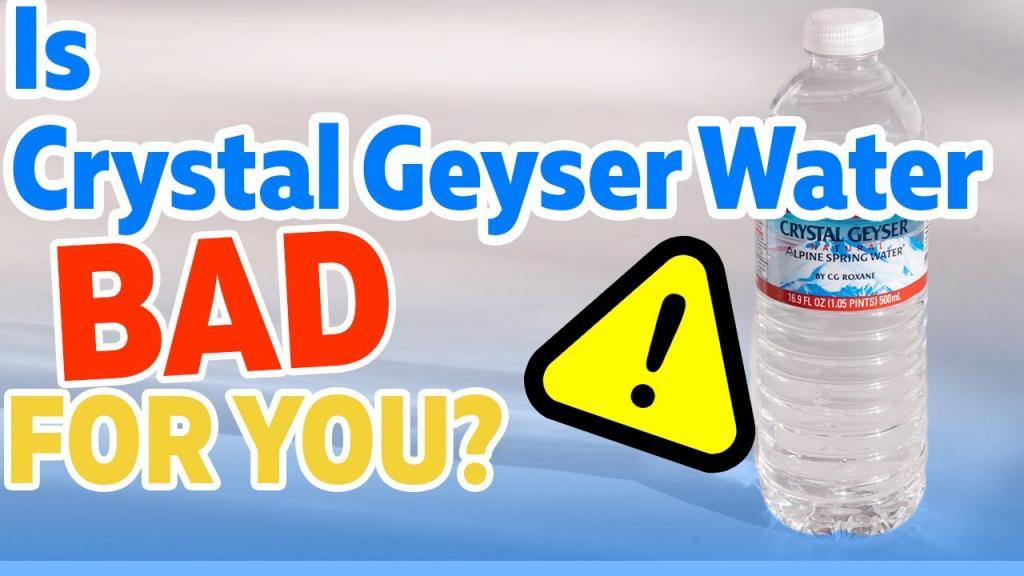
What Exactly Is Crystal Geyser Water?
Crystal Geyser Alpine Spring Water is produced by CG Roxane LLC, an independent, family-owned company that has been in operation since 1990. It markets itself as the only major U.S. bottled water brand that is captured directly at authentic natural springs, without trucking, blending, or purifying from the tap.
The company sources its water from seven carefully selected, geographically remote, protected spring locations across the United States. These sources are monitored daily at all levels of production, including physicochemical control (which analyzes water composition), bacteriological control (which checks for microorganisms or contaminants), and organoleptic control (which ensures consistency of taste).
Before bottling, the water is filtered and treated with small exposures to ozone, which is designed to leave the ideal balance of minerals and natural flavor intact. The company bottles its water less than 1.5 miles from each natural spring source.
The seven spring sources are located near:
- Mt. Shasta in Weed, California
- Olancha Peak in Olancha, California
- Norman, Arkansas
- Benton, Tennessee
- Florence, Oregon
- Chester, South Carolina (Blue Ridge Mountains)
- Moultonborough, New Hampshire (Ossipee Mountains)
This multi-source approach is central to Crystal Geyser’s national availability and relatively affordable price point, but it is also one of the reasons the brand has come under scrutiny, since water quality can vary significantly from source to source.
The pH Level and Mineral Content: What’s Actually in the Bottle
Before getting into the controversies, it helps to understand the basic chemistry of Crystal Geyser water, since this matters not just for health but especially if you’re the kind of person who mixes cocktails, drinks fine wine, or appreciates a well-crafted beer.
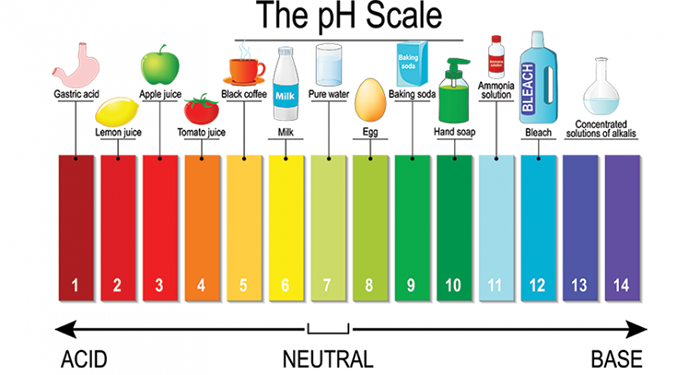
Crystal Geyser is based in San Francisco and uses a number of spring sources around the United States. It utilizes a double disinfection process to purify the water. In independent testing, it registered a pH of approximately 6.9, placing it just below neutral on the pH scale.
That said, pH can vary noticeably depending on which of the seven sources a particular bottle came from. Crystal Geyser’s sparkling spring water tends to test closer to a pH of 5 to 5.4, making it considerably more acidic. Their still Alpine Spring Water generally falls in the 6.5 to 7.5 range, which is classified as neutral to mildly acidic.
In terms of total dissolved solids (TDS), different CG sources produce quite different profiles. The Mt. Shasta/Weed, California source is historically popular for its low TDS and very low mineral content (nearly non-detectable arsenic, low hardness), while the Olancha, California source has higher calcium and magnesium content and a TDS that sits higher. Some independent testers have measured TDS across various CG sources anywhere from 97 ppm to 150 ppm or above, depending on the location.
For the everyday drinker, those numbers mean this: Crystal Geyser is a soft-to-moderately-mineralized natural spring water. It won’t overpower your palate with a strong mineral taste, and it’s generally compatible with the kind of hydration you need between rounds of cocktails, wine, or beer.
The Arsenic Controversy: The $5 Million Fine That Shook Consumer Trust
This is the headline that rattled millions of Americans, and it deserves a thorough, honest explanation.
CG Roxane LLC, the company that produces Crystal Geyser Natural Alpine Spring Water, was sentenced to three years of probation and ordered to pay criminal fines totaling $5 million for illegally storing and transporting hazardous waste created from filtering arsenic out of spring water at its facility in Olancha, California.
CG Roxane pleaded guilty to one count of unlawful storage of hazardous waste and one count of unlawful transportation of hazardous material. The California company had been accused of dumping water containing arsenic in a manmade pond near its Olancha facility over a period of around 15 years.
Here’s the critical nuance that most social media posts leave out: the arsenic problem was with the company’s waste disposal practices, not with the water in the bottles you buy.
When Crystal Geyser draws from the Olancha watershed, it uses sand filters to reduce naturally occurring arsenic so that the bottled water meets the federal standard of 10 parts per billion (ppb). To maintain those filters, CG Roxane back-flushes them with a sodium hydroxide solution, which removes the arsenic but also generates arsenic-contaminated wastewater. This wastewater was discharged into an unlined pond at the Olancha facility for roughly 14 years, violating environmental law.
The Olancha water analysis indicates low arsenic in the final bottled product, less than 4 ppb, which is less than half the current maximum contaminant level (MCL). The Mt. Shasta (Weed, CA) source shows arsenic as non-detectable.
The investigation focused on alleged violations involving the handling, storage and transportation of CG Roxane’s wastewater, not the safety or quality of CG Roxane’s bottled water.
That distinction matters. But it doesn’t let Crystal Geyser entirely off the hook. The company knew it was dealing with arsenic-laced waste and chose, for over a decade, to handle it improperly. The arsenic-contaminated wastewater was eventually transported to a Southern California facility that was not authorized to receive or treat hazardous waste, and more than 23,000 gallons of arsenic-tainted water were dumped into a sewer without appropriate treatment.
For a company that markets itself around purity, environmental stewardship, and community responsibility, that behavior is a significant credibility blow, even if the water in the bottles itself remained within legal safety limits.
Arsenic in the Bottle: What Consumer Reports Found
Separate from the disposal scandal, arsenic in the actual product has also been flagged.
Read More : Is There A Green Tea Shortage Updated 10/2026
In a June 2019 report, Consumer Reports identified 11 brands of bottled water out of more than 130 that had detectable amounts of arsenic. Of those, six had levels of 3 ppb or higher. Crystal Geyser Alpine Spring Water was among those six brands.
The six brands with 3 ppb or higher included Whole Foods’ Starkey brand, Keurig Dr Pepper’s Peñafiel, Crystal Geyser Alpine Spring Water, Danone’s Volvic, Crystal Creamery, and EartH2O. Consumer Reports emphasized that this investigation was intended to show that more consistent regulation of bottled water is needed.
To be clear: 3 ppb is still well below the FDA’s legal limit of 10 ppb, and arsenic is a naturally occurring element found in groundwater throughout the country. Most health experts agree that exposure at these levels through normal bottled water consumption does not present an acute health risk. However, some researchers argue that the long-term cumulative effects of regular low-level arsenic exposure deserve more serious study, especially for heavy consumers.
The EWG Transparency Problem: A “Failing Grade” That Has Nothing to Do with Contamination
If you’ve been down the rabbit hole on water safety content, you’ve probably come across Crystal Geyser’s low scores from the Environmental Working Group (EWG) and the water-rating app Oasis, which gave the brand a 16 out of 100 score in a viral TikTok video.
The Environmental Working Group, a non-profit consumer watchdog organization, studied 173 different types of bottled water to learn whether manufacturers would disclose details on the water source, how their product is treated, and whether test results are shared with consumers. Crystal Geyser received one of the lowest possible scores. Crucially, this was not because the EWG detected a lot of impurities or toxins in the water itself. Crystal Geyser simply did not offer enough transparency into its product. In fact, Crystal Geyser provides no test results or even test parameters on its consumer-facing platforms.
Among the ten best-selling brands, nine, including Crystal Geyser, Pepsi’s Aquafina, Coca-Cola’s Dasani, and six of seven Nestlé brands, do not answer at least one key consumer transparency question. Only Nestlé’s Pure Life Purified Water disclosed its specific geographic water source and treatment method on the label and offered contact information for consumers to request a water quality test report.
The viral Oasis video noted that Crystal Geyser contains elevated levels of certain minerals, like chromium and bromate. In response, a Crystal Geyser representative stated that all products adhere to FDA guidelines and are well below legal contaminant limits, and noted that the Oasis data had not been internally verified by Oasis itself.
So here’s the bottom line on scores and ratings: Crystal Geyser’s low transparency score is a real and legitimate criticism. When you’re trying to decide what to put in your body, especially if you’re health-conscious, a company that refuses to share test results or be open about its treatment process is a company asking for a lot of trust it hasn’t necessarily earned.
Microplastics: The Concern No Bottled Water Brand Can Escape
Crystal Geyser faced a proposed class action lawsuit alleging the manufacturer failed to warn consumers that its “Natural Alpine Spring Water” was contaminated with microplastics. The lawsuit pointed to a 2018 study showing that 93 percent of tested samples across 259 individual bottles and 11 brands were contaminated with plastic fragments.
The case was voluntarily dismissed in April 2024, but the concern it raised is real and is not unique to Crystal Geyser. Microplastics have been detected across virtually every major bottled water brand on the market.
The lawsuit noted that once microplastics are absorbed or ingested, they can be transported through the circulatory system and build up in the gut and other organs, along with any environmental pollutants they may carry.
Crystal Geyser states that its PET bottles are BPA-free and phthalate-free, with food-grade, shatterproof plastic. The company highlights that since 2022, it has decreased the weight of its 1.25L bottles by 11 percent, reducing carbon footprint in the process.
BPA-free is a meaningful distinction. BPA (bisphenol A) is a chemical linked to hormonal disruption and has been widely removed from consumer plastics. However, microplastics, the tiny fragments that shed from plastic bottles and packaging, remain a separate concern that the industry has yet to fully address.
Bottled Water vs. Filtered Tap Water: An Honest Comparison
One of the most important facts that gets buried in bottled water marketing is this: filtered tap water consistently outperforms bottled water on purity and transparency metrics.
In the EWG analysis, filtered tap water received the best grade overall. Believe it or not, filtered water is typically purer than bottled water.
If you can afford it, installing a reverse osmosis filter to remove contaminants that carbon filters can’t eliminate, such as chromium-6, arsenic, and perchlorate, is one of the most effective steps a consumer can take for cleaner daily hydration.
That said, filtered tap water access varies enormously across the United States. In cities with aging infrastructure, industrial contamination zones, or known PFAS (forever chemical) problems, bottled spring water from a monitored source may genuinely be the safer short-term choice. It depends entirely on where you live and how your local system is maintained.
Crystal Geyser Water Compared: How It Stacks Up Against Major Brands
Here’s a quick comparison table of major bottled water brands across key quality metrics, based on independent testing and available data:
| Brand | Source Type | Avg. pH | EWG Transparency | Arsenic Detected | Microplastics Concern | BPA-Free |
|---|---|---|---|---|---|---|
| Crystal Geyser | Natural spring (7 sources) | ~6.9 | Very Low (D/F range) | Yes (≤4 ppb) | Yes | Yes |
| Evian | Glacial spring (France) | ~7.2 | Moderate | Low | Yes | Yes |
| Voss | Municipal (Norway) | ~5.5 | Low | Low | No (per Oasis) | Yes |
| FIJI | Artesian (Fiji Islands) | ~7.8 | Moderate | Not detected | Yes | Yes |
| Nestlé Pure Life | Municipal + treated | ~7.0 | High (A range) | Not detected | Yes | Yes |
| Smartwater | Municipal + distilled | ~6.7 | Moderate | Not detected | Yes | Yes |
| Poland Spring | Natural spring (Maine) | ~7.2 | Moderate | Low | Yes | Yes |
| Dasani | Municipal (tap) | ~5.6 | Low | Not detected | Yes | Yes |
| Aquafina | Municipal (tap) | ~6.0 | Low | Not detected | Yes | Yes |
Note: Data compiled from EWG Bottled Water Scorecard, independent pH testing, Consumer Reports 2019, and brand-published quality reports. Microplastic presence is widespread across the industry and does not indicate unique risk for any single brand.
Why This Matters Specifically If You Drink Beer, Wine, or Cocktails
If you’re the kind of American who enjoys a beer at the game, a cocktail at happy hour, or a glass of wine at dinner, water quality should actually matter to you more than you might think, for two distinct reasons.
Reason One: Alcohol Dehydrates You, and the Water You Chase It With Matters
Alcohol is a diuretic, which means it causes you to use the bathroom more often. The lack of fluids not only strips the body of key electrolytes but also exaggerates the symptoms of a hangover.
Wine expert Anthony Giglio recommends drinking a glass of water (8 ounces) for each alcoholic drink to ensure proper pacing, prevent overindulgence, replace lost fluids, combat dehydration, and slow the absorption of alcohol in the body.
When you reach for that bottle of water between drinks, the quality of that water genuinely matters. If the water you’re chugging to rehydrate contains elevated minerals, trace contaminants, or unknown compounds, that’s not ideal for a body already under metabolic stress from processing alcohol.
Reason Two: Water Is the Foundation of Every Alcoholic Drink You Love
Beer is comprised of 90 to 95 percent water by volume. The exact amount can vary depending on the specific type of beer and its brewing process, but in a 12 oz beer, approximately 10.8 to 11.4 oz is water.
Read More : Is Sprite Just Carbonated Water Updated 10/2026
Brewers spend enormous effort managing water quality because the differences in water from different locations will affect, sometimes deeply, the taste of the beer.
Hard water containing sulfides or chlorides will directly affect the flavor and aroma of spirits. As ice melts and dilutes a cocktail, it slowly releases any contaminants into the drink. Professional mixologists emphasize how vital the quality of water is when crafting a cocktail: soft water makes liquor smooth, and hard water accentuates the flavors.
This means that if you’re making cocktails at home, using filtered or quality spring water for your ice can meaningfully improve the taste of your drinks. The mineral composition of the water you stir into a Negroni or Old Fashioned changes the mouthfeel, the dilution, and the overall balance of flavors.
Clear ice balls, which melt slowly and look elegant in drinks, require clean, soft water to form properly. Hard water with high dissolved mineral content will produce cloudy ice that melts faster and releases more off-flavors into the cocktail.
Crystal Geyser, with its moderate mineral content and pH near neutral, is actually a reasonable choice for cocktail ice and mixer water. It’s not so high in TDS that it’ll noticeably alter flavors, but it has enough mineral content to avoid the flat, lifeless quality of distilled or heavily purified water.
Crystal Geyser’s Quality Control Claims: What the Company Says
According to Crystal Geyser, daily controls of the water resource are conducted inside the company randomly from the spring to the end of the bottling process. Weekly bacteriological internal and external controls are also performed, and a complete yearly analysis is conducted by accredited external FDA-regulated laboratories.
The company states that its spring water is held to higher requirements and standards than typical brands in order to guarantee an optimum quality level, and that water from its protected spring sources is continually and closely monitored by a trained quality control team.
The problem is that these claims are difficult to verify independently because, as the EWG has documented, Crystal Geyser does not publicly share its detailed water quality test results with consumers. What the company says about its process and what it can prove through published data are two very different things.
The Compliance Program and What Changed After the Fine
Following the $5 million criminal penalty, U.S. District Judge Dolly M. Gee ordered CG Roxane to implement a comprehensive compliance program to ensure ongoing adherence to federal and state environmental laws.
The compliance program includes the company’s retention of a qualified and experienced third-party environmental auditor to conduct annual audits of CG Roxane’s Olancha facility. The company was required to implement this program within 90 to 180 days of the sentencing hearing.
That mandatory external auditing is meaningful. It means the company is now subject to third-party scrutiny of its environmental practices at the most problematic facility in its network. Whether those audits have produced meaningful changes in transparency toward consumers is a separate question.
Should You Drink Crystal Geyser? A Realistic Assessment
Here’s the honest, non-alarmist answer: drinking Crystal Geyser water occasionally or even regularly is unlikely to cause you direct harm. Every contaminant that has been identified in the product falls within FDA legal limits, and the arsenic disposal scandal, while serious and damaging to the brand’s credibility, involved the company’s waste management practices rather than a direct adulteration of the bottled water itself.
However, there are legitimate reasons to be cautious, especially if any of the following apply to you:
- You drink large amounts of water daily and want maximum transparency about what’s in it
- You have health conditions that make you more sensitive to trace minerals or low-level contaminants
- You value environmental accountability from the brands you support
- You want to know exactly which of the seven spring sources your specific bottle came from
If those concerns describe you, Crystal Geyser’s current level of consumer transparency falls short. A brand that markets itself on purity while refusing to publish accessible, product-specific test results is asking consumers to take a lot on faith.
Better Alternatives Worth Considering
If you’re looking to upgrade from Crystal Geyser, here are some options worth knowing about:
For maximum purity and transparency: Filtered tap water using a certified NSF/ANSI reverse osmosis system consistently outperforms nearly every bottled water brand on actual contaminant removal and provides full control over what you’re drinking.
For natural spring water with better transparency: Brands like Nestlé Pure Life (despite being municipal-sourced) and some regional artesian brands publish detailed, specific quality reports that consumers can access and verify.
For cocktail ice and home mixing: Slightly soft water in the TDS range of 50 to 100 ppm with a neutral pH around 7.0 is generally considered ideal. Crystal Geyser’s Mt. Shasta source actually performs reasonably well here, but the challenge is that you can’t always know which source produced the bottle in your hand.
For beer drinkers making their own brews: If your tap water is safe but heavily chlorinated, installing a good carbon filter improves both your beer and your everyday hydration. If your local report or lab test shows elevated PFAS or heavy metals, investing in an RO system or relying on filtered bottled water for both brewing and drinking is a rational health decision, not just a flavor tweak.
The Bottom Line
Crystal Geyser is not the villain it’s been portrayed as in some corners of social media, but it’s also not the pristine, pure mountain water its marketing would have you believe without reservation. The $5 million criminal fine and the arsenic disposal scandal revealed a company that, at least historically, prioritized cost-cutting over environmental responsibility. The persistent refusal to publish detailed consumer-facing water quality reports is a transparency failure that undermines trust.
For the average American who grabs a bottle at the gas station, brings it to a game, or uses it to chase a cocktail at home, the water itself is almost certainly safe by the legal definition of the word. But “legal” and “ideal” are not the same thing, and in 2025 and beyond, consumers have more tools than ever to demand better.
If you’re going to drink Crystal Geyser, favor bottles sourced from the Mt. Shasta (Weed, CA) location, which historically tests the lowest for arsenic and mineral content. Avoid it as your primary daily hydration source if you’re not comfortable with the company’s lack of transparency. And if you’re using water as a mixer or for cocktail ice, consider stepping up to a verified filtered source to keep the flavors in your glass exactly where you want them.
After all, you put thought into the whiskey, the wine, and the beer. Your water deserves the same attention.
Sources: https://chesbrewco.com
Category: Drink