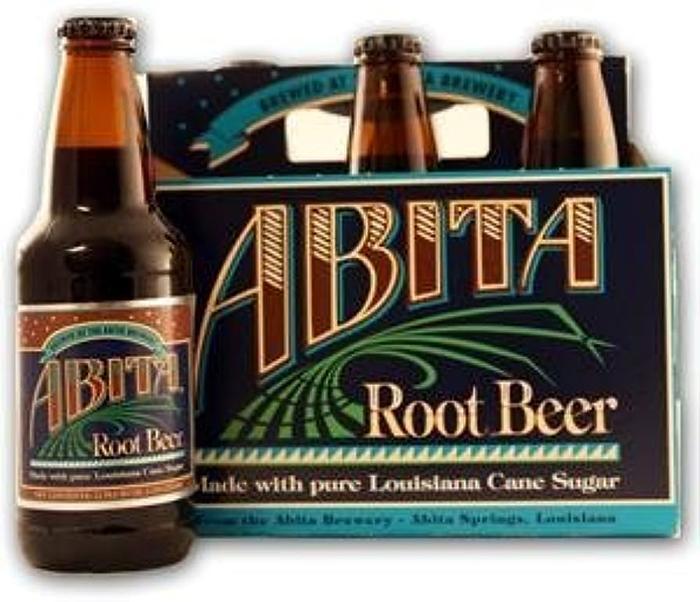
You cracked open a cold one last night, maybe a few cold ones, and now your stomach is staging a full-blown protest. Or maybe it has nothing to do with alcohol at all: motion sickness on a road trip, a bad burrito, stress knocking your gut sideways. Whatever the cause, nausea has a way of making you reach for anything within arm’s reach that might help. And if you’re American, there’s a decent chance you’ve heard the old advice: drink a root beer, it’ll settle your stomach.
But is that actually true? Or is it one of those folk remedies that sounds reasonable until you look closely and it quietly falls apart? The answer is genuinely fascinating, layered in history, herbal science, and a little bit of carbonation chemistry. If you’re someone who appreciates a cold craft beer on a Friday night, a cocktail after work, or a glass of wine with dinner, understanding what root beer does (and doesn’t do) for your gut might actually change how you stock your fridge.
You Are Watching: Is Root Beer Good For Nausea Updated 10/2026
What Nausea Actually Is (And Why It’s So Hard to Fix)
Before diving into root beer specifically, it helps to understand what you’re dealing with. Nausea isn’t a disease on its own but rather a symptom with dozens of possible root causes. It can stem from motion sickness, viral infections (the stomach flu), food poisoning, anxiety, pregnancy, medication side effects, overindulgence in alcohol, or chronic gastrointestinal conditions like irritable bowel syndrome (IBS) and acid reflux.
The reason nausea is so hard to treat with a single remedy is because it can originate from multiple points in the nervous system. Sometimes the brain triggers it, sometimes the gut does, sometimes both work together to make you miserable. That’s why a remedy that helps one type of nausea (say, ginger tea for morning sickness) might do absolutely nothing for another type (like post-surgical nausea). This context matters enormously when evaluating root beer as a remedy.
The discomfort ranges from a dull, manageable queasiness to the kind of full-throttle wretchedness that makes you want to lie on a cool bathroom tile. For most Americans dealing with mild, occasional nausea, the instinct is to avoid medication and find something drinkable that helps. That’s where root beer enters the picture.
Root Beer’s Forgotten Medical Origin
Here’s something that surprises most people: root beer was not invented as a recreational drink. It was invented as medicine.
The story starts long before Charles Elmer Hires debuted his famous commercial version at the 1876 Philadelphia Centennial Exhibition. Indigenous peoples across North America had been using sassafras root, the primary flavoring agent in early root beer, for centuries. The Choctaw of the American South dried and powdered sassafras leaves to thicken stews. They also brewed sassafras root teas believed to treat aches, fevers, skin conditions, and, critically, upset stomachs.
When European colonists arrived, they adopted these practices and began brewing “small beers,” which were low-alcohol fermented beverages made from an impressive roster of roots, barks, and herbs: sassafras, sarsaparilla, wintergreen, birch bark, ginger, licorice root, dandelion root, hops, juniper, allspice, burdock, coriander, and vanilla, among many others. The water used was boiled first, then partially sanitized by fermentation, making these drinks significantly safer to consume than untreated water in the colonial era.
By the 1840s, root beer had moved from home kitchens into pharmacies and confectionery stores, where it was bottled in stoneware and sold explicitly for medicinal use. The early varieties were purchased as syrups that customers took home and diluted with water or seltzer. Hires himself developed a recipe containing more than 25 herbs, roots, and berries, and the drink was initially marketed as a health tonic, not a soda.
The medicinal intent was real and earnest. The problem is that mass production in the 20th century stripped most of that medicinal character away. When the U.S. Food and Drug Administration banned safrole (the aromatic oil in sassafras root) in 1960 due to its carcinogenic properties in laboratory animals, manufacturers reformulated root beer using artificial sassafras flavoring. The complex herbal blend that gave traditional root beer its health reputation was largely replaced by filtered water, high-fructose corn syrup, caramel coloring, and synthetic flavoring agents.
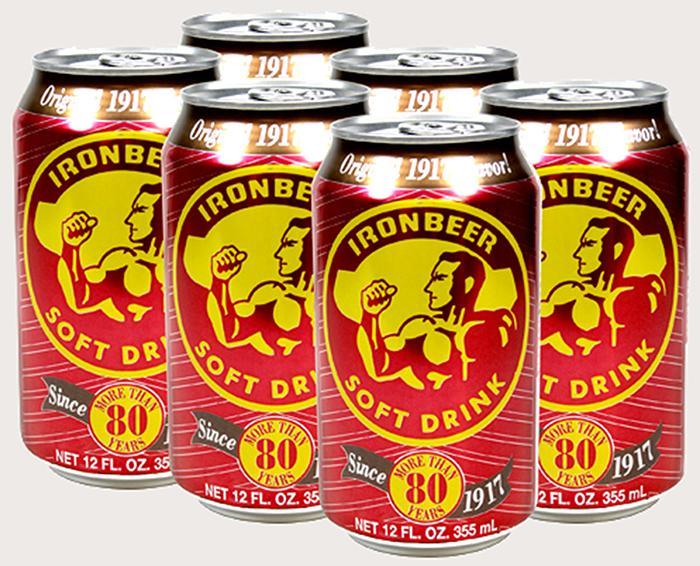
So the root beer sitting in your refrigerator right now, whether it’s a can of A&W, Barq’s, or Mug, is a fundamentally different product than what healers were brewing 200 years ago. That distinction is everything when you’re asking whether it helps with nausea.
The Ingredients That Actually Matter for Nausea
Ginger: The One With Real Evidence
When it comes to nausea, ginger is the ingredient that matters most, and it’s also the most scientifically validated natural anti-nausea remedy in existence. Several specialty and craft root beer brands include real ginger as an ingredient, and this is what makes those versions genuinely more useful for stomach distress.
Ginger’s power comes from its active compounds, particularly gingerols (abundant in fresh ginger) and shogaols (more concentrated in dried ginger). These compounds work by binding to serotonin (5-HT3) receptors in the gastrointestinal tract and central nervous system, essentially blocking some of the chemical signals that trigger nausea and vomiting. Research from Johns Hopkins Medicine confirms that gingerol, a natural component of ginger root, benefits gastrointestinal motility, meaning it speeds up how efficiently food moves through the digestive system, which directly reduces the sensation of nausea.
The American Academy of Obstetrics and Gynecology actually lists ginger as an acceptable non-pharmaceutical remedy for pregnancy-related nausea and vomiting. A systematic review published in PubMed analyzing six randomized controlled trials found that ginger was superior to placebo in studies on seasickness and morning sickness. A multicenter double-blind study published in ScienceDirect found clinically meaningful reductions in delayed nausea and vomiting among chemotherapy patients who received ginger supplementation, with incidence dropping from 75% to 53% in the ginger group by the second treatment cycle.
The catch: most commercial root beers contain little to no actual ginger. They may contain artificial flavors that suggest ginger, but the therapeutic compounds that make ginger work simply aren’t present in meaningful amounts in most canned root beers. If you want the ginger benefit, you need to either drink a root beer that explicitly lists real ginger as an ingredient, brew your own, or reach for actual ginger tea.

Licorice Root: Understated but Real
Licorice root has a long history in folk medicine as a digestive soother. The active compound, glycyrrhizin, has anti-inflammatory and demulcent (coating) properties that can help soothe irritated tissues in the gastrointestinal tract. In folkloric medicine, it was used specifically to ease digestive distress, and some clinical evidence does suggest it can be beneficial in the treatment of ulcers.
Read More : Miller Lite Carbs 12 Oz Updated 10/2026
Traditional and craft root beers often contain licorice root extract, and its gentle soothing effect on stomach lining may contribute to the sensation of relief that some people report after drinking root beer when queasy. However, like ginger, modern commercial root beers may use artificial licorice flavoring rather than actual licorice root extract, reducing or eliminating this potential benefit.
Wintergreen: Digestive Support From an Old Recipe
Wintergreen leaf was traditionally thought to prevent gas and ease digestion, and it contains methyl salicylate, a compound chemically similar to aspirin. Early root beer makers included it partly for its ability to calm digestive complaints. Modern root beers do still commonly use wintergreen oil or natural wintergreen flavoring, which gives the beverage its characteristic cooling bite.
Whether the concentration present in a commercial root beer is sufficient to produce a meaningful digestive effect is debatable, but its historical use as a digestive aid does have a rationale behind it.
Sassafras: Powerful History, Gone From Your Can
The original star ingredient, sassafras root bark, was valued for its ability to ease bloating, support digestion, and soothe stomach ailments. When combined with other herbs like birch bark and ginger in traditional brews, it created a genuinely potent blend for digestive relief. The problem, as noted, is that safrole was banned by the FDA in 1960. Modern root beers use safrole-free sassafras extract, which retains the flavor but lacks the compounds that gave traditional sassafras its medicinal reputation.

What Carbonation Actually Does to Your Stomach
This is where root beer’s reputation gets its most direct support, and also its most significant controversy.
Carbonation introduces dissolved carbon dioxide gas into your digestive system. When you drink a carbonated beverage, those bubbles can stimulate the digestive tract in a few specific ways. First, they encourage burping, which releases excess gas from the stomach and provides immediate relief from bloating and internal pressure. If your nausea has a significant gas or bloating component, this effect can feel genuinely helpful. Second, carbonation may gently stimulate gastric motility, the muscular contractions that move food and fluid through your digestive system, which may help in cases where slow gastric emptying is contributing to nausea.
A study cited in NutritionFacts.org randomized 21 people with dyspepsia (upper abdominal discomfort including bloating, nausea, and constipation) to drink either carbonated water or tap water for two weeks. The carbonated water group showed improvement in both dyspepsia and constipation compared to the tap water group.
However, carbonation is a double-edged sword. According to gastroenterologist William J. Bulsiewicz, MD, swallowing a carbonated beverage introduces air into the stomach similarly to eating too fast. For some people, this worsens nausea rather than easing it. The dissolved CO2 can also cause the lower esophageal sphincter (the muscle that keeps stomach acid from refluxing) to relax temporarily, which may worsen heartburn and acid reflux in susceptible individuals. People who suffer from GERD should approach carbonated beverages with particular caution.
The temperature matters too. Room temperature carbonated drinks are typically better tolerated than ice-cold ones, which can shock the digestive system and cause cramping. The speed at which you drink matters as well: sipping slowly allows carbonation to dissipate gradually, while gulping introduces too much gas too quickly.
One gastroenterologist from Massachusetts General Hospital put it plainly: between the carbonation, the acidity, and the cold temperature straight from the fridge, soda is “just about the worst thing you can drink” for an upset stomach. If you insist on reaching for something carbonated, his advice was to drink it warm and flat, which significantly changes the profile of what you’re consuming.
The Sugar Problem Nobody Wants to Talk About
A standard 12-ounce can of root beer contains roughly 39 grams of sugar, which is higher than the American Heart Association’s recommended daily limit of 25 grams for women and 36 grams for men. This is a significant issue when you’re using root beer as a stomach remedy.
High-fructose corn syrup, found in most commercial root beers, can slow digestion and is difficult to process when your gastrointestinal system is already compromised. The sugar load can worsen symptoms in people with fructose malabsorption, IBS, or inflammatory conditions of the gut. It also does nothing meaningful for hydration, which is often what a nauseous person actually needs most, especially after vomiting. As one study noted, cola-type sodas contain more than seven times the amount of sugar recommended by the World Health Organization for rehydrating drinks, and essentially no useful electrolytes.
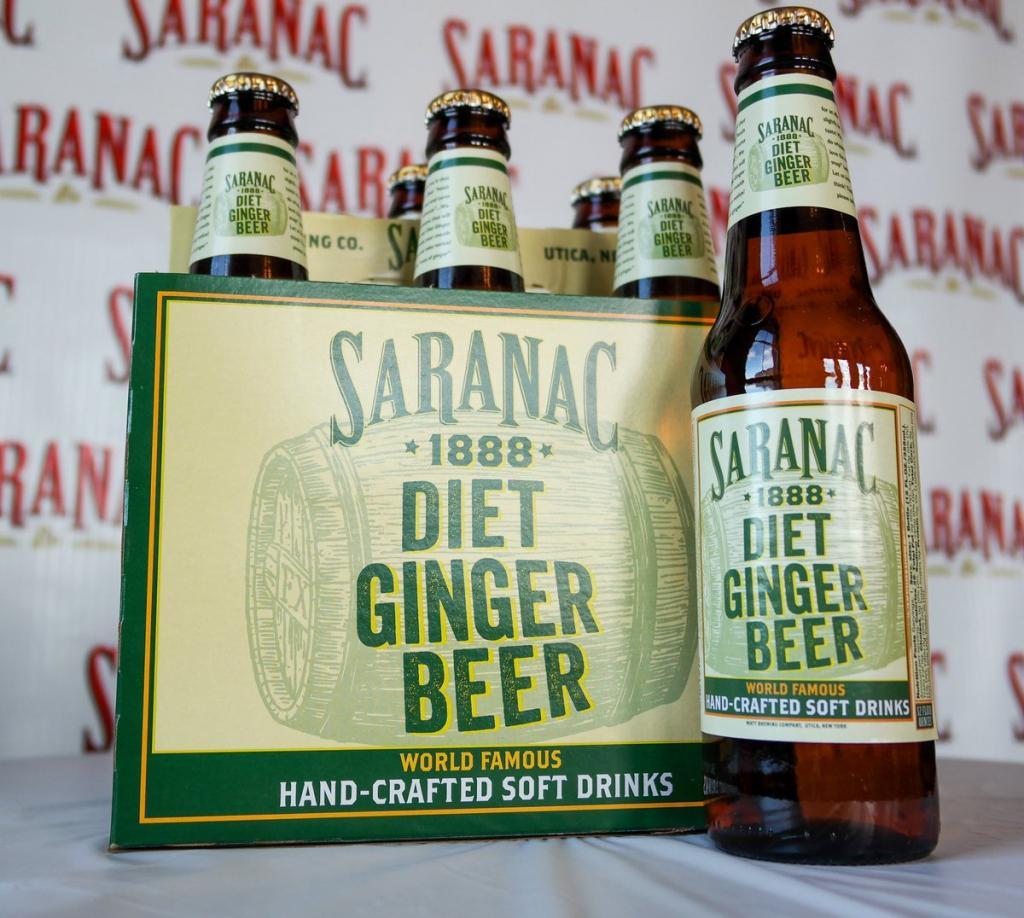
Diet root beer substitutes sugar for artificial sweeteners like aspartame or sucralose, but these alternatives come with their own problems. Artificial sweeteners can have a laxative effect in some people, pulling water into the colon and worsening digestive distress. There is also no scientific evidence that diet root beer helps with stomach aches, and its acidity alone may worsen symptoms.
Root Beer vs. Other Nausea Remedies: An Honest Comparison
| Remedy | Anti-Nausea Mechanism | Scientific Support | Drawbacks |
|---|---|---|---|
| Root beer (commercial) | Carbonation, mild herbal tradition | Mostly anecdotal | High sugar, artificial ingredients, minimal active medicinal compounds |
| Ginger tea (real ginger) | Gingerols block 5-HT3 serotonin receptors | Strong clinical evidence | Preparation time, not ready-to-drink |
| Ginger ale (with real ginger) | Same as ginger tea, plus carbonation | Moderate (if real ginger is used) | Most commercial brands have minimal real ginger |
| Peppermint tea | Menthol relaxes GI tract muscles | Good clinical support | Can worsen acid reflux in some individuals |
| Sparkling water (plain) | Carbonation promotes burping | Moderate for bloating relief | No medicinal compounds, not ideal for severe nausea |
| Chamomile tea | Anti-inflammatory, calming properties | Traditional use, limited clinical trials | Mild effect, slower acting |
| Flat ginger ale or root beer | Reduced carbonation irritation, mild hydration | Anecdotal | Sugar content still a concern |
| Oral rehydration solutions (Pedialyte) | Electrolyte replenishment | Strong evidence for hydration | Not pleasant tasting for some adults |
The takeaway from this comparison is fairly clear: if the goal is specifically anti-nausea relief, root beer ranks below ginger tea and real-ginger drinks by a significant margin. However, for mild, occasional queasiness where a comforting familiar beverage is all you need to take the edge off, a small amount of root beer (especially a craft version with real ginger) may provide some genuine comfort.
When Root Beer Is a Reasonable Choice (And When to Skip It)
It May Help If…
You’re dealing with mild gas-related nausea or bloating, and the carbonation helps you burp and release pressure. You found a craft or specialty root beer that contains real ginger as a primary ingredient, not just artificial ginger flavor. You’re drinking it slowly, at room temperature, and in a small amount (4 to 6 ounces, not a full can). You need something familiar and comforting, and the placebo effect of a trusted home remedy matters more to you than strict clinical efficacy. There’s nothing wrong with that.
Skip It If…
You suffer from acid reflux, GERD, or heartburn, as the carbonation and acidity can significantly worsen these conditions. You have IBS, because both the sugar content and carbonation may aggravate your symptoms. You’re dehydrated from vomiting or diarrhea, in which case you need electrolytes and fluids, not sugar water. You’re experiencing severe or persistent nausea, which warrants a healthcare provider’s attention rather than a home remedy. You’re dealing with post-alcohol nausea specifically: root beer adds more sugar to an already overloaded system and does nothing to address dehydration or electrolyte loss from drinking.
How to Get the Most Out of Root Beer If You Do Reach for It
If you’re committed to using root beer as part of your nausea toolkit, these guidelines make a meaningful difference:
Choose wisely. Look for craft or specialty brands that list ginger, licorice root, or other real botanical ingredients rather than relying solely on artificial flavoring. Brands like Reed’s, Virgil’s, and some regional craft producers use more traditional recipes with actual herbs.
Let it go flat first. Pour the root beer into a glass and let it sit open for several minutes before drinking. This reduces the carbonation intensity, making it less likely to cause bloating or worsen acid reflux, while still providing a slightly carbonated beverage that can soothe mild discomfort.
Read More : Was Powerade Ever Carbonated Updated 10/2026
Sip slowly. Never gulp a carbonated drink when nauseous. Small, steady sips give your stomach time to process the liquid and allow gas to escape gradually without overwhelming your digestive system.
Room temperature is better. Ice-cold root beer may feel appealing on a hot day, but cold temperatures can cause stomach cramping when your digestive system is already unhappy. Room temperature or slightly cool is gentler.
Keep the amount small. Four to six ounces is enough to see if it helps. A full 12-ounce can is too much sugar and too much carbonation for a stomach in distress.
Pair it with something bland. A few saltine crackers or a plain piece of toast alongside your root beer helps buffer the effect of the carbonation and gives your stomach something to process.
The Craft Root Beer Renaissance and What It Means for Your Gut
There’s an important distinction that’s often lost in conversations about root beer and health: not all root beers are created equal. The mass-market versions (A&W, Barq’s, Mug, Frostie) are essentially flavored sugar water with synthetic herbal notes. But the craft root beer category has exploded over the past decade, and many of these producers have returned to genuinely medicinal recipes.
Virgil’s Root Beer, for example, uses anise, licorice root, vanilla, cinnamon, clove, ginger, and wintergreen, all in a natural formulation sweetened with unbleached cane sugar rather than high-fructose corn syrup. Reed’s specializes in real-ginger beverages with measurable ginger content. OLIPOP’s Classic Root Beer uses botanicals and prebiotics with only 3 grams of sugar per can, specifically marketed to support digestive health.
If nausea relief (or gut health generally) is your goal, these craft options are categorically different from reaching for a mass-market can. They come closer to what an 18th-century American pharmacist would have recognized as a genuine medicinal tonic.
What Actually Works Better
For beer drinkers, cocktail enthusiasts, and wine lovers who periodically deal with nausea, whether from overindulgence or any other cause, here’s the honest hierarchy of what the evidence supports:
Fresh ginger tea remains the gold standard. Steep several slices of fresh ginger root in hot water for at least 10 minutes, add a little honey, sip slowly. The gingerol content is far higher than anything you’ll find in a commercial beverage, and the clinical evidence behind its anti-nausea properties is robust.
Peppermint tea works well for nausea related to gas and indigestion. The menthol in peppermint helps relax the muscles of the gastrointestinal tract, reducing bloating and cramping. It’s not ideal for acid reflux sufferers, but for most mild nausea it’s a reasonable and evidence-supported choice.
Plain sparkling water with fresh lemon offers some of the carbonation benefits of root beer (the burping, the light stomach stimulation) without the sugar, artificial flavoring, or high-calorie load.
Electrolyte drinks or oral rehydration solutions are essential if nausea has been accompanied by vomiting or diarrhea. This is where root beer most spectacularly fails: it cannot rehydrate you, and its sugar content may slow recovery.
The BRAT approach (bananas, rice, applesauce, toast) remains one of the most consistently recommended dietary strategies for stomach recovery, giving your gut easily digestible, bland foods that don’t irritate while providing some nutritional support.
A Note for Drinkers Specifically
If you’re reading this as someone who enjoys a craft beer, a well-made cocktail, or a glass of Cabernet, you may be encountering nausea in a specific context: the morning after. Alcohol-induced nausea involves a combination of dehydration, electrolyte depletion, acetaldehyde toxicity (a byproduct of alcohol metabolism), and irritation of the stomach lining.
In this specific scenario, root beer’s limitations are most apparent. The sugar adds stress to an already taxed liver. The carbonation may worsen an already irritated stomach lining. And the lack of electrolytes does nothing to address the dehydration component. If you’re dealing with a hangover specifically, water, electrolytes, a small amount of plain food, and time are genuinely more effective than root beer.
That said, ginger root beer may offer some modest comfort for the nausea component of a hangover, since ginger’s mechanism (blocking 5-HT3 serotonin receptors) works regardless of what originally caused the nausea. It won’t cure the hangover, but it might take enough edge off the queasiness to let you function.
The Verdict
Root beer is not a reliable medical treatment for nausea. Modern commercial versions lack the active medicinal compounds that gave traditional root beer its healing reputation, and the high sugar content and carbonation introduce their own set of potential problems for a distressed digestive system.
However, dismissing it entirely misses some real nuance. Craft root beers made with genuine botanical ingredients, especially those containing real ginger and licorice root, can provide mild, genuine relief for certain types of nausea, particularly those related to gas, bloating, and mild indigestion. The carbonation, sipped slowly at room temperature from a flat glass, may help release gastric pressure and provide a brief window of comfort. And there’s real value in a familiar, comforting beverage when you’re feeling awful, even if the effect is partly psychological.
Think of commercial root beer the way you’d think of a comfortable pair of old shoes: it won’t fix what ails you, but it might make the experience a little more bearable while you wait for something stronger to work.
Conclusion
The next time your stomach is giving you grief and someone hands you a root beer, don’t dismiss it outright but don’t treat it as medicine either. It’s a sweet, fizzy compromise between doing something and doing nothing, a beverage with a genuinely medicinal ancestry that most of its modern heirs have long since forgotten. The real lesson from all of this isn’t whether root beer helps or hurts: it’s that your gut is asking you to pay attention, and the ingredients in your glass matter far more than the label on the bottle. A craft brewer who sources real ginger and licorice root is handing you something meaningfully different from a mass-market can, just as a bartender who reaches for quality ingredients makes a drink that’s categorically different from the cheap well stuff. The same principle applies whether you’re building a cocktail or building a remedy. Quality of ingredients, consumed thoughtfully, in the right amount. That was the original root beer philosophy, and it remains as relevant now as it was in 1876.
Sources: https://chesbrewco.com
Category: Beer