You reach for a cold drink. Maybe it’s a whiskey and cola at a backyard cookout, a rum punch at a pool party, or just an ice-cold soda after a long shift. Chances are, the soda in your hand or glass is a Pepsi product, and you might not even realize just how far the Pepsi universe actually stretches. PepsiCo is not just the company behind that blue-labeled cola sitting next to the Coke at every gas station in America. It is a beverage empire that controls a staggering range of sodas, sparkling waters, and mixers, many of which wind up behind bar counters and in home cocktail setups across the country.
This guide digs into every major Pepsi soda brand, the flavors they come in, the stories behind them, and yes, which ones pair best with your bourbon, tequila, or rum. Whether you are a casual drinker who grabs a Pepsi at a cookout or someone who gets serious about what goes into a perfect highball, knowing the landscape of Pepsi soda brands gives you an edge at the bar cart and the grocery store alike.
You Are Watching: What Are Pepsi Soda Brands Updated 10/2026
The Company Behind the Cans: A Quick Look at PepsiCo
Before breaking down the individual brands, it helps to understand the scale of the operation. PepsiCo was formed in 1965 through the merger of Pepsi-Cola and Frito-Lay. Since then, it has grown into the largest food and beverage business in North America by net revenue, and the second-largest in the world, trailing only Nestlé.
PepsiCo generated nearly $92 billion in net revenue in 2024, and its portfolio includes iconic brands enjoyed by over one billion consumers daily across more than 200 countries and territories. The company’s beverage arm is organized under PepsiCo Beverages North America (PBNA), which handles everything from Pepsi-Cola to Aquafina water.
In 2024, Coca-Cola and Pepsi-Cola held onto their usual first and second positions among the ten leading beverage trademarks, with Mountain Dew claiming fifth place. Mountain Dew alongside Dr Pepper rounded out the top five most popular carbonated soft drink brands in the United States.
PepsiCo’s U.S. carbonated soft drink market share in 2022 was 24.3 percent, a figure that has dipped slightly from the 26 percent recorded in 2021. Regardless of the percentage points, the brands Pepsi controls reach nearly every shelf in every store in America, making them nearly inescapable, and in many cases, genuinely excellent.
The Pepsi-Cola Family: More Than Just “Pepsi”
When most people say “Pepsi,” they are thinking about the flagship cola, the one in the blue can with the globe logo. But Pepsi-Cola is actually a family of beverages with a deeper roster than most people realize.
Original Pepsi-Cola
The flagship itself traces its roots back to 1893, when pharmacist Caleb Bradham created a digestif he called “Brad’s Drink” in New Bern, North Carolina. He renamed it Pepsi-Cola in 1898, and the rest is American beverage history. The company that eventually became PepsiCo was formally organized in 1902. The original Pepsi-Cola remains the anchor of the brand to this day, a cola built on a profile of caramel sweetness, vanilla undertones, and a lighter, slightly citrusy finish compared to Coca-Cola.
That distinction matters if you’re using cola as a mixer. When pairing Pepsi with bourbon, the cola imparts several extra tasting notes, from bright, lemony tones to deep caramel aromas, while the bourbon lends structure to the sprightly, sweet Pepsi. Each ingredient showcases its own blend of caramel and vanilla, and the combination results in a lively, warm after-dinner drink with gentle acidity. Pepsi’s somewhat sweeter, lighter profile compared to Coke makes it a favorite among drinkers who want their highball a touch more delicate.
Diet Pepsi and Pepsi Zero Sugar
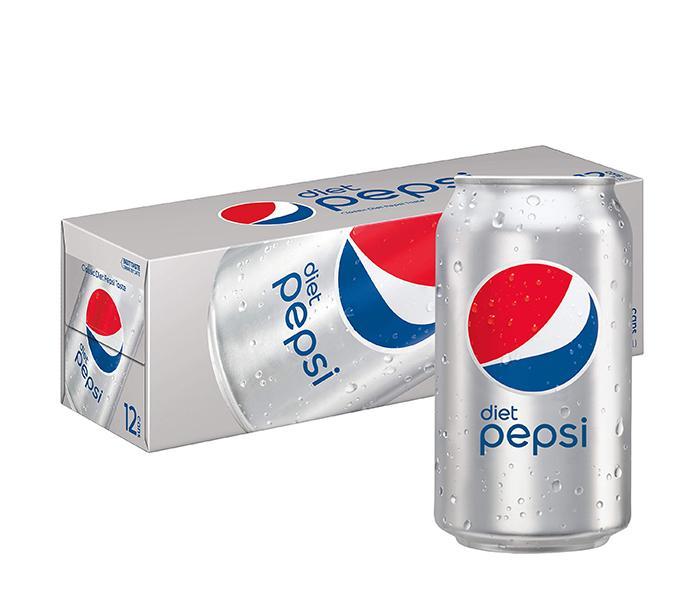
Diet Pepsi has been around since 1964, making it one of the oldest diet sodas in American history. It is sweetened with aspartame and acesulfame potassium and maintains essentially the same flavor architecture as the original, just without the sugar. Today the Pepsi portfolio consists of three main major brands: the regular Pepsi (since 1893), Diet Pepsi (since 1964), and Pepsi Max (since 1993, which intertwines with Pepsi Zero Sugar).
Pepsi Zero Sugar (formerly Pepsi Max in some markets) is the more aggressive sugar-free option, blending aspartame with acesulfame K to deliver a flavor that is noticeably bolder and closer to the original than Diet Pepsi. The strong performance of Pepsi Zero Sugar products reflects a significant shift in consumer preferences toward healthier beverage options, and zero-sugar colas have become a major category in the soft drink market. For cocktail use, Pepsi Zero Sugar holds up well as a mixer because its stronger flavor can punch through spirits without getting lost.
Pepsi Wild Cherry
Pepsi Wild Cherry is one of the most enduringly popular flavor variations in the Pepsi-Cola lineup. It layers a ripe cherry sweetness on top of the standard cola base, creating a drink that tastes like a soda-fountain classic right out of the can. The “Wild Cherry” flavor variant is highly popular, suggesting that consumers are seeking variety within the core Pepsi brand. It is one of the top-selling Pepsi formats on retail platforms, often competing directly with Wild Cherry variants from competing brands.
For drinkers, Pepsi Wild Cherry is a natural fit with dark rum or amaretto, amplifying the fruity notes of both spirits without overwhelming the palate.
Nitro Pepsi
One of the more unconventional recent releases, Nitro Pepsi uses nitrogen infusion rather than traditional carbon dioxide carbonation. The result is a cola with much smaller, finer bubbles, a creamy, frothy mouthfeel, and a significantly softer bite. It was first released in 2022 and is primarily sold in 13.65-ounce cans designed to be opened and poured into a glass, much like a Guinness. Nitro Pepsi is available in Original and Wild Cherry varieties.
For craft cocktail enthusiasts, Nitro Pepsi offers a genuinely different texture experience when used as a mixer, delivering a smoother mouthfeel in a whiskey cola or a rum highball.
Pepsi Wild Cherry and Cream
Following the rollout of Pepsi Wild Cherry and Cream in 2025, PepsiCo leaned fully into the “dirty soda” trend, adding a shelf-stable sweet cream that mixes well into many of its products, reflecting the popularity of dairy-mixed sodas that blew up on social media.
Pepsi Prebiotic Cola
This is the newest frontier in Pepsi’s lineup. PepsiCo launched Pepsi Prebiotic Cola, designed to reflect the tastes and values of today’s cola lovers. This innovation includes 5 grams of cane sugar, has 30 calories, and contains no artificial sweeteners. It joins a stacked portfolio of PepsiCo beverage offerings, including the number-one modern soda player, poppi, after its acquisition earlier in 2025. Pepsi Prebiotic Cola was first available online in fall 2025, with retail placement beginning in early 2026.
Mountain Dew: The Brand That Became a Culture
Read More : How To Get Beer Smell Out Of Carpet Updated 10/2026
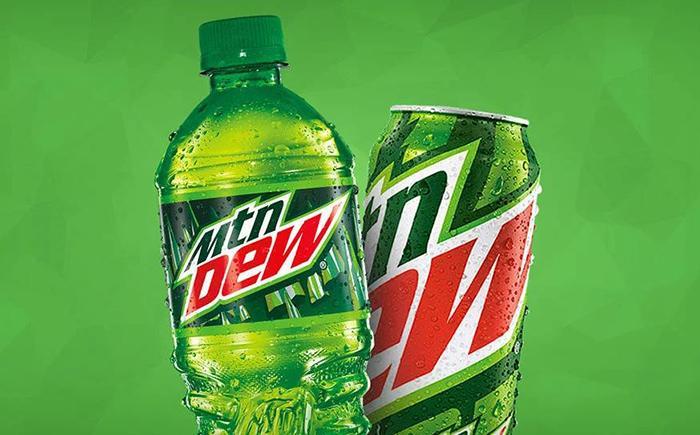
If Pepsi-Cola is the reliable backbone of the PepsiCo soda empire, Mountain Dew is the wild, charismatic personality. Originally created in the 1940s as a Tennessee whiskey mixer (yes, seriously), Mountain Dew has exploded into one of the most expansive and aggressively creative soda brands in the world.
Mountain Dew, a citrus-flavored carbonated soft drink owned by PepsiCo, has had numerous branded flavor variants since the original formula’s creation in 1940. Notable variants include Diet Mountain Dew, Baja Blast, Code Red, LiveWire, Voltage, Major Melon, and Spark.
The Core Original
The original Mountain Dew is a bold, bright citrus soda with a sharp, almost electric green-yellow profile. It is heavily caffeinated, noticeably sweet, and unmistakably unique. PepsiCo acquired Mountain Dew when it purchased the Tip Corporation in 1964, and since then the brand has gone from a regional hillbilly novelty to a global powerhouse.
Code Red: The Flavor That Changed Everything
Code Red was released in 2001, introduced cherry flavoring, and became an immediate success. Its release increased overall Mountain Dew sales by 6 percent in its first year, eventually spurring the creation of multiple other flavors. Code Red sits alongside the original as a permanent staple in the Mountain Dew lineup, and it remains one of the most recognizable soda flavors in America.
For cocktail purposes, Code Red’s cherry-citrus intensity makes it a surprisingly great mixer with tequila and orange liqueur, forming a riff on a margarita that is sweeter and more accessible than the classic. Mountain Dew Code Red brings lava red flair and a cool cherry kick to tequila, orange liqueur, simple syrup, and freshly squeezed lime.
Baja Blast: A Cult Favorite Goes Nationwide
Few sodas in American history have generated the cult following that Mountain Dew Baja Blast has. Baja Blast has been available since July 2004, originally as a Taco Bell franchise-exclusive flavor. Its tropical lime flavor and distinctive teal color made it an instant icon, and fans demanded retail availability for years.
Baja Blast, originally exclusive to Taco Bell, introduced tropical lime flavors that developed a cult following so strong that fans demanded retail versions. In January 2024, Baja Blast became a permanent retail flavor, celebrating its 20th “Bajaversary.” The Baja family has since expanded massively, adding flavors like Baja Cabo Citrus (tropical citrus punch), Baja Midnight (passionfruit, released at Taco Bell in August 2025), and limited releases like Baja Laguna Lemonade and Baja Point Break Punch.
For drinkers, Baja Blast has found a devoted following as a tequila mixer, with its tropical lime profile complementing the agave notes of a blanco tequila. Add ice, salt the rim, and squeeze a lime, and you have a Taco Bell-inspired highball that is genuinely refreshing.
Voltage, LiveWire, and Other Permanent Flavors
Mountain Dew Voltage won its place in the permanent lineup through PepsiCo’s “DEWmocracy” campaign, a crowdsourced flavor competition that ended in 2008. Voltage delivers a raspberry citrus and ginseng profile with a deep blue color and a slightly electric, energizing quality. Mountain Dew Voltage makes for a solid cocktail component, pairing with citrus vodka, blue curaçao, simple syrup, and fresh-squeezed lemon for a visually striking drink.
Mountain Dew LiveWire is an orange-flavored seasonal offering that typically hits shelves in the summer. Its bold orange citrus character makes it one of the more versatile Mountain Dew variants for mixing, pairing naturally with orange vodka, orange juice, and orange liqueur for an all-orange, maximalist cocktail that Mountain Dew’s own partners have promoted.
Hard Mountain Dew: When Dew Goes Alcoholic
It would be incomplete to discuss Mountain Dew as a soda brand without mentioning Hard Mountain Dew, the line of alcoholic beverages launched in 2022. Containing 5% alcohol by volume, Hard Mountain Dew is not a soda mixer but a standalone alcoholic beverage, available in flavors like Original, Black Cherry, Watermelon, and Hard Baja Blast. As of July 2025, Hard Mountain Dew is sold in 46 states. It is a legal adult beverage manufactured and distributed separately from the non-alcoholic Mountain Dew line.
Starry: Pepsi’s Lemon-Lime Answer to Sprite
The lemon-lime soda category has always been Pepsi’s Achilles’ heel. For decades, Sprite dominated while Pepsi cycled through failed attempts to establish a competing brand. Teem in 1960. Slice in the 1980s. Then Sierra Mist, which ran from 1999 to 2023 before being retired.
Starry is a lemon-lime soft drink created by PepsiCo. Distribution began in January 2023, with the brand aimed at competing against Sprite. Starry contains no caffeine, and as of April 2023, is available in Regular and Zero-Sugar varieties.
Starry was an entirely new soda, carrying a new formula with a more citrus-forward, sharper flavor than Sierra Mist, new branding with a vivid yellow-green label and minimalist design, a new target audience in Gen Z, and new marketing around the NBA All-Star 3-Point Contest.
Within its first year, Starry captured a 5.3% share of the lemon-lime soda market, while Sprite held the dominant 8.1% share and 7UP maintained an estimated 3%.
For drinkers who enjoy lemon-lime sodas as mixers, Starry’s crisper, more citrus-forward profile compared to Sierra Mist makes it a better base for vodka and gin cocktails, where a clean citrus note enhances rather than competes. Its sharper edge also holds up better in a tall glass with ice and a generous pour of spirit.
| Brand | Sweetener | Caffeine | Key Profile | Best Cocktail Use |
|---|---|---|---|---|
| Starry (Regular) | High-fructose corn syrup | No | Sharp citrus, lemon-lime | Vodka highball, gin and tonic riff |
| Starry Zero Sugar | Sucralose, Ace-K | No | Cleaner citrus, lighter body | Low-cal spirit mixer |
| Sierra Mist (discontinued) | Cane sugar | No | Rounder, sweeter citrus | No longer available |
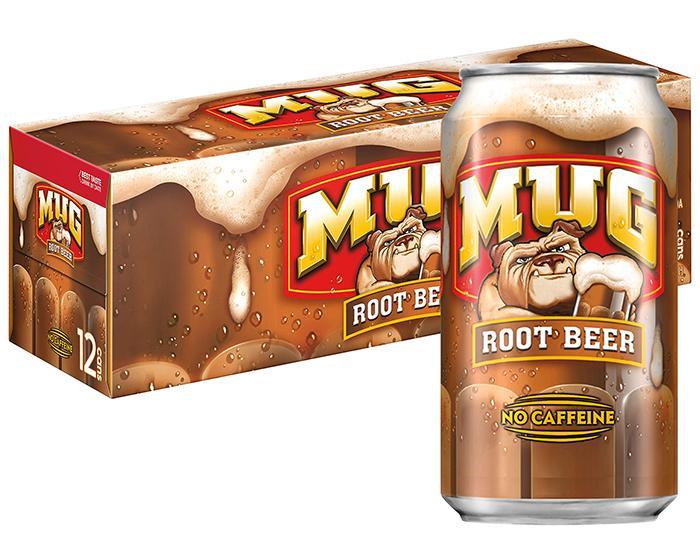
Mug Root Beer: The Classic American Soda
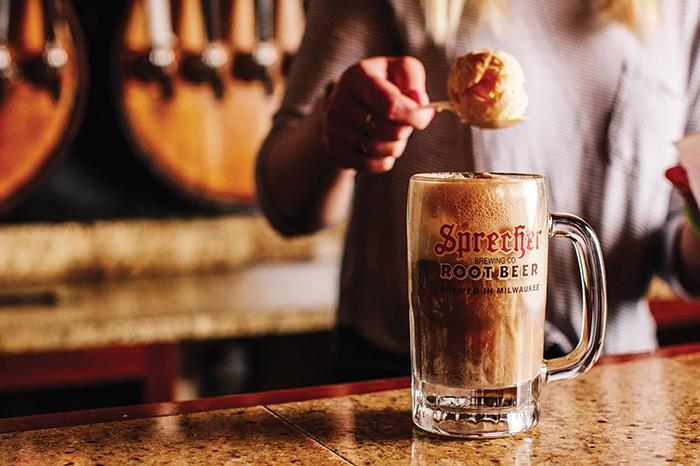
Mug Root Beer is PepsiCo’s entry in the root beer category, and it is one of the more underrated sodas in the brand’s portfolio. Mug is characterized by a pronounced vanilla note, mild spice, and a creamy carbonation that gives it an almost float-like quality even before you add ice cream.
For drinkers, Mug Root Beer is most classically paired with bourbon and bitters, a combination that leans into the vanilla and caramel notes of both the whiskey and the soda. A straightforward pairing of Mug Root Beer, bourbon, and chocolate bitters over ice creates a rich, easy-drinking cocktail.
In summer 2026, Pepsi plans to spin off its main root beer brand with Mug Floats Vanilla Howler, a new variant imitating a dirty soda, more akin to a root beer float made with melted vanilla ice cream. It will hit stores in both regular and zero-sugar options.
Bubly Sparkling Water: The Modern Mixer
bubly is PepsiCo’s answer to the sparkling water revolution, launched in 2018 and now one of the best-selling flavored sparkling water brands in the United States. Bubly comes in a wide range of flavors, including cherry, mango, lime, strawberry, blackberry, and grapefruit, all without added sugar, sweeteners, or calories.
For cocktail and wine drinkers, bubly occupies a different lane than sodas like Pepsi or Mountain Dew. It serves as a light, clean mixer for spirits that need carbonation without added sweetness, making it ideal for:
- A simple vodka soda with a squeeze of lemon
- A gin and sparkling water with muddled cucumber
- A low-ABV sparkling wine spritz when mixed with a crisp rosé
Read More : How To Open Beer Bottle Without Opener Updated 10/2026
The flavored bubly varieties let you add a layer of fruit character to a cocktail without reaching for fruit juice or simple syrup, keeping the drink lighter and more refreshing.
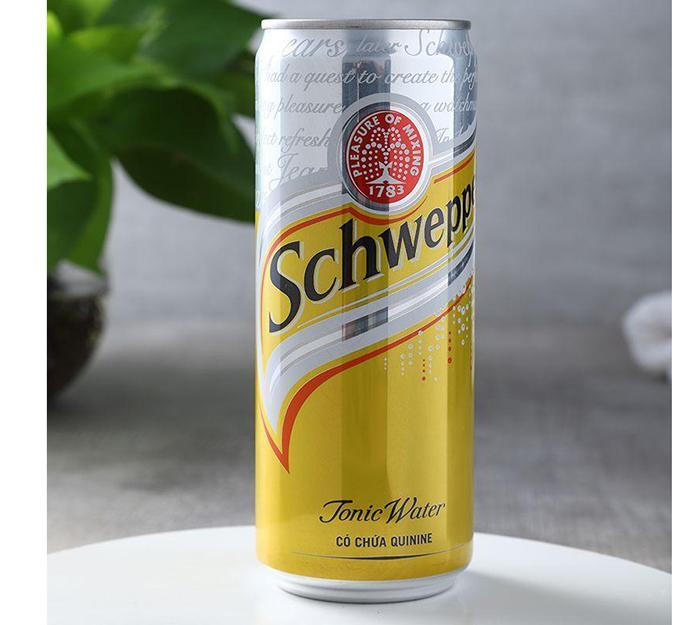
Schweppes: The Mixer Brand in Pepsi’s Corner
This one surprises a lot of people. Schweppes, the iconic ginger ale and tonic water brand that dates back to 1783 in Geneva, Switzerland, is distributed in the United States under a partnership with PepsiCo. While the brand is technically owned by Keurig Dr Pepper in the U.S. (it is complex), PepsiCo holds distribution rights for Schweppes Ginger Ale and other mixers in many regions, including North America.
Schweppes Ginger Ale is a staple bar mixer, going into everything from a Dark and Stormy to a simple bourbon ginger. Schweppes Tonic Water is the backbone of a proper gin and tonic. The fact that these products move through PepsiCo’s distribution network means that in much of the country, when you order a gin and tonic or a Moscow Mule at a bar, the mixer in your glass may have arrived via a Pepsi truck.
A Brand-by-Brand Comparison: The Full Pepsi Soda Lineup
| Brand | Type | Caffeine | Signature Profile | Notes |
|---|---|---|---|---|
| Pepsi-Cola | Cola | Yes | Caramel, vanilla, light citrus | The flagship |
| Diet Pepsi | Diet Cola | Yes | Lighter body, same cola notes | Aspartame-sweetened |
| Pepsi Zero Sugar | Zero-Cal Cola | Yes | Bolder, closer to original | Great for mixing |
| Pepsi Wild Cherry | Flavored Cola | Yes | Cherry-forward cola | Fan favorite |
| Nitro Pepsi | Nitrogen Cola | Yes | Creamy, smooth, low carbonation | Unique texture |
| Pepsi Prebiotic Cola | Functional Cola | No | 30 cal, cane sugar, prebiotic fiber | Available 2026 retail |
| Mountain Dew | Citrus | Yes (heavy) | Electric citrus, sharp | Classic Dew |
| Mountain Dew Code Red | Cherry Citrus | Yes | Bold cherry cola hybrid | Cocktail-versatile |
| Mountain Dew Baja Blast | Tropical Lime | Yes | Tropical, teal, creamy lime | Tequila mixer |
| Mountain Dew Voltage | Raspberry Citrus | Yes | Bold raspberry, ginseng | Visual cocktail use |
| Mountain Dew LiveWire | Orange Citrus | Yes | Bright orange | Summer seasonal |
| Starry | Lemon-Lime | No | Sharp, crisp citrus | Vodka/gin mixer |
| Starry Zero Sugar | Lemon-Lime | No | Clean citrus | Low-cal mixer |
| Mug Root Beer | Root Beer | No | Vanilla, spice, creamy | Bourbon pairing |
| bubly | Sparkling Water | No | Fruit-forward, no sweetener | Spirit/wine mixer |
How Pepsi’s Soda Brands Show Up in Cocktail Culture
The overlap between Pepsi soda brands and cocktail culture is bigger than most people think. The Cuba Libre, one of the most recognizable cocktails in the world, is essentially rum and cola with a squeeze of lime. It was established around 1900, and its enormous popularity dates back to the 1940s. For decades, bars have served this with whichever cola is on tap, and in many cases, that means Pepsi.
Pairing Pepsi with tequila works beautifully: tequila brings vibrant peppery notes, while Pepsi offers caramel and citrus-tinged sweetness, gentle acidity, and subtle spice. The cola tames the tequila’s alcohol heat, while the tequila cuts through Pepsi’s sugariness. With ice and a squeeze of lime, maybe even a salted rim, the Pepsi and tequila combination is a simple crowd-pleaser that utilizes the same flavor logic behind rum and colas and whiskey and cola.
Beyond the classic pairings, PepsiCo’s portfolio includes specialty mixers designed specifically for cocktail use. Schweppes mixers, distributed through the Pepsi network, stock the back bars of countless American restaurants and cocktail bars. Mountain Dew’s flavored lineup has even made its way into craft cocktail menus, with Mountain Dew Voltage and Code Red appearing in tequila and vodka drinks at chain restaurants across the country.
For home bartenders, the Pepsi brand portfolio is genuinely useful. The range of flavor profiles, from the bold citrus of Baja Blast to the clean effervescence of bubly to the creamy vanilla of Mug Root Beer, means that Pepsi products can cover nearly any mixing need:
- Pepsi-Cola: Whiskey cola, rum and cola, bourbon highball
- Mountain Dew Code Red: Tequila cherry punch, vodka cherry citrus
- Mountain Dew Baja Blast: Tequila lime cocktail, tropical rum punch
- Starry: Gin and lemon-lime, vodka citrus highball
- Mug Root Beer: Bourbon root beer float, spiked root beer
- bubly: Vodka soda, wine spritz, low-cal spirit mixer
What’s New and What’s Coming: The Pepsi Soda Brand Pipeline
PepsiCo is not standing still. The brand has been aggressively innovating across its soda portfolio in 2025 and into 2026, responding to shifting consumer preferences for functional ingredients, lower sugar, and new flavor experiences.
Pepsi Prebiotic Cola is the most significant new entry, incorporating prebiotic fiber and real cane sugar in a 30-calorie format, designed for health-conscious soda drinkers who want something between a regular cola and a zero-sugar option. Pepsi Prebiotic Cola joins a stacked portfolio of PepsiCo beverage offerings, including the number-one modern soda player, poppi, after PepsiCo’s acquisition in 2025.
On the Mountain Dew side, Baja Midnight, a passionfruit flavor with a dark purple appearance, was released at Taco Bell in August 2025 as a permanent fountain flavor. Baja Cabo Citrus is set to return as a year-long offering in 2026 after its successful seasonal debut.
Pepsi is also fully embracing the “dirty soda” trend in 2026, adding a shelf-stable sweet cream that mixes well into many of its products, with Dirty Dew joining Pepsi Wild Cherry and Cream as new dirty-style innovations.
The poppi acquisition deserves special mention. By purchasing the leading prebiotic soda brand, PepsiCo added a health-forward, Gen-Z-dominant product to its portfolio that competes in the “better-for-you soda” space. Poppi’s flavors include grape, strawberry lemon, orange, and doc pop, all containing apple cider vinegar and prebiotic fiber, marketing themselves directly at younger consumers moving away from traditional colas.
Pepsi vs. Coke: The Soda Brands Behind the Cola Wars
No conversation about Pepsi soda brands is complete without acknowledging the rivalry that defined American beverage culture for over a century. The Cola Wars between PepsiCo and The Coca-Cola Company shaped advertising, marketing, and consumer taste preferences from the 1970s through today.
Despite its massive global presence, PepsiCo has faced challenges in the U.S. market, where Coca-Cola has maintained its position as the top-selling carbonated soft drink. In 2024, Pepsi was edged out of third place by Sprite, marking a significant shift in consumer preferences.
That shift is worth noting. Sprite, which is a Coca-Cola brand, surpassing Pepsi-Cola in total volume is a meaningful data point in the ongoing competitive landscape. It reflects broader trends: lemon-lime drinks and sparkling waters gaining at the expense of traditional colas, younger drinkers reaching for more varied options, and the cola category facing pressure from energy drinks and functional beverages alike.
For American adults who drink beer, wine, or cocktails, the practical implication is straightforward: the cola you grew up drinking is one of many choices now, and the Pepsi portfolio offers real variety beyond the flagship. Mountain Dew Baja Blast, Starry, and bubly each occupy distinct positions that classic Pepsi-Cola does not, giving drinkers a range of tools for their home bar or party cooler.
The Pepsi Soda Brand in American Drinking Culture
There is something deeply American about cracking open a Pepsi at a barbecue, pouring a rum and cola at a tailgate, or ordering a Mountain Dew at a diner at 11pm. These sodas are embedded in the rhythms of American social life in a way that goes beyond marketing. They are the default fizzy drink at weddings and stadiums, at highway rest stops and neighborhood block parties.
For adults who drink beer, wine, or spirits, Pepsi soda brands occupy a different but complementary role. They are the mixers that turn a glass of whiskey into a cocktail, the chasers that cool the palate between sips of something stronger, the zero-sugar options that give you the satisfaction of a cola without the calories when you are already drinking. Knowing the full map of Pepsi soda brands means knowing your options at every point in the evening, from the first cold drink of the day to the last easy nightcap.
The next time you reach for a Pepsi at the corner store or order a whiskey cola at a bar, you are participating in a 130-year-old American tradition. And with Pepsi Prebiotic Cola, Baja Midnight, and a wave of new innovations rolling out into 2026, that tradition is very much still evolving.
Conclusion
The real story of Pepsi soda brands is not about market share statistics or corporate acquisitions, though those matter. It is about the fact that somewhere in the Pepsi portfolio, there is almost certainly a soda that belongs in your glass, your cooler, or behind your bar. Whether you are mixing cocktails, chasing a shot, or just want something cold and fizzy that is not another IPA or glass of wine, the Pepsi family, from the original cola to the Baja galaxy of Mountain Dew to the clean fizz of bubly, has more range than almost any other soda company on the planet. Explore it the same way you would explore a good whiskey shelf: with curiosity, a willingness to try the unexpected, and ideally, some ice.
Sources: https://chesbrewco.com
Category: Beer