There is a line so deeply embedded in American pop culture that millions of people can recite it on demand, decades after first hearing it. Someplace warm. A place where the beer flows like wine. Where beautiful women instinctively flock like the salmon of Capistrano. Jim Carrey’s Lloyd Christmas delivered those words in the 1994 comedy classic Dumb and Dumber, and with that single monologue, he captured something profound about the American relationship with beer: not just the drink itself, but what it represents. Freedom. Abundance. The promise of a perfect place where everything is easy, cold, and fizzing with possibility.
That phrase has since become a kind of shorthand for the ideal drinking destination, and it turns out that Lloyd Christmas was onto something. The United States has quietly built the most diverse, ambitious, and creative beer culture on the planet. From the snowcapped mountains of Colorado to the fog-kissed shores of the Pacific Northwest, there are real places in this country where the beer genuinely does flow like wine — with the depth, complexity, and reverence that phrase implies. This guide is for anyone who takes their pint seriously, loves a great cocktail, or simply wants to understand why Americans drink what they drink, where they drink it, and what makes it worth seeking out.
You Are Watching: Where The Beer Flows Like Wine Updated 10/2026
The Line That Started It All: Lloyd Christmas, Aspen, and the Mythology of the Perfect Beer Destination
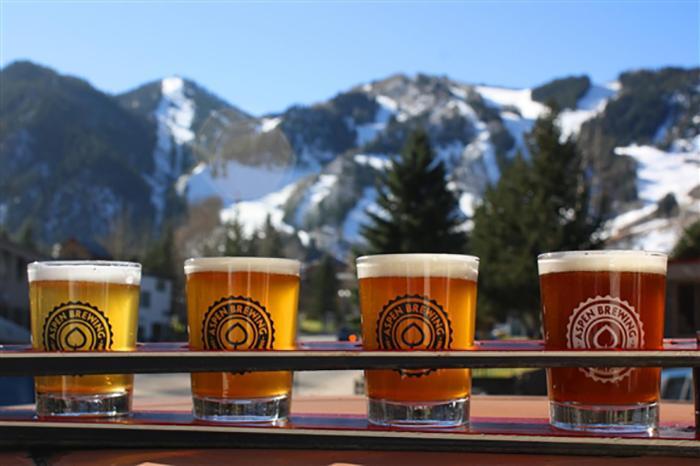
The full quote from Lloyd Christmas reads: “Someplace warm, a place where the beer flows like wine, where beautiful women instinctively flock like the salmon of Capistrano. I’m talking about Aspen.” His traveling companion Harry replies with characteristic logic: “I don’t know, Lloyd. The French are assholes.” The exchange is absurd, which is exactly why it works. Lloyd is selling a dream, and the dream is Aspen: glamorous, glittering, a resort town where everything seems effortless and the drinks never stop.
The monologue has become Aspen’s pop culture calling card. Any local who’s had a visitor under the age of 50 has heard them attempt to recite it. Every Halloween and Highlands closing day, you can count on spotting at least one Lloyd and Harry duo in their perrywinkle and creamsicle tuxedoes. What makes this even better is a lesser-known fact: Dumb and Dumber wasn’t actually filmed in Aspen at all, but in Breckenridge, due to Pitkin County’s onerous film permitting process. The dream of Aspen, in other words, was always a little fictional — which makes it more American, not less.
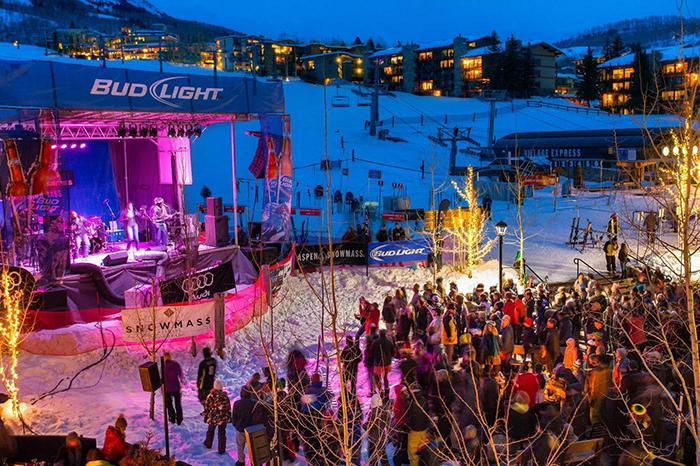
But here is where things get interesting. Aspen today has a real, thriving craft beer culture. Westy’s Tap & Tavern stands out as a notable destination for beer enthusiasts in Aspen, offering a wide selection of locally crafted beers in an inviting atmosphere. The Aspen Tap House is known for craft beers and inventive pizzas, with a 30-line draft system and over 200 bottles and cans. Casey Brewing & Blending, located a short drive from Aspen in Glenwood Springs, focuses on barrel-aged sour ales made with local Colorado ingredients and was named the best new brewery in the world in 2015 by Rate Beer. The fantasy of Lloyd Christmas has aged surprisingly well.
A Brief and Boozy History of Beer in America
Before diving into where to find the best brews today, it helps to understand how Americans became such passionate beer drinkers in the first place. The story is long, complicated, and at times genuinely dramatic.
In colonial America and until the mid-19th century, Americans drank prolifically. Most popular was hard cider — typically around 10 percent alcohol — as well as imported wine and rum. They brewed what was called “small beer” in the home, which had a very low alcohol content — about 1 percent. Beer wasn’t considered a special product; it was something drunk by everyone all the time.
The Founding Fathers were enthusiastic participants. George Washington was a learned brewer, said by a friend to typically sport “a silver pint cup or mug of beer, placed by his plate, which he drank while dining.” Those who tried his homebrewed beer said it was “superb.” Most Founding Fathers, including Patrick Henry, James Madison, Samuel Adams and Ben Franklin, partook and promoted America’s fledgling brewing industry.
The watershed moment for American beer came from an unlikely source: German immigration. Until the middle of the 19th century, British-style ales dominated American brewing. This changed when the longer shelf-life lager styles brought by German immigrants turned out to be more profitable for large-scale manufacturing and shipping. The Pilsener style, using mild Czech hops, pale, lightly roasted six-row barley and often adjuncts such as rice and corn, gradually won out. In St. Louis, Eberhard Anheuser purchased a struggling brewery in 1860, and his son-in-law Adolphus Busch introduced Budweiser in 1876, naming it after a beer brewed in the Bohemian city of České Budějovice.
Then came Prohibition, the great catastrophe for American beer. Since the Civil War, the consumption of spirits had declined as beer became more popular. Prohibition changed that, driving people away from beer and toward spirits, which carried a higher profit margin for bootleggers. The beer industry was gutted. Recipes were lost. Breweries shuttered. When Prohibition ended, American beer had been so thoroughly homogenized and cheapened that for decades, “American beer” became a global punchline.
The reversal began with a single purchase. Fritz Maytag purchased the failing Anchor Brewing Co. in 1965, investing in production and cleanliness. Great beers, including the legendary Anchor Steam, began paving the way for modern craft brewers. Then in 1978, President Jimmy Carter signed legislation making homebrewing legal for all adults, and a revolution began brewing — quite literally — in garages and basements across the country.
The Craft Beer Revolution: By the Numbers
The numbers behind the modern American craft beer industry are staggering, even as the sector navigates a period of maturation and consolidation.
In 2024, craft brewers produced 23.1 million barrels of beer. Craft’s market share by volume stood at 13.3% of the overall U.S. beer market. Employment in the craft brewing sector increased to 197,112 workers, a 3.0% rise from the previous year. Craft beer’s retail dollar value rose to an estimated $28.8 billion, a 3% increase, and accounted for 24.7% of the total $117 billion U.S. beer market in retail dollar sales.
Think about that last figure for a moment. Craft beer commands nearly a quarter of all beer dollar sales while representing only 13% of volume. That is what premiumization looks like in practice — people are drinking less but spending more, choosing quality over quantity with the same enthusiasm they might bring to selecting a bottle of wine.
Read More : Will Heineken 0.0 Show Up On A Drug Test Updated 10/2026
In 2024, there were 9,796 operating U.S. craft breweries, including 2,029 microbreweries, 3,552 brewpubs, 3,936 taproom breweries, and 279 regional craft breweries. For context, at the end of Prohibition there were fewer than 100 breweries in the entire country.
| Metric | 2024 Figure |
|---|---|
| Total craft beer production | 23.1 million barrels |
| Craft market share (volume) | 13.3% |
| Craft market share (dollar sales) | 24.7% |
| Retail dollar value | $28.8 billion |
| Total U.S. beer market value | $117 billion |
| Operating craft breweries | 9,796 |
| Industry employment | 197,112 workers |
| Economic contribution | $77.1 billion |
By product type, ale held 38.44% of the North American craft beer market share in 2024, while lager types are projected to post the fastest growth through 2030. Men dominated consumption with 69.44% of the market share, while the women’s segment is growing at a faster rate year over year.
The market is not without its challenges. 2024 was the first year since 2005 that the number of breweries that closed outpaced brewery openings nationwide. The decline was driven by market saturation and shifts in alcohol consumption, particularly among younger drinkers. Yet this consolidation mirrors the natural maturation of any industry: the weak fade, the great survive, and the overall quality of what’s left tends to improve.
Beer vs. Wine vs. Cocktails: Where Does America Stand?
Lloyd Christmas famously compared beer to wine, using wine as the gold standard of abundance and prestige. In 2025, that comparison has never been more relevant, because the three categories are genuinely competing for the American palate.
Overall, 62% of U.S. adults say they drink alcohol. Since 1970, the peak year for beer consumption was 1981, when the typical American age 21 or older drank 36.7 gallons per year. By 2021, beer consumption had fallen to 26.5 gallons per person, while the amount of wine the average American drank annually rose from 3.2 gallons to 3.8 gallons.
For most years since 1992, beer was the most popular alcoholic beverage in America. At times, it was essentially tied with wine, but over time its overall popularity has declined, and as of 2022 spirits surpassed beer in popularity.
Cocktails, meanwhile, have become a serious cultural force. A 2024 nationwide survey of 5,000 bar-goers across Nashville, Chicago, Denver, Austin, and Portland found that 64% of respondents order craft cocktails at least once a month. The cocktail is no longer just a pre-dinner drink; it has become a full artistic medium, with bartenders treated as chefs and cocktail menus designed with the seriousness of wine lists.
| Category | Appeal | Trend Direction | Best For |
|---|---|---|---|
| Craft Beer | Local character, food pairing, brewery experience | Maturing, value-driven | Taproom visits, exploration |
| Wine | Prestige, terroir, dinner companion | Steady growth | Fine dining, home drinking |
| Craft Cocktails | Creativity, occasion-specific, bartender artistry | Strong upward trend | Bars, special occasions |
| Non-alcoholic | Health-conscious, inclusive | Explosive growth | Sober-curious crowd |
Health considerations are reshaping drinking habits broadly. Gallup data shows that 45% of adults view moderate drinking as bad for health, a record high. In the 2024 survey, 38% of consumers actively seek low-calorie or low-sugar cocktails, and 29% order mocktails or non-alcoholic spirits-based alternatives.
Yet beer and wine are not retreating so much as evolving. The places where beer genuinely flows like wine are those that understand this: that a great beer deserves the same reverence, conversation, and curiosity that a great Burgundy or a well-mixed Negroni commands.
Where the Beer Actually Flows Like Wine: The Best Beer Cities in America
Lloyd’s dream was Aspen, but in reality, the United States has dozens of cities where a beer lover can walk into a taproom and feel like they’ve arrived somewhere truly special. These are the destinations that live up to the dream.
Chicago, Illinois: The Undisputed King
Chicago ranked as the number one beer city in America according to readers of Craft Beer & Brewing magazine in 2025, leaping up from fifth place the prior year. The Windy City doesn’t just blow hot air: with over 100 breweries, Chicago stands as the heavyweight champion of beer destinations. Goose Island, which brought barrel-aged beer to the mainstream American consciousness, is here. Revolution Brewing serves stouts of extraordinary depth. The Siebel Institute, one of the oldest brewing schools in the world, means Chicago is always generating the next generation of American brewers.
Denver, Colorado: The Mountain High Standard
There is something in the mile-high air in Denver that makes beer taste different, and brewers here will tell you that the altitude genuinely affects the brewing process. Colorado has established itself as a premier American beer destination with over 425 breweries statewide as of 2024. Denver leads the charge with its vibrant RiNo brewery district and historic beer halls. The state’s high altitude and pristine mountain water create ideal brewing conditions for both traditional and experimental styles. If Lloyd Christmas had better taste in beer, he would have aimed for Denver rather than Aspen.
Portland, Oregon: The Brewery Capital
Portland, Oregon boasts the highest number of beer stops among major American vacation destinations, with 172 total bars, breweries, craft breweries and beer pubs, making it a paradise for craft beer enthusiasts. Portland alone houses over 75 breweries within city limits, earning its reputation as one of the top beer destinations in the U.S. The Pacific Northwest remains the undisputed leader among America’s beer cities, with Portland and Seattle leading the charge. The region’s cool climate and abundant hop farms create ideal conditions for craft brewing innovation.
Asheville, North Carolina: The Mountain Gem
With about 28 breweries in the area — roughly 17 breweries per 50,000 residents — Asheville has been a well-known beer destination for years. Legendary breweries Sierra Nevada and New Belgium have set up second locations here, Wicked Weed attracts barrel-aged sour fans from far and wide. The city was devastated by Hurricane Helene in September 2024, but its beer community demonstrated remarkable resilience: breweries came together to help each other and their community, and today the scene not only survives but thrives.
Portland, Maine: The Density Champion
Portland, Maine tops the list as America’s most brewery-dense city, packing 31 breweries into a population of just under 58,000 drinking-age residents. That shakes out to nearly 54 breweries per 100,000 people, thanks to hometown heroes like Foundation Brewing Company and Allagash Brewing Company. In a city that small, the beer scene is inescapable — in the best possible way.
San Diego, California: The IPA Capital of the World
San Diego is widely regarded as the craft beer capital of California, if not the entire West Coast. With more than 150 breweries in the county, the city has set global benchmarks for hop-forward beers, particularly IPAs. The sunshine, surf, and beer culture blend seamlessly here, making San Diego an essential destination for craft beer lovers.
Seattle, Washington: The Innovator
Seattle has carved out a reputation as one of America’s premier beer hubs. Known for hop-forward styles, experimental sours, and strong community taprooms, Seattle is a dream for craft beer lovers. Fremont Brewing is beloved for its IPAs and barrel-aged releases, while Holy Mountain Brewing is one of the most acclaimed breweries in the U.S., specializing in saisons and innovative wild ales.
The Philosophy of Beer Like Wine: What Mad Fritz Taught Us
Read More : Is Beer Better Than Liquor Updated 10/2026
While Lloyd Christmas was chasing a fantasy, a small nanobrewery in St. Helena, California was doing something genuinely extraordinary: treating beer with the same intellectual and geographic seriousness that wine demands.
Mad Fritz Brewing founder Nat Zacherle approaches his craft with a philosophy he calls “origin beer.” “We are brewing beers with a sense of origin and authenticity that is not as reflected in beer as it is in wine,” says Zacherle. “At the core of what we do, that’s the essence of it.” The brewery uses water sourced from nearby Calistoga, Hallertau hops from Yakima, Washington, and a range of locally-sourced spices and adjuncts, all aged in French oak barrels.
Mad Fritz is intentionally difficult to obtain. To get your hands on a bottle, you either have to visit the brewery (perhaps on a guided tour), join a membership waiting list that can take three to seven months, or visit a top-tier Northern California restaurant like The French Laundry, Auberge du Soleil, or the restaurant at Meadowood. This is beer treated with the reverence of a first-growth Bordeaux, and it represents the logical extreme of what “beer like wine” can actually mean when taken seriously.
This approach is influencing a broader shift in how beer is discussed, served, and consumed across the country. Today, anyone who drinks beer knows at least what an IPA is, and generally has a sense that beer comes in a lot of flavors and colors. An analogue would be wine, where American drinkers once knew only “white” and “red,” but can now identify Cabernet, Pinot, and Chardonnays. In the last 25 years, the U.S. developed its own tradition of brewing, and now you can find IPAs and American-style craft breweries around the world. Craft beer did not win the volume race, but it did transform culture.
How to Drink Like You’re in the Place Where the Beer Flows Like Wine
Whether you’re visiting one of the great beer cities above or simply trying to elevate your experience at the local taproom, there are a few principles that separate the passionate drinker from the casual one.
Know your styles. The American craft beer landscape covers an extraordinary range. A West Coast IPA from San Diego will be piney, resinous, and bone-dry. A New England IPA from Vermont or Maine will be hazy, tropical, and soft. A Barrel-Aged Stout from Chicago’s Goose Island Bourbon County series will be thick, boozy, and complexly layered with vanilla, oak, and dark fruit. Each style rewards a different setting and a different mood.
Pair it with food. Beer and food pairing is as legitimate and as rewarding as wine and food pairing, and often more forgiving. A hoppy IPA cuts through the fat of rich barbecue or fried chicken. A Hefeweizen complements soft cheeses and light seafood. A porter or stout deepens the experience of chocolate desserts or braised meats. An acidic sour brightens raw oysters or ceviche in a way that wine rarely can.
Visit the taproom. There is a reason that the rise in craft beer employment was driven by the shift toward hospitality-focused models such as taprooms and brewpubs. The taproom experience, drinking beer where it was made, is categorically different from cracking open a can at home. Brewers talk to customers. Limited releases are available only on-site. The freshness is unmatched. It is, in its own way, a sacred thing.
Embrace regional identity. Europeans are looking at what American brewers are doing and taking inspiration. American craft brewing has developed terroir in the truest sense: Colorado mountain water produces different results than Maine coastal water. Pacific Northwest hops create flavors that Southern hops cannot replicate. The best way to honor this is to drink locally, wherever you are.
The Rise of the “Sober-Curious” Drinker and What It Means for Beer
Even as beer culture has never been richer, a significant cultural shift is underway. Non-alcohol beer sales soared in 2024, with scan dollars up more than 30% year-over-year from January through October, as brewers refined their techniques to deliver flavor-packed options.
This is not a threat to beer culture; it is an expansion of it. The best non-alcoholic craft beers now use the same hops, malts, and processes as their full-strength counterparts, simply with the alcohol removed after fermentation. Brands like Athletic Brewing Company have brought genuine craft quality to the non-alcoholic space, making it possible for anyone — the designated driver, the pregnant friend, the person doing Dry January — to participate fully in the taproom experience without compromising on flavor.
The dream that Lloyd Christmas articulated — a place where abundance is effortless and everyone is welcome — is arguably being expanded by this trend, not diminished by it.
The Beer That Flows Like Wine: What the Phrase Really Means
There is something deeper in Lloyd’s monologue than slapstick comedy, if you’re willing to squint at it. The comparison to wine is not accidental. If wine was about class aspiration, and cocktails were connected with the compulsive striving for success, beer, in its deepest sense, was about accepting who you are and trying to get by. It was about effacing, for a time, the bruising society outside the bar with the joy and dignity, the original democracy, of the community inside.
Beer like wine means beer that is taken seriously, celebrated with care, and shared generously. It means choosing a brewery not because it’s cheap and close but because the brewer cares deeply about what they’re making. It means understanding that a great imperial stout aged in a bourbon barrel for two years deserves the same conversation as a grand cru Burgundy. It means recognizing that the hops growing in the Yakima Valley or the Willamette Valley are as worthy of geographical reverence as the grape varietals of Napa or Sonoma.
And sometimes, it just means sitting at the bar with a friend, ordering two pints of something cold and well-made, and letting the world slow down for a moment. That’s a place worth traveling to find.
Conclusion
Lloyd Christmas never made it to his perfect Aspen. He made it to the real Aspen — chaotic, cold, full of complications — and it was better for being imperfect. The same is true of the American beer dream. The places where beer flows like wine are not mythical: they’re in Chicago taprooms humming with conversation, on Portland brewery trails where you can walk from pint to pint, in Asheville’s rebuilt bars where the community poured itself back together after a hurricane, and in a tiny nanobrewery in California’s wine country where a brewer named Nat quietly proves that beer can be the most serious drink in the world.
You don’t need Jim Carrey to tell you where to go. Pour something great, figure out what’s in it and where it came from, then go find the people who made it. That’s the whole trip right there.
Sources: https://chesbrewco.com
Category: Beer