You just cracked open a cold A&W at a backyard cookout, your golden retriever is staring at you with those big, irresistible eyes, and you start to wonder: can I share a sip of this with my dog? It’s root beer, after all. No alcohol, right? Just a sweet, fizzy, nostalgic American classic. What could possibly go wrong?
Quite a lot, actually.
You Are Watching: Can Dogs Have Root Beer Updated 09/2026

As someone who enjoys a cold one, a craft cocktail, or a glass of wine on the porch while the dog relaxes at your feet, it is completely natural to want to include your pet in the fun. But when it comes to root beer, and really any carbonated beverage designed for human consumption, what feels like a harmless treat can turn into an emergency vet visit faster than you might expect.
This article breaks down exactly why root beer is dangerous for dogs, which specific ingredients cause harm, what happens if your dog does get a taste, and what you can actually give your dog when you want to celebrate together.
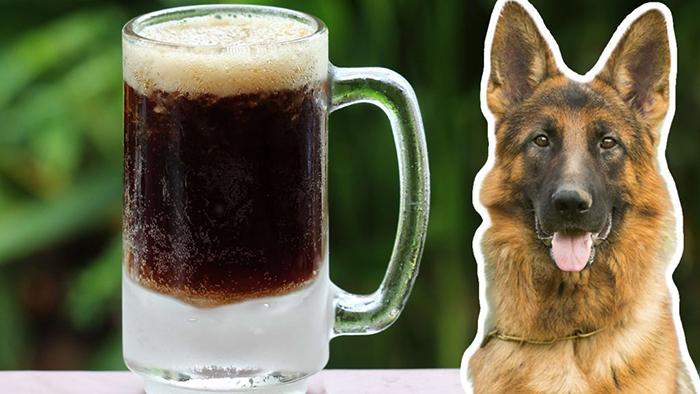
What Root Beer Actually Is (And Why It Is Not What You Think)
Before getting into the dangers, it helps to understand what root beer actually contains. Many people assume it is simply a harmless soda with no real concerns, especially compared to alcohol-heavy drinks. But the ingredient list tells a different story.
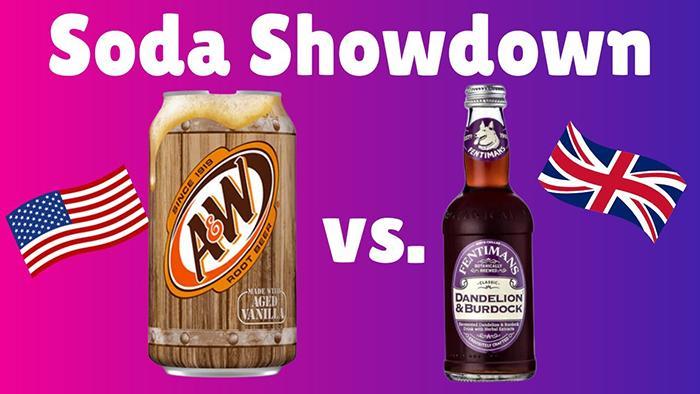
Root beer is a North American soft drink traditionally flavored with the root bark of the sassafras tree (Sassafras albidum) or the sarsaparilla vine. It has been consumed in the United States since at least the 18th century and became widely popular in the 19th and 20th centuries as a staple at drive-ins, diners, and summer cookouts. In 1919, Roy Allen opened his root beer stand in Lodi, California, which eventually became the iconic A&W brand.
Here is the thing though: the original ingredient that gave root beer its signature flavor, a compound called safrole from sassafras root bark, was banned by the U.S. Food and Drug Administration in 1960 after laboratory studies showed it caused liver damage and cancer in animals. Today, commercial root beer is flavored using artificial sassafras flavoring, a safrole-free extract, or other synthetic compounds.
So what exactly is in that can of A&W or Barq’s sitting on your grill-side cooler?
A typical 12-ounce can of modern commercial root beer contains:
- Carbonated water (the fizz)
- High fructose corn syrup or sugar (the sweetness)
- Caramel color (the dark brown look)
- Natural and artificial flavors (the root beer taste)
- Sodium benzoate (a preservative)
- Citric acid (acidity)
- Sometimes caffeine (depending on the brand)
- In diet versions, artificial sweeteners including potentially xylitol
Each one of these ingredients presents a specific problem for dogs, and when combined in a single can, the result is a beverage that is genuinely unsafe for your pet.
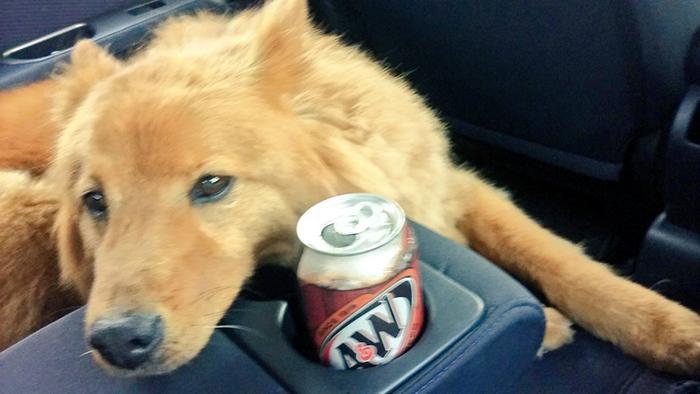
The Clear Answer: No, Dogs Cannot Have Root Beer
The short, firm, no-exceptions answer is: dogs should never be given root beer. Not a sip, not a taste, not a splash from a dropped can. There is no safe amount for dogs.
This may surprise people who think of root beer as a more innocent alternative to alcoholic drinks. After all, standard commercial root beer does not go through the traditional fermentation process that produces ethanol. The carbon dioxide environment during production inhibits yeast from generating significant alcohol, keeping the final product at or below 0.5% alcohol by volume. So the alcohol concern is minimal with standard root beer.
But that does not mean it is safe. The danger lies in the other ingredients, and several of them are genuinely life-threatening to dogs.

Why Root Beer Is Dangerous for Dogs: A Full Ingredient Breakdown
The Sugar Problem: High Fructose Corn Syrup and Canine Health
One 12-ounce can of regular root beer contains between 39 and 46 grams of sugar, depending on the brand. A regular A&W contains 45 grams. Barq’s contains approximately 42 grams per can. That is the equivalent of roughly 10 to 11 teaspoons of sugar in a single serving.
For a human adult, that is already a concerning amount. For a dog, it is far worse.
Dogs do not metabolize sugar the same way humans do. Their bodies are not designed to handle concentrated doses of high fructose corn syrup (HFCS), a refined sweetener linked to obesity, insulin resistance, and chronic disease even in humans. In dogs, high sugar intake leads to:
- Digestive upset, including vomiting and diarrhea (often the first symptoms after a dog drinks any sugary soda)
- Dental decay, as sugar feeds oral bacteria and erodes tooth enamel
- Weight gain and obesity, which compounds into joint problems, breathing difficulties, and reduced lifespan
- Diabetes, if sugary foods are consumed regularly over time
- Pancreatitis, an inflammation of the pancreas triggered by high-fat or high-sugar foods, which can be serious and painful
The occasional accidental lick of a spilled can may cause digestive upset and nothing more in a large dog. But for a small dog or a puppy, even a few ounces of sugary soda can cause noticeable gastric distress.
Carbonation and Bloat: The Fizz Is Not Fun for Dogs
The carbonation in root beer, those carbon dioxide bubbles that make the drink so refreshing to humans, causes a different reaction in dogs. Dogs do not burp easily or frequently, meaning excess gas builds up in the gastrointestinal tract rather than escaping naturally.
This can lead to bloating and abdominal discomfort, and in the most serious cases, it can contribute to a condition called gastric dilatation-volvulus (GDV), commonly known as bloat. GDV is a life-threatening emergency where the stomach fills with gas and twists on itself. While root beer alone is unlikely to cause GDV in a dog that only has a small amount, the carbonation contributes to the overall danger of the drink and can cause significant stomach distress even without progressing to GDV.
Veterinarians regularly see dogs with digestive upset from carbonated beverages, and the fizzing sensation is disorienting and uncomfortable for animals whose digestive systems simply are not built to handle it.
Caffeine: A Stimulant Toxic to Dogs
Most root beers are caffeine-free, but Barq’s Root Beer is a notable exception. Regular Barq’s contains approximately 22 milligrams of caffeine per 12-ounce can, roughly half the amount found in a typical cola. The diet version of Barq’s, interestingly, contains no caffeine.
Read More : What Are Pepsi Soda Brands Updated 09/2026
For reference, the toxic dose of caffeine for dogs is estimated at around 140 milligrams per kilogram of body weight, which means a 10-pound dog could be at risk from relatively small amounts. While a single sip of Barq’s is unlikely to cause caffeine toxicity in a large dog, it is a real concern for small breeds, puppies, or dogs with heart conditions.
Caffeine toxicity in dogs causes:
- Restlessness and hyperactivity
- Rapid heart rate and abnormal heart rhythms
- Elevated blood pressure
- Tremors and muscle twitching
- Seizures in severe cases
- Collapse
Always check the label before assuming a root beer is caffeine-free. As the FDA requires brands to list added caffeine in the ingredient label, it should be visible if present.
Sodium Benzoate: An Overlooked Preservative
Sodium benzoate is a common food preservative used in root beer (and many other sodas) to inhibit mold and bacterial growth. While the FDA considers it generally safe for humans at regulated levels, sodium benzoate in dogs can contribute to hyperactivity and restlessness, particularly when combined with other artificial additives. Some studies have raised concerns about its interaction with vitamin C, where it can convert to benzene, a known carcinogen. The implications for dogs, who have smaller bodies and faster metabolisms, are not fully studied but represent an unnecessary risk.
The Most Dangerous Ingredient: Xylitol in Diet Root Beer
If regular root beer is concerning, diet root beer is in an entirely different danger category for dogs. The reason is xylitol, a sugar alcohol commonly used as a low-calorie sweetener in sugar-free and diet products.
Xylitol is perfectly safe for humans. In fact, it is even used in some dental products because it helps fight tooth decay. But for dogs, xylitol is extraordinarily toxic, and deaths have occurred in as little as one hour after ingestion, according to the FDA.
Here is why: when a dog ingests xylitol, the compound is rapidly absorbed into the bloodstream. The dog’s pancreas mistakes it for real sugar and releases a massive surge of insulin, three to seven times the amount it would release in response to actual glucose. This causes blood sugar levels to plummet dangerously fast in a condition called hypoglycemia.
According to the Merck Veterinary Manual, the numbers are stark:
- Doses of xylitol greater than 100 mg/kg (about 45 mg/lb) cause hypoglycemia in dogs.
- Doses above 500 mg/kg (about 227 mg/lb) can cause severe liver failure or even death.
- Symptoms can begin within 30 minutes to 2 hours after ingestion (or up to 12 hours if the xylitol was slowly absorbed).
Published research in PubMed confirms that dogs ingesting more than 0.1 g/kg of xylitol are at risk for hypoglycemia, while dogs ingesting more than 0.5 g/kg can develop acute liver failure.
The liver damage pathway is especially alarming because it can develop independently of hypoglycemia. A dog can appear to stabilize after the initial blood sugar drop, only to develop severe hepatic necrosis (liver cell death) 8 to 12 hours later. The mortality rate for xylitol-induced liver failure in dogs is estimated at 70% or higher in severe cases.
Xylitol ingestion is consistently listed among the top ten most common pet poisonings reported to poison control helplines every year in the United States.
Not every diet root beer contains xylitol specifically. A&W Zero Sugar, for example, uses aspartame and acesulfame potassium as sweeteners rather than xylitol. But ingredient formulations change, and some sugar-free or diet versions of sodas do incorporate xylitol. Always read the label of any diet or zero-sugar beverage before allowing your dog anywhere near it.
Root Beer Brand Comparison: What Is Actually in the Can
The following table compares major root beer brands and their key ingredients relevant to dog safety:
| Brand | Caffeine (per 12 oz) | Primary Sweetener | Contains Xylitol | Dog Safety Rating |
|---|---|---|---|---|
| A&W Root Beer (Regular) | 0 mg | High Fructose Corn Syrup | No | Unsafe (sugar, carbonation) |
| A&W Zero Sugar | 0 mg | Aspartame, Ace-K | No (check label) | Very Unsafe (artificial sweeteners) |
| Barq’s Root Beer (Regular) | 22 mg | High Fructose Corn Syrup | No | Very Unsafe (caffeine, sugar) |
| Barq’s Diet Root Beer | 0 mg | Artificial sweeteners | Check label | Very Unsafe (artificial sweeteners) |
| Mug Root Beer | 0 mg | High Fructose Corn Syrup | No | Unsafe (sugar, carbonation) |
| IBC Root Beer | 0 mg | Cane Sugar | No | Unsafe (sugar, carbonation) |
| Dad’s Root Beer | 0 mg | High Fructose Corn Syrup | No | Unsafe (sugar, carbonation) |
| Any “Diet” or “Zero” Variety | Varies | Artificial sweeteners | Possible | Extremely Unsafe |
Important: Even brands rated simply “Unsafe” (rather than “Very Unsafe”) are still genuinely dangerous for dogs and should never be shared. There is no root beer in the market that is safe for canine consumption.
What Happens When a Dog Drinks Root Beer: Symptoms to Watch For
Whether your dog got into a spilled can at a party, lapped up root beer from a cup left on the floor, or a well-meaning family member offered a little sip, knowing what symptoms to watch for is critical.
Symptoms from Regular Root Beer (Sugar and Carbonation)
These are typically the milder symptoms that arise from the sugar content and carbonation:
- Vomiting (often the first and most immediate sign)
- Diarrhea
- Abdominal bloating or visible discomfort
- Excessive gas
- Restlessness or hyperactivity (from sugar spike)
- Lethargy as blood sugar later drops
In most healthy, larger dogs that consume a small amount of regular root beer, these symptoms may resolve on their own within hours with access to fresh water. However, they are uncomfortable for the dog and should not be dismissed as harmless.
Symptoms from Caffeinated Root Beer (Barq’s)
If the root beer contained caffeine, look for:
- Panting and restlessness
- Rapid or irregular heartbeat
- Tremors
- Elevated blood pressure
- Seizures in severe cases
Symptoms from Xylitol Poisoning (Diet Root Beer)
This is the most urgent scenario. Xylitol toxicity develops fast and is life-threatening. Watch for:
- Vomiting within 30 minutes to an hour of ingestion
- Sudden weakness or lethargy
- Unsteady gait or stumbling
- Collapse
- Seizures or tremors
- Pale gums
- Jaundice (yellowing of the skin or eyes) appearing 8 to 12 hours later, indicating liver failure
- Abnormal or uncontrolled bleeding
Xylitol toxicity is a veterinary emergency. Do not wait for symptoms to progress before calling your vet.
What To Do If Your Dog Drank Root Beer
The right response depends on what kind of root beer was consumed and how much.
If it was regular root beer and your dog only had a small amount: monitor closely for vomiting, diarrhea, or bloating. Provide fresh water and withhold food for a couple of hours to let the stomach settle. If symptoms are severe or do not improve, call your vet.
If it was Barq’s or another caffeinated variety: call your vet right away and describe the amount consumed and your dog’s weight. Caffeine poisoning in dogs requires medical attention.
If it was a diet or zero-sugar variety: treat this as a potential medical emergency, regardless of how much your dog consumed. Call your veterinarian immediately or contact the:
- ASPCA Animal Poison Control Center: (888) 426-4435 (available 24/7)
- Pet Poison Helpline: (855) 764-7661 (available 24/7)
Read More : Natural Ice Vs Natural Light Updated 09/2026
When you call, have the following ready: your dog’s weight, the brand and exact name of the root beer, how much was consumed, and when the exposure occurred. Bring the packaging to the vet clinic if possible. The veterinarian will assess the situation, potentially induce vomiting if ingestion was very recent and the dog is still clinically normal, monitor blood glucose and liver enzymes, and provide IV dextrose if needed.
Never attempt to induce vomiting at home without veterinary guidance, especially if the dog is already showing symptoms of hypoglycemia.
Diet Root Beer and the “It’s Zero Sugar, So It’s Safer” Misconception
Among beer and cocktail enthusiasts who are health-conscious themselves, there is sometimes an assumption that diet or zero-sugar drinks are a better option for pets. After all, if you reach for a zero-calorie soda to manage your own sugar intake, it might seem logical to apply the same thinking to your dog.
This logic fails completely when it comes to dogs, and diet root beer is actually more dangerous than the regular version. The sugar in regular root beer, while harmful, does not have the rapid-onset, organ-destroying mechanism that artificial sweeteners like xylitol do.
Even for diet sodas that use aspartame rather than xylitol, the artificial compounds have no nutritional value for dogs, the carbonation still causes gastrointestinal distress, and the flavoring agents and preservatives still pose unnecessary risks. There is truly no version of commercial root beer that is acceptable for dogs.
The BBQ and Party Scenario: Why Accidents Happen and How to Prevent Them
If you are a beer lover who hosts backyard parties, game day gatherings, or holiday cookouts, the root beer spill scenario is not just hypothetical. It is one of the most common ways dogs accidentally consume things they should not.
A guest sets down a can on a low table. Someone knocks over a cup on the deck. A kid gives the dog a “taste” without realizing the harm. These moments happen in seconds, and by the time anyone notices, the dog has already lapped up a significant amount.
Practical steps to protect your dog at social gatherings:
- Designate a dog-free zone around the drink table and coolers.
- Brief guests about not sharing beverages with your dog, especially children who may not understand the risks.
- Keep root beer and sodas in covered containers or at heights your dog cannot reach.
- Check the ground and floor for spills before letting your dog roam the party area.
- If you are hosting and your dog will be present, consider having your vet’s number and the ASPCA poison control number saved in your phone in advance.
The reality is that root beer smells sweet and appealing to dogs. Combined with the fact that dogs are opportunistic about food and drink, the risk of accidental consumption at a festive gathering is genuinely high.
What You Can Give Your Dog Instead: Dog-Safe Drink Alternatives
Here is the good news, especially for pet parents who love including their dogs in social moments: the market for dog-safe beverages has exploded in recent years, and there are genuinely enjoyable options that let your pup join the celebration.
Dog Beer (Yes, It Is a Real Thing)
Several companies now produce non-alcoholic, hop-free “dog beers” that come packaged in beer-style cans and bottles. These are essentially flavored broths or stock-based drinks designed for canine enjoyment.
Busch Dog Brew, created by Anheuser-Busch and debuted in 2020, is a fan favorite. It contains pork broth, vegetables, herbs, spices, and water. No alcohol, no hops, no artificial sweeteners.
Bowser Beer for Dogs is a family-owned brand using human-grade USDA meat. It comes in chicken, pork, and beef flavors, and even contains glucosamine for joint health.
Good Boy Dog Beer and Beer Paws round out the category with similar offerings, each focusing on bone broth bases with dog-safe herbs and vegetables. Beer Paws also includes vegetarian glucosamine.
Bone Broth
Unseasoned, low-sodium bone broth is one of the best “treat drinks” you can give a dog. It contains amino acids, minerals, and collagen, supports joint health, aids digestion, and provides excellent hydration. Simply avoid any store-bought broth containing onion or garlic, both of which are toxic to dogs.
Coconut Water
Plain, unsweetened coconut water is a natural electrolyte source that many dogs enjoy. Offer it in small amounts as a treat, not a primary hydration source.
Caffeine-Free Herbal Teas (Cooled)
Plain chamomile, ginger, or rooibos tea, brewed without additives and fully cooled, can offer mild health benefits for dogs. Chamomile soothes digestion, ginger helps with nausea, and rooibos is rich in antioxidants. Never add honey, sugar, or milk.
The key principle across all alternatives: fresh water remains the gold standard for canine hydration. Everything else is a treat, and treats should be occasional.
A Note on “Alcoholic” Root Beer: Even More Off-Limits
The craft beverage market has seen a rise in alcoholic root beer brands, products like Not Your Father’s Root Beer and similar “hard root beers” that contain 5 to 6 percent alcohol by volume. For the record, these are absolutely, unequivocally off-limits for dogs.
According to research on ethanol toxicosis in dogs, a potentially lethal dose of pure ethanol is approximately 4.33 to 6.26 milliliters per kilogram of body weight. For a 15-pound dog, that equates to only about 29 to 42 milliliters of pure alcohol, which is not much at all when you consider that a single standard drink contains far more ethanol than that. For small dogs, even a few sips of an alcoholic beverage can be fatal.
The sweet, dessert-like profile of hard root beer makes it particularly dangerous because dogs are more likely to find it appealing and consume it quickly if left within reach.
The Bottom Line on Root Beer and Dogs
| Risk Factor | Regular Root Beer | Diet/Zero Sugar Root Beer | Alcoholic Root Beer |
|---|---|---|---|
| Sugar toxicity | High | Low-Moderate | High |
| Xylitol risk | Low (check label) | Moderate-High | Varies |
| Caffeine risk | Low-Moderate (Barq’s) | Low | Low |
| Carbonation/bloat | Moderate | Moderate | Moderate |
| Alcohol toxicity | Minimal | Minimal | Severe |
| Artificial sweetener risk | Low | High | Varies |
| Overall danger to dogs | Unsafe | Very Unsafe | Extremely Unsafe |
Every single variation of root beer, from the classic diner float staple to the trendy hard soda at a craft bar, presents real health risks for dogs. The combination of sugar, artificial sweeteners (in diet versions), carbonation, preservatives, and potentially caffeine makes it a beverage that belongs in your hand, not in your dog’s bowl.
Conclusion
There is something genuinely symbolic about the moment you reach into a cooler, pull out a root beer, and look down at your dog, that familiar creature who has been by your side through every cookout, every game, every late-night porch sit. The impulse to share is rooted in love.
But knowing what is actually in that can changes the nature of the choice. The sweet, foamy, caramel-colored liquid that you enjoy guilt-free on a summer afternoon is, for your dog, a cocktail of digestive disruptors, potential toxins, and in the diet version, a genuinely life-threatening substance. That knowledge is not meant to ruin the moment. It is meant to redirect it.
Buy a four-pack of Busch Dog Brew. Set out a bowl of bone broth on the porch. Let your dog have their version of the celebration while you have yours. Because the best kind of toast, the one worth raising a glass for, is the one where everyone at the table makes it home safe.
Sources: https://chesbrewco.com
Category: Beer