Lone Star Beer Near Me: The Complete Guide to Finding, Tasting, and Living the National Beer of Texas
If you’ve ever stood in a Texas icehouse with a cold longneck in your hand, the red star on the label catching the neon light overhead, you already understand why Lone Star Beer is more than just a drink. It’s a mood. It’s a statement. It’s a whole lifestyle distilled into a glass bottle shaped specifically for an easier grip. But whether you’re a born-and-raised Texan or someone who just heard Willie Nelson mention it in a song and got curious, finding Lone Star Beer near you in 2025 is both easier and slightly more complicated than it used to be. This guide covers everything: where to buy it, what makes it taste the way it does, why it costs what it costs, and why no other beer in America has earned its mythology quite the way Lone Star has.
What Exactly Is Lone Star Beer and Why Does It Matter?
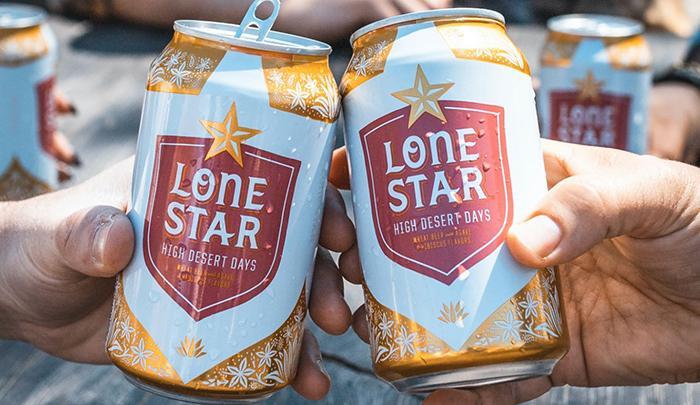
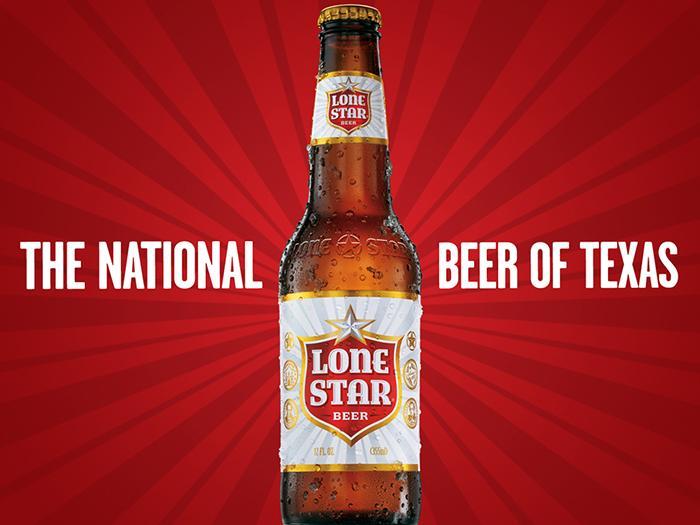
Lone Star Beer carries the unofficial title of “The National Beer of Texas,” a claim it has held for decades without serious challenge. It’s an American lager, clean and golden, lightly carbonated, built for hot weather and good company. The flavor is approachable: light malt sweetness with a hint of corn, a gentle hop bitterness that keeps things from going flat, and a dry, crisp finish that doesn’t overstay its welcome. You won’t find anything fussy or pretentious about it, which is entirely the point.
The beer comes in at 4.6% ABV with 140 calories per serving, 11.3 grams of carbohydrates, and zero fat, making it a solid choice for long afternoons that don’t need to turn into regrets.
When you pour a Lone Star, you’ll notice a clear, golden color with a thin white head that dissipates quickly. The aroma is subtle, with hints of grain and a touch of sweetness. On the palate, it has a light to medium body with notes of malt and a hint of corn, finished off by a gentle bitterness from the hops that keeps the finish crisp and clean.
It is, in the truest sense, a sessionable beer. That means you can drink several over the course of a summer afternoon without feeling like you’re buried by the end of it. And that quality, more than any flavor profile, is why it has survived over 80 years of changing beer tastes, corporate mergers, craft beer revolutions, and one dramatic production shuffle in early 2025.
Lone Star Light: The Leaner Option
For those watching their intake, Lone Star Light comes in at 3.85% ABV and only 111 calories per 12-ounce serving. The light version maintains the same taste profile as the original but with a reduced alcohol content, making it ideal for those who want to enjoy the flavor while moderating their intake. It’s become a popular choice at outdoor events where the sun is working against you.
A History Worth Knowing: From San Antonio to Your Local Store
The 1884 Foundation
In 1883, Adolphus Busch partnered with a group of San Antonio businessmen to build the Lone Star Brewery near downtown San Antonio. The facility’s modern technology and its own bottling plant spurred early success over rivals, mostly small-batch brewers lacking the ability to mass-produce their suds.
The Lone Star Brewery produced its first beer in 1884, when total Texas production increased to 3,083 barrels. Production had an even larger increase in 1885, when it jumped to 17,246 barrels. Lone Star built a modern plant with the latest equipment, and it transported beer by wagon and railroad throughout most of Texas, into Mexico, and as far west as California.
Prohibition arrived in 1919 and forced the doors shut. The original building never reopened as a brewery. Today, that same castle-like structure on West Jones Avenue houses the San Antonio Museum of Art, one of the most visited cultural institutions in Texas.
The Real Birth of the Beer: 1940
The Lone Star Beer we know and love today actually comes from a second and separate Lone Star Brewing Co., founded in 1940, also in San Antonio.
After Prohibition ended, brewer Peter Kreil crafted the beer’s signature formula in 1940, dubbed the Original 1940. The light-bodied, fizzy brew was a hit with Texans. Classified as an American lager, the smooth-sipping beer made with artesian well water gave it a fresh and natural flavor.
Under the leadership of Harry Jersig, the company experienced remarkable success during the mid-20th century. Jersig, who later became a Texas State Senator, spearheaded aggressive regional marketing and expanded distribution, helping Lone Star Beer achieve legendary status among Texans. By the 1960s, Lone Star had grown into one of Texas’s most beloved beer brands.
By 1965, the company’s annual sales exceeded 1 million barrels, helping Texas become one of the leading states in the production of beer.
The Pabst Era and Today
Milwaukee-based Pabst bought most of the Stroh brands, including Lone Star, in 1999, and began brewing Lone Star at the San Antonio Pearl Brewery to great fanfare. In 2000, the Pearl Brewery was closed because it was outdated and would have been too expensive to continue operating.
Unlike traditional brewers, Pabst operates primarily as a marketing and brand management company, outsourcing actual beer production to partner brewers. For Lone Star, this meant the beer was brewed under contract, most recently by Miller Brewing Company (now part of Molson Coors) at its Fort Worth, Texas facility.
After nearly two decades, the contract to brew Lone Star and Lone Star Light has moved from the Molson Coors brewery in Fort Worth to a Houston facility run by Anheuser-Busch InBev. Production stopped as a result of the handoff. By early March 2025, the transition was complete and shelves across Texas were fully restocked.
The 2025 Lone Star Shortage: What Actually Happened
If you went looking for a cold six-pack in January or February 2025 and came up empty, you weren’t imagining things. This became one of the most-searched beer stories in Texas all year.
The root cause was a factory switch: Lone Star and Lone Star Light had, for years, been brewed at the Molson Coors facility in Fort Worth. At the end of 2024, Pabst Brewing Co. decided it was time to move production across Texas. The production chain doesn’t just flip back on overnight. The switch meant pausing regular production, hauling equipment, changing over recipes, adjusting lines, and running tests to make sure the beer actually tasted like Lone Star.
By January and February of 2025, most areas, big cities and rural towns alike, were running dry. Pabst stayed in touch with partners throughout the shortage period, trying to provide updates about the timeline for the new brewery. Their main message: This isn’t the end for Lone Star. It’s just a hiccup.
To sum up: the Lone Star Beer shortage of early 2025 was 100% about logistics, not signaling the end of a Texas favorite. The move to the Houston brewery is finished. Shelves are full again, and life for Texas beer lovers is, for the most part, back to normal.
Read More : How To Boil Brats Without Beer Updated 10/2026
The move back to production in Houston was widely celebrated among fans who had long wanted Lone Star brewed in a major Texas city again, giving the “National Beer of Texas” a more authentic geographic home.
Where to Find Lone Star Beer Near Me
Finding Lone Star depends heavily on where you are. In Texas, it’s everywhere. Outside the state, it requires a little more effort but is far from impossible.
In Texas: It’s at Nearly Every Corner
Lone Star Beer is commonly found in grocery stores, liquor stores, and convenience shops across Texas, with major chains like H-E-B and Total Wine stocking the products.
Specific stores where you can reliably find it include:
- H-E-B (the most Texas grocery store on earth, and practically Lone Star’s home base)
- Kroger and Albertsons locations statewide
- Randalls and Fiesta Mart
- Total Wine and More (also offers online ordering)
- Spec’s Wine, Spirits, and Finer Foods (one of the best selections in the state)
- Circle K, 7-Eleven, and most regional convenience stores
Walk into almost any bar, icehouse, honky-tonk, or Tex-Mex restaurant in Texas and you’ll see the red star on tap or in the cooler. Lone Star is available for under $5 at almost every bar in the state.
Outside Texas: Where to Look
While primarily available in Texas, Lone Star Beer can also be found in select areas of Oklahoma, New Mexico, and Louisiana, catering to a broader audience.
Lone Star Beer is available in almost every U.S. state yet still remains sort of a novelty outside Texas, as roughly 80 percent of sales are made within its home state.
If you’re outside the core distribution zone, your best options are:
- Total Wine and More (ships to many states and carries a strong Lone Star selection)
- Drizly (on-demand beer delivery in most major metro areas)
- Instacart (partners with local grocery stores, often including Lone Star in stock)
- Half Time Beverage and other online craft beer retailers that ship nationally
The Official Beer Locator Tool
The most reliable method for finding Lone Star Beer near me at this exact moment is using the official Beer Locator on the Lone Star website at lonestarbeer.com/pages/beer-finder. You can buy Lone Star at one of their many retail partners. The Beer Locator tool shows the nearest location to you.
Additionally, BeerMenus.com maintains a live list of bars, restaurants, and bottle shops that currently have Lone Star on their menu, so you can verify before you make the trip.
Price Guide: How Much Should You Pay?
One of Lone Star’s biggest selling points is that it never tries to rob you at the register. Part of its identity is being the honest, affordable option, and it delivers on that promise.
| Format | Typical Price Range |
|---|---|
| Single 12 oz can or bottle (bar/restaurant) | $2.50 to $5.00 |
| 6-pack (12 oz cans or bottles) | $6.00 to $8.00 |
| 12-pack (12 oz cans) | $9.00 to $13.00 |
| 24-pack or 30-pack | $16.00 to $22.00 |
| Tallboy single (24 oz can) | $2.00 to $3.50 |
| Draft pint (on tap at a bar) | $3.00 to $6.00 |
Lone Star sells for about $9 for a 12-pack. It’s a value beer that is overall much better than your typical mass-market options, but it can sit inconspicuously in the ice cooler alongside those beers and no one is going to roll their eyes.
Prices vary by state, retailer, and whether you’re buying at a grocery store versus a specialty liquor shop. During promotional periods at H-E-B or Kroger, you can sometimes find 12-packs well below $10.
The Legendary Culture: Music, Armadillos, and Texas Pride
No beer in America has a richer cultural mythology built around it quite the way Lone Star does. Understanding why it matters requires a quick trip back to 1974.
Willie Nelson and the Texas Music Conspiracy
Although the brand remained a Texas favorite through the mid-20th century, Lone Star stepped onto the national stage in the 1970s. The center of Austin’s music scene, the Armadillo World Headquarters, served Lone Star to thirsty concertgoers on a nightly basis. The light, easy-to-drink beer was popular with Austin’s counterculture, perhaps for its signature low cost and smooth flavor. In 1974, the famous marketing slogan “Long live longnecks” grew out of a conversation in the Armadillo parking lot.
Jerry Retzloff, Lone Star’s Austin district manager, and Willie Nelson struck a private deal: Lone Star would provide cases of ice-cold longnecks backstage at Nelson’s and other Austin-based bands’ gigs all over Texas. In exchange, Nelson would drink the beer and be seen with it publicly. As Willie later put it: “I’m never gonna pay you a dollar, and you’re never gonna pay me a dollar. It’ll be a straight trade-off.”
The Lone Star Brewing Co., meanwhile, served up its first profitable year since 1969, abruptly ending a five-year sales skid. Missions accomplished.
The Giant Armadillo That Stole Texas
Marketing vice president Barry Sullivan commissioned art from Jim Franklin, the in-house artist at Armadillo World Headquarters. He asked Franklin to draw whatever he wanted, as long as it depicted a bottle of Lone Star and some nod to Texas culture. The result: an illustration of an armadillo running around a post-apocalyptic wasteland with Lone Star bottle necks sticking out of the sand.
After a few failed TV ad campaigns, the brand’s new marketing team unleashed a print ad that read “GIANT ARMADILLO ATTACKS BEER TRUCK” along with a series of ads focused on said armadillo. Most commercials showed the aftermath of the 12-ton beer thief that would roam Texas, pillaging bars’ supplies of Lone Star. Today, the armadillo is still the official Lone Star mascot, appearing on most of the brand’s merchandise.
Urban Cowboy and the National Spotlight
In Urban Cowboy, the film adaptation of an Esquire article about Houston working-class culture, the main character works at a refinery by day and dances and drinks at Gilley’s by night, and when he was at Gilley’s he always had a Lone Star Beer in its distinctive longneck bottle in his hand. Almost literally overnight after the movie’s premiere, sales of Lone Star skyrocketed. “Texas Chic” took the fashion, film, and literary world by storm, and Lone Star Beer was its icon.
Country-western singer-songwriter Red Steagall’s song “Lone Star Beer and Bob Wills’ Music” from 1976 directly references the beer, and the Charlie Daniels Band mentions it in “Texas.” Texas indie rock band Lift to Experience also name-checked it, and country artist Gary P. Nunn included it in the chorus of “It’s A Texas Thing.”
The King of the Hill Connection
Due to similarities, the Alamo Beer pictured in the animated television series King of the Hill is widely thought to be a winking tribute to Lone Star. This connection made a whole new generation of fans curious about the real thing.
What to Eat With Lone Star Beer
The clean, dry finish and light malt profile of Lone Star make it one of the most food-friendly beers you can put on the table. It doesn’t fight with food; it frames it.
Lone Star is Texas in a can: simple, familiar, and supremely comforting when it’s ice-cold. Expect light grain, a little corny sweetness, and a clean finish that doesn’t fight with smoke, salt, or heat, making it an exceptional pairing with myriad styles of cuisine, particularly Tex-Mex.
Read More : Is Abita Root Beer Alcoholic Updated 10/2026
Here’s a quick reference for pairing ideas:
| Food | Why It Works |
|---|---|
| Texas brisket and smoked ribs | The crisp finish cuts through the fat and smoke |
| Tacos and fajitas | Gentle sweetness complements chili heat and citrus |
| Queso and chips | Carbonation resets the palate between bites |
| Gulf Coast shrimp | Light body doesn’t overpower delicate seafood |
| Burgers off the backyard grill | Malt sweetness plays well with charred beef |
| Spicy sausage and kolaches | A Lone Star tradition in central Texas German Belt towns |
Reviewers from Texas note it’s a “good basic American lager, and great with those tacos or fajitas here in TX. Somewhat sweet (but not cloying) on the palate but dry finish, light mouthfeel.”
How Lone Star Compares to Similar Beers
If you’re trying to decide between Lone Star and other popular American lagers, here’s an honest breakdown of how they stack up across the factors that most drinkers care about:
| Beer | ABV | Calories (12 oz) | Carbs | Approximate 12-Pack Price | Style |
|---|---|---|---|---|---|
| Lone Star | 4.65% | 136 | 11.3g | ~$9 | American Lager |
| Lone Star Light | 3.85% | 111 | varies | ~$9 | Light Lager |
| Bud Light | 4.2% | 110 | 6.6g | ~$15 | Light Lager |
| Coors Banquet | 5.0% | 149 | 12.2g | ~$14 | American Lager |
| PBR | 4.74% | 144 | 12.8g | ~$10 | American Lager |
| Shiner Bock | 4.4% | 142 | 13.5g | ~$12 | Dark Lager |
| Miller High Life | 4.6% | 141 | 13.1g | ~$13 | American Lager |
Lone Star consistently wins on price-to-quality ratio within Texas. Outside Texas, the premium placed on it by some specialty retailers can push the price higher, but within its home state it remains one of the best value lagers on the shelf.
Lone Star Products: What You Can Actually Buy
The Lone Star lineup is intentionally straightforward. No seasonal IPAs, no double-hopped experiments, no nitrogen-poured stouts. Just honest beer, done right.
Lone Star Original Lager
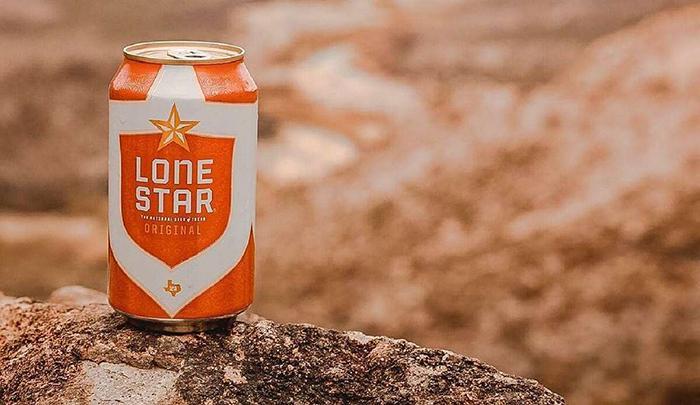
The flagship. The one that started everything. Available in 12 oz cans, 12 oz longneck bottles, 16 oz tallboys, and on draft. This is what people mean when they simply say “a Lone Star.” The classic red star label, the familiar weight of the longneck in your hand, and a taste that hasn’t needed to change since Peter Kreil perfected it in 1940.
Lone Star Light
Lone Star Texas Light is a reduced-ABV version that retains the same ingredients and flavor profile as its full-calorie counterpart, but with a lower alcohol content. It maintains the same level of hopping, carbonation, and ratio of barley, cereal grains, and hops as the original, allowing drinkers to enjoy the full flavor of Lone Star with less alcohol. A great choice for longer events, outdoor activities in the Texas heat, or anyone who wants the taste without the full impact.
Merchandise and Branded Gear
The official Lone Star online store at lonestarbeer.com carries everything from branded koozies and T-shirts to hats and stickers. The armadillo iconography appears across most of the merchandise line, and the pieces have a genuinely retro appeal that doesn’t feel manufactured.
Tips for Enjoying Lone Star Beer the Right Way
If you’re new to Lone Star or returning after a long absence, a few practical notes will enhance the experience significantly.
Temperature matters more than people think. Lone Star was built to be consumed very cold. The flavors that read as thin at room temperature become refreshingly clean and balanced at near-freezing temps. Fill a cooler with ice and let the bottles or cans chill for at least an hour before serving.
The longneck bottle is not just nostalgia. The “longneck” bottle shape became famous because it was easier to grip, had an anti-slippage curve, and provided a smoother taste while drinking. This is why the “Long Live Longnecks” campaign resonated so strongly: it was describing a real functional advantage, not just clever marketing.
Draft Lone Star is worth seeking out. Several Texas bars serve it on tap, and the draft version has a slightly creamier texture than the canned version. Bars in Austin’s 6th Street district, San Antonio’s Pearl District, and Houston’s East End neighborhoods are solid places to start.
Pair it with the right occasion. Lone Star tastes better at a tailgate, a backyard cookout, a live music venue, or a Texas State Fair booth than it does sitting alone at a kitchen counter. Context is part of the flavor profile. It’s a social beer, designed for company.
Lone Star Beer and the Craft Beer Question
The rise of craft beer over the past two decades hasn’t really hurt Lone Star the way it hurt some macro-lagers. The reason is interesting: Lone Star was always positioned as an authentic regional beer, not a corporate product. Even after Pabst acquired it and began contract-brewing it, the brand’s identity as a Texas original never fully eroded.
Lone Star has been listed in Gear Patrol’s “Best Cheap Domestic Beers” and VinePair’s “go-to cheap beer” picks in 2025, with an Untappd rating of 3.22 out of 5. It’s a dependable “bring a case” lager with regional swagger.
In Austin especially, where craft beer culture is deeply embedded, Lone Star co-exists comfortably alongside $8 IPAs from local breweries. It occupies a different emotional slot: the beer you grab when you want simplicity, the beer your parents drank at the same live music venues, the beer that doesn’t demand anything of you except a cold day or a warm night and some good people nearby.
The Dance Halls Initiative: Giving Something Back to Texas
In 2017, Lone Star Beer launched an initiative to help preserve Texas dance halls through its Tabs and Caps for Texas campaign, an effort to raise $30,000 for Texas Dance Hall Preservation. The company donates $1 for each Lone Star bottle cap or tab placed in acrylic cowboy boots located at participating locations throughout the state.
Texas dance halls, many of them over a century old, are where the beer and the music culture forged their original bond. Lone Star’s investment in preserving them is the kind of commitment that keeps a brand genuinely rooted in a community rather than just exploiting it for marketing purposes.
The Verdict on Finding Lone Star Near You
If you live in Texas, Lone Star Beer is almost certainly within a few minutes of you right now. H-E-B, Kroger, Spec’s, Total Wine, the gas station on the corner, the dive bar down the street: any of them will have it. Use the official beer locator for the most precise real-time information.
If you live outside Texas in Oklahoma, New Mexico, or Louisiana, check major liquor retailers and ask your local store if they carry it. If you’re anywhere else in the country, Drizly, Total Wine, and Instacart are your most reliable delivery options. And if you’re planning a trip to Texas: drink it there. Cold, in a longneck, at a place with a live band. That’s the experience the label was always pointing toward.
Before You Crack One Open
Lone Star Beer isn’t asking you to be from Texas to appreciate it. It’s asking you to appreciate simplicity: a well-made, honest American lager brewed with Pacific Northwest hops and Plains-grown grain, priced fairly, served ice-cold, and carrying enough history to fill a museum (which its original brewery literally does). The National Beer of Texas has been through Prohibition, corporate buyouts, a production crisis, and over 80 years of changing tastes, and it’s still right there in the cooler, red star forward, waiting for you to reach in and grab one. Maybe the best thing about finding Lone Star near you isn’t the finding at all. It’s the reminder that some things actually age well.
Please drink responsibly. Must be 21 or older to purchase or consume alcohol.
Sources: https://chesbrewco.com
Category: Beer