Root beer doesn’t taste like one thing. It tastes like a dozen things working in careful agreement with each other, and the reason most people struggle to describe it is that no two brands share the exact same formula. If you’ve ever handed someone a cold mug and watched them search for words, you already understand the problem. This article is the answer.
Ask ten people what root beer tastes like and you’ll get ten different answers. Some say it’s medicinal. Others say it’s minty, or spicy, or sweet enough to put candy to shame. One taster might pick up anise and black licorice, while the person sitting across the table calls it vanilla-forward with a touch of caramel. Nobody is wrong. That is precisely what makes root beer one of the most genuinely complex beverages produced on American soil.
You Are Watching: What Flavor Is Root Beer Updated 09/2026

For anyone who already knows their way around a pint glass, a cocktail shaker, or a wine list, root beer represents something of an intellectual puzzle. It is carbonated, yes. It is sweet. But underneath that sweetness is a layered botanical profile that rivals some of the more interesting amari, herbal liqueurs, and craft bitters sitting on a proper bar shelf. Understanding what root beer actually tastes like, where those flavors come from, and why they differ so dramatically from brand to brand is worth your time.
The Core Flavor Profile of Root Beer
At its heart, root beer delivers a sweet, carbonated, and distinctly herbal experience that doesn’t slot neatly into any other flavor category. It is not fruity. It is not citrusy. It is not quite the same as any other soft drink in existence. The closest flavor relatives are certain herbal liqueurs, birch beer, and sarsaparilla, though even those comparisons fall short.
The dominant flavor notes that most people identify in root beer fall into several clear categories.
Sweetness is the first thing to hit your tongue. Root beer carries a deep, rounded sweetness, richer and more complex than the sweetness in cola. Depending on the brand, the sweetener may be high-fructose corn syrup, cane sugar, honey, or molasses. Each one produces a meaningfully different mouthfeel and aftertaste. Cane sugar tends to deliver a cleaner finish. Honey (as used by Sprecher Brewery) adds warmth and floral depth. Molasses, used in traditional recipes, brings a darker, earthier sweetness reminiscent of unsulfured brown sugar.
Herbal and botanical notes are where root beer earns its complexity. Wintergreen is arguably the most recognizable single note in modern commercial root beer. It reads as minty but not cold, slightly medicinal but not unpleasant. Anise and licorice root contribute a soft, slow-building sweetness that lingers at the back of the throat. Vanilla, one of the most common secondary ingredients, rounds the whole profile out and gives many brands their notably smooth, creamy character.
Woody and earthy undertones confirm that the name “root beer” is not decorative. Historically, and still in craft production, the base flavors come from actual roots and barks. Sassafras root was the original anchor flavor, described by tasters as warm, woody, slightly camphorous, and mildly minty. Birch bark, used both historically and by contemporary craft brewers, contributes a clean, slightly astringent note that echoes wintergreen. Sarsaparilla adds a gentle bitterness that keeps the sweetness from becoming cloying.
Carbonation and foam are inseparable from the flavor experience. The thick, long-lasting head that characterizes quality root beer, whether produced by yucca extract, soybean protein, or quillaia, delivers flavor in a way that flat beverages cannot. The bubbles carry aromatic compounds to the nose, which dramatically amplifies the perception of wintergreen, vanilla, and spice.
Where the Flavor Actually Comes From: The Ingredient Science
Sassafras: The Original Flavor (And Why It Disappeared)
For most of American history, sassafras root bark was the foundation of root beer. The tree (Sassafras albidum) grows throughout the eastern United States and was used by Native Americans for centuries as both a flavoring agent and a medicinal herb. Its flavor is warm, slightly sweet, and carries a distinctive aromatic quality that is difficult to replicate exactly.
In 1960, the U.S. Food and Drug Administration banned safrole, the principal aromatic oil in sassafras, from use in commercially produced foods and beverages. Studies indicated that safrole was potentially carcinogenic in high doses when tested in rats. This forced virtually every commercial root beer producer to reformulate overnight.
The industry’s solution was elegant: manufacturers discovered that sassafras extract could be processed to remove the safrole while retaining the characteristic flavor compounds. Today, most quality root beers use safrole-free sassafras extract alongside synthetic flavor compounds designed to approximate the original profile. The result is not identical to the pre-1960 product, but it is close enough that the core flavor Americans associate with “root beer” has remained reasonably stable across generations.
Interestingly, recent research has raised questions about whether the original FDA findings accurately reflect real-world risk, given the extremely high doses used in the rat studies. Some small producers have returned to using safrole-free natural sassafras extracts as a deliberate craft statement.
Wintergreen: The Modern Backbone
With sassafras sidelined, wintergreen (Gaultheria procumbens) stepped into the role of primary flavor anchor in most commercial root beers. Wintergreen contains methyl salicylate, the same compound responsible for the familiar flavor of wintergreen candy and certain topical pain-relief products. In root beer, the concentration is low enough to read as pleasantly minty and aromatic rather than medicinal.
Birch bark contains nearly identical chemical compounds to wintergreen, which is why the two flavors are often used interchangeably or in combination. Sweet birch, in particular, was a traditional root beer ingredient that pre-dates commercial production by centuries.
The Supporting Cast: Spices, Barks, and Botanicals
The depth of a well-crafted root beer comes from ingredients that most drinkers never consciously identify. Common supporting botanicals include:
Vanilla beans, which add creaminess and help suppress the bitterness of other botanicals. Anise and licorice root, which contribute the slow, sweet spice note that lingers on the finish. Cinnamon and nutmeg, which add warmth and complexity. Molasses, used both as a sweetener and as a flavor contributor, adding depth and a faintly smoky character to certain traditional recipes.
Other traditional ingredients include wild cherry bark, dandelion root, burdock root, ginger root, hops, and even juniper. The fact that there is no standardized formula for root beer means that each producer’s ingredient list reads almost like a bartender’s proprietary bitters recipe: closely guarded and endlessly variable.
How Different Brands Taste: A Real Comparison
Read More : Is There Formaldehyde In Budweiser Beer Updated 09/2026
The practical reality of drinking root beer in America is that you will encounter several main brands with dramatically different flavor profiles. Understanding those differences before you pick one up, or choose one for a cocktail, is genuinely useful.
| Brand | Primary Flavor Notes | Sweetness | Carbonation | Caffeine | Sweetener | Distinctive Trait |
|---|---|---|---|---|---|---|
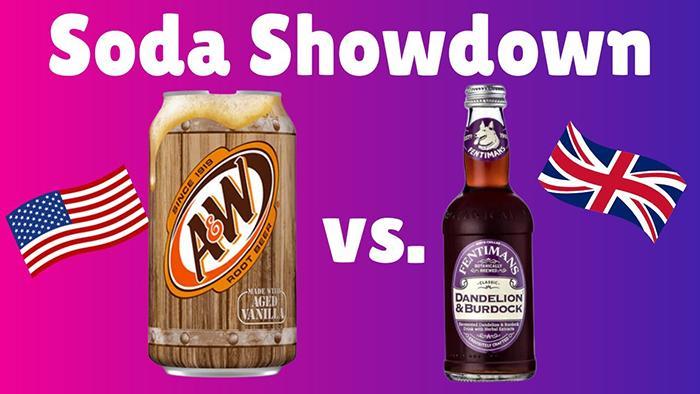
| A&W | Vanilla, light mint, caramel | High | Medium | None | HFCS | Smooth, classic, crowd-pleasing |
| Barq’s | Wintergreen, anise, caramel, mild spice | Medium | High | Yes (~22mg/12oz) | HFCS | “Has bite,” bold and assertive |
| IBC | Anise, wintergreen, vanilla, light licorice | Medium-High | Medium-High | None | Cane Sugar | Thick head, glass bottle, old-fashioned character |
| Mug | Vanilla, light spice, cream | High | Medium | None | HFCS | Creamy and float-friendly |
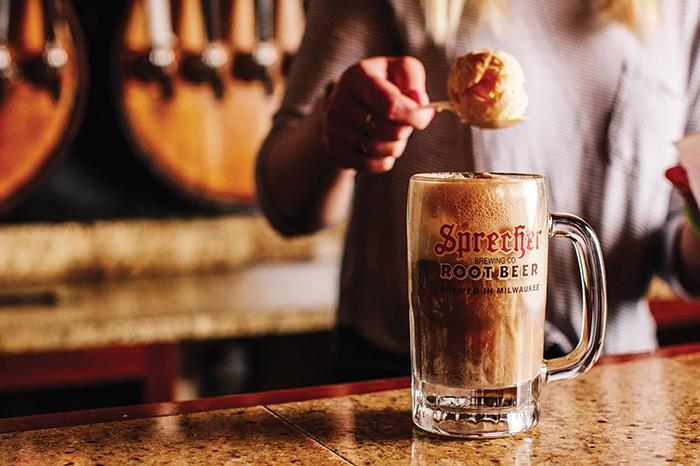
| Sprecher | Honey, vanilla, wintergreen, anise, sassafras | Medium-High | Medium | None | Honey + Glucose | Fire-brewed, rich and complex |
| Dad’s | Vanilla, mild spice, smooth herbal | High | Low-Medium | None | HFCS | Mellow, nostalgic, easy-drinking |
| Virgil’s | Anise, licorice, spice, vanilla | Medium | Medium | None | Cane Sugar | 15 herbs and spices, all-natural |
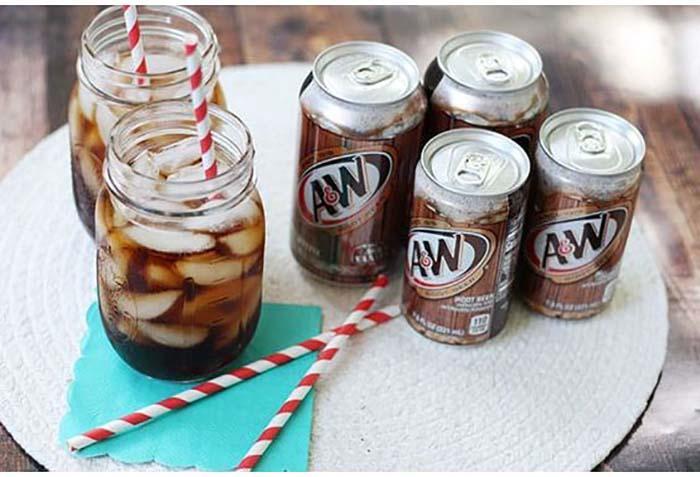
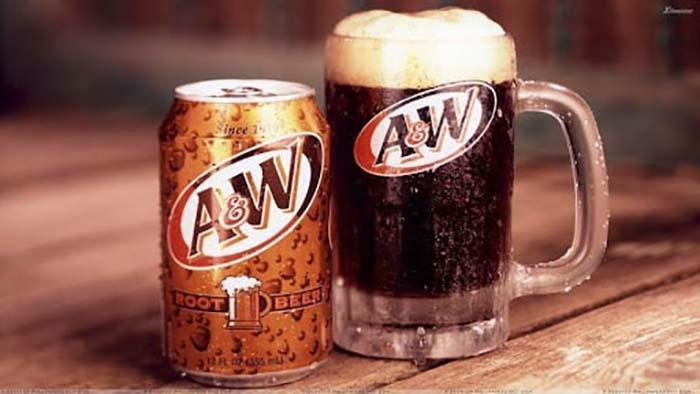
According to a much-cited taste test conducted by Serious Eats, Barq’s came in first among eleven brands specifically because of its “nice creamy, caramelized taste balanced with minty, anise-y spices.” A&W, despite its iconic status, ranked near the bottom in the same test, described as very smooth and sugary and not very complicated, with heavy vanilla and light mint. The two brands illustrate the two major stylistic camps in root beer: sharply pungent versus sweet and creamy.
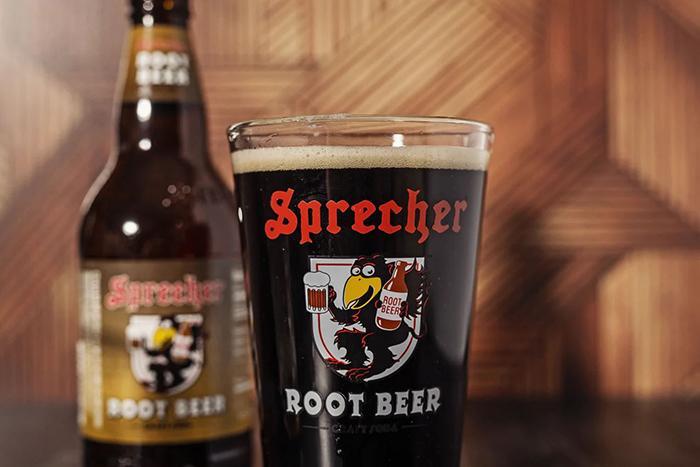
IBC Root Beer, made with real cane sugar and sold in glass bottles, consistently ranks among the most beloved options among serious root beer drinkers. Its use of cane sugar instead of high-fructose corn syrup produces a noticeably cleaner sweetness with a more satisfying finish. Sprecher, fire-brewed in small batches in Milwaukee since 1985 and sweetened with raw Wisconsin honey, earned the top ranking in a 2008 New York Times taste test among 25 brands for its “wonderfully balanced and complex brew.”
Two Styles That Define the Category
If you were advising someone who had never tasted root beer, the most useful framework is not brand-by-brand but rather the two fundamental styles the drink comes in.
Sharply Pungent Root Beer
This style leads with the herbal and botanical character. It is spicier, more assertive, and carries a definite bite. The sweetness is present but held in check by a stronger botanical backbone. Wintergreen, anise, and earthy root notes dominate. This is the style that most closely resembles what colonial Americans were drinking when they brewed root beer at home. Barq’s is the most widely available representative of this category. For drinkers who enjoy complex bitters, amaro, or highly hopped IPAs, this style tends to appeal immediately.
Sweet and Creamy Root Beer
This style leads with vanilla and sweetness. The botanical notes are softer, better integrated, and subordinate to a smooth, dessert-like character. Carbonation tends to be gentler, and the finish is cleaner and shorter. A&W, Mug, and Dad’s represent this direction. For drinkers who gravitate toward cream ales, dessert cocktails, or sweeter wine styles, this is generally the more comfortable entry point.
Neither style is superior. They serve different purposes and appeal to different palates, which is one reason root beer has maintained its remarkable longevity as an American beverage category.
The History Behind the Flavor: Why Root Beer Tastes Like Nothing Else
Root beer’s flavor is genuinely American in origin, which is a rarer claim than it sounds for a soft drink. Native Americans had been using sassafras and sarsaparilla as medicinal infusions and flavoring agents for centuries before European contact. When European colonists arrived in North America, they encountered these plants, immediately recognized their aromatic power, and began incorporating them into the fermented small beers they were already brewing.
The colonists faced a practical problem: clean water was scarce, and storing it in wooden kegs caused rapid spoilage. Beer, even weak beer brewed from whatever was locally available (berries, bark, roots, and grains when available), was safer to drink. Root beer in its earliest form was a genuinely alcoholic beverage, typically coming in at around 2% ABV after fermentation.
The decisive commercialization moment came in 1875, when Philadelphia pharmacist Charles Elmer Hires developed a dry root tea formulation made primarily from sassafras. He debuted a commercial version at the Philadelphia Centennial Exposition in 1876. Hires, who was a committed teetotaler, wanted to call it “root tea,” but was persuaded by a friend to use the word “beer” to make it more appealing to Pennsylvania coal miners. By 1893, root beer was distributed widely across the United States. Prohibition proved to be an enormous commercial windfall for the category, since Americans craving a complex, satisfying beverage that wasn’t water turned enthusiastically to root beer and similar drinks.
The Museum of Root Beer opened in Wisconsin Dells in 2021, a fact that says everything you need to know about the seriousness with which certain Americans take this particular beverage.
Hard Root Beer: When the Category Grows Up
For those who prefer their beverages to carry a genuine kick, hard root beer has become one of the fastest-growing segments of the American alcoholic beverage market. The category exploded in visibility around 2015 with the arrival of Not Your Father’s Root Beer, which brought the familiar botanical flavor profile of traditional root beer into an alcoholic format, typically ranging from 5% to 10.7% ABV depending on the variant.
Hard root beer is not merely root beer with added alcohol. The best versions use authentic botanical extracts and natural ingredients to build a flavor profile that genuinely earns the name. The alcohol is typically produced through fermentation of sugar or malt, and the flavor is layered on top through a process not entirely unlike producing a quality flavored malt beverage.
Market data underscores the momentum: the alcoholic hard root beer segment is forecast to grow at a compound annual growth rate of 9.22% through 2030, outpacing the non-alcoholic root beer segment. The overall root beer market was valued at approximately $983.54 million in 2024 and is projected to reach between $1.4 billion and $1.7 billion by 2032 or 2035. North America controls 63.29% of global market share, with the alcoholic segment driving the fastest growth in the category.
Sprecher Brewing, one of the most respected names in craft root beer, also produces a hard root beer that applies the same fire-brewed methodology and honey-sweetened formula to an alcoholic base. The result is significantly more complex than most commercial hard root beers.
Root Beer as a Cocktail Ingredient: What Works and Why
For anyone who approaches beverages with a cocktail-oriented mindset, root beer is a genuinely interesting mixer. Its botanical complexity creates resonance with aged spirits in a way that most sodas cannot.
Root Beer and Rum
This is arguably the most natural pairing in the root beer cocktail universe. Spiced rum and root beer share overlapping flavor compounds: vanilla, caramel, warm spice, and a faintly woody character that makes them feel like they were designed for each other. A simple combination of spiced rum, root beer, and a splash of heavy cream over crushed ice produces something that tastes remarkably like an adult root beer float without the ice cream. Captain Morgan is the most commonly recommended rum for this application, though dark rums from Barbados and Jamaica add additional complexity.
Root Beer and Whiskey
Bourbon and root beer work well together, particularly when the bourbon carries strong vanilla and caramel notes. The barrel character of the whiskey amplifies the caramelized sweetness in the root beer, while the root beer’s botanical complexity keeps the drink from feeling overly sweet or simple. A splash of cherry bitters into a root beer and bourbon highball adds a layer of depth that elevates the combination considerably. Crown Royal Vanilla Whisky and root beer is a commercially popular combination that illustrates this principle clearly.
Root Beer and Cream Liqueurs
Baileys Irish Cream or similar cream liqueurs combine with root beer to produce an experience that is genuinely dessert-adjacent: rich, sweet, slightly spiced, and deeply satisfying. The carbonation of the root beer lifts the heaviness of the cream, making the drink more refreshing than either component would be alone.
A note on mixing: When combining root beer with dairy-based cream liqueurs, be aware that root beer’s natural acidity and carbonation can cause light curdling. Serve immediately and stir gently rather than vigorously. Chilling both components beforehand reduces this issue significantly.
Root Beer and Gin
Less obvious but worth exploring: herbal and botanical gins, particularly those with prominent juniper, coriander, and floral notes, can pair surprisingly well with craft root beers that have a drier, more assertive botanical character. The trick is avoiding overly sweet root beers in this application. A dry, complex craft root beer alongside a botanical gin with a splash of Grand Marnier and orange bitters produces something with genuine cocktail credibility.
Craft Root Beer: The Premium Frontier
The craft root beer movement has been building quietly alongside the craft beer movement for decades, and it deserves attention from anyone who takes flavor seriously. Craft root beers are distinguished by their use of real botanical extracts rather than artificial flavorings, natural sweeteners (cane sugar, honey, molasses) rather than high-fructose corn syrup, and brewing methods that treat the process with the same care as making a quality beer.
Read More : What Is Kirsch? The Clear Cherry Brandy Every Serious Drinker Needs in His Cabinet Updated 09/2026
Sprecher Brewing, founded in Milwaukee in 1985, uses a fire-brewing process in which a kettle is heated directly with fire rather than steam. This caramelizes the sugars differently, creating a deeper, more complex flavor with a satisfying richness that mass-produced root beers cannot replicate. The brewery adds raw Wisconsin honey as both sweetener and flavor contributor. Sprecher products are now available in 49 states.
Virgil’s Root Beer uses 15 different herbs and spices including anise, licorice, vanilla, cinnamon, clove, wintergreen, sweet birch, pimento berry, balsam oil, and cassia. The all-natural formula and cane sugar sweetener produce a genuinely complex profile, though some drinkers find the anise-forward character more intense than they expect.
Premium and craft root beers currently command price premiums of 20 to 40% over mass-market counterparts, a gap that consumer behavior suggests buyers find acceptable given the perceived quality difference.
Root Beer Versus Sarsaparilla: The Flavor Distinction
Many American drinkers use “root beer” and “sarsaparilla” interchangeably, but they are not the same drink. Sarsaparilla is made primarily from the root of the Smilax vine, which delivers a flavor that is more aggressively bitter and earthy than typical root beer. The extract has a notably sharp edge that most commercial producers soften with additions of licorice, vanilla, and molasses.
Root beer, by contrast, uses sarsaparilla as one ingredient among many, subordinating its bitterness to a broader and sweeter botanical blend. The result is a friendlier, more rounded drink. Some historians believe that the relative harshness of sarsaparilla’s flavor was actually a driver in root beer’s invention, with early producers adding additional botanicals to soften and sweeten the drink into something more broadly appealing.
Bundaberg, the Australian craft beverage producer with a significant American following, produces both a root beer and a sarsaparilla using a three-day brewing process with real ingredients. In an unusual market curiosity, the company produces identical formulas for both products but sells them under different names in different regions: root beer in the United States and United Kingdom, sarsaparilla in Australia and New Zealand.
The Root Beer Float: Where Flavor Meets Chemistry
No discussion of root beer’s flavor is complete without addressing its most famous application: the root beer float. The pairing of root beer and vanilla ice cream is not merely nostalgic habit. It is grounded in genuine flavor science.
The botanical complexity of root beer, particularly its vanilla, wintergreen, and spice notes, complements vanilla ice cream almost perfectly. The carbonation of the root beer creates a physical reaction with the cream in the ice cream, producing the characteristic foam the float rises produce. The temperature contrast between the cold root beer and slightly warmer ice cream causes the carbonation to release more vigorously at the point of contact, amplifying both the aroma and the effervescence.
From a flavor-pairing perspective, the fat in the ice cream coats the palate and softens the sharpness of the carbonation and the more medicinal botanical notes, making the overall experience smoother and more dessert-like. It is, in a very real sense, the original adult beverage made child-friendly. Adding spiced rum or vanilla vodka reverses that equation efficiently.
Why Some People Strongly Dislike Root Beer
Understanding root beer’s detractors is as illuminating as understanding its devotees. The flavor notes that make root beer distinctive, particularly wintergreen and anise, are also found in certain pharmaceutical products. Methyl salicylate, the compound responsible for wintergreen’s characteristic taste, appears in topical pain-relief gels and certain mouthwashes. For some people, the association is inseparable, and root beer tastes like medicine regardless of brand or quality level.
Similarly, the anise and licorice notes polarize people strongly. Research in flavor science has documented that anise-adjacent flavors trigger sharply divided responses in human populations, with some people finding them deeply pleasant and others finding them nearly intolerable. This is not a matter of taste sophistication or experience. It is partly genetic. The same biological variation that makes cilantro taste like soap to some people may be partially responsible for root beer’s deeply divided reception.
Christopher Cruise, writing for Voice of America, described the situation plainly: “Some root beers taste like bubble gum or medicine. This helps explain why not everyone likes root beer.” The comparison to bubble gum is apt. Artificial grape and bubble gum flavors also rely on ester compounds with fruity-medicinal profiles. Root beer occupies a similar chemical neighborhood.
Making Sense of the Label: What to Look For
When evaluating a root beer, whether at a store or in a bar, a few label indicators can tell you a great deal about what you’re about to drink before you open it.
Sweetener type is the first thing to check. Cane sugar produces a cleaner, crisper sweetness with a shorter finish. High-fructose corn syrup delivers a longer, sometimes cloyingly sweet experience with a slightly different mouthfeel. Honey adds depth and warmth. “Natural flavors” on a label often masks the presence of safrole-free sassafras extract, which is a good sign for flavor complexity.
Caffeine content is worth noting. Barq’s is the only major commercial brand containing caffeine (approximately 22mg per 12-ounce serving, compared to roughly 34mg in a 12-ounce Coke). Every other major brand is caffeine-free, which is one reason root beer remains popular as an any-occasion beverage for adults who want something complex without the stimulant.
Specialty ingredients such as quillaia (used in A&W for foam), gum acacia (used in Barq’s), or actual listed botanical extracts are indicators of a producer paying close attention to formulation quality.
| What You See on the Label | What It Means for Flavor |
|---|---|
| Cane sugar | Cleaner, crisper sweetness; shorter finish |
| High-fructose corn syrup (HFCS) | Longer, sometimes sweeter finish; slightly different mouthfeel |
| Honey | Warm, floral depth; full-bodied character |
| “Natural flavors” | Often includes safrole-free sassafras extract: a good sign |
| Quillaia or gum acacia | Better head retention; smoother texture |
| Caffeine listed | Almost certainly Barq’s, or a hard root beer variant |
| 15+ listed botanicals | Craft-tier complexity; expect more herbal assertiveness |
The Broader American Context: Root Beer’s Place in Beverage Culture
Root beer occupies a genuinely unusual position in American beverage culture. It is simultaneously a children’s drink (the original kiddie cocktail, served in frosted mugs at drive-ins since the A&W restaurant chain popularized the format in the 1920s) and a sophisticated craft product capable of holding its own in serious tasting discussions. It is the beverage that helped Americans survive Prohibition without completely abandoning the social ritual of drinking something interesting at a bar.
Despite not dominating raw sales volume the way Coca-Cola or Pepsi do, root beer has remarkable cultural staying power. The market was valued at approximately $832 million to $984 million in 2024 (depending on methodology), and multiple forecasters project it reaching $1.2 billion or more by the early 2030s. The non-alcoholic segment holds approximately 89.76% of market share, but the alcoholic hard root beer category, growing at 9.22% CAGR, represents the most dynamic current momentum.
The craft root beer renaissance mirrors what happened with craft beer in the 1980s and 1990s: a beverage category dominated by a handful of mass-market brands is gradually being rediscovered by small producers who make the case that the underlying ingredient set, treated with care and quality inputs, can produce something genuinely remarkable. The Museum of Root Beer in Wisconsin Dells, the fire-brewed batches coming out of Sprecher’s Milwaukee facility, and the rising sales of IBC in glass bottles at specialty grocery stores all point in the same direction.
The Conclusion
Root beer doesn’t resolve itself neatly when you try to answer the question “what does it taste like?” because the most accurate answer is: it depends on who made it, how they made it, what era of American history you’re drinking in, and who’s sitting across from you when you open it.
What’s certain is that root beer carries more history, more botanical complexity, and more quiet cultural weight than most people give it credit for. Every sip connects you backward through time to Native American healers, colonial brewers improvising without barley, 19th-century pharmacists who believed they were making medicine, and Prohibition-era Americans who needed something interesting to drink. The wintergreen note in your glass right now is doing the same job it has done for generations: signaling to your palate that you have picked up something genuinely American, something that grew out of this particular landscape and nowhere else on earth.
That’s worth thinking about over a cold mug. Ideally with a scoop of vanilla ice cream slowly dissolving in it, and maybe a generous pour of something from the back bar.
Sources: https://chesbrewco.com
Category: Beer