If you were alive and drinking in the 1990s, you almost certainly remember the name. Maybe you tried it once at a house party and never went back. Maybe you made fun of whoever ordered it at the bar. Or maybe, just maybe, you were one of the millions of Americans who quietly knocked back a few more bottles than you’d ever admit. Either way, Zima left a mark on American drinking culture that stretches far beyond its short shelf life, and its story is a lot more interesting than most people give it credit for.
This is not just the story of a drink that failed. It’s the story of how a major American brewery spent $50 million trying to reinvent what alcohol could be, accidentally sparked a gender war at the liquor store, became one of late-night TV’s favorite punching bags, and ultimately paved the road for every White Claw, Truly, and Smirnoff Ice you’ve ever cracked open on a hot summer afternoon. Whether you loved it, hated it, or just remember the weird bottle, here’s everything you need to know about Zima.
You Are Watching: What Is Zima? The Clear Malt Drink That Changed American Drinking Culture Forever Updated 10/2026
What Exactly Was Zima?
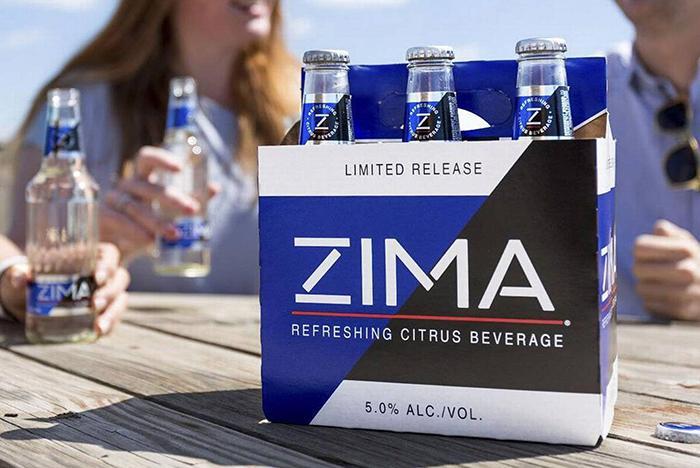
At its most basic, Zima was a clear, lightly carbonated flavored malt beverage produced from a brewed malt base with natural flavors, introduced by the Coors Brewing Company in 1993 as a beer alternative with a citrus profile and approximately 5% alcohol by volume.
That description makes it sound simple. The reality was more complicated.
Coors marketed Zima as neither beer nor wine cooler, but in its own category: a carbonated alcohol drink filtered until transparent. It targeted consumers who found beer bitter and wine coolers too sweet. In other words, Coors was trying to fill a very specific gap in the market, the gap occupied by people who wanted to drink alcohol at a party but didn’t actually enjoy the taste of most alcohol.
The name itself was deliberate. The name “Zima,” borrowed from Slavic languages where it denotes “winter,” evoked images of pristine mountain snow and pure spring water. This was branding at work. Before the product even hit your lips, you were supposed to associate it with something cold, clean, and pure.
The famous tagline was “Zomething Different,” a campaign that replaced every S sound with Z in its advertising language. It was gimmicky. It was extremely 1990s. And for a brief, dazzling moment, it actually worked.
The Clear Craze: Why This Made Perfect Sense in 1993
To understand why anyone thought a clear alcoholic beverage was a good idea, you have to understand the specific cultural moment Zima was born into.
The early 1990s were obsessed with clarity. Crystal Pepsi launched that same year. Tab Clear appeared on shelves. Miller Clear hit stores. Pabst Izen Klar entered the market. Mennen Crystal Clean deodorant was a real product that real people bought. Zima debuted in the midst of the “clear craze” of the early 1990s, when products ranging from Crystal Pepsi to Mennen Crystal Clean deodorant sought to take advantage of a vogue for transparency.
The underlying consumer belief driving all of this was simple: clear equals pure. Clear equals healthy. Clear equals something better than whatever murky, color-filled product you were drinking before. Coors read that cultural moment perfectly. Coors saw an opportunity in Americans’ growing obsession with “clear” meaning “clean,” and spent $38 million on launch advertising that portrayed Zima as a sophisticated alternative to conventional alcoholic beverages.
The timing was also driven by a practical market gap. Zima filled an empty space in the drinks market for people looking for a light, ready-to-drink alternative to beer and wine. Wine coolers existed, but they had a strong feminine brand identity. Beer was beer. There was almost nothing in between for the consumer who wanted something refreshing, alcoholic, and socially neutral.
How Zima Was Actually Made
The brewing process behind Zima is genuinely fascinating, and it explains a lot about why the drink tasted the way it did.
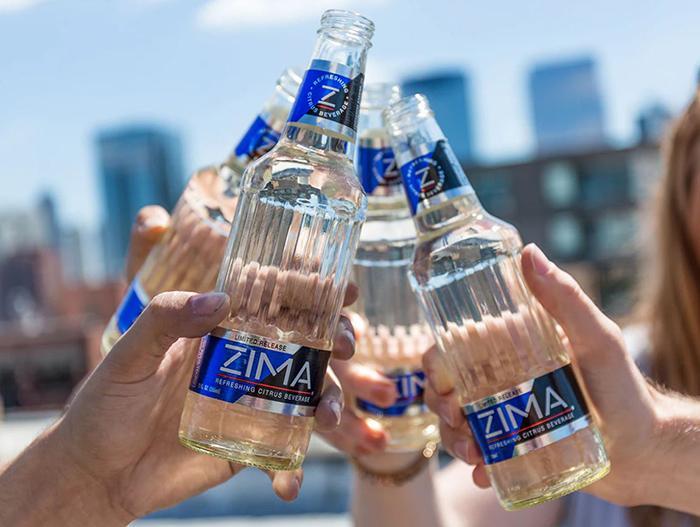
Coors devised a simple process for making a clear brew: just filter your lowest-grade lager through charcoal, a process that strips away both color and taste, then make the liquid palatable by adding citrusy flavorings.
Let that sink in. They started with their worst beer, ran it through activated charcoal until it had no color and essentially no flavor, then added lemon-lime to make it drinkable. This process maintained the beverage’s alcohol by volume at approximately 4.7% for the original U.S. version, comparable to light beers, but required careful balancing to avoid stripping away all malt character.
The charcoal filtration also had a significant side effect that would define Zima’s reputation for years: that same filtering process stripped away the taste along with the color. What you were left with was essentially alcoholic soda water that had been seasoned with artificial lemon-lime flavor.
Nutritionally, a 12-ounce serving of the original Zima contained approximately 180 calories and 21 grams of carbohydrates. Compare that to the modern hard seltzer era, where White Claw clocks in at around 100 calories and just 2 grams of sugar. Zima was, by today’s standards, a pretty heavy drink dressed up in the clothes of a light one.
The Launch: $50 Million and Half of America Takes a Sip
What Coors did in 1993 and 1994 was one of the most aggressive product launches in American beverage history.
In 1993, Coors poured $50 million into launching Zima, flooding TV networks with commercials featuring young folks in sleek bars sipping clear bottles. The campaign used its famous slogan “Zomething Different” during prime-time slots and plastered billboards nationwide.
The results were staggering. According to Coors, approximately 70 percent of drinking-aged adults tried Zima in its first year of release, selling over 1.3 million barrels that year alone. To put that in perspective, that’s a penetration rate that most consumer product companies can only dream about in a product’s debut year.
Coors also made a prescient marketing move that rarely gets credited. Coors created one of the first websites to advertise a food product, alongside a video series and a video game. In 1993 and 1994, building an internet presence for a beer product was genuinely avant-garde. In many ways, Zima’s marketing team understood digital platforms before most of the industry did.
The sales numbers confirmed the buzz. After its national launch in 1993, Zima’s sales surged to 1.2 million barrels in 1994. The clear malt beverage would never again match these numbers.
What Did Zima Actually Taste Like?
Here is where things get uncomfortable. Because the brutal, honest answer is: not great.
Why did most of America decide that the drink was somehow inherently hilarious? It ultimately came down to the flavor. While some people enjoyed it, a majority of the people who tasted it thought it was gross.
Read More : How Much Gluten Is In Beer Updated 10/2026
The Reddit thread that Mashed compiled of Zima memories is a goldmine of unfiltered consumer feedback. Drinkers described the taste as “scotch tape with lime.” Others offered this precise evocation: Zima tasted like tinfoil soaked in Fresca. The Miami New Times found quotes from 1995 drinkers describing it as “tonic water and antifreeze,” “icky beer,” and “flat Sprite.”
Zima’s flavor issues didn’t come from a lack of effort on Coors’ part. According to the Miami New Times, the brewery enlisted scientists from multiple disciplines to work for months developing the product and thoroughly tested it with focus groups before finalizing the formula. Apparently, nobody in those focus groups used the words “antifreeze.”
There was one widely known trick that drinkers developed to fix the taste. Many drinkers enhanced the flavor by dropping Jolly Ranchers into each bottle. Drop in a green apple Jolly Rancher, let it dissolve, and suddenly the medicinal lemon-lime had something more interesting going on. College parties across America treated this as standard operating procedure.
The “Girly Drink” Problem That Killed Zima
Taste aside, the other factor that doomed Zima among its target demographic was one of the most studied marketing failures in the beverage industry: the gendered perception of the drink.
Coors had intended to target Gen X men. Specifically, Coors decided to pitch its see-through drink at male consumers who didn’t love beer but fancied themselves too macho for Boone’s Farm. Coors pointedly instructed stores to never place Zima alongside wine coolers, which male drinkers regard as effete.
It didn’t work. Women loved Zima. Men saw women drinking Zima and immediately walked away. And once that association was established, it became self-reinforcing at a speed that no advertising budget could outrun.
To Coors’ horror, Zima proved most popular among young women, a demographic that, while generally fond of getting tanked, just doesn’t have the same thirst for hooch as its male counterpart. And once the ladies took a shine to the stuff, the guys avoided Zima as if it were laced with estrogen.
By the end of 1994, it had become a cultural shorthand. In 1995, Zima had become branded as a “woman’s drink” in bars and liquor stores across America. Ordering a Zima at a bar was considered a social liability for any man who cared about his reputation among other men who drank beer.
There are a million ways to slight a rival’s manhood, but to suggest that he enjoys Zima is one of the worst. That’s a direct quote from a 2008 Slate piece, written after the drink had already been dead for months. The reputation outlasted the product itself.
Zima Gold: The Failed Masculine Rebrand
Coors knew it had a problem. Its response was Zima Gold, and it is one of the more fascinating chapters in American beverage history.
Coors’ response was Zima Gold, a new beverage engineered to appeal to male drinkers through its amber color and whiskey-like flavor notes. The product was launched in spring 1995, backed by TV spots showcasing men in bars confidently ordering the drink.
The logic was straightforward: if men won’t drink a clear drink, make it amber. If they don’t trust citrus flavors, give it a bourbon-ish profile. Give it a color and a flavor associated with drinks men actually respected.
The market rejected Zima Gold within months. Male consumers avoided it, viewing the Zima name itself as incompatible with their drinking preferences, regardless of the new bourbon-inspired taste. By early 1996, Coors pulled Zima Gold from production after distributors reported full cases gathering dust in warehouses.
The lesson here is brutal: once a brand becomes gendered in the public mind, you cannot rebrand your way out of it by changing the product. The name “Zima” was the problem. Changing the color and the flavor while keeping the name was like painting a different color on a car everyone had already decided they didn’t want to drive.
David Letterman and the Late-Night Funeral
If corporate rebranding couldn’t kill Zima, late-night television helped dig the grave.
By the end of 1994, Zima had become a favorite whipping boy of David Letterman, who regularly featured it on his nightly Top Ten lists. Between 1993 and 1994, David Letterman devoted segments of “Late Night with David Letterman” to ridiculing Zima, often holding up bottles of the drink while delivering pointed jokes.
In the pre-internet age, getting mocked nightly by the most popular late-night host in America was a catastrophic form of brand damage. Letterman’s audience was exactly the young adult demographic Coors was trying to reach, and night after night, he was delivering the message that drinking Zima was something to be laughed at, not admired.
In a 2008 article, writer Brendan Koerner cited Zima’s perceived reputation as a “girly-man” beverage and its persistent parodying by late-night TV host David Letterman as factors in the drink’s decline.
The Sales Collapse: By the Numbers
The speed of Zima’s fall from grace, measured in hard sales data, remains remarkable even today.
| Year | Barrels Sold | Notes |
|---|---|---|
| 1994 | 1,200,000 | Peak sales, national launch year |
| 1996 | 403,000 | Two-thirds drop from peak |
| 2008 | 8,000 | Final year of US production |
| 2017 (comeback) | 3,000 | Limited summer re-release |
| 2018 (comeback) | 2,000 | Z2K campaign, sold out early |
MillerCoors discontinued Zima in America in October 2008 after sales dropped to 0.5% of the malt beverage market. The crystal-clear, citrus-flavored drink that had peaked at 1.3 million barrels sold in 1994 had dwindled to just 8,000 barrels in its final year.
That’s a drop of more than 99%. In fourteen years, Zima went from one of the most talked-about beverage launches in American history to a product that was barely moving enough volume to justify keeping it on shelves.
MillerCoors cited declining consumer interest as the cause but also noted that, following the merger, there were simply too many similar varieties under the same umbrella. Since Zima was one of the least profitable products for the new company at the time, it was one of the first to go.
The Underage Drinker Problem Nobody Wanted
There was one more chapter in Zima’s complicated story that deserves mention, one that contributed to regulatory headaches and bad press throughout the mid to late 1990s.
Before the advent of White Claw and Truly, Zima was the first clear alcoholic beverage. As such, its close resemblance to water made it incredibly easy for teenagers to slip the beverage past their unsuspecting parents. Further, as flavor and scent were lost in the filtration process, the beverage smelled nothing like beer, further allowing underage drinkers to go unchecked by police and parents alike.
The situation escalated further when rumors spread through high schools across the country that Zima couldn’t be detected by a Breathalyzer. Officials in 10 states sent a letter to Coors accusing it of purposely marketing Zima toward young people. In response, the company created a video showing a police officer consuming several bottles of Zima before taking a Breathalyzer, proving the alcohol would register.
The underage drinking association didn’t help Zima’s adult market credibility. It was hard to maintain the positioning of a sophisticated alternative to beer when your most enthusiastic customer base was reportedly mixing it with Jolly Ranchers at house parties before they could legally vote.
The 2017 Comeback: Nostalgia Does Sell (But Only Once)
Nearly a decade after Zima quietly disappeared from American shelves, MillerCoors made a bold bet on Gen X nostalgia.
Read More : What Is Kirsch? The Clear Cherry Brandy Every Serious Drinker Needs in His Cabinet Updated 10/2026
In 2017, MillerCoors announced that they were bringing Zima back to the U.S. market in a limited release beginning on the July 4 weekend. Demand for the product exceeded the company’s expectations, selling out entirely by September.
The company dubbed the drink’s return “Z2K,” an homage to Y2K, when there was a fleeting overblown worldwide panic that global computer networks would crash when the date changed from 1999 to 2000. The message was clear: Zima won’t be around for long this time, stock up now.
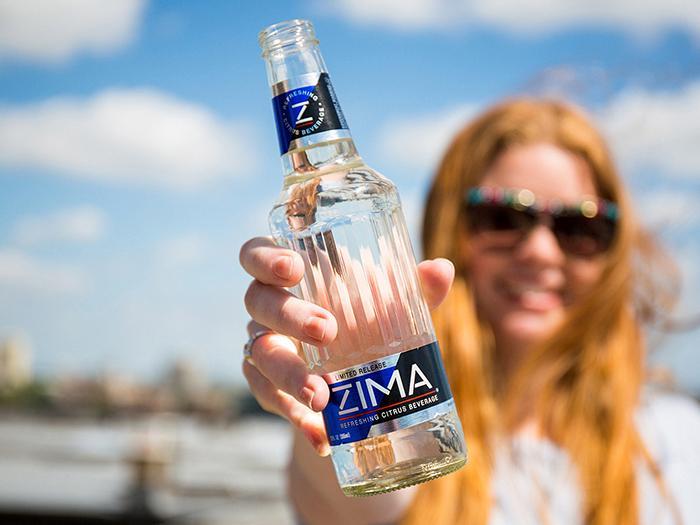
Social media did what social media does. Millions of people who had spent fifteen years making Zima jokes were suddenly posting photos of themselves holding a Zima bottle with a nostalgic grin. The internet loved it. Last summer, Zima was the ultimate comeback kid.
Stocks of the 2017 re-release sold out in just two months, prompting the brewing company to reportedly increase production 40 percent this year. A 2018 second comeback followed.
But here is the thing about nostalgia: it drives you to buy something once. It doesn’t make you want to keep drinking it every week. Despite initial social media buzz, the 2017 release sold only 3,000 barrels. A second attempt in summer 2018 performed even worse, selling just 2,000 barrels. By September 2018, MillerCoors abandoned the revival.
Zima in Japan: The Parallel Universe Success Story
Here is the part of Zima’s story that most Americans don’t know, and it’s genuinely fascinating.
Zima was launched in Japan in 1996 where it proved more popular than in its home market. In contrast to its U.S. reputation as a drink for young women, Zima was consumed in Japan by both genders from most age groups, often as an accompaniment to meals.
The exact same product, sold in exactly the same bottles, became a mainstream dinner drink in Japan while it was dying on the vine in the United States. This is a study in how the cultural context around a drink matters as much as the drink itself.
In Japan, there was no stigma around clear drinks being feminine. There was no David Letterman telling millions of viewers that Zima was a joke. The product found its audience and kept it, steady, multi-demographic, and unclouded by the gender politics that had poisoned the well in America.
Sales were heavily affected by the COVID-19 lockdowns, with overall alcohol sales to businesses such as bars and restaurants in 2020 dropping by nearly 90 percent compared to the previous year, and Coors ended its operations in Japan. Zima was discontinued by December 31, 2021.
But even that wasn’t the end. In spring 2023, Zima returned to Japanese retail shelves through a new manufacturing and distribution agreement with Hakutsuru Sake Brewing Co., a 280-year-old sake producer based in Kobe. As of 2023, if you want a real Zima, you’re booking a flight to Japan.
Zima vs. the Modern Landscape: How Does It Compare?
Here’s where the conversation gets most relevant to today’s drinker. If you’ve had a White Claw, a Truly, or a Smirnoff Ice, you’ve had a drink that owes its existence in some form to Zima.
| Product | ABV | Calories | Sugar | Gluten-Free | Category |
|---|---|---|---|---|---|
| Zima (original) | 4.7–5.4% | ~180 | 21g | No | Flavored Malt Beverage |
| White Claw | 5% | 100 | 2g | Yes | Hard Seltzer |
| Truly | 5% | 100 | 1g | Yes | Hard Seltzer |
| Smirnoff Ice | 4.5% | 228 | 32g | No | Flavored Malt Beverage |
| Mike’s Hard Lemonade | 5% | 220 | 32g | No | Flavored Malt Beverage |
Zima did contain a whopping 21 grams of sugar per bottle, totaling nearly 200 calories. White Claw boasts just two meager grams of sugar per can and only 100 calories.
The other key technical difference: White Claw is gluten-free, while Zima was not. Zima’s parent company Coors would actually just filter down its low-quality lager until the flavor was nearly undetectable and the liquid turned clear, rather than hard seltzer. These differences in booze creation are also what make White Claw gluten-free.
The biggest difference, though, is taste philosophy. Zima tasted more like boozy soda pop, while White Claw stays truer to its seltzer origins. Modern hard seltzer drinkers generally want something light-flavored, low-calorie, and close to sparkling water. Zima was more like a barely-alcoholic lemon-lime soda that happened to have a buzz.
Zima’s Real Legacy: The Pioneer Nobody Thanks
Here is the honest assessment that gets lost in all the jokes.
Zima was among the first mainstream “malternatives,” paving the way for other notable bottled drinks, including Smirnoff Ice and Mike’s Hard Lemonade.
Zima demonstrated that not all drinkers are interested in consuming beer, wine, or hard liquor, and offered a space for consumption in a previously unfilled niche. Without Zima, who’s to say if the hard seltzer brands we all know and love would even exist?
Zima’s downfall is usually attributed to its marketing missteps and questionable flavor, but in this area, it was simply ahead of its time. The beverage was the first malternative sold nationally, and as such, it was difficult for Coors to categorize. If it had hit the shelves in 2003 instead of 1993, no one would have questioned whether it was a beer or a wine cooler because hard seltzers were ubiquitous.
Think about that for a moment. The reason Zima failed was partly because it was first. It had no category to belong to. It had no comparable products to normalize it. When White Claw launched in 2016, it was entering a market that had already been educated for over two decades by products like Zima, Smirnoff Ice, and Mike’s Hard Lemonade. By the time Trevor Wallace was screaming “No laws when you’re drinking Claws” in a viral video, the category was mature. Zima built the road, then ran out of gas before reaching the destination.
Should You Try Zima if It Ever Comes Back?
If MillerCoors or Hakutsuru ever decides to push Zima back to American shores, or if you find yourself in Japan with a beverage menu in front of you, here’s the honest advice.
Go in with calibrated expectations. The legacy of Zima lives on in an explosion of sugary drink coolers like Smirnoff Ice and Mike’s Hard Lemonade that are widely available. If you’ve had those, you’ve had something in the same family as Zima.
If you want the authentic experience without access to the original, the Jolly Rancher trick still works. Drop one into any clear malt beverage and you’ve recreated the party-house ritual that defined the mid-90s summer. It won’t win any craft cocktail awards, but it’ll make you understand why a generation of drinkers still lights up when they hear the name.
More importantly, if you’re a beer drinker who has ever ordered a White Claw at a summer barbecue without apology, raise a silent toast to Zima. It got humiliated so your hard seltzer could thrive.
The Bottom Line
Zima was a clear, lemon-lime flavored, lightly carbonated malt beverage made by Coors, launched in 1993 with one of the biggest marketing campaigns in beverage history, loved briefly by half of America, mocked relentlessly by the other half, and discontinued in 2008 after a steady fifteen-year decline. It came back twice in limited nostalgia runs (2017 and 2018), both of which sold out on excitement but failed to demonstrate any long-term market appetite.
It was never as good as its launch suggested. It was never as bad as David Letterman made it sound. And it was absolutely the foundational product that proved American drinkers wanted something between beer and soda, a gap that today’s multi-billion-dollar hard seltzer industry fills with precision that Zima never quite achieved.
You can argue about the taste. You can laugh at the branding. But you cannot argue with the influence. Zima changed what Americans thought they were allowed to drink, and that is worth understanding, even if the drink itself tasted a little bit like scotch tape with lime.
Sources: https://chesbrewco.com
Category: Beer