The Best Beer for Beer Cheese: What to Use, Why It Matters, and How to Nail It Every Time
There’s a moment at every great tailgate, game-day party, or brewery visit when someone pulls out a bubbling pot of beer cheese, and the entire room moves toward it. The warm, savory, deeply satisfying aroma draws people in before the first chip even hits the bowl. Beer cheese is one of America’s great communal foods, a dish that belongs equally at a backyard cookout in Nashville, a sports bar in Chicago, or a Kentucky Derby watch party where the pretzel basket runs out before the first race even starts.
But here’s what most people don’t realize: the beer you choose for beer cheese is not an afterthought. It is, arguably, the single most important ingredient in the pot. The wrong beer can make your dip bitter, flat, or just plain off. The right beer transforms a simple cheese sauce into something that tastes like it came straight out of your favorite taproom. This guide covers every beer style worth knowing about, which specific brands perform best, how different cheeses change the equation, and the real-world decisions that separate a good beer cheese from a legendary one.
You Are Watching: Best Beer For Beer Cheese Updated 10/2026
Why the Beer You Choose Actually Changes Everything
When you cook with beer, you’re not just adding flavor. You’re adding acidity, carbonation, yeast character, hop bitterness, and malt sweetness, all of which interact with melting cheese in ways that matter enormously. The alcohol largely cooks off during the process, but the flavor compounds stay behind.
Beer acts as a thinning agent in cheese sauce, helping achieve that silky, pourable consistency that makes dipping such a pleasure. It also introduces depth that plain milk or cream simply can’t replicate. Think of it as the difference between a cheese sauce and a pub cheese experience.
According to food expert Tessa Arias, the golden rule is straightforward: you want a beer with a milder flavor profile that supports the cheese rather than fighting it. “I wouldn’t recommend anything with an intense flavor, like an IPA or stout,” she explains. “They will overpower the flavors of the cheese.” That said, there are specific scenarios where bold beers shine, and knowing the difference is what this guide is all about.
The fundamental principle is balance and matching intensity. Light beer pairs with mild or fresh cheeses. Bold, assertive beer pairs with aged, funky, or sharp cheeses. Get this wrong in either direction, and the whole dip suffers.
The Beer Styles: What Each One Brings to the Pot
Lager: The Undisputed Gold Standard
If you ask a hundred experienced home cooks and professional chefs what the best beer for beer cheese is, the majority will say lager, and they won’t be wrong. Lagers are brewed with bottom-fermenting yeast at cooler temperatures (typically between 35 and 50°F), which produces a clean, crisp flavor with little yeast-driven complexity. That cleanliness is exactly what makes them so effective in cheese sauce.
A lager brings subtle malt sweetness and a clean backbone without introducing anything that competes with the cheese. It thins the sauce beautifully, helps the cheese melt smoothly, and leaves the flavor profile open for your sharp cheddar, Gruyère, or smoked Gouda to be the real star. Classic American lagers like Budweiser, Coors Light, and Miller Lite all perform reliably, and the fact that they’re widely available at any grocery store makes them a no-brainer for large-batch cooking.
For a step up in flavor without adding too much complexity, Fat Tire Amber Lager from New Belgium Brewing is a fantastic choice. Its slight caramel malt character adds warmth to the dip, and it pairs beautifully with semi-hard tangy cheeses like cheddar, Gouda, or Swiss. It’s also carbon-neutral certified, which is a nice bonus for the environmentally-minded host.
Yuengling Lager, America’s oldest brewery’s flagship offering, is another crowd favorite. Its light profile, smooth texture, and just-right malt-to-hop balance make it particularly effective for folks who want a beer cheese that tastes unmistakably “pub-style” without leaning too heavy or too hoppy.
Pilsner: Crisp, Clean, and Underrated
Pilsner is technically a subcategory of lager but deserves its own recognition in beer cheese discussions. The style originated in Bohemia and comes in two main forms: the drier, more bitter European pilsner, and the cleaner, gentler American pilsner. For beer cheese purposes, you almost always want the American style.
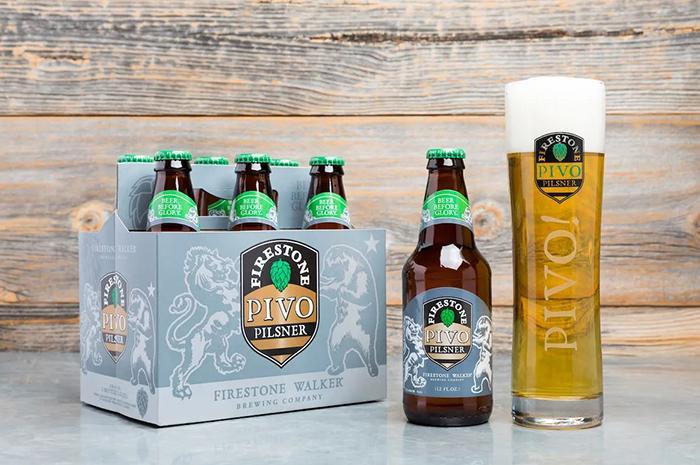
American pilsners like Stella Artois and Miller Lite are less hoppy and far less bitter than their European counterparts, which means they slide into a cheese sauce without adding any sharp edges. The result is a beer cheese with a light, refreshing backbone, one that lets the cheese flavors sing clearly.
Stella Artois in particular adds a subtle European elegance to the dip. It’s a popular choice for serving at more refined gatherings, from wine-and-cheese style platters to upscale tailgates.
Wheat Beer and Hefeweizen: The Underdog Pick
Here’s where things get interesting for the adventurous home cook. German Hefeweizen, a style of wheat beer known for its bready, slightly fruity character and subtle banana and clove notes, makes an exceptional beer cheese according to several culinary experts.
Tessa Arias specifically recommends a hefeweizen as her go-to for beer cheese, describing it as having a “pleasantly bready taste but also very crisp.” The German versions are less sweet and fruity than some American wheat beers, which makes them ideal for cooking. They add depth without aggression.
Blue Moon Belgian White, while technically a Belgian-style wheat ale, is another popular option. Its flavor profile, built around coriander and orange peel, plays especially well with Brie-style cheeses and mild cheddars. The slight citrus note brightens the overall cheese dip and makes it feel lighter on the palate. It’s a particularly good choice for summer gatherings or whenever you want a beer cheese that feels a little more refreshing than your average pub version.
Allagash White Ale, brewed in Maine, is another wheat beer worth seeking out. Its smooth, slightly sweet character, with hints of oats and a mild citrus finish, pairs beautifully with soft, creamy cheeses and keeps the overall dip from feeling too heavy.
Pale Ale: The Hop-Curious Middle Ground
If you want a little more character in your beer cheese without going full IPA, an American pale ale is an excellent compromise. These beers sit between a mild lager and a bold IPA, offering some hop presence alongside a solid malt backbone.
Sierra Nevada Pale Ale is the classic reference point here. Its crisp hoppy bitterness, supported by notes of citrus, pine, and tropical fruit, cuts through the richness of cheese sauce while adding a noticeable complexity. At 6% ABV, it’s strong enough to contribute real flavor without overwhelming the dish. It works especially well when your dip includes sharp English cheddar, where the pale ale’s malt sweetness provides a lovely contrast to the cheddar’s bite.
For something slightly more malt-forward, New Belgium Fat Tire Amber Ale straddles the line between pale ale and amber ale and makes a reliably excellent beer cheese, particularly with cheddar-forward recipes.
IPA: Handle with Care
The India Pale Ale is the most divisive beer for beer cheese conversations, and for good reason. IPAs are characterized by their prominent hop bitterness, with IBU (International Bitterness Units) readings that commonly range from 40 to 70, and double IPAs pushing well past 100. They also carry bold aromas, ranging from piney and resinous (West Coast styles) to tropical and juicy (New England Hazy IPAs).
Read More : Is Root Beer Good For Upset Stomach Updated 10/2026
Here’s the honest breakdown: most IPAs do not belong in beer cheese. Their bitterness magnifies during cooking, and the result is a dip that tastes harsh and one-dimensional rather than creamy and complex. Craft cooks who use IPAs often note that they produce a “very strong hoppy flavor,” which many guests find overpowering.
However, there are situations where an IPA absolutely earns its place:
When your cheese is bold, aged, and assertive, such as extra-sharp cheddar, blue cheese, or cave-aged Stockinghall cheddar, an IPA’s bitterness can provide a balancing counterpoint rather than competing with milder flavors. Founders Centennial IPA is a popular choice in this context, with its malty undertones offering enough backbone to handle the sharpest cheeses. Montauk Wave Chaser IPA has also earned praise for its bold citrus notes that cut through the richness of high-fat, assertive cheeses.
If you want the IPA experience without the overwhelming bitterness, consider a New England-style Hazy IPA. These beers are characterized by low bitterness (sometimes as low as 17 IBU), a soft, juicy mouthfeel, and tropical fruit aromatics. They’re far more cooking-friendly than a traditional West Coast IPA and can add a pleasant fruity note to your beer cheese that feels approachable rather than aggressive.
Dark Beer: Stout and Porter
Dark beers bring a fundamentally different flavor profile to beer cheese: roasted malt, coffee, chocolate, and caramel notes that can add remarkable depth to the right recipe. The key word is “right.” Dark beers are not the universal choice, but in specific contexts they are extraordinary.
A dark lager is the most flexible of the dark options. It delivers that deep, slightly roasted character without the heavy body of a stout, making the resulting dip bold but not overwhelming. Dark lagers work beautifully when paired with aged cheddar or served alongside salty, cured meats.
Stouts are the boldest choice and, used thoughtfully, can create an intensely savory beer cheese with coffee and chocolate undertones. They pair best with bold cheeses like blue cheese, aged cheddar, or Pepper Jack, where the dairy’s assertiveness matches the beer’s depth. The classic pairing principle applies here: if the cheese is bold, the beer should be too.
Porters, which use roasted malted barley rather than unmalted roasted barley (as stouts do), offer a slightly smoother take on the dark beer profile. Notes of caramel, toffee, and dark fruit make porter-based beer cheese a surprisingly nuanced experience. Sierra Nevada Porter and Deschutes Black Butte Porter are respected choices that work well in heartier beer cheese preparations, particularly those destined for spreading on sourdough or dipping with robust rye crackers.
Brown Ale: The Secret Weapon
Brown ale is one of beer cheese’s most underappreciated options. The style sits comfortably between a pale ale and a porter, delivering toasty, nutty, caramel-forward flavor without the roasty intensity of dark beers or the hop bitterness of pale ales.
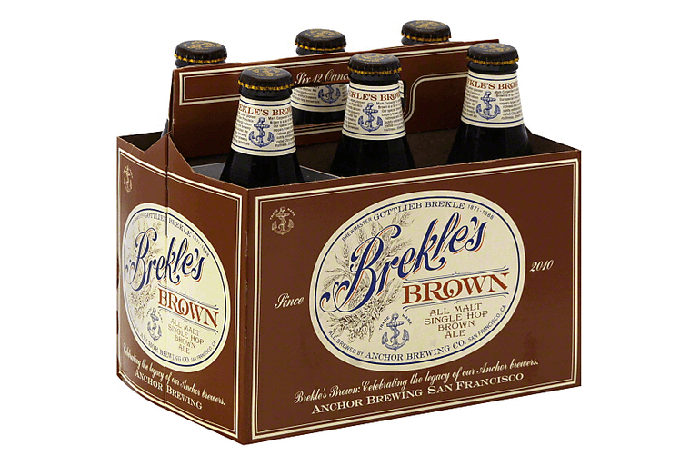
Samuel Smith’s Nut Brown Ale is a particularly well-regarded option, its gentle nuttiness complementing semi-hard tangy cheeses like Gouda and mild cheddar with remarkable elegance. For the home cook who wants to impress without overwhelming anyone, a brown ale-based beer cheese offers complexity that feels more sophisticated than the average lager dip while remaining approachable to all palates.
The Best Specific Beer Brands, Ranked by Use Case
| Beer | Style | Best For | Flavor Contribution |
|---|---|---|---|
| Sam Adams Boston Lager | Amber Lager | All-purpose, sharp cheddar | Malty sweetness, slight hop spice |
| Fat Tire Amber Lager | Amber Lager | Cheddar, Gouda, Swiss | Caramel malt, warm finish |
| Budweiser / Coors Light | American Lager | Large batches, crowd-pleasing | Clean, neutral, lets cheese shine |
| Yuengling Lager | American Lager | Pub-style dips | Smooth, crisp, mildly malty |
| Blue Moon Belgian White | Wheat Ale | Brie, mild cheddar | Citrus, coriander, light sweetness |
| Sierra Nevada Pale Ale | American Pale Ale | Sharp English cheddar | Citrus-hop, malt backbone |
| Stella Artois | Pilsner | Refined presentations | Crisp, clean, subtly bitter |
| Founders Centennial IPA | American IPA | Aged cheddar, blue cheese | Bold hop bitterness, citrus |
| Samuel Smith Nut Brown Ale | Brown Ale | Gouda, mild cheddar | Nutty, toasty, caramel |
| Deschutes Black Butte Porter | Porter | Bold spreads, sourdough | Chocolate, caramel, toffee |
The Cheese Matters as Much as the Beer
Choosing the right beer for beer cheese is only half the equation. The cheese you select changes everything about which beer works best in the pot.
Sharp Cheddar is the undisputed king of beer cheese recipes, and for good reason. It delivers bold, tangy, unmistakable flavor that pairs with a wide range of beer styles, from a mild lager to an amber ale to a pale ale. Always shred your cheddar fresh off the block: pre-shredded cheese contains anti-caking agents that prevent smooth melting and produce a gritty, lumpy texture. Cabot and Tillamook are consistently recommended cheddar brands for their reliable flavor and excellent melt quality.
Gruyère adds a nutty, slightly sweet complexity that elevates a beer cheese dip significantly. It pairs best with amber lagers and brown ales, which provide complementary malt sweetness. When using Gruyère, look for Swiss-made versions with the AOP seal for authentic flavor.
Smoked Gouda is a favorite for cooks who want an effortless way to add depth. Its smokiness creates a layered flavor that pairs beautifully with a hefeweizen (the bready wheat notes complement the smoke) or a pale ale. When combined with sharp cheddar in a 50/50 split, smoked Gouda elevates a basic lager dip into something that tastes genuinely artisanal.
Pepper Jack brings heat to the mix and needs a beer that can match its assertiveness without amplifying the spice to uncomfortable levels. Brown ales and dark lagers work well here, their malt sweetness softening the pepper’s bite.
Blue Cheese is the most demanding of all cheese choices for beer cheese. It needs a beer that is equally bold. A double IPA or a smooth stout are the recommended pairings, where the bitterness or roast can stand up to the cheese’s pungency and bring the whole dip into balance.
The Science of Cooking Beer into Cheese Sauce
Understanding what actually happens when beer meets cheese on the stove will make you a significantly better beer cheese cook.
The classic beer cheese method involves building a roux, a cooked mixture of butter and flour that acts as the thickening base. Once the roux is established, the beer is whisked in gradually (along with milk or half-and-half), followed by cheese. The process requires patience: adding cheese too quickly or at too high a heat causes the proteins to seize up, resulting in a grainy, broken sauce.
Most of the alcohol in beer evaporates during the cooking process. What remains is a trace amount that contributes zero intoxication to guests. This also means the dip can be safely served to anyone concerned about alcohol content, including children in small amounts and guests who avoid alcohol for medical or personal reasons.
The carbonation in beer also plays a functional role. It helps loosen the sauce slightly and contributes a very subtle natural acidity that keeps the flavor bright. This is why you don’t need to let the beer go flat before using it, a common misconception. Fresh, carbonated beer works perfectly well, and the bubbles fizzle out naturally as the sauce warms.
Worcestershire sauce is the one ingredient that consistently appears alongside beer in the best beer cheese recipes. It contributes a deep, savory umami quality that makes the dip taste like it came from a professional kitchen. Dijon mustard serves a similar purpose, adding tanginess and complexity without tasting like mustard at all. These two ingredients are, in practical terms, nearly as important as the beer itself.
Matching Beer Cheese to the Occasion
Read More : Best Beer For Sake Bombs Updated 10/2026
Beer cheese is one of the most versatile party foods in existence, but the beer you choose should reflect who you’re feeding and what the occasion calls for.
Game day and tailgates are the natural home of beer cheese, and here the priority is crowd-pleasing simplicity. Stick with a reliable American lager (Budweiser, Coors Light, Miller Lite) or a widely loved amber like Sam Adams Boston Lager. These beers produce a beer cheese that virtually everyone will enjoy, with no unexpected bitterness or divisive flavor notes.
Craft beer gatherings and taproom-style parties are the place to experiment. A hefeweizen-based beer cheese served alongside soft Bavarian-style pretzels creates an authentic German beer hall experience in your living room. A pale ale version with smoked Gouda and sharp cheddar will earn respect from beer-savvy guests.
Holiday parties and more refined gatherings call for subtlety. A Blue Moon wheat ale-based dip with a mild cheddar and Gruyère blend hits a sophisticated note without alienating guests unfamiliar with craft beer. Serve it with sliced baguette, garlic crostini, and crackers rather than chips, and the presentation shifts from casual snack to elegant appetizer.
Summer cookouts benefit from lighter, crisper profiles. A pilsner-based beer cheese served cold as a pub-style spread (rather than warm as a dip) is a perfect companion to grilled bratwurst, pretzels, and fresh vegetables. The cold version spreads easily, holds up well at room temperature, and pairs seamlessly with an ice-cold beer in your other hand.
What to Avoid: Beers That Usually Don’t Work
Knowing what not to use is just as valuable as knowing what works.
Fruit-flavored beers (orange ales, berry sours, fruit-forward IPAs) introduce sweetness and fruitiness that clashes badly with savory cheese. The resulting dip tastes confused rather than complex.
Aggressive West Coast IPAs with very high IBU ratings will make your beer cheese taste bitter and sharp in an unpleasant way. The bitterness compounds during cooking and lingers long after the dip has cooled.
Peanut butter stouts and other novelty beers with strong added flavors similarly derail a beer cheese, introducing flavor notes that fight the cheese rather than supporting it.
Overly sweet Belgian-style ales can swing the dip’s flavor profile in the wrong direction, making it taste dessert-like rather than savory and satisfying.
The guiding rule: taste the beer before you cook with it. If you wouldn’t enjoy drinking it on its own, you probably won’t enjoy cooking with it. And if its flavors are strong enough to dominate your palate in the glass, they’ll dominate your dip on the stove.
Making Beer Cheese Without Beer: Real Alternatives
Not every guest drinks alcohol, and some occasions call for an inclusive approach. The good news is that non-alcoholic beer works extremely well in beer cheese and is genuinely recommended by multiple culinary sources. The fermentation-derived flavor compounds in non-alcoholic beer are largely preserved even when the alcohol is removed, meaning you still get the characteristic malt and light hop character that makes beer cheese taste like beer cheese.
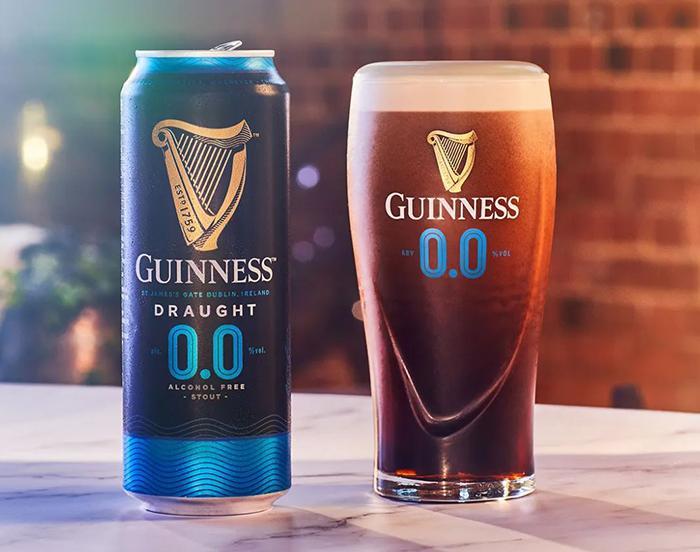
Guinness 0.0, the non-alcoholic version of the world’s most famous stout, produces a dark beer cheese with roasted depth that’s indistinguishable from the alcohol-containing version for most tasters.
For a completely beer-free version, vegetable stock with a tablespoon of apple juice replicates some of the acidity and subtle sweetness of light beer. It’s not a perfect substitute, but it’s a solid option for younger guests or those who avoid beer entirely. Apple cider also works surprisingly well, adding a slightly sweet, fruity note that plays nicely with mild cheddar.
Serving Beer Cheese Like a Pro
The beer is chosen, the cheese is melted, and the dip is ready. Now comes the part where most people take the shortcut when they really shouldn’t.
Serve immediately when the dip is freshly made and still hot. Beer cheese thickens significantly as it cools. If you’re hosting, transfer the finished dip to a small slow cooker or fondue pot set to its lowest setting to keep it warm and pourable throughout the party.
Dipper pairings matter more than most people realize. Soft pretzels are the traditional and arguably unbeatable choice: the salt, chew, and slight yeastiness of a fresh pretzel is calibrated perfectly for beer cheese. Soft pretzel bites are particularly practical for parties, offering a bite-sized experience that keeps the dip-to-pretzel ratio ideal.
Beyond pretzels, tortilla chips, chunks of sourdough bread, baguette slices, and rye crackers all perform beautifully. For a lighter spread, celery sticks, broccoli florets, carrot sticks, and bell pepper strips bring welcome freshness that cuts through the richness of the dip. Sliced green apples and pears offer a surprising sweetness-savory contrast that works particularly well with sharp cheddar or blue cheese-based dips.
Beer cheese also lives beyond the dip bowl. Spread it on burgers instead of traditional cheese slices. Drizzle it over nachos. Stir it into macaroni for the most indulgent mac and cheese of your life. Pour it over a baked potato or loaded fries. Anywhere a creamy, savory, slightly boozy cheese sauce makes sense, beer cheese belongs.
The History Behind the Dip in Your Bowl
Beer cheese has specifically American roots, with its most direct lineage traced to Clark County, Kentucky, where a restaurant owner named Joe Allman is credited with developing the cold, spreadable version of beer cheese that became iconic in the region during the mid-20th century. The original Kentucky-style beer cheese was uncooked, made by blending sharp cheddar with beer, garlic, and seasonings until spreadable, and served cold with crackers.
The warm, cooked version more familiar at sports bars and parties today evolved from pub culture, where it became a staple snack designed (according to some accounts) to encourage beer sales by keeping patrons both thirsty and satisfied. Cold pub cheese, as it’s sometimes called, is still served in American pubs alongside crackers and vegetable sticks and maintains a loyal following among those who prefer a dip that can be made ahead and stored without reheating.
Today, beer cheese appears on menus across the country in everything from upscale gastropubs to stadium concession stands, a testament to its deeply satisfying, crowd-proof appeal.
Final Thoughts: Your Beer, Your Rules
The world of beer cheese is, ultimately, a world of delicious experimentation. The guidelines above exist to give you a foundation, but the most memorable version you’ll ever make will come from trusting your own palate and pushing your comfort zone. Try a hefeweizen next time instead of a lager. See what happens when you use a brown ale with Gouda. Make the IPA version for a group of craft beer friends and watch their reactions.
Beer cheese is one of the rare dishes where the cook’s personality comes through in every bite. The beer in the pot tells a story about what you love, where you’ve eaten, and what you think a great dip should taste like. Get curious. Get hungry. And whatever beer ends up in the pot tonight, make sure there’s another cold one waiting beside it.
Sources: https://chesbrewco.com
Category: Beer